2027 How Many Credits Do You Need for a Geosciences Bachelor's Degree?

Co-Founder and Chief Data Scientist
Deciding how many credits are required for a geosciences bachelor's degree can be confusing for transfer students and working adults resuming education. Many assume a fixed total, but credit requirements often vary by institution and transfer policies. For example, the U. S. Bureau of Labor Statistics reports that nearly 20% of geoscientists enter roles with non-traditional education paths, relying heavily on transfer and examination credits. Navigating how general education, major-specific credits, electives, and credit transfers apply is essential. This article breaks down the credit hour minimums and outlines strategies to minimize time and cost, empowering readers to efficiently plan their degree progress.
Key Benefits of Knowing the Number of Credits Needed for a Geosciences Bachelor's Degree
- Knowing total credits clarifies the time and financial investment needed, helping students plan to graduate efficiently and reduce tuition expenses tied to extended enrollment.
- Understanding credit distribution between general education, major courses, and electives enables smarter course selection, ensuring fulfillment of degree requirements without unnecessary classes.
- Policies on transfer credits, CLEP exams, and military training can significantly lower paid credits, minimizing debt for working adults or transfer students pursuing geosciences degrees.
How Many Total Credit Hours Are Required to Earn a Geosciences Bachelor's Degree?
The national standard for most bachelor's degrees, including those in geosciences, is approximately 120 semester credit hours. Data from the National Center for Education Statistics (NCES) and the Integrated Postsecondary Education Data System (IPEDS) indicate that while many regionally accredited institutions align their geosciences programs with this figure, some require between 124 and 128 credits.
These variations typically reflect additional coursework for advanced topics, state licensing requirements, or specialized accreditation within geosciences.
Typical credit requirements for a geosciences undergraduate degree include a combination of general education, major-specific classes, and electives or minors. Here are examples from established universities:
- University of Arizona: Requires 120 total credit hours encompassing core science classes, general education, and electives tailored for diverse career preparation.
- Pennsylvania State University: Demands 120 credits featuring foundational earth sciences, advanced laboratory work, and field studies.
- University of North Carolina at Chapel Hill: Sets a requirement of 124 credit hours, incorporating comprehensive geology courses and interdisciplinary elements.
- Oregon State University: Requires 128 credits, offering flexibility with electives and specialization options such as environmental geology and geophysics.
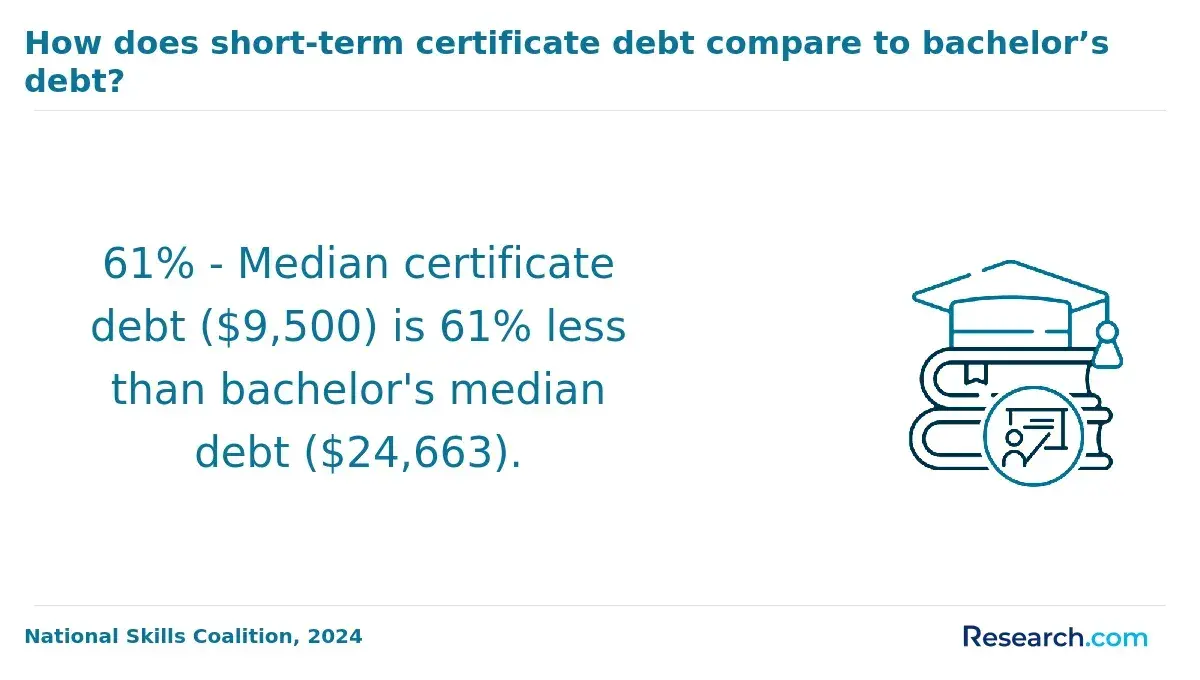
Transfer credits, CLEP exams, prior learning assessments, and credits for military training can significantly reduce the number of credit hours a student must complete, an important factor for those concerned about the cost of education. These mechanisms allow cost-conscious students to reduce tuition expenses by decreasing the credits they pay for.
The credit load per term, term length, and availability of accelerated pathways also influence graduation timelines. By understanding these details and options like 1 year masters program pathways, students can design a more efficient educational plan that suits their goals and resources.
Calculating tuition by multiplying total credit hours by the cost per credit hour is a practical step for financial planning, helping students budget their investment in a geosciences degree more precisely.
What Is the Standard Credit Distribution Between General Education and Geosciences Major Coursework?
Earning a bachelor's degree in geosciences generally requires completing 120 to 130 credits, structured into a standard credit distribution of general education, major-specific core courses, and electives. This three-part breakdown ensures a well-rounded academic foundation while focusing on specialized knowledge.
- General Education Credits: Programs typically allocate between 30 and 45 credits to general education. These courses cover essential subjects like English, math, social sciences, and natural sciences, equipping students with skills beyond their major. For example, the University of Texas at Austin requires around 40 general education credits to support a broad academic base.
- Major-Specific Coursework: Core geosciences classes usually range from 40 to 60 credits, focusing on geology, environmental science, geophysics, and field methods. Some schools, such as North Carolina State University, allow students to begin major coursework early, sometimes in their first year, which provides a focused approach to their education.
- Elective Credits: Electives make up 20 to 30 credits, allowing students to explore interests related or unrelated to geosciences. This flexibility supports interdisciplinary learning and personal academic growth.
- Transfer Credit Considerations: The ratio of general education to major credits can significantly impact transfer students. Those coming from community colleges or other institutions need to analyze how credits align with their new program's curriculum. Flexible general education requirements, articulation agreements, CLEP exams, prior learning assessments, and military training credits can help reduce the total credits needed, lowering both time and cost to completion.
Students should consult program sample four-year plans or curriculum maps available on university websites to understand credit distribution and term structures. Using accelerated pathways or applying previously earned credit can shorten the timeline to graduation.
Cost-conscious degree seekers in geosciences might also consider exploring the cheapest CACREP-accredited programs online as comparable low-cost options to reduce financial burden.
2026 Update: Lab, Fieldwork, and Prerequisite Sequencing
This 2026 update adds a practical planning angle: how required labs, field experiences, and course sequences can affect when geosciences credits can actually be completed.
- Whether lab credits are listed separately from lecture credits and must be taken in the same term
- If field methods, field camp, or local fieldwork courses are required for graduation
- Whether required field courses are offered only in certain semesters or during summer sessions
- Which foundational courses, such as chemistry, physics, calculus, or GIS, must be finished before upper-level geosciences classes
- Whether missed prerequisites could delay progress even if the student has enough total credits
- If online students must complete any in-person lab or field components
Checking these details early helps students build a realistic degree plan, avoid hidden scheduling delays, and understand the difference between earning enough credits and completing the right credits in the right order.
How Do Credit Requirements for an Online Geosciences Bachelor's Degree Compare to On-Campus Programs?
Most online geosciences bachelor's degree programs require roughly the same total credits as traditional on-campus programs because credit hours are based on course content and expected learning outcomes, not how the material is delivered. This ensures consistency in academic standards across formats.
- Equivalent Credit Hours: Both online and campus programs typically demand similar credit totals to maintain accreditation and rigor, so students complete comparable coursework regardless of delivery method.
- Competency-Based Models: Some online programs use competency-based education, allowing students to progress by proving mastery instead of accumulating seat time, which can speed up credit earning compared to fixed-term schedules.
- Flexible Scheduling: Online formats often provide asynchronous or self-paced courses, giving learners control over when they complete credits without altering the overall credit requirement.
- Transfer and Prior Learning: Online programs may accept a wider variety of transfer credits-such as community college classes, CLEP exams, and military training-which can reduce the number of credits students need to complete and save time and money.
Breakdown of All Fully Online Title IV Institutions

Which Geosciences Bachelor's Programs Allow Students to Complete the Degree With Fewer Than 120 Credits?
Several accredited geosciences bachelor's degree programs offer completion with fewer than the standard 120 credit hours, typically ranging from 90 to 110 credits. This reduction is primarily designed for transfer students, military veterans, or those demonstrating prior learning, helping them enter with credits that fulfill general education or introductory requirements.
These streamlined programs focus on major coursework to ensure academic depth while reducing overall credit burdens.
- Transfer-Friendly Programs: Many state universities accept community college associate degrees, allowing transfer students to complete their geosciences bachelor's degrees with fewer total credits by applying general education credits already earned.
- Prior Learning Credits: Institutions such as the University of Wisconsin and Colorado State University recognize military training or documented knowledge, enabling students to count these experiences toward degree requirements.
- Accelerated Formats: Some degrees allow faster completion through heavier course loads or summer sessions without necessarily reducing credits, offering a quicker path for those seeking accelerated geosciences degree programs with reduced credit hours.
- Credit Minimums Verified: Official academic catalogs and IPEDS data confirm that reduced-credit programs maintain rigorous standards, with minimums usually no lower than 90 semester hours.
- Licensure Considerations: Students should verify program compliance with professional expectations, as some geosciences specialties require the full 120-credit curriculum for certification.
- Cost and Time Efficiency: Lower credit requirements can decrease tuition and speed graduation, a benefit for working adults and transfer students prioritizing affordability and completion speed.
For working adults exploring degree pathways, combining such credit-efficient geosciences programs with options like a 1 year MSW programs online no BSW can support flexible educational planning tailored to their needs.
Can Transfer Credits Reduce the Total Credits Needed to Finish a Geosciences Bachelor's Degree?
Many universities permit students to transfer a significant number of credits, often ranging from 60 to 90 semester hours. Larger caps allow students to complete fewer credits at the institution granting the degree, thereby shortening time and expenses. Schools conduct thorough reviews of transcripts from community colleges, other four-year universities, and international institutions.
They assess course content and rigor to determine equivalency with their geosciences curriculum, especially for core subject requirements.
- Minimum Grade Requirements: A minimum grade-usually a C or better-is typically required for a course to be accepted for transfer. Credits with lower grades generally don't apply toward degree progress.
- Lower-Division Credit Limits: Many programs restrict how many introductory-level credits can fulfill major requirements, ensuring students complete advanced geosciences courses on their campus.
Prospective students should request an official transfer credit assessment before enrolling. Providing transcripts and detailed syllabi to admissions counselors helps clarify which credits will be accepted.
How Do CLEP, DSST, and Prior Learning Assessments Count Toward Geosciences Bachelor's Degree Credits?
Clearing exams like the College Level Examination Program (CLEP) and DANTES Subject Standardized Tests (DSST) offers a practical way to gain college credits by successfully completing proctored tests. These credits can substitute certain general education or elective courses within a geosciences bachelor's degree, lowering the overall number of classes needed to graduate.
Institutions with the most accommodating policies may accept up to 30 semester hours from these exams, especially in flexible geosciences programs.
- Flexible Exam Acceptance: Many geosciences programs recognize CLEP exams in areas like natural sciences, math, and humanities, which align with degree requirements. DSST exams cover relevant fields such as environmental and physical sciences. Students attending schools with lenient credit policies can apply these exam results toward both general education and elective requirements.
- Prior Learning Assessment (PLA): PLA encompasses portfolio submissions, challenge exams, and credit recommendations by the American Council on Education (ACE) for workplace or military experiences. This pathway allows students to convert real-world knowledge into academic credits, sometimes fulfilling elective or core geosciences courses.
- ACE Credit Recommendations: The ACE evaluates a variety of military and professional training programs and issues standardized credit guidelines. These credits are widely accepted across many institutions, offering considerable progress toward degree completion-particularly valuable for veterans and adult learners.
- Documenting Learning: Prospective students should compile detailed transcripts, certifications, and proof of competencies ahead of enrollment. Universities typically require portfolios demonstrating equivalency to course outcomes. Early evaluation of these materials helps reduce tuition by minimizing required coursework.
- Usage Trends: According to recent data from the National Center for Education Statistics, over 60% of undergraduates in 2022 utilized exam-based or prior learning credits, reflecting increased acceptance in STEM fields like geosciences and supporting faster degree completion.
What Is the Role of Elective Credits in a Geosciences Bachelor's Degree Program?
Elective credits play a vital role in a geosciences bachelor's degree program by offering students the flexibility to customize their education beyond the core curriculum. These credits allow learners to explore interdisciplinary fields or deepen expertise within geosciences specialties, facilitating a tailored academic experience that aligns with personal and professional goals.
- Curricular Flexibility: Electives enable students to engage with related disciplines such as environmental science, geography, or data analysis, enriching their understanding through cross-disciplinary perspectives.
- Career Alignment: Strategic elective choices can prepare students for industry certifications or satisfy graduate school prerequisites, enhancing their qualifications and future prospects in geosciences careers.
- Minor and Specialization Opportunities: Electives often constitute the foundation for minors or specialized tracks like hydrogeology or paleontology, allowing students to build focused academic profiles.
- Program Variety: Some geosciences programs offer an extensive selection of electives, including courses from partner institutions or approved online platforms, expanding access to diverse subject matter.
- Financial Considerations: While electives add valuable flexibility, each credit contributes to the overall cost of the degree. Prioritizing electives that offer measurable academic or career benefits is essential for cost-effective planning.
According to the National Center for Education Statistics, approximately 60% of bachelor's degree graduates customize some of their electives to better match career goals, underscoring the increasing importance of this curricular component in STEM education.
How Many Credits per Semester or Term Do Most Geosciences Bachelor's Students Typically Take?
Most students pursuing a geosciences bachelor's degree enroll as full-time students, typically taking 12 or more credit hours per semester or term. Universities usually designate 12 credits as the minimum for full-time status, with fewer credits qualifying as part-time. This full-time load helps students complete the typical 120-credit requirement in about four years over two traditional semesters annually.
Part-time students take fewer than 12 credits each term, which extends their time to graduation depending on the credit load. Understanding the average semester credit load for geosciences undergraduate students in the US can help in planning a realistic timeline to degree completion.
The length of terms-semester, quarter, or accelerated 8-week blocks-interacts with credit load to influence degree pace. Semesters usually last about 15 weeks, while quarters or accelerated terms are shorter and demand more intensive study over less time.
Students balancing work or family need to consider how these term structures affect their workload and graduation timeline. Those who enroll part-time or choose accelerated terms should plan carefully to avoid academic strain.
Here's a simple estimate for time to completion based on a 120-credit geosciences program:
- 6 credits/term: Approximately 10 years
- 9 credits/term: Approximately 7 years
- 12 credits/term: Approximately 5 years
- 15 credits/term: Approximately 4 years
Overloading credits, especially in online geosciences programs requiring strong self-discipline, risks burnout and lower academic performance. It's best to start with a conservative credit load and increase it gradually as confidence builds.
According to recent data from the National Center for Education Statistics, over 30% of bachelor's students now enroll part-time, reflecting a growing need for flexible credit pacing.
- Full-Time Minimum: At least 12 credits per term is standard for full-time status, supporting the typical four-to-five-year timeline for a geosciences degree.
- Term Length Impact: Semester, quarter, and accelerated terms affect workload intensity and pacing, with shorter terms requiring focused time management.
- Balance Considerations: Students managing jobs or family should select credit loads and term formats that fit their schedules to prevent academic strain.
- Graduation Estimates: Fewer credits per term extend time to graduate, from four years at 15 credits to about ten years at six credits per term.
- Credit Overload Risks: Taking too many credits, particularly in online settings, can cause burnout and delay graduation; increasing course loads gradually is advised.
- Recent Trend: More than 30% of bachelor's students enroll part-time, underscoring the demand for flexible options and pacing strategies.
Cost-conscious students should explore options such as transfer credits, CLEP exams, prior learning assessments, and military training credits, which can significantly reduce the courses they must pay for. For guidance on affordable degree options that may complement geosciences pathways, consider programs like the urban planning degree online, which also emphasize flexible credit pacing and accelerated pathways.
Are Credit Requirements for a Geosciences Bachelor's Degree Affected by the School's Accreditation Type?
Credit requirements for a geosciences bachelor's degree can vary significantly depending on the school's accreditation type. The impact of regional accreditation on geosciences degree credits is substantial, as regionally accredited schools-such as those recognized by the Higher Learning Commission (HLC), Southern Association of Colleges and Schools Commission on Colleges (SACSCOC), or New England Commission of Higher Education (NECHE)-typically follow standardized credit hour policies aligned with federal guidelines and employer expectations.
These programs usually require a balanced credit load divided among general education, major courses, and electives that meet recognized norms.
- Regional Accreditation: Geosciences programs with regional accreditation adhere to credit hour standards that facilitate smoother transfer credit acceptance and are commonly preferred by employers and graduate schools for their rigor and credibility.
- National Accreditation: Institutions with national accreditation often have disparate credit hour structures that may not satisfy regional standards. If you plan to transfer credits or pursue graduate studies at a regionally accredited institution, these differences could challenge credit acceptance and may extend your time and cost to degree completion.
- Transfer Credit Policies: Credits from regionally accredited programs tend to transfer more easily, whereas national accreditation can limit transferability-potentially requiring retaking courses. Opportunities to earn credits through CLEP exams, prior learning assessments, military training, or transfer from community colleges can reduce the overall credit load and expenses for geosciences students.
- Employer Recognition: Degrees from regionally accredited schools are generally viewed as more credible by employers and graduate programs, often influencing job prospects and further education options.
Before enrolling, verify the program's accreditation through the U.S. Department of Education database to protect your academic investment. Returning students and transfer students can also explore accelerated pathways and flexible term structures to optimize their timeline.
For those starting from scratch or seeking flexible options, reviewing available associates degrees online can be a cost-effective step toward a bachelor's degree in geosciences.
How Do Credit Hour Requirements Differ Across Geosciences Bachelor's Degree Concentrations or Specializations?
Geosciences bachelor's degrees usually require 120 to 130 credit hours, but specializations often increase this total. For example, general geosciences typically demands about 120 credits, environmental geosciences requires 125 to 135 credits due to extra labs and fieldwork, and petroleum geology needs 130 to 140 credits including technical practicum courses.
- Concentration Options: Other common tracks like geophysics and geoarchaeology also raise credit loads, often exceeding 130 credits by adding advanced math, physics, or archaeological methods and fieldwork. These differences reflect program emphasis and skills needed for specific career paths.
- Switching Tracks: Students can change concentrations, but doing so late in the program may extend graduation timelines because of additional or differing course requirements, making early planning important for an efficient path.
- Transfer Credits and Cost Savings: Many programs accept community college credits, CLEP exams, and military training to reduce required credits, which can lower tuition costs and shorten time to degree completion.
According to the Bureau of Labor Statistics, specialized roles such as petroleum geologists tend to earn median salaries over 20% higher than general geoscientists, supporting the extra coursework investment.
What Happens If a Geosciences Bachelor's Student Exceeds the Required Credits - Do Extra Credits Cost More?
Tuition costs for geosciences bachelor's students can vary significantly based on how schools handle credit hours beyond the minimum required, typically around 120 credits. Institutions that charge per credit hour will add fees for every extra credit, increasing the overall expense if students pursue double majors, minors, certificate programs, or need to repeat courses. This can make finishing the degree more costly than initially anticipated.
Conversely, many universities apply a flat-rate tuition system per semester for full-time students, often covering between 12 and 18 credits. Within this full-time range, adding extra classes does not raise tuition, allowing geosciences students to explore additional coursework without extra financial burden.
This system encourages academic flexibility without added cost.
- Per Credit Charges: Each additional credit increases tuition, especially impacting students extending their study beyond 120 credits due to double majors or course repeats.
- Flat-Rate Tuition: Students pay a fixed amount for a credit range per term, making it possible to take more classes without paying more.
- Expanded Coursework: Pursuing minors, certificates, or multiple majors can raise total credits and expenses in per-credit systems but tend to be more affordable with flat-rate pricing.
- Credit Management: Frequent use of degree audits and advising sessions helps monitor progress, preventing unnecessary credits and minimizing extra fees.
What Graduates Say About Knowing the Number of Credits Needed for the Geosciences Bachelor's Degree
- Ellie: "Knowing the exact number of credits needed for admission to the geosciences bachelor's degree helped me plan thoroughly and secure those credits at the lowest possible cost. This strategic approach significantly reduced my overall expenses and allowed me to focus more on gaining practical knowledge. Thanks to this, I felt truly prepared to enter the workforce with confidence and relevant skills."
- Quentin: "Reflecting on my journey, understanding credit requirements guided me to make smarter enrollment decisions that minimized debt. Rather than rushing through unnecessary courses, I prioritized what truly mattered for the geosciences field. This careful planning not only saved me money but also maximized my career readiness upon graduation."
- Jace: "From a professional standpoint, having clarity on the admission credit criteria was critical. It enabled me to approach my education methodically, ensuring each credit earned contributed directly to my geosciences expertise. This focus helped me enter the job market with practical skills and less financial burden, which I value immensely in my career progression."
Other Things You Should Know About Geosciences Degrees
Prospective students should examine the total credit requirements and specific course offerings at various institutions. Comparing core and elective credits, along with opportunities for internships or fieldwork, can provide insights into the depth and practical experience a program offers. This understanding aids in selecting a program aligning with career goals and interests.
Some Geosciences programs allow students to earn credits through prior learning assessments (PLA), which include work experience and professional certifications. However, the acceptance and number of such credits vary by institution. It is important to consult with an academic advisor to understand how these credits may apply to the degree requirements.
Understanding credit requirements allows prospective students to assess program structure, duration, and specialization areas, aiding in the selection of a program aligned with their educational and career goals in 2027. A typical Geosciences bachelor's degree demands about 120 credits, varying by institution and potential specializations.
References
- Client Challenge https://www.scribd.com/document/433967122/Geoscience-EarthScience
- Transfer Credit https://earth.sas.upenn.edu/ees-courses/transfer-credit
- B.A. Degree in Geology Program Requirements - Geosciences ... https://www.yumpu.com/en/document/read/18212838/ba-degree-in-geology-program-requirements-geosciences-
- 3. What Undergraduate Geoscience Education Should Accomplish https://www.americangeosciences.org/change/sections/concepts/
- General Education - Distributive Learning Requirements https://www.neiu.edu/general-education-distributive-learning-requirements
- Online vs Campus Degrees: Choosing Your Educational Path https://degreeonline.education/online-vs-campus-degrees-choosing-your-educational-path/
- CLEP and DSST Exams https://www.frontrange.edu/student-experience/academic-support/testing-centers/clep-dsst.html
- Verifying that you are not a robot... https://www.degreesight.com/news/how-students-can-maximize-their-transfer-credits/
- Curriculum Accreditation Needed: Commentary https://www.aapg.org/news-and-media/details/explorer/articleid/672/curriculum-accreditation-needed--
- How Many Credits For A Bachelors Degree In Science https://www.sb.gas.ac.tz/uploaded-files/cdv9Wj/5OK099/HowManyCreditsForABachelorsDegreeInScience.pdf