2027 Arkansas State University Tuition for Online Degrees: Cost Per Credit, Fees, and Total Price

Co-Founder and Chief Data Scientist
Rising costs of higher education push many to question the real value of online degree programs. For those eyeing Arkansas State University, understanding the full scope of tuition and fees is crucial before committing. Online programs can reduce some expenses but often include separate charges that affect the overall budget.
With the average in-state tuition for online courses in the US reaching over $400 per credit, students must assess if their investment aligns with potential career outcomes and debt expectations. This article breaks down Arkansas State University's online tuition, fees, and total costs. It offers an analytical view for prospective students to weigh financial demands against realistic workforce benefits and make informed enrollment decisions.
Key Points About the Cost of Attending Online Programs at Arkansas State University
- The total tuition cost for completing an online program at Arkansas State University is $32,599, requiring students to budget for a substantial financial commitment throughout their studies.
- Graduates have an earnings to debt ratio of 2.08x, meaning their income is slightly more than double their debt, which suggests moderate capacity for loan repayment but limited financial leverage.
- With 96% of students receiving financial aid averaging $8,829, many reduce initial out-of-pocket costs, though this aid must be weighed against long-term career returns and debt management.
How much is the tuition for online programs at Arkansas State University?
Arkansas State University sets its online tuition at $7,754 for base tuition and fees, excluding supplementary costs such as books, room, and board. This rate is markedly lower than the typical online program tuition in the U.S., which ranges from $10,000 to $12,000. The total cost of attendance, including living expenses, may rise to $32,599, indicating the financial scope beyond mere tuition. This distinction matters when budgeting for an online degree versus on-campus study.
The tuition rates for Arkansas State University online degree programs remain largely uniform across offerings, reflecting a steady cost per credit hour. This pricing consistency simplifies financial planning but also demands scrutiny of program outcomes, as identical charges do not guarantee equal value. Considering the Federal Scorecard's estimated total cost of attendance of $22,823 for in-state, on-campus students outlines a cost difference primarily due to housing and meal expenses.
Emerging trends show a steady increase in the average cost of online education nationally, yet affordability remains a critical factor steering student decisions. Many employers prioritize relevant skills and accredited credentials over marginal tuition discounts, emphasizing the importance of selecting programs aligned with career goals. Prospective students should weigh these tuition costs against practical returns and labor market demands.
For those assessing Arkansas State University online tuition rates for in-state and out-of-state students, understanding the cost per credit hour for Arkansas State University online degree programs becomes crucial. Comparing these figures with broader metrics from the best online colleges helps contextualize the investment. Practical analysis beyond sticker price ensures better-informed commitments to online education pathways.
How does online tuition at Arkansas State University compare to on-site program costs?
Online tuition at Arkansas State University appears lower initially, totaling $32,599, while on-site programs show an added tuition fee of $7,754. This creates a false sense of greater affordability since online students often face separate technology fees not included in the base tuition, unlike on-site students who may pay facility or activity fees instead.
Comparing Arkansas State University online tuition versus on-campus costs reveals a complex fee structure that complicates direct cost comparisons. While national trends show online tuition is on average 10% lower than on-campus tuition, mandatory fees for technology and access can reduce this advantage. Such hidden costs affect students when budgeting for total expenses.
For instance, an online learner may save on commuting and housing, but pay extra fees that increase the actual investment. A 2024 study from the National Center for Education Statistics highlights that students must consider differential access to campus resources that impact employability and networking-a key factor beyond just tuition price.
Prospective students evaluating the cost differences between Arkansas State University online and on-site programs should weigh practical tradeoffs in costs and career readiness. Those pursuing a 1-year master's degree online must analyze these nuances to decide if the financial benefits align with their long-term professional goals.
How does enrollment status affect the cost of attendance at Arkansas State University?
Enrollment status directly influences the cost of attendance at Arkansas State University, shaping both immediate tuition payments and long-term financial outcomes. Full-time students pay a fixed tuition of $7,754 per term, providing cost predictability over the course of their studies. Part-time students, in contrast, pay per credit hour, which increases variability in expenses depending on their course load.
Consider a working professional enrolling part-time to balance job and study demands. This student may face higher costs per credit hour without the benefit of a flat tuition rate, potentially paying more in total for fewer credits each term. The total tuition for a degree can reach $32,599, but part-time pacing may extend the timeline and inflate overall costs.
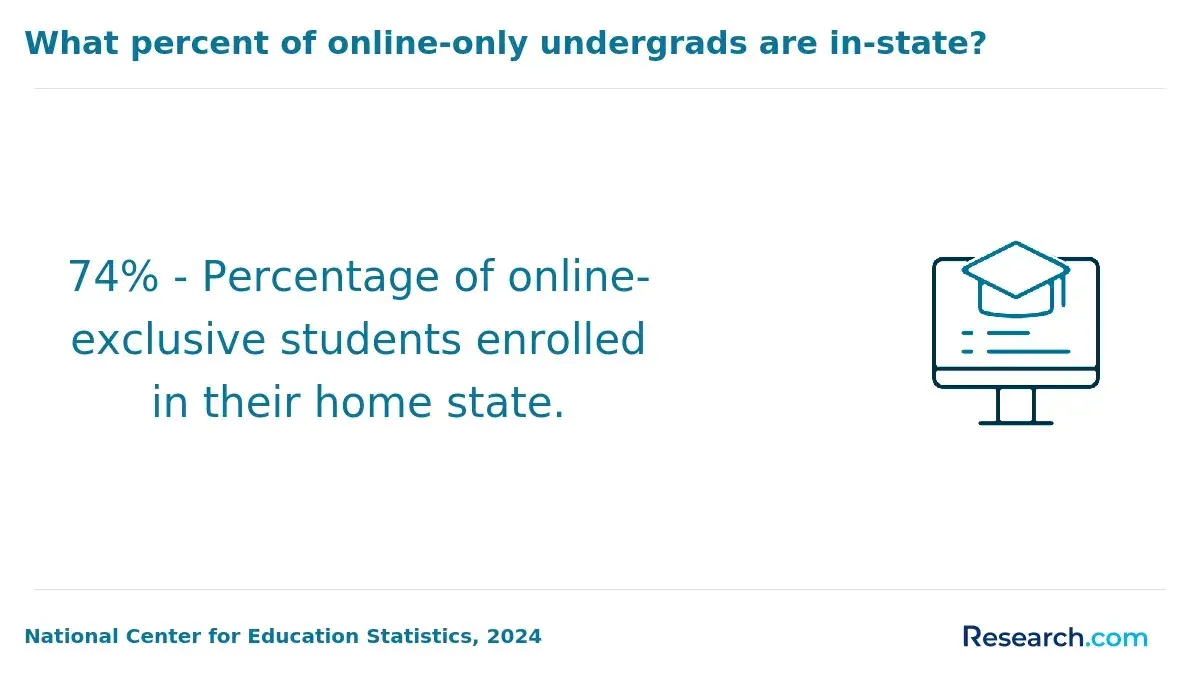
Studies by the National Center for Education Statistics demonstrate that part-time students often experience prolonged degree completion times. This extended timeline can increase total educational expenses and delay workforce entry, affecting employability and lifetime earnings despite lower term-by-term fees.
Therefore, students must weigh the upfront savings of part-time attendance against the cumulative costs and delayed career progression. Enrollment status at Arkansas State University significantly impacts both financial and professional trajectories, making informed, realistic decisions crucial for optimizing educational investments.
What is the application fee for undergraduate and graduate programs at Arkansas State University?
Application fees at Arkansas State University present an upfront cost that may influence an applicant's decision to apply to multiple programs. Undergraduate applicants pay a $30 fee, while graduate applicants face $40. Given that over 60% of institutions have raised or maintained fees to meet tightening budgets, budgeting for these costs is essential when assessing your total educational investment.
Applicants should also anticipate additional expenses beyond the application fee. Official transcript requests or required entrance exams can add to upfront costs, potentially impacting those applying to online programs where flexibility does not always reduce ancillary fees. These factors can affect the financial feasibility of applying to several schools or programs simultaneously.
Arkansas State University maintains a practical reputation as an accessible institution with competitive online degree options. Its steady fee structure reflects an attempt to balance operational needs with affordability. Prospective students must weigh these costs against the return on investment offered by a degree that aligns with workforce demands, particularly for career-oriented online learners.
How much will you spend on books and supplies at Arkansas State University?
Budgeting around $1,250 for books and supplies at Arkansas State University provides a realistic baseline for online students. This figure reflects materials needed across various disciplines, including textbooks, software, and lab tools. For instance, a biology student may spend more on lab software licenses, while a humanities major might focus on textbooks alone.
A national trend shows undergraduate students often spend over $1,200 annually on these expenses. This statistic is notable because it underscores that costs for Arkansas State University students align closely with broader higher education spending patterns, which remain a significant factor in overall investment decisions.
These non-tuition expenses can influence a student's financial planning and academic success. STEM and health-related programs tend to push costs higher due to specialized equipment, while digital and open educational resources have begun to temper price hikes without fully offsetting them yet.
To reduce these costs, students should explore used textbooks, rental options, and institutional resources like libraries or open-source software. Planning ahead for supplies avoids last-minute purchases at premium prices, making the overall online learning investment more manageable.
One Arkansas State University graduate recalled, "I hesitated at first to buy all the recommended materials because the total added up quickly. But by timing purchases through rental programs and asking my instructors which resources were essential, I managed to save several hundred dollars. That balance between necessity and cost was key to staying on track financially while still getting what I needed."
What out-of-pocket expenses should Arkansas State University online students prepare for?
Beyond tuition, books, and standard school supplies, Arkansas State University online students must anticipate several out-of-pocket costs that significantly affect their total education budget. These expenses stem from the technology and connectivity demands essential for navigating digital coursework and virtual collaboration, which are now integral to both academic success and employer expectations.
For example, a working professional enrolled part-time may find their monthly internet bill and necessary software subscriptions gradually accumulating, potentially impacting household finances over the course of their studies. Key recurring expenses that online learners typically face include:
- High-Speed Internet Access: Online coursework requires stable and fast internet service to support video lectures and interactive platforms. Costs usually range from $50 to $100 per month depending on location and provider reliability.
- Computer Hardware Requirements: Students need a laptop or desktop with at least 8GB of RAM and a functional webcam to handle software demands and remote class sessions. Upgrading or replacing equipment can involve significant upfront costs.
- Software Subscriptions: Programs like Microsoft Office or specialized applications linked to certain curriculums must be purchased or subscribed to, often costing between $100 and $200 annually.
- Technical Support and Maintenance: Ongoing troubleshooting or upgrades for hardware and software may incur additional fees or require paid services to avoid disruptions in learning.
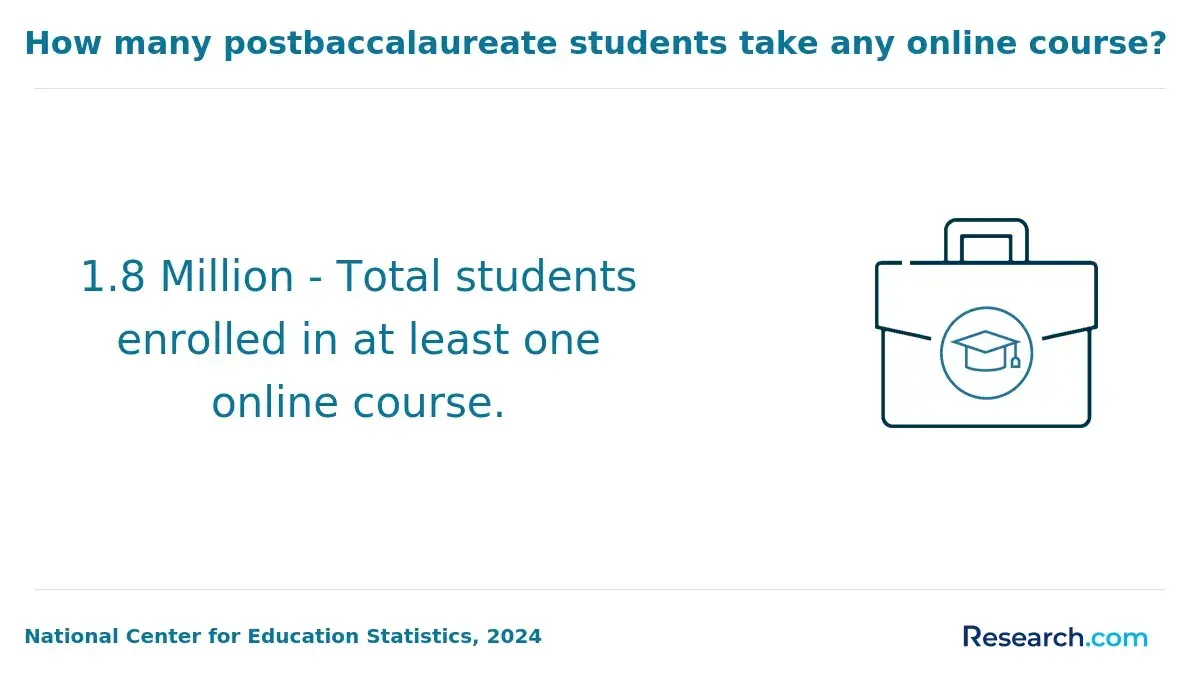
Online students save on expenses related to commuting, parking, and campus housing that on-site learners typically incur. However, these savings often offset the elevated costs of connectivity and technology. Notably, a 2024 study from the National Center for Education Statistics found that 42% of online students identify technology expenses as a major barrier to finishing their degrees.
This underscores a nuanced tradeoff between lower physical attendance costs and higher digital infrastructure investments. Prospective students should carefully evaluate these differences to fully understand the financial and practical implications of their chosen study mode.
What institutional factors drive the overall price of a Arkansas State University online degree?
The cost of attending an online degree program at Arkansas State University reflects a combination of institutional priorities, scale, and operational investments rather than just academic prestige. Several factors drive the overall price, influencing whether the tuition aligns with practical value and career outcomes.
Below are key institutional factors that shape Arkansas State University online degree tuition.
- Staffing and Payroll Demands: The university's 1,934 staff members, including full-time and part-time faculty, create significant payroll expenses. Maintaining quality instruction and student support requires a balanced workforce, which directly impacts tuition costs.
- Student Population Size: Serving over 14,000 students spreads fixed costs widely but necessitates investments in technology and advising systems. Online course development and scalable services add to expenses to meet diverse learner needs.
- Moderate Admission Selectivity: Arkansas State's accessible admissions policies favor scale and efficiency over premium pricing driven by exclusivity. This positioning tempers tuition yet still demands funding for program quality and support.
- Academic Reputation and Market Position: Without the wide premium of elite institutions, the university offers recognized programs that emphasize employable skills. The $32,599 total tuition for online degrees reflects this balance, focusing on pragmatic outcomes rather than brand prestige.
- Rising Online Education Costs: A 2024 national study cites growing fees due to enhanced digital platforms and expanded student services, trends likely influencing Arkansas State University online programs. This evolution underlines the cost of maintaining competitive online learning environments.
For students assessing the value of the Arkansas State University online degree tuition, these institutional factors translate directly into price and program experience. Employer demand increasingly favors practical skills and experiential credit, which can outweigh the mere cost of attendance, especially when aligned with fields highlighted among college degrees that pay well.
How can you lower the cost of attendance at Arkansas State University?
Online degrees represent a considerable financial investment, especially given how tuition costs in the US continue to rise. For students pursuing Arkansas State University online programs, reducing the cost of attendance requires strategic use of institutional benefits and external support. Some pathways yield more significant savings depending on employment status, military affiliation, or prior learning.
Here are five practical approaches students should evaluate to minimize expenses.
- Employer Tuition Partnerships: Arkansas State University offers tuition discounts to employees of partner corporations and organizations. This option benefits working professionals who can verify employment eligibility early to secure reductions on credit hour costs.
- Military Benefits and Discounts: Military service members and veterans qualify for substantial tuition cuts through federal and state military education programs. These benefits lower average student debt burdens and should be leveraged during enrollment.
- Credit for Prior Learning Assessments: Students can convert existing knowledge into academic credit via portfolio evaluations or standardized exams like CLEP. This reduces course load and total tuition expenses by bypassing classes.
- Corporate Tuition Reimbursement: Many employers reimburse education costs partially or fully, easing financial pressures on online students. Eligibility varies, so confirming that reimbursable courses meet Arkansas State University's program requirements is critical before relying on this funding.
- Scholarships and Financial Aid: Arkansas State University provides targeted scholarships and financial aid specifically for online students. Assessing and applying for these awards early can significantly offset tuition and fees during degree completion.
According to a 2024 report from the National Center for Education Statistics, bachelor's degree graduates carry an average student debt of $28,400. This statistic highlights the importance of cost-saving strategies to ensure a favorable return on investment from online education.
Prospective students should also explore online college classes at your own pace to further control expenses while adapting study schedules to personal commitments. Being deliberate about these options shapes more manageable educational costs and long-term career outcomes.
How can transfer credits reduce the overall cost of a degree at Arkansas State University?
Transferring academic credits from accredited institutions can notably reduce the total cost of an online degree at Arkansas State University by decreasing the number of courses a student must complete. Transfer credits typically include college-level courses completed at other accredited colleges, which Arkansas State University accepts after evaluation. This acceptance streamlines degree progress and tuition expenses because students pay less per credit at Arkansas State University.
To transfer credits, students submit official transcripts for course evaluation that checks for equivalency and alignment with degree requirements. Meeting these criteria allows the transferred credits to count toward graduation requirements, thus reducing tuition paid for Arkansas State University's per-credit courses. Ensuring course compatibility beforehand is critical, since not all credits will transfer equally.
Arkansas State University does not generally grant credit for professional experience or non-academic learning, narrowing options for converting workplace skills into academic credit. This limits cost reduction for those hoping to translate hands-on experience into credits, which is significant for adult learners balancing jobs and studies.
Transfer credit benefits vary, hinging on factors such as the accreditation status of the originating institution, the student's degree program, and course relevance. Prospective students must weigh these factors carefully to avoid unexpected tuition or timeline extensions. With 65% of U.S. undergraduates carrying an average debt over $30,000, according to a National Center for Education Statistics report from 2024, effective credit transfer remains a key strategy for financial mitigation.
One Arkansas State University online graduate shared, "I hesitated to invest in another full degree program until I saw my previous coursework transferred nearly half the credits. It took some negotiation to clarify course equivalencies, but eventually, I slashed both my tuition and time to graduation. It relieved the pressure of balancing work and classes knowing I wasn't repeating material."
How many online students receive financial aid at Arkansas State University?
A significant 96% of online students at Arkansas State University receive financial aid, typically averaging $8,829 for undergraduates. This aid is crucial in making online degree programs accessible, especially for students balancing work and family responsibilities. For example, a working parent pursuing an online bachelor's degree may rely heavily on such financial assistance to manage tuition without accumulating excessive debt.
The following scholarships and grants reflect the targeted support available to online students at Arkansas State University.
- Arkansas Governor's Distinguished Scholarship: Offers substantial tuition coverage for high-achieving Arkansas residents, emphasizing academic excellence and residency. This award can cover a significant portion or full tuition, alleviating cost barriers for top students.
- Chancellor's Scholarship: Designed for academically qualified students enrolling at Arkansas State University, this scholarship offers partial to full tuition assistance based on merit and institutional priorities.
- ASU Diversity Scholarship: Focuses on promoting inclusivity by supporting students from diverse backgrounds. It covers varying amounts of tuition, depending on eligibility criteria tied to academic and demographic factors.
- Non-Traditional Student Grant: Targets students who return to education later in life, providing tuition relief to those balancing education with other personal commitments. This grant lowers financial obstacles for this growing demographic.
- Federal Pell Grants: Federal need-based aid that helps low-income students afford their studies regardless of delivery format, often covering significant portions of tuition and associated costs.
Financial aid remains a practical tool for most online students at Arkansas State University to reduce immediate expenses. Yet, prospective students must consider the implications of debt accumulation. A recent study highlights that the median student debt nationally for bachelor's degree graduates is approximately $20,000, which can constrain financial freedom after earning the degree.
Balancing aid benefits with potential repayment obligations is critical. Moreover, those exploring flexible, competency-based options may find programs at best competency-based colleges offer further pathways to cost management while earning credentials aligned with employer demands.
What Graduates Say About the Cost of Studying at Arkansas State University
- Brandon: "Studying online at Arkansas State University offered me the flexibility I needed to balance work and family, but I was surprised by some of the additional technology fees that weren't clear upfront. Even so, eliminating housing and commuting costs made the overall expense manageable. Ultimately, my degree accelerated my promotion timeline, so while the sticker price felt steep at first, the return on investment became clear as my salary increased within a year of graduating."
- Shawn: "The convenience of Arkansas State University's online program really helped me stay focused while juggling multiple jobs, yet I constantly had to weigh the cost of digital resources against my limited budget. I appreciated not having to pay for campus-based expenses, which was a big financial relief. Looking back, the degree didn't skyrocket my earnings immediately, but it opened doors to better entry-level roles that aligned more closely with my career goals, making the tuition worth the trade-off."
- Chase: "I entered Arkansas State University's online program skeptical about how practical the experience would be, especially given the upfront costs and occasional hidden fees for software access. However, avoiding daily commutes and on-campus fees softened the financial burden considerably. Now in the workforce, I see that the degree helped me get my foot in the door faster than I expected, although the salary bump was moderate; the flexibility during study and quicker entry into my field made the overall investment feel justifiable."
Other Things You Should Know About Arkansas State University Degrees
Yes, Arkansas State University online students may face certain technology and service fees that are not part of standard on-campus tuition. These fees can cover access to digital platforms, online libraries, and specialized software required for coursework. While often modest compared to tuition, these fees add to the total cost and may increase if courses demand particular resources, so budgeting for them upfront helps avoid surprises.
Online courses at Arkansas State University are typically designed with flexible pacing, but this flexibility can extend the time needed to finish a degree if students enroll part-time or face time management challenges. Longer enrollment increases cumulative tuition and fees, making it crucial for prospective students to realistically assess their availability and prioritize courses to minimize overall expense. Early planning to maintain a steady course load can save money and help complete the degree efficiently.
Employer tuition reimbursement programs often exclude fees or limit coverage to tuition only, which means students should prepare for some personal expenses such as course materials or technology fees. Since these out-of-pocket costs can accumulate, it is advisable for students reliant on reimbursement to verify coverage details with their employer and budget accordingly. Without this clarity, unexpected expenses could strain finances even if tuition is mostly covered.
In 2027, the tuition cost per credit hour for Arkansas State University's online degree programs is $227 for undergraduate courses and $294 for graduate courses. Additional fees can vary, so students should review any extra costs that might apply.
References
- How to Pay for College: A Practical Guide for Arkansas Families https://www.gounion.bank/u-for-you-blog/pay-for-college-guide
- ASU Board approves budget, tuition increases https://www.kait8.com/2026/06/03/asu-board-approves-budget-tuition-increases/
- Arkansas State University - Top Ten Online Colleges https://www.top10onlinecolleges.org/school-profiles/arkansas-state-university/
- Client Challenge https://www.asutr.edu/page/cost-of-attendance
- Tuition & Fees | Arkansas State University | Mountain Home, AR https://asumh.edu/tuition/
- Financial Aid https://www.asun.edu/getstarted/financial-aid.php
- Arkansas State University USA: Admission Guide 2025 https://www.alfabetaglobal.com/blogs/arkansas-state-university-usa
- Arkansas State University Transfer Credit https://www.straighterline.com/colleges/arkansas-state-university/