2027 Arizona State University Online BS in Health Sciences - Healthy Lifestyles and Fitness Science: Cost, Curriculum, Admissions, and Career Outcomes

Co-Founder and Chief Data Scientist
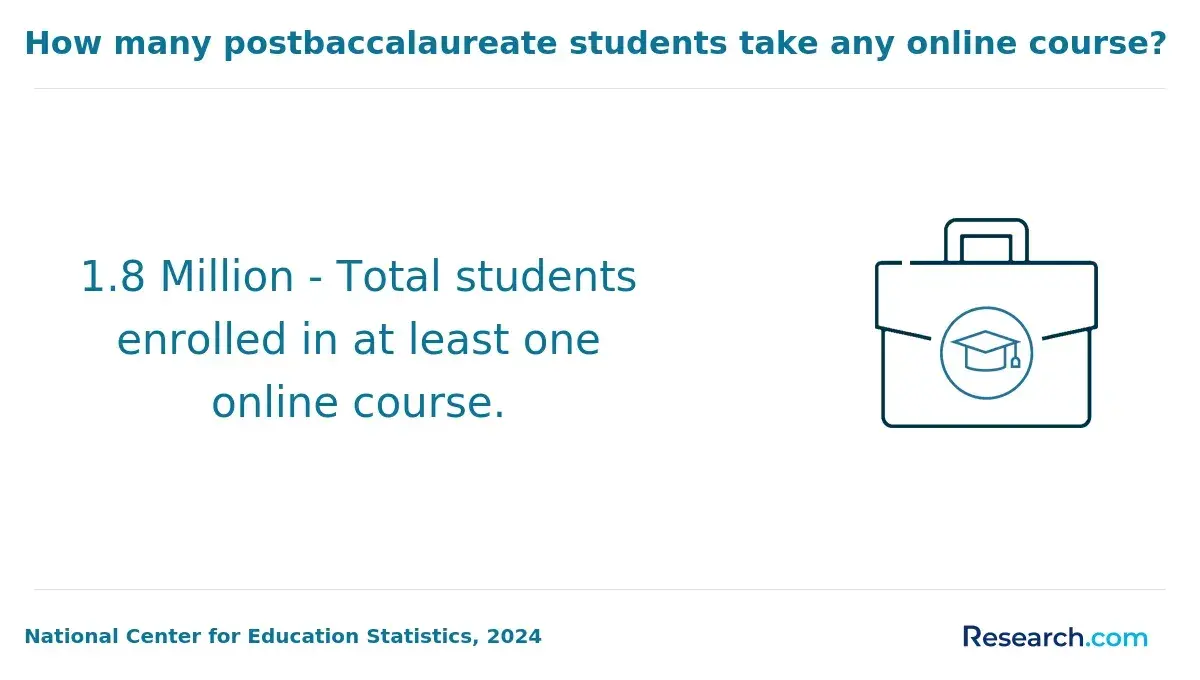
Understanding whether the online bs in health sciences - healthy lifestyles and fitness science at Arizona State University fits specific academic and career goals requires evaluating both program flexibility and market demand. With online enrollments increasing by over 8% in 2024 according to the National Center for Education Statistics, many students seek programs that accommodate work and life commitments without sacrificing quality. However, not all online health sciences degrees align equally with career mobility or educational depth. Assessing ASU's curriculum rigor, admissions criteria, and career outcomes helps determine if this program supports long-term success in health and fitness fields. This article breaks down cost, curriculum, admissions, and career prospects to guide informed decisions.
Key Points About Arizona State University's BS in Health Sciences - Healthy Lifestyles and Fitness Science Program
- Arizona State University's BS in Health Sciences - Healthy Lifestyles and Fitness Science has a 90% acceptance rate, indicating broad access but requiring students to assess fit beyond admission ease.
- The program's accreditation and employer recognition suggest graduates enter a competitive health and fitness job market, though success relies heavily on applied skills and experience.
- The $34,845 tuition cost demands consideration of long-term return on investment, especially given alternative pathways in health sciences with varying costs and career outcomes.
What can students expect from Arizona State University's online BS in Health Sciences - Healthy Lifestyles and Fitness Science curriculum?
The curriculum of Arizona State University's online BS in Health Sciences - Healthy Lifestyles and Fitness Science aligns closely with national standards but distinctly integrates fitness science with public health principles. For example, a student aiming to work as a wellness coordinator in a corporate setting would need not only foundational health knowledge but also the ability to design and manage programs that address diverse employee needs-skills emphasized throughout this program. Below is an overview of key coursework components that define the program's scope and workforce focus.
- Human Anatomy and Physiology:This foundational coursework demands a thorough understanding of the body's biological and physical systems, a non-negotiable for roles requiring assessment of fitness and health metrics.
- Behavior Change Strategies:This area trains students to apply evidence-based methods to motivate sustainable health behavior improvements, a critical skill for health coaches and wellness professionals operating in varied environments.
- Wellness Program Management:Students engage in applied learning through project-based tasks, preparing them for real-world challenges in planning, implementing, and evaluating health initiatives tailored to different populations.
Arizona State University's BS in health sciences coursework and career preparation reflects a balance of theoretical grounding and applied competencies, which many employers expect in this field. Students gain not only scientific literacy but also practical experience-such as capstone projects-that demonstrate workplace readiness. Additionally, the program's general education requirements bolster critical thinking and communication skills that are essential across healthcare and fitness sectors. For those comparing degree options, including seemingly less demanding credentials, it can be valuable to explore resources like the easiest online masters to understand relative program rigor and market value.
What are Arizona State University's admission requirements for online BS in Health Sciences - Healthy Lifestyles and Fitness Science program?
Meeting admission requirements for the online BS in Health Sciences - Healthy Lifestyles and Fitness Science program at Arizona State University requires more than just submitting an application; it involves demonstrating a baseline of academic preparedness and language proficiency that reflects real-world expectations in competitive healthcare education. For instance, an applicant without high school completion or equivalency may face barriers due to the program's selective standards, which aim to ensure students can handle its academic rigor. Below are the key requirements applicants should focus on to align their preparation with the program's demands.
- Academic Background: Prospective students must have a high school diploma or GED certificate, which confirms foundational education necessary for college-level coursework and progression in health sciences.
- Secondary School Records: Submission of transcripts or records serves to verify academic performance and readiness, helping Arizona State University assess the applicant's prior achievements relevant to this program.
- English Language Proficiency: TOEFL scores are mandatory for non-native English speakers to demonstrate the language skills essential for success in an online academic environment relying heavily on communication and comprehension.
- Admission Tests (Recommended): SAT or ACT scores are not required but advised as supplementary evidence of academic ability, offering applicants a chance to strengthen their application through standardized measurements.
- Recommendations and Competencies: While optional, submitting letters of recommendation or demonstrating relevant competencies may enhance an application, providing insight into a candidate's skills and potential adaptability within the health sciences field.
Is it difficult to get admitted to Arizona State University's online BS in Health Sciences - Healthy Lifestyles and Fitness Science program?
Gaining admission to most BS in Health Sciences - Healthy Lifestyles and Fitness Science programs often involves moderate competition due to growing interest in health promotion careers. However, the sector generally admits students with a range of academic backgrounds rather than filtering primarily on test scores or intense selection criteria.
Arizona State University's version of this program reflects this reality with a notably high acceptance rate of 90%. Out of 68,840 applicants, 62,084 are admitted each year, suggesting that meeting baseline qualifications is the primary hurdle. The absence of SAT or ACT requirements lowers barriers, shifting emphasis onto holistic applicant assessment rather than standardized exam performance.
This accessibility is a pragmatic feature for those balancing work or family obligations while entering the health sciences field. Yet, it also means prospective students should consider how the broader openness of admissions aligns with their career aspirations in competitive job markets where advanced certifications or specialized experience might weigh more heavily.
One graduate recalled feeling uncertain before applying because "I wasn't confident my academic record was strong enough, especially since I had been out of school for several years." After submitting an application without worrying about test scores, they found relief in the acceptance and appreciated the flexibility of the online format to continue working while studying. Still, they emphasized the importance of self-motivation to succeed beyond the admission phase, noting that the program's leniency in entry didn't translate into an easy academic path.
What is the cost of attending an online BS in Health Sciences - Healthy Lifestyles and Fitness Science program at Arizona State University?
Tuition and fees for Arizona State University online health sciences degree total approximately $12,051 annually, a figure that remains consistent regardless of a student's state of residence due to the school's flat-rate tuition policy for online undergraduate programs. This pricing structure eliminates geographic cost disparities common at many institutions, aiding students in clear financial planning without unexpected technology fees or variable rates.
The total annual cost, including books, supplies, room, board, and other expenses, reaches around $34,845. For online learners who often avoid on-campus living expenses, this comprehensive figure can overestimate actual costs, but it underscores the need to budget for materials and incidental expenses beyond tuition, which can influence a student's decision when comparing programs.
Compared to the average tuition for other BS in Health Sciences - Healthy Lifestyles and Fitness Science programs across the country, Arizona State University offers a relatively competitive option without sacrificing accessibility. Many competing programs charge higher tuition or additional fees, which may complicate cost predictability and impact long-term debt considerations.
Students weighing these costs should also consider the practical outcomes associated with this program. Those seeking an accelerated bachelor's degree in this field will find that transparent tuition and no extra online fees streamline the financial element, but must balance this against workforce demand and employer expectations for credentials and hands-on experience in health sciences roles.
Are there financial aid options for online BS in Health Sciences - Healthy Lifestyles and Fitness Science students at Arizona State University?
Access to meaningful financial aid is critical given the practical cost considerations for students pursuing the online BS in health sciences - healthy lifestyles and fitness science at Arizona State University. The availability of aid packages that cover a substantial portion of tuition expenses can decisively influence a candidate's ability to enroll and persist, especially when balancing work and study obligations. For example, a working adult supported by an employer's tuition reimbursement may find this program financially feasible, whereas others relying solely on personal savings or loans could face greater economic strain. The program's financial aid landscape reflects a mixture of institutional scholarships, federal assistance, and alternative support options aligned with diverse student profiles and career trajectories. Key aid opportunities relevant to potential enrollees include the following:
- Institutional Scholarships: These are merit- and need-based awards specific to Arizona State University students, often applicable to those in health sciences fields. Award amounts and eligibility criteria vary but generally depend on academic performance and financial need documentation.
- Federal Aid: Students must complete the FAFSA to access federal grants, loans, and work-study programs. Federal loans offer flexible repayment plans, helping mitigate upfront costs but implicating long-term debt considerations.
- Corporate Tuition Reimbursement: Working students may qualify if their employers participate in tuition assistance programs, which can cover substantial portions of tuition, reducing out-of-pocket expenses.
- Veteran Benefits: Military-affiliated students can leverage GI Bill and other veteran educational benefits, which can significantly offset costs, assuming eligibility and alignment with the program's requirements.
- Institutional Aid Programs: Additional university-administered grants or subsidies may be available based on specific criteria set by Arizona State University, providing supplemental financial relief.
What learning resources are available to online BS in Health Sciences - Healthy Lifestyles and Fitness Science students at Arizona State University?
Effective access to diverse learning resources critically shapes student outcomes within the online BS in health sciences - healthy lifestyles and fitness science program at Arizona State University. The availability and quality of these supports influence not only academic progress but also practical readiness for a health and fitness-related career, where employers increasingly value both theoretical knowledge and applied skills. Navigating an online curriculum without robust academic and professional support can materially affect a student's ability to meet rigorous degree requirements and to translate learning into workforce competencies. The following key resources illustrate how the program aims to address these challenges.
- Technical Support: This includes 24/7 IT help desks and a learning management system designed for seamless access to course content, interactive modules, and communication with instructors and peers. Reliable technology infrastructure minimizes disruptions and sustains engagement, which is crucial for online learners balancing multiple responsibilities.
- Academic Advising: Personalized academic guidance helps students maintain on-track progression through degree requirements and address any academic obstacles promptly. For non-traditional students or those shifting careers, tailored advising can make the difference between timely completion and prolonged enrollment.
- Virtual Tutoring Labs: Online writing and math labs provide targeted skill support that underpins success across health sciences coursework. These labs help students refine communication and quantitative analysis skills, foundational for interpreting scientific literature and data in professional roles.
- Career Services and Networking: Career workshops, resume-building sessions, virtual job fairs, and internship facilitation connect students directly with opportunities in health and fitness sectors. Employers often prioritize candidates with documented experiential learning and practical connections, making these services essential for post-graduate employability.
- Digital Libraries and Research Tools: Access to extensive databases enables students to engage deeply with current health science research, fostering evidence-based practice. This resource supports the development of critical thinking skills valued by healthcare employers navigating evolving wellness trends and scientific advances.
Does Arizona State University's online BS in Health Sciences - Healthy Lifestyles and Fitness Science program have in-person clinicals or practicums?
Many health sciences programs require extensive in-person clinicals or practicums, often placing students in hospital or healthcare environments to meet strict competency standards. Arizona State University's online BS in Health Sciences - Healthy Lifestyles and Fitness Science takes a different approach by prioritizing flexibility, which is crucial for working adults or those who live far from campus. This tradeoff means the program focuses on local, community-based experiential learning rather than centralized clinical rotations often mandated in other programs with more rigid clinical requirements in Arizona.
Specifically, the degree program does include practical experience components aimed at building hands-on skills such as fitness assessment and health promotion, but it does not require mandatory on-campus clinical hours. Instead, students are expected to secure practicums or internships that align with fitness science or wellness in their own communities, such as fitness centers or employer-supervised wellness programs. This model supports real-world application while accommodating geographic and scheduling constraints, but it may limit exposure to certain clinical settings valued by some employers.
For prospective students evaluating how the practicum and clinical locations factor into their decision, this structure can be advantageous for those targeting careers in community health or fitness without traditional clinical demands. However, it may be less suitable for those who need extensive healthcare facility experience. For a detailed overview of programs balancing online flexibility with real-world readiness, prospective students should consult rankings of the best online schools to assess fit within the wider landscape of health sciences education.
What careers can graduates of online BS in Health Sciences - Healthy Lifestyles and Fitness Science at Arizona State University secure?
The professional marketability of graduates from the online BS in health sciences - healthy lifestyles and fitness science at Arizona State University hinges on how well their skills translate into sustainable career options. The program's practical focus equips students to navigate a competitive but expanding job market where preventive health and lifestyle management remain priorities. Understanding the tradeoffs between roles focused on education, coaching, or community outreach helps graduates target careers that align with both earnings expectations and sector-specific demands. Career prospects with ASU online BS in healthy lifestyles and fitness science often require balancing client engagement with evidence-based health strategies, which distinguishes graduates in a crowded wellness services landscape. Key career pathways include:
- Health Educator Roles: Professionals design and deliver programs aimed at changing health behaviors in schools, corporate, or community settings. These positions demand strong communication skills and typically offer salaries ranging from $40,000 to $60,000 depending on location.
- Fitness Trainer Careers: Involve creating tailored exercise plans and monitoring client progress in gyms or rehabilitation centers. This work blends science with personal interaction and may lead to private practice.
- Wellness Coordinator Positions: Focused on managing employee wellness initiatives to enhance productivity and reduce health risks within organizations, often requiring program management skills and health knowledge.
- Community Health Specialist Jobs: Target underserved populations through outreach and education on chronic disease prevention, demanding cultural competence and adaptability in varied environments.
Given the breadth of these roles, employment outcomes reflect the diverse applications of the curriculum's core areas-exercise science, nutrition, and behavioral health. Students weighing an online BS in health sciences - healthy lifestyles and fitness science should consider how these pragmatic skills relate to their desired work settings and compensation goals. Those interested in accelerating their educational timeline may explore options like an accelerated bachelor's degree, which could enhance early entry into this evolving field.
What is the salary outlook for online BS in Health Sciences - Healthy Lifestyles and Fitness Science graduates?
Graduates of the online BS in Health Sciences - Healthy Lifestyles and Fitness Science program at Arizona State University should anticipate entry-level salaries that are modest compared to the broader alumni median but offer a foothold within related health fields. For many starting in this specialization, annual earnings near $29,000 to $32,000 align with typical figures reported in allied health and fitness disciplines. This workforce reality underscores a tradeoff: immediate financial rewards may be limited unless supplemented by further credentials or advanced roles.
From a financial perspective, the median salary for ASU alumni overall stands at $62,668, and graduates with credentials in Registered Nursing report median earnings exceeding $66,000. These comparisons illustrate that healthy lifestyles and fitness science careers often require additional professional development to approach broader median income levels. Consequently, students evaluating the Arizona State University health sciences salary potential should weigh practical pathways for upskilling, such as certifications or managerial experience, that translate to higher wages over time.
Given these figures, deciding to pursue this online degree involves considering both immediate income expectations and long-term growth within evolving health systems. For prospective students seeking flexibility, exploring online colleges that start immediately offers access to programs with varied schedules and potential for career progress. Career earnings for ASU healthy lifestyles graduates reflect a foundation with clear opportunities, yet these often require targeted efforts to enhance skills and pivot toward higher-paying roles.
How do you know if Arizona State University's online BS in Health Sciences - Healthy Lifestyles and Fitness Science program is the right choice for you?
Deciding if Arizona State University's online BS in Health Sciences - Healthy Lifestyles and Fitness Science is a fit requires aligning program features with your specific circumstances and long-term career trajectory. This degree's structure and content are not universally optimal; thoughtful evaluation of your priorities and constraints will reveal whether it truly supports your goals. Key factors to weigh include:
- Program Flexibility Versus Engagement: Assess whether you need mostly asynchronous study for scheduling ease or value synchronous sessions for active peer and faculty interaction. Since around half of students seek live components, understanding your learning style and availability helps determine program fit and the likelihood of academic success.
- Career Readiness Opportunities: Evaluate the importance of internships and industry ties embedded in the curriculum. Consider how access to practical experiences and professional networks in health and fitness fields enhances employability immediately after graduation.
- Curriculum Relevance to Job Market: Review if the course topics-health promotion, exercise science, nutrition-match the demands of local employers or sectors you target. Prioritize programs that balance theoretical knowledge with applied skills transferable to your desired roles.
- Support Systems and Community: Investigate the availability of online peer collaboration and institutional resources, as these influence motivation, retention, and overall learning quality in remote education.
A graduate reflected on this decision by sharing that she initially juggled full-time work and family, making asynchronous flexibility crucial. However, she worried about missing real-time discussions important for networking. She chose this program because it combined adaptable pacing with scheduled interactive sessions, which helped her stay connected without sacrificing personal responsibilities. Her experience underscores the need to realistically examine how a program's delivery and support align with both lifestyle demands and professional goals before committing.
What Graduates Say About Arizona State University's BS in Health Sciences - Healthy Lifestyles and Fitness Science Program
- Layla: "Studying at Arizona State University's BS in health sciences - healthy lifestyles and fitness science program gave me a practical foundation, especially through the real-world case studies and internship opportunities. I learned early on that employers in this field value hands-on experience and certifications as much as the degree itself, which helped me strategically pursue certifications alongside my studies. While the program opened doors to remote wellness coaching positions, I quickly realized that advancing beyond entry level without a licensure requires a portfolio and continuous skill development."
- June: "Arizona State University offered the flexibility I needed to balance work and school while completing the BS in health sciences - healthy lifestyles and fitness science program online. The curriculum's emphasis on health behavior theory and community programming gave me insights that I now apply daily in my role designing fitness plans tailored for diverse populations. Although I faced stiff competition for corporate wellness roles that prefer advanced credentials, the degree helped me pivot into a niche where practical experience and client outcomes speak louder."
- Adeline: "Having graduated from Arizona State University with a BS in health sciences - healthy lifestyles and fitness science, I appreciate the program's comprehensive approach blending science with wellness coaching approaches. The coursework pushed me to think critically about the complexities of health promotion, which prepared me for the unpredictable realities of the industry. My career progression has been steady but cautious, learning that without clinical licensure, salary growth can plateau; however, the foundational knowledge I gained has made it easier to transition between roles in fitness education and lifestyle consulting."
Other Things You Should Know About Degrees
The program's asynchronous design allows students to manage studies alongside work or family, but courses are rigorous and require consistent weekly engagement. Time management skills are crucial, as material accumulates quickly and deadlines are firm. Those without prior experience in self-directed online learning should assess their ability to maintain discipline before enrolling.
Graduates are well-prepared for roles in fitness management, health promotion, and wellness coaching, but the degree is less aligned with clinical or research-intensive career tracks. Those aiming for clinical health professions may need additional certifications or degrees beyond this program. Prioritizing this option is best for students focused specifically on community health and fitness leadership roles.
ASU provides dedicated online student support, but the distance can create a delay in interactions relative to face-to-face settings. Faculty are generally responsive via email or virtual office hours, yet students who thrive on immediate feedback might find the response times slower. Prospective students should weigh their preference for live engagement when deciding if this program's remote support model fits their learning style.
References
- Bachelor of Science in Health Sciences: Healthy Lifestyles Coaching https://plusalliance.org/bachelor-science-health-sciences-healthy-lifestyles-coaching
- Health Sciences (Healthy Lifestyles and Fitness Science), BS https://uninedu.com/courses/2645
- What Can I Do with a Health Science Degree? | University of Bridgeport https://www.bridgeport.edu/news/what-can-you-do-with-a-health-science-degree/
- College of Health Sciences | Alabama State University https://www.alasu.edu/academics/College-HealthSciences.php
- BS in Health Sciences (Healthy Lifestyles and Fitness Science) at Arizona State University - Tempe | YMGrad https://ymgrad.com/arizona-state-university-tempe/bs-in-health-sciences-healthy-lifestyles-and-fitness-science