2027 Sacred Heart University Review for Online Students: Tuition, Programs, and Admissions

Co-Founder and Chief Data Scientist
Choosing an online program requires weighing factors like cost, program quality, and admissions selectivity. For many students, uncertainty arises around whether Sacred Heart University can provide relevant degrees that align with workforce demands and flexible learning. Recent data shows over 40% of adult learners prioritize institutions with transparent tuition and student support, reflecting the growing need for clear, practical program information in the online education space.
This article examines Sacred Heart University's online offerings, tuition costs, and admissions process. It also assesses the student environment and outcomes to help prospective students determine if this university matches their long-term academic and career goals.
Key Points About Sacred Heart University Online Programs
- Admission to Sacred Heart University online programs requires moderate effort, demanding prior academic preparation but not creating significant barriers.
- This balance allows for selective entry without unmanageable competition, impacting the quality and diversity of student cohorts.
- Total tuition costs reach $68,290, necessitating careful financial planning and assessment of return on investment, especially for students weighing long-term career benefits against upfront educational expenses.
What is the academic reputation of Sacred Heart University?
Sacred Heart University is recognized for its focused strengths in nursing, business administration, and education. These programs attract students aiming for careers in healthcare and regional business markets where the university maintains direct partnerships. The brand holds more influence locally and within specialized fields than on a national scale, which can impact how degrees are viewed outside those arenas.
Among employers and academics, Sacred Heart University carries credible weight, especially in healthcare and community business sectors. However, in highly competitive industries, recruiters tend to favor candidates from larger, research-intensive universities. A recent survey from the National Association of Colleges and Employers shows that 62.7% of recruiters accept online degrees from regionally accredited schools like Sacred Heart, but there remains a preference for traditional campus experience in some roles.
Online students appreciate the flexibility Sacred Heart offers, yet mixed reviews about course rigor and faculty engagement suggest prospective students should evaluate program specifics carefully. In practice, the university's credentials can facilitate entry into relevant job markets, but standing out may require supplemental experience or certifications to compete effectively.
Are online programs at Sacred Heart University accredited?
Sacred Heart University holds regional accreditation from the New England Commission of Higher Education (NECHE), which governs its overall academic standards. This accreditation extends to its online programs, ensuring they meet the same quality benchmarks as on-campus offerings. Additionally, some professional programs, including business and nursing, have further specialized accreditation that aligns with industry expectations.
Strong accreditation plays a significant role in shaping employment opportunities and academic pathways for online students. For instance, healthcare employers typically require program-specific accreditation for licensure eligibility, making Sacred Heart's nursing accreditation particularly relevant. A recent study found 57% of adult learners weigh accreditation heavily when choosing programs, indicating its practical value in supporting career mobility and credit transfer.
Despite this, regional accreditation alone does not guarantee uniform employer acceptance across all fields or programs. Employers in sectors like education or healthcare may prioritize certifications tied to particular delivery models or accreditations beyond NECHE. Students should recognize that program-specific credentials often carry more weight in licensing and employment decisions than institutional accreditation alone.
Prospective students should review the latest accreditation details for their intended programs by consulting Sacred Heart University's official accreditation disclosures and, when applicable, professional accrediting bodies. This due diligence helps ensure the program matches their career objectives and meets employer or licensure requirements relevant to their field.
What are the top online programs at Sacred Heart University?
Online undergraduate programs at Sacred Heart University reflect workforce demands by combining theoretical knowledge with applicable skills. This approach suits students balancing work and study but may limit hands-on experience in certain fields. For example, a working parent pursuing the nursing degree must account for the challenge of gaining clinical practice online while benefiting from flexible scheduling. Below are key programs offered as part of the top online degree programs at Sacred Heart University for distance learners.
- Bachelor of Science in Nursing: This program emphasizes clinical decision-making and patient care protocols via a blend of asynchronous coursework and limited synchronous sessions. It requires careful planning to supplement online learning with hands-on clinical experiences.
- Bachelor of Science in Business Administration: Focused on core management and financial skills, the curriculum uses flexible online modules allowing self-paced study, suitable for those managing professional responsibilities alongside education.
- Bachelor of Arts in Psychology: Courses explore developmental and behavioral theories using a combination of live discussions and recorded lectures, accommodating diverse learning preferences and supporting asynchronous participation.
- Bachelor of Science in Cybersecurity: The program centers on network defense and ethical hacking, delivered mostly online with practical assignments designed to simulate real-world digital security challenges for critical workforce readiness.
- Bachelor of Science in Criminal Justice: Covering legal systems and enforcement strategies, this degree blends synchronous engagement with self-paced learning, helping students understand complex justice frameworks while balancing work or personal commitments.
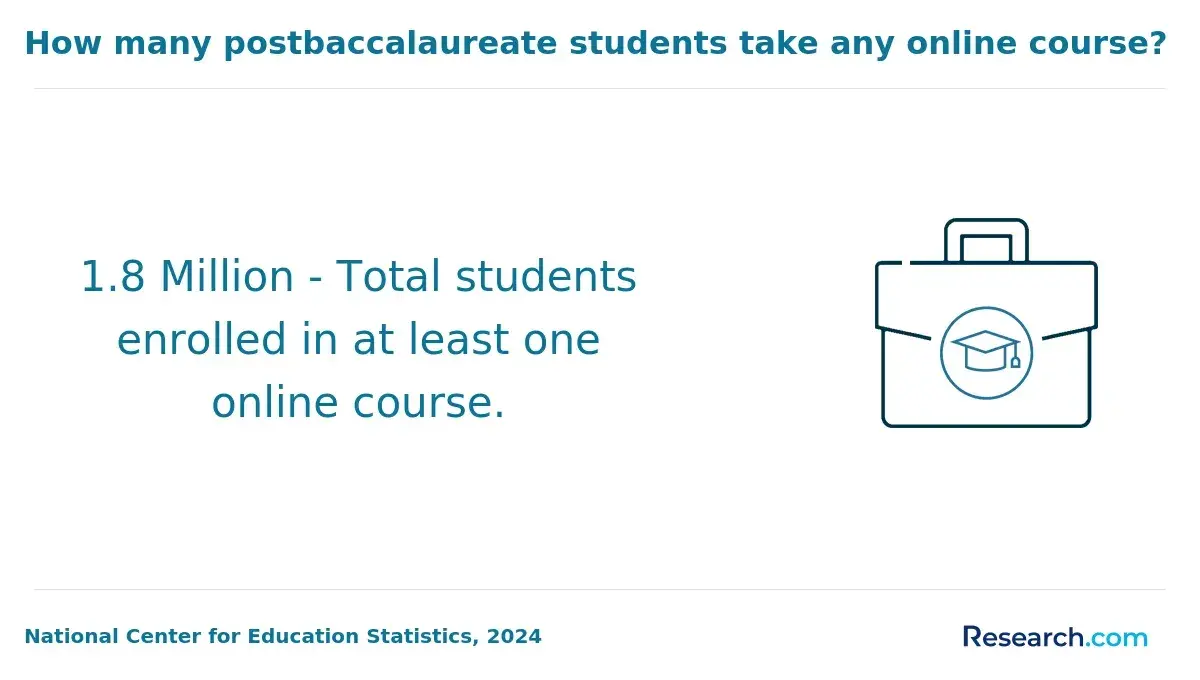
Course delivery at Sacred Heart University balances synchronous and asynchronous formats to meet diverse student needs. Synchronous classes provide real-time feedback, critical for disciplines requiring direct interaction. Asynchronous formats offer flexibility but demand significant self-discipline. According to recent data from the National Center for Education Statistics, 61.3% of online students prefer hybrid formats mixing live and self-paced learning, reflecting a trend that Sacred Heart's offerings align with to support different learning styles.
Employers continue to seek graduates with skills in healthcare and technology, reinforcing the practical relevance of these top online degree programs at Sacred Heart University. However, distance learners should consider how the online format suits their professional goals and learning habits. Those planning advanced study might explore pathways including an online PhD, a consideration requiring earlier decisions on the balance of online and experiential training.
Does Sacred Heart University offer online graduate degrees and professional certifications?
Sacred Heart University provides several online graduate degrees and professional certification programs designed for working adults balancing career and study. These options emphasize a mix of synchronous sessions for real-time engagement and asynchronous coursework for schedule flexibility. For example, an MBA student can participate in live case discussions yet review recorded lectures at their convenience. This setup suits students who need adaptable learning without compromising interaction. Here are five prominent offerings that illustrate the university's approach to online graduate education and professional certification programs offered by Sacred Heart University online:
- Master of Business Administration (MBA): Focuses on strategic management and leadership skills, combining live discussions with recorded content to support diverse learning styles. It targets professionals aiming to advance in organizational roles requiring agile decision-making.
- Master of Science in Nursing (MSN): Emphasizes advanced clinical practice with coursework designed to enhance practical skills. The program blends flexible online modules with occasional synchronous sessions for peer and instructor interaction.
- Master of Science in Cybersecurity: Covers network security and risk management through theoretical and hands-on labs. The applied projects provide essential real-world experience valued by employers in a rapidly evolving technology landscape.
- Master of Social Work (MSW): Prepares students for clinical and community practice using a mix of asynchronous lessons and live discussions, fostering critical thinking necessary for social service professions.
- Project Management Professional (PMP) Certification: Aligns with industry standards for project leaders by offering targeted practical training, mostly asynchronous but supplemented by interactive review sessions.
Enrollment in online graduate programs increased by 12.5% among adults aged 25-44, according to the National Center for Education Statistics. This trend reflects growing demand for programs offering flexibility paired with engagement. For prospective students weighing their options, it is important to consider that Sacred Heart University's models demand strong self-discipline, especially for managing asynchronous work independently.
Employers often seek demonstrated skills alongside credentials, so programs that integrate applied learning, like cybersecurity's hands-on labs, may offer better post-graduate leverage. Evaluating whether the curriculum meets specific professional goals and aligns with employer expectations is critical before enrolling in any of these online graduate degrees at Sacred Heart University. Students pursuing degrees related to the highest paying degree fields should weigh these factors carefully to maximize return on investment.
What are the admission requirements for online programs at Sacred Heart University?
Sacred Heart University's online admissions process imposes a moderate barrier that balances selectivity and accessibility. With a 68% acceptance rate, the university filters candidates enough to maintain standards but still admits most applicants. This system implies that prospective students must meet clear academic criteria but face no overly restrictive limitations, a middle ground which can enhance program completion and employer recognition of the degree's value.
In a practical context, an applicant who has completed high school with solid but not exceptional grades, lacks standardized test scores, and possesses relevant life experience can expect a fair evaluation. However, they must still demonstrate readiness through recommended tests and supplementary materials. This mix acknowledges diverse student backgrounds while preserving academic rigor, reflecting trends noted by the National Center for Education Statistics where employers increasingly value online degrees from institutions with defined admission standards and competency verifications.
Key admission requirements for Sacred Heart University's online programs include:
- High School Diploma or GED: Applicants must have completed secondary education verified by a diploma or GED certification, ensuring foundational academic preparation.
- Minimum Secondary GPA: A required GPA reflects that applicants have maintained acceptable academic performance, which helps predict success in rigorous online coursework.
- Recommended Admission Tests: While SAT or ACT scores are not mandatory, submission of these or alternatives like Wonderlic or WISC-III can strengthen an application by demonstrating critical reasoning skills.
- TOEFL Scores for Non-Native Speakers: Mandatory to confirm English proficiency, this requirement ensures students can fully engage with the curriculum and succeed in communication-intensive courses.
- Letters of Recommendation: These provide third-party evaluation of an applicant's readiness and character beyond academic records, helping the admissions team assess potential for program engagement.
- Ownership of a Personal Computer: Despite no lease or purchase plan, owning a computer is essential for accessing course materials and participating in online learning environments.
- Credit for Life Experience and AP Credits: To accelerate progress, the university acknowledges prior learning and advanced placement, making it advantageous for non-traditional or returning students.
Is it difficult to transfer to an online program at Sacred Heart University?
Transferring to an online program at Sacred Heart University is moderately challenging but not highly competitive. The university accepts a wide range of transfer credits, including ACE-evaluated courses, CLEP, and DSST exams, easing access for students from various backgrounds. This acceptance rate enables reasonable flexibility, especially for those balancing education with work or family obligations.
Transfer applicants must ensure their previous coursework aligns with Sacred Heart University's specific curriculum and degree requirements. Credits need to support academic progression without substantial gaps. Students applying for fall or spring terms should prepare detailed transcripts and any standardized exam results that demonstrate their readiness and compatibility with the online format's expectations.
To simplify the transfer process, students should gather comprehensive documentation of prior coursework early and request official credit evaluations in advance. Verifying course equivalencies before applying can prevent surprises in credit acceptance. Additionally, prospective students from traditional campus settings must anticipate adapting to the self-directed nature of online study, which demands proactive engagement and time management.
Recent data shows 67% of undergraduate online students prioritize schools that accept diverse forms of transfer credit, reflecting a trend toward reducing redundant coursework and tuition costs. This practical preference aligns with Sacred Heart University's credit policies, benefiting students mindful of time-to-degree and financial investment.
One Sacred Heart University online graduate recalled, "I hesitated because I wasn't sure if my community college credits would count. The credit evaluation took a few weeks, but once it was clear which courses transferred, I felt relieved. Switching from a traditional campus to an online program was an adjustment at first, especially managing assignments on my own schedule. The university's acceptance of my credits definitely saved me time, though. That made the uncertainty worthwhile."
How much does it cost to study an online program at Sacred Heart University?
The average tuition cost at Sacred Heart University stands at $48,460 annually, excluding books, room, and board. Total yearly expenses, including supplies, typically rise to $68,290, reflecting living and other miscellaneous costs. These figures illustrate the full financial commitment required beyond just tuition fees for an online program.
Sacred Heart University does not offer flat-rate tuition for online students and generally charges tuition without special online discounts or specific technology fees. Costs may also fluctuate depending on additional program requirements, making it important for prospective students to review individual program expenses carefully, especially for programs demanding more materials or resources.
Financial aid reaches 100% of undergraduates, with an average award of $20,498, which offsets the sticker price substantially. Yet, students must still evaluate their net cost after aid. This financial aid offers meaningful relief but rarely eliminates costs fully, demanding realistic budgeting for tuition and related expenses when considering Sacred Heart University online tuition and fees.
Online education nationwide remains steady in cost due to rising operational and hybrid learning expenses. Many prospective learners weigh tuition against outcomes, including employability and program relevance. For those interested in swift credential completion, options like an associate degree in 6 months online may provide alternatives to consider alongside Sacred Heart University's offerings.
What is the online student experience like at Sacred Heart University
Studying at Sacred Heart University as an online student offers substantial digital resources but comes with clear limits in experiential learning and real-time faculty interaction. These factors shape the academic and professional value of the degree, especially in fields that rely heavily on hands-on skills or networking. Online students benefit from structured forums and events, yet may struggle to replicate the immediacy and connection of on-campus experiences. According to a 2024 study by the Online Learning Consortium, 63% of online learners report challenges like isolation and managing work-life balance, highlighting the importance of robust support systems in distance education. Below are key resources and experiences that define the online student journey at Sacred Heart University.
- Official Student Forums: These forums provide a platform for peer interaction and academic discussions. They enable students to exchange ideas, resolve questions, and form virtual study groups, which can partially compensate for the lack of in-person collaboration and help maintain engagement.
- Digital Libraries: Extensive online research databases grant access to academic journals, books, and multimedia. This resource enriches research prospects and supports assignments requiring credible sources, fundamental for maintaining academic rigor.
- Regular Online Events: Virtual workshops, guest lectures, and networking opportunities offer chances to connect with faculty and industry experts. These events supplement coursework and foster professional networking, though attendance requires proactive scheduling amid other commitments.
- Flexible Learning Environment: The asynchronous course design allows students to balance studies with work and personal life. This flexibility suits nontraditional learners but demands disciplined time management to avoid falling behind.
- Faculty Accessibility Limits: While instructors are available via email and scheduled virtual office hours, the absence of spontaneous interactions may delay feedback and reduce mentorship opportunities critical to academic growth.
- Restricted Hands-on Experiences: Certain programs lack lab access or in-person practicums online, affecting skill development where physical presence is essential. This gap can influence preparedness in fields requiring applied techniques.
- Support Services Availability: Remote counseling and academic advising exist but may be less personalized compared to on-campus services, possibly impacting students requiring additional guidance or accommodations.
One graduate of Sacred Heart University's online MBA recalled the challenge of juggling full-time work while pursuing the degree. "I often had to adjust my schedule on short notice because of deadlines that felt less flexible than advertised," she said. "The forums helped, but you really need to be self-motivated because the instructors aren't always immediately available. I appreciated the networking webinars, though; connecting with alumni opened doors I hadn't expected." This experience reflects the mix of valuable digital support and practical constraints typical of Sacred Heart's online learning environment, emphasizing the importance of evaluating personal discipline and career needs before enrolling.
What is the employment outlook like for Sacred Heart University online degree graduates?
The employment outlook for Sacred Heart University online degree graduates is moderately challenging. While roughly 82% find jobs within six months, this sits slightly below the national average of 87% for recent graduates, reflecting a need for strategic preparation. For example, a healthcare administration graduate securing a management role must complement academic credentials with practical internships to compete effectively. Employment typically spans several industries where graduates can leverage their specific skills. Below are key sectors where Sacred Heart University online degree employment often occurs:
- Healthcare Administration: Graduates often obtain roles as healthcare managers or coordinators, benefiting from growing demand across healthcare systems but facing competition requiring certifications or applied experience.
- Information Technology: Roles include IT support specialists and system administrators, where hands-on skills and certifications can outweigh the online degree's institutional origin.
- Business Management: Positions such as project coordinators or business analysts are common, with success tied to internships and soft skills alongside degree credentials.
- Education: Graduates find opportunities as educational program facilitators or instructional coordinators, especially in districts valuing practical teaching experience.
- Project Management: Many secure entry-level project management roles, often requiring additional certification to demonstrate competency beyond the degree.
- Human Services: Positions include case managers or community outreach coordinators, blending social skills and organizational capability.
Employers show a growing neutral to positive stance on online degrees, but favor tangible work experience and internships, as noted in the National Association of Colleges and Employers 2024 Job Outlook report. For students weighing options, investing in supplemental experiences such as fast track career programs enhances prospects. Thus, Sacred Heart University online degree employment rates reflect the wider US trend where credential value is increasingly tied to applied learning and networking rather than the degree format alone.
Do Sacred Heart University online degree graduates have a good salary outlook?
Graduates of Sacred Heart University online degrees face varied salary outcomes that directly influence the value of their credentials. The median alumni salary of $75,059 sets a baseline comparable to broader markets, but this figure masks important differences tied to academic discipline. For example, Registered Nursing graduates see higher median earnings of $78,350, reflecting demand in healthcare, while Communication and Media Studies graduates earn considerably less, near $27,633.
This divergence impacts decisions for prospective students weighing the average earnings of Sacred Heart University online degree holders. Fields such as Computer and Information Sciences and Accounting offer mid-level salary prospects around $54,000, suggesting moderate but steady income opportunities in technology and business sectors. Such variations underscore the importance of selecting a program aligned with realistic financial goals.
In practice, a graduate entering healthcare may benefit from increased demand and pay stability, whereas those pursuing communications roles may face prolonged income growth challenges. The U.S. Bureau of Labor Statistics notes average salaries for bachelor's degree holders hover near $72,000, placing Sacred Heart graduates slightly above this mark overall, but not uniformly across disciplines.
Students prioritizing stability and income might consider this data alongside career fit. Employers increasingly value practical skills, and understanding the best jobs for introverts offers insight into niches potentially suited for various Sacred Heart degree paths.
What Graduates Say About Sacred Heart University
- Jackson: "Studying online at Sacred Heart University was a strategic choice balancing full-time work and family commitments. The program's flexibility allowed me to complete coursework around my job schedule, which was crucial. Entering the workforce with this degree, I noticed some employers valued my practical experience and portfolio more than the degree itself, so I focused heavily on internships and project work during the program to strengthen my resume."
- Cesar: "My online degree from Sacred Heart University gave me a critical edge when I switched careers into a new industry focused on data analytics. Although the program was demanding, it helped me build relevant skills quickly, and I was able to enter the workforce faster than I expected. However, I realized that to advance beyond entry-level roles, certifications and real-world experience were key, so I've been actively pursuing those alongside leveraging what I learned during my degree."
- Andre: "The decision to study online at Sacred Heart University was partly driven by a need to upskill without pausing my career. While the degree opened doors to new roles, I found the salary growth somewhat limited initially because employers often prioritized candidates with more hands-on or specialized certifications. Still, the program's comprehensive curriculum gave me a solid foundation to pivot within my field and adapt to shifting workplace demands."
Other Things You Should Know About Sacred Heart University Degrees
Sacred Heart University's online programs generally follow a structured semester schedule with defined start and end dates, limiting the self-paced flexibility some students might expect from online learning. This design requires students to adhere to regular deadlines and participate in scheduled activities, which can be challenging for those needing maximum schedule adaptability. Prospective students who need to balance heavy work or family commitments should evaluate if the fixed pacing aligns with their availability, as the university does not offer fully self-paced degree tracks.
The online programs at Sacred Heart University prioritize instructor-led courses with regular interaction via discussions, video conferences, and timely feedback, but the experience is less immersive than in-person classes. While this supports accountability and clarifies complex concepts, it can be limiting for students who value spontaneous peer collaboration or office-hour accessibility. Applicants should consider how important synchronous engagement is for their learning style and whether they can thrive within structured communication windows rather than continuous access.
Online students at Sacred Heart University may face constraints in accessing certain in-person internships or hands-on learning experiences available to on-campus peers, depending on their program. While some programs incorporate virtual practicums or flexible local internships, these options are not universally available and might affect preparedness for roles requiring direct fieldwork. Prospective students targeting careers with a strong experiential component should prioritize programs that clearly integrate practical experiences accessible remotely or within their locality to avoid gaps in their resumes.
Employers generally view online degrees from Sacred Heart University positively in 2027, recognizing the university's accreditation and quality education. The online format does not significantly impact employer perceptions, as the focus is on skills and knowledge acquired rather than the mode of learning.
References
- Online Programs FAQ https://explore.shms.edu/online-programs-faq
- Sacred Heart University - New England Commission Higher Education https://www.neche.org/institutions/sacred-heart-university/
- Sacred Heart University Requirements for Admission https://www.prepscholar.com/sat/s/colleges/Sacred-Heart-University-admission-requirements
- Online College Review: Sacred Heart University https://www.collegetransitions.com/blog/online-college-review-sacred-heart-university/
- Sacred Heart University Online MHA Program https://www.mhaonline.com/school-profiles/sacred-heart-university-mha
- Graduate Survey (EHA) | Federal Statistical Office https://www.bfs.admin.ch/bfs/en/home/statistics/education-science/surveys/ashs.html
- Sacred Heart University rankings and reviews https://www.hotcoursesabroad.com/study/student-reviews-ratings/sacred-heart-university/2719/rankings
- First Impressions: Sacred Heart University (CT) https://educatedquest.com/educated-quest-college-profiles/first-impressions-sacred-heart-university-ct/
- Middle States reaffirms Sacred Heart University’s accreditation for 8 years https://newsismybusiness.com/middle-states-reaffirms-sacred-heart-universitys-accreditation-for-8-years/