2027 The Chicago School Online MA in Forensic Psychology - Professional Counselor Licensure: Cost, Curriculum, Admissions, and Career Outcomes

Co-Founder and Chief Data Scientist
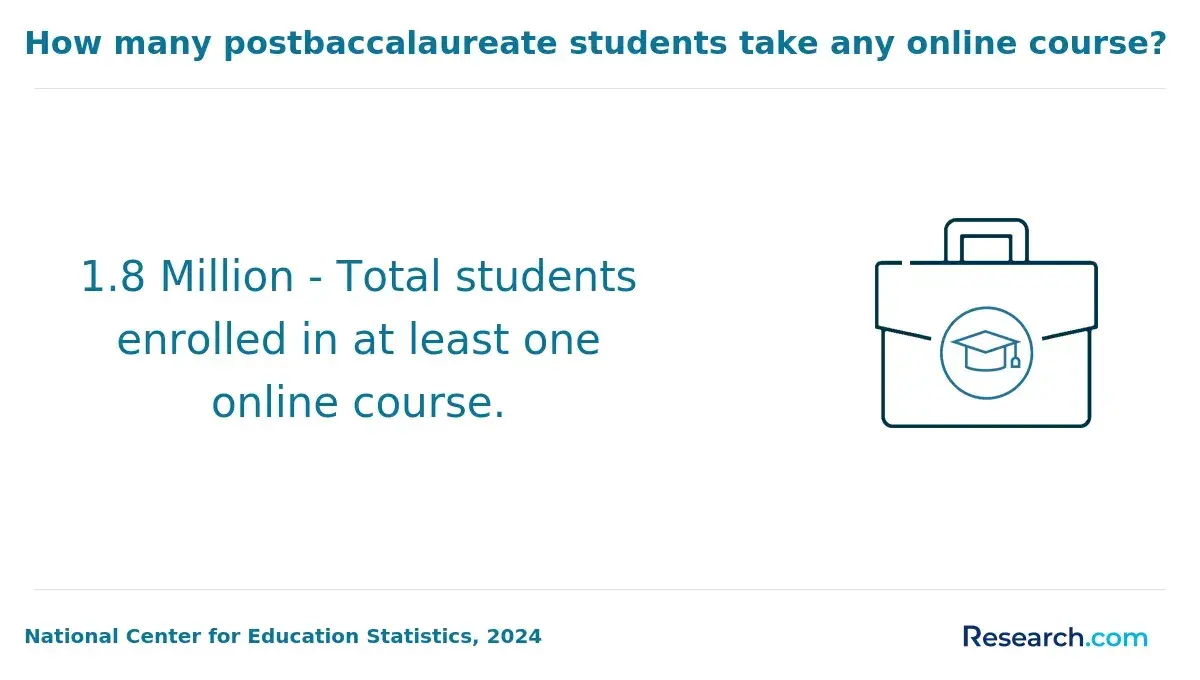
Professionals aiming to specialize in forensic psychology while gaining licensure as counselors often face complex decisions about program relevance, cost, and flexibility. With online education enrollment growing by over 10% annually according to the National Center for Education Statistics, accessibility now factors heavily into these choices. This growth signals a shift toward accommodating adult learners balancing work and study, but it also highlights the need to critically assess program structure and outcomes.
Understanding how the Chicago School's online MA in Forensic Psychology - Professional Counselor Licensure addresses these dynamics is key for aligning academic goals with career demands. This article examines the program's cost, curriculum, admissions process, and career outcomes to aid informed decision-making.
Key Points About The Chicago School's MA in Forensic Psychology - Professional Counselor Licensure Program
- The Chicago School's online MA in forensic psychology - professional counselor licensure has a 33% acceptance rate, indicating selective admissions that may require strong academic or professional backgrounds for acceptance.
- Graduates benefit from employer recognition and alumni networks, which can enhance job prospects but depend heavily on leveraging these connections in forensic and counseling sectors.
- With tuition totaling $47,948, prospective students must weigh this significant investment against potential career advancements and salary outcomes within specialized mental health roles.
What can students expect from The Chicago School's online MA in Forensic Psychology - Professional Counselor Licensure curriculum?
The Chicago School's online MA in Forensic Psychology - Professional Counselor Licensure curriculum is structured to meet industry expectations for licensed counselors working in forensic settings, balancing theoretical knowledge with applied skills necessary for realistic clinical and legal environments. For instance, students may encounter situations requiring trauma-informed interventions for offenders while simultaneously navigating relevant legal statutes, which demands both clinical acumen and regulatory understanding. This program's structure largely aligns with common standards for similar MA programs across the United States, emphasizing license eligibility while incorporating specialized forensic content. Below is a summary of core coursework areas reflecting the demands placed on students entering this field.
- Abnormal Psychology and Assessment: Coursework covers diagnostic frameworks like the DSM, requiring students to demonstrate competency in identifying and evaluating mental disorders within forensic contexts. This foundation is critical for accurate forensic assessment and effective treatment planning.
- Counseling Theories and Practicum: Students engage with counseling models and gain supervised experience through practicums, which replicate real-world forensic clinical settings. These practicum hours are essential for meeting licensure requirements and developing effective client interaction skills.
- Legal and Ethical Issues: This segment focuses on ethical standards and legal principles governing counseling practice, particularly as they apply to forensic populations. Mastery here prepares students for navigating complex legal statutes and professional responsibilities in their careers.
This curriculum's integration of rigorous coursework and practical training aims to prepare graduates for the nuanced, often challenging roles encountered within forensic environments. Prospective students should consider how well such a program's format and content align with their career goals, especially given the licensing demands and the continuing evolution of forensic psychology roles. Those surveying options may also want to explore colleges online that accept FAFSA to balance financial considerations alongside educational outcomes. The program's emphasis on applied skills makes it a strong contender for those committed to licensure and forensic practice, provided they are prepared for the intensive and specialized nature of the training.
What are The Chicago School's admission requirements for online MA in Forensic Psychology - Professional Counselor Licensure program?
The Chicago School maintains selective admission standards for its online MA in Forensic Psychology - Professional Counselor Licensure program, reflecting the specialized nature of graduate-level forensic psychology and counseling training. Students should expect that admissions decisions account for evidence of academic preparedness and relevant professional background rather than relying on standardized test scores like the GMAT, which the program does not require.
For instance, an applicant with substantial experience in behavioral health but a less directly related undergraduate major might enhance their admission chances by submitting strong letters of recommendation and a detailed resume highlighting relevant counseling or forensic work. Below are key components applicants typically must prepare:
- Official Transcripts: Applicants submit transcripts from all post-secondary institutions attended to verify prior academic achievement and ensure foundational coursework aligns with the program's expectations.
- Letters of Recommendation: These are important for demonstrating academic abilities, professional competence, and suitability for graduate study, often required to assess readiness beyond GPA alone.
- Resume or Curriculum Vitae: A current document outlining work history related to behavioral health, counseling, or forensic settings helps contextualize the applicant's practical experience.
- Academic Performance Assessment: While no specific GPA minimum is disclosed, the absence of open admission implies a competitive review of undergraduate achievement, signaling that academic records are carefully considered.
- Transfer Documentation (if applicable): Transfer applicants may need to provide detailed transcripts and course descriptions to confirm credit equivalency and relevance to the MA program's curriculum.
Is it difficult to get admitted to The Chicago School's online MA in Forensic Psychology - Professional Counselor Licensure program?
Admission to MA in forensic psychology - professional counselor licensure programs generally balances selectivity with demand; some programs admit most qualified applicants, while others limit enrollment to manage cohort size and maintain rigor. Candidates should expect moderate competition due to the niche yet growing interest in forensic mental health careers, where practical licensure requirements heighten the stakes of program quality and outcomes.
The Chicago School's online MA in forensic psychology - professional counselor licensure program reflects this middle ground with a 33% acceptance rate, admitting 9 students from 27 applicants annually. This suggests a competitive but not prohibitive admission environment, where applicants who present relevant experience and meet prerequisites stand a reasonable chance. The absence of SAT or ACT requirements reduces barriers typically affecting early academic profiles, emphasizing professional readiness and background over standardized test scores.
Applicants must weigh the program's selectivity against their credentials and career urgency, as limited enrollment means missing a cycle could delay licensure progress. While the smaller application pool avoids overwhelming competition, it also indicates a focused, committed candidate group rather than open access.
One graduate recalled uncertainty during the process because they juggled full-time work and family obligations. "I hesitated applying at first because I wasn't sure if my part-time experience would be enough," they said, "but the clear admissions criteria helped me prepare my materials strategically. When I got in, it felt like the program valued what I brought beyond academic scores." This experience underscores how understanding program emphasis can de-risk the application despite moderate selectivity.
What is the cost of attending an online MA in Forensic Psychology - Professional Counselor Licensure program at The Chicago School?
The tuition fees for Chicago School MA in Forensic Psychology Professional Counselor Licensure programs represent a significant but transparent component of overall educational investment. The base tuition and fees total $20,844 annually, distinguishing core academic costs from variable expenses like books and living costs, which can considerably alter the financial burden depending on individual circumstances. This separation is critical for prospective students evaluating their capacity to manage ongoing expenses alongside tuition.
Unlike many institutions, The Chicago School applies uniform tuition for online learners regardless of geography, eliminating regional cost disparities frequently encountered elsewhere. This factor can benefit those living in higher-cost states compared to traditional public universities, though it removes potential in-state tuition savings. The absence of an additional online technology fee also simplifies cost calculations.
When weighed against the national landscape for MA in forensic psychology programs, the cost of attending the Chicago School online aligns with or slightly exceeds average tuition fees for similar professional counselor licensure-focused degrees. This tiering suggests the program competes on comprehensiveness and reputation but may require careful financial planning for those balancing debt or alternative educational options.
Students assessing the total cost of attending the Chicago School online MA in forensic psychology program should consider not only tuition fees for Chicago School MA in forensic psychology professional counselor licensure but also how this investment correlates with employability in forensic and counseling sectors. For those exploring alternatives or complementary credentials, comparing with the easiest online bachelor degree pathways may uncover practical tradeoffs in timing and financial outlay. Resources detailing education cost versus career outcomes remain essential for informed decision-making.
Further context on educational routes can be found by reviewing data on the easiest online bachelor degree, which helps distinguish between foundational versus specialized investment levels in career pathways.
Are there financial aid options for online MA in Forensic Psychology - Professional Counselor Licensure students at The Chicago School?
Financing an online MA in Forensic Psychology - Professional Counselor Licensure at The Chicago School requires careful evaluation of aid options, as balancing tuition costs with potential future earnings in forensic and clinical settings can influence long-term career feasibility.
Many students rely on a combination of institutional support and external funding to offset expenses, especially since this specialized graduate program often demands both rigorous academics and practical training. Navigating these aid sources strategically can reduce financial strain and widen access to licensure pathways. Below are key financial aid routes available to students:
- Institutional Scholarships: Targeted scholarships offered by The Chicago School may focus on forensic psychology students or those demonstrating academic merit. These awards vary in amount and typically require an application or nomination aligned with program enrollment.
- Federal Financial Aid: Students eligible under federal guidelines can apply through FAFSA to access grants and loans. These funds hinge on enrollment status and maintaining satisfactory academic progress, serving as a foundational but sometimes insufficient funding source.
- Veteran Benefits: Former military members may use educational assistance programs to cover a portion or all of tuition, often supplementing or replacing federal aid. This advantage expands opportunities for veterans entering forensic counseling.
- Employer Tuition Reimbursement: Working professionals employed by organizations with education benefits can receive partial or full reimbursement, contingent on employer policies and relevance to current job roles. This option ties funding to ongoing employment, offering practical cost deferral.
- Grants and Need-Based Aid: Additional grants focused on financial need can reduce overall debt burden; eligibility involves submitting detailed financial documentation and demonstrating economic hardship within institutional criteria.
What learning resources are available to online MA in Forensic Psychology - Professional Counselor Licensure students at The Chicago School?
Access to well-integrated learning resources directly impacts student outcomes in an online MA in Forensic Psychology - Professional Counselor Licensure program, particularly given the technical and academic challenges of studying forensic psychology remotely. Students juggling professional and personal commitments must rely on digital infrastructure that minimizes barriers to content access and fosters practical skill development aligned with workforce needs. For example, a student managing a current counseling caseload while completing the program needs seamless access to course materials and targeted academic support to apply forensic theories effectively in professional settings. Below is an overview of key learning supports available, highlighting their practical value in sustaining student progress and readiness for licensure.
- Digital Learning Platform: This centralized system provides uninterrupted access to course resources, interactive content, and virtual classrooms, enabling students to engage flexibly while mitigating common connectivity or software issues.
- Academic Advising: Dedicated advisors tailor course planning and monitor progression, helping students align their studies with licensure requirements and career timelines, which is critical for meeting professional milestones efficiently.
- Tutoring Services: Online tutoring addresses complex forensic psychology concepts, facilitating mastery of specialized knowledge areas that are essential for competent clinical and counseling practice in legal contexts.
- Writing and Research Support: Access to writing centers and research assistance enhances students' ability to produce rigorous, evidence-based work, a crucial skill for ethical decision-making and professional communication in forensic settings.
- Professional Placement Networks: Connections with local and national agencies help secure internships and career coaching, providing hands-on experience that bridges theory with applied practice and supports licensure eligibility.
Does The Chicago School's online MA in Forensic Psychology - Professional Counselor Licensure program have in-person clinicals or practicums?
Professional counseling licensure universally mandates substantial in-person clinical experience, creating a critical threshold that online programs must address to remain viable for licensure preparation. The Chicago School's approach to its online MA in Forensic Psychology - Professional Counselor Licensure reflects this reality by requiring in-person practicums and clinicals, aligning with state-mandated standards rather than attempting a fully remote clinical training model. This stipulation underscores key tradeoffs: while the coursework offers online flexibility, licensure candidates cannot bypass supervised, hands-on client interactions essential for employer acceptance and professional competence.
The ma in forensic psychology - professional counselor licensure at The Chicago School incorporates mandatory in-person clinical practicum and internship components designed to furnish students with practical, supervised experience. Placements occur at approved clinical sites, frequently involving forensic populations where counseling occurs under licensed professional supervision. These requirements often encompass several hundred hours, calibrated to state licensing bodies' regulations, and reflect the field's emphasis on real-world forensic settings, legal system interfaces, assessment, and therapeutic intervention skills. The insistence on physical presence for these training segments reflects industry norms that govern practicums for chicago school forensic psychology ma programs and are critical for licensure eligibility.
Students evaluating an online MA in forensic psychology program clinical requirements chicago should weigh the necessity of in-person practicums against program convenience. The tradeoff involves balancing flexible academic delivery with the unavoidable obligation to secure and attend placements, which may pose geographic and scheduling challenges but are indispensable for comprehensive professional preparation.
Prospective students pursuing counseling licensure through such programs may also consider alternative certificate programs that pay well (certificate programs that pay well), if prioritizing fully remote or shorter practical requirements is a decisive factor.
What careers can graduates of online MA in Forensic Psychology - Professional Counselor Licensure at The Chicago School secure?
Graduate success in the forensic psychology field largely depends on how effectively the MA in Forensic Psychology - Professional Counselor Licensure from The Chicago School translates into viable career options. Graduates frequently enter professions where mental health expertise intersects with legal systems, yet licensure requirements and real-world demands shape job availability and scope. Navigating positions tied to forensic settings often means balancing clinical responsibilities with legal mandates, which can vary by state and employer expectations.
This dynamic underscores a critical workforce implication: holding the degree alone does not guarantee access to certain higher-level roles without corresponding licensure and experience. For a realistic outlook on employment, consider these typical career outcomes:
- Licensed Professional Counselor in Forensic Settings: These counselors assess and treat offenders or victims within correctional or rehabilitation centers, focusing on mental health support aimed at behavioral change. Salaries reflect specialized clinical work, often moderate but with public or private sector variability.
- Forensic Case Manager: This role involves coordinating mental health services and managing court-related processes for individuals involved with the justice system, requiring strong organizational skills and knowledge of legal procedures.
- Victim Advocate: Victim advocates support those affected by crimes, providing guidance through legal and therapeutic channels. This position demands advocacy and emotional resilience, often within nonprofit or government agencies.
- Forensic Evaluator: Forensic evaluators perform psychological assessments crucial for legal decisions about competency, risk, or treatment, requiring both clinical competence and understanding of judicial standards.
Those assessing the job opportunities and salary outlook for MA in Forensic Psychology - Professional Counselor Licensure graduates in the Chicago area should also factor in state licensure and multidisciplinary collaboration, which are pivotal for sustained career growth. For individuals balancing military commitments or seeking flexible training paths, programs recognized among military friendly online colleges may offer additional accessibility.
What is the salary outlook for online MA in Forensic Psychology - Professional Counselor Licensure graduates?
Choosing to specialize in forensic psychology with professional counselor licensure creates a distinct financial advantage in the Illinois job market, as many employers seek professionals who can navigate both clinical and legal frameworks. Graduates of the online MA in Forensic Psychology - Professional Counselor Licensure face a salary outlook that reflects these dual competencies, positioning them above general psychology practitioners who lack this combined focus.
The median alumni salary for this program at The Chicago School is approximately $56,899 annually, markedly higher than the general psychology median salary of about $35,517. This salary increment underscores the program's role in equipping graduates for demanding roles such as forensic assessment and counseling, which traditionally command better compensation due to their specialized nature.
In practical terms, professionals with this credential often experience increased employability within interdisciplinary teams across legal and mental health systems in Illinois. Although precise recent graduate data remain limited, the career outlook for forensic psychology counselor licensure graduates in Illinois indicates improved salary potential and job stability. For those weighing program costs against outcomes, it is valuable to consult broader resources like certificate programs that pay well for comparative insight.
How do you know if The Chicago School's online MA in Forensic Psychology - Professional Counselor Licensure program is the right choice for you?
Choosing a MA in Forensic Psychology - Professional Counselor Licensure program requires assessing how well it aligns with your specific professional ambitions, learning style, and licensure goals. This type of program is a significant investment of time and resources, so understanding key factors that affect your career trajectory and daily experience is essential. Consider the following critical evaluation points when deciding if the chicago school's program fits your needs.
- Program Structure and Flexibility: Examine how the mix of synchronous and asynchronous coursework fits your schedule, especially if balancing work or family commitments. Flexibility paired with live interactions can influence retention and skill development in forensic and counseling contexts.
- Licensure Pathway Clarity: Confirm the program's alignment with state-specific licensure requirements. Given the complexity of licensure across jurisdictions, a clear roadmap ensures your educational efforts translate into eligibility to practice without delays.
- Community and Mentorship Support: Investigate the availability of peer cohorts and dedicated faculty mentors, as these elements affect not only academic success but also professional networking opportunities in forensic psychology and counseling.
- Practical Experience Opportunities: Assess how well the program integrates clinical practicums and internships in forensic settings, which are essential for skill application and employability in legal and correctional environments.
A graduate shared that what tipped the scale in choosing the chicago school was the program's cohort size and mentorship framework, which helped offset the isolation often felt in online learning. They recalled thinking, "I needed more than just content delivery; I wanted meaningful interaction and guidance, especially as I juggled full-time work." Knowing the program included applied practicum options tied to forensic agencies provided confidence that the degree would translate into relevant experience rather than staying theoretical. Their decision was less about brand recognition and more about practical fit, which proved crucial once they moved into supervised licensure hours and job searching.
What Graduates Say About The Chicago School's MA in Forensic Psychology - Professional Counselor Licensure Program
- Connor: "Studying at The Chicago School provided a rigorous academic environment that pushed me to develop critical analytical skills, especially when working through case studies and practical scenarios. The program's emphasis on ethical decision-making and forensic assessment was invaluable when I transitioned into a forensic counseling role, where employers often favored candidates with strong portfolios and internship experience over just licensure. While the licensure track was demanding, it opened doors I wouldn't have accessed otherwise, particularly in correctional settings where hands-on knowledge and applied learning mattered most."
- Devon: "The flexibility of the MA in forensic psychology - professional counselor licensure program was a major factor when I chose The Chicago School, balancing work and family commitments while progressing through the coursework. I appreciated how the curriculum blended foundational theory with real-world applications, which prepared me well for remote counseling opportunities that emerged in the pandemic. That practical experience helped me navigate a competitive job market where many agencies now look beyond licensure, favoring those who can demonstrate adaptable skills and diverse client interaction, even if it means slower salary growth at the start."
- Ahmed: "Reflecting on my time at The Chicago School, the most valuable part was the opportunity to complete multiple internships, which gave me clarity on the kinds of settings I wanted to pursue professionally. The MA in forensic psychology - professional counselor licensure provided a solid theoretical backbone, but I quickly learned that employers in the forensic field prioritize proven experience and certifications in specialized areas. This reality influenced my decision to pursue additional credentials alongside licensure to remain competitive and continue advancing in my career, especially in forensic behavioral analysis roles where practical skills often outweigh formal titles alone."
Other Things You Should Know About Degrees
The program allows part-time enrollment, which extends completion time but reduces weekly academic load, helping students balance work and family commitments. Full-time students may complete faster but face a demanding schedule with rigorous coursework that requires disciplined time management. Applicants with high external obligations should lean toward part-time pacing to avoid burnout, acknowledging this means a longer financial and personal investment overall.
The Chicago School's program primarily aligns with Illinois licensure standards, so graduates seeking licensure in other states must verify compatibility with local requirements. Some states have unique curricular or supervised experience mandates that may necessitate additional coursework or hours beyond the program. Candidates targeting multistate practice should review state boards early and consider supplementary training or consultation to ensure smooth licensure transfer.
The Chicago School has a growing profile in forensic psychology circles, but it is not universally recognized as a premier institution in all geographic markets. Employer perception tends to be stronger in urban centers where the school's network and alumni presence are more established. For those targeting competitive or niche forensic roles, supplementing the degree with internships, certifications, or networking may be necessary to stand out effectively.
References
- Free educational resources for kids stuck at home during COVID-19 https://abc7chicago.com/feature/free-educational-resources-for-kids-stuck-at-home/6033927/
- Chicago School of Professional Psychology Overview 2026 https://amberstudent.com/blog/post/chicago-school-of-professional-psychology
- Bundled Programs - The Chicago School | Office of Continuing Education https://tcsppofficeofce.com/bundled-programs/
- Office of Student Writing and Learning https://www.owlc-tcs.com/
- The Chicago School Online Bookstore https://thechicagoschool.textbookx.com/
- TCSPP Salaries - Chicago Wages https://www.academicjobs.com/employers/the-chicago-school-of-professional-psychology/5317/salaries
- Master's In Forensic Psychology: Courses And Requirements https://www.psychology.org/degrees/forensic-psychology/masters/
- Requirements To Become a Forensic Psychologist https://www.forensicscolleges.com/blog/htb/how-to-become-forensic-psychologist
- Family Resources https://kidsfirstchicago.org/family-resources
- Online Master's Degrees in Forensic Psychology & Counseling https://www.counselingschools.com/programs/masters/forensic-psychology