2027 Is Arizona State University Good for Transfer Students?

Co-Founder and Chief Data Scientist
Choosing a transfer-friendly school is critical for students aiming to maximize credit acceptance and minimize time to degree. Arizona State University often attracts transfer applicants with its broad credit transfer policies and diverse program offerings. Yet, assessing how many transfer credits apply, the competitiveness of admissions for transfer students, and the real cost of completion remains complex. This evaluation matters especially for cost-conscious students balancing prior coursework from community colleges or other universities. Enrollment data indicates a steady rebound in two-year-to-four-year transfer pathways, highlighting the rising importance of transfer-friendly universities in higher education access.
Nontraditional learners must also consider flexible study options and campus culture welcoming of transfer backgrounds. Arizona State University provides online programs and academic support, but scrutinizing these resources against practical outcomes and workforce alignment is essential. This article will analyze transfer credit policies, admissions process, costs, flexibility, and support at Arizona State University to help prospective transfers make informed decisions grounded in real-world academic and career implications.
Key Points to Know About Arizona State University for Transfer Students
- Arizona State University applies transfer credits from CLEP, DSST, ACE, and Advanced Placement toward major and elective requirements, enabling streamlined progression but requiring evaluation of credit transfer impact on time to degree.
- Transfer admission has moderate selectivity, dependent on program-specific minimum GPA, and requires GED, secondary transcripts, TOEFL scores, with fall, spring, and summer entry options, influencing application timing strategies.
- Total attendance costs $28,047, positioning ASU as a competitive degree completion option if financial aid offsets expenses; students must balance credit applicability and net cost compared to alternative institutions.
Is Arizona State University a Transfer-Friendly College for New Students?
Arizona State University presents a moderately accessible transfer admission process, generally aligning with common student expectations. It accepts various transfer credits, including those recommended by the American Council on Education and several proficiency exams like CLEP and DSST/Dantes. Dedicated advising centers further support transfer applicants, making navigation through admission and credit evaluation relatively straightforward.
However, transfer-friendliness hinges on program-specific credit acceptance and real-world outcomes. While ASU offers affordability and multiple enrollment terms, students must carefully assess whether their prior credits will apply fully to their intended degree path. With growing national emphasis on transfer-friendly policies-reflected in increasing institutional adoption-actual degree completion depends on how these policies mesh with individual academic and career goals, including employer recognition of credentials.
Prospective transfers looking to minimize costs and accelerate graduation may find ASU's flexibility beneficial, especially nontraditional learners leveraging prior learning. Yet, the risk of credit loss or extended time to degree remains if credits do not align with program requirements. Realistic evaluation of credit transfer and post-graduation market value should guide decisions rather than admission ease alone.
How Easy Is It to Transfer Credits to Arizona State University?
Transferring credits to Arizona State University requires careful navigation of their evaluation system. ASU assesses credits by comparing coursework with degree requirements, emphasizing course equivalency and accreditation. While Advanced Placement credits are accepted, life experience or dual credits typically are not. Credits may apply to major requirements or count as electives depending on specific departmental rules.
Transfer students must recognize that not all credits will align with major needs. Recent findings show about 15% of transfer credits at comparable institutions fail to count toward majors, increasing time and cost to graduate. For example, a student transferring general education credits may find only a portion applicable, necessitating additional courses that delay completion.
Advising support at ASU helps students preview credit transfer options and strategize around potential credit loss. However, this aid does not eliminate the inherent tradeoffs. Students should weigh the risk of losing credits against extended tuition payments and delayed entry into the workforce when planning their transfer.
For nontraditional or cost-conscious learners, the challenge lies in balancing transfer flexibility with efficiency. Credits accepted as electives may maintain progression but offer limited relief on degree length, underscoring the need for targeted planning around major requirements to avoid unexpected financial and temporal burdens.
What Transfer Admission Requirements Does Arizona State University Have?
Arizona State University's transfer admission requirements create a pathway that balances accessibility with the practical realities of credit transfer and program fit. Transfer applicants can generally expect a minimum GPA threshold paired with specific credit and prerequisite coursework expectations, which vary by major and directly impact admission success.
For example, a community college student with a 2.5 GPA bringing 30 credits must strategically plan courses to meet ASU's foundational requirements while submitting the proper documentation. Transfer students should carefully consider these key admission components to navigate application timing and program-specific rules effectively. Here is what prospective transfer students need to know:
- Minimum GPA Requirement:ASU demands a minimum cumulative GPA of 2.5 on prior college coursework. This baseline applies universally but plays a crucial role in screening applicants. Students with borderline GPAs must enhance other aspects of their application and confirm GPA calculations on all transcripts for best clarity.
- Completed College Credits:Applicants must have at least 24 semester hours from accredited institutions. This ensures foundational college experience and helps determine transfer credit eligibility. Students from community colleges or returning learners should verify credit transferability early to avoid lost time.
- Prerequisite Coursework:Course requirements differ by intended major and function as gatekeepers. Meeting these allows smoother credit transfer and reduces risk of extended time to degree. Students should engage in thorough academic advising, especially in fields with strict course sequences.
- Official Transcripts Submission:ASU requires official transcripts from all previously attended institutions. Timely and accurate transcript submission affects application completeness and admission decisions. Returning adult and online transfer students must ensure all prior credits are verifiable.
- No SAT/ACT Requirement:Standardized test scores are not required for transfer applicants. This reduces barriers for nontraditional and community college students, reflecting ASU's recognition that college-level performance better predicts success than standardized testing.
Transfer admission at Arizona State University is less selective than first-year admissions, which aligns with national trends showing a 2.5 GPA minimum as a common threshold in 2024. A recent study found unclear prerequisite standards among transfer students increase time-to-degree and hamper employment outcomes, emphasizing the critical nature of strategic course planning.
This approach supports prospective ASU transfer applicants who prioritize degree completion speed and want to limit credit loss as they transition schools. Understanding these realities helps applicants make informed decisions consistent with their academic and career objectives.
For students exploring degree affordability during transfer, especially adult or online learners, it is worth noting discussions on cheapest doctoral programs highlight the broader financial landscape and choices beyond undergraduate transfer. Such awareness informs longer-term educational planning starting from initial transfer admissions.
Arizona State University's transfer credit policy accommodates a sizable portion of prior coursework but imposes limits that directly impact degree planning and timeline. Prospective transferees can bring up to 64 semester credits from regionally accredited institutions, roughly half of the typical bachelor's degree requirements. However, transferring credits from community colleges or other non-traditional schools often involves stricter evaluation, particularly for upper-division courses.
ASU's residency requirement mandates at least 30 credits earned directly through the university, ensuring a substantial portion of advanced coursework occurs on campus or online with ASU faculty. These rules can extend graduation time when transferred credits only partially satisfy major-specific requirements or apply as electives, not major core classes.
A 2024 study on credit transfer mobility shows students often face six-month graduation delays when excess credits are rejected or don't align with key degree requirements. This highlights the risks of indiscriminate credit transfer and the need for strategic course selection ahead of enrolling. ASU transfer credit evaluation closely weighs applicability to major requirements and general education criteria, affecting transfer students pursuing highly structured programs like engineering or business more than those in flexible liberal arts.
Below are key factors transfer students should consider when planning their credits:
- Maximum Transfer Credits: ASU accepts up to 64 credits from regionally accredited institutions, enabling sizable credit use but limiting completion of half the degree externally. This benefits community college students transferring after two years.
- Lower-Division vs. Upper-Division Courses: Credits below junior level transfer more readily, but many majors require upper-division courses completed at ASU, restricting transfer impact on advanced requirements.
- Credit Applicability to Major: Not all credits count toward major core coursework; some transfer only as electives. This distinction influences students' course planning, especially in major-specific fields.
- Residency Credit Requirement: A minimum of 30 credits must be completed at ASU, ensuring direct university engagement. This limits completing degrees exclusively with transferred courses.
- Transfer Credit Evaluation Process: ASU evaluates credit alignment with academic standards, which may delay graduation if transferred credits fail to meet program expectations. Transfer students benefit from early advisement to optimize course choices.
For students aiming at accelerated progress, ASU's pathways remain viable options. Some may also explore 2 year bachelor degree programs to maximize transfer credit use and minimize time to graduation without violating residency rules.
Arizona State University's transfer pathways and community college agreements provide a structured yet nuanced route for students aiming to complete bachelor's degrees while minimizing wasted time and expenses. With a 90% acceptance rate for transfer students, ASU embraces a broad set of articulation agreements featuring guaranteed admission for aligned coursework.
However, the practical payoff depends on how well students engage with these frameworks and choose majors linked to strong transfer pathways. Research from the National Student Clearinghouse shows institutions with guided transfer pathways improve bachelor's completion rates by 15% within four years, underscoring the value of ASU's detailed transfer maps.
Yet, transfer students should critically assess how these agreements address credit applicability, advising support, and the pace of degree completion in their chosen field. The list below highlights key aspects of ASU's transfer ecosystem that influence planning and outcomes.
- Guaranteed Admission Agreements: These provide a secured route for community college students who complete specific coursework with required grades, reducing uncertainty around transfer acceptance and enabling early academic planning.
- Major-Specific Transfer Maps: Tailored guides align community college courses with ASU degree requirements in select disciplines, helping students avoid redundant classes and reducing time to graduation.
- Credit Applicability Transparency: Detailed equivalency tables clarify which community college credits transfer directly, helping students avoid credit loss and associated financial and time burdens.
- Advising Support for Transfers: Dedicated advisors assist with course selection and pathway navigation, crucial for aligning prior credits with degree goals to maximize efficiency.
- Community College Partnerships: Collaborations with multiple colleges offer a variety of streamlined credit pathways, benefiting students from diverse academic backgrounds seeking affordable transfer routes.

Arizona State University's affordability for transfer students hinges on multiple cost and aid variables rather than a fixed price tag. Tuition clocks in at $34,845, while the Federal Scorecard suggests an overall cost of attendance near $28,047. The lower net figure reflects available financial aid, including institutional, federal, state, and employer scholarships accessible even to online students.
However, affordability wanes when transfer credits are denied, pushing students to retake courses and pay additional tuition. Part-time enrollment or selecting programs with extra fees can extend time to degree, inflating total costs. Housing needs and delayed graduation also contribute to expenses often overlooked in headline tuition numbers, creating financial strain beyond sticker prices.
A recent National Student Clearinghouse report found nearly 40% of transfer students face unexpected financial burdens after moving institutions. This underscores how tuition transparency gaps and variable scholarship eligibility directly affect whether transfer students can persist or must halt progress. Without proactive cost verification, these hidden costs risk increasing debt or dropout likelihood.
Transfer students should rigorously confirm which credits apply before enrolling. They must also clarify financial aid eligibility, billing deadlines, and any program-specific fees. Seeking the lowest-cost path, such as fully leveraging aid for online options or ensuring timely graduation, is essential to prevent affordability pitfalls that can slow or stop degree completion.
Arizona State University's best academic programs for transfer students feature business, engineering, and information technology due to their clear prerequisite structures and wide acceptance of transfer credits. These programs often offer online formats that align with degree-completion pathways, minimizing course repetition. Liberal arts degrees provide flexibility, but credit transfer can vary significantly based on students' prior coursework.
Transfer students choosing business or STEM majors like Supply Chain Management or Computer Science benefit from more direct paths to graduation. Credit applicability often leads to shorter time-to-degree and more predictable course sequencing. This results in lower total costs and improved workforce alignment, with median mid-career salaries exceeding $85,000 in these fields. Conversely, social sciences may require additional credits, extending graduation timelines and increasing expenses.
A study from the National Student Clearinghouse Research Center found that 68% of transfer students in STEM and business bachelor's completion programs reduce excess credits and graduate on time, compared to 42% in less structured programs. This data highlights the value of selecting Arizona State University programs with transparent transfer policies and prerequisite clarity for practical degree progress.
Before enrolling, transfer students should verify major requirements, transfer equivalencies, and prerequisite gaps. Consulting advising support helps determine if an ASU program aligns with academic and career goals. For students seeking a cheapest online college option with efficient transfer pathways, ASU's business, IT, and engineering degrees are typically the strongest choices.
Evaluating online or flexible options at Arizona State University as a transfer student requires careful consideration of prior credit acceptance, course formats, scheduling constraints, and the interplay of academic advising with enrollment intensity. Students balancing work, family, or commuting limits must assess whether ASU's pathways allow clean integration of credits and effective sequencing to avoid extending graduation timelines.
Although ASU provides multiple formats including fully online, hybrid, and part-time enrollment, these features vary by major and can impose constraints through specific course availability and scheduling windows. Transfer credit policies and academic advising support are crucial for navigating these complexities while keeping costs and time investment manageable.
Below are key factors influencing how genuinely flexible ASU's options are for transfer students:
- Fully Online Degree Programs: ASU offers a range of fully online bachelor's degrees suitable for transfer students, allowing coursework from any location. However, certain programs may restrict which courses transfer in or require specific on-campus components, impacting overall flexibility. Comparing online options with traditional on-campus transfers is essential to gauge potential time savings and cost reductions.
- Hybrid and Evening Course Formats: Some majors provide hybrid or evening classes, giving transfer students on-site scheduling alternatives that accommodate work or family commitments. These tend to be more limited in availability and may require careful planning to align credit transfer and course sequencing effectively.
- Transfer Credit Applicability and Limits: ASU has clear transfer credit policies but enforces major-specific prerequisite sequences. Not all credits transfer equally, which can delay progress if students must repeat foundational courses. This can increase tuition costs and extend time to graduation compared to traditional pathways with direct credit articulation.
- Advising and Degree Planning Resources: Dedicated advisors for transfer students help navigate credit evaluation and course selection. Strong advising improves students' ability to maintain enrollment intensity and avoid excess coursework, essential for controlling debt and reducing lost time.
- Part-Time Enrollment Options: Transfer students can enroll part-time to balance external responsibilities, but this slows degree completion. Weighing part-time flexibility against longer exposure to tuition and indirect costs is key for cost-conscious learners.
- Scheduling and Course Sequencing Constraints: Rigid sequencing in some programs may restrict when required courses are offered online or in hybrid modes. Transfer students must align their plans with course rotation calendars, or they risk delaying graduation due to unavailable courses in certain terms.
- Implications for Graduation Timeline: The culmination of transfer credit limits, scheduling restrictions, and enrollment intensity directly affects graduation timing. Flexibility is practical when program design and advising support minimize delays even in asynchronous or part-time formats.
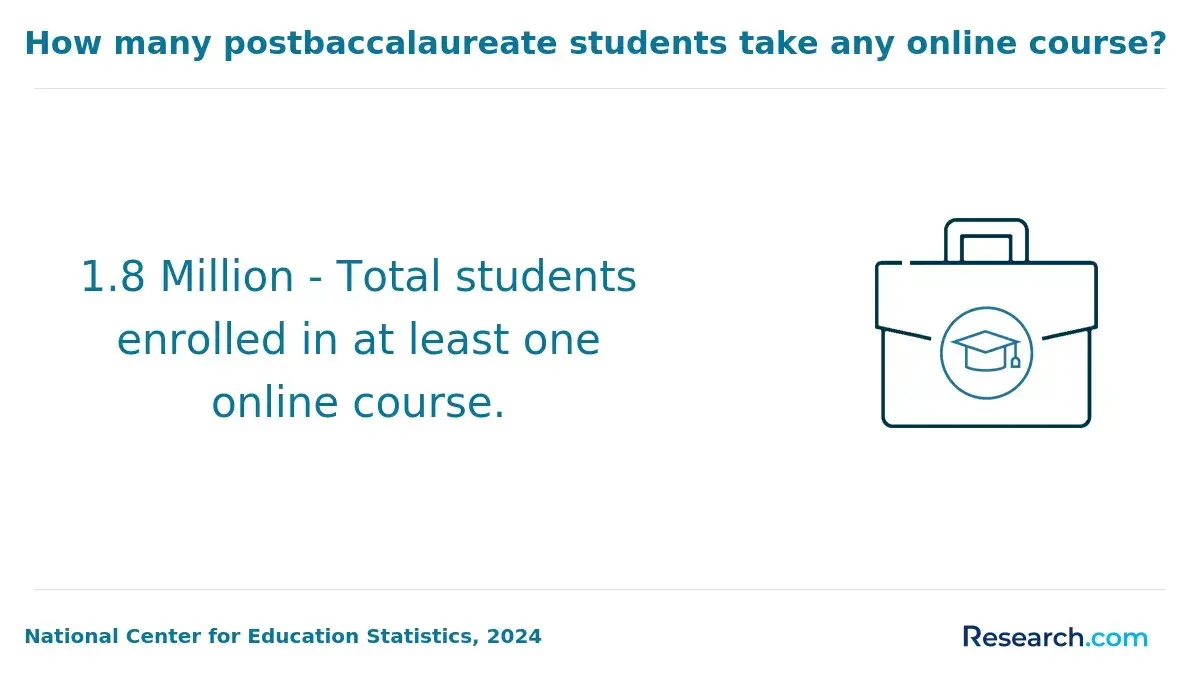
Recent data show about 65% of adult learners now take at least some online courses, reflecting the growing demand for asynchronous options that help manage life-work balance. This trend underscores the importance of authentic flexibility rather than just the appearance of remote learning opportunities.
A transfer student at Arizona State University faces the practical challenge of confirming how previously earned credits apply, selecting remaining courses wisely, managing affordability pressures, and navigating a new academic culture without losing progress toward graduation. Effective support in these areas directly influences credit preservation, cost management, and timely degree completion.
To evaluate ASU's transfer friendliness, students should consider transfer advising, credit evaluation, degree planning, orientation programs, financial aid guidance, tutoring, career services, and options for flexible learners. Below are key student resources for transfer students at Arizona State University and how they affect success compared to other colleges.
- Transfer Advising and Credit Evaluation: ASU provides tailored advising that aligns incoming credits with degree plans to minimize excess coursework. This direct support helps students avoid wasting time and money on redundant classes, a crucial factor when comparing transfer efficiency across institutions.
- Orientation Programs for Transfers: Specialized sessions ease adjustment by addressing transfer-specific academic and social challenges. This intentional onboarding increases student persistence by fostering clearer expectations and smoother integration.
- Financial Aid Counseling: With 93% of students receiving aid, this resource helps transfer students pursue affordable pathways. Understanding ASU's aid options and their impact on net costs is vital, especially for cost-conscious transfer students.
- Academic Tutoring Services: Robust tutoring enhances learning outcomes and confidence in new, often more demanding courses. Access to such support influences retention and eventual graduation rates relative to peer institutions.
- Career Counseling and Job Preparation: ASU's career services address the practical outcome of degree completion by connecting students to market-relevant opportunities and advising on accelerated career programs, useful for those seeking faster workforce entry.
- Support for Online and Nontraditional Transfers: Resources tailored to working, returning, and first-generation students offer flexible learning approaches. This inclusive support is critical for maintaining progress when balancing other life demands.
Arizona State University's 68% graduation rate for transfer students suggests a moderate but realistic path to degree completion. Transfer students benefit from ASU's strong transfer credit policies and flexible course schedules, which can reduce time-to-degree. However, outcomes depend heavily on program fit and individual academic commitment.
ASU transfer graduation rates align with national averages reported by the National Student Clearinghouse Research Center, where bachelor's completion rates for community college transfers typically range between 60-70%. This context is critical for transfer students weighing Arizona State University against other options or remaining at their original institution.
Career outcomes reflect a median post-graduation salary of $62,668, offering a competitive earning potential that justifies the investment for many. For instance, a working adult transferring with some credits may find ASU's flexible options helpful to balance work and study, optimizing both cost and completion speed without sacrificing career readiness.
For transfer students focused on balancing affordability, degree completion, and earnings, Arizona State University presents a practical option. Those seeking accelerated, adaptable study paths might explore 1 year PhD programs online no dissertation as a model for efficiency. Each student must evaluate credit acceptance, affordability, and career services when deciding if ASU's return on investment matches their goals.
What Do Graduates Say About Arizona State University for Transfer Students?
- Olivia: "Transferring to Arizona State University was a practical decision for me, especially because I was able to transfer about 70% of my previous credits. Most applied directly to my major, which helped me avoid losing time, though a few only counted as electives. The university's clear articulation agreements and transfer advising made the process transparent, but I did notice that balancing course availability with part-time enrollment extended my graduation timeline slightly. Still, the affordability of tuition combined with accessible financial aid made ASU a smart investment for my career in marketing."
- Kevin: "I was cautiously optimistic when I transferred because I'd heard mixed reviews about credit acceptance. Ultimately, Arizona State University accepted around half of my credits toward my engineering major, which was enough to keep me on track but required me to take a few extra courses. The flexible online program options and attentive advisors really helped me juggle my job and classes, making it feasible to finish in four years total. Factoring in tuition and mandatory fees, plus some scholarship support, ASU proved to be a practical choice, especially given the solid reputation the degree holds for tech employers."
- Kayla: "My transfer experience at Arizona State University taught me that transfer-friendliness alone isn't the whole story. While I transferred 60% of my credits, many were classified as electives rather than counting toward my degree requirements, which meant staying longer than I initially planned. The university's degree completion resources and online course availability were helpful, but advising was inconsistent, so I needed to be proactive. Ultimately, the balance of moderately affordable tuition with strong career outcomes and flexible scheduling made ASU worthwhile, but I recommend future transfers carefully map out their specific program needs before deciding."
Other Things You Should Know About Arizona State University Degrees
Arizona State University classifies transfer students as upper-division once they have completed at least 60 transferable semester credit hours. Credits must come from an accredited college or university and be accepted by ASU’s transfer evaluation process before they count toward degree progress.
Transfer students often underestimate additional expenses such as campus fees, textbooks, technology requirements, and parking, which vary by campus and program. These can substantially increase the total cost of attendance and affect budgeting decisions, especially for students without significant savings or financial aid beyond tuition coverage. Careful early research and planning help avoid financial strain that might slow academic progress or require taking fewer credits per term.
Employer recognition generally centers on degree completion and field of study rather than transfer status, but transfer students should be aware that complex transfer paths can sometimes extend graduation time, which signals less efficient degree completion. Focusing on programs with clear, streamlined transfer pathways and engaging in internships or career services can better position transfer students competitively. It is practical to choose majors where ASU has strong industry connections and practical training rather than solely following transfer convenience.
- Make it easy to transfer credit - Charles Koch Foundation https://charleskochfoundation.org/stories/make-it-easy-for-students-to-transfer-credit/
- Arizona State University and Shoreline Community College Partner to Launch Seamless Transfer Pathways Through MyPath2ASU https://news.shoreline.edu/2025/01/28/arizona-state-university-and-shoreline-community-college-partner-to-launch-seamless-transfer-pathways-through-mypath2asu/
- Transfer Programs https://www.cochise.edu/academics/transfer-programs.html
- Transfer to Arizona State University https://www.cpcc.edu/academics/transferring/online-and-out-state-agreements/transfer-arizona-state-university
- AZ State aid to out-of-state students? https://talk.collegeconfidential.com/t/az-state-aid-to-out-of-state-students/3645735
- Arizona State University | CSCC https://www.cscc.edu/academics/transfer/colleges/Arizona-State-University.shtml
- A Guide to Finding Housing as an ASU Transfer Student | Rambler Tempe https://ramblertempe.com/resources/transfer-student-guide-housing-arizona-state-university/
- AZTransfer | Data Reporting https://www.aztransfer.com/data/fast_facts.html
- Transfer to a University https://www.scottsdalecc.edu/students/advisement/transfer-university
- South Texas College and Arizona State University Unite for Seamless Transfer Experience https://news.southtexascollege.edu/south-texas-college-and-arizona-state-university-unite-for-seamless-transfer-experience/