2027 South University Online BSN to MSN - Family Nurse Practitioner: Cost, Admissions, Curriculum, and Career Paths

Co-Founder and Chief Data Scientist
Navigating the decision to pursue an online BSN to MSN - Family Nurse Practitioner program at South University involves assessing how the program matches both academic goals and professional demands.
With online enrollment in nursing graduate programs increasing by over 15% in 2023, according to the National Center for Education Statistics, prospective students face growing options but also heightened uncertainty around program quality, flexibility, and career alignment. This rise reflects adult learners' need for accessible, career-focused education that accommodates work and life commitments while maintaining rigorous standards.
This article will analyze the cost, curriculum, admissions process, and career outcomes to clarify how well South University's program fits diverse student priorities and workforce realities.
Key Points About South University's BSN to MSN - Family Nurse Practitioner Program
- The total tuition cost of $35,077 makes the program financially accessible but requires weighing long-term return against this upfront investment in advanced practice nursing education.
- Faculty experience and regional accreditation indicate academic rigor, yet students should assess curriculum alignment with evolving healthcare competencies to ensure current clinical relevance.
- Graduate success in clinical and leadership roles reflects employer trust but depends on individual networking and practical skill application beyond degree completion.
What can students expect from South University's online BSN to MSN - Family Nurse Practitioner curriculum?
South University's online BSN to MSN - Family Nurse Practitioner curriculum aligns closely with standard U.S. FNP program expectations but adds distinct flexibility through its online format. For example, a working registered nurse balancing shift work may find the program's asynchronous coursework and clinically focused practicum beneficial for integrating learning with professional responsibilities.
The curriculum encompasses foundational and advanced nursing concepts critical for family practice readiness. Below is an overview of key coursework components reflecting core competencies expected by employers and certification bodies:
- Health Assessment: This course challenges students to master comprehensive patient evaluations, emphasizing physical exams and history-taking across diverse populations. Developing sharp assessment skills is vital for accurate diagnosis and effective care planning in primary care settings.
- Advanced Pathophysiology: Students must understand complex disease mechanisms and their impact on multiple body systems. This knowledge supports clinical reasoning needed to manage acute and chronic conditions in family practice.
- Pharmacology and Health Promotion: Coursework focuses on evidence-based medication management and preventive care strategies tailored to lifespan health. Mastery of these topics prepares students to optimize therapeutic outcomes and support patient education.
Students can expect the curriculum to incorporate applied clinical practicum experiences under qualified supervision, crucial for developing communication and management skills directly translatable to workplace demands. This blend of theoretical and practical training reflects the core structure of family nurse practitioner courses in South University online BSN to MSN programs nationwide, maintaining accessibility without compromising rigor.
Prospective students exploring financial aid options may consider exploring FAFSA-approved online certificate programs to supplement funding.
What are South University's admission requirements for online BSN to MSN - Family Nurse Practitioner program?
Admission to South University's online BSN to MSN - Family Nurse Practitioner program prioritizes a practical demonstration of nursing competence over traditional standardized test scores, which reflects a growing trend in advanced nursing education focusing on professional readiness.
For example, a working nurse with solid clinical experience but no recent standardized testing results can still meet core entry criteria, emphasizing academic records and professional documentation instead.
Below are the key admission requirements prospective students should anticipate:
- Official Transcripts: Applicants must submit transcripts from all accredited colleges or universities attended to verify a bachelor's degree in nursing and evaluate academic preparedness for graduate-level work. This ensures that foundational knowledge aligns with the program's rigor.
- Resume or Curriculum Vitae: Documenting nursing experience and credentials is critical to demonstrate clinical proficiency. This provides admissions a clear view of an applicant's practical background relevant to advanced practice responsibilities.
- Standardized Tests: South University does not require SAT, ACT, or GMAT scores for this program, removing common barriers for working professionals while focusing on career-related achievements.
- Letters of Recommendation: Not mandatory but can strengthen applications by offering personal and professional insights, which may be influential in competitive applicant pools.
- Transfer Credit Evaluation: Transfer students should submit all prior transcripts for credit assessment. Targeted consultation with admissions advisors is advisable to understand how previous coursework applies to the program's curriculum and to avoid credit loss.
Is it difficult to get admitted to South University's online BSN to MSN - Family Nurse Practitioner program?
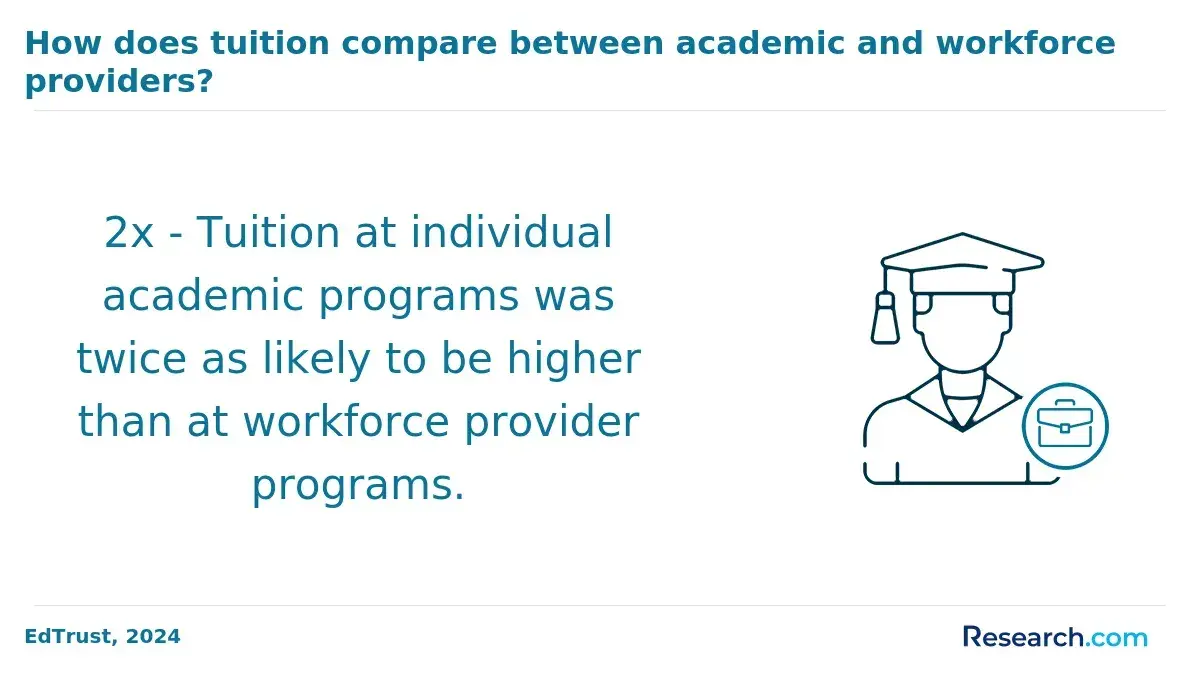
Admission to most BSN to MSN - Family Nurse Practitioner programs is typically competitive, reflecting the high demand for these roles and the rigorous clinical preparation required. Applicants usually face standardized testing requirements and a selective acceptance process that filters candidates based on academic metrics and clinical experience. Employers often scrutinize these admissions filters as proxies for candidate readiness, so gaining entry can influence perceived qualification in the workforce.
South University's online BSN to MSN - Family Nurse Practitioner program diverges notably by adopting an open admission policy. This means there are no SAT or ACT score requirements and no published acceptance rates, signaling minimal selectivity. The absence of standardized test barriers can benefit working nurses seeking to advance without delays caused by competitive screening, though it may place greater responsibility on candidates to demonstrate clinical competence during and after the program.
One graduate recalled initial hesitation, unsure if the lack of traditional admissions hurdles might affect program rigor or employer perception. "Because there was no SAT or ACT requirement, I worried whether employers would question the program's credibility. But the ease of entry allowed me to start quickly while balancing my nursing job. It relieved a lot of pressure, even though I knew I still had to prove myself in clinical placements and on certification exams."
This experience underscores how open admissions can facilitate access but also shift the onus onto students to validate their qualifications through performance rather than selective entry.
What is the cost of attending an online BSN to MSN - Family Nurse Practitioner program at South University?
The tuition and fees for South University's BSN to MSN - Family Nurse Practitioner online program total $18,238 annually, a figure that covers the core academic costs but excludes living expenses and books. When adding supplies—costing around $540 per year—and other fees, the total annual outlay rises to roughly $35,077.
This matters for students who must budget for both direct educational costs and supplementary requirements, as the comprehensive cost notably impacts financial planning for those balancing work, family, or geographic relocation considerations.
South University applies a flat-rate tuition pricing model for online students, meaning in-state tuition rates hold regardless of a student's location. This approach offers clearer predictability and potential savings, especially for out-of-state students compared to traditional models that vary by residency status. Additionally, the absence of separate technology fees for online learners can reduce unexpected expenses, an important factor for individuals evaluating the total financial demands of a remote BSN to MSN to Family Nurse Practitioner track.
Compared to the typical cost of alternatives, which generally range between $20,000 and $40,000 annually nationally, South University's pricing positions itself competitively. However, cost alone should not drive decisions; students must weigh these figures against program outcomes, clinical placement quality, and institutional reputation to gauge long-term value and possible workforce returns.
For those considering how best to finance or supplement their studies, exploring related resources like online courses with certificates can provide additional credentials and skills without the commitment of full degree costs. Integrating such options may help offset financial burden while enhancing employability within healthcare environments that increasingly value diversified expertise.
Are there financial aid options for online BSN to MSN - Family Nurse Practitioner students at South University?
Financial aid availability for students pursuing the online BSN to MSN - Family Nurse Practitioner at South University is structured primarily around broader institutional and federal aid rather than program-specific scholarships. This approach requires applicants to navigate general university scholarships, employer tuition benefits, and federal programs, which can influence budgeting decisions and workload balance during the program.
For instance, working nurses leveraging corporate tuition reimbursement might face eligibility constraints linked to employer policies and must carefully weigh the timing and amount of aid versus out-of-pocket costs.
The following outlines key financial aid avenues accessible to these students:
- Institutional Scholarships and Grants: Available broadly across nursing disciplines, these awards target students based on merit or financial need, with amounts varying. Application often involves a separate university form and maintaining satisfactory academic progress.
- Federal Financial Aid: Eligible students can apply for Pell Grants and federal student loans through FAFSA submission. These funds depend on demonstrated financial need and enrollment level, with loans offering multiple repayment options suitable for different financial situations.
- Veteran Benefits: Military-affiliated students may tap into GI Bill® benefits and other veteran-specific funding, which can substantially offset tuition but require proper certification and compliance with VA guidelines.
- Employer Tuition Reimbursement: Many healthcare employers support advanced nursing education through partial or full tuition reimbursement. Eligibility terms and disbursement timing differ, necessitating coordination to maximize aid without jeopardizing employment responsibilities.
What learning resources are available to online BSN to MSN - Family Nurse Practitioner students at South University?
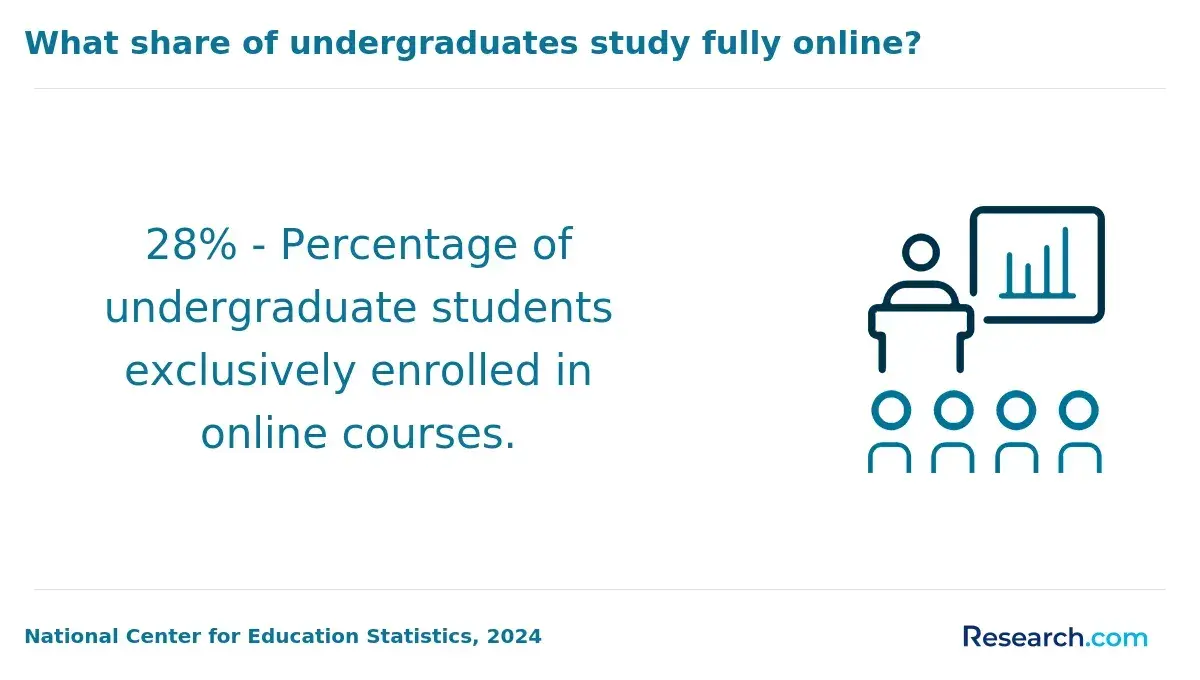
The availability and quality of learning resources significantly influence the ability of online BSN to MSN - Family Nurse Practitioner students at South University to balance academic demands and clinical preparation effectively. Given the intensive nature of graduate nursing education, particularly when combined with remote learning, students benefit from infrastructure that not only delivers content but also proactively addresses barriers common in online education such as isolation, technology challenges, and limited hands-on experience.
This comprehensive support facilitates sustained engagement and skill development, which are critical to meeting employer expectations in clinical reasoning and patient care. Below is a breakdown of the key resources that help bridge academic theory and clinical practice in this program.
- Digital Learning Platform: South University provides a centralized online platform offering seamless access to course materials, virtual simulations, and interactive modules. This enables students to engage deeply with content on their own schedules while practicing clinical scenarios that mirror real-world decision-making.
- Technical Support Team: A dedicated support service ensures that technological issues do not become obstacles to learning, maintaining continuity, especially for students juggling work and study commitments.
- Academic Support Services: Targeted tutoring, writing assistance, and coaching are available to help students refine critical thinking and communication skills essential for advanced nursing roles.
- Faculty Mentorship: Experienced practitioners in nursing education actively mentor students, providing guidance on clinical projects and research, which enhances evidence-based practice proficiencies valued by healthcare employers.
- Professional Placement Network: The program leverages an established network to secure clinical sites for practicum experiences, a pivotal step for hands-on learning and career entry. Career services also offer resume and interview preparation tailored to healthcare markets, directly aligning student development with workforce readiness.
Employer Confidence in Online vs. In-Person Degree Skills, Global 2024

Does South University's online BSN to MSN - Family Nurse Practitioner program have in-person clinicals or practicums?
Clinical experience remains a non-negotiable component of nurse practitioner education due to regulatory and professional standards requiring demonstrable hands-on skills. South University Online BSN to MSN - Family Nurse Practitioner clinical requirements align with this norm, mandating in-person practicums despite the program's largely online coursework.
This reflects a broader industry expectation that experiential learning in authentic healthcare environments cannot be substituted by virtual simulations alone, as employers prioritize candidates with verified clinical competence.
Specifically, the South University Family Nurse Practitioner program requires students to complete a minimum number of supervised clinical hours. These in-person practicum opportunities for South University Family Nurse Practitioner program participants take place in diverse healthcare settings such as hospitals, outpatient clinics, and community centers to ensure broad patient care exposure.
Students work directly with licensed preceptors, gaining practical skills essential for licensure and certification while meeting accreditation standards. This local clinical placement support aims to balance geographical flexibility inherent in online education with professional competency demands.
For prospective enrollees, this requirement introduces logistical tradeoffs, where flexibility in coursework is counterbalanced by the need to secure and attend onsite clinical sessions. The program's integration of clinicals underscores the practical realities of nursing licensure pathways and employer expectations.
Those assessing this pathway may also consider many accelerated options such as 6-week online courses with certificates to supplement or diversify their practical skill development.
What careers can graduates of online BSN to MSN - Family Nurse Practitioner at South University secure?
Graduates of the online BSN to MSN - Family Nurse Practitioner program at South University enter a competitive workforce where their advanced clinical skills translate into diverse, practical career paths. Evaluating the marketability of these credentials involves recognizing that a program's value largely depends on how well it prepares alumni for roles that offer both job security and financial reward. Many alumni leverage their training to address critical shortages in primary care, which significantly shapes their employment prospects and professional scope.
The following outlines key career opportunities available for those pursuing family nurse practitioner job opportunities for South University BSN-to-MSN alumni.
- Family Nurse Practitioner: Graduates commonly secure roles as FNPs in outpatient clinics, private practices, and community health centers, providing comprehensive care across age groups. This role demands diagnostic and treatment skills alongside preventive care, reflecting strong labor demand and relatively higher median salaries than registered nurses.
- Nurse Educator: Those seeking to shape future nurses may pursue educational roles, utilizing their clinical and leadership expertise to teach nursing students and coordinate curriculum development, often with stable employment in academic or hospital settings.
- Clinical Nurse Specialist: This path allows for specialization in patient care management, focusing on improving outcomes through evidence-based practice, which can yield both clinical influence and professional advancement.
- Healthcare Consultant: Graduates with additional certifications might apply their knowledge to advising healthcare organizations on improving service delivery, a role combining clinical insight with strategic planning and offering varied work environments.
Choosing this pathway requires considering how program outcomes align with individual career ambitions, with practical skills from South University's program designed to enhance employability. For students exploring options, particularly those evaluating programs among colleges that don't care about GPA, understanding these career trajectories is crucial for informed decision-making.
What is the salary outlook for online BSN to MSN - Family Nurse Practitioner graduates?
The salary outlook for graduates of South University's online BSN to MSN - Family Nurse Practitioner program reflects a tangible financial premium compared to broader nursing and health administration roles. Alumni specializing in family nurse practitioner pathways report median annual salaries near $65,500, significantly surpassing the overall median alumni salary of roughly $34,400. This differential underscores the added compensation typically associated with advanced clinical certifications and expanded scopes of practice in the healthcare workforce.
When evaluating salary prospects for South University online BSN to MSN family nurse practitioner graduates, it is crucial to consider the tradeoffs involved. While related fields in health sciences and medical administration yield median salaries closer to $31,000 to $33,000, the FNP track's stronger earning potential can offset the additional time and cost investment required for advanced study and clinical training. This reflects employer demand for highly skilled nurse practitioners who can manage comprehensive patient care independently, a responsibility that many healthcare systems prioritize amid growing provider shortages.
Given the competitive market for registered nurses deciding between generalist degrees and specialized programs, those analyzing the average income for family nurse practitioners from South University online programs must weigh these salary advantages against program length and cost. This is especially relevant for students comparing options, including the easiest bachelor degree to get, where shorter pathways might offer quicker but substantially lower earnings and career mobility.
How do you know if South University's online BSN to MSN - Family Nurse Practitioner program is the right choice for you?
Choosing an online BSN to MSN - Family Nurse Practitioner program requires a clear-eyed assessment of how well it meets your unique career objectives, learning style, and logistical needs. The decision has tangible consequences, particularly for working nurses balancing job demands and academic rigor. To make an informed choice, focus on key criteria that directly impact your educational experience and future employability. Consider these aspects carefully before committing:
- Flexibility and Scheduling: Evaluate whether the program's asynchronous coursework and clinical placement options accommodate your professional and personal obligations. Flexibility is essential to maintain work-life balance without compromising clinical skill development.
- Clinical Training Alignment: Confirm the program's clinical hours and settings provide practical experience targeted toward family nurse practitioner certification standards. Hands-on exposure in diverse settings heavily influences readiness and employer perception.
- Student Support and Community: Investigate how the program fosters peer interaction, mentorship, and faculty access despite being online. Strong support networks correlate with higher retention and more effective learning outcomes.
- Curriculum Rigor and Relevance: Analyze if the curriculum effectively bridges foundational nursing knowledge with advanced practice competencies. Look for integration of current evidence-based practices that address primary care challenges.
- Outcomes and Career Services: Consider employment placement assistance and graduate success rates in roles matching your career ambitions. Programs without clear outcome data may warrant caution.
One graduate reflected on this process, recalling initial hesitation about balancing evening shifts as a nurse while pursuing certification: "I needed a program that didn't force me to pause my job, but I also wanted hands-on clinical experiences that felt meaningful, not just a checkbox. South University's asynchronous classes made scheduling manageable, but I truly valued the structured clinical rotations that pushed me beyond my usual hospital routine. That combination, plus accessible faculty during tough weeks, helped me stay committed. In hindsight, the choice wasn't just about convenience but how well the program matched my goal to confidently lead in underserved communities."
What Graduates Say About South University's BSN to MSN - Family Nurse Practitioner Program
- Riley: "Studying at South University gave me a clear understanding of how important real-world clinical experience is alongside the theoretical knowledge. The BSN to MSN - Family Nurse Practitioner program emphasized practical scenarios and case studies that helped me build a strong portfolio, which employers often prioritized over just the degree itself. Navigating the job market, I realized that having those hands-on experiences was crucial for landing roles in competitive healthcare settings."
- Sierra: "South University's flexible program allowed me to continue working full-time while advancing my education, which was vital for me. The BSN to MSN - Family Nurse Practitioner curriculum equipped me with updated protocols and telehealth competencies that made me a strong candidate for remote job opportunities. Though salary growth was steady rather than rapid, the program opened doors to specialized roles that wouldn't have been accessible otherwise."
- Ariana: "Coming out of the BSN to MSN - Family Nurse Practitioner program at South University, I found the transition into advanced practice nursing more complex than expected, especially with employers favoring licensure and certifications over degree alone. However, the in-depth coursework and internship placements prepared me to adapt and eventually pivot into a leadership role within a community health center. My experience there confirmed that while the program was challenging, it laid a solid foundation for career flexibility in a demanding field."
Other Things You Should Know About Degrees
The program offers some scheduling flexibility with asynchronous coursework, but clinical hours and cohort pacing set clear time commitments each term. Working nurses should prioritize understanding how clinical placements align with their existing work schedule because these in-person hours are less flexible. If balancing full-time work is essential, it's wise to discuss your situation with an enrollment counselor to realistically assess if part-time options or taking fewer credits per term is feasible without extending overall completion time excessively.
South University is regionally accredited, and its MSN degree meets national certification eligibility requirements, which supports employer recognition. However, some healthcare employers show preference for graduates from long-established programs with national reputations for research or clinical excellence. Prospective students should weigh whether they need to work in highly competitive urban healthcare markets where brand prestige can influence hiring versus more community-focused or rural settings where demonstrated competence and patient care experience weigh more heavily.
While prior clinical nursing experience is not always explicitly required for admission, it significantly influences how well students absorb advanced practice content and handle clinical practicums. Candidates with a solid background in direct patient care often adapt more quickly to the program's demands and clinical decision-making expectations. For those with limited clinical exposure, it is recommended to gain hands-on nursing experience before or early in the program to maximize successful outcomes and reduce the risk of course failures or delays.
References
- South University MSN Program - Tampa Nursing Schools https://tampanursingschools.com/south-university-msn-program/
- Resources and Services https://catalog.southuniversity.edu/resources-and-services
- MSN - Family Nurse Practitioner https://www.herzing.edu/nursing/msn-family-nurse-practitioner-program
- Become a Nurse Practitioner without a BSN https://nursinglicensemap.com/advanced-practice-nursing/nurse-practitioner/np-without-bsn-nursing-degree/
- South University Online NP Programs - FNP, AGPCNP https://www.npschools.com/profiles/south-university
- Home - South College https://www.south.edu/
- Top RN to NP (MSN) Programs of 2025 - Nurse Practitioner Degrees https://npdegrees.org/degrees/np-masters-degrees/rn-to-np-programs/
- Online Family Nurse Practitioner Degree Program | MSN FNP South University https://www.southuniversity.edu/online/degrees-programs/nursing/family-nurse-practitioner-msn
- Southwest University At El Paso - Makes YOU Happen https://southwestuniversity.edu/
- Nursing, Family Nurse Practitioner Program Infomation https://catalog.south.edu/content.php