2027 Fastest Online Degrees at Ohio University

Co-Founder and Chief Data Scientist
Balancing a full-time job, family obligations, and education can make earning an online degree feel impossible to finish quickly. Busy adults and career changers often wonder if Ohio University offers truly accelerated online programs that let them complete degrees faster without sacrificing educational quality or accreditation.
Factors such as transfer credits, prior learning assessment, and full course loads affect how soon a degree can be completed. Flexible start dates and program requirements also influence pacing and feasibility.
Research from the National Student Clearinghouse shows that adult learners enrolling in accelerated online terms have a 15% higher retention rate, highlighting the value of condensed schedules for staying on track.
Understanding how Ohio University's online degrees fit with work, financial aid options, and personal commitments is critical for making informed decisions. This article analyzes these factors and program details to help prospective students identify the fastest and most practical online degree paths available at Ohio University.
Key Points to Know About the Fastest Online Degrees at Ohio University
- Ohio University's accelerated online degrees use asynchronous, year-round courses with multiple start dates. This structure allows learners to progress swiftly while balancing employment and family commitments, enabling more direct control over their time to degree completion.
- Admission requires a high school diploma or GED plus competency recommendations; transfer credits from AP exams or life experience accelerate progress. Non-native English speakers must submit TOEFL scores, ensuring openness to diverse applicants without prolonging timelines.
- Graduation rates average 66%, with median earnings at $52,581. This suggests that timely degree completion correlates with moderate economic outcomes, depending heavily on student ability to navigate academic rigor alongside personal and professional responsibilities.
What Are the Fastest Online Degree Programs at Ohio University?
The fastest online degree programs at Ohio University are primarily the bachelor's degrees in applied management and business administration, which can be completed in 18 to 24 months.
These accelerated timelines rely heavily on generous transfer credit policies that accept up to 64 credits, plus compressed 7-week courses that allow students to concentrate on fewer classes simultaneously. Multiple start dates and flexible enrollment intensities further enable quicker degree completion for those who can handle a brisk pace.
For example, a working adult with an associate degree in business might finish a bachelor's in under two years by leveraging transfer credits and enrolling in back-to-back accelerated terms, assuming they can manage course intensity alongside career and family. Yet, this fast track demands strong time management and limits deep academic exploration or multitasking across work commitments.
A 2024 study shows 62% of adult learners prioritize programs with accelerated and competency-based education, underscoring growing demand for practical and time-efficient routes. Adults must weigh speed against accreditation, academic support, and learning quality to ensure outcomes align with long-term career value and employer expectations rather than just quick completion.
How Quickly Can Students Complete an Online Degree at Ohio University?
The fastest online degrees at Ohio University hinge on full-time enrollment combined with accelerated term structures and year-round start dates. Students able to handle heavier course loads can complete programs quicker than traditional semester pacing by leveraging asynchronous classes and tightly sequenced courses without prerequisite delays.
For example, a highly motivated student starting in an accelerated summer term could finish within a condensed timeline by enrolling continuously, assuming transfer credits or prior learning is applied. This path demands disciplined time management and frequent academic advising to navigate course sequencing and credit applicability effectively.
Working adults and nontraditional learners must weigh the speed benefits against sustainable workload and quality considerations. Although accelerated completion can reduce time to degree by up to 25%, as recent 2024 data indicates, this gain requires balancing job, family, and study demands without sacrificing mastery or access to institutional support services.
Transfer credits for military or work experience help shorten degree timelines notably. Yet the practical value resides in aligning faster progression with career-ready skill acquisition and manageable costs rather than rushing to finish. Ohio University's flexible policies enable this balance but completion timing inevitably varies based on individual circumstances and strategic planning.
Which Accelerated Online Degree Formats Does Ohio University Offer?
Ohio University's accelerated online degree programs offer practical pathways to shorten time-to-completion without compromising educational standards. Busy professionals and nontraditional students benefit from tailored formats like 8-week courses, asynchronous pacing, and competency-based options that fit diverse schedules and prior experience.
For example, a working parent aiming to finish a bachelor's fast while managing family duties can enroll in consecutive short terms and leverage transfer credits for quicker progress.
Below are key features that define Ohio University fast track online learning formats:
- 8-Week Course Structure: These condensed terms replace traditional 16-week semesters, allowing students to complete courses twice as fast. The increased intensity suits motivated learners who can dedicate sustained focus, thus accelerating overall degree completion.
- Asynchronous Coursework: Most programs use a self-paced model where students access materials and submit assignments on their own schedules. This flexibility benefits part-time learners balancing work or caregiving but requires disciplined time management.
- Transfer-Credit Friendly Pathways: Ohio University facilitates credit transfers from prior college work, enabling learners to bypass foundational courses. This accelerates degree timelines, especially for those returning to complete a bachelor's or moving on to graduate studies.
- Competency-Based Education: Select programs allow advancement by demonstrating mastery of skills instead of seat time. Learners with relevant experience can progress rapidly, reducing credits and costs, while aligning with employer-valued competencies.
- Cohort-Based and Hybrid Models: Though less common, some specialties offer cohort learning or blend synchronous sessions with online content. These provide peer interaction and structured pacing while maintaining reduced time horizons.
Research shows students in 8-week courses have a 20% higher completion rate than those in 16-week formats, highlighting the effectiveness of Ohio University's accelerated methods. Demand for asynchronous online learning has risen by 35% among working adults seeking flexibility, reflecting the practical appeal of these offerings.
However, these fast track models require motivated, well-organized students capable of managing the accelerated workload alongside life obligations.
Employers generally prioritize demonstrated skills over speed of completion, so pairing credentials with real-world applications remains critical for career relevance. Nontraditional learners, including those pursuing an online PhD, can also find specialized accelerated routes within Ohio University's diverse online catalog.
Transfer credits at Ohio University substantially accelerate online degree completion by allowing students to bypass extensive coursework, which is especially critical for working adults and degree-completion learners balancing multiple obligations.
Ohio University permits up to 90 semester credit hours of transfer coursework toward online bachelor's degrees, drastically shortening time-to-degree for students whose previous credits align well with degree requirements.
The following points clarify key elements of transfer credit policies and factors that influence how quickly students finish:
- Maximum Transferable Credits: Ohio University's policy caps accepted transfer credits at 90 semester hours for undergraduate online programs. This generous limit enables students to effectively skip nearly three years of full-time study, benefiting adult learners seeking rapid credentialing.
- Transcript Evaluation Accuracy: Transfer evaluations consider course equivalency, accreditation, and relevancy, impacting whether credits fulfill major requirements or transfer as electives. Accurate evaluations reduce time-to-degree uncertainty and help customize course planning.
- Articulation Agreements Impact: Formal agreements with select community colleges streamline credit acceptance and minimize losses, providing a faster pathway for online students transferring from partner institutions.
- Credit Applicability to Major: Some majors subject to professional accreditation limit core transfer credits, causing certain courses to count only as electives. This nuance affects degree timelines differently depending on the student's chosen field and whether their prior coursework is tightly aligned.
- Residency and Degree Level Limits: Different rules apply for undergraduate versus graduate or degree-completion programs, with graduate transfers facing stricter limits. Understanding these distinctions is crucial for realistic time-to-completion planning.
Nationally, nearly 40% of transfer credits do not apply to graduation, a credit loss that extends time and costs for many students. Ohio University's acceptance of up to 90 transfer credits helps reduce this barrier for returning learners.
For those planning faster degree completion online, understanding how transfer credits shorten online degree timelines at Ohio University informs better decisions on credit transfer strategies.
Students looking for efficient paths should also consider easier majors that pay well, such as identified in the easiest college majors with high pay category, which may align well with transfer credit policies and employer expectations.
Ohio University's acceptance of prior learning, military, and work experience credits can significantly shorten degree timelines for online students who meet strict eligibility and documentation standards. For example, a working veteran returning to school can leverage Joint Services Transcripts alongside CLEP exam credits to bypass foundational courses, reducing both cost and time burden.
However, students must carefully verify how such credits fit their specific program requirements because some degrees demand coursework that prior learning alone cannot substitute.
A 2024 Lumina Foundation study found that institutions recognizing prior learning credits report roughly a 30% reduction in time-to-degree for nontraditional students, highlighting the practical advantage of these policies in accelerating graduation outcomes.
Below are key pathways and considerations for using alternative credits effectively at Ohio University:
- ACE-Recommended Transfer Credits: Ohio University accepts transfer credits endorsed by the American Council on Education, including certain standardized tests. This option helps online learners transition smoothly with formal documentation of prior academic coursework applicable toward degree requirements.
- Credit by Examination (CLEP, DSST, AP): Students can earn credit through national standardized exams, validating college-level knowledge in specific subjects. This pathway suits self-motivated learners seeking to bypass introductory classes and compress their study timeline without sacrificing content mastery.
- Military Training and Joint Services Transcript: Veterans benefit from evaluation of military training as credit if supported by official Joint Services Transcripts, enabling the conversion of service experience into academic credit. This is particularly valuable for those balancing education with ongoing career commitments.
- Portfolio Assessment and Competency-Based Credit: Ohio University offers portfolio reviews where students document their professional work or learning experiences. This method requires rigorous evidence and aligns best with programs open to competency-based credit, optimizing credit awarded for relevant skills.
- High Transfer Admission Standards and Documentation: Prospective transfer students face strict GPA and formal competency demonstration requirements. Thorough preparation and alignment with program policies are crucial to maximize credit acceptance and avoid delays, ensuring realistic planning for degree completion.
Admission requirements for fast online degrees at Ohio University balance core academic benchmarks with practical flexibility suited to adult learners. Applicants must provide official transcripts and demonstrate standardized test scores within moderate ranges: SAT verbal 560-650, SAT math 540-640, or ACT 22-28. Transfer credit policies and prerequisite courses vary by program, demanding careful review to avoid delays.
These criteria directly impact working adults, military students, and career changers aiming for quick starts. For instance, military learners leverage benefits and may receive credit for prior training, reducing time-to-degree. Transfer students face the additional step of document verification and credit evaluation, which can slow enrollment despite rolling admissions designed to expedite the process.
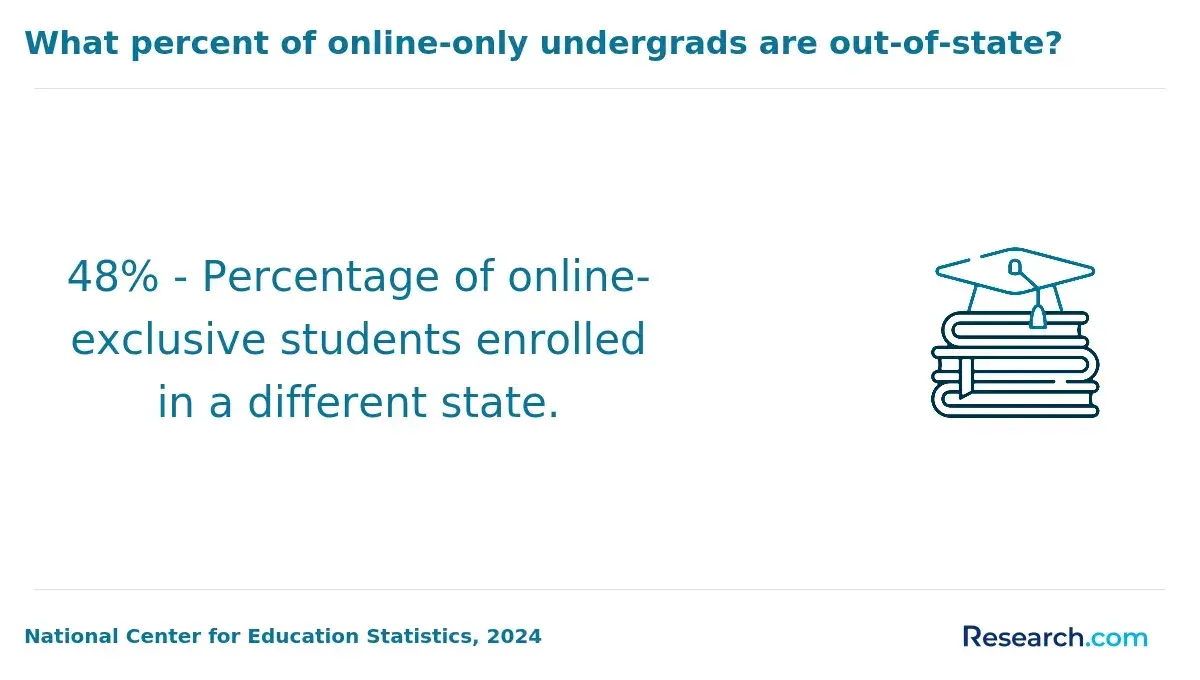
Recent data from the National Center for Education Statistics shows streamlined admissions, including less documentation and flexible test-score rules, boost adult learner enrollment speed by 15%. This trend underscores the importance of proactively managing prerequisites, credit transfers, and conditional admission options to avoid bottlenecks.
Prospective students should confirm application deadlines early, request transcript evaluations promptly, and communicate with admissions to understand any program-specific documents needed. The quickest route often involves applying to programs with rolling admissions paired with conditional acceptance based on pending materials.
One graduate recalls, "I underestimated how long transcript processing could take and almost missed the deadline. Balancing my job with sending official records was stressful. Thankfully, Ohio University's rolling admissions meant I wasn't shut out, but I still had to push hard to keep up with prerequisites and work hours."
The fastest online degree tuition at Ohio University involves consistent rates regardless of residency, but the full cost extends beyond tuition. The reported total cost of attendance is $28,529, which includes tuition, mandatory fees, books, supplies, and related expenses. Technology fees and program-specific charges may add further costs, while transfer credits can reduce overall expenses.
Accelerated programs appeal to working adults, transfer students, and career changers by potentially shortening time to completion. A 2024 National Center for Education Statistics study found graduates of such programs often lower their total costs by 15-25% through quicker graduation. Yet, this speed may affect aid eligibility or increase workload, requiring careful planning to balance debt and benefits.
Those weighing the cost of accelerated online programs Ohio University offers should verify all fees upfront. Confirming financial aid availability, employer tuition assistance, and payment plan options is essential. Early communication with advisors can clarify whether faster completion results in genuine savings or merely shifts costs within a compressed timeline.
Prospective students should also compare Ohio University's expenses with other options listed in the most affordable online masters programs to ensure alignment with career goals and budgets. Factoring in hidden expenses like books-adding $894-and miscellaneous fees helps avoid surprises and improve cost predictability.
Evaluating an accelerated online degree from Ohio University requires balancing the need for rapid completion with the necessity of employer credibility. The degree's value hinges on several factors beyond speed, including institutional reputation, licensure opportunities in regulated fields, and how employers perceive online credentials compared with traditional pathways.
For instance, an adult learner aiming to transition into nursing via an accelerated online program must ensure the curriculum aligns with state licensure requirements and carries the same accreditation as the campus program. These factors influence whether a fast-track degree opens doors or raises concerns in competitive hiring.
The following key aspects clarify what determines if Ohio University's fast online degrees hold real weight in the labor market:
- Regional Accreditation by Higher Learning Commission: This foundational accreditation means the university meets rigorous quality standards. It guarantees credential recognition comparable to on-campus degrees, supporting parity in transcript evaluations and eligibility for federal aid. Students should verify this to avoid unaccredited shortcuts that limit transferability and employer trust.
- Programmatic Accreditation and Licensure Alignment: Certain fields such as nursing require specialized accreditation. Ohio University's online nursing programs adhere to these standards, which ensures graduates sit for necessary licensure exams. This directly affects career mobility and employer acceptance in regulated professions.
- Employer Perception of Online Degrees: A 2024 National Association of Colleges and Employers study found 72% of employers now view accredited online degrees as equivalent to traditional ones. This growing acceptance matters most when the program content aligns with industry skills, making Ohio University's offerings competitive despite accelerated pacing.
- Transcript and Credential Parity: Online students receive the same official transcript as on-campus peers. This eliminates common employer concerns about "different" diplomas, reinforcing institutional credibility and easing graduate hiring or promotion processes.
- Career Outcome Variability by Major: Fields like Computer Science and Engineering report median salaries well above $60,000, reflecting strong labor market demand. Conversely, some liberal arts degrees yield lower returns, reminding students that employer respect also depends on job market relevance beyond accreditation alone.
When choosing these programs, applicants must weigh how fast completion intersects with compliance to licensure, accreditation, employer expectations, and salary prospects for their specific field.
One graduate shared that before enrolling in Ohio University's accelerated online nursing program, she carefully reviewed state licensure requirements and confirmed the program's professional accreditation.
She recalls, "I almost dropped out because the software licensing fee wasn't in the brochure, which threw me off amid all my work deadlines." Once she navigated these administrative hurdles, hiring managers respected her degree as comparable to a traditional one during interviews.
Still, she felt the need to emphasize clinical practicum experience to demonstrate hands-on skills. This nuanced experience shows that simply having the accreditation is necessary but not always sufficient without clear evidence of applied skills in fast-track formats.
Working adults and career changers comparing the fastest online degrees at Ohio University face the challenge of balancing job schedules, family responsibilities, prior credits, and career-transition timelines. Programs vary in format, credit transfer policies, course sequencing, workload, and career focus.
Support services and program pacing further influence whether a fast online degree is realistic and valuable for nontraditional learners. The choice hinges on which option aligns best with immediate workforce needs and longer-term goals.
Below are key fast online degree programs that reflect these tradeoffs in speed and relevance:
- RN-to-BSN Program: Designed for licensed nurses, this program accelerates completion by recognizing clinical experience and prior credits. Flexible course scheduling helps manage work and family demands. The timeline is significantly shorter than traditional BSN programs while ensuring eligibility for advanced nursing roles.
- Accelerated Business Administration: Tailored for career changers, this program offers competency-based progress that allows part-time learners to move faster based on skill mastery. Transfer credits reduce course load, aligning with employer demand for business skills in digital and management roles.
- Bachelor's in Information Technology: Emphasizes practical digital fluency critical to IT careers. Competency-based modules and flexible start dates shorten the usual pace. However, rapid progression requires discipline and limits specialization depth compared to traditional paths.
- Health Sciences Online Degree: Suited for those shifting into healthcare, this program incorporates flexible pacing and transfer opportunities. It balances accreditation requirements with accelerated progress, addressing a growing employment sector where credentialing matters.
- Organizational Leadership: Focuses on leadership and management theories applicable across fields. The program's fast track features block courses and extensive online support but demands steady engagement to meet compressed timelines.
- Public Administration: Offers coursework aligned with government and nonprofit work, with accelerated options available for prior degree holders. Transfer credits and modular courses enhance flexibility.
- Psychology Bachelor's Degree: Provides foundational knowledge with accelerated scheduling for transfer students. While faster than traditional tracks, the limited online practicum options can impose constraints on licensure pathways.
A recent study shows a 22.8% increase in adult learner enrollment in flexible online degree paths, reinforcing the value of programs that accommodate work and family commitments.
This trend matters because many employers now prefer online credentials tied to demonstrable skills, making the selection of the best accelerated online degrees at Ohio University for career changers a strategic career decision.
For those weighing options, visiting most in demand master's degrees can provide additional insight into workforce-relevant graduate-level credentials that complement undergraduate acceleration.
Ohio University's student support services optimize online degree completion by proactively guiding course planning and transfer-credit evaluation. A working parent, for example, benefits from this by avoiding redundant classes and clarifying graduation timelines, reducing the risk of overload and delays common in accelerated programs. Such proactive advising directly supports pacing and workload management critical for nontraditional learners.
Success coaching and tutoring are tailored to adult learners balancing career and family. These services personalize strategies that improve persistence and practical time management, addressing challenges specific to online education.
A 2024 study in the Journal of Adult Learning found that structured success coaching boosts online adult learner retention and completion rates by over 20%, highlighting its role in sustaining progress toward degree goals.
Ohio University also addresses technical and accessibility needs with 24/7 support, disability accommodations, and remote faculty office hours. These eliminate common barriers that stall online students. With extensive library access and career services, learners gain both academic resources and professional guidance, aligning with realistic completion expectations for working adults.
These student support services for online learners at Ohio University integrate into a comprehensive framework that helps reduce time-to-degree while maintaining quality. They are especially valuable for those seeking accelerated pathways. Students interested in options designed for military and career-committed individuals can explore available resources at military spouse online college.
What Do Graduates Say About the Fastest Online Degrees at Ohio University?
- Logan: "As a working adult, I appreciated the accelerated online programs at Ohio University because they offered a practical balance between speed and depth. While the advertised completion timelines were ambitious, I found that transferring previous credits and the availability of courses each term played a crucial role in how quickly I could finish. The academic advising team was particularly helpful in crafting a realistic plan, which ultimately led me to a promotion once I graduated."
- Brent: "Switching careers was daunting, but Ohio University's accredited online accelerated degree program proved to be a smart choice. I had to carefully consider mandatory fees and financial aid options alongside the program's flexibility, which made part-time enrollment feasible without delaying my studies too much. The faculty's support and clear course sequencing helped me navigate prerequisite requirements efficiently, meaning I could enter my new field sooner than expected."
- Dominic: "I initially focused on the fastest online degree option at Ohio University purely for the quick turnaround, but through experience, I realized that speed wasn't the only factor that mattered. While I managed to complete my degree faster than traditional timelines, transfer credit policies and workload influenced my pacing more than I anticipated. The practical insights from enrollment and the university's strong career services have helped me confidently move forward in my profession."
Other Things You Should Know About Ohio University Degrees
While Ohio University's accelerated online degrees allow for faster completion, the condensed format generally means more intensive weekly workloads. Attempting a full-time job alongside a full or near-full course load can lead to burnout and lower academic performance. It's more practical to prioritize fewer courses per term to maintain quality learning and retainability, even if it extends your time to degree slightly.
Most Ohio University online programs require students to remain in good academic standing, which usually means a minimum 2.0 GPA on a 4.0 scale. Some majors set higher progression standards, and students can be placed on academic probation if they fall below that threshold.
Accelerated programs often compress the same credit hours into shorter timeframes, which can reduce opportunities for reflection, in-depth project work, or networking. Ohio University's fast online degrees maintain curriculum standards, but students should be ready for a quick pace that demands focus and minimal distractions. From a market perspective, employers value completion speed less than demonstrated competency, so students should weigh rapid completion against the possibility of gaining less time for mastery or applied experience.
- Best Online Master's Degree Programs in Ohio (OH) https://www.onlinemastersdegrees.org/best-programs/ohio-oh/
- Best Online Colleges In Ohio 2025 https://www.affordablecollegesonline.org/online-colleges/ohio/
- 7 Ways Online Student Support Can Improve Your Learning Experience https://lakewood.edu/online-student-support-benefits-5/
- Ohio University https://www.straighterline.com/colleges/ohio-university/