2027 Is Walden University's Online MSHE College Teaching & Learning Worth It? What Students Should Know

Co-Founder and Chief Data Scientist
Choosing an online MSHE College Teaching & Learning program requires careful analysis of how it aligns with evolving academic demands and career mobility. With the U. S. Department of Education reporting a 12% rise in online higher education enrollment, accessibility and flexibility have become essential factors. However, prospective students must weigh whether program rigor and practical teaching skills meet employer expectations, particularly in an increasingly competitive education labor market. Understanding how Walden University's curriculum supports real-world application and graduate outcomes is critical for making an informed decision. This article examines key program features, workforce relevance, and student fit to guide prospective enrollees in their evaluation process.
Key Points About Walden University's Online MSHE College Teaching & Learning Program
- Walden University's open admission policy for the online MSHE College Teaching & Learning program broadens access but may lead to diverse student readiness levels, affecting cohort consistency and peer learning dynamics.
- The total tuition cost of $34,458 paired with a 2.05x earnings to debt ratio suggests moderate financial investment returns, prompting applicants to weigh long-term salary prospects carefully.
- Employer recognition of Walden University varies by region and sector, influencing job outcomes for graduates, which underscores the importance of individual experience and local market alignment.
What makes Walden University's online MSHE College Teaching & Learning program stand out?
Choosing Walden University's online MSHE College Teaching & Learning program often reflects a practical need for flexibility among working professionals balancing career demands and further education. The asynchronous, fully online structure allows learners across time zones to integrate coursework without interrupting employment, which supports steady progress in academic credentials without entrenched scheduling conflicts. For students who require direct application of theory to current roles, the program's emphasis on experiential learning provides actionable skills that connect teaching practices to institutional leadership and social change initiatives.
Walden's MSHE program stands out for its scale and institutional resources-a total enrollment of 44,223 students with a faculty of 3,423, including 1,117 full-time instructors-that underpin its capacity to offer personalized academic support and diverse peer interaction. The integration of multimedia resources and collaboration tools ensures an enriched learning environment that offsets distance barriers common in online education. This robust infrastructure benefits both early-career educators seeking foundational skills and seasoned professionals targeting research competencies and reflective practice, making it a versatile choice depending on individual career trajectories.
Is it difficult to get admitted to Walden University's online MSHE College Teaching & Learning program?
MSHE College Teaching & Learning programs often have competitive admissions due to limited cohort sizes and targeted recruitment of candidates with strong academic backgrounds. This selectivity reflects the practical challenges employers face when evaluating candidates for postsecondary teaching roles, where advanced skills and credentials are essential. Prospective students typically encounter rigorous entry requirements, including standardized test scores and prior academic achievements, which can be barriers for many applicants.
In contrast, the walden university online MSHE College Teaching & Learning program takes a distinctly different approach with an open admission policy. It does not require SAT or ACT scores, removing a common gatekeeping mechanism that filters candidates in many other programs. This policy reflects a generally accessible admission difficulty level, allowing a broader candidate pool entry without extensive competitive screening or a capped acceptance rate. For individuals balancing nontraditional educational backgrounds or career shifts, this openness can be crucial in enabling timely entry to the field.
Such an admission model shifts the tradeoff toward accessibility, though it may also affect the perceived selectivity and, potentially, employer perceptions regarding cohort rigor. Students should weigh the benefit of immediate access against the importance of graduating from a program that rigorously vets its applicants, depending on their professional goals and local job market expectations.
A graduate shared that applying was surprisingly straightforward compared to peers' experience with more selective programs. "I hesitated at first because I thought I needed test scores, but once I found out I didn't, I submitted my application quickly. The lack of a waiting game around admissions let me start focusing on coursework immediately. Still, I worried a bit about how employers would view it, so I made sure to highlight practical projects in my portfolio."
How does the curriculum of Walden University's online MSHE College Teaching & Learning program stay aligned with current industry trends?
Aligning curriculum with evolving higher education demands requires deliberate emphasis on adaptable skills and practical application rather than static content. Walden University's online MSHE College Teaching & Learning program reflects this by integrating core competencies that meet employer expectations for educators who must navigate diverse and technology-driven learning environments. Below are key factors illustrating how this program stays relevant within a field marked by rapid pedagogical change and increased emphasis on evidence-based practices.
- Curriculum Development Focus: The program emphasizes advanced skills in curriculum design and assessment, which are central to academic roles increasingly requiring the ability to tailor learning experiences to diverse student needs. This prepares graduates to contribute meaningfully to institutional goals around personalized and inclusive education.
- Practical Application: Including project work and capstone experiences ensures students don't only absorb theory but develop hands-on competencies. Real-world application builds readiness for higher education institutions that prioritize educators with proven instructional strategies adaptable to dynamic classroom contexts.
- Emerging Digital Competencies: Walden incorporates training on educational technology and data-driven decision making, aligning graduates with trends where institutions seek faculty who leverage analytics and digital tools to improve student outcomes effectively.
Given these features, the MSHE College Teaching & Learning curriculum at Walden University aligns well with current industry trends identified in the broader landscape of MSHE college teaching programs. Students considering this pathway should weigh how the program's blend of practical experience and evolving instructional skills matches employer demands, especially compared to other quick degree options such as 2 year online degrees that pay well. This alignment with real-world skills can be a decisive factor for those seeking relevant training that withstands shifts in higher education pedagogies.
The annual tuition and fees for Walden University's online MSHE College Teaching & Learning program are $12,498, exclusive of books and supplies, which add approximately $900 a year. While the total estimated cost including living and other expenses might reach nearly $34,458, many online learners avoid on-campus costs such as room and board, reducing the financial burden primarily to tuition and materials. This structure suits working professionals who need flexible scheduling without incurring traditional campus living expenses.
Students considering the cost of Walden University online MSHE College Teaching & Learning tuition fees should also weigh available financial aid. Around 90% of undergraduates receive aid averaging $3,353, with additional institutional grants and corporate tuition reimbursement options frequently accessible. These funding sources can significantly offset expenses for those balancing education with employment, reflecting a real-world economic tradeoff where upfront investment is moderated by external support, enhancing affordability.
Comparing Walden's pricing to other MSHE College Teaching & Learning programs nationally, its tuition aligns competitively when factoring in online program accessibility and standardized fees. Many comparable programs incur additional online-specific costs or raise tuition based on location. Such variability complicates financial planning and can affect total educational investment. Given these factors, potential students should analyze how these cost elements relate to their employer benefits and long-term return on investment, especially when prioritizing programs that accommodate working adults.
The program's cost-effectiveness gains added context when placed alongside broader labor market considerations. Aspiring educators might evaluate alternatives through the lens of college degrees that pay well, balancing this specialized degree's expenses against expected salary outcomes and career trajectory. Careful cost-benefit assessment is essential, particularly where employer tuition assistance or sector demand influences the practical value of the Walden University MSHE College Teaching & Learning online program.
Walden University's approach to admissions for the online MSHE College Teaching & Learning program prioritizes accessibility over rigid standardized testing, creating a pathway that favors candidates with relevant academic and professional preparation. This model may ease entry for applicants who struggle with traditional test formats, but it also places more weight on qualitative elements, which can require careful preparation to demonstrate readiness for graduate study. Candidates should assess how this balanced emphasis can impact their application strategy and subsequent employability, particularly in competitive academic or administrative roles where evidence of professional competencies may matter as much as formal metrics. Below are key admission components applicants should understand.
- Open Admission Policy:No minimum SAT or ACT scores are required, removing test scores as a barrier but making other application elements critical to evaluation.
- Additional Materials:Letters of recommendation, a personal statement, and a professional resume are typically requested to contextualize academic background and professional suitability.
- Transfer Credit Limits:Transferable credits are capped and must meet specified grade thresholds, affecting how much prior coursework can accelerate degree progress.
- No Entrance Exam:Unlike some graduate programs, there is no requirement for entrance exams or portfolio assessments, simplifying the application process.
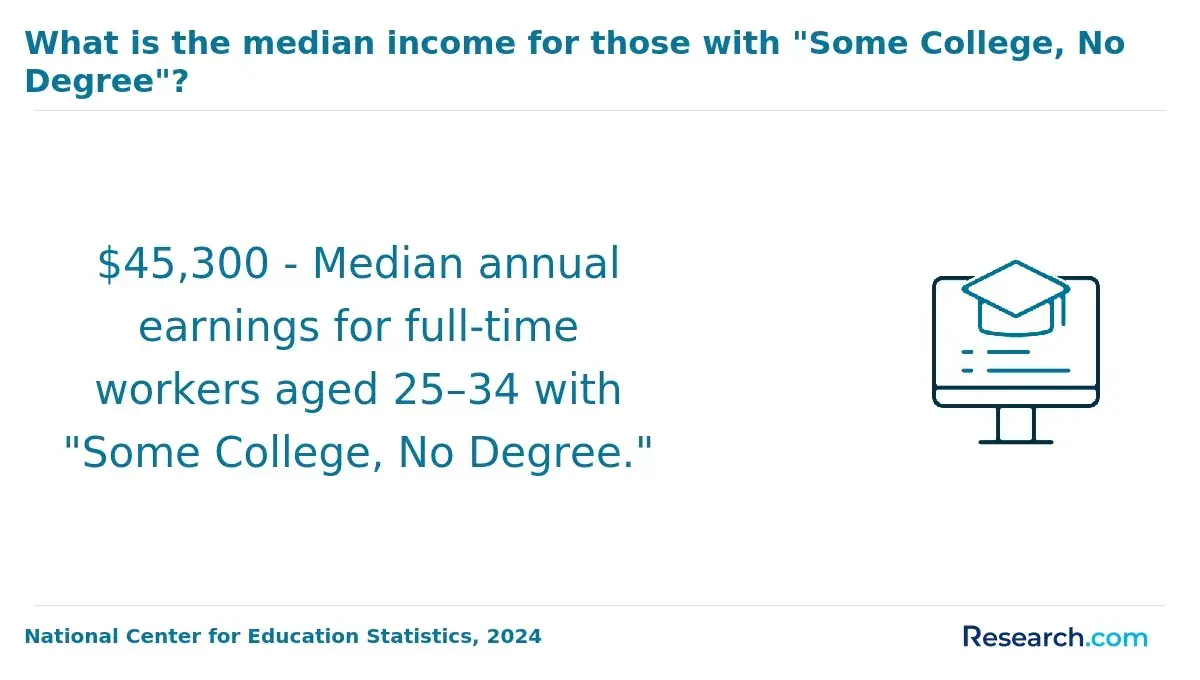
Choosing to enroll in Walden University's online MSHE College Teaching & Learning program involves weighing a substantial financial commitment against a modest salary outlook typical for this field. With total annual costs nearing $34,500, the program demands careful consideration of the earning potential immediately after graduation and over time. The median starting salary for graduates remains around $42,810, showing little growth ten years out, which indicates limited upward mobility purely on the basis of this degree. For individuals already embedded in the education sector, this can mean a steady but unexceptional return on investment compared to the debt accumulated, which averages just over $20,800.
Variations in ROI hinge heavily on factors such as access to scholarships or grants that reduce upfront costs, and the ability to secure positions in higher-paying education administration or specialized roles within public school districts or nonprofit sectors. For some professionals, the program's networking and credentials may enhance opportunities for incremental salary progression aligned with experience and certifications, but rapid financial gains are uncommon. Prospective students must balance these realities with their career intentions, especially if financial debt reduction and salary increases are primary goals.
Student satisfaction in walden university's online MSHE College Teaching & Learning program reflects a nuanced balance between flexibility and the inherent demands of remote learning. While the program's support network benefits from a large faculty and student base, the overall experience varies significantly depending on individual circumstances like time management and access to meaningful peer interaction. Employers often value candidates who demonstrate persistence in managing such challenges alongside professional duties, making satisfaction closely tied to how well students navigate these tradeoffs.
The student culture includes access to multiple student-led groups and mentoring programs, which are critical for maintaining engagement and combating isolation common in online education. Nonetheless, some students find it difficult to sustain this engagement due to competing responsibilities at work and home. The presence of structured support services can mitigate these obstacles, but does not fully eliminate the uneven experience of school-life balance that impacts satisfaction ratings. The program's rigor combined with the need for self-discipline shapes the practical realities of the online learner's journey here.
One graduate recounted beginning the MSHE College Teaching & Learning program while working full-time and caring for young children. She described early frustration with feeling disconnected from classmates, noting, "It wasn't immediate camaraderie - I had to actively seek out peer discussions." Over time, engaging in mentoring sessions and student groups helped her "gain momentum and confidence," though she emphasized that managing deadlines alongside her family life sometimes made progress slow and stressful. Despite the hurdles, she ultimately expressed relief and appreciation for the flexibility that allowed completion without sacrificing other commitments, characterizing her satisfaction as "hard-won but genuine."
The effective role of institutional career support significantly influences the ability of Walden University online MSHE College Teaching & Learning graduates to secure employment in higher education. Schools with robust career services and engaged alumni networks enhance graduate outcomes, with data demonstrating a 35% higher likelihood of relevant job placement within six months of graduation for students benefiting from such structures. This institutional backing is critical given the competitive nature of educational roles and the reliance on networking and specialized employment pathways. For those evaluating career potential in education leadership, understanding the operational specifics of these supports is essential. Below are key elements of Walden's job placement assistance that contextualize this impact.
- Virtual Job Fairs: Targeted events connect graduates with hiring entities across academia, allowing for real-time engagement and interviews that can expedite employment before program completion.
- Online Resume Workshops: Specialized coaching assists in tailoring application materials specifically for education sector standards, improving candidate presentation and employer receptivity.
- Dedicated Job Portal: A platform focusing on higher education roles streamlines job searches, highlighting positions that accommodate both remote and on-site work arrangements suitable to graduate profiles.
- Mentorship Program: Alumni connect current students with experienced professionals in academia, offering insider insights and personalized guidance critical for navigating educational leadership hiring processes.
Walden University career support for online MSHE College Teaching & Learning graduates is therefore multifaceted, emphasizing network leverage and practical skill development. The alumni network's structured mentorship reflects research that about 70% of job seekers report successful employment outcomes through such professional connections. Considering these resources alongside educational outcomes provides a clearer picture of practical employability trajectories. Prospective students balancing responsibilities, such as those recognized in degrees for stay at home moms, should weigh these strategic supports when assessing program value in relation to their career objectives.
Graduates from Walden University's online MSHE College Teaching & Learning program face a competitive academic job market where specialized skills in curriculum development and student engagement are crucial. Employers in higher education increasingly prioritize evidence-based teaching methods and adaptability to diverse student needs, making pedagogical expertise a key hiring factor. Reflecting on job placement rates for Walden University online college teaching and learning program alumni, many secure roles that balance instructional responsibilities with curriculum design, but salary variation across education-related fields suggests that practical decision-making about career paths is essential. The program's outcomes should be weighed against alternatives that might offer higher salaries or more targeted industry specialization. The balance between acquiring broad education skills and niche qualifications influences long-term employability in academic settings. Consider these typical career outcomes:
- College Instructor Roles: Graduates often work as college instructors focusing on delivering curriculum and assessing student learning. Average salaries align with the reported $67,666 for those concentrating on Curriculum and Instruction, reflecting the value of specialized teaching methods.
- Curriculum Specialist Positions: These roles emphasize designing and improving educational programs. They require expertise in instructional theory and often command competitive compensation within education departments.
- Academic Advisor Jobs: Working closely with students, academic advisors guide educational planning and retention efforts. Salaries tend to reflect mid-tier education support roles, balancing student interaction with institutional goals.
- Education Coordinator Careers: These professionals oversee program implementation and faculty development, necessitating strong organizational and communication skills. Salary rates vary widely depending on institutional budgets and geographic location.
When assessing career advancement opportunities for Walden University MSHE graduates, it's important to recognize that educational roles often entail trade-offs between salary, institutional prestige, and impact on student outcomes. The varying income levels-from less specialized fields like Human Development and Family Studies to more administrative ones like Nursing Administration-highlight the need for strategic career planning. Prospective students should also consider the broader institutional context, which can be researched through sources including rankings of not for profit online university programs offering comparable credentials.
Determining if Walden University's online MSHE College teaching & learning program fits your career goals hinges on how well the program's specific offerings align with your academic and professional objectives. Such alignment affects not just immediate learning outcomes but also employability in an increasingly competitive higher education job market. For example, a professional aiming for curriculum design roles will require different curricular emphases than one pursuing academic administration. Several factors help clarify whether this program is a good match for your goals. Consider these essential criteria:
- Curriculum Content and Focus: Analyze course descriptions for emphasis on practical teaching strategies, educational theory, and leadership development. Ensure these areas correspond directly to the skills you need for your targeted roles in higher education.
- Program Flexibility and Delivery: Since this program is delivered online, evaluate if its schedule and format accommodate your work-life balance. Assess whether asynchronous classes or live sessions better fit your learning style to maintain consistent progress.
- Faculty Expertise and Student Support: Investigate the qualifications and backgrounds of instructors, focusing on their real-world experience in higher education teaching. Accessible academic advising and networking opportunities can significantly influence your professional trajectory.
- Reputation and Accreditation: Confirm the institution's recognized accreditation status and the degree's acceptance among employers or academic institutions relevant to your career path to avoid credential devaluation.
- Financial Investment Versus Return: Weigh tuition costs against tangible career benefits such as salary increases or new employment opportunities. This ensures that your investment translates into measurable professional gains.
When navigating program choices, it helps to compare options through data and reviews, especially given the variety of online degrees available. For students seeking alternatives or additional context, a useful resource is the list of online colleges starting this month, which can assist in making informed timing and program format decisions. Evaluating the benefits of Walden University's online MSHE College teaching & learning program for higher education professionals requires weighing these tradeoffs carefully against your long-term goals.
What Graduates Say About Walden University's Online MSHE College Teaching & Learning Program
- Michael: "Enrolling in the MSHE College Teaching & Learning program at Walden University provided the flexibility I needed while working full-time. The coursework challenged me to develop robust teaching portfolios, which I found more valuable during job searches than traditional licensure alone. However, I quickly realized that many institutions still prioritize hands-on experience and internships over credentials, so supplementing my degree with practical classroom hours was crucial in advancing my career."
- Kiara: "Studying at Walden University's MSHE College Teaching & Learning program allowed me to pivot into higher education instruction faster than I expected, especially with their support for remote learning. I appreciated the focus on contemporary educational strategies, but I noticed that salary growth can plateau without additional certifications or licensure. Still, the program's flexibility opened doors to adjunct and online faculty roles that fit my lifestyle, which was a key factor in my career decision."
- Justin: "The MSHE College Teaching & Learning program at Walden University gave me strong foundational knowledge, but entering the academic job market made me aware of the competitive nature of faculty positions. Employers often emphasized portfolios and relevant teaching experience over the degree itself, so I had to be strategic about internships and networking. While the program was rigorous, its real value came from how I applied what I learned in practical settings to demonstrate my capabilities."
Other Things You Should Know About Degrees
The MSHE College Teaching & Learning program emphasizes both educational theory and practical teaching strategies, but students often encounter a heavier volume of reading and research assignments relative to hands-on teaching practice. This approach suits those looking to deepen their academic and pedagogical knowledge but may be less ideal for individuals seeking extensive real-world classroom experience during the degree. Prioritizing personal learning goals around theory or practice is important when deciding if this balance fits your expectations.
The program provides foundational preparation relevant to many teaching roles at the college level, but it does not guarantee compliance with specific state or institutional licensure requirements, which vary widely across regions. Students aiming for licensure should verify their target employer's criteria before enrolling, as additional certifications or coursework may be necessary beyond the degree.
Applicants must hold a bachelor’s degree from a regionally or nationally accredited institution and submit official transcripts. Walden also reviews prior academic performance and may ask for additional documentation during admission. The program is designed for working educators, so prior teaching experience can strengthen an application.
- Cost of College by Country [2025]: Average Tuition Fees https://educationdata.org/average-cost-of-college-by-country
- Career-focused Education: Bridging the Gap Between Learning and the Workplace https://www.groupadvtech.com/career-focused-education-bridging-the-gap-between-learning-and-the-workplace
- Walden University Introduces New Tempo Learning Competency-Based Programs https://www.prnewswire.com/news-releases/walden-university-introduces-new-tempo-learning-competency-based-programs-300249187.html
- McGraw Hill https://www.mheducation.com/
- Using an MEd to Propel Your Education Career https://www.onlinemastersdegrees.org/careers/education/
- Higher Education - College Teaching and Learning | Walden University USA https://www.studyabroadcourses.org/programmes/walden-university-higher-education--college-teaching-and-learning
- Standards for Accreditation and Requirements of Affiliation | Fourteenth Edition - Middle States Commission on Higher Education https://www.msche.org/standards/fourteenth-edition/
- What to Look for When Choosing a Teaching Program https://newmanu.edu/nth-degree/what-to-look-for-when-choosing-a-teaching-program
- Tuition and Fees - Master of Education in Educational Studies - STEM Cohort https://www.ualberta.ca/en/education/professional-learning/masters/laddering-programs/master-of-education-in-educational-studies-stem/tuition-and-fees.html
- Walden University Rankings, Campus Information and Tuition Costs | UniversityHQ https://universityhq.org/best-colleges/walden-university/