2027 The Chicago School Online EdD in Educational Psychology and Technology - Instructional Design: Cost, Curriculum, Admissions, and Career Outcomes

Co-Founder and Chief Data Scientist
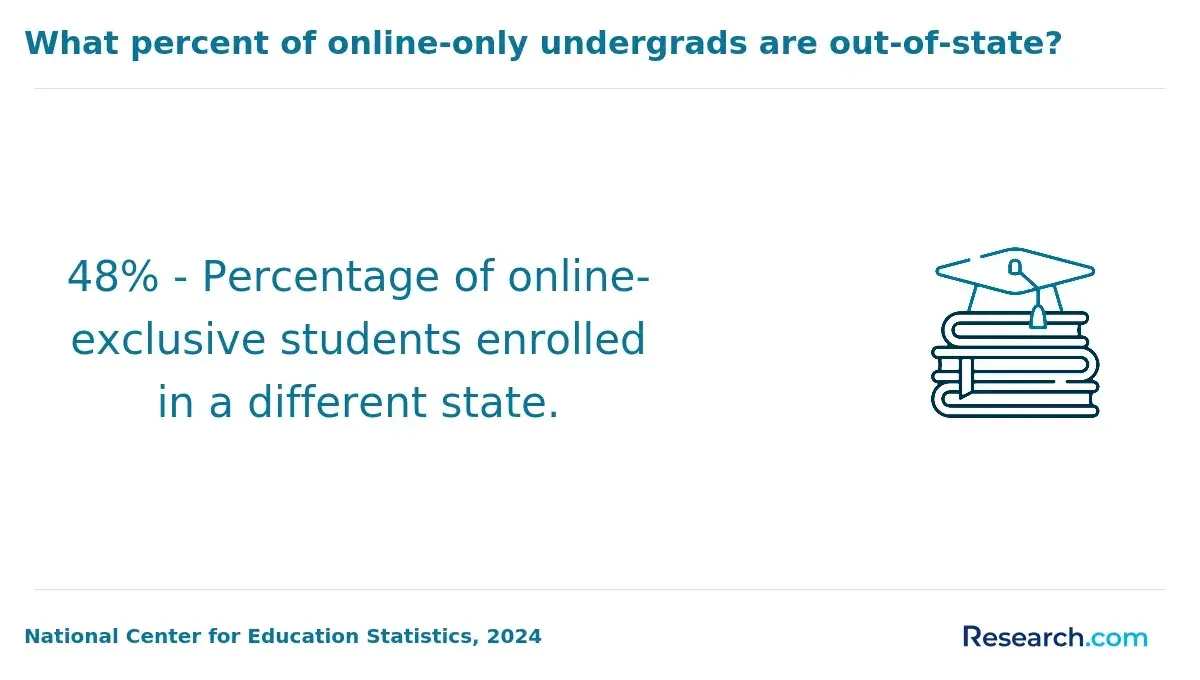
Professionals seeking to advance as instructional designers often face uncertainty about whether an online EdD in Educational Psychology and Technology - Instructional Design aligns with their career goals and learning preferences. With online graduate enrollment rising by over 5% annually according to the National Center for Education Statistics, accessibility and flexibility increasingly influence program choice.
However, not all programs deliver equal depth in curriculum or practical skill development essential for workforce success. Understanding The Chicago School's specific offerings, cost structure, admissions requirements, and career outcomes is critical for making an informed decision. This article breaks down these elements to help prospective students evaluate the program's fit and value.
Key Points About The Chicago School's EdD in Educational Psychology and Technology - Instructional Design Program
- With a 33% acceptance rate, the program selects candidates likely to handle complex instructional design challenges, impacting student preparedness and peer learning dynamics.
- The total tuition of $47,948 requires careful financial consideration, as this investment demands alignment with career goals in competitive education and technology fields.
- Graduates are recognized by employers, indicating the program's alignment with workforce needs, yet job advancement depends on leveraging networks and practical application of skills gained.
What can students expect from The Chicago School's online EdD in Educational Psychology and Technology - Instructional Design curriculum?
The Chicago School's online EdD in Educational Psychology and Technology - Instructional Design curriculum targets advanced competencies that align with workforce expectations in educational and corporate environments. For example, a professional tasked with implementing a new e-learning platform must not only understand instructional theories but also manage project logistics and evaluate learner outcomes effectively.
This program's structure balances theory and application, competitive with many U.S. standards for online EdD programs emphasizing educational psychology. Below is an overview of core coursework demonstrating how students are prepared for practical challenges:
- Learning Theory: Students critically examine cognitive, behavioral, and motivational frameworks that underpin how individuals absorb information. Mastery here is essential for designing instruction that adapts to diverse learner needs and environments.
- Instructional Design Models: Coursework demands applying evidence-based strategies to create, implement, and refine educational materials. This prepares candidates to address real-world constraints such as budget limits and diverse learner profiles.
- Technology Integration: This component emphasizes practical use of digital tools and data analytics to enhance learning experiences and outcomes. Proficiency in this area supports leadership roles focused on technology-driven educational innovation.
The program also involves a scholarly dissertation or applied project, bridging theoretical constructs with tangible solutions-key to standing out in competitive job markets nationwide. Students looking into the online EdD in Educational Psychology and Technology in Illinois should weigh how this curriculum supports interdisciplinary development for instructional design leadership.
For those comparing with other programs, it's worth reviewing best degrees and their alignment with workforce demands when deciding if this curriculum fits their career trajectory in educational psychology and technology instructional design course structure.
What are The Chicago School's admission requirements for online EdD in Educational Psychology and Technology - Instructional Design program?
Admission to The Chicago School's online EdD in Educational Psychology and Technology - Instructional Design requires applicants to demonstrate academic preparedness and professional readiness beyond a simple form submission. For example, a working instructional designer seeking to pivot into research or leadership must compile a coherent academic and professional profile that reassures admissions committees of their ability to handle doctoral study rigor.
The following elements typically define the application framework for prospective candidates:
- Academic transcripts: Applicants must provide official transcripts showcasing relevant graduate-level coursework. These documents verify a solid academic foundation aligned with doctoral expectations, though specific GPA thresholds are not explicitly stated.
- Letters of recommendation: Usually from academic or professional sources, these attest to the candidate's capacity for advanced study and research, offering insight into work ethic and intellectual promise beyond grades alone.
- Resume or curriculum vitae: Providing context on professional experience, this helps admissions assess familiarity with instructional design or related educational technology roles, which can be critical for matching practice with theory.
- Standardized tests: The program does not clearly require SAT, ACT, or GMAT scores. If submitted, they may be considered on an individual basis, reflecting a holistic review rather than rigid cutoffs.
- Transfer credits: While not formally outlined, transfer applicants should anticipate case-by-case evaluations based on curriculum alignment and academic standards, necessitating early consultation with advisors.
Is it difficult to get admitted to The Chicago School's online EdD in Educational Psychology and Technology - Instructional Design program?
EdD programs in educational psychology and instructional design generally balance selectivity with accessibility, reflecting workforce demand for specialized skills without overly constraining candidate pools. Compared to highly restrictive doctoral programs, admission difficulty often hinges on relevant experience and alignment with instructional design trends rather than purely academic metrics.
The Chicago School's online EdD in Educational Psychology and Technology - Instructional Design exemplifies this balance with a 33% acceptance rate, admitting 9 out of 27 applicants annually. This selective but not prohibitive rate indicates the program targets well-prepared candidates who demonstrate both academic competence and practical experience in education or technology fields. The absence of standardized test requirements reduces barriers for professionals transitioning from related disciplines.
The program's moderate competitiveness suggests prospective students must carefully present their educational and professional backgrounds to stand out, but it does not face the overwhelming competition seen in some traditional doctoral paths. Applicants with focused expertise in educational technology may find this program a fitting gateway without the daunting admission hurdles of more saturated markets.
One graduate recalled, "I hesitated to apply at first because I wondered if my nontraditional background would hold me back. The lack of standardized test demands eased my concerns, and once I highlighted my instructional design projects and tech experience, the admissions feedback was encouraging. Knowing only nine spots were available made the process tense, but clear alignment with the program's goals helped me secure admission."
What is the cost of attending an online EdD in Educational Psychology and Technology - Instructional Design program at The Chicago School?
The Chicago School's online EdD in Educational Psychology and Technology - Instructional Design carries a tuition and fees base cost of $20,844 annually, with a total estimated cost-including books, room, board, and other expenses-reaching $47,948. This differentiation is important because while the core tuition remains consistent, additional non-tuition expenses can significantly impact budgeting decisions.
Unlike some online programs that impose extra technology or flat fees specific to remote learners, The Chicago School appears to apply uniform tuition without online-specific surcharges, which can simplify financial planning for prospective students. Compared to the broader market, tuition at The Chicago School is competitive within private doctoral programs in Educational Psychology and Technology - Instructional Design.
Many institutions either separate or obscure full cost estimations, but here the inclusion of room and board shifts the framing toward a more holistic, real-life financial reality. This comprehensive approach is critical for students balancing educational investment against potential employment prospects and longer-term career sustainability in instructional design roles.
Given the total annual cost, prospective students should align expected expenses with workforce demands and personal circumstances. Those weighing the opportunity cost versus alternate 4-year degrees that pay well must also consider that doctoral-level credentials in this specialized field often target leadership or research positions where return on investment can vary widely.
Cost transparency in this EdD program allows for clearer financial forecasting, supporting students who prioritize factoring in ancillary living costs alongside tuition. Understanding these total costs is essential when assessing the practical feasibility of attending The Chicago School's online EdD in Educational Psychology and Technology - Instructional Design program.
Are there financial aid options for online EdD in Educational Psychology and Technology - Instructional Design students at The Chicago School?
Financial aid for students enrolled in the online EdD in Educational Psychology and Technology - Instructional Design at The Chicago School involves navigating multiple funding sources, each with its practical benefits and limitations. While the program does not publish specific aid figures, the presence of merit-based scholarships and grants can materially reduce tuition costs, especially for candidates demonstrating academic excellence or financial need.
However, prospective students should weigh the variability of these awards and prepare for gaps potentially filled by loans or alternative funding. The options available illustrate a typical blend of aid routes for doctoral candidates at institutions of similar scale and focus. Below is a concise overview of key financial aid avenues relevant to this program:
- Institutional Scholarships: Designed for advanced-degree learners showing strong academic credentials, these awards vary in amount and usually require maintaining a minimum GPA and enrollment status; they often target retention in specialized fields.
- Federal Aid Programs: Includes grants and loans contingent on FAFSA approval, enrollment, and satisfactory academic progress. They represent a primary funding resource but necessitate careful attention to borrowing limits and repayment terms.
- Veteran Benefits: Accessible to eligible service members or veterans, these benefits can cover substantial portions of tuition and fees, though processing and eligibility criteria depend on federal guidelines.
- Employer Tuition Reimbursement: Available to employed students whose organizations support continuing education, this option varies widely by employer and may require proof of course relevance and grade achievement.
- Institutional Grants: The Chicago School may offer need-based or performance-based grants specific to EdD candidates, subject to application and review processes, which can provide supplementary support outside of scholarships.
What learning resources are available to online EdD in Educational Psychology and Technology - Instructional Design students at The Chicago School?
Access to tailored learning resources is pivotal for online EdD in Educational Psychology and Technology - Instructional Design students to navigate the complexities of advanced research, instructional methods, and technology applications. Given the practical demands of this field, strong support systems directly influence the ability of students to manage the intersection of academic rigor and professional application, especially when balancing study with ongoing career responsibilities.
For instance, students navigating dissertation challenges benefit significantly from targeted academic support that addresses both research design and writing proficiency. The Chicago School provides an integrated range of resources to facilitate this process, which can be summarized as follows.
- Digital Infrastructure: Reliable access to course materials and an interactive online platform ensures continuous collaboration and learning despite geographical or scheduling constraints, crucial for working professionals advancing their expertise.
- Academic Advising: Personalized faculty mentorship helps students tailor their research focus and manage the dissertation phase effectively, reducing common attrition factors in doctoral education.
- Writing and Research Centers: These centers provide specialized support in scholarly writing and research methodologies, which are essential for producing high-quality dissertations and subsequent publications.
- Virtual Workshops and Tutoring: Focused sessions address the distinctive challenges of educational psychology and instructional design coursework, offering flexible, just-in-time learning assistance.
- Career Counseling and Networking: Structured career guidance and connections with alumni and industry professionals open pathways for applied roles that value the integration of technology and educational psychology in organizational development.
Does The Chicago School's online EdD in Educational Psychology and Technology - Instructional Design program have in-person clinicals or practicums?
Practicum and clinical requirements in EdD programs typically provide indispensable hands-on experience, often viewed by employers as a critical component for instructional design roles. Most educational psychology and technology degrees incorporate in-person clinicals or fieldwork to bridge theory with practice in authentic settings. However, this can pose logistical challenges for working professionals or those unable to relocate.
The Chicago School's approach to its online EdD in Educational Psychology and Technology - Instructional Design practicum requirements reflects a deliberate tradeoff, replacing traditional in-person clinicals with applied research and project-based work. Unlike programs that mandate on-site practicums or supervised clinical placements, The Chicago School does not require students to complete in-person clinicals for the EdD educational psychology program.
Instead, the curriculum emphasizes virtual collaboration, case studies, technology-enhanced assignments, and capstone projects that simulate practical experience. This structure is particularly advantageous for candidates balancing employment or personal commitments, as it eliminates the need to arrange clinical sites or travel for in-person hours without sacrificing exposure to real-world instructional design challenges.
While this model enhances accessibility, prospective students should consider industry expectations carefully; some employers may prioritize candidates with direct field experience through traditional practicum formats. For those unable to fulfill on-site clinical requirements, this online EdD aligns with roles valuing applied skills demonstrated through comprehensive online portfolios. For more context on comparable programs and their outcomes, prospective learners might consult resources such as most popular online colleges.
What careers can graduates of online EdD in Educational Psychology and Technology - Instructional Design at The Chicago School secure?
Graduates of the online EdD in Educational Psychology and Technology - Instructional Design at The Chicago School enter a competitive job market where advanced expertise in instructional theory and technology serves as a baseline expectation rather than a differentiator. The true value lies in their capacity to merge research-based methodologies with practical application in diverse learning environments.
For instance, an instructional designer employed by a healthcare organization must adapt digital training tools quickly to comply with evolving regulations, which underscores the need for agility alongside technical skill. This program's worth hinges on its alignment with employment sectors open to leadership in curriculum innovation and digital learning strategies.
For those evaluating options, understanding these real-world applications and tradeoffs informs career-focused decisions. Below are several trajectories typical for online educational psychology careers in Chicago graduates from this EdD program.
- Instructional Designer: Professionals in this role develop tailored learning materials and training programs for varied audiences. They collaborate across disciplines to ensure content engagement and alignment with organizational objectives. Salaries vary widely but generally reflect the ability to deliver measurable learning outcomes.
- Educational Consultant: Consultants advise institutions on curriculum enhancement and adopt technology-driven instructional models. This role often involves strategic planning and policy influence, requiring both educational insight and practical leadership skills.
- eLearning Specialist: Focused on creating and managing digital learning environments, these specialists integrate innovative technologies to optimize learner engagement and content delivery, often within corporate or government sectors.
- Curriculum Developer: Tasked with designing comprehensive educational frameworks, these developers influence training quality and relevance across industries, balancing theoretical foundations with operational needs.
Deciding whether to pursue this EdD must also consider financial and credentialing opportunities. For guidance on related career-enhancing credentials, reviewing easy licenses and certifications to get can provide clarity on supplemental qualifications that complement this degree.
What is the salary outlook for online EdD in Educational Psychology and Technology - Instructional Design graduates?
The salary outlook for online EdD in Educational Psychology and Technology - Instructional Design graduates from The Chicago School reveals a meaningful financial tradeoff compared to more general psychology pathways. With a median alumni salary of $56,899, these graduates tend to command wages substantially above the typical $35,509 median for general psychology alumni.
For example, an instructional coordinator or curriculum designer with this degree may leverage both psychological theory and technological proficiency to secure positions in educational administration or corporate training, roles often rewarded with competitive compensation reflecting their niche skills. This distinction clearly matters for individuals weighing the time and cost investment of the program against alternative educational or certification routes.
In examining career earnings outlook for Chicago School online EdD instructional design alumni, it is important to recognize the demand for professionals adept at integrating technology with pedagogy, a factor that supports upward wage pressure and employment stability. While exact averages fluctuate, employers increasingly value these applied competencies for improving instructional outcomes, offering a more robust salary trajectory versus broader psychology credentials.
Those considering options might also explore short certificate programs as a faster, less costly path with competitive pay in related fields.
How do you know if The Chicago School's online EdD in Educational Psychology and Technology - Instructional Design program is the right choice for you?
Choosing an EdD in Educational Psychology and Technology - Instructional Design that fits your personal career trajectory requires careful consideration of how the program's structure and offerings align with your professional context and learning preferences. A mismatch can mean time and resource investments that don't translate into meaningful career moves.
To navigate this, focus on these critical dimensions:
- Curriculum Practicality and Depth: Evaluate whether the coursework sufficiently integrates psychological theory with applied instructional design to support leadership roles in educational technology. This balance affects your ability to implement evidence-based interventions post-graduation.
- Flexibility Versus Engagement: Consider how the program's online format accommodates your current work-life balance. Programs offering a mix of asynchronous and synchronous classes can enhance interaction but demand disciplined scheduling.
- Faculty Mentorship and Research Support: Strong mentorship influences dissertation completion and can connect you to research networks that open career pathways. Assess faculty accessibility and commitment through alumni feedback or informational interviews.
- Community and Networking Opportunities: A collaborative and diverse student cohort enriches your learning and professional contacts. Determine how the school fosters these relationships in an online environment.
An alumna who transitioned from a full-time instructional designer to a program coordinator shared that her decision hinged on The Chicago School's blend of rigorous research opportunities with practical instructional design applications. She recalled, "I hesitated at first because online programs can feel isolating, but the scheduled live sessions and approachable faculty helped me stay connected."
"Balancing a busy job with classes was tough, yet the program's flexibility was crucial. Looking back, matching the program requirements with my role's demands was what made the difference." Her experience highlights that understanding how a program fits your personal schedule and professional aims is essential for success.
What Graduates Say About The Chicago School's EdD in Educational Psychology and Technology - Instructional Design Program
- Carter: "Studying at The Chicago School gave me a solid foundation in instructional design theory and practical technology application, which was crucial when I transitioned from a general education role into a specialized instructional design position. The program's emphasis on portfolio development helped me overcome hiring challenges, as employers in this field often prioritize demonstrated skills over traditional licensure. While salary growth has been steady, I had to be strategic about gaining relevant certifications and freelance experience alongside the EdD to stay competitive."
- Terrell: "The flexibility of The Chicago School's EdD in Educational Psychology and Technology - Instructional Design program allowed me to balance full-time remote work while advancing my education. My favorite part was the hands-on projects that mirrored real workplace challenges, which gave me a practical edge when applying for positions. After graduating, I found that while some leadership roles still leaned heavily on licensure, my degree opened doors to impactful roles in corporate learning where adaptability and tech fluency were key."
- Maurice: "Reflecting on my time at The Chicago School, the program challenged me academically and professionally, particularly in blending psychological principles with technology-driven instruction. However, entering the workforce made it clear that experience and internships often outweighed the EdD alone, so I focused on building a network in the industry and taking post-graduate certifications. This practical approach helped me pivot into a consulting role, where the EdD's deep content knowledge complements my hands-on project management work."
Other Things You Should Know About Degrees
The Chicago School's EdD in Educational Psychology and Technology - Instructional Design program is designed with asynchronous coursework, which allows significant schedule flexibility. However, some synchronous meetings or cohort activities may still be required, creating potential challenges for those balancing full-time employment or family responsibilities. Prospective students should prioritize their ability to commit to weekly focused time, as the program's rigor demands consistent engagement despite its online nature.
The EdD program emphasizes research and theory application, which may appeal most to employers seeking leadership and strategy expertise rather than purely technical instructional design skills. Students aiming for hands-on design roles in corporate or government sectors should consider supplementing this degree with practical certifications or portfolios. Prioritizing this program suits those targeting senior positions that shape educational technology policies or manage instructional design teams.
While the program offers a clear timeline, the independent research components and dissertation requirements commonly extend completion times beyond the nominal duration. Students with significant professional duties or family commitments should plan for possible delays and assess the impact on their career plans and finances. Prioritizing strong time-management skills and early planning for dissertation milestones increases the likelihood of on-time graduation.
References
- How To Choose The Right Instructional Design PhD Program https://elearningindustry.com/choose-right-instructional-design-phd-program
- EdTech Books https://edtechbooks.org/jaid_10_2/a_study_of_instructi
- 3 Career Paths in Educational Psychology & Technology | The Chicago School https://www.thechicagoschool.edu/insight/career-development/careers-educational-psychology-technology/
- Doctor of Education EdD Salary and Career Outlook https://teach.com/online-ed/education-degrees/online-edd-programs/edd-careers/
- Chicago Early Learning (CEL) https://www.chicago.gov/city/en/depts/fss/provdrs/child/svcs/chicago-early-learning-program-implementation-manual.html
- Office of Student Writing and Learning https://www.owlc-tcs.com/
- The Chicago School Library: The Chicago School Library: The Chicago School Library https://library.thechicagoschool.edu/
- All Ed.D. Programs in Illinois | EdDPrograms.org https://www.eddprograms.org/schools/illinois/
- The Chicago School Online Bookstore https://thechicagoschool.textbookx.com/