2027 Is Purdue Global's Online MS in Homeland Security and Emergency Management Worth It? What Students Should Know

Co-Founder and Chief Data Scientist
Choosing an online MS in Homeland Security and Emergency Management program requires weighing accessibility, curriculum relevance, and career impact amid growing workforce needs. With the U.S. Bureau of Labor Statistics projecting a notable increase in homeland security roles, students face pressure to select programs that offer both practical skills and flexible learning formats.
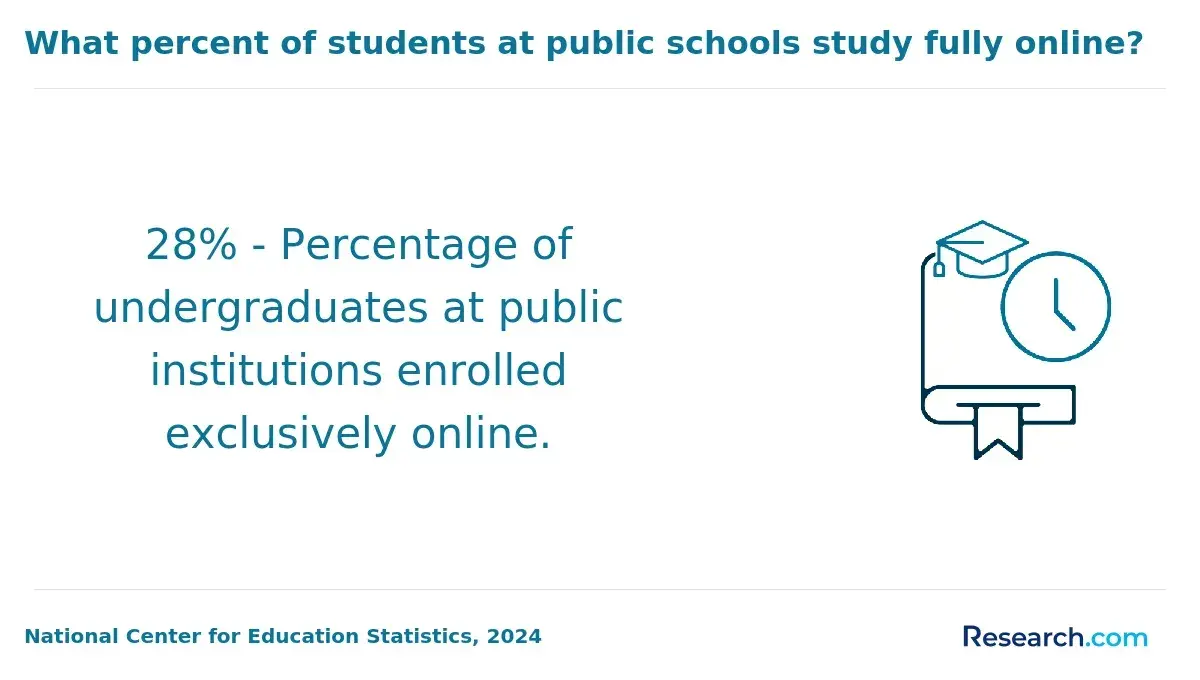
Purdue Global's offering must be examined against these criteria, especially as online education enrollment surged over 15% nationally according to the National Center for Education Statistics, highlighting shifts in learning preferences and employer expectations. This article evaluates how well Purdue Global's program matches student goals and professional trajectories in this evolving field.
Key Points About Purdue Global's Online MS in Homeland Security and Emergency Management Program
- Purdue Global's open admission policy enables broad access to the MS in Homeland Security and Emergency Management, which may reduce selectivity but expands opportunities for diverse applicants.
- The total tuition cost of $19,560 paired with a median alumni salary of $36,596 yields an earnings to debt ratio of 1.40x, reflecting moderate financial return on investment.
- Employers value Purdue Global's focus on practical skills in this field, resulting in alumni maintaining steady performance in emergency management roles across public and private sectors.
What makes Purdue Global's online MS in Homeland Security and Emergency Management program stand out?
Choosing Purdue Global's online MS in Homeland Security and Emergency Management reflects a tradeoff between flexibility and the challenge of self-driven study, which suits working professionals who cannot commit to fixed class times. The program's asynchronous format acknowledges the unpredictable nature of emergency management roles, offering a practical pathway for individuals needing to balance work demands with education.
However, this flexibility requires discipline, as students must navigate digital resources and faculty interactions independently, a setup that may not fully replicate in-person networking or hands-on training often valued by employers in this sector.
Where Purdue Global's program distinguishes itself is in combining theoretical knowledge with applied crisis management scenarios. This pragmatic focus aligns with workforce expectations that homeland security professionals understand both strategic frameworks and operational realities like risk assessment and emergency response leadership.
With a faculty team of 2,670 staff supporting 44,421 students, the program provides access to broad academic resources, although the average graduation rate of 48% reflects the rigor and attrition typical in fully online environments. For students intent on acquiring actionable skills without geographic constraints, this balance offers a distinct value proposition compared to more traditional or cohort-based programs emphasizing face-to-face engagement.
Is it difficult to get admitted to Purdue Global's online MS in Homeland Security and Emergency Management program?
Many MS in Homeland Security and Emergency Management programs maintain competitive admissions, often requiring standardized test scores and strong academic records due to the field's specialized nature. Employers generally expect candidates to demonstrate rigorous training and analytical skills, which can be reflected in selective enrollment processes. This gatekeeping, however, can limit accessibility for working professionals or those without traditional academic backgrounds.
In contrast, gaining admission to Purdue Global's online MS in Homeland Security and Emergency Management is notably less difficult. The university employs an open admission policy that does not require SAT or ACT scores, significantly lowering entry barriers compared to typical graduate programs. This flexibility caters to a diverse applicant pool, including those balancing full-time jobs or career transitions, though it may prompt questions about the depth of academic screening.
This approach decentralizes the challenge from admissions to academic performance during the program, placing emphasis on students' ability to engage with complex content rather than on pre-admission filtering. While this benefits accessibility, prospective students should weigh how this admission ease aligns with their personal learning style and employer expectations in a field where credentials still matter.
A recent graduate shared that the decision to apply to Purdue Global was driven by the urgency to advance her career without waiting months for test scores or lengthy application reviews. She described the process as straightforward but recalls feeling a moment of hesitation about whether easy entry might affect how employers view her degree. Still, the quick acceptance allowed her to begin coursework immediately, which she found critical given her full workload and desire to avoid downtime between jobs.
How does the curriculum of Purdue Global's online MS in Homeland Security and Emergency Management program stay aligned with current industry trends?
Curriculum alignment with current homeland security job market trends is a complex balance of theory, applied practice, and responsiveness to evolving threats. Purdue Global's online MS in Homeland Security and Emergency Management incorporates key elements that mirror employer expectations for graduates who must navigate natural disasters, terrorism threats, and cyber challenges. These graduates are increasingly required to engage with data-driven decision-making and interagency collaboration-skills reflected in this program's structure.
Below are three critical factors illustrating how the curriculum remains relevant in light of industry demands and operational realities:
- Theoretical Integration: The program combines a solid foundation of homeland security policy with emergency management principles, offering students a context for understanding the evolving regulatory and strategic environment influencing operational decisions at federal, state, and local levels.
- Practical Application: Real-world scenarios, including case studies of emergency operations planning, prepare students to respond to dynamic crisis environments. This hands-on approach addresses employer concerns that graduates possess not only knowledge but also the ability to perform under pressure and coordinate complex responses.
- Technology and Cybersecurity Focus: The curriculum's emphasis on cybersecurity strategies and using technology to enhance situational awareness aligns with the increasing demand for expertise in managing cyberattacks alongside traditional threats, reflecting a shift in the skill set valued by public and private sector employers.
These elements demonstrate thoughtful curriculum alignment with updated industry practices, informing students about the tradeoffs between theoretical knowledge and operational needs. For professionals assessing whether to pursue this degree, it helps to consider how such a program prepares them for the realities of homeland security roles versus programs that may emphasize theory at the expense of applied skills.
For those exploring other options, including accessible alternatives, resources like the easiest online degrees that pay well provide comparative perspectives on educational pathways tied to workforce outcomes.
How much does Purdue Global's online MS in Homeland Security and Emergency Management program cost?
The tuition cost for Purdue Global's online MS in Homeland Security and Emergency Management program is approximately $10,110 for base tuition and fees, with the total annual cost, including books, room, board, and other expenses, reaching about $19,560. For students planning their finances, this distinction is critical, as additional costs can push budgets beyond tuition alone, influencing decisions for those balancing work, family, and education.
Unlike many institutions, Purdue Global maintains a flat-rate tuition for online students nationwide, eliminating location-based fee disparities and avoiding extra technology charges often added by other programs.
Tuition and fees are only one piece of the equation when considering the affordability of the online MS in Homeland Security and Emergency Management program fees at Purdue Global. Many prospective students can access financial aid, with about 80% of undergraduates typically receiving an average aid package of $5,277. Although this figure is undergraduate-specific, it underscores the institution's broader financial aid commitment, including grants and partnerships that graduate students might leverage, such as employer tuition reimbursement. Therefore, inquiries with the financial aid office are essential to clarify personalized funding options and mitigate out-of-pocket expenses significantly.
Comparatively, the total cost of attendance at Purdue Global, estimated at around $19,560, positions itself competitively among national online MS in Homeland Security and Emergency Management programs, especially when excluding additional living expenses required for on-campus cohorts. The Federal Scorecard's slightly lower estimate for in-state, on-campus students ($17,994) highlights the variability tied to living arrangements and program delivery modes.
Students prioritizing flexibility and minimizing in-person commitments may find the flat-rate tuition structure advantageous, though balancing these savings against non-tuition costs remains vital.
Choosing this program also involves assessing opportunity costs and alternative online education options that may offer varying price points or program structures. For example, those exploring easy degrees to get might weigh how the discipline's demands align with price and career outcomes.
Understanding the financial commitment in the context of workforce expectations, potential employer tuition support, and program intensity better equips students to make informed decisions about the relative value Purdue Global's online MS provides in Homeland Security and Emergency Management.
What are the admission requirements for Purdue Global's online MS in Homeland Security and Emergency Management program?
Choosing to apply to Purdue Global's online MS in Homeland Security and Emergency Management program involves weighing a notably open admissions model against the practical realities of graduate-level work readiness. For professionals balancing busy careers, this flexibility eases entry barriers but may require self-motivation and supplementary preparation, especially since the absence of standardized testing doesn't equate to a lighter academic workload.
Understanding specific admission expectations can prevent surprises during the review process and help applicants present a competitive profile. The main factors to consider include the following:
- Standardized Tests: No SAT, ACT, or similar exam scores are required, which removes a common hurdle but also shifts validation of readiness to other credentials and documentation.
- Entrance Exams and Portfolios: Applicants are not expected to submit entrance tests, portfolios, or practical assessments, streamlining application steps but placing emphasis on other admissions criteria.
- Supporting Documents: While letters of recommendation, personal statements, or resumes are not uniformly mandatory, candidates should be prepared to provide them upon request to demonstrate professional background and motivation.
- Transfer Credits: Transfer students can submit prior coursework for evaluation, though credit limits and minimum grade thresholds apply to ensure academic standards are upheld.
- Admissions Flexibility: The program's open policy favors accessibility, especially for working adults, but applicants must recognize that flexibility does not imply automatic acceptance or academic ease.
What is the ROI of attending Purdue Global's online MS in Homeland Security and Emergency Management program?
The ROI of attending Purdue Global's online MS in Homeland Security and Emergency Management program hinges on a pragmatic balance between program costs and career earnings potential. With a total annual cost near $19,560, the tuition investment is significant relative to the median graduate salary of approximately $36,596. This earnings figure remains stable even a decade post-graduation, suggesting limited salary growth within the immediate career lifecycle unless augmented by additional experience or credentials.
For prospective students, this means careful consideration is necessary when weighing upfront debt against long-term income prospects in a field where salary advancement commonly accelerates only after five to ten years.
The median student debt of $26,078 results in an earnings-to-debt ratio of around 1.40, indicating moderate financial return. Graduates often find employment in government agencies or security-focused corporate roles, but these positions may offer modest starting pay compared to broader cybersecurity or emergency management sectors.
Students able to secure scholarships, grants, or employer tuition support can improve their ROI substantially by lowering initial debt burdens. Likewise, those leveraging practical experience or niche specializations are better positioned to command higher salaries and enhance the value of the degree beyond initial estimates.
For individuals evaluating the investment, the essential tradeoff lies between financial risk and steady, if modest, salary gains coupled with meaningful, though gradual, career growth in homeland security and emergency management roles. Navigating these tradeoffs requires a realistic appraisal of one's career objectives and access to financial aid options that can shift the ROI calculus favorably.
Is there a high student satisfaction for Purdue Global's online MS in Homeland Security and Emergency Management program?
Student satisfaction with Purdue Global's online MS in Homeland Security and Emergency Management often hinges on balancing program demands with external commitments like work and family. While the flexibility of the online format suits many, the program's rigor paired with time management challenges can strain students who lack strong self-discipline or support systems. This reality shapes student engagement, as some benefit from structured mentoring and peer connections, yet others report feeling isolated or overwhelmed.
The campus culture, though virtual, attempts to foster community through student-led groups and forums, reflecting an effort to mitigate common obstacles faced by nontraditional learners. However, the mixed feedback in online discussions suggests that satisfaction is uneven and closely tied to individual circumstances, including how well students leverage available resources. Purdue Global's staffing footprint supports these services, but the graduation rate below 50% indicates that many students encounter barriers impacting persistence and long-term success.
This dynamic is typical in programs catering to working adults where personal motivation and external pressures play decisive roles. For prospective students, understanding this landscape is critical before committing, as they must actively engage with support offerings and develop strategies for maintaining balance under demanding conditions.
A graduate who completed the program while working full time shared that initial uncertainty about managing coursework alongside a busy schedule led to moments of doubt. She found the mentoring program invaluable for practical guidance and motivation but stressed the need for self-driven discipline. "It wasn't always easy, and some weeks I questioned if I could finish," she said.
"But knowing I could reach out and that others were juggling just like me made a big difference." Her experience underscores that satisfaction often depends on whether students can connect with support structures and sustain focus amid competing demands.
How does Purdue Global help online MS in Homeland Security and Emergency Management graduates secure employment?
Access to institutional support plays a decisive role in securing employment after completing an online MS in Homeland Security and Emergency Management. Research shows nearly 60% of job seekers land their initial relevant position through school-affiliated career services or alumni networks, highlighting how programs that integrate practical job placement assistance can significantly affect outcomes.
This reality shapes how graduates navigate an often complex and trust-sensitive hiring environment in homeland security. The following list outlines key resources Purdue Global offers to help graduates develop and leverage professional connections before and after graduation.
- Virtual Job Fairs: Purdue Global hosts online job fairs tailored to homeland security graduates, enabling direct interaction with employers seeking remote or on-site candidates. These events can yield early interview opportunities and foster relationships that accelerate the hiring process.
- Resume Workshops: Specialized online resume sessions focus on refining application materials to meet industry standards and showcase skills pertinent to homeland security and emergency management roles. This targeted guidance improves chances of passing automated screening tools and appealing to human recruiters.
- Job Placement Portal: The program provides access to a dedicated portal listing positions specifically aligned with homeland security and emergency management. This curated job board streamlines the search, allowing graduates to identify openings that match their credentials and career goals efficiently.
- Alumni Mentorship: Purdue Global's active alumni network connects students with professionals experienced in public safety sectors. Through one-on-one mentorship, graduates gain real-world insights and networking contacts crucial for career transitions in this field.
For students weighing this graduate program against others, it is worth noting that career support mechanisms such as these add practical value beyond the curriculum itself. Additionally, when considering foundational education paths that feed into advanced studies like this master's degree, programs such as an associate's degree can play a significant role in workforce entry and progression.
Ultimately, prospective students should evaluate how employer expectations, networking opportunities, and targeted job search resources align with their career ambitions within homeland security.
What are the career outcomes for recent graduates of Purdue Global's online MS in Homeland Security and Emergency Management?
Career outcomes for graduates of Purdue Global's online MS in Homeland Security and Emergency Management reflect the practical demands of emergency response professions, where leadership and tactical coordination often dictate earning potential. Graduates face a tradeoff between entry-level positions with modest compensation and supervisory roles requiring broader managerial skills that command higher salaries.
This distinction matters because navigating from analyst positions toward director-level posts typically involves gaining experience in budgeting, policy development, and cross-agency collaboration. Employers especially value candidates who combine academic credentials with applied knowledge, enhancing workforce flexibility across government, healthcare, and private sectors. Evaluating job prospects for graduates of Purdue Global MS in Homeland Security and Emergency Management programs requires attention to these nuanced labor market dynamics.
Below are representative roles illustrating the diversity and compensation expectations in the field.
- Emergency Management Director: These professionals oversee disaster preparedness programs and coordinate response strategies, commanding some of the highest salaries in the sector due to their responsibility for large teams and critical infrastructure protection.
- Homeland Security Analyst: Analysts focus on risk assessment and intelligence gathering related to terrorist threats and public safety. Their salaries start moderate but improve with experience and specialization.
- Public Safety Official: These officials implement emergency plans and liaise between agencies during crises, often working in municipal governments or healthcare systems where steady demand supports career stability.
The salary comparison with related fields such as fire protection and criminal justice underscores that homeland security roles can offer competitive pay, particularly when graduates leverage practical training. For students considering whether to invest in this program, understanding these workforce realities alongside program rigor provides essential context.
For additional insights on accelerated degree options, see best accelerated programs.
How do I know if Purdue Global's online MS in Homeland Security and Emergency Management program is the right fit for my goals?
Determining if Purdue Global's online MS in Homeland Security and Emergency Management aligns with your professional goals requires a nuanced evaluation of how the program fits your specific circumstances. For instance, a student aiming to transition into cybersecurity roles within emergency management must prioritize curriculum depth differently than someone focused on disaster response coordination.
The program's worth varies with academic priorities and workforce demands. Key areas to examine include several vital criteria to help decide if the program matches your objectives.
- Curriculum Relevance:The curriculum should address critical topics that mirror your career ambitions, such as risk assessment, disaster response, or cybersecurity. Evaluate course offerings for practical skills and theoretical knowledge that directly translate to job functions you intend to pursue.
- Program Flexibility:Because this is an online offering, assess the scheduling model-whether asynchronous or live sessions-and how it accommodates your personal and work commitments. Flexibility impacts your ability to maintain consistent progress and balance responsibilities.
- Faculty Expertise and Industry Ties:The value of faculty with real-world experience is significant. Strong industry connections can unlock internship opportunities and mentoring relationships, which are instrumental in navigating complex security landscapes.
- Reputation and Accreditation:Consider how employers perceive the program and whether it has accreditation from agencies relevant to homeland security education. Such recognition often influences hiring decisions and credential acceptance.
- Student Support Services:Robust access to academic advising, career counseling, and technical support can affect completion rates and job placement, important factors for long-term career planning.
These considerations form the framework for evaluating whether Purdue Global's MS in Homeland Security and Emergency Management is the right fit, especially when weighing the practical realities of workforce demand and personal learning style. For those exploring various options in advanced degrees, particularly older adults balancing multiple commitments, exploring college degrees for seniors can offer additional context on flexible learning pathways that align with diverse career trajectories.
What Graduates Say About Purdue Global's Online MS in Homeland Security and Emergency Management Program
- Julian: "Studying at Purdue Global gave me the flexibility to balance work and coursework without compromising either. The MS in Homeland Security and Emergency Management program sharpened my understanding of practical crisis response, which helped me pivot from a general security role to emergency management. However, I quickly realized that while the degree opened doors, employers in this field often value hands-on internships and certifications as much as academic credentials when hiring."
- Francisco: "I approached the MS in Homeland Security and Emergency Management program at Purdue Global with a clear goal: to move into a leadership position in emergency planning. The curriculum's focus on real-world policy and risk assessment was instrumental, but I found the most value came from collaborating remotely with peers who brought diverse field experiences. After graduating, I encountered salary growth limits without additional licensure, so I'm now balancing continued education with gaining that required certification to unlock further career advancement."
- Ivan: "The experience studying at Purdue Global was rigorous and definitely required strong discipline, but it prepared me well for the realities of this industry. I learned early on during the program that many employers prioritize a solid portfolio of practical experience and relevant certifications over the degree alone. This led me to pursue internships and participate in simulations while studying, which ultimately helped me secure a role focused on disaster preparedness. The program's remote structure also allowed me to enter the workforce faster while still completing my MS in Homeland Security and Emergency Management."
Other Things You Should Know About Degrees
The workload in Purdue Global's MS in Homeland Security and Emergency Management program is structured around a mix of weekly assignments, case studies, and project work, which can be time-intensive for students balancing full-time jobs. Compared to similar programs, it leans toward a moderate-to-high level of effort, particularly due to applied exercises requiring critical analysis. Prospective students should prioritize strong time-management skills and expect steady engagement rather than accelerated pacing.
In 2027, Purdue Global's online format employs interactive simulations and real-world case studies designed to enhance leadership skills in emergency management. This approach helps students develop critical decision-making and strategic thinking abilities required for leadership roles in the field.
Purdue Global's MS in Homeland Security and Emergency Management offers asynchronous coursework, giving students the flexibility to complete assignments on their own time, which suits working professionals. However, the program does require consistent weekly participation and occasional group work, which might challenge those with highly variable or emergency-driven work hours. If schedule flexibility is a top priority, students should weigh these fixed elements carefully before enrolling.
References
- Seven Jobs You Can Do with a Degree in Emergency Management and Homeland Security https://www.albany.edu/graduate/news/2025-seven-jobs-you-can-do-degree-emergency-management-and-homeland-security
- Purdue Global Law School Career Services https://www.purduegloballawschool.edu/student-life/career-services
- Homeland Security and Emergency Preparedness, MA Online https://www.nec.edu/programs/online-masters-degree-in-homeland-security-and-emergency-preparedness
- Top Online Master’s Degree Programs in Homeland Security for 2025 https://www.onlinemastersdegrees.org/best-programs/homeland-security/
- Most Affordable Master's In Emergency Mangement | Grad School Hub https://www.gradschoolhub.com/affordable/online/masters/emergency-management/
- Global Student Satisfaction Report shows rising career support but declining diversity and quality of life - Studyportals https://studyportals.com/press-releases/global-student-satisfaction-report-shows-rising-career-support-but-declining-diversity-and-quality-of-life/
- M.S. Homeland Security Emergency Service Management Concentration https://www.columbiasouthern.edu/online-degree/view-all-programs/masters/ms-homeland-security-emergency-services-management