2027 Is Arizona State University's Online BS in Applied Nutrition and Health Worth It? What Students Should Know

Co-Founder and Chief Data Scientist
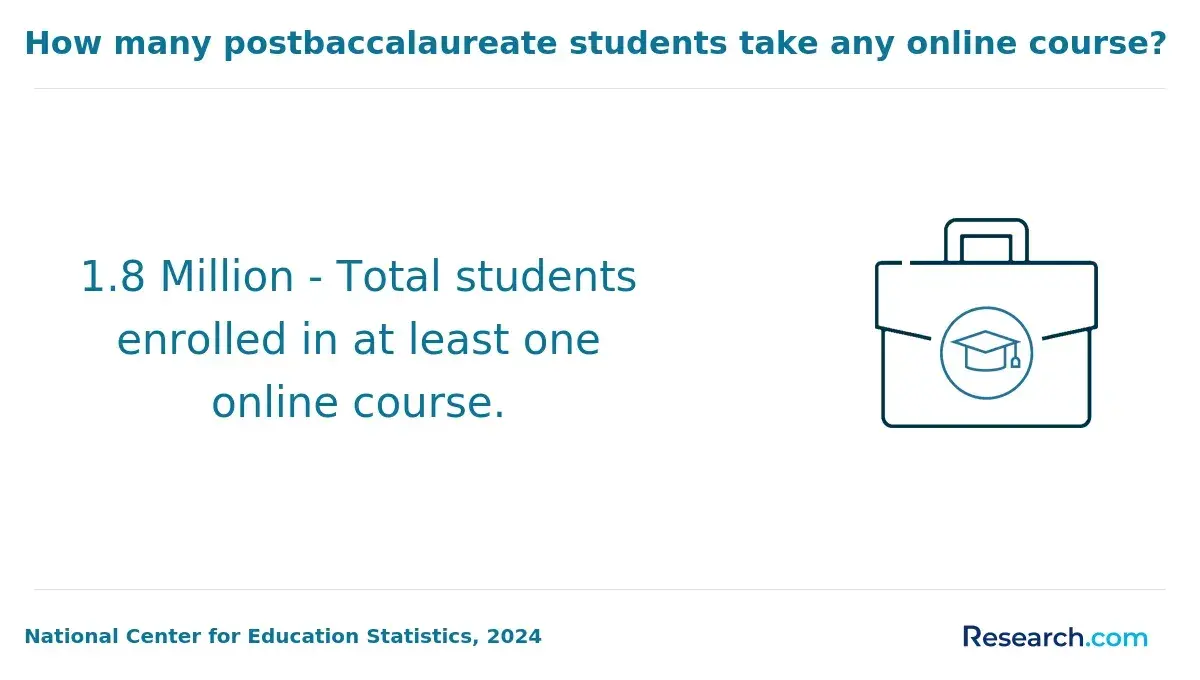
Choosing the right online BS in Applied Nutrition and Health program challenges students balancing career ambitions with flexible learning. With online higher education enrollment up by over 10% according to the National Center for Education Statistics, accessibility plays a pivotal role in decision-making.
Prospective students must evaluate whether Arizona State University's curriculum aligns with evolving industry standards and employer expectations in nutrition and health sciences. Given that workforce demand increasingly favors candidates with both applied knowledge and adaptability, understanding how this program equips learners in real-world skills is crucial.
This article examines the program's strengths, limitations, and fit for various student priorities to clarify its value.
Key Points About Arizona State University's Online BS in Applied Nutrition and Health Program
- Arizona State University's online BS in Applied Nutrition and Health accepts 90% of applicants, highlighting broad access but requiring candidates to weigh intake volume against individualized support.
- Graduates earn a median salary of $62,668, indicating employer recognition and an advantage in nutrition and health sectors seeking industry-connected professionals.
- The total tuition of $34,845 pairs with a 3.21x earnings to debt ratio, guiding candidates to assess cost-efficiency relative to long-term financial outcomes.
What makes Arizona State University's online BS in Applied Nutrition and Health program stand out?
Arizona State University's online BS in Applied Nutrition and Health program offers a flexible structure that caters to students juggling professional and personal responsibilities. This adaptability is especially valuable for working adults who require a self-paced environment without sacrificing program rigor.
However, those seeking in-person mentorship or tightly scheduled course delivery might find alternative programs more fitting.
The program's distinct strength lies in its integration of practical experiences with a comprehensive curriculum. Students benefit from interactive coursework, virtual labs, and access to faculty experts, which equips them with applied skills rather than solely theoretical knowledge.
For employers in healthcare and wellness sectors, this approach signals graduates who are better prepared for real-world nutritional challenges and decision-making.
ASU's sizable student body of 79,593 and an academic staff of 14,448 reflect a robust infrastructure supporting diverse learners and innovative digital resources. Coupled with a 68% graduation rate, this indicates a supportive environment encouraging student persistence. This environment makes the program a meaningful option for those prioritizing a blend of accessibility, practical training, and academic support in their nutrition education.
Is it difficult to get admitted to Arizona State University's online BS in Applied Nutrition and Health program?
Admission competitiveness for bachelor's degrees in applied nutrition and health generally reflects the field's rising importance amid healthcare and wellness trends, leading many institutions to maintain selective entry standards to manage growing demand. Programs often require applicants to demonstrate strong academic preparation or relevant experience to ensure readiness for rigorous, applied coursework centered on evolving science and community health impact.
In contrast, Arizona State University's online BS in Applied Nutrition and Health program adopts a notably more accessible admissions model with an acceptance rate of 90%, admitting 62,084 out of 68,840 applicants. This high acceptance ratio indicates a relatively low barrier to entry compared to more restrictive schools, partially due to the absence of SAT or ACT score requirements.
For prospective students weighing options, ASU's approach lowers entry friction but also necessitates that applicants consider how to complement the degree with practical experience or certifications since program selectivity alone is not a filter for rigor or preparedness.
The tradeoff involves balancing ease of admission against the potential need to independently navigate competitive labor markets where employers may seek candidates with demonstrable skills beyond academic credentials. Candidates benefit from the flexibility but should strategically plan for professional development post-graduation to differentiate themselves in the applied nutrition workforce.
One graduate recalls applying late in the cycle after working full-time in a health-related job that wasn't fully in nutrition. "I hesitated because I wasn't sure if applying online would feel overwhelming without test scores," she said.
"When I finally submitted, the quick acceptance relieved me, but it also made me realize I needed to proactively pursue internships and certifications outside of school to really stand out." Timing and readiness, she noted, mattered more than traditional entry hurdles in shaping her academic and career path.
How does the curriculum of Arizona State University's online BS in Applied Nutrition and Health program stay aligned with current industry trends?
Aligning an online BS in Applied Nutrition and Health curriculum with evolving industry demands requires more than updating course titles. It demands integrating multidisciplinary skills relevant to real employer expectations.
For graduates working in clinical or community settings in Arizona, this means not only understanding nutrition science but also navigating policy implications and engaging with diverse populations through behavioral strategies. These components impact each step of program planning and client interaction, highlighting the need for applied competencies beyond foundational knowledge.
Below are key curricular factors ensuring that Arizona State University Applied Nutrition curriculum updates maintain industry relevance:
- Evidence-Based Integration: The curriculum emphasizes applying scientific research to practice, equipping students with skills to critically analyze studies and adapt nutritional interventions to various contexts. This foundation is essential for adapting to personalized nutrition trends and evolving public health priorities.
- Interdisciplinary Scope: Coursework incorporates behavioral science, health promotion, and policy, reflecting the sector's shift toward collaborative, multifactorial approaches. This prepares students for roles that require coordinating with healthcare teams and community organizations, a common expectation in nutrition-related positions.
- Practical Application Opportunities: Through applied projects and internships, the program fosters hands-on experience, which many employers prioritize over theoretical knowledge alone. This practical focus enhances readiness for employment in diverse sectors such as wellness, nonprofit, and clinical nutrition within Arizona's workforce landscape.
By embedding current research and preventive care models into its curriculum, the online BS in Applied Nutrition and Health aligns with industry standards while addressing the nuanced competencies demanded by today's employers.
Those weighing this pathway should consider how its blend of science, policy, and experiential learning positions graduates for meaningful roles amid the complexities of modern nutrition careers. Prospective students might also explore other accredited online colleges that accept FAFSA for comparable programs.
How much does Arizona State University's online BS in Applied Nutrition and Health program cost?
The annual tuition for Arizona State University's online BS in Applied Nutrition and Health program is approximately $12,051, excluding additional expenses such as books and living costs, which together push the total annual outlay closer to $34,845. This distinction matters because while tuition is fixed, students should anticipate budgeting for around $1,320 annually in supplies on top of everyday living expenses.
The program's online format eliminates some campus-related costs, yet the total cost surpasses in-state on-campus estimates reported by the federal scorecard, reflecting different calculation methods and the program's digital delivery model. When considering the Arizona State University online applied nutrition tuition fees, recognizing these nuances is key to realistic financial planning.
Financial aid substantially influences the net cost for most students, with 93% of undergraduates receiving support and average awards around $12,396. This level of assistance can transform affordability, particularly for working adults who benefit from Arizona State University's institutional grants and corporate tuition partnerships, which may also offset tuition through employer reimbursement.
Such financial structures mitigate some concerns about the overall cost to enroll in Arizona State University BS in Applied Nutrition and Health, especially relative to other online nutrition programs that typically exceed $15,000 annually in tuition alone.
Compared to national averages for online applied nutrition degrees, Arizona State University's flat-rate in-state tuition for online learners across all states offers predictable budgeting advantages. However, students must weigh this against the necessity for additional expenses and the reality that many employers value practical experience alongside credentials.
The ongoing investment in ancillary fees and materials means prospective students should carefully evaluate whether this program aligns with their financial resources and career timeline. Recognizing these tradeoffs is essential for making an informed commitment to this degree pathway.
The relatively competitive tuition combined with financial aid opportunities positions this BS in Applied Nutrition and Health program as a consideration for those balancing cost with quality. It is useful to compare this with alternative credentialing options, such as shorter certificate paths or associates degrees online, depending on individual career objectives and timeframe constraints. Navigating cost components in detail thus assists prospective students in aligning educational expenditures with anticipated workforce outcomes.
What are the admission requirements for Arizona State University's online BS in Applied Nutrition and Health program?
Admission requirements for Arizona State University's online BS in Applied Nutrition and Health reflect a balance between accessibility and academic rigor, shaping the profile of candidates who can realistically succeed in this specialized field.
Prospective students should carefully assess whether their academic history aligns with these requirements, as gaps could delay entry or necessitate additional preparation, impacting time to degree completion. Understanding these stipulations is vital for managing expectations and planning ahead in relation to workforce entry.
Below are key admission factors to consider:
- Academic Credentials: Applicants must hold a high school diploma or GED to qualify. This basic educational foundation ensures readiness for undergraduate coursework complexity.
- Technology Access: A computer is mandatory for participation, reflecting the online delivery mode. Arizona State University offers purchase or lease options, which can be critical for students without reliable equipment.
- Documentation: Submission of secondary school transcripts is required, enabling the university to verify academic preparation. While letters of recommendation and competency demonstrations are encouraged, they are not obligatory.
- Standardized Testing: Traditional admission tests such as SAT or ACT are waived, reducing barriers, but non-native English speakers must provide TOEFL scores to confirm language proficiency.
- Transfer Credits: Transfer applicants face moderate admission difficulty and must meet minimum grades for acceptance. Recognized credits include those from ACE, CLEP, DSST/Dantes, and AP exams; however, no credit is awarded for prior life experience or dual credit, underscoring the program's selective nature.

What is the ROI of attending Arizona State University's online BS in Applied Nutrition and Health program?
The return on investment of attending Arizona State University's online BS in Applied Nutrition and Health program hinges on balancing significant upfront costs against stable graduate earnings. The program's annual cost, which can exceed $34,000 for non-resident students including tuition, fees, and living expenses, places considerable financial demands on students.
Graduates report a median starting salary around $62,668, consistent even a decade post-graduation, suggesting a steady income trajectory that can justify the initial expense under favorable conditions.
However, individual ROI can vary widely depending on external financial support and job placement outcomes. Students able to secure scholarships or grants reduce their debt burden, thus enhancing earnings-to-debt ratios, which for this program currently average about 3.21x. Conversely, those incurring median student debt near $19,500 should consider practical hiring prospects in healthcare and wellness sectors, where competition and regional demand affect salary ceilings and career stability.
Employment within reputable organizations is common for program alumni, though navigating the local and national labor markets remains critical to maximize long-term financial returns.
In sum, the program offers a realistic pathway for those targeting nutrition-focused roles especially if leveraged with financial aid and strategic career planning. Decision-makers should weigh upfront costs alongside potential salary growth and employment networks to assess the degree's tangible value in today's evolving health economy.
Is there a high student satisfaction for Arizona State University's online BS in Applied Nutrition and Health program?
Student satisfaction in Arizona State University's online BS in Applied Nutrition and Health hinges significantly on the balance between accessible support systems and academic demands.
While the program's 68% graduation rate indicates solid completion levels, the real measure of satisfaction often comes down to how well students manage the rigorous coursework alongside personal commitments. For professionals juggling work and study, the flexibility offered can be invaluable, but it also requires disciplined time management to avoid burnout or falling behind.
Arizona State University has developed a range of resources that bolster this balance, including virtual advising, peer networks, and mentoring programs. These tools create a sense of community and guidance, crucial for remote learners who might otherwise feel isolated. Student-led groups and online forums contribute to ongoing support, fostering connections that mitigate common challenges in online education.
However, some learners still report occasional struggles with workload intensity and time allocation, highlighting tradeoffs inherent in self-paced formats where institutional support cannot fully replace in-person accountability.
A graduate from the program recalled hesitating before enrolling due to concerns about sustaining full-time work while studying. Over time, they found the virtual advising particularly helpful for planning coursework around unpredictable work shifts, and peer forums became essential for real-time problem solving.
"I wasn't sure if I could keep up, especially with family obligations," they noted, "but having a community that understood the juggling act made a difference." This nuanced blend of structured support and flexible pacing appears central to whether students feel satisfied and able to complete the degree successfully in this online environment.
How does Arizona State University help online BS in Applied Nutrition and Health graduates secure employment?
Securing employment after completing an online BS in Applied Nutrition and Health requires more than just degree completion. The school's career services and network significantly sway outcomes. Schools like Arizona State University influence graduates' job prospects by integrating targeted employment support that aligns with employer expectations in nutrition and health sectors.
Industry data shows that graduates with access to dedicated career services and active alumni networks have up to a 25% higher employment rate in their field, underscoring the tangible impact of institutional support. This dynamic is especially relevant for nutrition graduates navigating competitive job markets or pursuing roles in evolving healthcare settings.
Below are key ways Arizona State University facilitates employment for its online Applied Nutrition graduates:
- Virtual Job Fairs: These events connect students with potential employers in nutrition and wellness sectors, providing real-time networking opportunities that can lead directly to job offers before or immediately after graduation.
- Resume and Interview Workshops: Tailored sessions enhance applicants' resumes and interview readiness specific to nutrition careers, improving their marketability against competing candidates.
- Online Job Portal: A dedicated platform regularly lists relevant employment openings, allowing students to efficiently target positions aligned with their degree specialization and career goals.
- Alumni Mentorship Programs: Large, active alumni networks enable current students to gain guidance, industry insights, and introductions to employers, which can be critical for entry into specialized roles.
For students weighing the decision to pursue an online nutrition degree at ASU, evaluating career services for Arizona State University nutrition alumni alongside program costs and outcomes is essential. Detailed insight on affordable masters degrees may also be helpful for those looking
What are the career outcomes for recent graduates of Arizona State University's online BS in Applied Nutrition and Health?
Career outcomes critically shape the decision to pursue a program like Arizona State University's online BS in Applied Nutrition and Health, especially given the service-oriented roles and moderate salary growth typical in the field.
Graduates frequently find themselves in entry-level positions with annual incomes near $30,000, reflecting the program's focus on applied nutrition within community and healthcare settings, not higher-paying clinical roles. This scenario highlights a tradeoff: the degree offers practical access to health-related jobs but may require further specialization or certification to significantly boost earning potential.
Below are typical career paths illustrating this dynamic.
- Dietitian Roles: Graduates often work as dietitians, developing tailored nutrition plans and counseling clients on healthy eating. These positions usually involve direct client interaction and yield incomes around entry-level benchmarks.
- Nutritionist Positions: Nutritionists focus on education and community wellness initiatives, engaging diverse populations to promote preventive health. Salaries generally align with related nutrition services fields, suggesting modest compensation.
- Health Educator Jobs: Health educators design programs to improve public health literacy and often operate in schools, government agencies, or nonprofits. These roles reflect the program's interdisciplinary emphasis but feature salary constraints typical of allied health service professions.
- Community Health Worker Opportunities: In this role, graduates serve as liaisons between healthcare providers and communities, emphasizing outreach and support. Earnings mirror other nutrition-related entry-level jobs but offer meaningful impact in public health.
For prospective students evaluating career prospects for Arizona State University applied nutrition and health graduates, understanding the realistic job opportunities in Arizona for BS in Applied Nutrition and Health alumni is essential. Those aiming for higher salaries may need complementary education or certifications in related health sciences. For broader context on credentials that might enhance career flexibility, consider exploring the best accelerated programs.
How do I know if Arizona State University's online BS in Applied Nutrition and Health program is the right fit for my goals?
Determining if Arizona State University's online BS in Applied Nutrition and Health program matches your career goals in Arizona depends largely on the alignment between the program's offerings and your specific professional objectives. For example, someone aiming for a clinical dietetics role must confirm the curriculum provides necessary accreditation and coursework, while a future health coach may prioritize practical application and flexibility.
Many factors influence whether a program is worth the investment, so consider these key aspects carefully:
- Curriculum Relevance: Review how closely the coursework aligns with your targeted career path. If your focus is on gaining skills applicable to jobs like dietitians or health educators, the program should emphasize nutrition science, health promotion, and applied learning rather than purely theoretical content.
- Program Flexibility: Evaluate whether the online format suits your learning style and life commitments. A self-paced or minimally synchronous schedule can be vital for balancing work, family, or other responsibilities while pursuing your degree.
- Accreditation and Recognition: Confirm that the program's credentials meet industry standards. Employers and licensing bodies in nutrition and health fields typically require graduates from accredited programs, impacting your employability and eligibility for certifications.
- Support Services Availability: Access to academic advising, career counseling, and networking opportunities shapes your ability to navigate the degree and transition into the workforce effectively.
- Cost Versus Outcome: Weigh tuition and fees against expected career opportunities and earning potential. The program should offer a reasonable return on investment considering alternative online degrees or local options.
Evaluating the fit of Arizona State University's online applied nutrition and health degree for your professional aspirations means considering these practical elements rather than assuming uniform value.
For military-affiliated students or others balancing complex schedules, ASU's designation among online degrees for military spouses may offer an additional factor worth investigating.
What Graduates Say About Arizona State University's Online BS in Applied Nutrition and Health Program
- David: "Studying the BS in Applied Nutrition and Health at Arizona State University gave me solid foundational knowledge in nutritional science, but what really impacted my career was how the curriculum highlighted real-world applications and research methods. I found that employers in the nutrition field often look beyond licenses. They prioritize practical experience like internships and well-documented portfolios. This program equipped me to build those credentials and eased my transition into a role as a clinical nutrition consultant, though I quickly learned that advancing further without additional certification can be limiting."
- Anika: "Arizona State University's BS in Applied Nutrition and Health program offered the flexibility I needed as a working parent, allowing me to complete coursework remotely without sacrificing quality. What stood out was the emphasis on public health and community nutrition, which directly influenced my decision to pivot towards nonprofit nutrition education after graduation. However, entering the workforce showed me that many organizations value hands-on community work and certifications over a degree alone, so I supplemented my studies with targeted internships to stay competitive."
- Adam: "My experience with the BS in Applied Nutrition and Health program at Arizona State University was rigorous and comprehensive, especially in terms of science-based content. After graduation, I noticed a split in the field: while bachelor's degrees offered entry to many roles, certain advanced positions, especially in clinical settings, still demanded licensure or dietetic internships. This reality shaped my approach to career planning; I focused on roles with remote work flexibility and steady salary growth in wellness coaching, leveraging the program's strength in applied nutrition while preparing for future credentials."
Other Things You Should Know About Degrees
The curriculum includes virtual labs and case studies but lacks extensive in-person clinical or fieldwork components often found in on-campus nutrition programs. This limitation may affect students seeking immediate applied practice or licensure pathways requiring supervised hours. For those prioritizing practical exposure, arranging local internships independently or seeking supplemental experiential opportunities will be essential to bridge this gap.
Arizona State University's BS in Applied Nutrition and Health is designed to prepare students for community health roles and wellness coaching rather than clinical dietetics or licensed nutritionist positions. Graduates should understand that additional certifications or graduate degrees may be needed to enter clinical or hospital-based nutrition careers. Prioritizing this program is best suited to those targeting public health, education, or corporate wellness sectors.
Online students may have fewer opportunities for informal networking and face-to-face interaction with faculty or peers, which are often critical for mentorship and job referrals. While ASU provides some virtual events and career services, those relying heavily on campus networking benefits may find these options limited. Proactively engaging in professional organizations and external networks is advisable to compensate for this gap and enhance career prospects.
References
- Arizona State University (ASU) https://www.princetonreview.com/college/arizona-state-university-1023376
- Applied Nutrition Career Guide: Skills, Jobs, and Benefits https://www.uniccm.com/blog/applied-nutrition-career-guide-skills-jobs-and-benefits
- 30 Best Bachelor’s in Nutritional Science - Healthcare Administration Degree Programs https://www.healthcare-administration-degree.net/best-bachelors-nutritional-science/
- Arizona Nutrition Degree Programs: Online, Bachelors, Masters https://www.nutritiondegrees.org/programs/arizona/
- Career Opportunities with a Master’s Degree in Applied Clinical Nutrition https://www.northeastcollege.edu/learn/career-opportunities-with-a-masters-in-applied-clinical-nutrition
- Most Affordable Nutrition Programs | Degrees https://becomeanutritionist.org/most-affordable-nutrition-programs/