2027 Is Grand Canyon University's Online MEd in Educational Leadership Worth It? What Students Should Know

Co-Founder and Chief Data Scientist
Choosing an online MEd in educational leadership program requires balancing career ambitions with program flexibility and reputation. As demand for skilled education leaders grows, a report from the U. S. Department of Education highlights a 12% increase in online graduate enrollment, signaling a shift toward accessible learning. This trend emphasizes the need to evaluate if a program like Grand Canyon University's aligns with both the evolving skill requirements of educational organizations and the learner's schedule constraints.
Deciding whether this specific program provides the expertise, networking, and accreditation necessary for leadership roles is crucial. This article analyzes these factors to guide prospective students toward an informed choice.
Key Points About Grand Canyon University's Online MEd in Educational Leadership Program
- Admission to Grand Canyon University's online MEd in Educational Leadership has a 60% acceptance rate, balancing selectivity with accessibility, which may affect applicant competition and enrollment timing decisions.
- The total tuition cost is $37,212, paired with a median graduate salary of $42,186, producing an earnings to debt ratio of 1.91x that signals moderate financial viability but requires careful cost-benefit evaluation.
- Graduates benefit from employer recognition tied to Grand Canyon University's supportive faculty and practical curriculum, enhancing prospects for leadership roles within educational organizations.
What makes Grand Canyon University's online MEd in Educational Leadership program stand out?
The value of Grand Canyon University's online MEd in Educational Leadership lies largely in its ability to support professionals balancing work and study. Its asynchronous format allows educators in varying time zones or with unconventional schedules to progress without compromising their current roles. For instance, a mid-career teacher seeking leadership credentials without reducing classroom hours benefits from the program's flexibility, which many traditional programs lack.
With more than 107,000 students and a large faculty, Grand Canyon University offers a broad support network that can mitigate common online learning pitfalls such as isolation and limited advising. Access to interactive resources and dedicated academic advisors focused on career outcomes positions students to navigate complex educational environments and leadership challenges more effectively. However, the moderate 43% graduation rate highlights the importance of self-discipline and proactive resource use to fully capitalize on these offerings.
Is it difficult to get admitted to Grand Canyon University's online MEd in Educational Leadership program?
Admission to a Master of Education in Educational Leadership program typically demands a balance of academic readiness and leadership potential, making the process moderately challenging rather than overtly competitive. While some programs prioritize high standardized test scores or extensive professional experience, many aim to filter for candidates who demonstrate foundational skills and a clear commitment to educational leadership roles.
In the case of Grand Canyon University, the online MEd in Educational Leadership admits approximately 60% of applicants, which signals moderate selectivity compared to more restrictive graduate programs. Out of nearly 48,000 annual applicants, 28,960 are admitted, reflecting a screening process that guards academic standards without imposing overly stringent barriers. Test score expectations-SAT verbal between 540-620 and math 518-555, along with ACT scores from 19 to 81-suggest the program looks for sufficient competence rather than elite academic credentials.
This approach can appeal to working professionals seeking accessible yet credible advancement opportunities in education administration. However, those weighing application timing and preparation must recognize that while the acceptance rate is relatively favorable, readiness in meeting standardized criteria and submitting strong personal materials remains crucial to avoid delays or rejections.
One recent applicant shared that she hesitated initially due to concerns about gathering her transcripts and preparing for standardized tests amidst her full-time teaching job. She waited nearly two months before submitting her application, worrying if the delay would impact her chances. The moderate acceptance rate at Grand Canyon University ultimately provided some relief, but she acknowledged that better upfront organization could have eased anxieties and sped her admission outcome, underscoring the practical importance of timely, thorough preparation in the admissions process.
How does the curriculum of Grand Canyon University's online MEd in Educational Leadership program stay aligned with current industry trends?
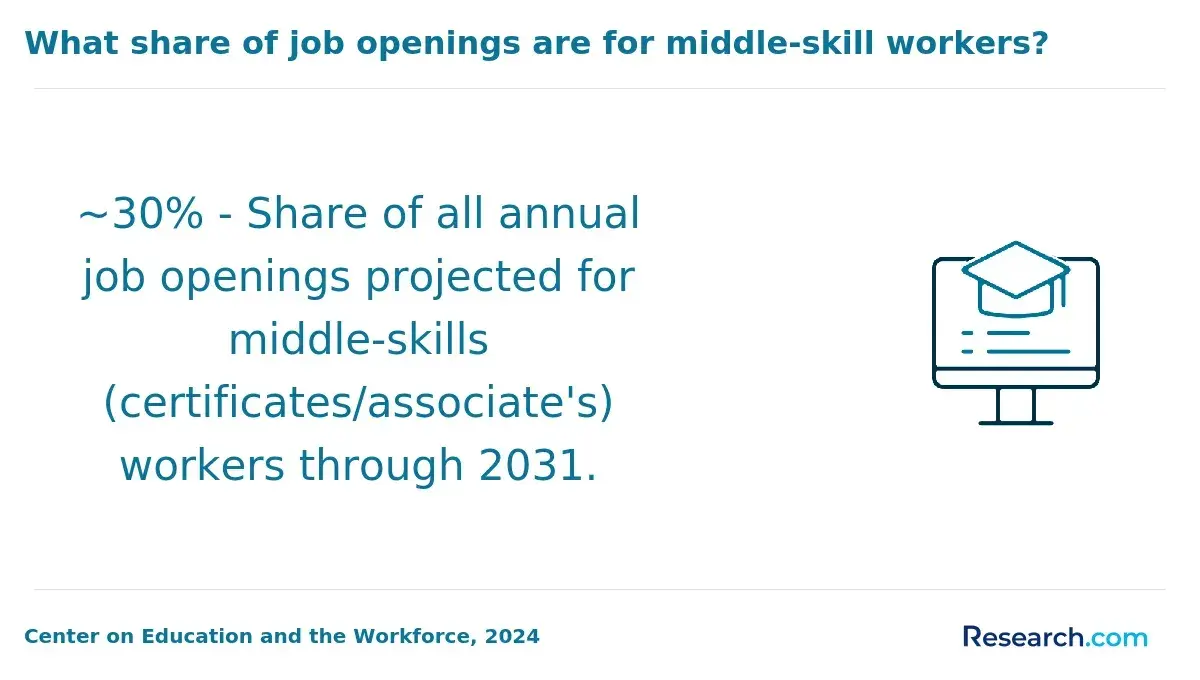
Aligning curriculum with contemporary demands is critical for educational leadership programs, particularly in regions like Arizona where political and demographic shifts influence school management priorities. Grand Canyon University's online MEd in Educational Leadership demonstrates alignment with industry standards through its integration of skills valued by employers and the education sector's evolving requirements. This alignment directly impacts graduates' readiness for leadership roles where strategic decision-making and policy navigation are daily realities. Practical implications include the ability to lead complex educational environments and implement data-driven reforms, skills increasingly demanded in K-12 administration. Below are key ways the program maintains this alignment:
- Relevant Competencies: The curriculum emphasizes strategic planning, data-driven decision making, ethical leadership, and stakeholder communication, mirroring core competencies sought by educational employers and policymakers.
- Practical Application: Capstone projects and internships enable students to translate theory into practice, a tradeoff that strengthens leadership capabilities but requires balancing academic and field responsibilities.
- Technology Integration: Coursework in digital literacy and innovation management reflects the growing need for technology-savvy leaders who can effectively manage modern learning environments and foster digital equity.
This curriculum alignment with current educational leadership trends in Arizona positions graduates to address both immediate operational challenges and longer-term strategic demands. However, prospective students should weigh the commitment to hands-on components and the agility needed to adapt to shifting educational policies. To further assess this degree's value relative to other options, exploring broader data on good degrees to get can provide additional workforce context for educational leadership careers.
The tuition for Grand Canyon University's online MEd in Educational Leadership program sits at a base cost of $17,450 annually, but the full cost of attendance including fees, books, room, and board can reach $37,212. For students focused solely on the online program, books and supplies add roughly $1,100 per year. While this broad figure highlights the overall financial commitment, many learners qualify for substantial financial aid-the average award being $7,744-which can materially reduce out-of-pocket expenses.
Unlike other programs that tack on additional technology fees for online students, Grand Canyon University applies a flat-rate tuition structure, eliminating cost disparities between in-state and out-of-state enrollees. This pricing model can offer a competitive advantage for remote learners balancing employer tuition reimbursement programs or institutional aid partnerships. Understanding these nuances is key when comparing the net cost against other educational leadership pathways that may vary significantly in hidden or supplemental fees.
When weighed against national averages for MEd programs in Educational Leadership, Grand Canyon University's base tuition positions it as a relatively affordable option. Many competing programs exceed this base tuition, so prospective students must assess tradeoffs between total cost, financial aid availability, and program reputation. The implications of tuition savings become increasingly relevant given the extended time to credential completion common in education leadership tracks and the corresponding opportunity costs.
Students seeking to explore varied affordable online options for leadership programs might also consider researching the best accelerated bachelor's degree online offerings, as those pathways occasionally intersect with graduate-level study models or career ladders. Incorporating cost analysis alongside career outcome data is essential for those evaluating the cost breakdown of Grand Canyon University online Educational Leadership program and determining the return on investment in relation to their specific workforce goals.
Admission to Grand Canyon University's online MEd in Educational Leadership requires more than a basic application, reflecting practical hiring standards that often consider academic foundation and English proficiency. Candidates should be aware that submitting optional materials like recommendations or statements can differentiate their application in competitive or transfer situations. Understanding these nuances helps manage expectations especially as transfer credit policies are flexible but not exhaustively outlined, which might affect time and cost to completion.
The key admission requirements at Grand canyon university's program include:
- Academic Credentials: Applicants must have a high school diploma or GED, along with a secondary school GPA and record. The program encourages evidence of rank or preparatory coursework to assess readiness.
- English Proficiency: Non-native English speakers must submit TOEFL scores, a necessary measure for academic success and communication skills in graduate study.
- Transfer Policies: Transfer students face moderate entrance difficulty. Credits accepted include those recommended by ACE and standardized exams, though specific limits should be confirmed to avoid unexpected hurdles.
- Optional Materials: Letters of recommendation, personal statements, and resumes can strengthen applications but are not mandatory. This flexibility lets applicants underscore professional qualifications aligned with educational leadership roles.
- Entrance Exams: No required entrance exam or portfolio exists specifically for this program, minimizing initial barriers but putting emphasis on applicant preparation and background.
The return on investment for attending Grand Canyon University's online MEd in Educational Leadership hinges on balancing a substantial upfront cost with steady, though not rapid, salary gains typical of education leadership careers. With total annual expenses exceeding $37,000-covering tuition, fees, books, and living costs-this program requires a careful financial commitment compared to the median graduate salary of around $42,000. Early earnings align roughly with the total cost, which implies limited immediate financial gain, especially when accounting for a median student debt of over $22,000.
However, these financial dynamics also reflect a broader labor market reality: compensation growth in educational leadership often materializes five to ten years post-graduation as professionals advance into district or agency-level roles. For students able to secure scholarships or grants, the debt burden may be lowered significantly, improving the earnings-to-debt ratio that stands at approximately 1.9x for graduates. Still, those relying solely on loans should weigh whether starting salaries justify borrowing large sums given the relatively flat median salary over a decade.
Ultimately, this program's ROI is contingent on individual financial strategies and career trajectories. Graduates typically find employment in school administration or public sector education leadership jobs, roles that offer stability but moderate income increases. When compared with national averages for MEd in Educational Leadership graduates, Grand Canyon University's outcomes suggest a tradeoff between accessible program structure and the need for a long-term view on salary growth within educational institutions.
Student satisfaction in Grand Canyon University's online MEd in Educational Leadership program appears mixed, reflecting broader challenges of balancing demanding coursework with professional and personal responsibilities. The program's flexibility is a key advantage for working adults, allowing many to pursue their degree without sacrificing employment or family time. However, the rigor of the curriculum requires strong time-management skills, and some students report feeling overwhelmed, which can diminish overall satisfaction and affect persistence.
The university fosters an engaged student culture through online mentoring and student-led organizations, which help mitigate the isolation often experienced in distance education. Virtual academic advising and career services also contribute constructively to the student experience, though these supports cannot fully offset the moderate graduation rate that signals potential retention issues. For students who thrive under a structured yet flexible environment, these resources add value, but those needing more direct engagement might find the program less accommodating.
One graduate shared that while the initial semesters were taxing due to balancing a full-time job and coursework, the dedicated online mentors and peer groups provided a vital support network that kept them motivated. They recalled feeling uncertain at the outset but found relief in the program's structure that gradually aligned with their professional goals, making the challenge worthwhile despite moments of stress and fatigue.
Employer networks tied to educational institutions significantly influence initial job placements for graduates, with data showing over 70% of education graduates secure their first roles through school-affiliated contacts. This dynamic highlights a crucial advantage for online MEd in Educational Leadership graduates from Grand Canyon University, where institutional support can circumvent common barriers faced by remote learners. Many candidates entering educational leadership depend on timely access to hiring channels and mentorship that bridges academic preparation with practical demands. Below are specific career support mechanisms provided by Grand Canyon University online MEd job placement assistance that help streamline this transition into employment.
- Virtual Job Fairs: Designed for remote students, these events connect candidates directly with school districts and education organizations nationwide, facilitating interviews without geographical constraints. This immediacy can shorten job search timelines upon graduation.
- Online Resume Workshops: Tailored sessions focus on refining educational leadership resumes and cover letters to meet employer expectations, increasing the competitiveness of applications in a crowded job market.
- Dedicated Job Portal: GCU's job placement portal curates listings specifically for education professionals, improving access to relevant leadership openings often overlooked by generic job boards.
- Alumni Mentorship Programs: Linking current students with experienced graduates fosters personalized guidance, helping navigate local job markets and professional networking effectively.
These resources address practical employment challenges and align well with outcomes expected from a master degree in 6 months pathway, balancing expedited academic achievement with essential career development support.
Choosing whether to pursue an online MEd in Educational Leadership from Grand Canyon University hinges on realistic expectations about career mobility and salary outcomes. Graduates often face a competitive landscape where leadership roles like principals or curriculum coordinators require not just credentials but demonstrated management and instructional skills.
Hiring trends suggest mid-level educational leadership jobs generally offer salaries in the low to mid $30,000s, a range that reflects early to moderate managerial responsibilities more than senior executive compensation. Evaluating the program's job placement rates for Grand Canyon University MEd in Educational Leadership program alumni is crucial for prospective students weighing the return on investment compared to alternative pathways. Below are typical positions reflecting practical workforce outcomes:
- School Principal Roles: Principals are accountable for school operations, staff management, and compliance with educational policies. Salaries tend to align with averages reported between $32,500 and $35,000, depending on geographic location and district size.
- Curriculum Coordinator Positions: These roles involve developing and implementing instructional programs that enhance student achievement, with income reflecting the lower end of leadership pay scales, often near $33,000 annually.
- Instructional Supervisor Jobs: Focused on teacher development and support, these supervisors earn salaries roughly between $32,500 and $35,000, based on specialization such as professional development or special education.
- Community Education Leaders: Leadership in non-school educational settings offers alternative routes, often requiring broader administrative skills with compensation around comparable salary levels.
Incorporating experience from the program into tangible career advancement hinges on understanding these realistic outcomes. For students concerned about broader accessibility to higher education credentials, resources on online schools that accept low GPA can provide insight into alternative entry points with varied career trajectories.
Determining whether Grand Canyon University's online MEd in Educational Leadership program fits your career and academic goals hinges on concrete, real-world factors rather than institutional prestige alone. For example, a K-12 educator aiming to move into school administration must verify that the program's curriculum offers targeted leadership theories and practical administrative skills that align with state certification requirements. Recognizing this, prospective students should weigh several crucial criteria when choosing a program. Below are key considerations for evaluating if Grand Canyon University's MEd educational leadership based on career goals is appropriate.
- Curriculum Relevance: Assess whether course content matches your intended leadership trajectory, such as policy development or district-level management, ensuring skills gained translate directly to your workplace challenges and future roles.
- Program Flexibility: Since balancing work and study is critical for many, examine if the fully online format provides asynchronous options or live sessions that accommodate your schedule without compromising learning rigor.
- Accreditation and Licensure Support: Confirm the program holds recognized accreditation and prepares you for any necessary state licensure or administrative certifications, as this influences employability in educational leadership positions.
- Support Services: Evaluate availability of academic advising, career counseling, and networking opportunities tailored to online learners, which can impact your transition into leadership roles and professional advancement.
- Graduate Outcomes: Review alumni career paths to gauge real-world success and access to professional networks, helping you anticipate how the degree might position you in the education job market.
In some cases, students may find shorter-term alternatives better suit their immediate employment goals-such as 6-month certificate programs that pay well-especially when rapid workforce entry outweighs advanced credentials. Aligning the program with your long-term career vision requires this nuanced evaluation of how grand canyon university online med educational leadership program career benefits intersect with your individual context.
What Graduates Say About Grand Canyon University's Online MEd in Educational Leadership Program
- Sophia: "Completing my MEd in Educational Leadership at Grand Canyon University was a rigorous experience that pushed me to develop a solid professional portfolio alongside coursework. I found that in my district, hiring managers valued demonstrated leadership through internships and practical projects even more than formal licensure, which made the program's emphasis on applied leadership skills especially valuable. While I've faced limitations on salary growth without a state administrative credential, the flexibility of the online format allowed me to continue working full time and transition smoothly into a coordinator role."
- Raj: "I approached Grand Canyon University's MEd in Educational Leadership program with a clear career pivot in mind from classroom teaching to administration. The program's blend of theory and real-world case studies helped me understand the complexities of school management, making me more confident during interviews. In reality, I discovered many employers highly prioritize certifications and experience over the degree alone, so I supplemented my education with targeted internships. Still, the remote learning structure gave me the chance to upskill quickly while balancing a demanding work schedule."
- Brianna: "Studying educational leadership through Grand Canyon University's online program provided a flexible path to advancing my career at a private school where licensure wasn't mandatory. The program's focus on leadership strategy and ethics shaped my approach to daily challenges, but I also realized that advancement opportunities sometimes require more than just a master's degree-portfolio evidence and networking are often more decisive. Overall, I appreciate how the program prepared me for the practical realities of leadership roles, especially the trade-offs involved in remote versus onsite administrative positions."
Other Things You Should Know About Degrees
The online MEd in Educational Leadership at Grand Canyon University is designed with working professionals in mind, but the workload remains rigorous and requires strong time management. Courses often include substantial readings, projects, and discussion participation, which can become challenging alongside full-time work. Prospective students should prioritize their availability before enrolling, as underestimating the time demand could impact both academic performance and personal commitments.
While Grand Canyon University offers some virtual interaction through discussion boards and group projects, the fully online format limits face-to-face networking that often benefits leadership candidates. Students seeking robust peer connections or direct mentorship might find these elements less accessible compared to in-person programs. Considering this, those who prioritize strong professional networking during their degree should actively seek supplemental opportunities beyond the program.
Applicants usually submit a completed application, official transcripts from all colleges attended, and proof of a bachelor’s degree from an accredited institution. GCU may also review prior GPA and teacher or administrative licensure, depending on the applicant’s state and background.
Yes, Grand Canyon University's Online MEd in Educational Leadership can be beneficial for educators aiming for roles beyond traditional K-12 settings. The program incorporates leadership theories and practical skills applicable to diverse educational environments, including higher education and corporate training sectors, equipping graduates with versatile skills applicable in 2027.
- Careers https://www.gce.com/careers.html
- Grand Canyon University (GCU) Rankings, Campus Information and Costs | UniversityHQ https://universityhq.org/best-colleges/grand-canyon-university/
- Grand Canyon University Ranking: What You Need To Know https://www.staging.westernautisticschool.vic.edu.au/vic-news/grand-canyon-university-ranking-what-you-need-to-know-1767648806
- Master of Education in Educational Leadership, MEd-EdL https://catalog.ncu.edu/preview_program.php
- 6 Best Career Opportunities in Educational Leadership https://www.manchester.ac.ae/blog-post/6-best-career-opportunities-in-educational-leadership
- Educational Leadership Degree Programs in Arizona https://www.topeducationdegrees.org/educational-leadership/in/arizona/
- Exploring Educational Leadership at Grand Canyon University https://www.worldwondersgardens.co.uk/blog/Exploring_Educational_Leadership_at_Grand_Canyon_University.html
- Educational Leadership (PK-12), M.Ed. | York College of Pennsylvania https://www.ycp.edu/academics/programs/educational-leadership-master-ed
- Educational Leadership Program: Core Courses and Curriculum https://www.educationalleadershipdegree.com/blog/core-courses-and-curriculum-in-an-educational-leadership-program/
- Why Should You Get a Master's in Educational Leadership? - AMLE https://www.amle.org/why-should-you-get-a-masters-in-educational-leadership/