2027 Is Grand Canyon University's Online MEd in Early Childhood Education Worth It? What Students Should Know

Co-Founder and Chief Data Scientist
Choosing an online MEd in Early Childhood Education program involves balancing career goals with program flexibility and academic rigor. As demand for early childhood educators grows steadily, with the U. S. Bureau of Labor Statistics projecting a 7% increase in related jobs, the timing and accessibility of a program become critical factors.
For students seeking to enhance professional skills without disrupting their current roles, program structure and support impact both completion rates and long-term employability. Evaluating whether Grand Canyon University's online program aligns with these priorities is essential. This article explores key aspects to help determine if this program meets varied student and career needs effectively.
Key Points About Grand Canyon University's Online MEd in Early Childhood Education Program
- Grand Canyon University's online MEd in Early Childhood Education has a 60% acceptance rate, balancing moderate selectivity with reasonable access for prospective students seeking specialization.
- The program's $37,212 tuition paired with a median graduate salary of $42,186 yields a 1.91x earnings-to-debt ratio, highlighting a modest but practical return relative to investment cost.
- Graduates benefit from strong faculty and program reputation, producing alumni sought by employers in early childhood education, which supports workforce readiness and career entry.
What makes Grand Canyon University's online MEd in Early Childhood Education program stand out?
Grand Canyon University's online MEd in Early Childhood Education offers a level of flexibility that is particularly valuable for working adults balancing family and professional demands. The asynchronous format allows students to engage with coursework on their own schedules, which can help maintain steady progress without the constraint of fixed class times. However, the 43% graduation rate signals a meaningful challenge: learners must be self-disciplined and proactive in leveraging available resources to succeed in a largely self-driven environment.
This program's scope supports a diverse range of instructional methods and practical applications, which benefits students seeking both theoretical foundations and hands-on skills relevant to early childhood settings. For instance, professionals aiming to transition into leadership or specialized roles will find the use of multimedia materials and real-world project assignments helpful in developing applied competencies. Grand Canyon University's substantial enrollment and faculty size further contribute to personalized academic support, making it a practical choice for those who require a structured yet adaptable learning environment.
Is it difficult to get admitted to Grand Canyon University's online MEd in Early Childhood Education program?
Admissions for a master's in early childhood education generally balance accessibility with academic standards, reflecting the field's professional demands and evolving certification requirements. Programs vary in competitiveness depending on institutional prestige and workforce needs, often requiring applicants to demonstrate readiness through GPA benchmarks and standardized test scores, which filter for candidates likely to succeed in advanced coursework and practical training.
Grand Canyon University's online med in early childhood education follows this moderately selective pattern. With an acceptance rate of 60%, it admits about 28,960 students from nearly 48,000 applicants annually, indicating a deliberate but not prohibitive screening process. This middle ground means applicants meeting thresholds like SAT verbal scores between 540-620, math 518-555, or ACT scores from 19 to 82 still face meaningful evaluation. This setup suits those with solid academic preparation seeking a program that challenges without imposing excessively high barriers.
Such moderate selectivity can affect timelines for application success and program entry, influencing career planning in fields where certification and employment timing are tightly linked. Candidates who underestimate these factors may delay career progression or miss alignment with hiring cycles.
One graduate recalled, "I was hesitant because of the test score requirements and wasn't sure if my stats were competitive enough. I applied close to the deadline, and the wait for a decision felt uneasy. In hindsight, better preparation and submitting early would have eased that stress. Once admitted, the process felt fair, but that initial uncertainty caused me to rethink my timeline for starting work as a lead teacher."
How does the curriculum of Grand Canyon University's online MEd in Early Childhood Education program stay aligned with current industry trends?
The curriculum of Grand Canyon University's online MEd in Early Childhood Education is structured to mirror evolving professional demands, but with notable tradeoffs typical of broadly designed online programs. Its alignment with current workforce expectations rests on integrating psychological theory, inclusive pedagogy, and technology use, which remain essential in diverse early childhood settings. However, the practical impact depends on the quality and depth of experiential learning opportunities and whether graduates can translate classroom theory into leadership or specialized support roles. Below are three critical factors reflecting how GCU's program adheres to industry-relevant courses in Grand Canyon University med early childhood education, highlighting both strengths and real-world implications for employability.
- Research-based Instruction: The curriculum emphasizes instructional strategies grounded in current developmental psychology and social-emotional learning research. This focus is necessary for educators aiming to meet employer expectations for evidence-informed classroom leadership and adaptive curriculum design tailored to young learners' needs.
- Practical Application Opportunities: Through applied projects, students engage in family and community engagement scenarios or technology integration in classroom settings. These opportunities are crucial for bridging theoretical concepts with professional performance, although online delivery may limit nuanced, hands-on experience compared to in-person programs.
- Leadership and Specialized Roles Preparation: The program targets future-ready educators by including coursework on early childhood program administration and culturally responsive teaching practices. This expands career options beyond teaching roles but requires individual initiative to leverage such credentials in competitive job markets.
In sum, while Grand Canyon University's curriculum updates reflect significant effort to stay aligned with industry trends, prospective students must weigh the practical realities of translating these academic components into tangible workforce advantages. Those evaluating an MEd should also consider how this program compares to other easy masters degrees online that may offer different balances of flexibility, cost, and experiential rigor.
How much does Grand Canyon University's online MEd in Early Childhood Education program cost?
Tuition costs for grand canyon university online MEd early childhood education tuition cost average around $17,450 annually, exclusive of books, living expenses, and other fees. When factoring in the full annual cost-tuition, fees, books, room, and board-the figure rises near $37,212. For many students, this gap between tuition and total expenses reflects practical realities often underrepresented in advertised program costs, especially for those balancing work and family responsibilities while studying.
Although the Federal Scorecard reports a lower total attendance cost for in-state students living on campus at $31,493, this figure does not always align with the experience of online students who may incur different expenses or save on housing. Additionally, grand canyon university online med early childhood education tuition cost program benefits from a flat-rate tuition system that typically applies in-state rates to all online learners, negating the geographic surcharge faced elsewhere. These factors can be decisive for out-of-state or international candidates evaluating cost efficiency.
Financial aid is a significant mitigating factor in the cost equation, with 99% of undergraduates at Grand Canyon University receiving assistance averaging $7,744. Corporate tuition reimbursement and various grants further reduce out-of-pocket expenses, particularly for working professionals. However, prospective students should still weigh these funding opportunities against their eligibility and the likelihood of sustained support throughout the program.
Compared with national averages for similar MEd programs in Early Childhood Education, grand canyon university's base tuition and fee structure generally ranks below many competitors, making it a competitive option for those analyzing the cost-benefit ratio of online graduate education. For students exploring alternatives or accelerated pathways, resources like accelerated bachelor degree programs may provide complementary options for timely degree completion and related cost considerations.
What are the admission requirements for Grand Canyon University's online MEd in Early Childhood Education program?
Admission to Grand Canyon University's online MEd in Early Childhood Education requires applicants to navigate a mix of academic benchmarks and standardized test criteria, reflecting a balance between accessibility and assessment of readiness for graduate study. This approach acknowledges real-world variability in candidates' backgrounds but demands meeting specific performance measures that can directly influence acceptance chances and future academic success. Understanding these nuances helps applicants prepare more strategically for the admission process. Key admission aspects include the following:
- Educational Background: Applicants must have completed high school or hold a GED. While a college-preparatory program and secondary school rank are not mandatory, they are recommended to strengthen candidacy, indicating that academic rigor prior to application still plays a notable role.
- English Proficiency: Demonstrating English proficiency through TOEFL scores is compulsory, which is essential for non-native speakers to handle graduate-level coursework effectively.
- Transfer Credits: The program welcomes transfer students across multiple terms, accepting various credits such as ACE-recommended, Excelsior, CLEP, and AP credits. However, applicants should confirm that transferred credits meet university standards and minimum passing grades to avoid complications.
- Supporting Documents: While letters of recommendation, personal statements, and professional resumes are recommended, they are not strictly required, offering flexibility but requiring applicants to decide how much traditional qualitative evidence to provide.
- Standardized Tests: Typical admission scores suggest SAT verbal between 540-620, math between 518-555, or ACT scores from 19 to 82. These ranges reflect minimum expectations and can influence the competitiveness of an application.
What is the ROI of attending Grand Canyon University's online MEd in Early Childhood Education program?
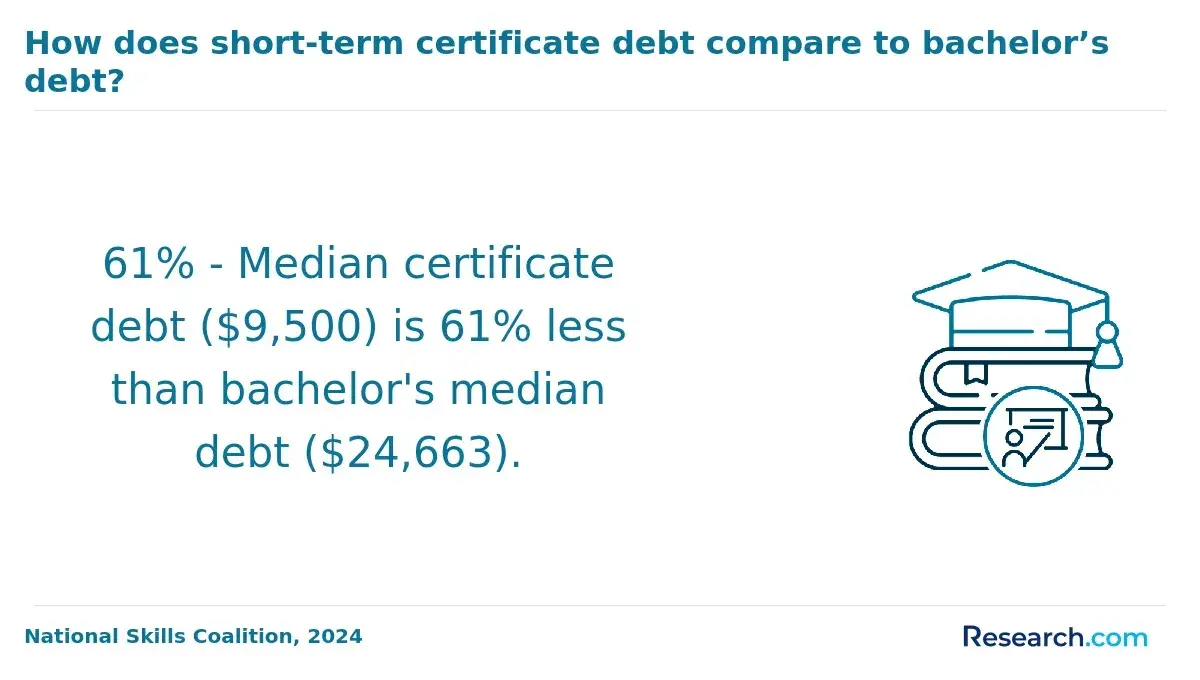
The ROI of attending Grand Canyon University's online MEd in Early Childhood Education hinges on balancing the program's substantial cost against the stable but modest earnings typical in this sector. With the total annual cost around $37,212 and a median graduate debt of $22,114, students face significant financial commitments. Graduates report median starting salaries near $42,186, which aligns closely with mid-career earnings, suggesting limited salary growth without further specialization or leadership roles. This earnings-to-debt ratio of approximately 1.91x indicates graduates earn nearly twice their debt annually, a moderate return given the expected salary range within early childhood education fields.
Real-world outcomes depend heavily on individual circumstances. For example, students who can secure scholarships or grants reduce upfront costs and improve ROI significantly. Conversely, graduates entering lower-paying public preschool or government-funded programs will experience slower debt repayment, impacting long-term financial flexibility. The field's typical salary progression is gradual unless supplemented by additional credentials or administrative advancement, meaning those targeting rapid income growth might find the investment less rewarding.
Ultimately, the decision to pursue this online MEd program should factor in realistic employment prospects, potential for earnings increase, and available financial aid. Those committed to educational settings where stable employment is valued may find the program's moderate ROI aligns with career sustainability rather than immediate financial gain.
Is there a high student satisfaction for Grand Canyon University's online MEd in Early Childhood Education program?
High student satisfaction in grand canyon university's online med in early childhood education program often hinges on the practical flexibility it offers, which addresses the competing demands of work and family. This adaptability is crucial for many students who juggle professional roles in education or caregiving while pursuing advanced credentials. However, the program's moderate graduation rate suggests that maintaining motivation and time management in an online setting presents common obstacles that can detract from overall satisfaction and completion rates.
The student culture is bolstered by active peer-led organizations and mentoring initiatives that foster community and guidance among remote learners. This network provides a counterbalance to the isolation often associated with online programs, helping students navigate academic challenges more effectively. Additionally, the accessibility of instructors and administrative staff who understand the specific needs of online learners contributes substantially to a more personalized and responsive educational experience, which many students value.
Despite these supports, the program's rigor and self-directed pace require a disciplined approach to succeed, which may not align with all learning styles. The balance between institutional resources, self-motivation, and life obligations remains a key factor impacting satisfaction rates.
One graduate reflected that enrolling was a "calculated risk" given their full-time job and young children. They initially struggled with time allocation, especially during intensive coursework periods, but found the availability of faculty for quick clarifications and the student groups for study support "critical to managing the pressure." The flexibility to adjust study hours around family needs ultimately made the program worthwhile, even though moments of doubt about meeting deadlines were frequent. This experience underscores the program's strength in accommodating diverse life situations while highlighting the persistent challenge of self-paced online learning.
How does Grand Canyon University help online MEd in Early Childhood Education graduates secure employment?
Institutions significantly influence early childhood educators' ability to transition from graduation to employment, with career services often shaping the practical outcomes of academic programs. For graduates of Grand Canyon University's online MEd in Early Childhood Education program, targeted employment assistance plays a crucial role in navigating a competitive job market where connections and preparatory resources frequently dictate success. Research indicates that 85% of education graduates credit their school's career support with helping secure their initial teaching position, emphasizing the impact of these services. Below are key ways GCU facilitates early childhood education career placement.
- Virtual Job Fairs: These events connect students with recruiters nationwide, removing geographic barriers and offering real-time opportunities to engage with education employers actively hiring for diverse early childhood roles.
- Resume and Interview Workshops: Customized sessions help candidates refine their materials and responses to match hiring expectations, which is critical since many employers screen rigorously before interviews.
- Alumni Mentorship Programs: Established educators guide current students, providing industry insights and networking paths that often lead to referrals and early job prospects.
For those comparing Grand Canyon University online MEd early childhood education career support to other options, these focused services reflect a strategic alignment with workforce realities that can shape early career trajectories. More broadly, assessing schools ranked among the best online schools can reveal varying degrees of integration between academic preparation and employment assistance.
What are the career outcomes for recent graduates of Grand Canyon University's online MEd in Early Childhood Education?
Career outcomes are a crucial factor when evaluating whether grand canyon university's online MEd in early childhood education offers tangible value. Graduates typically enter roles that require practical skills and meet licensure standards, but the salary data indicates a modest earning potential relative to the broader education sector. For professionals whose goal involves advancing within administrative or specialist positions, the program provides a foundation, although the financial returns may not escalate rapidly. Considering job placement rates for grand canyon university online MEd in early childhood education alumni is important because it underscores the real-world employability that supports or limits career mobility after graduation. Below are typical career paths reflecting these realities:
- Preschool Teacher Roles: These educators focus on early learning environments, guiding young children's social and cognitive development. Annual salaries align with average early childhood teaching pay scales near $34,800, reflecting a foundational but limited income range.
- Instructional Specialist Positions: Specialists develop and refine curriculum for early learners, requiring both pedagogical expertise and coordination skills. This role offers stable employment with salaries in the mid-$30,000 range but demands ongoing professional competence.
- Education Coordinator Opportunities: Graduates overseeing program effectiveness or staff development often secure these roles, which emphasize leadership and administrative skills. Earnings overlap with specialist roles but may provide pathways to salary growth contingent on additional credentials.
- Instructional Coordinator Careers: These professionals focus on applying research-based teaching methods at a systemic level, a step above classroom instruction with salaries consistent with specialized educator positions.
While salaries hover around $35,000, employment in this field benefits from growing demand for educators who can demonstrate both practical teaching ability and administrative aptitude. Job seekers considering grand canyon university's offering should weigh these factors, alongside increasingly common certifications, which can be researched further at certifications that pay well. This contextualizes the program's place in broader workforce dynamics and the tradeoffs associated with time and financial investment for early childhood education professionals.
How do I know if Grand Canyon University's online MEd in Early Childhood Education program is the right fit for my goals?
The suitability of grand canyon university's online MEd in Early Childhood Education program hinges on multiple dimensions tied closely to your specific academic and professional aims. For instance, a candidate aiming for licensure in a state with stringent requirements might find that the program's curriculum or credentialing support falls short, whereas someone focused on curriculum design or educational leadership might benefit from specialized coursework. Such distinctions affect how useful the degree proves in practice, influencing job prospects, role eligibility, and long-term career trajectories. This complexity means clear evaluation criteria are essential; consider these factors when determining if this degree fits your goals.
- Curriculum Alignment: Determine if the program offers comprehensive, current content that targets your interests and intended teaching practices within early childhood education. Investigate whether the course material reflects evolving pedagogical standards and state's requirements for early childhood educators.
- Faculty Expertise and Access: Evaluate the qualifications of the instructors and their engagement level. Programs where faculty maintain active mentorship and offer virtual office hours or interactive forums provide stronger support, critical for remote learners.
- Career and Credential Support: Assess if the program facilitates licensure or endorsements recognized in your jurisdiction and offers networking opportunities that enhance professional pathways. This is key for meeting employer expectations and regional workforce demands.
- Learning Format and Flexibility: Consider whether the online platform accommodates your schedule and learning preferences without compromising engagement and content quality. Flexibility may be necessary but should not dilute the educational rigor.
For candidates prioritizing accelerated timelines, exploring 6 month programs might offer pragmatic alternatives depending on career objectives. Ultimately, evaluating grand canyon university online med program fit requires balancing these factors against your professional targets and local hiring realities.
What Graduates Say About Grand Canyon University's Online MEd in Early Childhood Education Program
- David: "While studying at Grand Canyon University, I found the MEd in early childhood education program to be rigorous but flexible enough to balance alongside my part-time job. The coursework was practical, pushing me to develop a portfolio that proved valuable when I applied for positions. However, I quickly realized that many hiring managers preferred candidates with certifications or notable classroom experience over just the degree, which made the path to my ideal role more of a marathon than a sprint."
- Anika: "Grand Canyon University's MEd in early childhood education program gave me the credentials and confidence to pivot from daycare assistant to a curriculum specialist fairly quickly. The program's remote learning format allowed me to maintain my current job while expanding my knowledge, and the internship component gave real-world experience that employers appreciated. Although salary growth can be limited without state licensure in my area, the degree opened doors to leadership roles I wouldn't have accessed otherwise."
- Adam: "Completing my MEd in early childhood education at Grand Canyon University was a thoughtful investment in my career, especially as I navigated the competitive job market. Employers often emphasized practical experience and portfolio quality over licensure, so I focused heavily on those aspects during the program. The university's emphasis on evidence-based practices and career readiness helped me secure a position as an early intervention specialist, though I remain mindful that without additional certifications, advancement opportunities can be somewhat constrained."
Other Things You Should Know About Degrees
The 2027 curriculum for GCU's online MEd in Early Childhood Education is robust, designed to equip students with comprehensive educational strategies. Students can expect a demanding schedule, balancing coursework with practical assignments, which fully prepares them for leadership roles in early childhood education settings.
While much of the coursework is online, the practicum requires in-person observation and hands-on engagement at approved local sites. Students must secure their own practicum placements, which can be challenging depending on location and existing professional connections. This structure offers flexibility but may require proactive planning well before practicum deadlines to ensure timely completion.
Responses vary, with many early childhood education roles accepting the degree since GCU is regionally accredited and the curriculum meets standard licensing requirements. However, some employers or districts with more traditional preferences may still favor candidates with on-campus experience. Applicants should consider how local educational agencies view online graduate credentials in hiring decisions and possibly supplement their application with strong fieldwork or endorsements.
Strong faculty support is crucial for navigating complex topics and applied assignments in early childhood education. GCU's program offers regular interaction through discussion boards, virtual meetings, and personalized feedback, which benefits student learning and engagement. Prospective students who thrive in direct mentorship environments should prioritize faculty responsiveness and actively seek support to maximize their educational experience.
References
- Grand Canyon University Ranking: What You Need To Know https://www.staging.westernautisticschool.vic.edu.au/vic-news/grand-canyon-university-ranking-what-you-need-to-know-1767648806
- Education, Early Childhood Education Specialization, MEd https://catalog.ncu.edu/preview_program.php
- Careers https://www.gce.com/careers.html
- Teacher Training Course https://www.londoncollegeofteachers.co.uk/med-in-early-childhood-education.php
- Cheapest Online Master's Degree In Early Childhood Education https://www.affordablecollegesonline.org/degrees/best-online-masters-in-early-childhood-education/
- Master of Education (MEd) in Early Childhood Education https://www.carlow.edu/academic-programs/med/masters-early-childhood-education/
- Online Master’s Degree in Early Childhood Education https://www.teachingdegree.org/online-degrees/masters-early-childhood-education/
- M.Ed in Poland 2026 | Top Universities & Course Programs | Standyou https://www.standyou.com/study-abroad/m-ed-in-poland/
- The Highest Paying Early Childhood Education Jobs | Arizona Early Childhood https://azearlychildhood.org/resources/articles/the-highest-paying-early-childhood-education-jobs/
- Early Childhood Education (MEd) - Grad admissions - University of Victoria https://www.uvic.ca/graduate/programs/graduate-programs/credential-pages/curriculum-and-instruction-cred/early-childhood-education-med.php