2027 George Mason University Pros and Cons for Online Students

Co-Founder and Chief Data Scientist
Deciding whether George Mason University's online programs fit well with work, family, and financial demands involves weighing key trade-offs. Nearly 60% of online students nationwide balance employment while studying, which adds pressure but also stresses the need for flexible scheduling and effective support. Understanding how these factors affect retention and satisfaction is crucial for students who cannot commit to traditional campus routines. The challenge lies in matching personal learning preferences and career goals with what an online program realistically offers in terms of quality and access.
Each online program comes with both benefits and limitations that impact outcomes and employability differently depending on discipline and delivery. Prospective students should examine George Mason University's online offerings through an analytical lens focusing on long-term value rather than convenience alone. This article explores the main advantages and disadvantages of studying online at George Mason University to help clarify whether it aligns with individual educational and professional needs.
Key Points About George Mason University Pros and Cons for Online Students
- George Mason University's asynchronous online classes support students balancing work or transfers by enabling flexible scheduling; faculty involvement is a key element aiding academic progress within this model.
- Technical glitches, limited networking, hidden fees, and slow advisor responses create friction points that can delay problem resolution and impact the student experience.
- A $40,260 tuition with median debt of $19,500 yields a 3.92x earnings-to-debt ratio from median earnings of $76,343, suggesting moderate financial viability depending on individual career goals and debt tolerance.
What are the biggest advantages of studying online at George Mason University?
The benefits of online learning at George Mason University depend heavily on individual student needs and goals. Flexibility is crucial for those balancing work, family, or other commitments. The quality of instruction also matters for learners who prioritize academic rigor. Financial considerations vary, but support for diverse economic backgrounds can be a deciding factor. Career outcomes and support services further define the program's practical value. Below are key advantages that prospective students should consider.
- Flexible Asynchronous Course Delivery: Students can manage studies around personal and professional schedules without fixed class times. This suits working adults or caregivers who require adaptable pacing to maintain progress without compromising other responsibilities.
- Continuity with Experienced Faculty: Online courses are taught by the same instructors as on-campus classes, ensuring academic consistency. Students seeking credible credentials benefit from this alignment in instructional quality.
- Strong Financial Aid Availability: Roughly 80% of undergraduates receive aid averaging $10,176, which can significantly reduce the cost burden. This is valuable for students with limited financial resources aiming to minimize debt.
- Supportive Completion Environment: An 89% acceptance rate combined with a 69% graduation rate indicates institutional efforts to accommodate and retain diverse learners. This supports students needing patience and guidance to finish their degrees.
- Career Services Tailored for Online Students: Remote learners gain access to specialized employment assistance and networking tools. This advantage helps bridge the gap between online study and workforce integration, enhancing job readiness.
- Positive Student Satisfaction on Flexibility and Resources: A recent study by the Learning Experience Institute found 78% of online students at comparable institutions report high satisfaction with these elements. This suggests that George Mason's online programs offer an environment conducive to engagement and persistence.
What are the biggest drawbacks of George Mason University's online programs?
Every online learning environment involves trade-offs that impact both educational quality and post-graduation outcomes. George Mason University's online programs present specific challenges that affect student experience and long-term value. Grasping these potential drawbacks enables prospective students to assess their fit realistically. For example, a working adult balancing a job might find technical glitches more frustrating when time for study is limited, affecting course progress. The biggest disadvantages of George Mason University's virtual learning are outlined below.
- High Total Tuition Cost: The total listed tuition of $40,260 exceeds the reported attendance cost of $26,972, indicating extra expenses like administrative fees or technology charges. Students without ready financial support or those outside Virginia should weigh these hidden costs carefully to avoid unexpected debt burdens.
- Technical and Platform Issues: Users often experience learning management system downtime and interface difficulties. This structural friction disrupts course access, especially harmful for those relying heavily on remote study and strict deadlines, complicating consistent progress.
- Limited Digital Research Resources: Compared to on-campus peers, online students face constraints in accessing comprehensive digital library materials. Graduate students requiring extensive research should consider how this might limit academic depth and project quality.
- Reduced Peer Interaction and Networking: Online learners report minimal engagement with classmates and limited career fair access. This lack of community can hinder the development of soft skills and employer connections critical for fields demanding collaboration.
- Increased Feelings of Isolation: A study shows over 40% of online students experience reduced motivation and setbacks in career networking. Such social isolation disproportionately impacts learners dependent on networking to boost employability post-graduation.
- Financial Planning Complexity: Students exploring options at FAFSA approved online colleges should note George Mason's indirect fees make budgeting difficult. Those unfamiliar with online program cost structures risk underestimating financial commitment.
How flexible is George Mason University for online students?
Flexibility in online education extends beyond simply studying from home. It requires accommodating diverse schedules, responsibilities, and learning preferences. For many prospective students, the ability to balance work, family, or military service with academic demands is a critical factor in program selection. The value of flexibility lies in how well a program adapts to real-world constraints while maintaining academic rigor and timely completion through structured deadlines and engagement expectations.
George Mason University's online program flexibility reflects this balance. It offers fully asynchronous, synchronous, and hybrid formats, accommodating students who need to study at unconventional hours or prefer scheduled interactions for better engagement. Part-time and full-time enrollment options allow adjustments each semester, enabling learners to manage changes in their personal or professional lives. However, policies like assignment deadlines, exam proctoring, and degree completion timeframes impose practical limits on this flexibility, which may affect financial aid and career planning.
One practical scenario involves a working parent managing childcare alongside a part-time job and coursework. George Mason University's flexible course structures allow this student to engage asynchronous content during off-hours while attending occasional synchronous sessions to maintain connection with peers and instructors. This hybrid model supports a balance between flexibility and accountability, which a purely asynchronous program might lack. A 2024 study by the Online Learning Consortium found asynchronous components increase course completion rates for working adults by 15%, highlighting the importance of thoughtful flexibility.
Prospective students evaluating Flexible learning options at George Mason University for online students should consider their own schedules and learning styles carefully. Understanding one's capacity to meet deadlines, participate in required sessions, and maintain steady progress is essential. Those needing more rigid pacing or who thrive on real-time interaction may find some formats more suitable. Students aiming for accelerated progress or exploring options like an associate degree in 6 months online should review how institutional policies on breaks and maximum timeframes align with their goals.
How strong is the online learning experience at George Mason University?
The strength of an online learning experience extends beyond content delivery. Factors such as student engagement, instructor interaction, course design, academic support, and meaningful learning opportunities shape quality. National data from the National Center for Education Statistics identifies timely feedback and active discussion forums as key to student persistence, underscoring that interaction and collaboration matter as much as material accessibility. Prospective students should therefore evaluate these elements holistically rather than focus solely on platform usability or asynchronous access.
George Mason University's online environment supports various learner types with a stable platform and asynchronous coursework aligned to on-campus standards. Yet challenges persist, including uneven peer engagement and limited mentorship options that can hinder students needing more direct interaction. For instance, highly self-directed students may thrive with virtual office hours and prompt instructor responses, but those requiring dynamic group work or consistent collaborative activities might find the experience fragmented depending on course design and departmental variation.
Prospective students must assess how well George Mason University's online model fits their learning style and professional goals. Those valuing independence and flexible scheduling may benefit, while individuals seeking extensive mentorship and structured peer collaboration should verify department-specific supports. Reviewing sample course designs, faculty interaction policies, and communication expectations can clarify this alignment and reduce mismatched expectations that affect both engagement and long-term relevance of the education.
One George Mason University graduate recalled initial doubts about online learning quality, worrying that virtual classes might lack real engagement. Over time, consistent instructor feedback and accessible faculty support helped build confidence. She noted, "The occasional tech glitches were frustrating, but having clear email responses in 24 to 48 hours kept me on track." This balance of flexibility and dependable communication eventually supported her career shift, illustrating the nuanced tradeoffs students should weigh.
Is George Mason University affordable for online students?
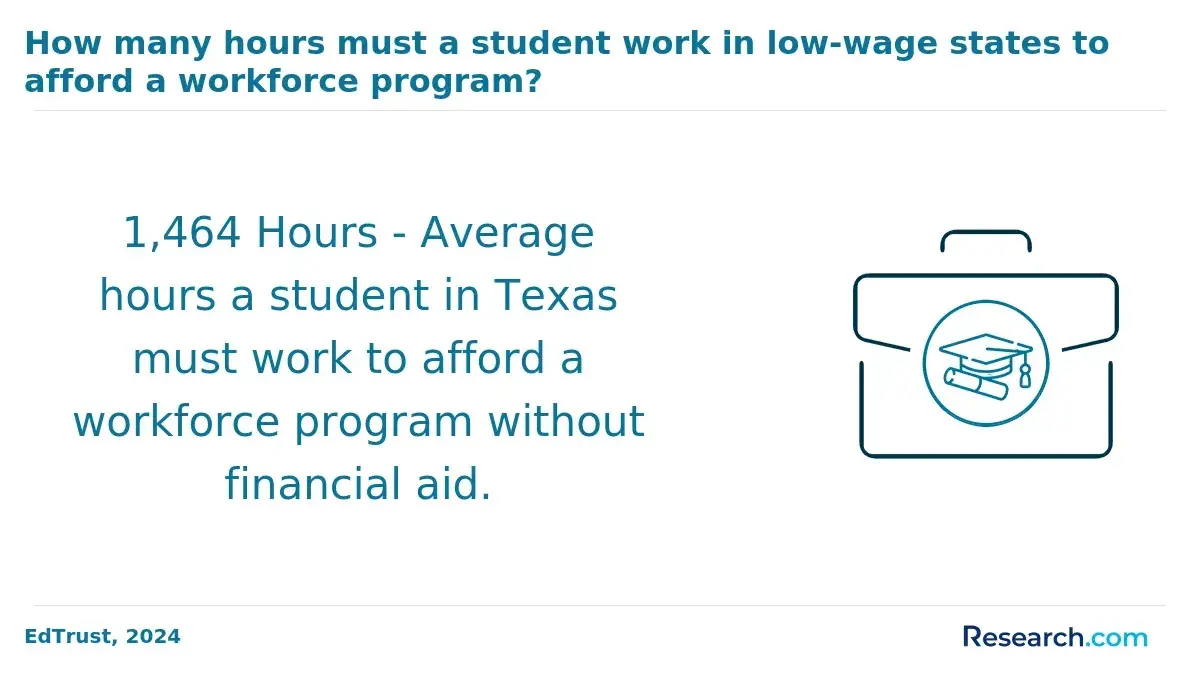
Affordability for online students at George Mason University should be assessed through the lens of total cost and long-term value, not just tuition. Although the reported tuition reaches $40,260, federal data shows the overall attendance cost at $26,972, revealing wide variation depending on program and living expenses. This gap emphasizes the importance of considering expenses beyond tuition, such as technology fees and proctoring charges. Furthermore, the earnings-to-debt ratio of 3.92 signals graduates generally earn almost four times their debt, an essential factor in evaluating investment worth.
Factors shaping affordability include the ability to work while enrolled, which can offset costs related to time and money. Online students at George Mason University avoid commuting and housing expenses, a benefit that varies significantly for out-of-state or regional learners facing different tuition tiers. Financial aid availability, including institutional grants and federal scholarships, helps but often involves loans, as reflected in a median graduate debt of $19,500. Affordability fluctuates with each student's financial planning and circumstances, making broad comparisons less reliable for personal decisions.
Prospective online learners should assess whether George Mason University suits their financial situation by analyzing employment status, educational goals, and expected time to graduation. Considering available financial resources alongside long-term career objectives will clarify the true affordability of these programs. When weighing these factors, it is useful to review how online programs compare to other non profit colleges to contextualize both cost and return on investment clearly.
How do online programs at George Mason University affect graduation time?
Graduation timelines depend on more than whether a program is online; key factors include enrollment pace, course availability, scheduling flexibility, and a student's personal situation. The mode of delivery alone does not dictate speed of completion. For example, a student taking classes part-time while working will likely need longer regardless of online or in-person format. Understanding these variables offers a clearer perspective on expected degree length.
George Mason University's online programs provide accelerated 8-week courses and year-round enrollment to facilitate faster progress for motivated students. However, many learners balance family, work, or military duties that extend their timelines. Online learning offers flexibility but does not inherently shorten graduation time. National data from the National Center for Education Statistics shows the average online student takes about 5.5 years to graduate, illustrating the frequent tradeoff between access and duration.
Prospective students can better estimate their graduation timeline by evaluating intended course load, outside responsibilities, and consistency of academic effort. A student working full time with family obligations may proceed slower than one able to dedicate substantial hours each term. Realistic pacing considers these constraints alongside program requirements. This approach helps clarify how George Mason University's online structure aligns with individual goals and expectations.
One George Mason University online student initially planned to graduate in four years while working part time and caring for children. After starting, limited capstone seat availability and unexpected work hours required extending the plan to six years. This shift brought some frustration but also relief, as the adjusted timeline allowed steady progress without burnout. The student reflects, "It wasn't ideal to take longer, but knowing I had a realistic plan helped me stay on track and balance everything. The flexibility was crucial, even if it stretched my graduation date."
Who is most likely to succeed in George Mason University's online programs?
Success in George Mason University's online programs hinges less on age or formal background and more on a student's ability to independently manage time and navigate asynchronous coursework. The capacity to balance competing priorities and engage proactively with instructors and peers shapes outcomes significantly. Prospective learners must assess whether their habits and goals align with this framework to avoid common pitfalls such as procrastination or insufficient technical preparedness.
A recent analysis by the Online Learning Consortium highlights that mature students with robust time-management skills outperform younger, less structured peers. Below are key learner types who tend to thrive in this demanding but flexible environment.
- Self-Disciplined Time Managers: These students maintain strict routines and can prioritize studies without external enforcement. Their ability to allocate focused blocks prevents backlog and stress from accumulating. Those lacking this habit can develop it but should expect a steep adjustment initially.
- Experienced Professionals Seeking Credentials: Learners balancing work or family draw on practical knowledge to contextualize coursework. Their clear career focus sustains motivation despite online complexities. However, juggling responsibilities requires honest appraisal of available time.
- Technologically Comfortable Individuals: Familiarity with digital platforms reduces friction in accessing materials and submitting assignments. Comfort with troubleshooting minor technical issues minimizes disruption. Students less adept here risk frustration but can improve with training.
- Goal-Oriented Academic Planners: Those entering with prior college-preparatory or advanced placement credits often navigate demands more efficiently. Having an academic roadmap aids in steady progress and in selecting relevant courses. Others can mimic this by setting measurable milestones.
- Proactive Communicators: Students who initiate contact with instructors and peers when questions arise prevent misunderstandings and delays. This trait enhances clarity and reduces isolation typical in virtual settings. It also prepares students for professional networking.
- Adaptable Learners Embracing Autonomy: Online study rewards those willing to adjust learning strategies and experiment with resources independently. Flexibility allows quicker recovery from setbacks. In contrast, rigidity may lead to disengagement.
- Mature Students With Structured Routines: According to recent studies, learners aged 25+ often have built-in routines supporting persistence. Their life experience fosters patience and realistic expectations crucial for completion. Younger students can benefit by deliberately creating similar structures.
How does George Mason University compare with other online colleges?
Choosing among online colleges involves more than reviewing rankings or reputations. Students need to assess how well a program aligns with their educational goals, learning styles, and career ambitions. This assessment is especially important when comparing George Mason University online program comparisons with other options. The financial investment, graduation rates, and career outcomes vary widely, influencing individual value. For example, a working professional pursuing flexibility may weigh program structure more heavily than raw costs. Below are key factors prospective students should evaluate when comparing George Mason University to other online colleges.
- Total Cost and Financial Variability: George Mason's total tuition of $40,260 is higher than many public in-state online programs but competitive with private institutions. Students must consider additional fees and personal circumstances affecting the total cost of attendance, which averages $26,972 according to federal data. This impacts affordability evaluations and potential debt burden.
- Graduation Rates and Program Completion: With a reported 69% average graduation rate, George Mason performs well relative to regional peers and aligns with national online university averages between 60% and 70%. Completion rates signal student support effectiveness and program manageability for different learner types.
- Employment Outcomes and Return on Investment: The median alumni salary of $76,343 and median graduate debt of $19,500 yield an earnings-to-debt ratio of about 3.92x, indicating strong economic returns. Prospective students focusing on post-graduation employment may find this ratio crucial for weighing career benefits against financial commitments.
- Accreditations and Industry Partnerships: George Mason holds specialized accreditations and connects students with regional employers. Such relationships can enhance career placement but may be less relevant for students targeting national or global markets.
- Program Flexibility and Course Format: Students seeking the best online colleges in Virginia for flexibility should evaluate how course scheduling, synchronous versus asynchronous delivery, and accessibility tools compare. Flexibility can significantly affect work-life balance and program completion success.
- Alignment with Career Goals: A 2024 EduTrends survey identifies post-graduation employment prospects and cost-efficiency as top student priorities. When practical career pathways are central, exploring credentials like quick certifications that pay well alongside or instead of longer degrees may provide faster economic benefits.
- Geographical and Regional Considerations: Students must consider whether George Mason's regional employer connections and alumni networks match their intended job markets. Local industry ties might offer advantages not available through purely national online programs.
What student support services are available for online learners at George Mason University?
Student support services are essential in online education, shaping how learners navigate academic challenges and career planning. George Mason University recognizes this by providing wide-ranging assistance tailored to remote learners who juggle complex schedules and diverse life commitments. Effective support reduces dropout risk and helps build the skills employers seek by bridging academic knowledge with workforce demands.
For example, a student balancing night shifts can access live advising and technical help across time zones, ensuring continuity despite unpredictable work hours. The following list outlines key student support services available at George Mason University for online learners.
- Dedicated Online Academic Advising: This service guides course selection and degree progress, critical for students needing clear pathways to completion. It benefits those balancing studies with personal and work obligations by providing timely, personalized planning advice.
- 24/7 Technical Support and Help Desk: Continuous accessibility to troubleshooting reduces disruption for students facing software or connectivity issues. It is particularly valuable for non-traditional learners enrolling in courses that demand consistent online engagement.
- Virtual Career Assistance: Resume workshops, job fairs, and alumni mentoring help translate academic skills into marketable workforce competencies. This service is crucial for learners aiming to secure employment while studying remotely.
- Remote Academic Resources: Access to library databases, online tutoring, and writing labs replicates campus academic support. These resources are indispensable for students needing flexible yet comprehensive learning aids.
- Mental Health and Wellness Services: Tailored to online learners, these resources acknowledge the challenges of remote study environments and promote emotional resilience critical to persistence.
- Accessibility and Inclusion Frameworks: Designed to support non-traditional students, these services ensure accommodations align with individual needs, fostering equitable access and participation.
- Multiple Start Date Options: Students can begin their programs flexibly, a feature that aligns with a growing trend in online colleges with weekly start dates, easing enrollment barriers and supporting varied personal timelines.
Nationally, a survey from the National Center for Education Statistics found 65% of online students prioritize real-time academic advising and accessible technical support, reinforcing the practical value of these services in online student satisfaction. When considering enrollment at George Mason University, prospective students must assess how these support mechanisms meet their personal education and career goals, especially within the competitive landscape of online colleges with weekly start dates.
Understanding the role these supports play can help students make informed decisions that enhance degree completion and job readiness outcomes.
Is George Mason University the right choice for your career goals?
Choosing an online college should prioritize alignment with career ambitions rather than convenience, cost, or brand alone. For example, a student targeting high-growth STEM roles must weigh median alumni salaries and industry connectivity. George Mason University's median graduate salary of $76,343 signals solid earnings in computing and engineering, but fields like Anthropology return much less, influencing potential return on investment. A recent national survey found that over 60% of online learners report career goal clarity improves when programs offer targeted skills and employer engagement, underscoring the need for fit over reputation alone.
George Mason University's online offerings cater well to students aiming for technology and engineering careers through structured curricula and industry partnerships. Its moderately strong 69% graduation rate suggests reasonable student retention, though online networking remains less robust than on-campus options. Students in lower-earning majors may find the academic approach less advantageous if their career paths do not strongly reward degree prestige or specialized STEM skills. Flexibility and virtual platforms serve those balancing work, but outcomes depend on how effectively students utilize these resources toward specific job markets.
Prospective students should assess George Mason University against their career outcomes by considering factors like current employment, preferred learning methods, and need for flexible scheduling. Those in technical fields with clear pathways to higher salaries might benefit more from GMU's programs than individuals seeking degrees in lower-paying disciplines. Understanding how self-motivation, program structure, and networking opportunities align with personal goals helps determine if the educational experience advances long-term career plans. No institution suits all learners equally; success hinges on this nuanced match between student, program, and labor market demands.
What Graduates Say About George Mason University Pros and Cons for Online Students
- Gabriel: "Studying online at George Mason University allowed me to tailor my coursework around a demanding full-time job, which was the biggest advantage for me. The flexibility meant I could attend lectures and submit assignments during off-hours, but I did find that staying motivated without regular face-to-face contact occasionally became a challenge. I developed a strict weekly schedule and joined virtual study groups to maintain focus, and that structure ultimately made the experience rewarding."
- Colby: "I appreciated how George Mason University's online program made advanced education accessible despite my family commitments, offering convenience and a user-friendly platform. On the downside, I noticed that the limited real-time discussions sometimes hindered deeper engagement with classmates and instructors, requiring extra effort to participate actively. Balancing these dynamics taught me valuable time-management skills, and I feel confident that the practical knowledge gained sets me up well for future roles."
- Brody: "When I enrolled in the online program at George Mason University, I valued the ability to learn at my own pace, especially while navigating the unpredictability of freelancing work. However, adapting to the self-directed nature of online courses demanded a high level of discipline, which was sometimes difficult during busy periods. The experience pushed me to create better routines and leverage online resources, and I believe this method of learning sharpened my independence and professional adaptability."
Other Things You Should Know About George Mason University Degrees
Online students at George Mason University often face challenges coordinating group projects due to asynchronous schedules and geographic dispersion. This can lead to increased time spent on communication and less spontaneous interaction than on-campus peers experience. Prospective students should prioritize programs with smaller cohort sizes or integrated collaborative tools to reduce coordination delays and ensure smoother project delivery.
Employers generally recognize George Mason University's online degrees as comparable to on-campus credentials, but perceptions still vary by industry and region. Graduates from well-established programs may find similar employment opportunities, while those in highly network-driven fields might face skepticism. Students aiming for careers in competitive sectors should weigh the benefits of online study against potential employer biases and consider supplementing with internships or certifications.
The range of specialized courses offered online at George Mason University can vary considerably by department, affecting how well a student's degree aligns with specific career goals. Programs with broader elective options allow tailoring skill sets for niche markets, improving job prospects. Prospective students should verify the online availability of key specialized courses early to ensure alignment with their intended career paths rather than assuming full parity with on-campus offerings.
References
- 5 values associated with George Mason University’s career-focused education model. - Saigon Business School https://sbsedu.vn/blog/5-values-associated-with-george-mason-universitys-career-focused-education-model/
- High-Quality Virtual Learning With Class, Blackboard Learn | Class https://www.class.com/customer-stories/george-mason-university-creating-a-high-quality-online-learning-experience-with-class-and-blackboard-learn/
- Is your Student Graduating in December? Here's the info you need! https://gmu.campusesp.com/posts/978
- Patriot Connect https://gmu.teamdynamix.com/TDClient/33/Portal/Requests/ServiceDet
- George Mason University Reviews https://www.onlineu.com/online-reviews/george-mason-university