2027 Walden University Online EdD in Higher Education: Self-Designed: Cost, Curriculum, Admissions, and Career Outcomes

Co-Founder and Chief Data Scientist
Professionals seeking leadership roles in higher education often face a pivotal question: does an online EdD in Higher Education: Self-Designed from Walden University offer the flexibility and relevance needed amid evolving institutional demands? With adult learners making up over 40% of graduate enrollments nationally according to the National Center for Education Statistics in 2024, program adaptability and alignment with career goals are critical.
This trend reflects the growing need for customizable pathways that accommodate diverse professional backgrounds and schedules. This article explores the cost, curriculum, admissions requirements, and career outcomes of Walden University's program to help prospective students assess its fit for their academic and professional aspirations.
Key Points About Walden University's EdD in Higher Education: Self-Designed Program
- Walden University's open admission policy for the EdD in Higher Education: Self-Designed removes traditional entry barriers but may require students to self-manage challenges typical of less selective programs.
- The program's regional accreditation and faculty expertise help ensure recognition by employers, which supports career advancement in educational leadership roles.
- The total tuition of $34,458 represents a significant financial commitment, so prospective students should weigh cost against long-term career benefits and salary growth potential.
What can students expect from Walden University's online EdD in Higher Education: Self-Designed curriculum?
Walden University's online EdD in Higher Education: Self-Designed curriculum emphasizes flexibility paired with a structured foundation critical for leadership roles in academia. Unlike rigid tracks, it demands that students proactively align their studies with concrete professional aims, which reflects a growing expectation from employers that doctoral candidates tailor expertise to institutional needs.
For example, a mid-career administrator aiming to lead diversity initiatives at a large university must integrate research methods and policy analysis with specialized courses addressing inclusion and organizational change.
The curriculum's comprehensive curriculum structure for Walden University EdD in Higher Education self-designed program encompasses three core areas central to developing workforce-ready skills:
- Educational Research Methods: Students engage deeply with both qualitative and quantitative methodologies, enhancing analytic rigor to interpret complex data and inform evidence-based decisions in higher education settings.
- Leadership Theory: Coursework here requires critical examination of leadership styles and strategic decision-making, preparing students to navigate and influence the evolving college environment effectively.
- Applied Higher Education Topics: Focus areas such as organizational change, curriculum development, and diversity foster practical approaches to real-world challenges, making graduates more adaptable to varied institutional roles.
While the dissertation or doctoral study project aligns with standard EdD structures across the U.S., the online format offers considerable scheduling flexibility essential for professionals balancing work and academic demands. Prospective students should weigh whether the self-directed nature and advanced research methods tailored for higher education leaders match their personal learning style and career aspirations.
Those seeking cost-effective pathways may also find value in referencing resources on cheap online PhD programs to contextualize investment decisions within broader market options.
What are Walden University's admission requirements for online EdD in Higher Education: Self-Designed program?
Admission to Walden University's online EdD in Higher Education: Self-Designed program emphasizes academic readiness demonstrated by prior graduate study rather than standardized test scores. This means eligibility hinges more on demonstrated mastery via a relevant master's degree than on test-based metrics that many traditional doctoral programs require.
For professionals balancing career and study, this program's admission process focuses on documentation verifying educational background, relevant experience, and potential for doctoral-level work. Below are key admission requirements typically expected for this EdD specialization:
1. Master's degree from an accredited institution 2. Minimum GPA of 3.0 in the master's program 3. Official transcripts from all previously attended institutions 4. Resume or curriculum vitae detailing relevant work experience 5. Goal statement outlining research interests and career objectives 6. Three letters of recommendation from academic or professional sources 7. Interview with an admissions advisor (if required)
- Master's Degree: Applicants must have completed a relevant master's degree, which serves as the foundational academic qualification. This ensures candidates possess preliminary knowledge and research skills necessary for doctoral study.
- Official Transcripts: Submission of transcripts from all prior academic institutions is essential to confirm academic history and verify degree completion. This maintains academic standards even with the absence of standardized test scores.
- Letters of Recommendation: Typically required to demonstrate academic or professional readiness, these letters provide insight into the applicant's ability to undertake advanced scholarship and leadership roles in higher education.
- Resume or Curriculum Vitae: A current professional resume or CV outlines relevant work experience, especially in leadership or higher education settings, which is critical given the program's self-designed, applied focus.
- Additional Materials: Some applicants may be asked to submit a personal statement or portfolio. These materials help assess fit with the program's customized nature and clarify the candidate's educational and professional objectives.
Is it difficult to get admitted to Walden University's online EdD in Higher Education: Self-Designed program?
Admission to most EdD programs in higher education tends to be competitive, with limited seats and significant emphasis on academic credentials and test scores. Applicants often face stringent barriers such as standardized exams, recommendation letters, and precise research proposals. This selection pressure reflects employer expectations for doctoral candidates to demonstrate a clear capacity for rigorous academic work and leadership potential before enrollment.
Walden University's online EdD in Higher Education: Self-Designed program diverges from this norm by employing an open admission policy. It does not require standardized test scores like the SAT or ACT, nor does it report or cap acceptance rates, making the process considerably less restrictive.
While this increases accessibility for candidates from diverse backgrounds, it also means prospective students should weigh the implications of joining a program without a traditional screening mechanism in terms of peer cohort intensity and institutional prestige.
One graduate shared that applying felt straightforward but prompted careful self-assessment. They noted, "I appreciated not having to jump through hoops like test prep or competitive essays, which helped me apply quickly when my work schedule was tight. Still, I questioned whether the lack of selective admissions would affect how future employers viewed the degree, so I focused on clearly articulating my professional experience during the application to compensate."
This balance of ease and strategic presentation illustrates the subtle tradeoffs in pursuing this open-access EdD path.
What is the cost of attending an online EdD in Higher Education: Self-Designed program at Walden University?
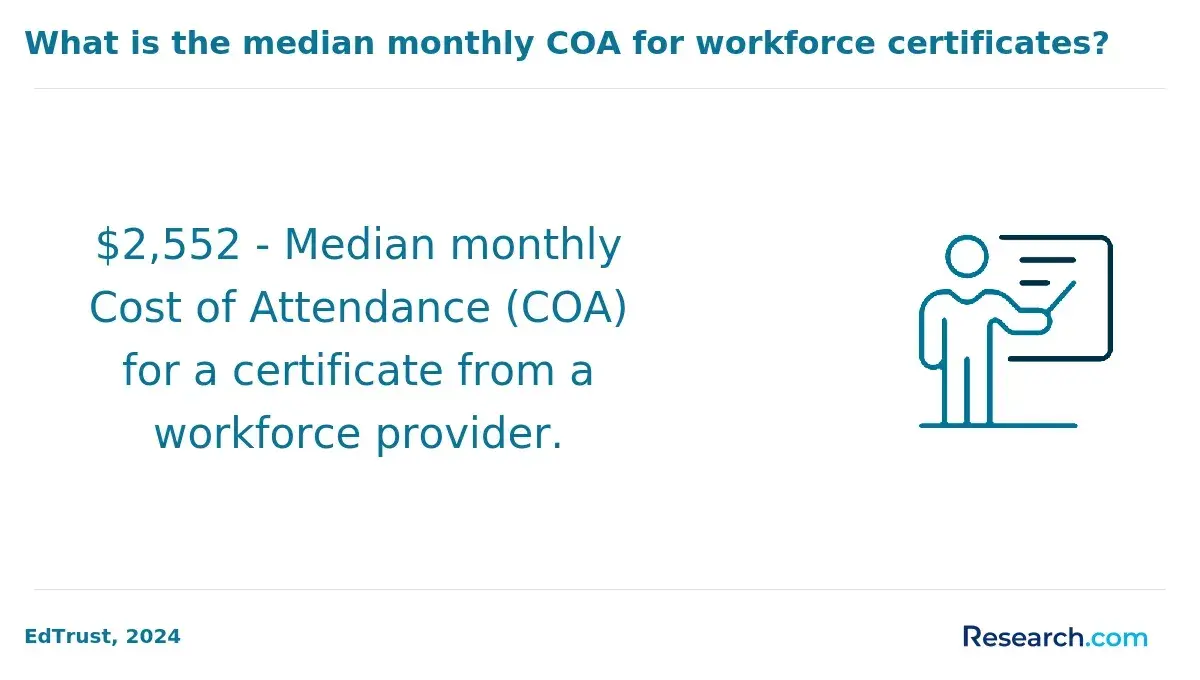
Tuition for the online EdD in Higher Education: Self-Designed program at Walden University stands at $12,498 annually, excluding additional costs such as books and living expenses. These extra fees, roughly $900 for books and supplies, together with housing and board, bring the total cost of attendance to about $34,458 per year. The flat-rate tuition model applies uniformly to all online students, which removes regional cost disparities and simplifies budgeting for many candidates.
Compared to other institutions offering EdD in Higher Education: Self-Designed programs, Walden's tuition fees are competitive and predictable. Many competing programs vary considerably in cost depending on location and residency status, potentially increasing financial complexity for students. This predictability supports students who require clear financial planning but must weigh the overall living and incidental costs that often exceed direct tuition.
For prospective students balancing family, work, and academic commitments, understanding these costs in context is crucial. Budgeting for non-tuition expenses can be a deciding factor in program completion rates and post-graduate stability.
Financial choices impact not only immediate affordability but also long-term career flexibility, highlighting the need for clear awareness of the full scope of expenses associated with walden university online edd in higher education self-designed degree options.
Those exploring alternative credentialing or shorter-term educational pathways might find value in examining certificates online as a complementary or preparatory step before committing to a full doctoral program.
Are there financial aid options for online EdD in Higher Education: Self-Designed students at Walden University?
Access to financial aid significantly shapes the feasibility of pursuing an online EdD in Higher Education: Self-Designed at Walden University, particularly for professionals balancing work and study. The availability of institutional awards and federal funding can mitigate the high cost of doctoral education, but reliance on these sources often requires careful planning and eligibility compliance, which varies by individual circumstances.
The choice to engage employer tuition support or veteran benefits introduces operational tradeoffs related to work commitments and timing. The following outlines key financial options typically accessible to these students.
- Institutional Scholarships: Targeted at EdD candidates demonstrating academic merit or relevant professional experience, these scholarships often reduce tuition substantially but usually require maintaining a strong GPA and program enrollment.
- Employer Tuition Reimbursement: Designed for working professionals, this option involves companies covering some or all tuition costs. Eligibility depends on employer policies and may require proof of continued employment and satisfactory academic progress.
- Federal Direct Loans: Available to eligible students meeting enrollment and progress standards, these loans provide predictable funding but must be repaid with interest, influencing long-term financial planning.
- Veteran Benefits: Military-affiliated students can access educational assistance through programs like the GI Bill, offering valuable support but with specific application procedures and benefit usage limits.
- Alternative Grants: Walden occasionally offers program-specific grants that provide additional resources. These tend to be competitive and may require demonstration of financial need or professional goals aligned with the university's focus.
What learning resources are available to online EdD in Higher Education: Self-Designed students at Walden University?
Access to targeted learning resources shapes the ability of online EdD in Higher Education: Self-Designed students at Walden University to navigate complex academic demands and stay on track amid competing professional and personal responsibilities. In practice, seamless integration of technology and personalized academic support can determine whether a student advances efficiently through coursework and dissertation milestones or faces avoidable delays.
For instance, doctoral candidates juggling leadership roles in education may rely heavily on responsive technical support and tailored research assistance to manage workload without jeopardizing job performance. Effective resources underpin a student's capacity to meet employer expectations for advanced scholarship and leadership competencies.
The following outlines key supports that contribute to academic and professional progress in this program:
- Digital Learning Environment: A robust learning management system delivers uninterrupted access to course materials, assignments, and communication tools, allowing students to engage flexibly with content and faculty while balancing external commitments.
- Technical Support: Available assistance helps promptly resolve software or connectivity issues, reducing downtime that can compound time-to-completion risks common in online doctoral studies.
- Academic Advising and Faculty Guidance: Proactive engagement from advisors and faculty fosters individualized feedback and milestone planning, which are crucial for sustaining momentum through dissertation phases and maintaining high scholarly standards.
- Research Assistance and Writing Centers: Specialized support strengthens critical analysis and academic writing skills, enabling students to produce doctoral-level work that meets the rigor expected by hiring institutions in higher education leadership.
- Career Services and Networking: Resources focused on resume development, interviewing, and job placement assist in translating doctoral achievements into tangible leadership roles, augmented by alumni connections that encourage mentorship and professional collaboration.
Does Walden University's online EdD in Higher Education: Self-Designed program have in-person clinicals or practicums?
Many EdD programs in higher education expect in-person clinicals or practicums to ensure candidates gain direct experience through on-site engagement with schools or educational agencies. This traditional structure aligns with employer expectations for demonstrated leadership in real-world settings, usually requiring physical presence to manage initiatives like curriculum design or policy implementation.
However, Walden University's online EdD in Higher Education: Self-Designed departs notably from these conventions, reflecting an adaptability to the needs of working professionals.
Unlike standard clinical and practicum components for Walden University EdD in Higher Education: Self-Designed, which often involve fixed schedules and locations, this program does not mandate traditional in-person practica. Instead, the curriculum integrates applied projects and experiential learning that students complete within their current professional environments.
This flexibility allows customization of practical experiences in ways that are directly relevant to individual career trajectories, making the degree feasible for those balancing ongoing professional commitments without geographic relocation.
This structure benefits candidates seeking greater control over how their applied work aligns with their goals but may raise questions for employers valuing standardized clinical hours as proof of hands-on leadership development.
Prospective students should weigh the tradeoffs between this model and more conventional programs carefully, especially if their targeted roles prioritize direct, supervised educational practice. For alternative accelerated advanced degrees, some learners might also explore options like a 6-months master's degree online for foundational leadership skills before pursuing doctoral-level specialization.
What careers can graduates of online EdD in Higher Education: Self-Designed at Walden University secure?
The true marketability of graduates holding an online EdD in Higher Education: Self-Designed from Walden University rests on the tangible career outcomes that align with evolving administrative and leadership demands across postsecondary institutions.
For many candidates, choosing this self-designed path means cultivating versatile expertise relevant to multiple sectors within higher education-an essential factor when employer expectations prioritize strategic leadership alongside specialized skills.
Assessing job prospects with Walden University online EdD in Higher Education self-designed degree reveals graduates often navigate toward roles that require both operational management and data-informed decision-making.
Below are some typical positions these graduates secure, illustrating the distinct professional avenues available:
- Academic Program Director: Oversees curriculum development and faculty coordination in higher education settings, often earning a median salary reflective of mid- to senior-level leadership roles focused on program quality and compliance.
- Student Affairs Administrator: Manages student services and support operations, balancing policy implementation with campus engagement priorities to enhance student success and retention metrics.
- Institutional Research Analyst: Conducts data-driven studies to inform institutional effectiveness, supporting evidence-based policy decisions; this role emphasizes analytical rigor and can lead to senior research leadership.
- Diversity and Inclusion Officer: Leads initiatives that promote equitable campus climates, requiring both strategic planning and collaborative skills to influence organizational culture effectively.
- Dean or Vice President of Academic Affairs: Senior administrative positions where responsibilities include faculty oversight, strategic planning, and large-scale policy development, demanding comprehensive leadership capacity.
Selection of this degree path also reflects a calculated tradeoff: the self-designed curriculum offers flexibility to tailor expertise in niche areas like educational technology coordination or grant writing, enhancing adaptability but requiring graduates to clearly demonstrate their focused competencies to employers.
For prospective students evaluating the program's cost-benefit profile and career alignment, exploring comparative options like the quickest cheapest masters degree pathways may help contextualize the investment relative to time and occupational impact.
What is the salary outlook for online EdD in Higher Education: Self-Designed graduates?
The salary outlook for graduates of Walden University's online EdD in Higher Education: Self-Designed program involves significant variability that hinges on specialization choices. Graduates focusing on core education leadership areas, such as Curriculum and Instruction, tend to secure salaries notably above the median, typically around $67,666, reflecting employer demand for expertise directly aligned with educational administration.
In contrast, alumni applying their degree in broader fields may face tradeoffs in earning potential, which underscores careful consideration of career trajectories before enrollment.
The median salary across all alumni fields is $42,810, situating the degree as a moderate financial investment relative to some specialized credentials.
For those pursuing disciplines like Computer and Information Sciences, average earnings rise to approximately $54,093, offering a competitive position against related fields. However, those in areas like Human Development and Psychology report lower salary ranges near $31,000, which might not justify the advanced degree expense for all students paying close attention to immediate financial outcomes.
Certain health and business sectors tied to the degree present higher salary expectations, with Nursing Administration and Clinical Nursing alumni earning around $76,141 on average. This variance illustrates the need to balance passion with practical workforce considerations.
For students evaluating the career earnings potential for self-designed EdD in Higher Education degree holders, exploring alternate routes like 6-month certificate programs that pay well could be an insightful comparison to inform their long-term educational investments.
How do you know if Walden University's online EdD in Higher Education: Self-Designed program is the right choice for you?
Choosing whether walden university's online EdD in Higher Education: Self-Designed program suits your objectives hinges on a careful assessment of how its structure and focus match your professional aims and personal circumstances. This evaluation is crucial because such degrees demand considerable time and financial investment, and a mismatch can limit the degree's practical value or delay career progress. Consider these factors to weigh the fit:
- Program Flexibility and Delivery: Assess if the fully online, largely asynchronous format aligns with your need to juggle work, study, and personal responsibilities. Flexibility is key for working professionals, but verify that the self-paced modules and virtual interaction opportunities provide enough engagement and support for your learning style.
- Curriculum Customization: Determine how important it is for you to design a personalized path within higher education research. This program's appeal lies in tailoring coursework and dissertation topics to your interests, which benefits those with specific career trajectories but may lack the structure some learners need.
- Community and Networking Opportunities: Evaluate the depth of peer collaboration and diversity the cohorts offer. A connected student culture can enhance learning and future professional networks, but online formats vary widely in their effectiveness at fostering these relationships.
- Career Relevance and Outcomes: Consider how well the program's faculty expertise and focus on leadership and policy align with your targeted career roles. Employers often value degrees reflecting rigorous research and recognized credentials, so review how this program's reputation and alumni outcomes match your employment goals.
A former student I spoke to, who balanced a mid-level administrative position with family duties, shared that initially, the self-designed nature felt empowering but also overwhelming without clear benchmarks. Their decision pivoted on the ability to explore specific research questions tied to institutional policy change-something more rigid programs couldn't offer.
Yet, they also noted that building meaningful peer connections required extra initiative given the online format. This experience underscores that success in this program relies heavily on proactive time management and networking effort, making it better suited to those ready to navigate those real-world tradeoffs.
What Graduates Say About Walden University's EdD in Higher Education: Self-Designed Program
- Sofia: "Studying at Walden University gave me the flexibility to balance full-time work and family while pursuing my EdD in Higher Education: Self-Designed. The program's emphasis on building a comprehensive portfolio and practical research skills proved invaluable during my job search, especially since many employers in academia focus more on demonstrated impact than traditional licensure. Although I initially faced challenges competing for tenure-track roles, the experience pushed me to pivot toward administrative leadership, where my customized expertise is highly respected."
- Mallory: "Walden University's EdD in Higher Education: Self-Designed program offered me a rigorous, self-directed learning environment that mirrored the independent nature of higher education leadership. What stood out was how the coursework connected theory to real-world issues, such as diversity initiatives and student engagement strategies, which I applied directly in my workplace. While salary growth has been slower without formal licensure, the degree expanded my network and helped me secure remote positions that prioritize innovative problem-solving over credentials alone."
- Gabriella: "My journey through Walden University's EdD in Higher Education: Self-Designed was decidedly reflective and strategic, especially as I contemplated a mid-career shift. The supportive faculty encouraged me to design a program that aligned with my goals in curriculum development and academic policy. Realistically, I found that some hiring managers prioritize internships and certifications alongside the doctorate, so I supplemented my degree with targeted experiences to stay competitive. Overall, the program opened doors but also required me to be proactive in navigating the evolving hiring landscape."
Other Things You Should Know About Degrees
The program allows for some flexibility in pacing since it is online and self-designed, but students should be aware that balancing coursework with personal and professional responsibilities remains challenging.
Although you can progress at your own speed, the expectation to meet milestones like comprehensive exams and dissertation defense within reasonable timeframes means prolonged delays might impact financial aid eligibility or momentum. Prioritizing a structured schedule early on is advisable to avoid burnout and ensure steady progress.
Creating a self-designed specialization allows for customization but requires students to carefully align their academic and professional goals. The challenge lies in balancing personal interests with academic rigor and ensuring the chosen specialization meets career objectives and industry standards.
Because the program is fully online and highly self-directed, students often experience limited organic networking compared to on-campus or cohort-based programs. Interaction depends heavily on students' own initiative to engage in forums or virtual meetups. If building strong, ongoing professional relationships through the program is a priority, proactive participation and seeking external networking venues are necessary to compensate for the less structured social environment.
The dissertation phase requires significant self-motivation and direction since students craft unique research paths aligned with their self-designed focus. While faculty provide support, the responsibility for aligning research with academic standards and practical relevance rests largely on the student.
Prospective candidates should be confident in managing independent research projects; those less experienced or preferring close oversight might find this demanding and should weigh if this program's format suits their working style.
References
- Higher Education Leadership (EdD) https://www.widener.edu/academics/graduate-studies/higher-education-leadership-edd
- Walden University | Doctor of Education - Higher Education (Self-Designed) https://bestaccreditedcolleges.org/program/walden-university-doctor-of-education-higher-education-self-designed.html
- Doctor of Education EdD Salary and Career Outlook https://teach.com/online-ed/education-degrees/online-edd-programs/edd-careers/
- 25 Cheapest Online EdD Programs of 2025 https://www.eddprograms.org/schools/affordable-online-doctor-of-education-programs/
- EdD Salary - How much can you make with a Doctor of Education (EdD) degree? (2025 Update) https://www.onlineeddprograms.com/faqs/edd-salary
- How Much Does an Online Doctorate Cost? | phds.me https://www.phds.me/online-programs/cost-of-online-doctorate/
- Trends for the Future of Education: How Cairn’s EdD Equips You to Lead https://cairn.edu/trends-for-the-future-of-education-how-cairns-edd-equips-you-to-lead/
- Walden University Launches New Consulting Capstone in Three Doctoral Programs https://www.prnewswire.com/news-releases/walden-university-launches-new-consulting-capstone-in-three-doctoral-programs-300539131.html
- Careers with a Doctorate in Educational Leadership | Neumann https://learn.neumann.edu/neuperspectives/careers-with-a-doctorate-in-educational-leadership