2027 Ohio University Online Degree Costs Compared: Which Programs Are Most Affordable?

Co-Founder and Chief Data Scientist
Prospective students face a maze of tuition rates, digital fees, and program-specific charges when looking at Ohio University's online degrees. Unpacking this complexity is crucial for those balancing budget constraints with a desire for flexible, accredited programs. National studies show that average online tuition continues to rise, but hidden fees and financial aid patterns can create surprising cost variations between similar programs. Knowing how these figures relate to each other can prevent costly surprises and misguided expectations.
This article breaks down Ohio University's online degree tuition costs by program type and identifies which offer the clearest value. It explains how financial aid and additional fees affect the total price and guides readers through a practical comparison to pinpoint the most affordable online pathways. The goal is to equip students with realistic cost expectations aligned with their career and financial goals.
Key Points About Ohio University Online Degree Costs and Affordability
- Ohio University's online tuition averages $31,932 total, with $894 added for books and supplies, exceeding the Federal Scorecard's $28,529 attendance cost and signaling significant non-tuition expenses factoring into overall affordability assessments.
- Per-credit tuition varies by discipline, with business and healthcare programs charging more than liberal arts, reflecting differing resource demands. This variance affects ROI considerations based on industry connectivity and skill specialization across fields.
- Residency status impacts fees less prominently online, but students should evaluate financial aid and institutional discounts tailored to distance learners to optimize net costs relative to program value and career outcomes.
How Much Does an Online Degree Cost at Ohio University?
Ohio University's online degree costs present a complex balance between per-credit tuition and total program expenses shaped by residency and program level. Non-resident undergraduates face nearly double the per-credit cost of residents, which can significantly increase the financial burden, especially for bachelor's degrees requiring 120 credits. This gap challenges prospective students to weigh upfront affordability against long-term outcomes.
Compared with public and private peers, Ohio University's tuition aligns with typical public university rates but is less flexible than some online-focused institutions offering flat-rate pricing or extensive transfer-credit policies. While financial aid and military discounts partly offset costs, non-residents may find private nonprofit or fully online providers more predictable in net price. A working professional seeking a master's degree must consider total credit requirements, support services, and accreditation to judge value beyond sticker price.
The National Center for Education Statistics notes a 5% inflation rise in distance education tuition, exceeding on-campus increases, underscoring the need to balance cost and career relevance carefully. Ohio University's pricing appears justified by its accredited programs and employer recognition, but the total investment should be measured against flexibility and available academic resources to optimize return on investment for cost-conscious learners.
Which Online Degree Programs at Ohio University Are the Most Affordable?
Undergraduate online degrees at Ohio University in the College of Arts and Sciences and the Russell Group of Schools present the most affordable options. With tuition starting near $545 per credit hour, these programs require between 60 and 120 credit hours, producing a baseline cost that remains lower than graduate offerings, especially when factoring in transfer credits and residency discounts.
Programs in general studies, liberal arts, and education tend to avoid premium fees typical in specialized fields such as business or engineering. Budget-conscious learners should note that institutional aid may reduce net tuition by 15-25%, depending on residency and financial need, significantly affecting the final cost. Such discounts often make these fields more accessible for those prioritizing upfront affordability.
A 2024 UPCEA report highlights that online programs charging under $600 per credit hour see higher completion rates, underscoring the direct link between cost and persistence. For students balancing work and study, understanding Ohio University's fee structure and credit requirements is critical to avoid unexpected expenses that could delay graduation or increase debt.
Affordability must be weighed against program quality, flexibility, and career relevance. Learners should evaluate support services and alignment with workforce demands rather than choose solely on price. A lower tuition rate loses value if the program lacks robust advising or solid employer recognition for timely workforce integration.

How Do Online Bachelor's, Master's, and Doctoral Program Costs Compare at Ohio University?
Cost differences between Ohio University online bachelor's, master's, and doctoral programs reflect varying credit requirements, instructional intensity, and fee structures, affecting overall affordability. While undergraduates pay less per credit, their longer program length leads to higher total tuition compared to shorter graduate degrees. A real-world example involves a working professional choosing between earning a bachelor's or a master's online: the master's degree, despite a higher per-credit cost, might offer a faster return on investment due to fewer credits and specialized career advancement. The following points outline key cost categories impacting students considering Ohio University online degrees.
- Undergraduate Tuition Per Credit: Ohio University charges approximately $544 per credit hour for online bachelor's programs. This rate benefits students able to commit full-time, as the 120-credit requirement translates into significant total tuition expenses for part-time learners who take longer to complete.
- Master's Degree Credit Costs: Master's programs are priced around $654 per credit, reflecting the increased depth and specialization expected at this level. Students in these programs typically need 30-36 credits, which lowers total tuition compared to the bachelor's, but program fees and residency requirements may increase net costs.
- Doctoral Program Expense Factors: Doctoral tuition often surpasses $700 per credit hour, particularly for professional practice fields requiring specialized resources. Variable program lengths and milestone fees for comprehensive exams or dissertations add complexity, frequently resulting in total costs above $30,000.
- Mandatory Online Student Fees: Technology and course-specific fees add several hundred dollars per term. Part-time students extending credit completion across semesters face higher cumulative fees, influencing overall affordability especially for those balancing work and study.
- Financial Aid and Net Cost Variations: Undergraduate learners benefit from broader federal grants and work-study options, lowering net costs, whereas graduate students rely more on loans and employer tuition assistance. This affects actual out-of-pocket expenses and must be weighed alongside stated tuition figures.
National data from a 2024 report by the National Center for Education Statistics highlights that online master's degree tuition exceeds undergraduate rates on average by 20%, emphasizing a price premium tied to advanced specialization and professional outcomes. Such stratification aligns with Ohio University's rates, influencing choices based on career objectives and financial capacity. Prospective students searching for easy degrees to get online that pay well should consider how these cost factors interact with program duration and expected employment returns when evaluating Ohio University online bachelor's degree costs comparison and affordable master's and doctoral programs at Ohio University online.
What Is the Cost Per Credit Hour for Online Programs at Ohio University?
Ohio University's online tuition pricing reveals important distinctions that shape affordability and value for different student profiles. Costs fluctuate significantly by degree level, residency, and program type, affecting the average net cost to attend Ohio University for part-time and full-time learners alike. For example, a non-resident graduate student pursuing engineering must budget more per credit hour than a resident undergraduate business major. The following breakdown clarifies key online cost differences and highlights scenarios influencing actual out-of-pocket expenses for Ohio University students.
Here are five critical factors that clarify the per-credit cost structure for Ohio University's online degree programs:
- Undergraduate Resident Tuition: Residents pay roughly $572 per credit hour plus mandatory fees between $60 and $80. This pricing suits students enrolled part-time or full-time, but it is notably cheaper than non-resident rates, making it more affordable for in-state learners seeking foundational online studies.
- Undergraduate Non-Resident Tuition: Non-residents face about $838 per credit hour with additional fees. This cost reflects the premium placed on out-of-state enrollment and significantly impacts the total program price unless financial aid reduces the burden.
- Graduate Resident Tuition: Graduate online rates for residents reach approximately $909 per credit hour with the usual fees. This higher rate represents specialized expertise delivery and suits local students pursuing advanced degrees in fields like health sciences or education.
- Graduate Non-Resident Tuition: At about $1,281 per credit plus fees, this category is the costliest. It primarily affects professionals seeking online advanced credentials outside Ohio and raises the long-term affordability question for distant learners balancing career and education.
- Program-Specific Variations: Certain programs, such as online business and education majors, have costs slightly below the national average per-credit rate for online undergraduate tuition, reported around $593 in the CHLOE 6 report. This difference demonstrates Ohio University's competitive positioning for those disciplines versus more expensive specialized graduate fields.
Particularly for students focused on maximizing return, these per-credit distinctions influence decisions alongside considerations about employer demand for specific skills and the structured timelines of accelerated or competency-based education options. Comparing these fees helps weigh financial commitments against practical career outcomes and the realities of the best 4 year degrees offered online in the market.
What Additional Fees and Expenses Should Online Students Expect at Ohio University?
The headline tuition often obscures the true cost of an Ohio University online degree due to a range of mandatory fees and hidden expenses that inflate the total price. For instance, a nursing student enrolled in a specialized online program might expect low technology fees but face significant charges for lab access and certification exams. These fees can shift a program's apparent affordability and affect decisions about which degree offers the best return on investment. Additional costs may not always be clear upfront, leaving students vulnerable to budget surprises after enrollment. A 2024 Journal of Educational Finance study highlights how digital textbook and materials inflation surpasses general educational inflation by roughly 4.3% annually, intensifying cost challenges for those reliant on digital resources. Below are key fees and expenses that online students at Ohio University should anticipate and plan for carefully.
- Technology Fee:This mandatory charge supports online learning tools, such as video streaming and coursework platforms. It applies every term but tends to be lower than specialized program fees. Students generally cannot waive it but can budget for it as a predictable ongoing cost.
- Program-Specific Fees:Certain degrees require additional fees covering lab access, software licenses, or industry certification exams. These vary widely by discipline and can substantially raise costs beyond tuition. Avoiding these fees is rarely possible without switching programs.
- Graduation Fee and Administrative Costs:This modest but unavoidable fee covers the processing of diplomas and other paperwork. It is charged once per degree completion and is a fixed expense that students should anticipate as part of the total cost.
- Proctored Exam Fees:Online students may have to pay fees for proctored exams mandated by accreditation or program policies. These costs can exceed $50 per exam and are often undisclosed upfront, complicating budgeting for final assessments.
- Digital vs. Print Textbooks:The format choice influences expenses significantly; digital textbooks reduce upfront expenditure but offer limited resale or reuse options. Print versions require more initial investment but can sometimes be resold or shared, partially offsetting costs over time.
Does Ohio University Offer Financial Aid, Scholarships, and Tuition Discounts for Online Students?
Ohio University provides meaningful financial aid to online students primarily through FAFSA-based federal aid, institutional scholarships, and military or employer tuition discounts. However, dedicated online tuition reductions remain limited, making employer and military benefits crucial for many. A notable 15% growth in employer-sponsored online tuition reimbursement highlights an evolving support system in flexible education funding.
This aid structure affects learners differently. For example, a full-time online student with employer tuition assistance can significantly offset costs compared to a part-time independent learner relying mostly on FAFSA awards. Institutional scholarships favor on-campus applicants more often, which means online students must often lean on federal aid or employer policies to reduce expenses effectively.
Applicants should carefully verify eligibility criteria such as residency, program specifics, and FAFSA completion status. Compliance with financial aid deadlines is critical to securing aid. Renewal requirements also vary, so students must anticipate ongoing eligibility checks to maintain aid throughout their program.
Assessing total net price beyond sticker tuition is essential. Students need to factor in institutional aid together with external scholarships and employer or military discounts before enrolling. This diligence prevents unexpected out-of-pocket expenses and helps align financial commitments with career returns.
One Ohio University online graduate shared, "I almost dropped out because the software licensing fee wasn't in the brochure and messed with my budget early. The mix of employer tuition reimbursement and a small institutional scholarship eventually eased things, but finding that balance took a few urgent calls and deadline scrambles. It wasn't simple, but those aid pieces kept me enrolled and steady."
Do In-State and Out-of-State Students Pay Different Online Tuition Rates at Ohio University?
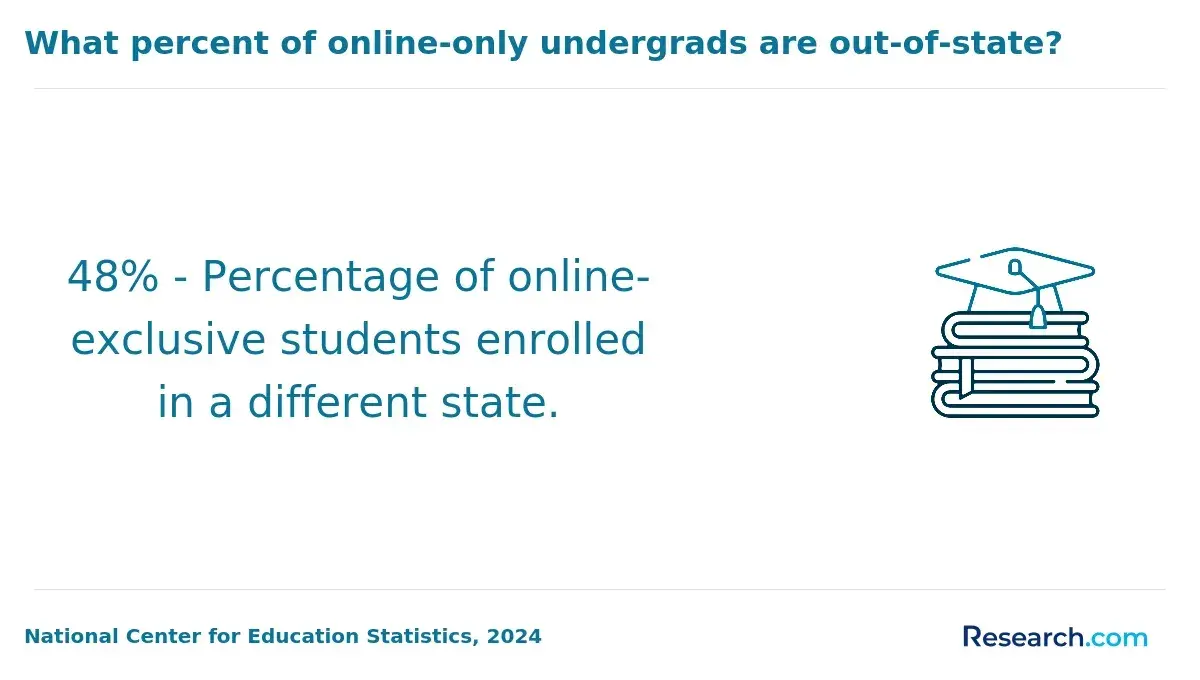
Ohio University charges a flat tuition rate for online degree programs, meaning in-state and out-of-state students pay the same total tuition cost of $31,932 for the entire program. This uniform pricing removes the common financial barrier of higher out-of-state tuition, a notable difference from many public universities that impose premiums on non-residents. For example, a working adult moving to Ohio from another state would avoid paying additional costs for residency status when enrolling online.
This approach improves affordability for nonresident, military, transfer, and adult learners who might otherwise face increased expenses. Since 97% of students receive financial aid, the effective cost can be further reduced. Employer partnerships and military benefits may also lower costs but apply unevenly across programs. Compared to some public institutions and private alternatives that charge differential rates, the flat online tuition at Ohio University promotes equitable access without residency-based penalties.
Recent findings from IPEDS indicate that about 65% of public schools now offer uniform online tuition rates, reflecting growing adoption of State Authorization Reciprocity Agreement policies. This trend supports flexible learning options without geographic cost disparities, benefiting students seeking to balance career demands and education. Prospective enrollees should confirm residency rules do not impose hidden fees or surcharges specific to their program or credits required.
Practical steps include verifying the full cost beyond tuition, such as mandatory fees and whether transfer credits reduce the total burden. Understanding aid eligibility and comparing overall expenses with alternatives will avoid surprises. Those researching options can explore the online bachelor degree market to make informed decisions aligned with their long-term professional goals.
How Does Ohio University Compare to Other Universities for Online Degree Affordability?
Comparing Ohio University's online college majors affordability against other public and private options reveals a nuanced picture where cost, financial aid, and program design intersect to shape overall value. Unlike certain private nonprofits or fully online institutions that adopt flat-rate tuition models, Ohio University's pricing tends to favor in-state students through state-subsidized rates but offers less advantage to out-of-state learners or military students. A real-world example involves a working adult transfer student who must weigh higher per-credit costs at Ohio University versus unlimited-credit subscription pricing at certain competitors. Ohio University's strength lies in its substantial financial aid participation, which offsets base tuition and significantly affects net affordability. The following factors clarify these tradeoffs and highlight how Ohio University fits within the broader online education marketplace.
- Financial Aid Participation Rate: With 97% of online students receiving aid, Ohio University provides crucial support that lowers effective tuition, distinguishing it from competitors with lower aid engagement. This makes a meaningful difference for students managing work-life balance and tight budgets.
- Residency-Based Tuition Structure: The university offers comparatively lower in-state per-credit costs reflecting public funding, but out-of-state and military students face rates closer to national averages, reducing pricing advantages seen at other public universities with larger residency discounts.
- Program Credit Requirements: Degrees requiring extensive credits or specialized coursework escalate total costs, emphasizing the importance of assessing entire program load rather than only per-credit prices when evaluating value.
- Employer Recognition and Career Outcomes: Public universities like Ohio University typically sustain stronger employer recognition than many private online alternatives, which may justify somewhat higher costs through improved job prospects and long-term earning potential.
- Tuition Pricing Models Among Competitors: Competitors employing flat-rate or subscription plans may offer lower upfront costs for high-credit students, but these approaches might not match Ohio University's blended aid availability and academic reputation.
After comparing options, a graduate shared their experience: "I almost dropped out because the software licensing fee wasn't in the brochure and hit me unexpectedly. I had also looked at other schools with flat-rate tuition, but I chose Ohio University's online program because the financial aid information seemed honest and consistent. Managing work and classes was tough, but the support made the extra per-credit cost less painful. My salary didn't skyrocket right after graduation, but the job I landed felt solid, and employers here clearly recognize the degree's value."
Which Online Degrees at Ohio University Offer the Best Value for Money?
Ohio University's online degrees in STEM and technology fields tend to offer the best balance of affordability, academic rigor, flexibility, and long-term career payoff. These programs generally involve higher tuition and credit requirements but deliver much stronger salary outcomes, which offset the initial costs. Meanwhile, programs in liberal arts and communication yield lower salaries, making cost recovery more challenging despite shorter durations and lower fees. Key cost drivers include total credit requirements and how transfer credits or financial aid reduce overall expenses. The reported earnings-to-debt ratio of 2.50x confirms graduates earn roughly two and a half times what they owe, indicating solid value. For those weighing options, here is a breakdown of practical value factors across online degrees at Ohio University:
- Computer Science Salary Outcomes: Graduates average $64,115, making the major a strong choice for those prioritizing earnings to offset higher tuition and program length.
- Engineering Program Demand and Financial Return: Electrical, Electronics, and Communications Engineering pays about $74,736, rewarding investment in a more demanding curriculum.
- Mechanical Engineering Cost Efficiency: Balances an average $68,216 salary with in-depth coursework, suiting students focused on technical mastery and job market resilience.
- Communication and Media Salary Limitations: While more affordable with fewer credits, the $35,024 average salary challenges payoff speed and requires careful budgeting.
- Liberal Arts and Sciences Affordability: Lower tuition and shorter programs align with an average $31,656 salary, appealing to students who prioritize cost over immediate earning potential.
- Earnings-to-Debt Ratio: A 2.50x ratio at Ohio University suggests alumni can reasonably manage debt repayment while benefiting from career growth.
- Program Flexibility Impact: Students leveraging transfer credits or financial aid reduce time to degree and out-of-pocket costs, improving overall ROI.
Choosing a degree within Ohio University's most affordable online degrees involves balancing salary prospects, program length, and flexibility. Students seeking the cheapest self paced online college options should carefully evaluate credit transfer policies and financial aid to maximize cost-effectiveness. This approach enhances long-term affordability and ensures investments align with realistic career trajectories.
What Is the Return on Investment of an Online Degree From Ohio University?
The return on investment for an online degree from Ohio University reflects a balance of upfront costs and post-graduation earnings potential. Graduates report a median annual income of $52,581, with an earnings-to-debt ratio of 2.50x, indicating a positive financial return compared to initial expenses. This makes Ohio University online degree career outcomes and earning potential competitive among peer programs.
Programs in high-demand fields tend to accelerate career progression and wage premiums, offering a sharper ROI than certificates or associate degrees. For example, alumni in business or health professions see faster salary growth, shortening payback periods despite similar tuition loads. Total costs include tuition, fees, and materials, but time-to-degree reductions via transfer credits and financial aid improve financial feasibility.
Georgetown University's Center on Education and the Workforce finds that online graduate degrees yield lifetime net present value gains exceeding $500,000 over non-degree holders, a critical benchmark for evaluating Ohio University's online programs. Still, decision-makers should consider employer acceptance in prospective fields and individual career goals. The ROI edge depends on aligning program outcomes with realistic job market returns.
For learners exploring flexible options, understanding what is a competency based masters degree is essential. Such programs, offered online, can further enhance career mobility and reduce time and cost burdens, complementing the value assessment of Ohio University's online degrees.
What Do Graduates Say About the Cost and Value of Ohio University Online Degrees?
- Logan: "When I was comparing online degree programs at Ohio University, I realized the sticker price for tuition was just the tip of the iceberg. Mandatory fees, course materials, and the pacing of courses-especially when balancing part-time enrollment-greatly influenced my actual spending. Still, the university's transfer credit policy helped me shave off some costs, while the program's accreditation and strong support services gave me confidence that the investment would pay off as I transitioned into a competitive job market."
- Brent: "I approached Ohio University's online degree options with a pragmatic mindset, scrutinizing everything from the cost per credit to residency requirements. Some programs had lower tuition but longer durations, which increased total costs through additional fees and textbook expenses. Ultimately, I chose a program that balanced affordability with efficient course sequencing, and the financial aid helped smooth the path. My Ohio University degree has already opened doors in my industry thanks to its recognized value and flexible learning format."
- Dominic: "Looking back, the cost comparison among Ohio University's online programs was a useful starting point but hardly the whole picture. What stood out to me was the quality of academic advising and how the institution structured its transfer credits, which meant I could complete my degree faster and save on extra semesters. The total cost ended up being higher than the advertised rates once fees and materials were included, but the post-graduation outcomes and online learning support made it worthwhile as I entered the workforce."
Other Things You Should Know About Ohio University Degrees
Ohio University's online programs often offer asynchronous courses to accommodate working students, but this flexibility can sometimes extend the total time needed to graduate if students enroll part-time or take breaks. While spreading out coursework reduces immediate financial pressure, it may lead to higher overall costs due to additional semesters and living expenses. Prospective students should prioritize programs and course loads that align with their career timelines to avoid prolonging their investment without accelerating earnings potential.
While Ohio University does not typically charge extra for online platform access, many programs expect students to have reliable internet and compatible devices capable of handling video lectures and specialized software. Health sciences and technical degrees may require additional hardware, simulations, or proctored exams that could incur out-of-pocket expenses. These factors can add complexity and cost beyond tuition, so evaluating your access to necessary technology is critical when considering affordability.
Employer tuition reimbursement can significantly reduce direct costs at Ohio University, but strict program approval processes or grading policies sometimes limit eligibility. Some employers require completion of certain milestones within fixed timeframes, which may clash with Ohio University's flexible pacing. Prospective students should confirm both the employer's and the university's requirements in advance to avoid unexpected denial of reimbursement that could leave them with full financial responsibility mid-program.
References
- Ohio University Tuition and Financial Aid https://www.prepscholar.com/sat/s/colleges/Ohio-University-tuition-financial-aid
- Recent Posts https://iuc-ohio.org/college-degrees-deliver-impressive-return-on-investment-for-ohioans/
- 10 Most Popular Online Colleges in Ohio | UoPeople https://www.uopeople.edu/blog/10-most-popular-online-colleges-in-ohio/
- Basics of In-State vs. Out-of-State Tuition – Nationwide https://www.nationwide.com/lc/resources/personal-finance/articles/in-state-out-state-tuition
- Online Colleges in Ohio | OEDb.org https://www.oedb.org/ohio/
- Here’s how much new students at Ohio’s public universities will pay https://signalohio.org/how-much-new-students-ohio-public-universities-colleges-pay-tuition-fall-2025/
- Pay In-State Tuition At Indian, Kentucky and West Virginia Schools https://www.collegeadvantage.com/blog/blog-detail/posts/2021/04/19/get-ohio-in-state-tuition-costs-at-out-of-state-schools
- Best Online Colleges In Ohio 2025 https://www.affordablecollegesonline.org/online-colleges/ohio/