2027 Walden University Online Master of Healthcare Administration (MHA) - Leadership & Organizational Development: Cost, Curriculum, Admissions, and Career Outcomes

Co-Founder and Chief Data Scientist
Evaluating the online Master of Healthcare Administration (MHA) - Leadership & Organizational Development program at Walden University requires balancing academic rigor, career relevance, and delivery format. Growing online education enrollment reflects demand for flexible programs accommodating working professionals, with the National Center for Education Statistics reporting a 6% rise in distance education students in 2023. This trend underscores the need for programs aligning timing and content with career goals in a competitive healthcare leadership job market.
Understanding Walden's curriculum, admissions criteria, costs, and career outcomes can clarify if the MHA program supports advancement and suits varied learner needs. This article explores these dimensions to guide informed decisions.
Key Points About Walden University's Master of Healthcare Administration (MHA) - Leadership & Organizational Development Program
- The accessible admission to Walden University's Master of Healthcare Administration (MHA) - Leadership & Organizational Development allows a wide range of candidates to enroll, but the $34,458 tuition requires careful financial consideration given potential return on investment.
- Regional accreditation ensures the program meets academic standards, yet mixed employer perceptions suggest graduates must proactively demonstrate leadership skills to secure competitive healthcare roles.
- Student feedback highlights the program's academic rigor delivered by experienced faculty, but career outcomes vary and depend heavily on individual networking and experience beyond the curriculum.
What can students expect from Walden University's online Master of Healthcare Administration (MHA) - Leadership & Organizational Development curriculum?
Walden University's online Master of Healthcare Administration (MHA) - Leadership & Organizational Development program follows the typical curriculum structure prevalent across many US programs but places deeper emphasis on leadership acumen and organizational transformation. For instance, healthcare managers overseeing mergers or restructuring in hospital systems will find the applied learning components particularly relevant as they simulate those high-stakes decisions.
The program structure covers healthcare administration fundamentals infused with strategic leadership-oriented coursework. Below are key areas included in the MHA curriculum:
- Healthcare Policy and Economics: This coursework trains students to understand how policy shifts and economic trends impact healthcare delivery and funding. Grasping these factors is essential for leaders who must anticipate regulatory challenges and budget constraints in their institutions.
- Organizational Behavior and Change Management: Students study theories and practical strategies for managing complex human dynamics in healthcare organizations. This prepares graduates to lead teams effectively, navigate resistance, and implement innovations critical for operational improvements.
- Financial and Data Analytics: Emphasizing financial management and the use of data analytics, this component teaches students to make evidence-based decisions that optimize resource allocation and improve patient care quality.
The course content aligns with standard US healthcare administration programs but stands out through its leadership and organizational development focus, making it suited for those targeting senior administrative or executive posts.
As with many online programs labeled as some of the easiest masters programs to get into, prospective students should weigh how its distinctive curriculum matches their career aspirations and the expectations of healthcare employers in increasingly competitive environments.
What are Walden University's admission requirements for online Master of Healthcare Administration (MHA) - Leadership & Organizational Development program?
The admission requirements for Walden University's online Master of Healthcare Administration (MHA) - Leadership and Organizational Development program reflect a flexible approach that can benefit applicants with nontraditional backgrounds or significant professional experience.
Unlike many graduate programs that mandate standardized test scores, Walden's open admission policy eliminates the need for minimum SAT, ACT, or GMAT thresholds. This can be advantageous for mid-career healthcare professionals who may not meet typical standardized score criteria but demonstrate leadership potential through their work history and academic transcripts.
Applicants should still prepare to document their previous academic achievements and professional readiness to support their application. The following bullet points summarize key admission components generally expected for this program:
- Bachelor's Degree: A bachelor's degree from a regionally accredited institution is required to establish foundational academic preparation relevant to graduate study in healthcare administration.
- Academic Transcripts: Official transcripts must be submitted to verify prior post-secondary education, ensuring the applicant meets baseline educational standards even without strict GPA minimums.
- Standardized Tests: There are no explicit SAT, ACT, or GMAT score requirements, which reduces barriers for candidates with considerable work experience or alternative academic records.
- Additional Documentation: While not explicitly required, submitting letters of recommendation, resumes, or portfolios can strengthen an application by demonstrating relevant leadership experience and professional competency.
- Transfer Credits: Transfer policies are not specifically delineated and are likely assessed on a case-by-case basis, so prospective students should discuss previous graduate-level coursework with admissions advisors to understand credit applicability.
Because healthcare administration roles often require both academic credentials and leadership skills, prospective students should consider how their professional history complements their academic record. For example, a healthcare manager with extensive operational experience but without formal graduate coursework can leverage Walden's flexible admissions to improve qualifications without facing the hurdle of standardized testing. However, this flexibility also places greater emphasis on providing comprehensive documentation of readiness to succeed at the graduate level.
Is it difficult to get admitted to Walden University's online Master of Healthcare Administration (MHA) - Leadership & Organizational Development program?
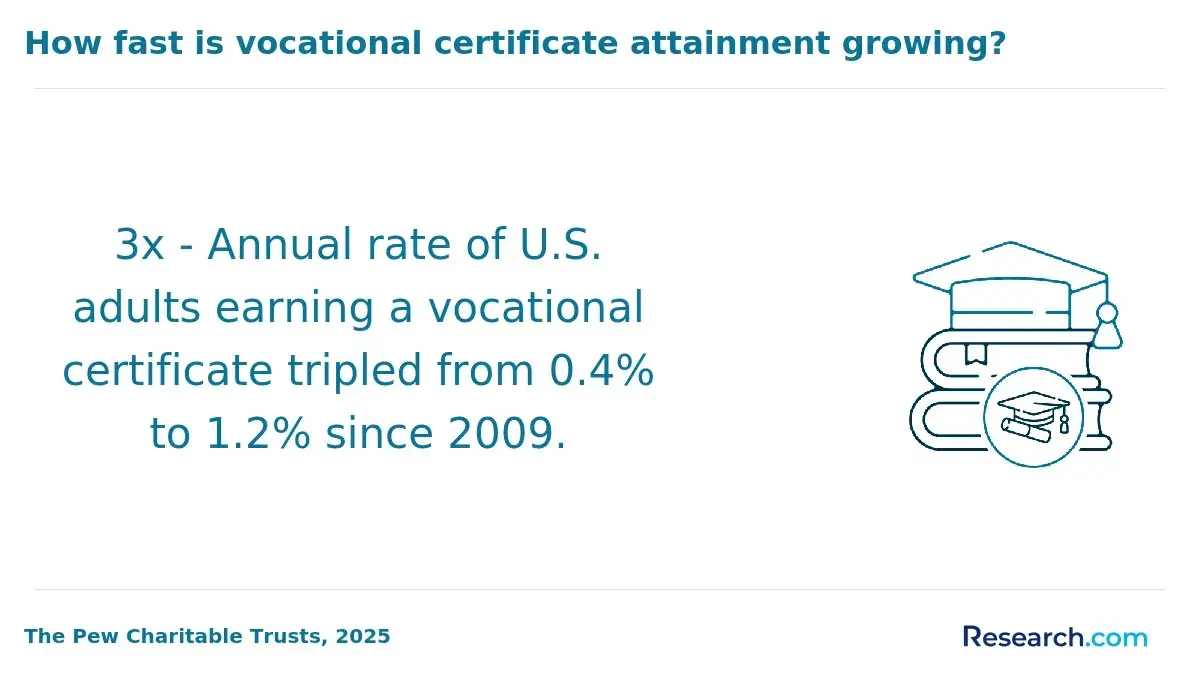
Admission to most master's programs in healthcare administration with a leadership and organizational focus tends to be selective, balancing demand with limited cohort sizes to maintain academic quality. Candidates often face competitive thresholds including minimum GPA requirements and standardized test scores, reflecting employers' preference for graduates who have demonstrated academic rigor and foundational skills.
By contrast, Walden University's online Master of Healthcare Administration (MHA) - Leadership & Organizational Development program adopts an open admission approach with no minimum GPA or SAT/ACT requirements, which is unusual for graduate programs in this field. This open admission policy results in a broad acceptance rate, lowering barriers for working professionals or those reentering education, but also means the program does not filter applicants based on academic stringency.
For prospective students weighing options, this less competitive admission can mean easier entry but may require additional self-direction to navigate the curriculum rigorously, especially when compared to more selective programs where peer competition can drive academic performance. Employers may interpret a degree from a program with open admission policies differently, so candidates should consider how experience and networking complement their credentials.
One graduate recalled initially hesitating to apply due to doubts about meeting typical master's prerequisites, but found walden's straightforward process "a relief," especially while juggling full-time work and family care. The absence of standardized testing allowed a focus on application essays and professional background, which felt more relevant to their career goals and gave a sense of accessibility without compromising commitment to completing the degree.
What is the cost of attending an online Master of Healthcare Administration (MHA) - Leadership & Organizational Development program at Walden University?
Tuition for the online Master of Healthcare Administration (MHA) - Leadership & Organizational Development program at Walden University is $12,498 annually, exclusive of additional expenses like books and living costs. The total annual expense, including fees, books, room, and board, amounts to $34,458.
This distinction is crucial for candidates weighing upfront educational costs against total financial commitment, especially those balancing employment or family obligations during study. Notably, Walden does not charge extra technology fees online and maintains a consistent tuition rate regardless of residency, which simplifies budgeting for out-of-state students.
When examining the cost of Walden's program within the broader landscape, its tuition and fees are competitive compared to other institutions offering a Master of Healthcare Administration (MHA) - Leadership & Organizational Development track. Many programs with similar specialization may have lower base tuition but add substantial fees or differential rates for non-residents. Students prioritizing transparent and stable pricing may find this structure advantageous.
The $900 annual allocation for books and supplies adds to the overall expenditure but reflects a typical outlay in specialized healthcare administration graduate studies. Given these costs, prospective students must consider the long-term value against workforce outcomes in healthcare leadership roles, where management expertise increasingly demands advanced credentials.
For those seeking streamlined pathways with durable credentials, exploring options such as a fast track associates degree online might present a practical foundation before committing to a comprehensive MHA program. This approach can mitigate early financial risks as students build toward specialized leadership qualifications.
Are there financial aid options for online Master of Healthcare Administration (MHA) - Leadership & Organizational Development students at Walden University?
Students enrolled in the online Master of Healthcare Administration (MHA) - Leadership & Organizational Development program at Walden University have access to multiple financial aid routes, but evaluating these options requires understanding how each may affect long-term debt and career flexibility. For example, relying heavily on federal loans might ease immediate financial pressure but also increases future repayment obligations, which can influence career choices early on.
Working professionals often leverage employer tuition reimbursement programs, which trade off current job security and employer sponsorship for financial support without incurring debt. Below is an overview of key financial aid avenues relevant to these MHA students.
- Scholarships and Grants: Targeted awards focus on healthcare administration and leadership disciplines, often reducing tuition by a significant portion. Applicants generally must demonstrate academic achievement or leadership potential in healthcare settings.
- Corporate Tuition Reimbursement: Available to employed students whose organizations offer educational benefits, this option requires maintaining employment and sometimes a minimum grade, balancing work responsibilities with study demands.
- Veteran Benefits: Qualifying military service members can access education benefits, which may fully or partially cover tuition and related costs, easing financial burdens without loan accumulation.
- Institutional Aid: Walden University provides additional aid for selected candidates based on criteria such as financial need or program merit, supplementing other funding to lower out-of-pocket expenses.
- Federal Financial Aid: Completing the FAFSA can unlock loans, grants, and work-study opportunities with competitive terms. However, federal loans add to debt and require a repayment plan consideration aligned with career earnings potential.
What learning resources are available to online Master of Healthcare Administration (MHA) - Leadership & Organizational Development students at Walden University?
Success in an online Master of Healthcare Administration (MHA) - Leadership & Organizational Development program often hinges on the availability and quality of learning resources, which directly affect students' ability to master complex content and develop practical leadership skills. For working professionals managing healthcare teams or operations, timely access to expert support and networking opportunities can mean the difference between stagnant progress and career mobility.
Balancing rigorous coursework with professional demands requires resources that not only deliver content but also foster real-world application and problem-solving. The following are key learning supports offered to students that illustrate how this program attempts to meet those needs:
- Digital Platform Access: A dedicated online portal provides continuous access to course materials, multimedia content, and interactive tools. This infrastructure enables students to engage with lessons on their schedules and revisit complex topics, which is critical for comprehension amid competing work responsibilities.
- Technical Support: Ongoing assistance for software and connectivity issues helps minimize disruptions. Reliable technical help ensures that students remain focused on learning rather than troubleshooting, which is essential given the virtual format's dependency on stable digital access.
- Academic Tutoring and Writing Support: Personalized assistance targets skill development in research, analysis, and professional writing. These services address common challenges in graduate-level healthcare administration studies, enhancing students' capacity to produce high-quality assignments and applied projects.
- Faculty Mentorship: Access to instructors for guidance fosters a collaborative educational experience despite the online format. Mentorship supports deeper understanding of leadership concepts and provides feedback tailored to each student's career focus.
- Professional Networking and Placement Resources: Connections to healthcare industry professionals and career development workshops promote practical engagement beyond academics. These resources help bridge the gap to employment opportunities, which is critical given that leadership roles often require demonstrable industry relationships and experience.
Does Walden University's online Master of Healthcare Administration (MHA) - Leadership & Organizational Development program have in-person clinicals or practicums?
Healthcare administration programs often require in-person clinicals or practicums to ensure students gain hands-on exposure, a feature valued by many employers seeking candidates with direct operational experience. However, the absence of such requirements can pose a tradeoff between flexibility and experiential depth, impacting students balancing professional obligations or geographic constraints.
For working professionals, Walden University's online Master of Healthcare Administration (MHA) - Leadership & Organizational Development program provides an alternative that prioritizes practical application through project-based learning rather than traditional site visits.
While many MHA programs involve internships or clinical rotations, especially for candidates targeting entry-level healthcare management roles, Walden's approach aligns with leadership and organizational development emphases. The program does not include in-person clinical or practicum components, instead integrating practical experience via applied projects and assignments simulating real-world leadership challenges, a design that supports the needs of students who cannot commit to these time-intensive and location-bound requirements. This structure reflects a broader trend in programs tailored for experienced professionals balancing work alongside study.
Students considering Walden University online Master of Healthcare Administration Leadership & Organizational Development in-person practicum requirements should weigh this format's advantages against employer expectations for hands-on experience, especially in competitive hiring environments where direct clinical exposure may still be prioritized.
For those seeking accelerated, flexible options without interrupting employment, this program fits within a growing segment of 6 months masters degree online programs focused on leadership over clinical proficiency.
What careers can graduates of online Master of Healthcare Administration (MHA) - Leadership & Organizational Development at Walden University secure?
Graduates from Walden University's online Master of Healthcare Administration (MHA) - Leadership & Organizational Development program translate their education into leadership roles that demand strategic oversight and operational improvements within healthcare organizations. Their marketability is closely tied to their ability to lead teams, manage budgets, and implement development initiatives that impact overall system efficiency.
This blend of leadership and organizational focus addresses a growing employer need, making these graduates valuable candidates for positions requiring both administrative acumen and transformational skills. The realities of healthcare careers mean that strong practical leadership often outweighs purely academic credentials, and graduates must be prepared for roles that involve considerable responsibility and compliance complexity.
Below are some career examples that demonstrate the spectrum of organizational development career opportunities in healthcare administration.
- Healthcare Administrator: This role involves overseeing daily operations of healthcare facilities, ensuring regulatory compliance, staff coordination, and fiscal management. Salaries vary by region, but administrators typically earn competitive compensation reflecting these responsibilities.
- Clinical Manager: Clinical managers supervise departments or units, focusing on quality patient care and efficient resource utilization. They must balance clinical oversight with leadership demands, positioning them as key players in healthcare leadership roles for Walden University MHA graduates.
- Quality Improvement Manager: Professionals in this position design and implement strategies that improve patient outcomes and service quality, often using evidence-based approaches and data analysis to measure effectiveness.
- Healthcare Consultant: These consultants evaluate healthcare systems and workflows to recommend organizational improvements aligned with strategic goals. Their expertise helps institutions adapt to complex regulatory and operational challenges.
Choosing this program positions students amid a competitive employment landscape where practical leadership and specialized knowledge are highly valued. For students considering a broader academic path, exploring online degrees in related fields may also provide foundational skills supporting these advanced roles.
What is the salary outlook for online Master of Healthcare Administration (MHA) - Leadership & Organizational Development graduates?
Graduates from Walden University's online Master of Healthcare Administration (MHA) - Leadership & Organizational Development program generally enter a competitive salary range aligned with broader health services administration roles, reflecting the managerial scope of their positions. For example, a graduate securing a mid-level management role within a hospital system might expect compensation near the average for Health and Medical Administrative Services, around $52,093, which surpasses the overall median alumni salary of $42,810 at Walden.
The salary outlook for graduates of the Walden University online Master of Healthcare Administration (MHA) - Leadership & Organizational Development program is supported by comparable fields, with Health Services and Allied Health graduates earning roughly $47,503. This positioning means early-career professionals may initially face tradeoffs between salary and the experience gained in leadership roles, especially compared to higher-earning peers in fields like Nursing Administration, which reports median salaries near $76,141.
Expected earnings with a Master of Healthcare Administration in Leadership and Organizational Development from Walden University should be considered in context-the program's focus on combining healthcare expertise with management skills addresses a growing employer demand for leadership capable of navigating complex healthcare environments. Those evaluating potential degrees might also explore related educational paths, such as what is the easiest bachelor's degree to get, as part of their comprehensive career planning.
How do you know if Walden University's online Master of Healthcare Administration (MHA) - Leadership & Organizational Development program is the right choice for you?
Choosing a master's program in healthcare administration requires aligning its structure and focus with your professional and personal needs, as well as your longer-term objectives. This alignment is critical because decisions made at this stage impact not only your learning experience but also your ability to apply skills effectively in healthcare settings and compete in a complex job market.
To weigh whether Walden University's online Master of Healthcare Administration (MHA) - Leadership & Organizational Development fits your profile, consider several key factors. Here are some important criteria to evaluate:
- Flexibility and Learning Format: Assess if the online, mostly asynchronous setup matches your current workload and personal responsibilities, allowing you to engage without compromising your professional role or life commitments.
- Curriculum Relevance to Career Goals: Examine whether the course offerings, such as ethics, finance, and organizational behavior in healthcare, align tightly with your target career trajectory, especially if leadership or management in healthcare institutions is your goal.
- Practical Application Opportunities: Look for programs that integrate case studies and real-world projects to bridge theory and practice, a crucial aspect that employers increasingly expect in leadership hires.
- Peer Environment and Networking: Consider the diversity and professional background of fellow students, as rich peer interaction can enhance learning and open doors to industry connections.
Reflecting on my own experience, I struggled initially to find a program that balanced my full-time job with academic demands. I needed a flexible schedule but also wanted a curriculum focused on evolving leadership challenges unique to healthcare. When I chose Walden University's MHA - Leadership & Organizational Development, the asynchronous courses allowed me to keep up without sacrificing work quality.
I hesitated over the online format's value compared to traditional programs, but the practical project assignments made the learning tangible and applicable. Having peers from various healthcare roles also helped me broaden my perspective, which was critical when I moved into a management position shortly after graduating.
What Graduates Say About Walden University's Master of Healthcare Administration (MHA) - Leadership & Organizational Development Program
- Nathan: "Completing the Master of Healthcare Administration (MHA) - Leadership & Organizational Development at Walden University gave me a realistic view of how to leverage leadership theories in fast-paced healthcare environments. The program's emphasis on strategic decision-making and organizational change was instrumental when I transitioned into a management role, especially because many employers value practical experience and leadership portfolios over just licensure. I found the remote coursework flexibility essential for balancing my job and studies, although I learned firsthand that ascending to executive positions usually requires additional credentials beyond the degree."
- Mitchell: "Studying at Walden University introduced me to a wealth of applied knowledge, especially around workforce development and health policy, which helped me reframe my career trajectory after realizing clinical work didn't fit my strengths. The internship component was pivotal-it allowed me to build tangible skills recruiters actually look for, rather than relying solely on my degree. Post-graduation, I noted a shift: while some leadership roles were competitive without a license, my well-rounded portfolio and understanding of organizational dynamics opened doors to roles focused on operational leadership and program management."
- Maxwell: "Walden University's MHA program was a rigorous experience that sharpened my ability to navigate complex healthcare systems and lead organizational initiatives effectively. One clear insight I gained was how healthcare employers prioritize comprehensive experience alongside academic qualifications, which prompted me to pursue certifications concurrent with my studies. While the flexible online format suited my schedule, I encountered challenges competing for certain senior roles where licensure was a barrier, but I've noticed substantial salary growth in mid-level leadership due to the advanced skill set the program equipped me with."
Other Things You Should Know About Degrees
The fully online structure of this program limits spontaneous, in-person networking that can occur on traditional campuses. While Walden University offers discussion forums and virtual group projects, these may not fully replicate face-to-face interactions often valued by healthcare employers. Prospective students should actively engage in these virtual settings and supplement with external industry networking to build relationships that benefit their careers.
The program's design allows working professionals some level of flexibility, but the workload remains intensive due to the advanced leadership and organizational topics covered. Students generally report dedicating 15 to 20 hours per week, balancing coursework with job and personal life. Time management skills are critical, and those without firm boundaries for study time may struggle to keep pace with deadlines and comprehensive assignments.
The leadership and organizational development focus aligns well with mid to senior-level healthcare administrative roles, as it emphasizes strategic management skills. However, some employers may prioritize candidates with more clinically oriented healthcare backgrounds depending on the position. Applicants should clearly articulate how the specialization equips them to lead change and improve organizational outcomes to bridge this perception gap effectively.
References
- Find Health Administration Programs | MHA Missouri https://www.healthadministrationdegrees.com/programs/masters-in-health-administration/missouri/
- 45 Best Value Masters of Healthcare Management and Administration - BestMedicalDegrees.com https://www.bestmedicaldegrees.com/45-best-value-masters-of-healthcare-management-and-administration/
- Salary for Masters in Healthcare Administration – Jobs & Career Outlook https://mhadegree.org/health-administration-salary/
- Master of Health Administration - MSU Denver https://www.msudenver.edu/master-health-administration/
- LibApps Login @ Walden University https://waldenu.libapps.com/libapps/login.php
- My Evolving Career Path in Health Services | Walden University Career Planning and Development Blog https://waldencareerservices.com/2025/06/10/my-evolving-career-path-in-health-services/
- An Expert’s Guide on How to Earn Your MHA Degree https://www.mhaonline.com/blog/how-to-earn-an-mha
- How Do You Compare MHA Programs Online? - ThoughtLab https://thoughtlab.lynchburg.edu/college-search/mha-programs-online-what-to-look-for-when-choosing-the-right-healthcare-administration-degree/
- Top 25 Graduate Healthcare Management Degrees | Best MHA Programs https://www.healthcare-management-degree.net/best/top-graduate-healthcare-management-degrees/