2027 Is Florida Institute of Technology Good for Online Students? Programs, Flexibility, and Value

Co-Founder and Chief Data Scientist
Determining whether Florida Institute of Technology provides an effective online learning environment poses challenges for students balancing career demands and education goals. With over 45% of graduate students nationwide enrolled exclusively online in 2024 according to the National Center for Education Statistics, access and flexibility have become key decision factors. Prospective enrollees must assess if Florida Institute of Technology's programs meet professional standards while offering adaptable schedules and robust support services that align with workforce needs.
This article examines Florida Institute of Technology's available online programs, cost structure, scheduling flexibility, and student resources to clarify its suitability for online learners seeking valuable credentials.
Key Points About Studying at Florida Institute of Technology as an Online Student
- Tuition for completing an online degree at Florida Institute of Technology totals $65,900, requiring prospective students to assess affordability against expected career advancement and debt load.
- Admission criteria details are unavailable, necessitating direct contact with the admissions office to understand eligibility, which may impact application preparation and timeline.
- Online learners report consistent satisfaction supported by dedicated resources, suggesting a structured environment that can aid persistence amid the challenges of remote study.
What online degree programs are available at Florida Institute of Technology?
Choosing an online degree program requires evaluating both the flexibility of learning formats and the practical applicability of the content to career demands. At Florida Institute of Technology, the breadth of available online degrees addresses these priorities by offering specialized curricula paired with adaptable delivery methods suitable for working professionals. Consider a cybersecurity analyst balancing irregular shifts; asynchronous coursework allows them to engage with complex material without fixed class times, while business students may benefit from synchronous classes that facilitate interaction essential for team-based projects. Below is an overview of key online degree options demonstrating this balance.
- Business Administration: Focuses on contemporary management principles, finance, and marketing strategies, delivered through a blend of synchronous sessions and digital resources to support teamwork and case analysis.
- Computer Science: Covers software development, algorithms, and systems with hands-on virtual labs; primarily asynchronous to accommodate diverse schedules and promote self-paced learning.
- Cybersecurity: Emphasizes information security, risk management, and compliance training geared toward current industry practices; the program incorporates real-time discussions alongside flexible assignments.
- Nursing: Designed for healthcare professionals seeking advanced clinical and leadership skills without pausing their careers, offering a mix of virtual simulations and scheduled instructor interactions.
- Engineering Management: Integrates technical project management with systems engineering; coursework is structured for part-time learners, combining live webinars with recorded lectures.
The variety exemplifies Florida Institute of Technology online degree programs' alignment with workforce realities, balancing academic rigor with accessibility. These options mirror evolving employer preferences that favor candidates demonstrating both current expertise and the ability to manage complex tasks remotely. Prospective students should assess how each program's modality matches their availability and learning style to optimize outcomes. For individuals seeking financial aid through federal funding, note that this institution is listed among FAFSA approved online colleges, which can influence affordability decisions related to best online degrees Florida Institute of Technology offers.
Are admissions for online degrees at Florida Institute of Technology difficult?
Gaining admission to Florida Institute of Technology's online programs reflects a moderate level of selectivity that balances accessibility with academic standards. Compared to fully open enrollment schools, its 63% acceptance rate suggests a competitive edge, yet it does not demand excessively stringent credentials. This middle ground filters for students who demonstrate sufficient preparation without posing an insurmountable barrier for most applicants.
The application process requires proof of secondary education completion and a GPA within a specific range, alongside SAT or ACT scores that fall between moderately competitive band scores. For international students, evidence of English proficiency such as TOEFL is mandated. Transfer candidates benefit from some credit flexibility, including ACE recommendations and CLEP or DSST exam credits, aligning with national trends that promote prior learning recognition but maintain quality control in admission.
One online graduate recounted hesitating to apply due to concerns about competing with traditional students but found the process straightforward once she understood the set requirements. She appreciated the clarity around testing and transcript evaluations, which reduced uncertainty during her application. This structured but reasonable barrier gave her confidence that admission was merit-based and not solely numbers-driven.
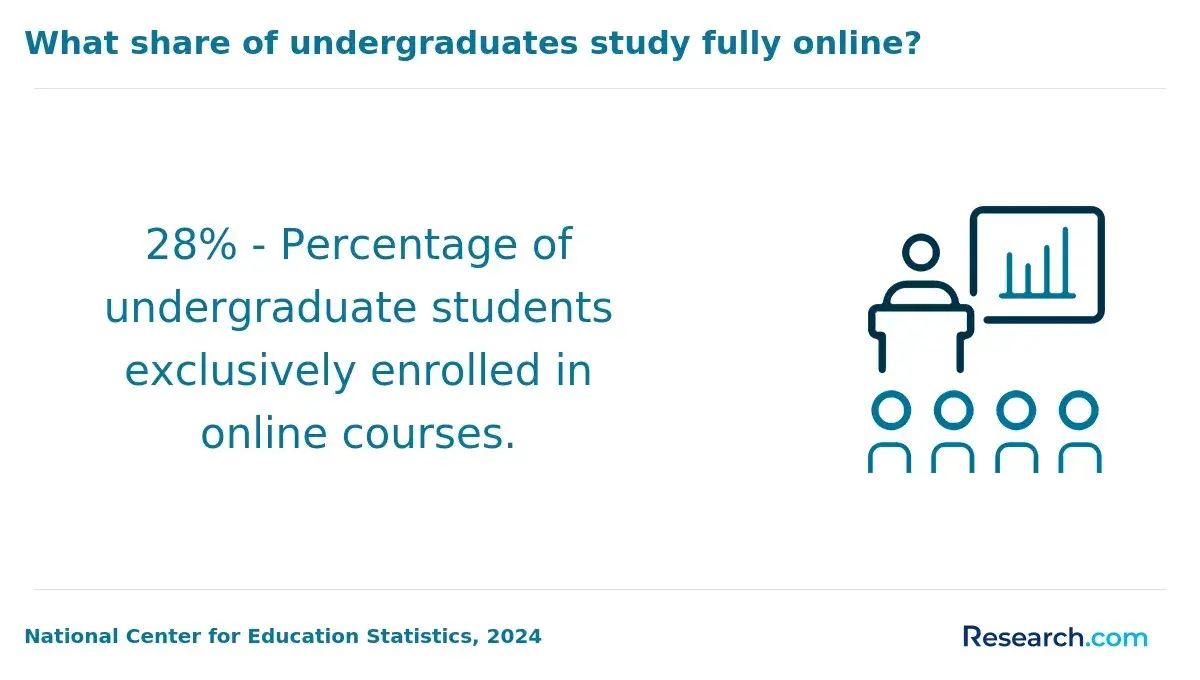
How flexible are the online degree programs are at Florida Institute of Technology?
The flexibility of the online degree programs at Florida Institute of Technology is fundamentally shaped by its dual-structure approach of synchronous and asynchronous formats, catering to diverse student schedules. For instance, a working healthcare professional can opt for asynchronous courses that allow self-paced study around fluctuating shifts, while those seeking peer interaction might prefer synchronous sessions scheduled for real-time engagement. This flexibility is especially important for those balancing family and work commitments, as it provides personalized control over learning without fully sacrificing live collaboration opportunities.
Florida Institute of Technology online learning flexibility options extend to hybrid models within certain fields, notably health sciences, where in-person clinicals or practicums are mandatory. These hands-on components are coordinated locally to ease geographic constraints, though they naturally limit the fully remote convenience some students expect. The academic calendar offers multiple start dates annually, reflecting an understanding of nontraditional students' needs for varied enrollment times and pacing preferences. This design aims to maintain academic standards while acknowledging real-world constraints.
While the programs deliver flexible online degree options at Florida Institute of Technology that accommodate various lifestyles and learning preferences, the necessity of in-person experiences and structured term schedules can reduce overall convenience. Prospective students should weigh these tradeoffs carefully, especially in fields requiring practical training. For those evaluating which path to invest in, consulting data on what degree makes the most money can clarify how program quality and flexibility align with long-term financial outcomes.
Is it expensive to attend an online program at Florida Institute of Technology?
The annual tuition cost for an online degree at Florida Institute of Technology is notably high at $44,360, with total attendance expenses-including room, board, and supplies-reaching about $65,900. Prospective students should anticipate that certain technical or specialized programs may carry added expenses, although the institution does not impose flat-rate in-state tuition for all online learners regardless of their geographic location, reflecting a cost structure that varies by program and student circumstances. This pricing model can complicate budgeting for those seeking predictable, uniform costs across programs.
Financial aid plays a crucial role in mitigating these expenses, with 100% of undergraduates receiving some form of assistance and an average award near $24,420. This level of aid can substantially reduce net costs, but students must carefully assess eligibility criteria and commitment levels tied to awards to avoid unexpected financial burdens. For those comparing whether Florida Institute of Technology is expensive for online students in Florida, this aid landscape is a pivotal factor shaping overall affordability.
When evaluating the cost of online degree programs at Florida Institute of Technology, it is important to consider that the institution's tuition exceeds many nationwide averages for online education, often reflecting its specialized STEM and technical curriculum. Institutions with lower sticker prices may not offer the same niche expertise or career-aligned resources, which is a critical tradeoff for professionals prioritizing practical outcomes over nominal cost savings.
For prospective students uncertain about degree complexity and time investment, researching what is the easiest associate degree to get may clarify alternative pathways. This context helps weigh Florida Institute of Technology's financial demands against other educational options offering different balances of cost, flexibility, and career relevance.
What resources are included in the tuition cost at Florida Institute of Technology?
The success of online students at Florida Institute of Technology often hinges on the seamless integration of digital resources that support academic and career progress without requiring physical attendance. For example, a working professional balancing job responsibilities and coursework benefits greatly when assignment submissions, instructor communications, and technical troubleshooting are all handled efficiently through a centralized platform. This type of infrastructure reduces barriers that typically challenge remote learners and supports sustained engagement and completion rates. The following resources are embedded in the tuition cost to ensure practical and meaningful support throughout a student's academic journey:
- Comprehensive Learning Management System: This platform hosts all course materials, discussion forums, assignment submissions, and exams. It acts as the operational backbone for online courses, facilitating structured interaction that mimics a campus environment in usability and accessibility.
- Technical Support Services: Dedicated help desks address any connectivity or platform issues specifically for online students, ensuring minimal disruption during critical academic activities such as exams or project deadlines.
- Virtual Academic Support: Online learners have access to tutoring, writing assistance, and library resources comparable to those available on campus. This parity in support reduces disparities in learning opportunities between remote and traditional students.
- Centralized Student Portal: This tool consolidates academic records, registration, billing, and direct messaging with faculty and advisors. It streamlines administrative processes, helping students stay organized and informed regardless of their geographic location.
- Career Development Resources: Online students can participate in virtual career fairs, utilize resume-building workshops, and connect with an extensive alumni network. Personalized counseling and job placement assistance further bridge the gap between academic achievement and workforce integration.
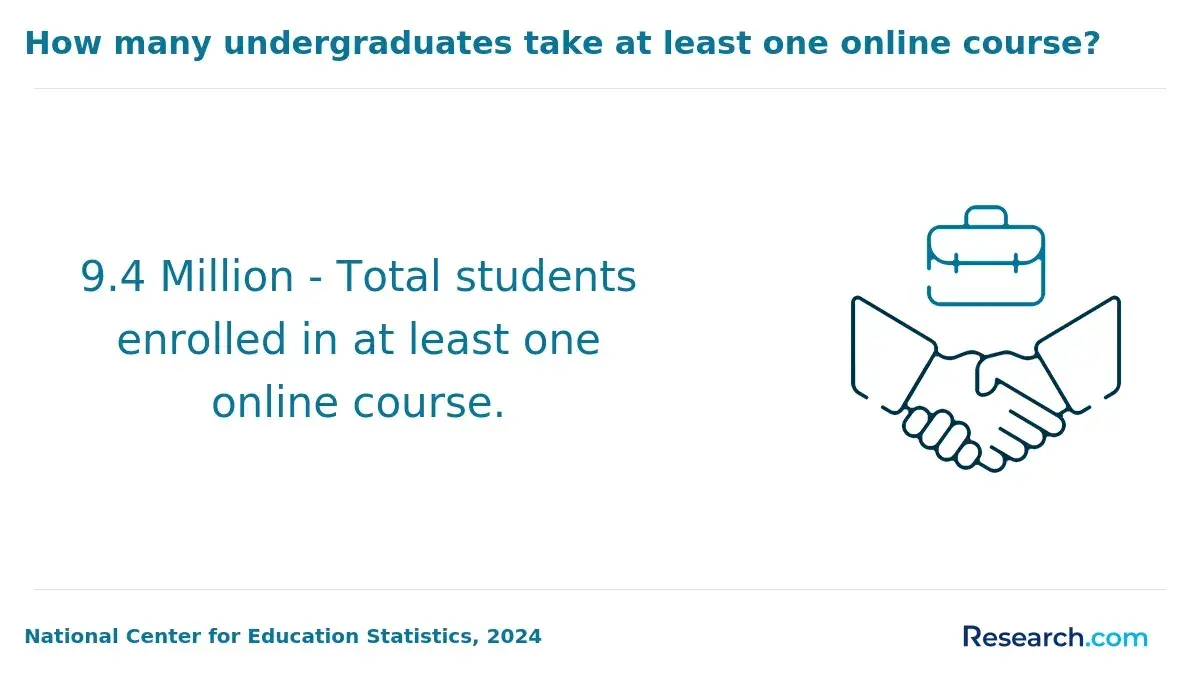
Are the online degrees at Florida Institute of Technology ideal for working professionals?
The online degrees at Florida Institute of Technology align closely with the demands of working professionals aiming to elevate their career trajectories without pausing employment. For instance, a mid-level engineer seeking managerial skills can benefit from the program's asynchronous course delivery, which permits study during off-hours and minimizes disruption to professional responsibilities. The institution's design acknowledges that flexibility is foundational to sustained academic progress amid complex schedules, while its career-focused curriculum enhances relevance in competitive job markets. These elements combine to facilitate not only skill acquisition but also executive-level alignment for students balancing active careers. Below are key reasons why Florida Institute of Technology's online offerings cater well to working professionals:
- Asynchronous Learning Model: Most courses are not bound to live sessions, allowing learners to access materials and complete assignments on their own time, making it easier to juggle work and studies.
- Career-Relevant Programs: Degree options span fields like engineering, business, information technology, and psychology, with content structured to meet evolving industry standards and employer expectations.
- Part-Time Enrollment Flexibility: Scheduling accommodates gradual progress through programs, enabling professionals to advance without full-time academic pressure.
- Corporate-Aligned Tuition Plans: Employer partnerships provide discounted rates or customized payment options, reducing financial obstacles and fostering supported professional development.
- Networking and Industry Connections: Programs often integrate opportunities to connect with business and technical communities, enhancing professional visibility and potential career mobility.
- Support for Skill Application: Curriculum emphasizes practical skills and knowledge directly transferable to workplace challenges, improving a student's immediate job performance.
- Integration with Fast-Track Options: Students seeking accelerated progress may find synergy with fast track program pathways that complement Florida Institute of Technology's flexible online structure.
How big is the online student community at Florida Institute of Technology?
The online student community at Florida Institute of Technology, encompassing a total enrollment of 8,516 students, reflects a substantial base though specific online-only figures are not published. For a working professional balancing job and study, this scale suggests a diverse pool of peers who can provide varied perspectives, yet the lack of detailed enrollment distribution requires prospective students to verify program-specific sizes to gauge networking opportunities accurately.
Florida Institute of Technology supports its distance learners through targeted honor societies and special interest groups designed specifically for online participation. Such structures foster academic recognition and professional networking beyond course content, offering a crucial layer of engagement that mitigates common isolation challenges faced by remote students who rely heavily on peer interaction for their academic motivation and knowledge exchange.
Beyond structured groups, the university maintains official social media channels and student-run forums that enable ongoing dialogue and resource sharing among online students. In practice, these platforms can enhance collaboration on projects and peer support, better replicating the interaction value found in on-campus settings-an important factor for students whose success depends on interactive learning rather than solitary study.
While these digital communities contribute positively to the online student experience, their effectiveness hinges on individual initiative and program alignment. Students should assess the vibrancy and responsiveness of these online groups relevant to their field since active digital engagement directly impacts learning outcomes and practical networking advantages essential in today's competitive job markets.
Is there high online student satisfaction at Florida Institute of Technology?
Online students at Florida Institute of Technology often highlight the flexibility in scheduling and the program's alignment with career needs as significant strengths. This setup is especially valuable for working professionals who must manage job responsibilities alongside their studies, allowing them to apply new skills directly to their roles. For instance, an engineer balancing project deadlines can adjust coursework without sacrificing professional performance, illustrating how the program supports real-world integration.
Despite these advantages, some students report challenges typical of remote education, such as sporadic technical difficulties and a less vibrant social or collaborative environment compared to on-campus settings. Limited interaction can reduce peer engagement, which in certain fields may impact networking opportunities or group-based learning experiences. While not unique to Florida Institute of Technology, these issues warrant consideration when evaluating fit.
Faculty engagement and instructional quality receive consistent praise, suggesting institutional support mitigates some common online learning obstacles. This combination helps maintain academic rigor and responsiveness, contributing positively to student persistence. The reported 65% graduation rate further underscores a reasonable level of student completion and commitment within the online cohort.
Overall, the online experience at Florida Institute of Technology balances flexibility and practical relevance against the inherent constraints of distance education. Most students find the programs meet their needs effectively, making it a viable option for those prioritizing adaptable learning with employer-aligned content, despite moderate interaction limitations.
What is the average salary for online degree graduates at Florida Institute of Technology?
Salary outcomes for online degree graduates from Florida Institute of Technology reveal a clear stratification tied to program focus and industry demand. With an average salary around $43,137, the financial return aligns with many regional technical programs but varies widely by discipline. A practical example: an engineering professional shifting careers or working remotely would see markedly different earnings prospects depending on their specific degree, demonstrating the need to align educational choices with career goals.
Programs in STEM fields consistently drive higher earnings, reinforcing the value of the university's technical online offerings. Graduates in Computer Science earn median salaries near $67,475, while those in Electrical, Electronics, and Communications Engineering and Computer Engineering secure comparable incomes around $67,000. Mechanical and Civil Engineering degrees also yield strong salaries, typically exceeding $60,000. These figures suggest that the Florida Institute of Technology online programs graduate earnings in technology and engineering fields remain competitive within specialized employment markets.
Conversely, online degree holders in Biology and Psychology tend to face lower income averages, with salaries under $26,000, reflecting well-known market limitations in these disciplines without advanced credentials. Business-related degrees like Marketing and Accounting offer moderate financial rewards near $45,000 to $49,000, consistent with median alumni salary data. Employers in aerospace, technology, and healthcare actively recruit these graduates, underscoring potential for career growth, especially for those seeking online degrees for remote jobs.
Does the ROI of an online degree from Florida Institute of Technology justify the cost?
Investing in an online degree is often a substantial financial commitment, yet the ultimate measure hinges on the return graduates realize in their careers. At Florida Institute of Technology, while the total tuition approaches $65,900, graduates generally complete their studies with median debt near $27,000, suggesting significant reliance on financial aid or personal funding strategies. The earnings to debt ratio of about 1.6 indicates that alumni typically earn 60% more than their debt annually, a moderate margin that frames the financial value of the degree over time.
For working professionals balancing responsibilities, recouping education costs depends heavily on immediate employment outcomes and salary progression in their chosen fields. A debt of this size implies a repayment horizon that could extend several years, assuming steady employment. However, Florida Institute of Technology's tuition guarantee and low loan default rate reduce the financial uncertainty for students, making it easier to plan and manage long-term repayment without sudden cost increases.
The degree's value consequently aligns with sectors where Florida Institute of Technology alumni find placement-fields demanding technical expertise and offering incremental salary growth. In scenarios where students leverage acquired skills to secure or enhance positions in engineering, IT, or applied sciences, the moderate ROI can translate to sustainable economic progress despite the initial debt.
Still, prospective students should weigh the upfront expense against expected income trajectories carefully, particularly if their career path involves slower wage growth or market volatility. Without significant salary gains, the debt load could delay financial milestones for some graduates.
A student who completed their online master's while working full-time in aerospace engineering shared that initial doubts about managing coursework and costs were intense. "I hesitated because the debt felt overwhelming, especially with a family to support. But the tuition lock and flexible schedule made it doable. Within two years of graduating, my salary increase eased the payoff burden, and now I feel it was a necessary step for my career growth." This perspective highlights how individual circumstances and program safeguards can influence the perceived worth of the investment.
What Graduates Say About Florida Institute of Technology's Online Degree Programs
- Chloe: "Studying the online cybersecurity program at Florida Institute of Technology allowed me to balance my full-time job while gaining the technical expertise I needed to pivot careers. In the workforce, I've found employers prioritize hands-on skills and certifications alongside the degree itself, which the program's lab-based assignments prepared me well for. Although I'm still building experience to advance beyond entry-level roles, the flexibility of the degree helped me enter the field faster without relocating."
- Hope: "Completing my software engineering degree online through Florida Institute of Technology was a strategic decision amid a busy life, and it exceeded my expectations in rigor and relevance. After graduation, I noticed that while the online degree opened doors, advancing often required building a portfolio and networking more aggressively than I anticipated. Still, the reputation of Florida Institute of Technology combined with my practical projects made remote positions more accessible and provided a necessary foundation to continue learning on the job."
- Eva: "The online degree from Florida Institute of Technology gave me a flexible path to re-enter the engineering workforce after a career break, but the reality of hiring practices meant I had to supplement it with internships and specific software certifications to compete. Licensure wasn't essential in my current role, but I recognize it could limit advancement in certain companies. Overall, the program's structure helped me navigate these challenges thoughtfully, allowing me to focus on practical skills that employers actually demand."
Other Things You Should Know About Florida Institute of Technology Degrees
Because most online interactions occur virtually, networking at Florida Institute of Technology can be less spontaneous and more deliberately planned than on campus. While the university offers virtual events and discussion forums, online students must proactively engage with peers and faculty to build meaningful connections. For students prioritizing professional networking as part of their education, actively participating in online group projects and using available career services is critical, as natural networking opportunities are less frequent.
The university offers dedicated technical support and disability services to online students, but response times and resource availability can vary depending on demand. Students with complex accessibility requirements should inquire specifically about accommodations before enrolling to ensure their needs can be fully met remotely. While support structures exist, relying heavily on asynchronous troubleshooting might delay resolving urgent technical issues, which can affect coursework progress.
Florida Institute of Technology's online programs hold accreditation and are respected within STEM industries, but competition in these fields often emphasizes hands-on experience and in-person internships. Students whose career goals depend heavily on laboratory work or face-to-face collaborations might find online degrees less optimal unless supplemented by external practical experience. For these students, prioritizing Florida Institute of Technology's online offerings is advisable mainly when balanced with opportunities for real-world application alongside virtual learning.
References
- International Admission Requirement - FTU https://ftuflorida.com/admissions-aid/international-admission-requirement/
- Apply to Florida Institute of Technology https://www.commonapp.org/explore/florida-institute-technology/
- FIT Salaries - Melbourne Wages https://www.academicjobs.com/employers/florida-institute-of-technology/4420/salaries
- Florida Institute of Technology Requirements for Admission https://www.prepscholar.com/sat/s/colleges/Florida-Institute-of-Technology-admission-requirements
- Florida Tech generates $1.6 billion in annual economic impact, study finds https://www.floridatoday.com/story/news/2024/06/28/florida-tech-annual-economic-impact/74231138007/
- Featured College: Florida Tech - Student Research Group https://studentresearchgroup.com/florida-tech/
- Florida Institute of Technology - Wikipedia https://en.wikipedia.org/wiki/Florida_Institute_of_Technology
- Best Online University for Working Adults | Flexible Degrees Florida https://www.floridacoastaluniversity.com/best-online-university-for-working-adults/