2027 Is Arizona State University's Online BA in Business - Tourism Worth It? What Students Should Know

Co-Founder and Chief Data Scientist
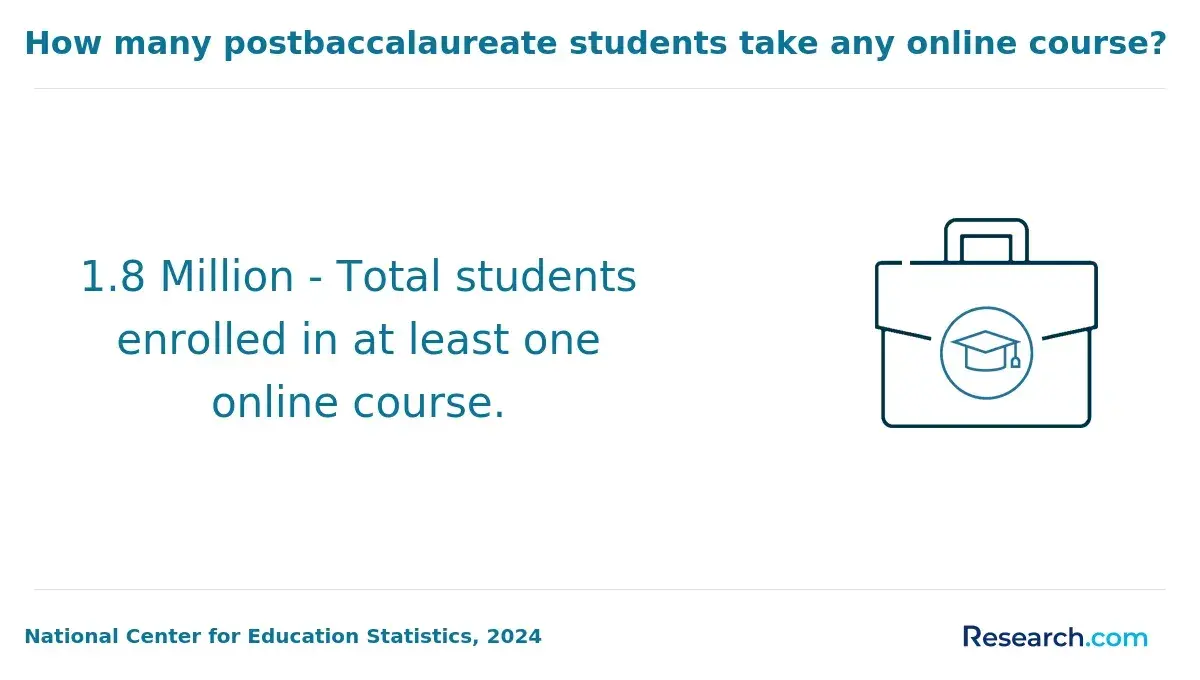
Choosing an online BA in Business - Tourism program often hinges on balancing academic rigor with practical flexibility. As remote education enrollment grew by over 12% recently according to the National Center for Education Statistics, students face a wider field of options and must discern which curricula truly enhance career prospects in a competitive tourism industry. Many seek programs that offer not just theoretical knowledge but align with evolving employer expectations for digital competence and global business insight.
Evaluating whether Arizona State University's program meets these demands involves assessing course relevance, networking potential, and scheduling adaptability. This article examines these factors to guide informed decisions on its value and fit.
Key Points About Arizona State University's Online BA in Business - Tourism Program
- Arizona State University's 90% acceptance rate makes its online BA in Business - Tourism program broadly accessible, though this may influence peer competitiveness and networking opportunities within the cohort.
- The $34,845 tuition aligns with sector costs, supported by an earnings to debt ratio of 3.21x, suggesting graduates gain feasible financial returns relative to their educational investment.
- Employers recognize Arizona State University's experienced faculty and alumni median salary of $62,668, indicating strong workforce outcomes in tourism and business industries.
What makes Arizona State University's online BA in Business - Tourism program stand out?
Choosing an online program like the BA in Business - Tourism at Arizona State University requires weighing flexibility against industry-specific preparation. For working professionals or those juggling commitments, the program's asynchronous learning and adaptable schedule reduce barriers to completion. However, this convenience may come at the cost of limited face-to-face networking typically found in on-campus settings, which can impact immediate local connections in tourism hubs.
The program's distinct advantage lies in its integration of core business education with specialized tourism knowledge, paired with experiential virtual simulations that enhance practical skills. This combination positions graduates to better meet employer expectations in a sector where understanding both market dynamics and customer experience is critical. The 68% average graduation rate reflects a balanced mix of support and academic rigor, suggesting the curriculum demands consistent engagement but offers a substantial return for those who persist.
Is it difficult to get admitted to Arizona State University's online BA in Business - Tourism program?
Business - tourism bachelor's programs are generally moderately competitive, given the steady demand for expertise in hospitality, event management, and travel industries worldwide. Applicants often face competition from peers with relevant experience or specialized academic backgrounds, which can raise admission standards beyond typical business degrees.
Arizona State University's online BA in Business - Tourism program diverges from this trend by maintaining a notably accessible admissions process. With a 90% acceptance rate admitting 62,084 students from 68,840 applicants, ASU's approach lowers typical entry barriers. The absence of SAT or ACT score requirements further reduces hurdles, enabling a broader range of candidates to pursue the degree without the pressure of standardized testing.
This accessibility can be advantageous for applicants balancing work or life commitments who might not excel in formal testing conditions but possess practical skills and motivation. However, this openness can mean larger cohorts and potentially more self-directed learning, which requires applicants to assess their preparedness for independent study environments versus competitive, selective programs.
One graduate recounted applying late in the cycle after initially debating other programs. They described feeling uncertainty during the wait, compounded by limited communication but ultimately relief once admitted without needing to submit test scores. The flexible deadlines allowed adjusting their application timeline after juggling full-time employment, highlighting how ASU's admission policies can provide practical breathing room often absent in more restrictive programs.
How does the curriculum of Arizona State University's online BA in Business - Tourism program stay aligned with current industry trends?
Curriculum alignment with industry demands significantly shapes graduate employability in the tourism business sector. Arizona State University's online BA in Business - Tourism curriculum reflects a deliberate integration of emerging industry standards, yet prospective students should consider how well this translates to actual workforce readiness compared to other programs. Within a competitive labor market, emphasis on digital marketing and sustainability reflects employer priorities but requires sustained updates to remain current. The following points illustrate key curriculum elements essential for meeting employer expectations in this field:
- Industry-Driven Content: Courses incorporate up-to-date trends such as strategic tourism management and business analytics, which are critical to understanding market dynamics and operational challenges in tourism. This foundation aligns with what many employers seek from BA in Business - Tourism graduates, enabling adaptability in shifting business environments.
- Sustainability Focus: The curriculum's attention to environmentally responsible tourism practices resonates with a growing sector shift towards sustainable and community-conscious models. This equips graduates to address regulatory and societal demands increasingly shaping destination development.
- Practical Application: Incorporation of case studies and project-based learning embeds real-world problem-solving skills, preparing students for the unpredictable challenges of global tourism. This experiential learning is pivotal for developing the critical thinking abilities recruiters prioritize.
Balancing foundational business principles with specialized tourism topics, the program made by Arizona State University integrates essential skills for navigating complex, evolving industry realities. The regional emphasis on Arizona State University tourism business program current industry integration reflects the broader necessity for programs to stay responsive to both local and global labor market conditions. For students evaluating the relative advantages of an online BA in business in tourism, reviewing curriculum rigor and practical skill development relative to peer programs is crucial. Moreover, those considering degree choices in this domain may benefit from reviewing best majors research, which often highlights the critical role of specialized, market-aligned education pathways.
How much does Arizona State University's online BA in Business - Tourism program cost?
Tuition for Arizona State University's online BA in Business - Tourism program is set at $12,051 per year, excluding additional costs like books and living expenses, which can add about $1,320 annually. This relatively straightforward pricing structure benefits students by eliminating variable fees often linked to residency status; out-of-state learners pay the same rate as in-state students, which contrasts sharply with many public universities where non-residents face much higher tuition. However, it's crucial to factor in that the total yearly expenditure, including all costs, reaches around $34,845, reflecting the broader financial commitment beyond tuition alone.
The flat-rate tuition model serves as a significant cost-saving measure for geographically dispersed students pursuing the online tourism degree, especially when weighed against traditional on-campus attendance costs such as room and board. Financial aid further shifts affordability, with about 93% of undergraduates receiving some form of assistance, averaging $12,396 in support. For online students, specific grants and institutional aid, combined with partnerships facilitating tuition reimbursement for working professionals, dampen net expenses and expand access to this program despite its overall price tag.
Compared to the national landscape, tuition fees for ASU online BA in Business - Tourism stand out for their predictable and competitive nature. Many public universities lack flat-rate tuition, resulting in substantially higher costs for out-of-state enrollees, while private institutions typically demand even higher tuition fees. This positions ASU's program as a financially sensible option, particularly for students who actively leverage financial aid packages and employer tuition reimbursement opportunities.
For those assessing what degree can I get online in 6 months or similar expedited credentials, the tuition cost dynamics at ASU provide useful context for evaluating tradeoffs between accelerated learning and comprehensive programs like this BA in Business - Tourism. Prospective students should carefully weigh upfront costs against potential financial aid and the program's alignment with long-term workforce goals, ensuring their investment reflects both practical affordability and relevant professional outcomes.
What are the admission requirements for Arizona State University's online BA in Business - Tourism program?
Applicants to Arizona State University's online BA in Business - Tourism program face a selective admissions process balancing foundational academic credentials with flexibility around testing and credit transfer. Understanding this framework matters for students juggling prior education, language proficiency, and transfer recognition, especially given the evolving demands of employers prioritizing practical qualifications over standardized scores. Below is a concise breakdown of key admission criteria applicants should prepare for.
- Academic Background: Completion of high school or holding a GED is mandatory, along with submission of a secondary school record. This baseline ensures all candidates meet fundamental educational standards before advancing in the program.
- English Proficiency: Non-native English speakers must submit TOEFL results, reflecting the program's emphasis on communication skills crucial within the global tourism business sector.
- Entrance Exams: While SAT or ACT scores are not required, submission of recommended tests like Wonderlic or WISC-III can support applications, signaling cognitive readiness but are not a strict condition.
- Transfer Credits: Many recognized credits from Advanced Placement, CLEP, DSST, and ACE evaluations are accepted for fall, spring, and summer terms, facilitating smoother entry for transfer students. However, credits from dual enrollment or life experience do not transfer, which limits some non-traditional backgrounds.
- Supporting Materials: Letters of recommendation and personal statements are encouraged but optional, offering candidates a way to enhance their application without making it a barrier.
What is the ROI of attending Arizona State University's online BA in Business - Tourism program?
The financial return on investment (ROI) for attending Arizona State University's online BA in Business - Tourism program is nuanced and depends heavily on individual financial circumstances and employment outcomes. The program's total annual cost approaches $35,000 when factoring tuition, fees, and living expenses, which is notably higher than the federal scorecard's in-state campus estimate of around $28,000. Graduates face a median student debt of roughly $19,500, balanced against a median starting salary near $62,668. This salary level suggests a manageable debt load with a graduate earnings-to-debt ratio above 3, indicating that, under typical conditions, graduates can expect reasonable debt repayment capacity without excessive financial strain.
However, the ROI calculation must include the variability in scholarships, grants, and job placement success. Students able to secure significant financial aid substantially enhance their investment prospects by lowering upfront costs. Similarly, landing roles in established hospitality firms or government agencies where tourism management skills are in demand can stabilize earnings and support long-term financial health. Yet, salary growth tends to plateau five to ten years after graduation, which may limit long-term earnings gains compared with other business disciplines.
Prospective students considering Arizona State University's BA in Business - Tourism should weigh these factors carefully. Those targeting regional tourism leadership roles with solid entry-level salaries may find the debt manageable and ROI acceptable. Conversely, applicants with less access to financial aid or aiming for rapidly ascending career trajectories should evaluate whether the financial and opportunity costs align with their professional ambitions.
Is there a high student satisfaction for Arizona State University's online BA in Business - Tourism program?
Student satisfaction in arizona state university's online ba in business - tourism program often hinges on balancing program rigor with flexible learning supports. While the coursework demands consistent self-discipline akin to many business-focused online degrees, the program's structure allows students to manage academic responsibilities alongside external commitments. This tradeoff is crucial for those working or handling family duties, though it can challenge students lacking strong time-management skills or external motivation.
The student culture reflects a partially virtual community supported by multiple remote student-led groups and academic mentoring options. These structures help mitigate the isolation commonly associated with online learning by fostering engagement through forums and peer networks. Access to a substantial university support staff further aids students, but the effectiveness depends on the individual's initiative to utilize these resources. Satisfaction is often higher in students who actively participate in virtual clubs and mentoring, as these avenues provide practical career advice and a sense of belonging that extends beyond coursework.
Feedback from alumni indicates that flexibility to learn asynchronously is a significant positive, especially for those transitioning careers or balancing jobs. However, some note that without a physical campus environment, maintaining motivation is a continuous effort and can impact overall satisfaction. One graduate recalled feeling hesitant initially about the remote format, worried it might undermine networking opportunities critical in tourism industry roles.
Over time, by engaging with faculty and peers through virtual channels, they found the experience "surprisingly supportive," appreciating how personalized mentoring helped shape realistic career goals despite the program's distance-based limitations. Such guidance can be particularly valuable for students exploring the highest paying online degrees, as mentorship often helps translate academic achievement into strategic career advancement opportunities.
How does Arizona State University help online BA in Business - Tourism graduates secure employment?
Employer perception of candidates often hinges on tangible access to networks and practical experience, which universities can substantially influence. For online BA in Business - Tourism graduates, the role of arizona state university in facilitating employment extends beyond credentialing to active engagement in career services. Research consistently shows that 72% of graduates credit their school's career resources and alumni ties as crucial in landing their first role. This statistic highlights the competitive edge provided by institutional linkages in hospitality and business sectors, where personal connections often accelerate recruitment. The disparity in job opportunities for online students can be partly offset by how well a program integrates career support. Below are key components of arizona state university's employment support that reflect this dynamic:
- Virtual Career Fairs: These events connect students with employers nationwide, enabling them to engage recruiters directly despite geographical barriers. The fairs often feature companies with active tourism and hospitality roles, allowing students to target relevant openings early.
- Online Resume Workshops: Tailored workshops help refine application materials with industry-specific insights that improve interview conversion rates. Focusing on remote access ensures that distance learners receive comparable preparation to on-campus peers.
- Targeted Job Placement Portal: A dedicated platform links BA in Business - Tourism alumni to specialized roles in business and tourism sectors, streamlining employer-student matches through curated listings and employer partnerships.
- Alumni Mentorship Programs: Experienced graduates offer networking, career advice, and industry insights, forming practical channels that support smoother workforce entry.
Employment support for arizona state university ba in business tourism alumni is critical because such structures compensate for the lack of physical campus immersion and local networking that on-site programs provide. For those balancing work or personal commitments, the model offers scalable access to career resources otherwise concentrated in traditional settings. The quality and availability of these services factor heavily into a student's ability to convert degree attainment into meaningful employment.
Those exploring an online master degree after this program may find the networking and job placement experience foundational, underscoring the importance of institutional support in shaping career trajectories in tourism and business disciplines.
What are the career outcomes for recent graduates of Arizona State University's online BA in Business - Tourism?
Choosing to pursue a BA in Business - Tourism online from Arizona State University calls for careful assessment of career prospects, especially given the variability in job roles and salary potential across the tourism sector. Career outcomes directly influence the program's value by showing how well it prepares graduates for real workforce demands and earning realities. For graduates weighing job opportunities after ASU BA in Business - Tourism, practical roles tend to focus on operational and marketing skills within tourism and hospitality, where salaries generally range from modest entry-level wages to management-level compensation. Here are some relevant career paths with typical responsibilities and expected earnings:
- Tourism Marketing Specialist: Specializes in promoting travel destinations and services, blending creative and analytical tasks. Entry salaries often hover around $45,000, reflecting the importance of marketing skills in tourism growth.
- Travel Consultant: Advises clients on travel arrangements and packages, requiring strong organizational skills and customer service abilities. Compensation typically aligns with mid-$30,000s to low $40,000s depending on location.
- Hotel Management Assistant: Supports hotel operations and guest services, offering experience toward full management roles. Average pay starts near $37,000, comparable to hospitality administration benchmarks.
- Event Coordinator: Manages logistics and execution for events focused on tourism and hospitality sectors. Salaries vary but often approach mid-$40,000s in active markets.
Incorporating related earnings data shows that business administration graduates earn roughly $51,500, illustrating a potential upward mobility for tourism graduates who transition into broader management roles. In evaluating these options, students must consider how well the curriculum matches employer needs for skills like relationship management and operational coordination. For those exploring military friendly universities online with flexible formats, this program offers a practical pathway but demands realistic expectations about starting pay and progression.military friendly universities online
How do I know if Arizona State University's online BA in Business - Tourism program is the right fit for my goals?
Deciding if Arizona State University's online BA in Business - Tourism program aligns with your academic and career aspirations involves weighing multiple factors that directly impact your long-term outcomes. There is no one-size-fits-all answer, as the program's value hinges on how its specific components match your professional focus within tourism and your ability to leverage the degree post-graduation. Consider these critical criteria to determine fit:
- Curriculum Relevance: Evaluate whether the coursework covers specialized areas like hospitality management, sustainable tourism, or event planning that correspond to your intended career path. A focused curriculum can offer practical skills that employers in the tourism sector actively seek, increasing your employability.
- Delivery Flexibility: Since the degree is fully online, assess if the balance between synchronous and asynchronous learning fits your schedule. This is especially important if you need to juggle work, internships, or family commitments while studying.
- Program Reputation and Accreditation: Confirm that the program is accredited by respected bodies and recognized by employers in the tourism and business fields. Accreditation status often influences job prospects and the transferability of credits.
- Professional Networking Opportunities: Access to internships, career services, and industry connections through the program can be a decisive factor for job placement after earning the degree.
Especially for those evaluating career opportunities after Arizona State University BA in Business - Tourism degree completion, understanding these aspects can clarify whether the degree advances your goals effectively. If you are balancing employment with education, looking into various accelerated online degree programs for working adults can provide additional context on feasibility and outcomes.
What Graduates Say About Arizona State University's Online BA in Business - Tourism Program
- Grace: "Studying the ba in business - tourism at Arizona State University gave me a practical understanding of the industry that was immediately useful. However, I quickly learned that employers often prioritized hands-on experience and strong internship portfolios over just the degree, which pushed me to secure several internships while studying. The program's flexibility allowed me to work part-time and build real-world skills, which was crucial in landing my first role in destination marketing."
- Mckenna: "Arizona State University's ba in business - tourism program was a solid foundation for my shift into the corporate side of tourism. The coursework helped me navigate complex client negotiations, but I found that advancement without specific certifications or licensure was limited within certain companies. This reality forced me to pivot towards roles emphasizing project management and strategic partnerships, leveraging the program's focus on business fundamentals rather than just tourism operations."
- Ruby: "When I completed my ba in business - tourism at Arizona State University, I appreciated how the program prepared me for remote work opportunities, which suited my lifestyle. The mix of theory and case studies made me aware that salary growth can plateau without formal certifications, but the ability to enter the workforce faster and flexibly outweighed that for me. Competing for roles in hospitality was challenging, but having a degree combined with a solid portfolio set me apart in recruitment discussions."
Other Things You Should Know About Degrees
The online BA in Business - Tourism at Arizona State University demands consistent weekly effort, with a mix of individual assignments and group projects. While it is designed for flexibility, students juggling full-time employment often find peak weeks challenging due to synchronous elements and tight deadlines. Prospective students should realistically assess their time management skills and anticipate dedicating 15 to 20 hours per week, prioritizing organized schedules to avoid falling behind.
Networking is a known challenge in fully online programs, and this BA in Business - Tourism is no exception. Although ASU provides virtual events and discussion forums, the depth and spontaneity of in-person connections in tourism business fields can be limited. Students who prioritize building industry contacts should actively seek additional external networking opportunities or internships beyond the program to compensate.
In 2027, Arizona State University's Online BA in Business - Tourism offers a flexible schedule. It's critical for students to have strong time-management skills as the program is rigorous, but designed to be manageable alongside full-time employment, with support resources available.
While the program includes core business concepts, the pace assumes some familiarity with basics like marketing and management. Students lacking this background may struggle initially and should strongly consider completing foundational courses beforehand. This strategic preparation can enhance comprehension and reduce early course overload, improving both academic performance and long-term confidence in tourism business settings.
References
- Tourism Management degree - BA (Hons) - Bath Spa University https://www.bathspa.ac.uk/courses/ug-business-and-management-tourism/
- Top 10 Careers with a BA in Tourism & Hospitality Management | BSBI https://www.berlinsbi.com/blog/top-10-career-opportunities-with-a-ba-in-tourism-and-hospitality-management
- 5 key criteria for choosing the right Hospitality degree https://www.torrens.edu.au/stories/blog/hospitality/5-key-criteria-for-choosing-the-right-hospitality-degree
- Hospitality vs Business Degree: Which One Is Right for You? https://www.shms.com/en/news/hospitality-vs-business-degree/
- Arizona State University- Business degree, Accreditation, Applying, Tuition & Financial Aid https://www.top-business-degrees.net/school-profiles/arizona-state-university/
- Bachelor of Science in Tourism Development & Management – Tourism Management Degree https://aut-edu.uz/bachelors/bachelor-of-science-in-tourism-development-management
- BA (Hons) Business Management (Tourism) | Undergraduate Degree | Arden https://arden.ac.uk/our-courses/undergraduate/business-degree/ba-hons-business-management-tourism