2027 Is Unity Environmental University's Online BS in Animal Health & Behavior Worth It? Salary, Outcomes, and ROI

Co-Founder and Chief Data Scientist
Choosing an online BS in Animal Health & Behavior program involves weighing accessibility against specialized curriculum quality. Many programs claim flexibility, yet only those integrating practical behavior science and veterinary fundamentals prepare students effectively.
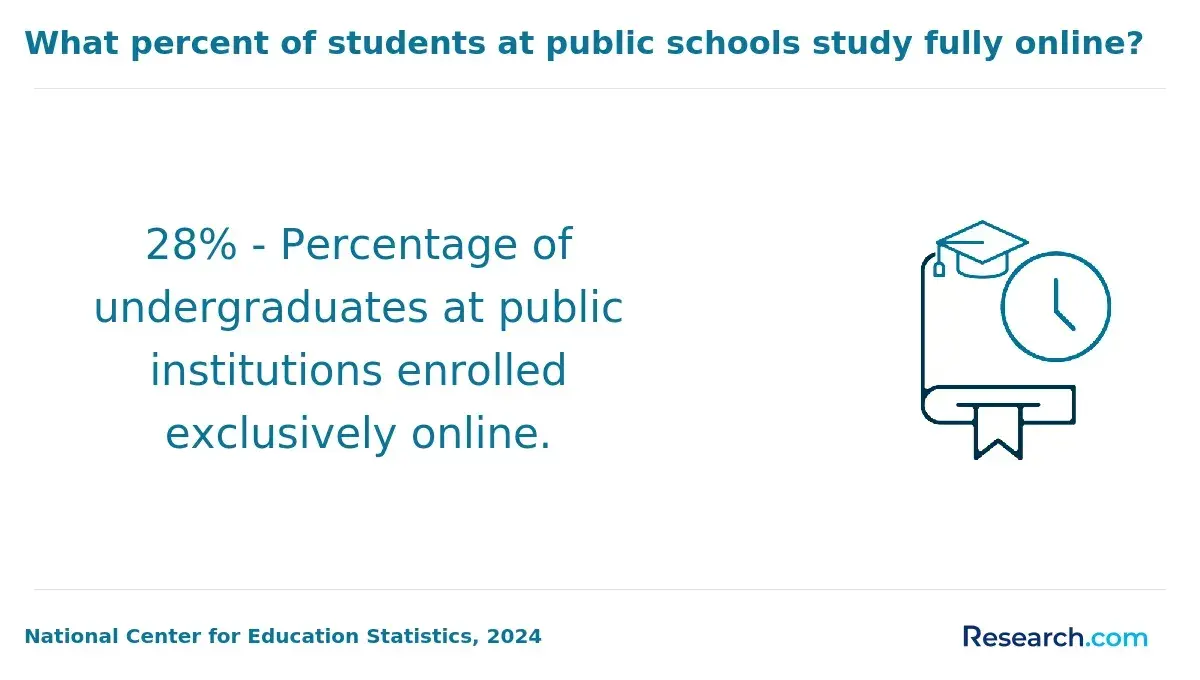
With online postsecondary enrollment rising by over 15%, according to the National Center for Education Statistics, students must gauge whether the convenience of Unity Environmental University's program aligns with employer expectations in animal health fields where hands-on experience remains critical.
This article examines the program's academic rigor, practical relevance, and career outcomes to help prospective students decide if it suits their professional ambitions and learning preferences.
Key Points About Unity Environmental University's Online BS in Animal Health & Behavior Program
- The program's 82% acceptance rate reflects moderate accessibility, but prospective students should weigh this against the specialized demands of animal health and behavior careers.
- With tuition costing $23,960 and an earnings to debt ratio of 1.51x, graduates likely achieve a sustainable financial return, influencing long-term career investment decisions.
- Experienced faculty and a curriculum aligned with industry needs help alumni secure median salaries of $37,852, signaling positive employer recognition within related workforce sectors.
What makes Unity Environmental University's online BS in Animal Health & Behavior program stand out?
Choosing Unity Environmental University's online BS in Animal Health & Behavior program means weighing its broad ecosystem approach against more traditional veterinary or animal science degrees. For students aiming at roles where environmental context shapes animal health decisions, such as wildlife rehabilitation or conservation-focused agencies, this integrated curriculum provides a meaningful advantage.
However, the program's interdisciplinary stance may require additional self-directed learning to meet industry expectations in specialized clinical environments where narrow technical expertise is prioritized.
The program's asynchronous online format suits working professionals or those balancing competing responsibilities, offering flexibility rare in fields with hands-on demands. Access to virtual labs and interactive simulations partially offsets the lack of physical labs, but students targeting clinical careers or intensive research roles should anticipate supplemental experiences elsewhere.
With 6,359 students enrolled and a mix of full-time and part-time faculty, graduates benefit from diverse perspectives yet must navigate a program with a 57% graduation rate, underscoring the need for disciplined self-management and sustained motivation.
Is it difficult to get admitted to Unity Environmental University's online BS in Animal Health & Behavior program?
Admissions to bachelor's programs in animal health and behavior usually involve moderate competition, reflecting the niche yet important nature of the field. These programs tend to attract applicants with focused interests and specific career goals, so entrance requirements often balance academic standards against maintaining access for dedicated students.
However, unlike more saturated or highly specialized veterinary tracks, the overall selectivity is not extreme, allowing motivated applicants to find entry points without needing top percentile test scores.
Unity Environmental University's online BS in Animal Health & Behavior program presents a relatively accessible admissions landscape. With an acceptance rate of 82%, admitting over 7,200 candidates annually from nearly 8,900 applicants, the program lowers barriers common in admissions by not requiring SAT or ACT scores.
This approach reduces stress on applicants lacking standardized testing credentials or those prioritizing other aspects of their admission profiles, which can be particularly beneficial for nontraditional students balancing career or geographic constraints.
The program's flexibility and high admission rate cater to learners seeking credible education without protracted competitive hurdles, though this accessibility may influence employer perceptions depending on regional industry standards and the specific demands of animal health roles.
Higher acceptance does not necessarily equate to lowered program rigor but calls for prospective students to weigh how the credential meets their personal and professional thresholds.
One graduate recalled delaying her application until she secured a stable work schedule, feeling relieved that Unity Environmental University's lack of testing requirements allowed her to submit a competitive application later than usual.
She remembered the admissions decision coming swiftly, which eased her anxiety after juggling family responsibilities and job uncertainties. The relatively straightforward process gave her the time needed to plan her education strategically rather than rushing to meet traditional application benchmarks.
How does the curriculum of Unity Environmental University's online BS in Animal Health & Behavior program stay aligned with current industry trends?
Aligning curriculum with evolving industry demands is critical for programs like Unity Environmental University's online BS in Animal Health & Behavior.
Graduates entering fields such as veterinary support or wildlife conservation face complex realities where theoretical knowledge must quickly translate to applied skills. For example, effective animal trainers today need a robust understanding of behavioral science alongside health management to design humane, evidence-based interventions.
Below are key factors demonstrating how Unity's program stays relevant within a landscape shaped by current veterinary practices and shifting employer expectations.
- Theoretical-Practical Balance: The curriculum integrates foundational subjects like animal physiology and disease prevention with experiential learning through virtual labs and case studies. This blend aims to develop practical diagnostic abilities rather than relying solely on textbook knowledge, a shift increasingly demanded by employers.
- Industry-Aligned Skillsets: Focused instruction in behavioral analysis, health management, and applied research equips students to meet roles requiring multidimensional expertise—important as job openings call for professionals who can assess animal welfare and environment-related health factors.
- Emerging Topics Inclusion: Incorporating sustainable animal management and ethical treatment considerations addresses progressive standards within the sector, reflecting a growing emphasis on humane, ecologically-aware care methods crucial in contemporary programs like this online BS in Animal Health & Behavior program.
While no program can fully replicate hands-on experience found in clinical or wildlife settings, the curriculum's design aligns well with Unity Environmental University animal health curriculum latest industry standards.
Students should weigh these curriculum strengths against practical exposure opportunities elsewhere when evaluating their educational paths. For further insights on affordable doctoral options in related fields, see the cheapest doctorate degree guide.
Tuition for Unity Environmental University's online BS in Animal Health & Behavior program is priced at $12,640 annually for base tuition and fees, excluding books and supplies, which add roughly $800 per year. The total annual cost estimate, including typical living expenses, reaches nearly $24,000, though on-campus room and board costs may not apply to many online students.
Financial aid is a crucial factor here, as 86% of undergraduate students receive some form of assistance, averaging about $3,528, which can significantly reduce the net cost for eligible applicants.
This cost structure reflects a pay-per-credit model rather than a flat-rate tuition that some online programs use, which means students must budget carefully based on course load. Unlike certain institutions that maintain uniform pricing irrespective of residency, Unity Environmental University's approach allows for potential variability in fees based on enrollment choices and local expenses.
These nuances matter. Students weighing the cost must consider how their specific financial aid packages, course intensity, and living situations alter affordability within the overall pricing framework for online animal health degrees.
When compared to tuition fees for Unity Environmental University's online Animal Health and Behavior degree programs, many institutions nationally charge tuition surpassing $15,000 annually just for instruction, excluding additional costs. This positions Unity's program as a competitively priced option in an otherwise expensive field.
Yet affordability alone should not override program quality and outcomes; students should assess whether the savings justify the credential's alignment with employer expectations and practical skills needed in this evolving sector.
Students exploring options alongside Unity's offering might also consider pathways from shorter programs or related credentials such as online associate degrees, which can sometimes lead to cost-effective entry points in animal health careers. Ultimately, the decision hinges on balancing upfront investment, time to completion, and how well the program supports workforce entry or advancement within animal health and behavior fields.
Unity Environmental University's admission standards for its online BS in Animal Health & Behavior program reflect a selective approach rather than open access, which can impact applicants with varied academic backgrounds.
This means students should be prepared to present standard academic credentials but won't face overly restrictive entry barriers like required standardized test scores or portfolios. Recognizing these criteria is crucial for candidates balancing professional experience with formal education.
Below are key admission considerations to understand before applying:
- Academic Credentials: Applicants must submit official secondary school records or equivalent certification, such as a GED. A GPA review is part of evaluating readiness, emphasizing prior academic performance over entrance testing.
- Language Proficiency: TOEFL scores are mandatory for non-native English speakers, underscoring the program's emphasis on effective communication skills essential for the animal health field.
- Transfer Credits: The university accepts various transfer credits, including ACE recommendations and CLEP exams, allowing flexible progression for students with prior college coursework or relevant exams.
- Testing Requirements: Standardized tests like SAT, ACT, or entrance exams are not required, reducing barriers for students who rely on other evidence of academic capability.
- Experiential Credit: Credit for life experience and advanced placement is accepted, providing alternative pathways for nontraditional students to advance without additional coursework.
The return on investment for attending Unity Environmental University's online BS in Animal Health & Behavior program hinges on balancing a moderately high annual cost against relatively stable but limited income growth. With tuition and related expenses totaling about $23,960 per year, the program costs more than the average in-state, on-campus tuition benchmark of $20,915.
Graduates start with a median salary of roughly $37,852, which remains essentially flat over the first decade, producing a graduate earnings-to-debt ratio near 1.5 given typical student loan balances around $25,000. This ratio reflects modest financial leverage but also signals slow salary progression compared to other fields.
Students capable of securing scholarships or grants could improve this ratio significantly by reducing upfront debt burdens. Conversely, the absence of strong earnings growth means that graduates relying heavily on borrowed funds face longer repayment horizons without corresponding salary increases.
Employment opportunities tend to cluster in veterinary clinics, research facilities, and animal welfare organizations where compensation structures are often steady but not highly competitive. Those targeting government or higher-paying industry roles may encounter limited openings.
Ultimately, the ROI for this degree depends on a realistic appraisal of career objectives and financial aid availability. Prospective students should carefully consider whether the program's stable income outlook aligns with personal debt tolerance and long-term employment goals in animal health sectors known for incremental rather than rapid wage increases.
Student satisfaction with the online BS in Animal Health & Behavior program at Unity Environmental University is nuanced, reflecting both program structure and resource availability. The blend of flexible scheduling and online delivery suits learners balancing work or family, which is crucial for retention and engagement in remote settings.
However, the program's moderate graduation rate signals that some students may struggle with academic rigor or insufficient real-time support, potentially dampening overall satisfaction for those seeking more interactive guidance.
The university fosters a digital community through student-led organizations and mentoring, which helps mitigate isolation, a common challenge in fully online programs. These peer networks can enhance motivation and practical learning, though the effectiveness varies based on individual initiative and time commitment.
Students often cite the program's flexibility as a major advantage, yet some express concerns about limited synchronous interactions and more proactive academic advising, which impacts how connected and supported they feel throughout their studies.
Among alumni, satisfaction tends to hinge on how well they manage self-discipline and make use of available academic and social resources. One graduate recalled initially doubting whether an online format could fit her unpredictable schedule, especially juggling part-time work and family care.
She emphasized relief in finding student groups that helped her stay accountable and mentors who guided her through coursework challenges. Despite moments of stress, she viewed the program's flexibility and community support as decisive factors in completing the degree and preparing for roles requiring both technical knowledge and behavioral understanding.
Institutional support significantly influences the employment outcomes of graduates in specialized fields such as animal health and behavior. Approximately 70% of graduates secure their first roles through university-affiliated resources or networks, underscoring the value of comprehensive career services for online BS in Animal Health & Behavior students.
This connection is particularly important given the geographic dispersion typical of remote programs, where direct, in-person employer access is limited. For students weighing options, the availability of tailored job placement assistance can be a critical factor.
Below are specific mechanisms Unity Environmental University uses to support its online animal health career support:
- Virtual Job Fairs: These events connect students directly with potential employers in animal health fields, facilitating networking and job leads that bypass geographic restrictions common in online education.
- Resume Workshops: Specialized online sessions help students develop application materials aligned with industry expectations, improving their chances of standing out in competitive applicant pools.
- Job Placement Portal: A dedicated resource that curates job listings for graduates streamlines their search process and highlights opportunities relevant to their qualifications.
- Alumni Mentorship Program: Pairing students with experienced alumni offers personalized guidance and can increase job placement success by up to 20%, reflecting the program's practical influence on career trajectories.
The structured support ecosystem exemplified here illustrates how targeted services within an animal health program contribute to stronger workforce readiness and placement. Students exploring similar options might also consider how such support compares to alternatives like taking the easiest 2 year degree to get, which may offer a faster path to employment but typically with narrower specialization and fewer career resources.
Overall, Unity Environmental University online animal health career support establishes a viable bridge between academic preparation and professional employment in a growing sector.
Career outcomes for graduates of Unity Environmental University animal health program often reflect the practical realities of entry-level roles within conservation and animal care sectors.
Employers typically seek candidates with versatile skills in wildlife management, habitat monitoring, and basic ecological research, meaning job prospects for online BS in Animal Health and Behavior graduates tend to be strongest when aligned with these functions. There is a notable tradeoff between the broad applicability of the degree and the relatively modest starting salaries, which emphasizes the importance of gaining field experience or pursuing specialized credentials for upward mobility.
To contextualize these outcomes, consider a wildlife technician who supports habitat restoration projects. While initial pay may fall below the average in some natural sciences, the role's hands-on nature can open doors to more advanced technical or managerial positions over time. Salary metrics vary across overlapping fields, reflecting divergent employer expectations and funding sources.
Below are examples of career paths to consider:
- Wildlife Technician: Involves monitoring animal populations and assisting with conservation efforts, typically earning around $24,500 annually. This role suits graduates aiming for field-oriented work with direct ecological impact.
- Animal Care Specialist: Focuses on the daily care and health monitoring of animals in shelters or rehabilitation centers, often with salaries near $21,000, requiring strong animal biology knowledge.
- Conservation Assistant: Supports resource management initiatives and policy implementation within natural resource agencies, earning about $33,000, bridging fieldwork with administrative tasks.
- Ecological Research Aide: Assists with data collection and analysis in ecological studies, with average pay around $22,300, ideal for those interested in research but at an entry level.
Evaluating these roles highlights that graduates must weigh the foundational experience provided by the program against limited immediate earnings potential. For students prioritizing affordable access, exploring cheap online colleges as options alongside career outcomes could inform a more balanced decision.
Deciding if Unity Environmental University's online BS in Animal Health & Behavior fits your career goals requires weighing academic content against real-world outcomes, as suitability hinges on your professional objectives. For example, choosing a program with strong practical elements is critical if you aim to work directly with animals in veterinary support roles versus research-centered careers.
Start by evaluating these considerations:
- Curriculum Relevance: Does the coursework cover subjects that match your interests in animal health, behavior analysis, or applied sciences? Look for programs that balance theoretical foundations with practical skills, ensuring preparation for roles in animal welfare, counseling, or veterinary assistance.
- Program Flexibility and Delivery: Assess whether the online format accommodates your schedule and preferred learning style. Consider if interactive features such as live sessions, virtual labs, or internship opportunities are integrated, since these elements can greatly impact skill development and employability.
- Accreditation and Reputation: Confirm that the program is accredited by recognized agencies, which influences the quality of education and your eligibility for certifications or graduate studies. Employer recognition of the credential is a vital factor.
- Student Support Services: Access to academic advising, career counseling, and technical support can influence persistence and success, especially in a remote learning environment where self-motivation is crucial.
- Career Pathway Alignment: Investigate if the program facilitates pathways to licensure or specialized roles such as animal behavior counseling or veterinary technician positions, ensuring the degree advances your specific career plans.
Prospective students pondering whether Unity Environmental University online animal health degree fit for career goals often benefit from comparing their options against shorter professional certificates, for instance, the 6 month certificate programs that pay well might offer quicker entry into some animal care roles depending on career priorities.
What Graduates Say About Unity Environmental University's Online BS in Animal Health & Behavior Program
- Julian: "Studying the BS in Animal Health & Behavior program at Unity Environmental University gave me the flexibility to work part-time while completing my degree, which was crucial. I found that in our field, employers often value hands-on experience and certifications over licensure alone, so I focused on internships and building a diverse portfolio during my studies. This practical approach helped me secure a remote position sooner than I expected, though I'm aware that some advancement opportunities might require additional credentials down the line."
- Francisco: "Reflecting on my time at Unity Environmental University, I appreciated the real-world case studies integrated into the BS in Animal Health & Behavior coursework. They prepared me well for navigating the competitive job market, especially since many employers prioritize applied skills and experience rather than just academic degrees. Although I faced some challenges breaking into clinical roles without licensure, the program's emphasis on behavior and environmental factors opened doors in wildlife rehabilitation and consulting that fit my career aspirations."
- Ivan: "Unity Environmental University's BS in Animal Health & Behavior program was tough but rewarding, pushing me to balance coursework with building relevant certifications and networking. After graduation, I quickly realized that employers in this space expect evidence of experience. Portfolios and internships often speak louder than the degree itself. The program's remote structure allowed me to enter the workforce faster than traditional routes, though I've had to be strategic about career pivots due to salary growth limitations without additional licensure."
Other Things You Should Know About Degrees
The program integrates hands-on assignments and virtual labs, but since it is fully online, direct animal interaction opportunities depend largely on students' personal initiative to arrange local internships. This means that those who want extensive practical experience must proactively seek external placements, which can require significant time management skills alongside coursework. Students should assess their ability to balance independent fieldwork with academic deadlines before committing to the program.
The curriculum covers foundational behavioral science and animal health topics but offers limited specialization options or research thesis pathways within the online format. Those aiming for advanced research careers or graduate programs should plan to supplement their education with independent study or additional accredited research opportunities, as the program's structure prioritizes broad professional preparation over deep specialization.
Yes. If the program is offered through an accredited U.S. institution and the student completes the FAFSA, federal grants and Direct Loans can apply. Aid eligibility is tied to the school’s Title IV status, enrollment level, and satisfactory academic progress.
- Animal Behavior https://www.une.edu/cas/schools/social-behavioral-sciences/programs/bs-animal-behavior
- Companion and Performance Animals https://www.ualberta.ca/en/undergraduate-programs/bachelor-of-science-in-animal-health-companion-and-performance-animals.html
- Animal Health and Behavior https://unity.edu/distance-education/degrees/animal-health-and-behavior/
- Unity Environmental University Reviews https://www.onlineu.com/online-reviews/unity-college
- Unity Environmental University https://www.princetonreview.com/college/unity-environmental-university-1023814
- Animal Behaviorist Career https://explorehealthcareers.org/careers/veterinary-medicine/animal-behaviorist/
- Tuition - Animal Behavior Institute https://www.animaledu.com/tuition/