2027 Benedictine University Tuition for Online Degrees: Cost Per Credit, Fees, and Total Price

Co-Founder and Chief Data Scientist
Students seeking affordable online degrees often face uncertainty about the true cost of attendance, which extends beyond tuition to include various fees and hidden expenses. With the average tuition for private online programs exceeding $500 per credit nationally, the financial burden can quickly escalate, especially without a clear understanding of cost structures. This complexity makes it crucial to analyze not just sticker prices but also additional fees and how they shape the total investment in education at Benedictine University.
Online enrollment trends show a growing demand for flexible learning options, but rising student debt underscores the need for careful cost evaluation. For prospective students considering Benedictine University's online programs, knowing the exact price per credit, mandatory fees, and total expenses is essential to making informed decisions. This article breaks down those costs, helping students assess whether Benedictine University's online tuition aligns with their financial and career goals.
Key Points About the Cost of Attending Online Programs at Benedictine University
- The total tuition cost to complete an online program at Benedictine University is $55,046, requiring strategic financial planning to manage this substantial investment and its impact on post-graduation debt obligations.
- Graduates show an earnings to debt ratio of 2.82x, indicating income tends to cover nearly three times their debt, an essential metric for assessing repayment feasibility and long-term financial stability.
- Approximately 94% of students receive financial aid, with undergraduates averaging $19,608, which significantly offsets costs but varies individually, influencing the net price and affordability of the online program.
How much is the tuition for online programs at Benedictine University?
Tuition cost for Benedictine University online programs stands significantly above many peers, with a baseline of $34,290 for tuition and fees alone. This excludes additional expenses like books, room, and board, which push the total annual cost to $55,046. Such a price point reflects the program's comprehensive scope but demands careful financial planning from students.
Online degree tuition rates at Benedictine University vary by program but follow traditional fee structures rather than discounted flat rates common elsewhere. Fields of study and degree level affect costs mildly, yet prospective students should anticipate premium pricing aligned with quality delivery and technology investments.
Understanding these tuition figures is vital given employers' increasing scrutiny of educational ROI. For example, a healthcare professional pursuing an online degree faces tradeoffs between upfront debt and long-term salary gains amid rising demand in healthcare systems. A recent study noted steady increases in private online program costs, highlighting the need for targeted cost-benefit assessments.
Students evaluating Benedictine must weigh whether this investment aligns with their career goals and financial realities. Those reviewing nationally accredited online colleges, like Benedictine, can find comparative context at nationally accredited online colleges. Navigating these costs amid diverse program options remains key for informed decisions.
How does online tuition at Benedictine University compare to on-site program costs?
The cost of attending Benedictine University varies significantly between online and on-site programs. On-site tuition totals approximately $55,046, reflecting additional fees for campus facilities and student activities, whereas online tuition stands at $34,290, benefiting from lower per-credit costs and fewer ancillary charges. This difference impacts how students budget for their education.
However, online learners might face technology or digital resource fees not typically charged on campus. A 2024 National Center for Education Statistics study shows that while online programs generally have lower sticker prices nationwide, hidden costs like proctoring or exclusive software can reduce initial savings. This dynamic is crucial for those comparing Benedictine University online program fees and campus prices effectively.
For example, a working professional balancing a full-time job might prefer the online option due to the lower upfront tuition and flexible format, despite potential technology fees. In contrast, students who prioritize hands-on learning and networking may justify the higher on-site costs. Employers increasingly focus on demonstrated skills rather than delivery method, but fields requiring in-person experiences may favor campus attendance.
Prospective students exploring Benedictine University Tuition for Online Degrees: Cost Per Credit, Fees, and Total Price should also consider what online college gives the most financial aid. Balancing tuition cost against career goals and learning style is essential for maximizing educational value in either setting.
How does enrollment status affect the cost of attendance at Benedictine University?
Enrollment status at Benedictine University significantly influences total tuition costs and payment timing. Full-time students pay a flat fee of $34,290, covering a typical annual credit load. This structure offers predictable expenses and a more straightforward path to degree completion.
Part-time students pay per credit, which can lead to a prolonged enrollment period and a higher total cost, as seen in the $55,046 total tuition figure. This incremental payment schedule suits those balancing work or personal commitments but may result in accumulating fees over time.
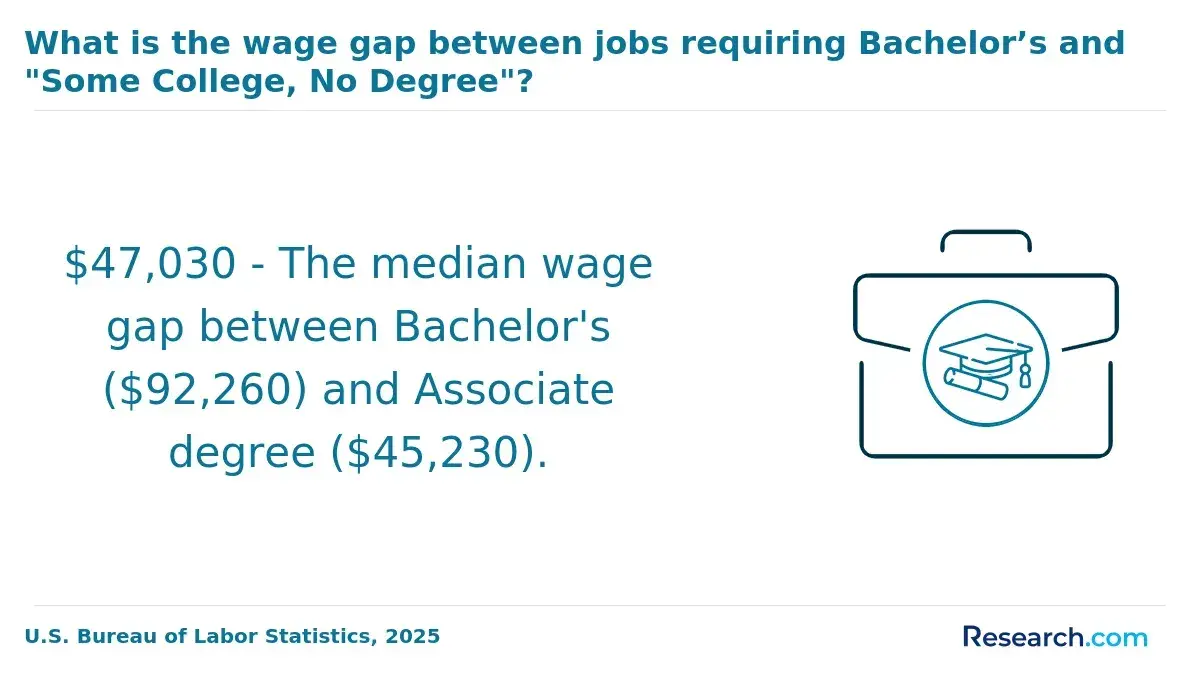
Nearly 40% of U.S. college students attend part-time, a trend associated with increased financial strain and lower graduation rates. For Benedictine University students, this suggests part-time enrollment risks both higher expenditures and potential delays in earning their degree-factors employers may consider when evaluating candidate readiness.
Choosing between full-time and part-time status involves weighing immediate financial demands and time investment against long-term affordability and employment implications. Full-time enrollment offers efficiency and cost predictability, while part-time flexibility may extend both the timeline and overall expense of completing a degree.
What is the application fee for undergraduate and graduate programs at Benedictine University?
Benedictine University charges a $40 application fee for both undergraduate and graduate programs, a relatively modest amount designed to offset administrative costs. However, applicants should anticipate additional expenses such as fees for sending official transcripts or placement testing, which can collectively increase the upfront investment required to start an online program.
For example, a prospective student applying to multiple programs at Benedictine University or elsewhere could face cumulative fees that significantly elevate the initial cost of enrollment. This financial barrier, though small, may dissuade students from lower-income backgrounds from applying to a broad range of programs, limiting their educational opportunities. Recent data highlights that rising application fees contribute to reduced diversity in private university applicant pools, underscoring the importance of budgeting realistically when considering online degree options.
Benedictine University maintains a reputation as a reliable institution with solid outcomes for working professionals pursuing online education. Its admission costs are typical of private universities, but the true investment extends beyond the $40 fee. Careful financial planning is essential given the potential for extra charges that can affect affordability and access, particularly for students managing tight budgets.
How much will you spend on books and supplies at Benedictine University?
Students at Benedictine University should plan to spend roughly $2,056 on books and supplies to complete their online degree. This cost covers textbooks, digital resources, and any specialized equipment required by certain majors. For example, STEM and health science students often face higher costs due to lab materials, while business or humanities students usually encounter lower expenses focusing mainly on reading materials.
Budgeting for these costs is essential because they add a significant layer to the overall investment in education. A recent 2024 College Board report shows that book and supply expenses have increased by 4% over three years nationwide. This rise reflects ongoing pressures that students need to consider alongside tuition when evaluating program affordability.
Quality course materials are also linked to skill mastery, a key factor employers evaluate. Investing in current textbooks and digital tools can enhance learning outcomes and technical proficiency necessary for workplace readiness, making this expense an important part of career preparation at Benedictine University.
To lower costs, students can explore used books, digital rentals, or institution-provided resources. Planning purchases by major and course load helps avoid unexpected expenses. Leveraging online marketplaces and library access also offers practical savings without sacrificing essential materials.
One Benedictine University online graduate shared, "I initially underestimated supply costs, especially for nursing courses requiring specific lab kits. I ended up purchasing used textbooks and digital versions to stay within budget. It was a bit stressful when some materials were only available new, but this approach helped manage the overall cost while ensuring I had what I needed."
What out-of-pocket expenses should Benedictine University online students prepare for?
Beyond tuition, books, and basic school supplies, Benedictine University online students face several additional expenses that can affect their total cost of attendance. A student enrolled in an online nursing program might find that a reliable computer and steady internet connection are just as critical as textbooks. These technology-related costs can quickly add up, impacting budgeting decisions especially for those balancing work or family commitments.
Key out-of-pocket expenditures for Benedictine University online students include:
- Reliable High-Speed Internet: Online coursework and exams require a consistent connection. Students often upgrade their service, spending $50 to $100 monthly to avoid disruptions that could affect performance and deadlines.
- Computer or Laptop: A mid-range device meeting software requirements generally costs between $500 and $1,200. This investment is essential for running academic software and participating in virtual classrooms smoothly.
- Software Subscriptions: Programs like Microsoft Office or discipline-specific tools might not be fully covered by Benedictine University. Students may need personal licenses, adding $50 to $200 annually.
- Productivity and Tutoring Tools: Access to apps for time management or additional tutoring can involve extra monthly fees. While optional, these often improve academic success and workload management.
Compared to on-campus students, those studying online avoid commuting and housing costs but face higher expenses tied to technology and internet. According to a survey from the National Student Clearinghouse Research Center, 68% of online students cited technology costs as a major financial barrier. This highlights that savings from room and board may be partly offset by these unavoidable investments, affecting the overall affordability of an online degree at Benedictine University.
What institutional factors drive the overall price of a Benedictine University online degree?
The price of attending an online program at Benedictine University reflects a complex mix of institutional factors beyond base tuition. These elements influence the $55,046 total cost and highlight why tuition figures alone do not capture the full value or expense. Clear examples help prospective students understand the practical implications of these costs.
The key drivers are outlined below.
- Faculty and Staff Composition: Benedictine University employs 513 total staff and 296 faculty members, a ratio that supports both online and on-campus programs. This faculty mix ensures personalized instruction but increases operational costs, pushing tuition higher than schools with more automated delivery.
- Academic Reputation and Admission Selectivity: Moderate admission difficulty contributes to tuition pricing by balancing market positioning. Higher selectivity often equates to higher perceived value, influencing costs due to investment in quality assessment and student outcomes.
- Technological Infrastructure: Delivering education online requires robust digital platforms and maintenance. Continuous investment in technology crucial for seamless remote learning adds to expenses that are factored into tuition fees.
- Student Support Services: Online students benefit from counseling, career services, and tech support. Maintaining these dedicated resources is a significant cost driver integral to the overall tuition structure.
- Curriculum Development and Delivery: Designing and updating curricula for online formats involves specialized faculty time and instructional design expertise. This targeted labor affects cost per credit and therefore total tuition.
Recent trends show growing scrutiny from employers and students demanding both affordability and relevance in online education. This pressure shapes institutions like Benedictine University to balance pricing with program quality and career outcomes. For students comparing options, understanding these drivers clarifies the comprehensive nature of the tuition investment.
The program's blend of resources and faculty support influences the value proposition beyond simple cost figures. For those aiming at the easiest college majors with high pay, evaluating these factors alongside tuition clarifies return on investment considerations.
How can you lower the cost of attendance at Benedictine University?
Choosing an online degree at Benedictine University requires careful financial planning since higher education costs in the US continue to rise, making tuition a substantial investment. Online students can strategically lower their expenses through targeted financial resources and credit-saving options. This approach can significantly reduce the burden of tuition fees and other costs.
Consider these key methods to manage and reduce your total education investment:
- Employer Tuition Assistance: Many employers offer tuition reimbursement programs that cover some or all of the cost for employees pursuing higher education. Eligibility varies by company, so employees should verify their benefits early to align course enrollment with reimbursement timelines.
- Military and Veteran Benefits: Active-duty service members and veterans can leverage VA education programs or tuition assistance, which often covers substantial tuition portions. These benefits should be factored in before registering to maximize funded credits.
- Credit Transfers and Certification Recognition: Students with prior college credits or relevant professional certifications may transfer them to reduce required coursework. This option shortens degree length and lowers overall tuition but requires early evaluation of transfer policies to avoid losing credits.
- Experiential Learning Assessments: Benedictine offers assessments for prior learning that can earn course credits by demonstrating professional or experiential knowledge. This reduces class time and tuition but necessitates preparing appropriate documentation and tests.
- Part-time Enrollment and Certificate Stacking: Enrolling part-time or completing certificates before a full degree allows gradual financial commitment. While it extends time to graduation, it eases upfront costs and facilitates manageable budgeting.
Data from the National Center for Education Statistics shows that students who tap employer and military benefits graduate with approximately 23% less debt, underscoring the value of these financial strategies. Prospective students should approach financial aid options for Benedictine University online students with a clear understanding of how tuition discounts, credit transfers, and funding sources intersect with their career goals and personal finances.
Those considering starting their educational journey might also explore applying with a free online college application to reduce initial expenses and improve affordability from the outset.
How can transfer credits reduce the overall cost of a degree at Benedictine University?
Transfer credits at Benedictine University typically include coursework completed at regionally accredited institutions, evaluations from the American Council on Education, and standardized exams like CLEP and DSST. Professional and military experiences may also qualify if well documented and relevant. These options effectively reduce the number of credits students must complete, lowering tuition expenses.
Students can submit transfer credits during any term, allowing them to enroll without delays. For example, an online student who completed general education classes elsewhere can apply those credits to skip foundational courses, accelerating degree completion and lowering overall costs. This process requires official transcripts and thorough evaluation by university admissions.
However, approval depends on course equivalency and documentation quality. Transferability of experiential credits varies, and alignment with specific degree requirements is crucial. Some credits from nonaccredited schools or less-established programs may not be accepted, which can complicate planning and affect the anticipated savings.
A national study from the National Center for Education Statistics reveals that 66% of online degree seekers aim to transfer credits to mitigate tuition inflation and reduce debt. This highlights the growing strategic value-but also the complexity-of transfer policies in managing higher education costs.
One Benedictine online graduate shared, "I had to weigh which credits would transfer and how they fit my program. It was nerve-wracking at first, especially confirming my military training matched course requirements. Ultimately, though, transferring over 30 credits cut nearly a semester off my timeline, saving thousands and helping me avoid extra student loans."
How many online students receive financial aid at Benedictine University?
At Benedictine University, 94% of online students receive financial aid. The average award for undergraduates is about $19,608, a significant factor in reducing the upfront cost of tuition. This high percentage reflects the institution's strong commitment to supporting online learners through various aid options. However, real-world scenarios show that even with aid, many students may face gaps in funding, requiring additional loans or out-of-pocket expenses to cover their full cost of attendance.
For example, a working adult returning to school might rely heavily on aid but still needs to budget carefully to avoid accumulating unsustainable debt.
Online students at Benedictine University can apply for several key scholarship and grant programs. These awards vary by eligibility criteria and tuition coverage. Below are the primary aid options available:
- Benedictine Scholarship: Awarded based on academic merit, this scholarship can cover 50% to 100% of tuition for qualified students demonstrating strong academic performance.
- Alumni Grant: Available to students with family ties to Benedictine University alumni, this grant offers partial tuition reduction, typically covering around 25% to 50% depending on the program and enrollment status.
- Military Grant: Designed for active-duty service members, veterans, and their families, this grant provides substantial tuition support often reaching up to 75%, acknowledging their service and facilitating access to education.
- Transfer Grant: For students transferring credits from other institutions, this grant reduces tuition costs by approximately 25%, encouraging continuation of education with minimal disruption.
- Phi Theta Kappa Scholarship: Awarded to members of this national honor society, the scholarship offers financial relief by covering 25% to 50% of tuition expenses.
Despite these opportunities, students must weigh financial aid against the potential for leftover expenses. A 2024 study from the National Center for Education Statistics found that 62% of online college students nationwide carry education debt, a cautionary metric for prospective enrollees. Understanding the practical effects of financial aid on total costs is essential, especially for older learners who may be balancing education with family obligations or employment.
Students pursuing degrees for older adults should carefully assess how financial assistance aligns with their long-term financial plans and career goals.
What Graduates Say About the Cost of Studying at Benedictine University
- Jose: "Opting for Benedictine University's online program was a practical decision for me while balancing full-time work. The absence of commuting and housing costs definitely eased the financial strain, even though some unexpected digital platform fees caught me off guard. Ultimately, the degree accelerated my career progression and salary increase, making the investment worthwhile despite the initial sticker shock."
- Cedric: "Studying online at Benedictine University demanded a careful evaluation of cost versus flexibility. The tuition felt steep upfront, especially with additional technology charges, but I appreciated that I avoided typical campus expenses. Reflecting now, the degree facilitated my entry into a competitive field quicker than traditional routes would have, which justified the financial trade-offs in the long run."
- Yusuf: "My experience with Benedictine University's online program was largely shaped by managing the financial realities alongside academic commitments. While it was refreshing to skip housing costs, the hidden fees related to online course delivery raised some concerns. That said, the credential opened doors in the workforce and brought salary growth, making the net cost a reasonable investment in hindsight given my career goals."
Other Things You Should Know About Benedictine University Degrees
Yes, some online programs at Benedictine University have additional fees based on the specific curriculum or professional certification requirements. For example, healthcare-related online degrees may include lab or clinical fees that increase your total cost. If you are considering a field with such extra costs, factor these into your decision since they can raise your overall investment beyond base tuition.
Online courses often run in accelerated formats, which can mean a heavier weekly workload compressed into fewer weeks. This pace might limit your ability to work full-time without impacting your academic success, indirectly affecting your finances if you must reduce work hours. It's important to weigh whether you can handle the intensity because extending time to graduation to accommodate work can increase the total tuition paid.
Focus first on programs that align tightly with your career goals and employer expectations, particularly if you plan to use your degree to advance or switch fields. Opt for online degrees with clear professional accreditations or known industry recognition, as these impact employability more than just the tuition cost alone. Avoid programs with hidden fees or unclear outcomes even if they initially seem cheaper.
In 2027, the total tuition and fees for an online degree program at Benedictine University depend on the number of credits required but generally range from $12,000 to $18,000 per year. These figures include both tuition costs and additional fees associated with online learning.
References
- Benedictine University - Cost & Financial Aid https://www.meetyourclass.com/ben/cost
- How Do I Pay for the Out-of-Pocket Cost? | Benedictine College https://www.benedictine.edu/admission/financial-aid/managing-cost
- Tuition and Fees | Benedictine University https://ben.edu/tuition-and-fees/
- Financial Planning for College: Budgeting Tips for Students and Parents | Benedictine High School https://cbhs.edu/financial-planning-for-college-budgeting-tips-for-students-and-parents/
- College of DuPage to Benedictine University https://cod.edu/academics/transfer/colleges/benedictine/index.html
- Benedictine University Acceptance, Tuition Costs, & Financial Aid https://www.savingforcollege.com/college/illinois/benedictine-university
- Benedictine University Tuition | CollegeData https://www.collegedata.com/college-search/Benedictine-University/money-matters
- Tuition and Financial Aid for Benedictine University Online https://online.ben.edu/admissions/tuition-financial-aid/
- Academic Catalog https://coursecatalog.benedictine.edu/undergraduate-admission-policies/
- Benedict College to Lower its Cost of Attendance by Over $5,800 - UNCF https://uncf.org/the-latest/benedict-college-to-lower-its-cost-of-attendance-by-over-5800