2027 Purdue Global Online BS in Nutrition: Cost, Curriculum, Admissions, and Career Outcomes

Co-Founder and Chief Data Scientist
Choosing an online BS in Nutrition program involves evaluating how well the curriculum, cost, and admissions align with career goals and personal circumstances. Purdue Global's offering aims to meet the needs of working adults, but prospective students must weigh whether its structure supports timely completion and skill development relevant to evolving nutrition careers.
Recent data from the National Center for Education Statistics reveals a growing preference among adult learners for flexible online degrees that accommodate work-life balance, highlighting the importance of program adaptability for enrollment decisions. This article examines cost, curriculum, admissions, and career outcomes to clarify the program's fit for interested students.
Key Points About Purdue Global's BS in Nutrition Program
- Open admission policies in Purdue Global's BS in nutrition increase accessibility but may result in more varied peer preparedness, affecting collaborative learning and networking potential.
- The total tuition cost of $19,560 positions this program as a lower-cost option, which influences debt load and return on investment considerations for career starters in nutrition.
- Regional accreditation and faculty expertise contribute to employer recognition, supporting graduates' ability to secure roles across diverse nutrition-related fields amid competitive job markets.
What can students expect from Purdue Global's online BS in Nutrition curriculum?
Students enrolling in Purdue Global's online BS in Nutrition should anticipate a curriculum that aligns closely with conventional U.S. standards while incorporating applied learning components designed to enhance workforce readiness. For example, a graduate aiming to contribute in a clinical or community health setting will find that the program's blend of scientific fundamentals and practical skills facilitates a smoother transition into professional environments.
Here are three focal areas that exemplify the nutrition curriculum highlights at Purdue Global:
- Biochemistry & Physiology:This coursework delves into the molecular and systemic biology underlying human nutrition. Students analyze metabolic pathways and physiological responses critical for understanding nutrient processing, which is essential for roles requiring technical expertise.
- Research Methods & Data Analysis:Students engage in evaluating scientific studies and applying quantitative methods to assess nutritional interventions. Mastery of these skills prepares learners for evidence-based decision-making demanded in public health and clinical nutrition work.
- Food Safety & Program Management:Covers operational knowledge about managing nutrition programs and ensuring food quality compliance. Practical training here supports employability in settings such as healthcare facilities or wellness programs where regulatory standards and administration are key.
While no supervised internships are mandated, Purdue Global encourages seeking such experiences to augment the curriculum's scientific and applied balance. The structure responds to shifting employer expectations that favor candidates capable of integrating nutrition science with client communication skills and program oversight.
Students should also consider how this curriculum compares against alternative pathways, including accelerated options like a 1 year online masters, for different professional trajectories or graduate study prerequisites. Overall, the program's emphasis on core sciences, practical competencies, and client relations offers a substantive foundation for entry-level nutrition careers and helps clarify the operational realities behind the Purdue Global online BS in Nutrition course structure.
What are Purdue Global's admission requirements for online BS in Nutrition program?
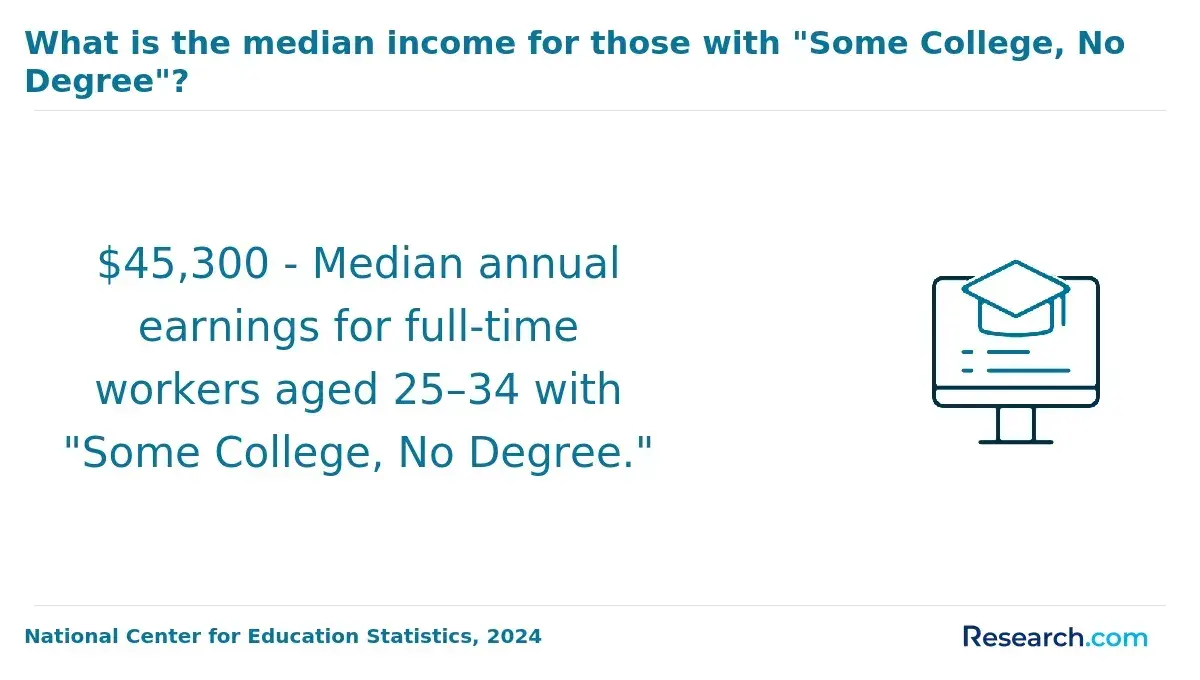
Admission to Purdue Global's online BS in Nutrition does not hinge on standardized test scores or minimum GPA thresholds, reflecting an accessibility-driven model. While this removes barriers such as SAT, ACT, or GMAT requirements, applicants still face practical demands that influence their readiness and eligibility.
For example, a prospective student returning to education after years in a related health support role might appreciate the open policy, but will find that submitting verifiable academic records remains essential for credit evaluation and progression. Below are key admission elements that applicants should understand before applying:
- Transcripts: Official high school or prior college transcripts need to be submitted to verify educational background. This documentation is critical for Purdue Global to assess eligibility and any transferable credits.
- Standardized Tests: No minimum SAT, ACT, or GMAT scores are required, which lowers entry barriers but shifts emphasis toward verified academic history and prior coursework relevance.
- Additional Materials: Although not mandatory, submitting letters of recommendation, portfolios, or resumes may strengthen an application by showcasing relevant experience or motivation, adding context beyond transcripts alone.
- Transfer Credits: For those transferring from other institutions, official transcripts from all colleges or universities previously attended are necessary. Transfer acceptance depends on course equivalencies and institutional accreditation, making detailed advising valuable to avoid credit loss.
Is it difficult to get admitted to Purdue Global's online BS in Nutrition program?
Admissions to bachelor's degree programs in nutrition typically involve moderate competition, influenced by the institution's selectivity and the geographic demand for such programs. Many nutrition programs limit enrollment to maintain quality and manage resources, which elevates the admissions barrier. In contrast, Purdue Global's online BS in Nutrition operates under an open admission policy, eliminating traditional hurdles like minimum GPAs or standardized test scores.
This results in comparatively less restrictive acceptance criteria and often higher acceptance rates than programs with capped enrollments. This open admission approach notably lowers entry obstacles, making it a practical choice for nontraditional students or those balancing work and personal commitments who may find standard admissions processes prohibitive.
However, this accessibility can come with tradeoffs, including the need for students to self-assess their readiness to meet academic challenges without the initial filtering effect that more selective programs employ. From an employer perspective, the lack of selectivity might prompt additional scrutiny of candidates' hands-on skills and experiential learning beyond the degree credential itself.
What is the cost of attending an online BS in Nutrition program at Purdue Global?
The annual tuition for the online BS in Nutrition program at Purdue Global is approximately $10,110, with the total cost of attendance-including fees, books, room, board, and other expenses-around $19,560. These figures illustrate the importance of considering additional costs beyond just tuition, as books and supplies can add significantly to the financial burden. The program's flat-rate tuition model, which applies equally to all online students regardless of location, removes typical geographic cost disparities seen in traditional programs.
When comparing the BS in nutrition tuition cost at Purdue Global with other institutions, the overall expenses fall within a competitive range for online nutrition degrees. However, base tuition alone may be higher or lower elsewhere depending on state residency, fees, and additional charges like technology fees, which Purdue Global does not impose separately for online learners. This predictability can matter for students balancing budgets and seeking transparency.
The online BS in nutrition program fee breakdown for Purdue Global highlights these tradeoffs, where predictability competes with variability in other schools that charge out-of-state tuition or campus-based fees. Prospective students with constraints like work or family obligations may value the cost consistency. Meanwhile, those analyzing long-term outcomes should also consider the program's curriculum quality against broader market demand and earning potential in nutrition-related fields.
Aligning cost considerations with career outlook is crucial since choices reflect workforce realities. For those assessing return on investment, examining what majors make the most money alongside program costs can guide smarter decisions about whether pursuing this or an alternative nutrition degree aligns with professional goals.
Are there financial aid options for online BS in Nutrition students at Purdue Global?
Financial aid for students enrolled in an online BS in Nutrition at Purdue Global offers practical pathways to offset tuition costs but requires careful consideration of eligibility and repayment commitments. Many candidates will rely on a mix of sources, balancing federal support with institutional awards or employer tuition assistance, which can affect the overall debt burden and time to degree completion. Understanding the limits and application criteria of each aid type helps shape realistic funding strategies.
Below are key financial aid options commonly accessible to Purdue Global BS in Nutrition students.
- Federal Grants: Primarily awarded based on financial need, these grants reduce tuition without repayment obligations. Eligibility requires submitting the FAFSA and maintaining satisfactory academic progress.
- Institutional Scholarships: Offered by Purdue Global, these merit- or need-based scholarships target students in health-related fields, including nutrition. Amounts vary and require direct application through the university's financial aid office.
- Federal Student Loans: Available when grants and scholarships fall short, loans must be repaid with interest. Borrowers should evaluate long-term repayment impacts relative to expected salary outcomes in nutrition careers.
- Work-Study Programs: These provide part-time employment opportunities to help cover educational expenses while gaining relevant experience. Eligibility is based on financial need and enrollment status.
- Veteran Benefits: Military-affiliated students can leverage GI Bill® and other veteran education programs to cover tuition costs, which may reduce reliance on loans and accelerate credential completion.
What learning resources are available to online BS in Nutrition students at Purdue Global?
Effective learning resources can markedly influence outcomes for students pursuing an online BS in Nutrition, where self-directed study and digital engagement shape success levels. Given the practical demands of nutrition careers-which often require both theoretical mastery and applied skills-students benefit significantly from support structures that extend beyond content delivery.
For example, navigating complex nutritional science concepts while balancing external work commitments often demands accessible, on-demand academic and technical assistance. This infrastructure shapes not only knowledge acquisition but also readiness for credentialing exams and employment. Below is an overview of key resources designed to underpin these challenges.
- Technical Support: Available 24/7, this service provides troubleshooting for digital platforms and direct guidance on using the learning management system, helping students maintain consistent access to coursework and avoid disruption in their studies.
- Personalized Tutoring: Tailored tutoring addresses individual learning gaps within nutrition courses, reinforcing critical concepts to improve comprehension and retention essential for both academic success and professional competency.
- Academic Advising: Advisors assist with course selection aligned to career goals, ensuring students strategically fulfill curriculum requirements while optimizing their time and resources during the degree program.
- Writing and Research Centers: These centers support development of analytical and communication skills crucial to nutrition professionals, particularly for evidence-based report writing and interpreting scientific literature.
- Career Services: With a focus on practical job market preparation, these services offer resume building, interview coaching, and facilitate networking opportunities with alumni and industry contacts, all vital for transitioning from education to employment in a competitive health-related workforce.
Does Purdue Global's online BS in Nutrition program have in-person clinicals or practicums?
Most accredited nutrition programs require supervised clinical or practicum hours to ensure students gain hands-on experience in real-world settings, as these are critical for developing competencies valued by employers. Typically, this involves in-person rotations at healthcare, community, or wellness organizations, with fieldwork hours ranging widely based on licensure or certification standards.
For students weighing Purdue Global online BS in Nutrition clinical requirements, the major tradeoff is geographic flexibility versus direct university oversight of practical placements. Purdue Global's online BS in Nutrition does not require centralized in-person practicums arranged by the institution, which contrasts with many traditional programs mandating campus-based or partner-site clinicals.
Instead, students must independently secure supervised practicum experiences at approved local sites. This structure suits adult learners or working professionals who need scheduling adaptability but demands proactive effort to find placements meeting program standards. The hands-on experience students complete near their residence aligns with common nutrition education benchmarks but shifts logistical responsibility onto the student.
Therefore, prospective students considering in-person practicums for Purdue Global nutrition degree programs should be prepared to coordinate their practicum hours-often between 100 and 400-at healthcare facilities, wellness centers, or community organizations. This setup reflects broader workforce expectations for practical competency while providing flexibility to accommodate varied living situations. For those assessing certification pathways, resources such as certificate programs can clarify additional qualifications beyond the degree itself.
What careers can graduates of online BS in Nutrition at Purdue Global secure?
Graduates of the online BS in nutrition at Purdue Global gain marketable skills applicable to nutrition and health roles, but the degree's practical value depends heavily on additional credentials for certain career paths. The program's relevance is tied to its ability to prepare students for entry-level opportunities that require applied knowledge in diet planning, client interaction, and wellness promotion-foundations essential in a competitive job market.
Navigating workforce realities means understanding the scope of positions accessible immediately versus those needing further certifications. This pragmatic view highlights tradeoffs between direct employability and long-term professional growth. With that context, key employment options from the Purdue Global nutrition degree include:
- Nutritionist and Dietitian Roles: These positions involve assessing dietary needs and creating nutrition plans to improve health outcomes. However, becoming a registered dietitian nutritionist requires certification beyond the bachelor's, which influences earning potential starting around $50,000 to $60,000 depending on location.
- Food Service Management: Graduates may oversee meal operations and regulatory compliance in healthcare or educational settings, combining nutrition expertise with administrative responsibilities.
- Wellness Coaching and Health Education: In corporate or public health environments, professionals develop and lead programs that encourage healthier lifestyle choices for diverse populations.
- Research Support Roles: Some find opportunities assisting in nutrition science studies, contributing to evidence-based health interventions and policy development.
Students evaluating these job prospects for Purdue Global nutrition degree graduates should weigh program outcomes against their targeted career track, especially given the frequent necessity of further certification. For those considering accelerated paths, resources like accelerated college programs may offer complementary avenues to advance qualifications faster.
What is the salary outlook for online BS in Nutrition graduates?
The salary outlook for graduates of an online BS in Nutrition from Purdue Global reflects realistic earning expectations in a field with modest financial rewards. While the median alumni salary for Nutrition-related degrees is approximately $33,198, this falls slightly below the broader median alumni salary of $36,596 across various Purdue Global disciplines. For students prioritizing immediate return on investment, this suggests a tradeoff between entering a growing health sector and accepting average earnings that do not match higher-paying healthcare roles.
Graduates typically find employment in health services, community nutrition, or clinical support positions. The median salary in related areas like Health Services/Allied Health/Health Sciences is roughly $36,626, while Mental and Social Health Services offer slightly lower median earnings around $32,530. Compared to the income potential in Registered Nursing ($68,216) or Fire Protection ($73,459), nutrition roles provide stable but relatively modest salaries, which should factor into decisions on educational expenditure and career planning.
Assessing the salary prospects for Purdue Global online BS in nutrition graduates requires consideration of industry demand and personal career priorities. The degree aligns with opportunities in health promotion and wellness, but its earning potential limits financial gains in early and mid-career stages. Prospective students seeking balance between personal interest and income might consult sources on good jobs for introverts to explore complementary career pathways.
How do you know if Purdue Global's online BS in Nutrition program is the right choice for you?
Evaluating whether purdue global's online BS in Nutrition aligns with your circumstances requires weighing how program features match your personal priorities and future career plans. A mismatch in flexibility, curriculum depth, or professional preparation can impact your ability to complete the degree or leverage it effectively. Consider these critical factors when assessing fit:
- Program Flexibility: Assess if the pacing and fully online format accommodate your work, family, or caregiving demands. The ability to control course load timing is essential for those balancing multiple responsibilities.
- Career Relevance: Determine whether the curriculum's blend of applied nutrition science and communication skills aligns with your intended nutrition career path, such as dietetics, wellness coaching, or community health roles.
- Student Demographics: Reflect on learning alongside a diverse adult cohort focused on practical outcomes rather than traditional campus experience, which may influence your engagement and support network.
- Institutional Focus: Consider whether the emphasis on career readiness over intensive research training fits your aspirations, especially if you seek a pathway into employment rather than graduate studies.
What Graduates Say About Purdue Global's BS in Nutrition Program
- Mia: "Studying the BS in nutrition at Purdue Global was a balancing act since I was working full-time, but the program's flexible structure really helped me stay on track. The courses that emphasized evidence-based dietary assessments and client case studies gave me practical insights I could immediately apply in my role at a wellness center. While I found that many employers still value certifications alongside a degree, having Purdue Global on my transcript definitely opened doors for internships that built my portfolio and real-world skills."
- Omar: "Going through Purdue Global's BS in nutrition made me realize how competitive the nutrition field is without licensure. The program's nutrition science and community health modules were excellent, but I quickly learned that advancement often requires additional certifications or an RD credential. Even so, the online format allowed me to pivot my career efficiently into corporate wellness consulting, where the flexibility allowed me to take on consulting gigs remotely-a big bonus for maintaining work-life balance."
- Sydney: "Reflecting on my Purdue Global experience, the BS in nutrition helped me get into the nutrition research field, though the hiring landscape was tougher than I expected. The internships embedded in the program were invaluable-they gave me tangible projects to showcase beyond coursework, which many employers prioritized over just a degree. I also appreciated how the curriculum addressed nutrition policy and program management, equipping me with a broader perspective that's been essential for navigating various roles."
Other Things You Should Know About Degrees
In 2027, Purdue Global's BS in Nutrition program offers flexible pacing options, allowing working professionals to study asynchronously. This flexibility enables students to balance their coursework with personal and professional responsibilities.
The fully online delivery inherently reduces face-to-face interaction opportunities, which can impact networking compared to traditional programs. While Purdue Global offers some virtual community-building tools, students aiming to maximize employer connections should proactively engage in related internship placements or local professional groups outside the platform. Prioritizing external networking alongside the online coursework improves real-world career opportunities post-graduation.
The program covers foundational knowledge relevant to certification but is not designed as a dedicated exam prep course for registered dietitian licensure. Students targeting RD credentials should plan additional specialized study or post-baccalaureate programs to meet the rigorous requirements of accredited dietetics internships and board exams. Prioritizing coursework alignment with licensing prerequisites is essential for those whose career goals depend on certification.
Some employers remain cautious regarding online degrees, often favoring candidates from traditional, regionally accredited institutions with long-standing nutrition programs. Purdue Global holds national accreditation but may face skepticism in highly competitive clinical or research roles. Candidates should emphasize relevant experience, internships, and certifications to offset potential employer biases and demonstrate practical competence.
References
- BSc in Clinical Nutrition And Dietetics Programme https://www.studyinpoland.pl/en/programme
- How to Become A Registered Dietitian (Without a Bachelor’s in Nutrition) https://www.emilieeats.com/how-to-become-a-registered-dietitian-without-a-nutrition-bachelors-degree/
- How Purdue Global is expanding Purdue U's access to adult learners https://www.highereddive.com/news/how-purdue-global-is-expanding-purdue-us-access-to-adult-learners/545554/
- Purdue Global - IAFF https://www.iaff.org/purdue-university-global/
- Student Success Resources - Purdue University Global Academic Success Center https://purdueglobalwriting.center/student-success-resources/
- Bachelor of Nutrition Degree Programs, Online Included https://www.nutritiondegreesonline.org/programs/bachelors
- 30 Best Bachelor’s in Nutritional Science - Healthcare Administration Degree Programs https://www.healthcare-administration-degree.net/best-bachelors-nutritional-science/
- Purdue Global Nutrition Graduate? Your Career Roadmap to BCHN® and Beyond (2026) | HCI Journal https://journal.holisticconsultinghq.com/posts/purdue-global-nutrition-graduate-guide
- Food for Thought: Pursue a Degree That Could Help You Advance https://aspireclicks.com/PUGNutritionEd
- The top 5 tips for choosing a nutrition degree â by Christina Turner, Bond University - My Health Career https://www.myhealthcareer.com.au/dietetics/dietetics-5-tips-for-choosing-a-nutrition-degree/