2027 Is University of Texas at Arlington Good for Transfer Students?

Co-Founder and Chief Data Scientist
Choosing a transfer-friendly college is crucial for students aiming to maximize previously earned credits and avoid redundant coursework. University of Texas at Arlington (UTA) attracts many transfer students, including returning adult learners who paused their studies. With national trends showing a 12% rebound in transfer enrollment driven by two-year to four-year pathways, understanding how UTA evaluates transfer credits can reveal how effectively it supports progression toward degree completion.
This article analyzes UTA's transfer admissions process, credit applicability, cost structures, and flexible learning options. It also examines academic support and campus culture for transfers. The goal is to provide a clear, evidence-based perspective to help prospective transfer students assess whether UTA meets their financial, academic, and career-oriented criteria.
Key Points to Know About University of Texas at Arlington for Transfer Students
- Transfer admission requires a solid secondary GPA and TOEFL scores, with acceptance limited to Fall, Spring, and Summer; competitive standards imply candidates must prepare thoroughly for transfer to meet the University of Texas at Arlington's criteria.
- The university accepts multiple standardized credits (ACE, CLEP, DSST/DANTES, AP), applying them mainly to major or elective requirements; however, it excludes life experience and dual credit, impacting students reliant on nontraditional credit sources.
- Total attendance costs reach $25,265 without a computer purchase plan, necessitating financial aid pursuit or alternative degree routes for cost-sensitive students evaluating the University of Texas at Arlington as a transfer option.
Is University of Texas at Arlington a Transfer-Friendly College for New Students?
University of Texas at Arlington offers a moderately transfer-friendly process with flexible application windows for Fall, Spring, or Summer terms and acceptance of various exam credits such as ACE, CLEP, and DSST. These policies meet standard expectations for transfer admission, yet real-world transfer success depends heavily on individual advising quality and course equivalencies that differ by major and department.
A 2024 study noted that universities with structured credit transfer systems improve retention and reduce time-to-degree, demonstrating the importance of well-coordinated transfer policies. UT Arlington's approach aligns with this trend but requires students to proactively confirm credit applicability to avoid surprises that could extend program length and increase costs.
Prospective transfer students should weigh affordability, as UT Arlington's financial structure favors cost-conscious learners through credit recognition, making degree completion more accessible. However, students must consider the challenges of integration, advising consistency, and variable credit acceptance. Balancing these factors against career goals will clarify whether this university's pathway supports timely degree attainment and workforce readiness.
How Easy Is It to Transfer Credits to University of Texas at Arlington?
Transferring credits to University of Texas at Arlington requires meeting specific academic standards beyond mere accreditation. Students must submit official transcripts and show minimum secondary school GPA; advanced placement credits are accepted but dual credit or life experience credits are not. Course equivalency is assessed carefully, with transfer credits often applying to electives rather than major requirements.
A 2024 study highlights that vertical transfer students generally see about 75% of credits accepted toward their major, meaning a quarter of their coursework may extend time-to-degree and increase tuition costs. This reality matters for students balancing affordability and timely completion since uncounted credits translate to added semesters and expenses.
Transfer students should proactively use UTA's registrar and advising resources to clarify equivalency and degree applicability before enrolling. Understanding how many credits fulfill core requirements versus electives helps avoid surprises and inefficient transfers. Advising support is essential to identify the true academic and career impact of accepted credits.
Consider a student who transfers with multiple credits but finds that only 70% count toward their intended major. Without this insight, the student risks increased debt and delayed graduation. Careful evaluation of credit transfer ease at the University of Texas at Arlington thus shapes both education costs and career timing.
What Transfer Admission Requirements Does University of Texas at Arlington Have?
Transfer admission to University of Texas at Arlington requires clear academic readiness, reflecting a practical balance between accessibility and maintaining standards that support student success. Prospective transfers should anticipate a selective process shaped primarily by college performance rather than standardized test scores. A typical real-world scenario involves a community college student who has completed relevant prerequisite courses and maintains a competitive GPA, greatly enhancing their chances for admission and smoother credit transfer. The following points clarify key transfer admission requirements and eligibility factors at University of Texas at Arlington.
- Official Transcripts Submission: Applicants must provide official transcripts from all previously attended colleges to verify completed coursework. This is crucial for assessing credit transferability and confirming academic history, especially important for returning students or those from multiple institutions.
- Minimum GPA Threshold: A cumulative GPA around 2.5 to 2.7 is generally expected for transfer eligibility, with some programs demanding higher GPAs due to competitive or specialized nature. Students targeting selective majors should plan accordingly to meet these elevated standards.
- Prerequisite Course Completion: Completion of program-specific prerequisite courses is essential. Transfer applicants should carefully review degree requirements to align their prior coursework with UTA's curriculum, which ensures preparedness for upper-division classes and adherence to employer expectations.
- No SAT/ACT Requirement: UTA does not require standardized test scores for transfer applicants, reflecting a shift toward emphasizing college-level achievement. This policy benefits adult learners and those coming from community colleges, focusing evaluation on recent academic performance rather than high school records.
- Application Deadlines and Program Restrictions: Meeting application deadlines is mandatory and varies by program. Some selective programs impose stricter admission caps and higher GPA thresholds due to limited seats and workforce demands, so timely application and preparedness are critical.
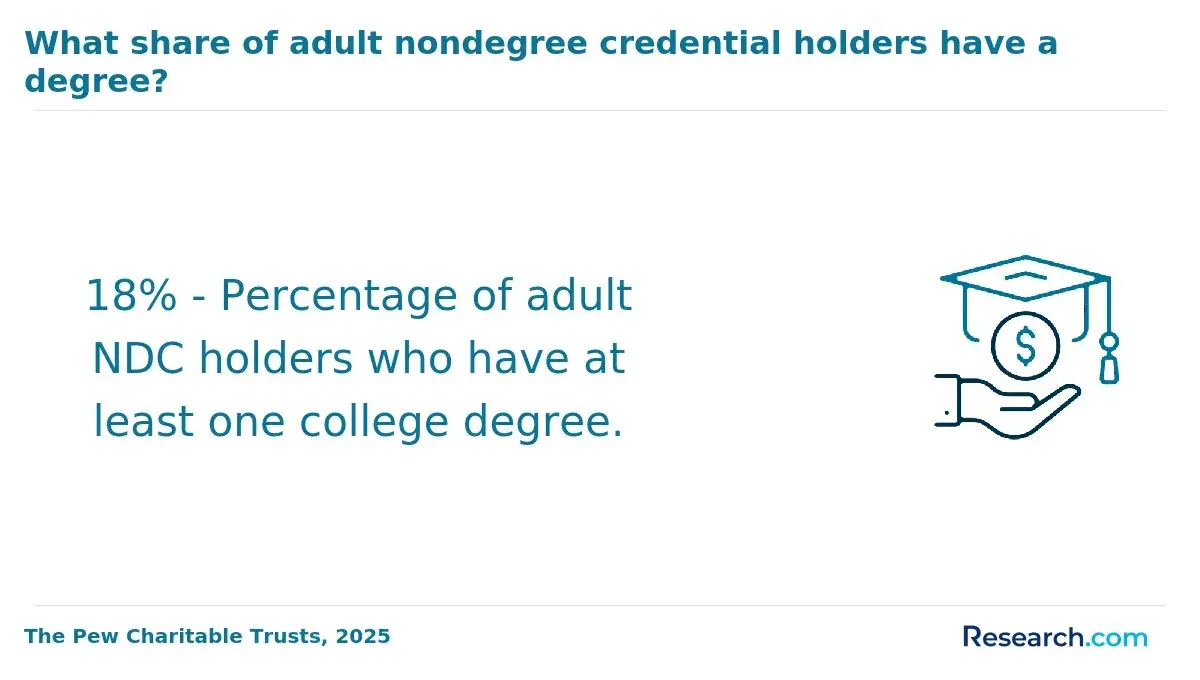
These requirements shape the University of Texas at Arlington transfer student eligibility criteria with a growing emphasis on GPA and coursework rigor. A 2024 study from the National Student Clearinghouse Research Center notes that over 60% of public universities raised GPA standards for transfers to ensure readiness for advanced coursework. This trend influences transfer planning, especially for adult and nontraditional students seeking cost-effective paths. Some may explore easy masters programs as part of a broader strategy to enhance credentials alongside transfer options.
Transfer students at University of Texas at Arlington (UTA) face clear credit limits that strongly influence graduation timelines and degree planning. While students can bring a large share of their prior coursework, the university caps transferable credits at 70 semester hours, which constrains how much prior learning can directly shorten time to degree. This cap particularly distinguishes between credits from two-year and four-year institutions, as no more than 64 credits from community colleges are accepted. For transfer students aiming to efficiently leverage their completed coursework, understanding these nuanced rules is critical. The following key factors explain how credit transfer affects degree progression at UTA.
- Maximum Transferable Credit Hours: UTA allows up to 70 semester credit hours from regionally accredited schools. Students with more credits must complete additional coursework at UTA, impacting those with extensive prior learning who expect full credit application.
- Community College Credit Limit: A maximum of 64 credits from two-year colleges count toward graduation requirements. This restriction favors transfers from four-year institutions and may require community college students to plan extra upper-division courses at UTA.
- Major Requirement Equivalency: Transfer credits can fulfill some major courses, but approval depends on course equivalency and departmental review. Students transferring from unrelated or non-specialized programs could see fewer credits apply toward their major.
- Residency Credit Requirement: UTA mandates at least 30 semester credit hours be earned in residence for bachelor's degrees. This residency rule limits how many credits count toward the degree from external institutions, affecting transfer students trying to minimize time on campus.
- Impact of Elective and Unapplied Credits: Excess credits that do not meet specific requirements count only as electives, potentially extending time to graduation. This delay is notable as a recent 2024 study shows over 40% of transfer students nationwide face extended graduation due to rejected or excess transfer credits.
Practical transfer evaluations benefit students who carefully map out credit applicability against degree requirements and residency rules. For those weighing the value of transferring, it is essential to consider how limits on accepted transfer credits at University of Texas at Arlington students affect both cost and time investment. For students pursuing fields tied to a highest paying degree, optimizing transfer credits could significantly influence career entry timing and financial outcomes.
The University of Texas at Arlington offers well-structured transfer pathways and articulation agreements that meaningfully support students aiming to save time and reduce credit loss when moving from Texas community colleges. These frameworks are especially relevant for students who have already completed substantial coursework elsewhere and want a clear, cost-effective route to a bachelor's degree. For example, a student transferring from a local community college with an associate's degree focusing on business can often leverage guaranteed admission provisions and detailed course equivalencies to avoid repeating classes. This clarity helps limit excess tuition costs and shortens overall degree timelines.
A 2024 study from the National Student Clearinghouse Research Center found that students who follow guided transfer pathways graduate at a 22% higher rate within four years, underscoring the practical impact of UTA's agreements. Below are key elements of transfer pathways and credit planning to consider at the University of Texas at Arlington:
- Comprehensive Articulation Agreements: UTA maintains formal agreements with many Texas community colleges that specify transferable courses and degree pathways. These reduce uncertainty and help students avoid redundant credits, benefiting freshmen transfer students prioritizing efficiency.
- Guaranteed Admission Routes: Meeting certain GPA and course criteria enables guaranteed transfer, providing assurance to community college students that they've secured a spot at UTA. This is crucial for those balancing academic goals with personal or financial constraints.
- Major-Specific Pathways: Detailed transfer maps exist for particular degree programs, outlining required courses at the community college level. This alignment minimizes credit loss, especially important for STEM or business majors needing precise prerequisites.
- Credit Applicability Advising: UTA offers tailored advising to evaluate how completed credits fit degree requirements, helping avoid unexpected gaps. This support is vital for adult learners or those with nontraditional course histories.
- Minimizing Time and Cost to Degree: By clarifying transferable credits and offering structured pathways, UTA helps transfer students reduce both financial burden and time in school, a key advantage for those aiming to enter the workforce sooner.
The University of Texas at Arlington presents affordability challenges for transfer students. Tuition and fees total up to $34,498, with overall costs reaching $25,265 after some financial aid. Yet, transfer-specific aid is limited, and gaps in granted assistance compared to freshmen can increase student out-of-pocket expenses and risk persistence.
Credit loss from transfer can extend the time to degree, especially if key courses do not apply. Part-time enrollment through online options offers flexibility but may lengthen graduation timelines and elevate total costs. Housing needs or delayed completion can further inflate expenses, dragging affordability beyond initial estimates.
A 2024 National Student Clearinghouse study shows transfer students frequently face less transparent tuition and financial aid information. This opacity complicates accurate budgeting and heightens the risk of unplanned costs that affect financial decisions and continuity at the University of Texas at Arlington.
Prospective transfers should confirm which credits transfer, verify eligibility for aid programs, and track billing and payment deadlines closely. Comparing program fees and considering the lowest-cost path, such as fully online enrollment or maximizing advance credit evaluation, can reduce financial strain significantly.
"I almost dropped out because the software licensing fee wasn't in the brochure, and it hit my budget hard," shared a University of Texas at Arlington grad. They noted that part-time online classes helped manage work and school, but unclear credit transfer policies made planning difficult. Careful upfront research on aid eligibility and program costs ensured they could finish without unexpected debt burdens."
Business Administration, Nursing, and Engineering Technology are among the most transfer-friendly academic programs at the University of Texas at Arlington. These programs align closely with community college curricula, allowing transfer students to apply a high percentage of credits directly toward degree completion. For example, Business Administration majors benefit from articulated agreements with Tarrant County College, enabling entry into upper-division courses sooner.
Choosing the right program significantly impacts credit applicability, graduation timelines, and overall cost. Nursing and Engineering graduates from UTA tend to secure employment with starting salaries above state averages, reflecting robust workforce demand. However, transferring into programs without clear prerequisite paths or switching majors later risks losing transferred credits and extending the time to the degree. Transfer students in Nursing benefit from structured advising and prerequisites that support accelerated completion compared to less-defined pathways.
A 2024 study by the National Student Clearinghouse Research Center found that bachelor's programs with clear credit transfer policies and integration of relevant work experience increased degree completion rates by 22%. This underscores the advantage of selecting well-established programs with predefined course sequences at the University of Texas at Arlington. Programs with flexible scheduling or online components, such as certain Engineering Technology options, also accommodate transfer students balancing external commitments.
Before enrolling, transfer students should confirm major prerequisites, course equivalencies, and advising availability. Reviewing these details helps avoid gaps that can delay graduation or increase costs. Prospective students exploring transfer-friendly academic programs at the University of Texas at Arlington may also benefit from resources on 6 week courses with certificates to fit flexible learning goals.
Evaluating online or flexible options at the University of Texas at Arlington as a transfer student requires careful attention to how prior credits apply, course formats, and scheduling constraints affect timely degree completion. For a transfer student working full-time with family obligations and limited commuting ability, choosing between fully online, hybrid, or evening courses influences not only convenience but also cost and networking opportunities.
Credit transfer policies and the sequencing of required courses in a major can create bottlenecks, making some pathways less flexible than they appear. Advising support plays a vital role in aligning transfer credits and course load with graduation timelines, especially when enrolling part-time. Below are critical factors that impact whether the University of Texas at Arlington delivers truly flexible options for transfer students, balancing multiple responsibilities.
- Fully Online Degree Programs: The university offers fully online bachelor's degree options capable of accommodating transfer students who cannot attend campus regularly. These programs reduce commute costs and allow study around jobs and family but can limit in-person interaction critical for some fields.
- Hybrid Courses with In-Person Components: Certain majors require hybrid formats blending online learning with scheduled campus visits. Though this supports hands-on skills, it demands careful schedule coordination and potential commute expenses.
- Transfer Credit Applicability and Evaluation: Transfer credits apply if aligned with degree requirements, but inconsistencies may delay graduation. Evaluating credit transfer early helps avoid enrolling for redundant courses that increase cost and time.
- Evening and Part-Time Enrollment Options: Evening classes offer classroom access outside traditional work hours, enabling part-time attendance. This flexibility supports ongoing employment but may extend degree completion timelines.
- Advising and Degree Planning Support: Dedicated advising helps transfer students match credits and plan course sequences within flexible formats. Proactive advising reduces risks of losing credits and encountering course conflicts.
- Major-Specific Restrictions on Online Delivery: Some STEM or studio programs impose limits on remote coursework, reducing flexibility compared to online humanities or business degrees.
- Graduation Timeline Impact of Flexible Scheduling: Choosing asynchronous or part-time enrollment often lengthens time to graduation, which may increase overall costs despite lower per-term loads.
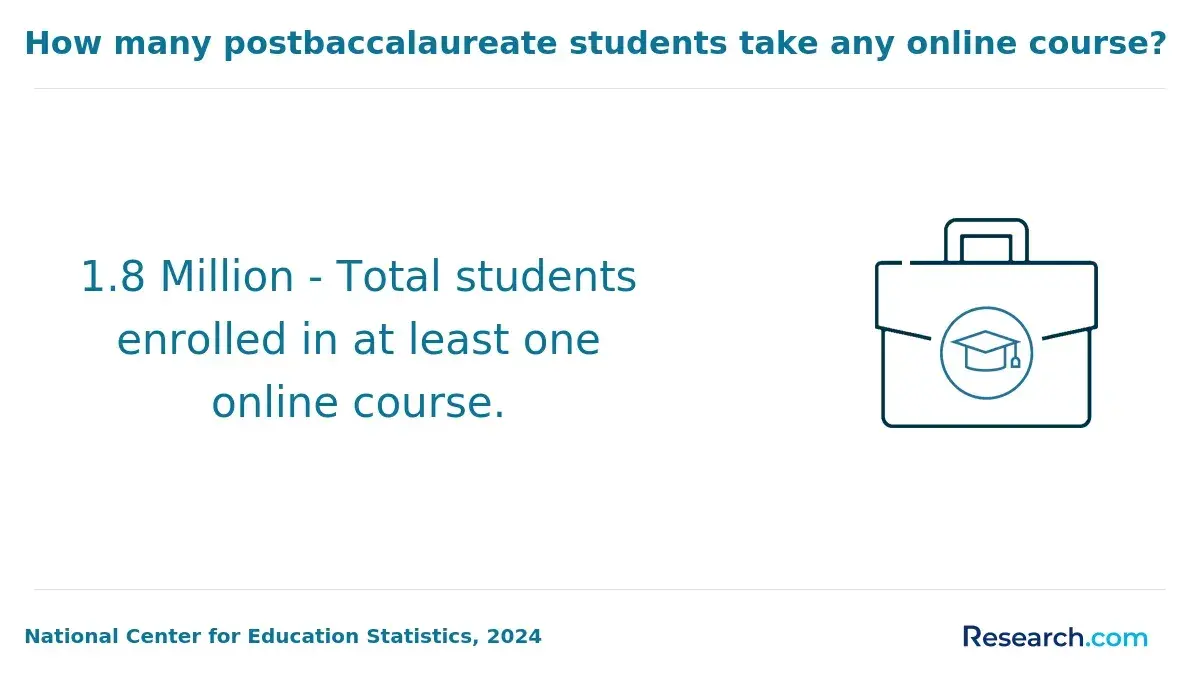
National data from the National Center for Education Statistics shows a 7.3% annual increase in enrollment among adult learners in fully online or hybrid programs, underscoring growing demand for such flexibility. This trend highlights why transfer students at University of Texas at Arlington must weigh tradeoffs between convenience and career-ready experiences specific to their field.
One University of Texas at Arlington graduate recalls struggling to align transfer credits with evening class availability while managing the daycare schedule for two children. "I almost dropped out because the software licensing fee wasn't in the brochure and caught me off guard financially. The advising team helped me rework my schedule halfway through the semester, which saved me time, but it felt like sprinting uphill at times. It wasn't just about fitting courses into my day; it was about figuring out if I could even keep up with deadlines while working evenings. The online options let me avoid a long commute, but I missed face-to-face mentorship that sometimes made the difference in understanding complex topics." This experience illustrates the nuanced balance transfer students must strike when considering online and flexible pathways at University of Texas at Arlington.
Transfer students at the University of Texas at Arlington face practical challenges that hinge on timely credit evaluation, course selection, and managing affordability without delaying graduation. Ensuring previous credits apply correctly and choosing remaining courses to meet degree requirements requires effective advising and academic planning. This is critical in a context where research shows academic planning tools can reduce excess credits by up to 20%, which matters for lowering costs and accelerating degree completion. Transfer advising, financial aid counseling, tutoring, career services, and flexible learning options combine to shape whether students progress efficiently toward their goals. Below are key support services and resources that define transfer success at UTA.
- Transfer Advising and Orientation: Dedicated transfer advisors help evaluate prior credits and develop course plans, reducing credit loss and minimizing delays. Comparing UTA's transfer orientation and advising with peer institutions reveals an emphasis on customized guidance, crucial for transfer student persistence and degree efficiency.
- Academic Planning Tools: UTA provides tools aligned with best practices proven to cut excess credits. Transfer students should assess if these resources support precise degree mapping and avoid unnecessary courses, directly impacting affordability and time to graduation.
- Financial Aid Counseling: With 91% of students receiving aid, transfer students access guidance to manage costs. This counseling is especially relevant for nontraditional learners balancing education with work or family, enabling affordability without sacrificing progress.
- Tutoring and Academic Support: Tutoring services reinforce content mastery and help transfers adapt to new academic standards, enhancing persistence and performance amid competitive workforce demands.
- Career Services Integration: Career counseling at UTA aligns student skills with employer needs, an increasing demand across healthcare systems and technical fields. Transfers benefit by linking academics with practical job market preparation.
- Flexible Learning Options: Online orientation and advising accommodate returning and working students, providing flexible access that many transfer-friendly colleges still lack. This flexibility influences retention and credit completion for diverse learners.
- Evidence-Based Transfer Interventions: UTA's structured advising reflects research-backed interventions shown to improve transfer persistence and degree attainment. Students must engage actively to overcome transfer-related obstacles and fully use these supports.
For transfer students weighing options, understanding how University of Texas at Arlington's support services, such as robust credit evaluation and the fast track degree components, fit their educational and financial needs is essential. Academic advising and counseling for University of Texas at Arlington transfers offer practical pathways but require student initiative to maximize benefits and advance without loss of time or money.
The University of Texas at Arlington's 57% graduation rate for transfer students signals real challenges in completing degrees on time, affecting persistence and overall costs. Transfer success heavily depends on clear credit articulation and academic advising. When credits transfer smoothly, students notably accelerate degree completion and improve outcomes.
Research shows transfer students completing degrees within four years of transfer can increase lifetime earnings by 20%, highlighting the critical value of timely graduation. UTA's median alumni salary of $63,199 reflects competitive earnings that can justify the upfront investment for students who navigate requirements efficiently.
Cost-conscious and nontraditional students should weigh transfer credit policies and the institution's career support carefully. A practical example is a working adult transferring from community college; if credits align well, this student can avoid extra semesters and tuition, speeding entry into the workforce with less debt burden.
Transfer students seeking stable career outcomes after transferring to the University of Texas at Arlington must combine academic planning with commitment to graduation goals. Those exploring what can a felon go to college for may find options here worth considering when paired with proactive course mapping and advising.
What Do Graduates Say About University of Texas at Arlington for Transfer Students?
- Zoey: "When I transferred to the University of Texas at Arlington, about 70% of my credits transferred, but only half counted toward my major requirements - the rest were electives. Their transfer advising was helpful in clarifying course options, and I appreciated the flexible online classes that allowed me to keep working part-time. Ultimately, the affordable tuition and scholarship opportunities made UTA a practical choice for me, even though it took an extra semester to graduate because of prerequisite sequencing."
- Daisy: "I was cautious at first since I lost a few credits when transferring to the University of Texas at Arlington, but the clear articulation agreements and strong advising support helped me get back on track quickly. The availability of evening courses enabled me to balance family commitments and accelerated my graduation timeline. Considering the lower mandatory fees and broad financial aid options, UTA proved to be both affordable and conducive to my career goals in engineering."
- Delilah: "The University of Texas at Arlington turned out to be a smart transfer choice owing to its transfer-friendliness and flexible program formats. I transferred almost all my credits (around 85%), including core courses, which shortened my degree completion significantly. The balance of reasonable tuition, helpful online course options, and career services influenced my decision heavily, and having a recognized degree from UTA has improved my job prospects in education administration."
Other Things You Should Know About University of Texas at Arlington Degrees
Yes, the University of Texas at Arlington offers flexible scheduling options, including evening and online classes, to assist transfer students balancing work and family responsibilities. These accommodations help ensure that students can progress toward their degrees without sacrificing personal or professional commitments.
Transfer students at University of Texas at Arlington may encounter a campus environment where social and academic networks form early during freshman year, which can impact their sense of belonging and access to informal support channels. Students transferring in later face a disadvantage in building peer connections, which influences access to study groups, internships, or faculty mentorships that employers value. Proactively joining student organizations or departmental events is advisable to overcome this challenge and leverage networking opportunities essential for career advancement.
Some popular majors at University of Texas at Arlington, such as nursing or engineering, experience high enrollment pressure resulting in competitive registration for required courses. Transfer students may struggle to enroll in prerequisite or sequential classes immediately, causing delays in graduation timelines. This bottleneck means transfer students should consult academic advisors early, consider alternate semesters or campuses if available, and possibly plan for flexible elective choices to sustain progress.
University of Texas at Arlington accepts many lower-division transfer credits from regionally accredited colleges, but each course is evaluated against UTA degree requirements. A maximum of 66 semester hours from a two-year college can usually apply toward a bachelor's degree, and final approval comes through UTA’s Office of Admissions and academic departments.
- The University of Texas at Arlington (UTA) https://www.princetonreview.com/college/university-texas-at-arlington-1023717
- The University of Texas at Arlington https://collegeguide.texasmonthly.com/school/university-of-texas-at-arlington/
- Transfer shock: Navigating UTA as transfer students | Life + Entertainment | theshorthorn.com https://www.theshorthorn.com/life_and_entertainment/transfer-shock-navigating-uta-as-transfer-students/article_b053fe5a-0f63-11ed-8a8e-3f6b53ded73a.html
- The Best Colleges for Transfer Students (2026) https://collegesofdistinction.com/best-colleges-for-transfer-students/
- Apply to The University of Texas at Arlington https://www.commonapp.org/explore/university-texas-arlington/