2027 Accredited Online Homeland Security Degree Programs for Working Adults: Flexible, Part-Time, and Self-Paced Options

Co-Founder and Chief Data Scientist
Choosing an accredited online Homeland Security degree is often a scheduling and ROI decision, not just an academic one. With College Board reporting average in-state tuition and fees at public four-year colleges at $11,610 for 2024-25, working adults need programs that fit real budgets and workweeks. This guide is for career changers, military-connected learners, public safety professionals, and adults returning to school. You will learn how accreditation, part-time pacing, self-paced courses, cost, transfer credits, and career outcomes affect your choice.
Key Things You Should Know
- Accreditation is the first filter: choose an institution recognized by the U.S. Department of Education or CHEA, then confirm whether the Homeland Security curriculum aligns with your target role in emergency management, intelligence analysis, cybersecurity, border security, or public safety leadership.
- Flexible does not always mean easy: a typical 3-credit online course often requires about 9 to 12 hours per week, so full-time enrollment can exceed 30 hours weekly, while part-time study may fit a full-time job more realistically.
- Completion time depends heavily on transfer credit: bachelor's programs commonly require 120 credits, but adult-friendly schools may accept 60 to 90 transfer credits, while master's programs often require 30 to 36 credits and can take about 1 to 3 years depending on pace.
What Is an Accredited Online Homeland Security Degree Program and Why Does Accreditation Matter?
An accredited online Homeland Security degree is a college program delivered primarily or fully online by an institution that has been reviewed by a recognized accreditor. The degree may be offered as a Bachelor of Science, Bachelor of Arts, Master of Science, Master of Arts, graduate certificate, or concentration within criminal justice, emergency management, public administration, cybersecurity, or national security studies.
Accreditation matters because it affects financial aid eligibility, credit transfer, graduate school admission, employer recognition, and the overall credibility of your credential. For working adults, this is especially important because you may be investing limited time, employer tuition benefits, military education benefits, or federal financial aid. A flexible program that is not properly accredited can create long-term problems if credits do not transfer or employers do not recognize the degree.
Homeland Security programs usually cover how agencies prevent, prepare for, respond to, and recover from threats and disasters. Depending on the school, coursework may include emergency planning, terrorism studies, intelligence analysis, critical infrastructure protection, cybersecurity policy, border and transportation security, disaster response, risk assessment, and public sector leadership.
There are two accreditation checks that matter most. First, confirm institutional accreditation. Second, check whether any specialized approval matters for your career path. Homeland Security itself does not have one universal programmatic accreditor required for all jobs, but related fields may have specific expectations. For example, emergency management employers may value practical field experience, cybersecurity employers may prefer programs mapped to recognized security frameworks, and law enforcement agencies may impose separate academy, POST, or agency requirements.
Use this comparison to understand what accreditation can and cannot tell you before you apply.
| Accreditation or approval type | What it means | Why it matters for working adults |
| Institutional accreditation | The college or university has been reviewed for academic quality, governance, student support, and financial stability. | It is the main requirement for federal financial aid eligibility and is often necessary for credit transfer or graduate admission. |
| Programmatic accreditation | A specific program has been reviewed by a field-specific accreditor, when one exists. | It may matter in adjacent fields, but Homeland Security degrees do not all require the same programmatic accreditor. |
| State authorization | The school is approved to offer online education to students in your state. | It protects you from enrolling in a program that cannot legally serve students where you live. |
| Employer or agency recognition | An employer, public agency, or promotion board accepts the degree for hiring or advancement. | It is critical if you are pursuing a specific public safety, military, federal, or contractor role. |
Accreditation checks are similar across online fields. If you have compared other regulated or career-focused programs, such as marriage and family therapy online programs accredited, the same principle applies: verify the school first, then verify whether your target occupation has extra licensing, fieldwork, or state rules.
A common mistake is assuming that "online," "national security," or "career-focused" automatically means employer-ready. Instead, confirm the school's accreditation in the U.S. Department of Education's accreditation database, ask whether the program is authorized in your state, and request written information about transfer-credit policies before you enroll.
Which Flexible Homeland Security Degree Formats Are Best for Working Adults: Part-Time, Full-Time, or Self-Paced?
The best format depends on how many predictable hours you can study each week, how quickly you need the credential, and whether your job schedule changes. A working adult with rotating shifts, family responsibilities, or military obligations may need a different format than someone with a stable 9-to-5 schedule and employer tuition support.
Online Homeland Security programs often use one of four formats: asynchronous courses, synchronous live online courses, part-time scheduled enrollment, or self-paced competency-based learning. Some schools combine these models, so it is important to read the calendar, attendance rules, and assignment deadlines carefully.
The table below compares common online formats by structure, workload, and fit. It is meant to help you identify the format that matches your schedule before you focus on school names.
| Format | How it usually works | Best fit | Main trade-off |
| Part-time asynchronous | You complete weekly modules and assignments without required live class meetings. | Adults working full time who need predictable weekly flexibility. | Graduation takes longer than full-time study. |
| Full-time asynchronous | You take several online courses per term with weekly deadlines. | Students who can treat school like a major second job. | Workload can be difficult with full-time employment. |
| Self-paced or competency-based | You progress by completing assessments, projects, or competencies within a subscription term or completion window. | Experienced adults who are disciplined and already know some of the material. | Less structure can hurt students who need regular deadlines. |
| Synchronous online | You attend live video classes at scheduled times. | Learners who want direct interaction and can protect class time. | Less flexible for shift workers and caregivers. |
| Hybrid or low-residency | Most coursework is online, but some activities occur on campus or at a field site. | Students who want online convenience plus applied learning. | Travel and scheduling may add cost and complexity. |
Part-time online study is often the most realistic choice for adults working 40 hours per week. It may mean taking one or two courses per term instead of three or four. The trade-off is time: you may pay fewer costs per term and reduce stress, but you will likely spend more calendar years enrolled.
Full-time online study can make sense if you have a flexible employer, reduced work hours, strong family support, or a clear promotion deadline. It is usually a poor fit if you are already working overtime, caring for children or relatives, or commuting long distances. A full-time course load can feel manageable at the beginning of a term and become overwhelming once papers, group projects, simulations, and exams overlap.
Self-paced learning is attractive because it promises control. However, self-paced does not mean unlimited time. Many programs still require completion within a subscription period, term, or maximum timeframe. This format works best for learners who can set deadlines without external pressure, have prior work experience in public safety or military operations, and can write policy memos, research briefs, or incident plans independently.
When comparing flexibility, ask these questions before applying:
- Are courses asynchronous, synchronous, self-paced, or a mix of formats?
- How many hours per week should I expect for one 3-credit course?
- Are there required live sessions, proctored exams, group projects, or residency weekends?
- Can I pause, reduce my course load, or skip a term without losing financial aid eligibility?
- Does the program use 8-week, 10-week, 12-week, or 15-week terms?
- What happens if my work schedule changes during the term?
Adults comparing Homeland Security programs may also compare flexibility across other online degrees. For instance, an online math bachelor's degree may rely heavily on sequenced problem sets and prerequisites, while Homeland Security programs may include more writing, scenario analysis, and policy-based projects. The workload can be equally serious, but the weekly rhythm may differ.
What Are the Admission Requirements for Accredited Online Homeland Security Degree Programs?
Admission requirements vary by degree level, but most accredited online Homeland Security programs are designed to evaluate whether you can succeed in college-level reading, writing, research, and applied problem-solving. Working adults should pay close attention to transfer policies, documentation requirements, and whether the school offers rolling or multiple start dates.
Undergraduate programs generally require a high school diploma or equivalent, official transcripts, and an application. Some bachelor's completion programs require prior college credit, while others admit first-year students. Many online programs have test-optional admissions, but placement assessments may still be used for writing or general education courses.
Graduate programs usually require a bachelor's degree from an accredited institution. Some master's programs prefer applicants with experience in public safety, military service, emergency management, cybersecurity, criminal justice, public administration, or government, but not all require it. Applicants may need a resume, statement of purpose, letters of recommendation, and a minimum GPA. GRE requirements are less common in many professional online programs, but policies vary by school.
This table summarizes common admission expectations by credential level. It can help you decide whether to apply now or strengthen your application first.
| Program level | Typical entry requirement | Common documents | Adult learner consideration |
| Associate degree | High school diploma, GED, or equivalent | Application and transcripts | Good starting point if you have limited prior college credit. |
| Bachelor's degree | High school completion or prior college coursework | Transcripts, application, and sometimes placement information | Transfer credit can significantly reduce cost and time. |
| Bachelor's completion program | Prior college credits, often from an associate degree or previous enrollment | College transcripts and transfer evaluation | Best for adults who already have credits but no completed bachelor's degree. |
| Master's degree | Accredited bachelor's degree | Resume, statement, transcripts, and sometimes recommendations | Professional experience may strengthen the application. |
| Graduate certificate | Bachelor's degree or enrollment in a related graduate program | Application and transcripts | Useful for targeted skill-building without committing to a full master's degree. |
Before you apply, gather every transcript from previous colleges, military training records if applicable, professional certifications, and a current resume. Delays in transcript evaluation are one of the most common reasons adult learners miss a preferred start date.
Working adults should also ask whether the program has background-check requirements for internships, practicum placements, or agency-based projects. A background check is not always required for coursework, but it may matter if you want field experience with a public agency, emergency management office, contractor, or law enforcement partner.
Admission red flags include unclear accreditation language, pressure to enroll before your transfer evaluation is complete, refusal to provide a written cost estimate, or vague answers about online course requirements. If an advisor cannot explain pacing, deadlines, and transfer-credit rules clearly, keep comparing programs.
How Much Does an Online Homeland Security Degree Cost, and What Financial Aid Options Are Available?
The cost of an online Homeland Security degree depends on tuition, required fees, transfer credits, enrollment pace, books, technology, and whether you qualify for in-state or military-connected rates. Published tuition is only part of the cost; the real price is what you pay after transfer credits, grants, scholarships, employer benefits, and loan interest.
College Board's 2024 Trends in College Pricing reported average published tuition and fees of $11,610 for in-state students at public four-year colleges for 2024-25. That figure is not specific to Homeland Security, but it gives working adults a useful benchmark when deciding whether an online program's tuition is affordable or unusually expensive.
Common cost items include the following. Compare these line by line because two programs with similar tuition can have very different total costs.
- Tuition charged per credit, per course, per term, or by subscription period
- Online learning, technology, graduation, proctoring, and student service fees
- Books, digital course materials, software, and research database access
- Residency, travel, or field-placement costs if the program is not fully online
- Lost income if you reduce work hours to study full time
- Loan interest if you finance part of the degree
Federal aid can help, but it should be used carefully. For the 2024-25 academic year, the fixed interest rate for federal Direct Subsidized and Unsubsidized Loans for undergraduate students was 6.53%. That rate matters because borrowing for a flexible degree may feel manageable during enrollment but affect your monthly budget after graduation.
Financial aid options for eligible students may include:
- Federal Pell Grants for qualifying undergraduate students
- Federal Direct Loans, including subsidized and unsubsidized loans when eligible
- State grants or workforce-development funds
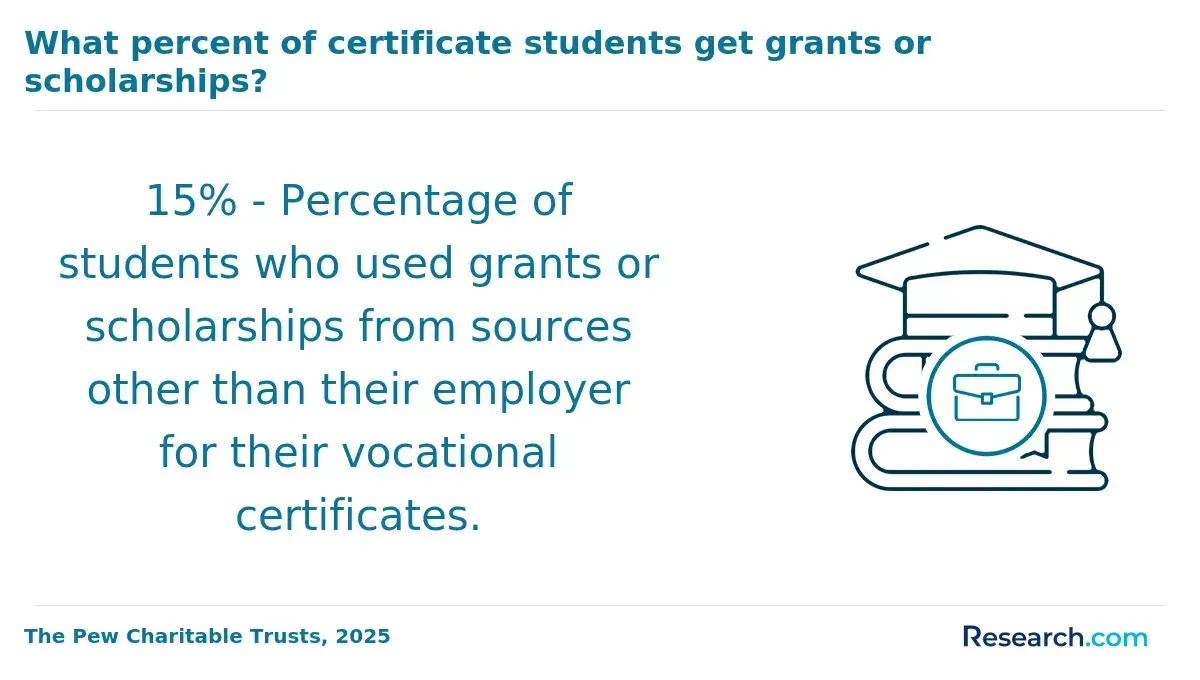
- Institutional scholarships for online, transfer, military, veteran, or adult learners
- Employer tuition assistance or reimbursement
- Military Tuition Assistance, GI Bill benefits, or spouse education benefits when applicable
- Public safety, emergency management, or professional association scholarships
Adults often focus on finding the lowest tuition, but the better question is total cost to completion. A school with higher per-credit tuition may be cheaper overall if it accepts more transfer credits, offers shorter terms, includes books, or lets you continue working full time. Conversely, a low-tuition program can become costly if fees are high or if few credits transfer.
If your main goal is financial return, compare Homeland Security with adjacent fields such as cybersecurity, emergency management, public administration, data analytics, and criminal justice leadership. You can also review broader discussions of best degrees to make money, but remember that salary outcomes depend on occupation, region, experience, clearance eligibility, agency requirements, and whether the role is public, private, or federal.
Before enrolling, request a written estimate that includes accepted transfer credits, remaining credits, tuition, fees, expected graduation date, and financial aid assumptions. Do not rely only on a website calculator if your prior credits, military training, or employer benefits may change the final cost.
How Long Does It Take to Complete an Online Homeland Security Degree, and Can Transfer Credits Help You Graduate Faster?
Program length depends on degree level, transfer credits, course load, term length, and whether courses are available every term. A bachelor's degree usually requires about 120 credits, while a master's degree often requires 30 to 36 credits. For working adults, the biggest time-saver is usually not taking more courses at once; it is transferring valid credits before the first term begins.
The table below compares typical timelines and weekly workload patterns. These are general planning ranges, not guarantees, because each school sets its own curriculum, term structure, and credit policies.
| Enrollment path | Typical credit load | Common timeline | Workload consideration |
| Full-time bachelor's from start | 12 to 15 credits per term | About 4 years | Often difficult with full-time employment unless work hours are flexible. |
| Part-time bachelor's from start | 3 to 9 credits per term | Often 5 to 7 years | More manageable for working adults but slower. |
| Bachelor's completion with transfer credit | Varies after credit evaluation | Often 1.5 to 3 years | Best fit for adults with prior college, military, or professional learning. |
| Full-time master's | 6 to 9 credits per term | About 1 to 2 years | Can work for experienced professionals with strong schedule control. |
| Part-time master's | 3 to 6 credits per term | About 2 to 3 years | Common choice for public safety and government professionals. |
| Graduate certificate | 3 to 6 credits per term | Often under 1 year to 18 months | Useful for targeted advancement or testing interest before a master's degree. |
Transfer credit can come from prior college coursework, associate degrees, military training, standardized exams, professional certifications, portfolio assessment, or prior learning assessment. Not every school accepts every source, and not every accepted credit applies to your major. The most important distinction is between credits accepted by the university and credits that actually reduce your remaining degree requirements.
Use this sequence to evaluate transfer-credit potential before committing:
- Request official transcripts from every college you attended, even if you withdrew or earned low grades.
- Ask the school for a preliminary or official transfer evaluation before the enrollment deadline.
- Confirm how many credits apply to general education, electives, major requirements, and upper-division requirements.
- Ask whether military training, law enforcement academy coursework, FEMA training, emergency management credentials, or cybersecurity certifications can be evaluated.
- Check the maximum number of transfer credits allowed and the minimum number of credits you must complete at the institution.
- Compare your remaining credits against the course rotation to see whether required classes are offered often enough for your desired timeline.
Accelerated programs can be helpful, but they are not automatically better. Short 7- or 8-week terms may help you finish faster, but they compress reading, writing, and project deadlines. If you are comparing accelerated options across fields, resources on quick online degrees can help you think about speed and payoff, but Homeland Security students should still verify whether accelerated pacing fits public-sector career goals and agency expectations.
A common mistake is enrolling in the fastest advertised program without confirming course availability. A program may market multiple start dates but still offer a required senior seminar, capstone, or concentration course only once or twice per year. Ask for a sample degree plan based on your actual transfer credits.
What Should You Look for When Comparing Accredited Online Homeland Security Degree Programs?
When comparing programs, start with fit rather than rankings alone. The right Homeland Security program should match your schedule, career target, budget, learning style, and prior credits. A highly visible school may still be a poor choice if it requires live attendance during your work shift or accepts few of your previous credits.
Use the following comparison factors to separate strong programs from programs that only look flexible on the surface:
- Accreditation status and state authorization for your location
- Clear online format, including synchronous requirements, assignment deadlines, and exam rules
- Curriculum alignment with your target area, such as emergency management, intelligence, cybersecurity policy, border security, infrastructure protection, or public administration
- Transfer-credit friendliness and written degree-planning support
- Total cost to completion, including fees and materials
- Faculty experience in public safety, emergency management, intelligence, cybersecurity, public administration, or federal service
- Career support for adult learners, not just traditional undergraduates
- Capstone, simulation, practicum, or applied project options
- Student support availability during evenings or weekends
- Technology requirements and online learning platform usability
This table summarizes how to evaluate program features without confusing marketing language with real flexibility.
| Program feature | Strong sign | Potential red flag |
| Accreditation | Accreditor is clearly listed and recognized by federal or CHEA sources. | Website uses vague phrases such as "fully approved" without naming the accreditor. |
| Flexibility | Course format, deadlines, live sessions, and term length are explained in writing. | Advisor says "work at your own pace" but cannot define deadlines or completion limits. |
| Transfer credit | School provides an official evaluation and degree plan before or soon after admission. | School pressures you to enroll before reviewing prior credits. |
| Career alignment | Courses connect to specific skills such as risk assessment, emergency planning, intelligence briefing, or cybersecurity governance. | Curriculum is mostly generic criminal justice with little Homeland Security content. |
| Adult learner support | Advising, tutoring, library help, and tech support are accessible outside standard business hours. | Support is designed mainly for campus students. |
| Cost transparency | School provides tuition, fees, aid estimates, and remaining credits in writing. | Total program cost is unclear until after enrollment. |
If you are comparing schools by reputation, make sure reputation is connected to your needs as an online student. A guide to prestigious online universities can be a useful starting point, but working adults should still prioritize accreditation, transfer credit, course format, and career alignment over name recognition alone.
It is also important to know who should avoid this degree. If your goal is a highly technical cybersecurity engineering role, a dedicated cybersecurity, computer science, or information systems degree may be stronger. If your goal is licensed counseling, social work, teaching, or law, Homeland Security will not replace field-specific education. If you need immediate entry into sworn law enforcement, an academy or agency-specific hiring process may matter more than the degree itself.
Before choosing a program, ask admissions or advising these questions:
- Is the institution accredited, and who is the accreditor?
- Is the program available to online students in my state?
- How many of my credits will transfer, and how many credits remain?
- Are courses asynchronous, synchronous, self-paced, or hybrid?
- How often are required major courses offered?
- Does the program include a capstone, internship, practicum, or field project?
- What career services are available to online adult learners?
- Can I study part time without losing access to advising, financial aid, or course sequencing?
- What is the full estimated cost through graduation?
What Career Opportunities and Salary Potential Can You Expect With a Homeland Security Degree?
A Homeland Security degree can support careers in emergency management, public safety administration, intelligence support, transportation security, border and customs-related work, cybersecurity policy, infrastructure protection, disaster response, and risk management. It is usually most valuable when paired with experience, certifications, military or public safety background, technical skills, or a clear target role.
Salary potential varies widely because "Homeland Security" is not one occupation. A graduate working as an emergency management specialist at a local agency may have a different pay scale than a federal analyst, private-sector risk consultant, cybersecurity governance specialist, or public safety supervisor. The U.S. Bureau of Labor Statistics reported 2024 median pay of $86,130 for emergency management directors, which provides a useful benchmark for one leadership-oriented pathway but should not be treated as a universal outcome for all graduates.
The table below shows common career directions and how the degree may connect to each one. It is designed to help you identify whether the curriculum you are considering matches the kind of work you want to do.
| Career direction | Typical responsibilities | How a Homeland Security degree may help | Additional factors |
| Emergency management | Plan for disasters, coordinate response, develop continuity plans, and support recovery operations. | Courses in risk assessment, disaster policy, planning, and incident command can be directly relevant. | Experience with local agencies, FEMA training, and field exercises may strengthen competitiveness. |
| Intelligence or threat analysis support | Research threats, synthesize information, prepare briefs, and support decision-makers. | Analytical writing, terrorism studies, and security policy coursework can help build core skills. | Clearance eligibility, writing samples, internships, language skills, or data skills may matter. |
| Critical infrastructure protection | Assess risk to transportation, utilities, communications, healthcare, and public systems. | Infrastructure, risk management, and public-private coordination courses are relevant. | Technical knowledge or sector-specific experience can be important. |
| Cybersecurity policy and governance | Support cyber risk planning, compliance, incident response policy, and security awareness. | Homeland Security programs with cyber policy courses can help nontechnical leaders understand risk. | Technical certifications or IT experience may be needed for hands-on cyber roles. |
| Law enforcement or public safety leadership | Supervise teams, manage operations, coordinate with agencies, and improve preparedness. | Leadership, ethics, emergency planning, and interagency coordination courses may support advancement. | Sworn roles usually require separate academy or agency requirements. |
| Private-sector security and risk management | Develop security plans, assess threats, coordinate crisis response, and protect assets. | Risk, continuity, and emergency planning coursework can translate to corporate settings. | Industry experience and professional certifications may improve mobility. |
Current trends make the field broader than traditional disaster response. Cyber incidents, infrastructure vulnerabilities, severe weather planning, misinformation risks, supply-chain disruptions, and interagency coordination all influence Homeland Security work. Employers increasingly look for candidates who can write clearly, interpret risk, use data responsibly, coordinate across organizations, and understand both physical and digital security.
To judge ROI, compare the degree with your current role and your target job requirements. If you already work in public safety, emergency response, military service, or government administration, the degree may help you qualify for leadership, policy, or analyst roles. If you are entering the field with no experience, look for a program with internships, applied projects, career coaching, and opportunities to build a portfolio.
Broader major-level salary lists, such as guides to best degrees to make money, can provide perspective, but Homeland Security ROI is highly role-specific. A degree may be worthwhile if it helps you meet promotion requirements, enter a public-sector pathway, or combine prior experience with formal credentials. It may be less worthwhile if the program is expensive, unrelated to your target job, or too rigid for you to finish while employed.
How Can Working Adults Balance a Homeland Security Degree With Full-Time Work and Family Responsibilities?
Balancing an online Homeland Security degree with work and family requires more than motivation. It requires a realistic course load, a weekly study system, early communication with instructors, and a plan for high-pressure weeks. Because Homeland Security courses often involve reading, writing, case analysis, research, and scenario-based projects, the workload can be uneven across the term.
A practical rule is to start with one course if you have not studied recently, work rotating shifts, or have major caregiving responsibilities. After one term, you can decide whether to add a second course. This approach may feel slower, but it reduces the risk of withdrawing, failing, or burning out.
Use these steps to build a sustainable schedule:
- Calculate your real weekly availability by subtracting work, commute, sleep, caregiving, meals, appointments, and recovery time.
- Choose a course load that fits your worst typical week, not your best week.
- Block recurring study sessions on a calendar before the term starts.
- Read the syllabus during the first week and identify major papers, exams, simulations, and group projects.
- Tell family members or roommates when you are unavailable for schoolwork.
- Contact instructors early if work travel, emergency duty, deployment, or shift changes may affect deadlines.
- Use tutoring, writing help, and library support before you fall behind.
- Reassess your course load each term instead of assuming the same pace will always work.
Working adults should be especially cautious with group projects and live presentations. These can be valuable because Homeland Security work often requires team coordination, but they can create scheduling problems for shift workers. Ask whether group work is asynchronous, whether teams can choose meeting times, and whether presentations must happen live.
Another common mistake is underestimating emotional and cognitive load. Courses about terrorism, disasters, security failures, emergency response, and public safety incidents can be intense, especially for students who have military, law enforcement, emergency medical, or disaster-response experience. A strong program should encourage professional reflection while maintaining academic rigor and support.
If your employer offers tuition assistance, ask whether you must earn a minimum grade, stay employed for a certain period, or choose approved courses. Employer benefits can make a degree more affordable, but reimbursement delays may affect cash flow if you must pay tuition upfront.
What Student Support Services and Online Learning Resources Should You Expect From a Homeland Security Degree Program?
Student support can determine whether a flexible online program is actually workable for adults. A program may have strong courses, but if advising, tutoring, library help, and technical support are available only during standard business hours, full-time workers may struggle to get help when they need it.
At minimum, accredited online Homeland Security students should expect access to academic advising, financial aid counseling, library databases, writing support, technical help, career services, and disability accommodations. Graduate students should also expect research support and guidance on capstone or applied projects.
The table below summarizes support services that matter most for online adult learners and why they affect completion.
| Support service | Why it matters | What to look for |
| Academic advising | Helps you choose courses in the right sequence and avoid delaying graduation. | Advisors familiar with transfer students, online pacing, and adult learners. |
| Writing and research support | Homeland Security courses often require policy memos, research papers, briefings, and case analyses. | Online writing center, librarian consultations, and citation help. |
| Career services | Helps connect coursework to resumes, interviews, internships, and public-sector applications. | Support for online students, veterans, career changers, and experienced professionals. |
| Technical support | Online courses depend on learning platforms, video tools, exams, and file submissions. | Evening or weekend support and clear response times. |
| Disability accommodations | Ensures eligible students can access course materials, exams, and learning tools. | Documented process for online accommodations. |
| Military and veteran support | Important for students using benefits or translating service experience into academic credit. | Dedicated benefits advising and military transcript evaluation. |
Online learning resources should also include a reliable learning management system, mobile-friendly access, recorded lectures when live sessions are used, discussion boards, secure assignment submission, library databases, and clear instructor contact policies. If courses use simulations, mapping tools, emergency planning templates, or cybersecurity labs, confirm whether software is included in tuition or charged separately.
Ask how quickly instructors typically respond to messages and whether the school has standards for grading turnaround. Delayed feedback can be especially difficult in accelerated courses because you may begin the next assignment before receiving comments on the previous one.
For adults returning to school, orientation is not optional. A good online orientation should explain the learning platform, academic integrity rules, research tools, time-management expectations, technology requirements, and support contacts. If you have been away from college for several years, completing orientation early can prevent avoidable problems in the first term.
Do Online Homeland Security Degree Programs Include Internships, Practicums, or Other Hands-On Learning Requirements?
Some online Homeland Security programs include internships, practicums, field projects, simulations, tabletop exercises, research projects, or capstones. Others are fully coursework-based. The right option depends on your experience level and career goal. If you are new to the field, hands-on learning can help you build evidence of skills. If you are already working in public safety, military service, emergency management, or government, an applied project tied to your workplace may be more useful than a traditional internship.
Hands-on requirements can be valuable, but they also affect scheduling. Internships may require daytime availability, background checks, agency approval, transportation, or a minimum number of field hours. Working adults should confirm these details before enrolling, not during the final year.
Common applied learning formats include:
- Capstone projects focused on emergency plans, risk assessments, policy analysis, or continuity planning
- Tabletop exercises that simulate disaster response, cyber incidents, terrorism scenarios, or interagency coordination
- Internships with emergency management offices, public safety agencies, nonprofits, contractors, or security organizations
- Practicums that require supervised field activity or agency-based learning
- Research projects using threat assessments, after-action reports, public policy documents, or infrastructure case studies
- Portfolio assignments that compile briefings, plans, memos, and analytical products for career use
If a program requires fieldwork, ask whether you can complete it near your home or workplace. Also ask who is responsible for finding the site. Some schools place students through established partners, while others require students to identify and secure their own placements.
Background checks and eligibility rules can also matter. A school may admit you to the degree but an agency may still deny an internship placement based on its own standards. This is not always a barrier to earning the degree, but it can affect your preferred hands-on option or career plan.
For experienced professionals, the best hands-on learning may be an applied capstone that solves a real workplace problem. Examples include improving a continuity-of-operations plan, developing a community preparedness strategy, reviewing an emergency communications process, or analyzing cyber-physical risk for a public facility. These projects can be easier to schedule than internships and may create immediate value for your employer.
Other Things You Should Know About Homeland Security
No. You generally do not need a security clearance to enroll in an online Homeland Security degree. However, some federal, contractor, intelligence, defense, or cybersecurity roles may require clearance eligibility during hiring.
Yes. Military, law enforcement, fire service, EMS, emergency management, corrections, dispatch, or public administration experience can help you understand course concepts and may support transfer-credit or prior learning reviews, depending on school policy.
Online Homeland Security degree programs often utilize learning management systems like Canvas or Blackboard, along with virtual simulations and webinars, to facilitate flexible and self-paced learning for working adults. These technologies enable interactive learning and real-time collaboration.
Core subjects in an accredited online Homeland Security degree for 2027 include emergency management, intelligence analysis, counterterrorism, and cybersecurity. These programs are designed to accommodate working adults with part-time or self-paced schedules, allowing for flexibility while covering essential industry-relevant topics.
References
- Search icon https://waldorf.edu/degree-programs/bachelors/ba-homeland-security/
- Quality assurance in NATO education and training https://slw.wat.edu.pl/pdf-211035-129298
- Online Bachelor's Degree: Homeland Security https://www.umgc.edu/online-degrees/bachelors/homeland-security
- Bachelor of Science in Homeland Security https://www.trident.edu/bachelors-online/homeland-security-degree/
- Is a degree in homeland security worth it? | edX https://www.edx.org/resources/is-a-degree-in-homeland-security-worth-it
- Online BS Bachelor of Science in Homeland Security Degree Program https://www.calcoast.edu/b.s.-bachelor-of-science-in-homeland-security.html
- Top Online Master’s Degree Programs in Homeland Security for 2025 https://www.onlinemastersdegrees.org/best-programs/homeland-security/
- Homeland Security Career And Salary Information https://www.criminaljusticedegreeschools.com/careers/homeland-security/
- Homeland Security Requirements (Degrees, Jobs & Salary) https://www.allcriminaljusticeschools.com/federal-law-enforcement/homeland-security/
- Accreditation | CAEMHSE https://www.caemhse.education/accreditation