2027 Is Purdue Global's Online Associate of Applied Science in Early Childhood Development Worth It? What Students Should Know

Co-Founder and Chief Data Scientist
Choosing an online Associate of Applied Science in Early Childhood Development program requires balancing career goals with accessibility and curriculum relevance.
With a 15% projected growth in early childhood education jobs driven by expanded state funding and public demand from the U. S. Bureau of Labor Statistics, program alignment with industry standards is critical. Students must evaluate whether online pacing and content at Purdue Global match their readiness for hands-on roles and offer credentials recognized by local employers.
This analysis explores Purdue Global's program structure, career support, and outcomes to help prospective students determine its fit for their academic and professional objectives.
Key Points About Purdue Global's Online Associate of Applied Science in Early Childhood Development Program
- Purdue Global's open admission policy for the online Associate of Applied Science in Early Childhood Development facilitates access but may limit peer competitiveness and program rigor compared to selective institutions.
- The $19,560 total tuition with a median alumni salary of $36,596 yields a 1.40x earnings to debt ratio, reflecting moderate financial return relative to educational investment.
- Graduates often enter early childhood education roles successfully; however, employer recognition of Purdue Global's credential varies by region and sector, affecting workforce integration.
What makes Purdue Global's online Associate of Applied Science in Early Childhood Development program stand out?
Choosing Purdue Global's Online Associate of Applied Science in Early Childhood Development can be a strategic decision based on student circumstances and workforce demands. For working adults or caregivers, the fully online, self-paced format allows progression without disrupting employment or family responsibilities. This flexibility can be decisive for those balancing multiple commitments.
However, students seeking more traditional, cohort-based engagement may face challenges adapting to the program's structure, as the online format requires self-motivation and discipline.
The program's scale supports a broad range of resources uncommon in smaller institutions. With 44,421 enrolled students and 2,670 staff, including 711 full-time and 1,959 part-time faculty, Purdue Global offers extensive academic advising and virtual library access, which can aid skill development for diverse learning styles.
The curriculum aligns with current early childhood development standards, fostering practical readiness that employers value, though the 48% graduation rate highlights the need for self-directed learners to effectively navigate the program and persist through challenges.
Is it difficult to get admitted to Purdue Global's online Associate of Applied Science in Early Childhood Development program?
Associate of Applied Science in Early Childhood Development programs generally maintain moderate admission standards, reflecting the field's steady but not intensely competitive demand. Many community colleges and online institutions set baseline criteria including a high school diploma and sometimes test scores or prerequisite courses.
This selective environment can require prospective students to prepare academically and apply within limited enrollment windows, constraining flexibility for those balancing work or family commitments.
Conversely, Purdue Global's program is characterized by an open admission policy with no requirement for SAT or ACT scores, making its acceptance criteria notably less restrictive. This open admission status translates to a high acceptance rate, effectively removing common application barriers and allowing a broader demographic to access the program with minimal delay.
For individuals seeking to enter the early childhood workforce promptly, this approach reduces the typical bottlenecks other associate degrees might present, though it may also mean the program serves a wide range of academic preparedness levels.
This accessibility aligns well with adult learners or career changers who cannot afford the time or uncertainty associated with competitive admissions. However, employers familiar with associate degrees in this field might weigh the open admission context when considering candidates, favoring practical experience alongside academic credentials given the variability in student entry preparedness.
One recent graduate recalled starting her application late in the year while managing part-time work and childcare: "I hesitated because I wasn't sure if I could get in quickly or had to wait for a traditional cycle. Finding out I didn't need test scores or extensive paperwork was a relief. It felt like a door opening just when I needed flexibility. The admission process didn't drag, which let me focus on settling into the coursework right away."
How does the curriculum of Purdue Global's online Associate of Applied Science in Early Childhood Development program stay aligned with current industry trends?
The curriculum of Purdue Global's Online Associate of Applied Science in Early Childhood Development responds directly to employer expectations that emphasize practical skills alongside theoretical knowledge. Choosing this program involves weighing how well its course design prepares students to meet licensing standards and adapt to evolving demands for developmental assessment and family engagement in real-world childcare settings.
Below are key factors that illustrate how Purdue Global's curriculum aligns with current early childhood education industry demands.
- Practical Training: The program incorporates hands-on learning experiences that simulate workplace environments, ensuring graduates gain applicable skills valued by employers. This experiential component supports readiness for entry-level roles and addresses licensing prerequisites common across many states.
- Industry-Relevant Content: Courses focus on contemporary topics such as inclusive learning and communication strategies, aligning with the sector's push toward serving diverse learner populations and implementing family engagement strategies. This keeps the curriculum in sync with modern early childhood education practices.
- Regulatory and Ethical Standards: Emphasis on understanding the frameworks governing early childhood programs prepares students for compliance-driven roles where accountability and quality assurance are increasingly critical. This reflects employer demand for professionals who can navigate policy and ethical challenges effectively.
Despite aligning well with core industry standards, students should consider that an associate degree often limits advancement to supervisory or specialized positions without further education or experience. However, for those entering the field or seeking foundational skills, Purdue Global's program addresses essential trends and practical realities in early childhood education.
For students weighing affordability against comprehensive program offerings within early childhood education, exploring options like cheap PhD programs online may be relevant for long-term career planning beyond the associate level. Overall, the curriculum's balance between theory and application makes it a viable entry point aligned with the current workforce landscape.
Tuition for Purdue Global's online Associate of Applied Science in Early Childhood Development program is approximately $10,110 annually when excluding additional expenses such as books, housing, and board. The total cost of attendance, including these extras, rises to around $19,560 per year.
Unlike some institutions, Purdue Global does not typically impose separate online technology fees and offers a flat-rate tuition for online students regardless of geographic location. This pricing structure can provide budgeting certainty for students balancing other financial commitments.
Financial aid plays a significant role in offsetting these costs, with roughly 80% of undergraduates at Purdue Global receiving aid packages averaging about $5,277. Aid options extend through grants, institutional programs, and partnerships for corporate tuition reimbursement, which may be critical for students whose employment settings or personal finances limit upfront spending.
Prospective students should engage directly with financial aid counselors to understand eligibility and maximize available support, especially since these funds may shape the net cost considerably.
When evaluating Purdue Global's online early childhood development program tuition relative to similar degrees, the program's flat-rate tuition model stands out compared to many schools that vary tuition by residency or campus attendance. This can lessen the unpredictability of cost in programs where out-of-state or online fees tend to inflate overall expenses.
Given that most programs in early childhood development differ widely in how costs accumulate, Purdue Global's approach may appeal to students seeking a consistent, predictable tuition arrangement across state lines.
Deciding to enroll in an online program like Purdue Global's should also factor in the broader labor market context. Among various timelines, some students explore accelerated pathways such as an associate degree in 6 months online for quicker entry into the field. Comparing such options alongside Purdue Global's tuition and aid landscape can offer practical insight into the tradeoffs between cost, duration, and career readiness within early childhood education roles.
Admission to Purdue Global's online associate program in early childhood development is designed for accessibility, but understanding its nuances helps avoid unexpected barriers. The lack of entrance testing can appeal to those returning to education after time away or balancing other responsibilities.
However, transfer students must navigate credit evaluation rules, which can affect how much prior coursework counts toward the degree, potentially extending time and cost. Awareness of these conditions can influence decisions on whether to begin at Purdue Global or transfer credits from another institution.
Key admission requirements include:
- Open Admission Policy: The program does not require SAT or ACT scores, making it easier to apply for students without standardized testing results, which often pose hurdles in traditional admissions.
- No Entrance Exams: There are no additional testing or portfolio submissions needed, streamlining acceptance but limiting holistic assessment of a candidate's readiness beyond academic records.
- Transfer Credit Limits: While transfers are accepted, there is a cap on how many credits can be applied from outside schools, so prior coursework may not fully shorten degree completion time.
- Grade Requirements for Transfers: Transfer credits must meet minimum passing grades to qualify, requiring students to maintain satisfactory performance in previous courses to utilize these credits.
- No Additional Materials: Letters of recommendation, personal statements, or resumes are not required, which reduces application complexity but also means fewer opportunities to showcase unique qualifications or experiences.
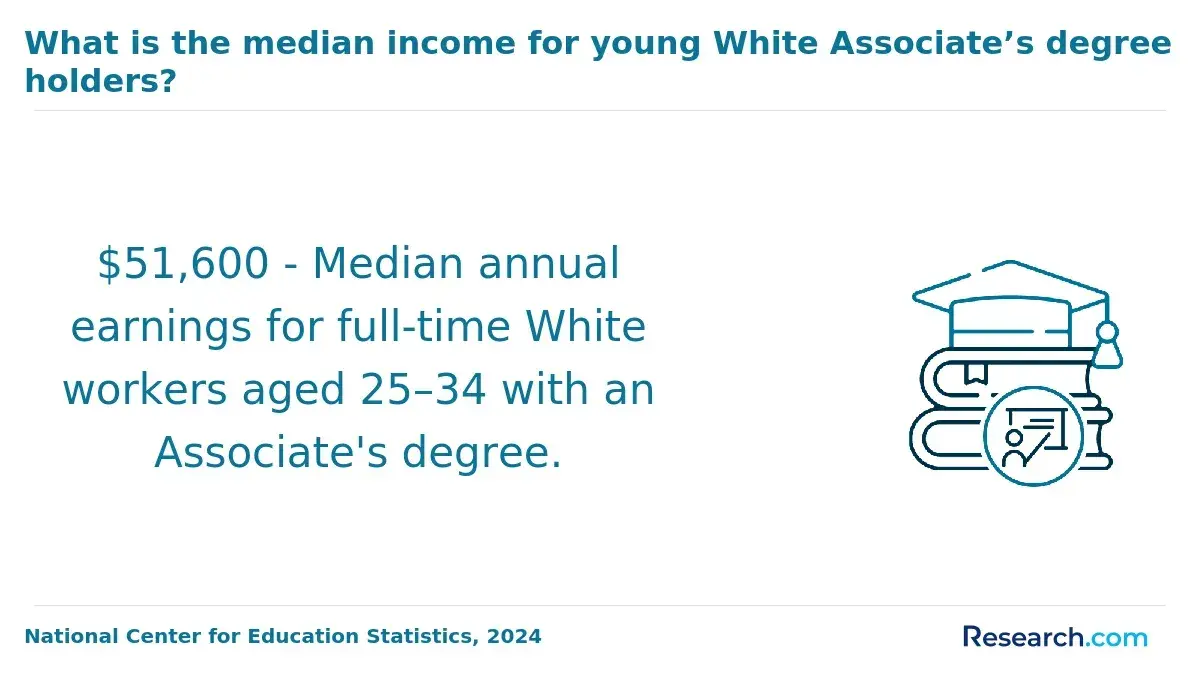
The return on investment for Purdue Global's online Associate of Applied Science in Early Childhood Development program is constrained by the modest income potential relative to the program's total cost. With an annual cost approaching $19,560 covering tuition and living expenses, graduates face a median starting salary of about $36,596.
This salary remains largely stagnant over a decade, indicating limited upward mobility in earnings within this field. Compared to typical early childhood development associate degree holders, who generally experience stable but slow salary growth, the financial payoff is modest when factoring in average student debt around $26,078.
For students weighing this pathway, scholarship opportunities and financial aid can significantly influence net costs and improve ROI by reducing debt burden. However, the likelihood of accessing higher-paying roles, often available through more advanced credentials or specialized certifications, is limited for associate degree holders.
Many graduates find employment primarily in standard early childhood education settings, where salaries tend not to exceed established industry norms. This reality necessitates careful consideration of whether the upfront investment aligns with one's long-term financial goals and career expectations.
Ultimately, prospective students should evaluate how the fixed earnings trajectory and debt load intersect with their personal circumstances and the availability of financial support, as well as opportunities for career advancement beyond entry-level positions. The earnings-to-debt ratio near 1.40x suggests only a modest financial return, underscoring the importance of exploring diverse funding sources and career pathways before committing.
Student satisfaction with Purdue Global's Online Associate of Applied Science in Early Childhood Development program is uneven, reflecting a mix of benefits and tradeoffs typical of large-scale online education. The program's flexibility is a strong asset for those balancing work and family obligations, granting access to education without geographic constraints.
However, this convenience often comes at the cost of limited personalized interaction, which can intensify feelings of isolation and diminish engagement, a critical factor in early childhood education training where mentorship and practical feedback are valuable.
While purdue global provides resources such as online mentoring and student-led groups to foster connection, the sheer size of its enrollment, over 44,000 students, and the part-time nature of many faculty positions may hinder consistent academic support and timely responsiveness.
The program's graduation rate near 48% highlights underlying challenges in retention and sustained motivation, pointing to varied student experiences that depend heavily on individual discipline and external support systems. Students seeking a hands-on, interactive learning environment might find the format less satisfying or practical compared to more intimate or hybrid models.
One graduate shared that initially finishing coursework while working full-time and caring for children felt overwhelming, saying, "I wasn't sure if the online setup would give me enough support, but the scheduling flexibility was crucial."
Although occasional delays in instructor feedback were frustrating, the ability to study evenings and weekends made the program workable. This tradeoff shaped an overall satisfaction rooted in pragmatic compromises rather than ideal academic engagement.
Employment outcomes for online associate degree holders in early childhood development often hinge more on institutional support than on credentials alone.
Schools that facilitate tangible connections between students and employers tend to improve job placement notably, as evidenced by research showing that 72% of early childhood development graduates secured their first roles through school-enabled networks and career services. This dynamic highlights the practical impact Purdue Global's resources can have for graduates navigating a competitive field.
Below are key opportunities Purdue Global uses to help Associate of Applied Science in Early Childhood Development graduates find employment:
- Virtual Job Fairs: These events connect students with national employers in real time, allowing for early networking and interviews that can lead to employment even before graduation.
- Online Workshops: Focused sessions on resume building and interview preparation tailor skills specifically for early childhood roles, preparing graduates to meet employer expectations effectively.
- Job Placement Portal: A curated platform that lists openings relevant to program graduates streamlines job searches and targets applications to aligned positions.
- Alumni Network Access: Interaction with experienced graduates offers mentorship that can reveal unadvertised opportunities and provide career guidance founded on current industry trends.
These resources form critical support structures as part of Purdue Global early childhood development program career support services, shifting some of the traditional challenges of remote education into actionable career gains. For prospective students weighing the decision, comparing options across easy online associate degrees should include a close look at these employment navigation tools and their real-world outcomes.
Graduates holding an online Associate of Applied Science in Early Childhood Development from Purdue Global typically enter roles that emphasize practical support in early education environments. These positions often come with modest starting wages, making it vital for prospective students to weigh the immediate earning potential against the foundational experience gained.
Career outcomes are crucial to assess since they reveal how the program aligns with real workforce demands, especially for those prioritizing early entry into child-focused educational settings.
The following roles illustrate common pathways after completing this degree.
- Preschool Teacher Assistant: Often the first step in early childhood education, this role involves helping lead teachers create and manage developmental activities while ensuring child safety. Annual salaries generally range from $26,000 to $32,000, reflecting an entry-level wage in supportive classroom roles.
- Childcare Worker: Positions in childcare centers or family services focus on daily supervision and care routines for young children. Pay is comparable to preschool assistants, offering experience that supports future advancement but with limited initial financial growth.
- Early Childhood Educator: Graduates may also become educators in various early learning programs. These jobs require applying development principles learned during the program, with salaries typically near the $26,245 average reported for graduates in teacher education fields.
- Human Services Roles: Some graduates find employment in social service settings related to child and family support, where pay can slightly exceed education-specific roles, averaging around $32,278. This path may offer broader opportunities but can diverge from classroom-focused careers.
Deciding whether to pursue this degree involves considering these salary ranges and job duties against other fields. For instance, Registered Nursing or Natural Resources Conservation careers start with significantly higher incomes, highlighting the tradeoff between quick qualification and long-term earning potential.
Those evaluating programs should also explore options among online colleges free application to compare accessibility and costs before committing.
Deciding if Purdue Global's Online Associate of Applied Science in Early Childhood Development program fits your goals hinges on understanding how the program aligns with your specific academic and professional ambitions.
Many factors contribute to whether a program is worth the investment, and this evaluation varies widely depending on individual circumstances such as career trajectory, financial condition, and personal learning preferences. For instance, a working parent seeking flexible online study might find this program practical, while someone aiming to transfer credits toward a bachelor's degree might face limitations.
Consider these core criteria when assessing how the Purdue Global online early childhood development program fit is suited to you:
- Curriculum Relevance:The program should offer courses directly aligned with your career objectives, such as child development theories and state licensing requirements. Scrutinize whether the curriculum prepares you for real-world early childhood education roles or if gaps exist compared to other programs.
- Program Flexibility:Since Purdue Global provides a fully online format, determine if this mode accommodates your schedule, learning style, and responsibilities. Flexibility is essential for those balancing work or family, but consider if asynchronous learning meets your need for interaction.
- Support Services Availability:Effective academic advising, tutoring, and career counseling are crucial for online learners to stay on track and ready for the workforce. Assess the accessibility and quality of these services to avoid isolation during your studies.
- Program Recognition:Accreditation and credit transferability affect your ability to pursue further education and influence employer perception. Ensure that credits earned hold value in your intended career paths and geographic region.
- Financial Considerations:Evaluate the cost relative to your budget against potential job prospects and salary outcomes. Understanding this balance is key to determining if the investment brings adequate return.
Assessing career goals with purdue global associate of applied science in early childhood development requires this holistic approach to weigh tradeoffs and opportunities. Those interested in broader or alternative pathways might also explore research on the best degrees for older adults, which can provide comparative context for educational investments across demographics.
What Graduates Say About Purdue Global's Online Associate of Applied Science in Early Childhood Development Program
- Zoey: "Studying the Associate of Applied Science in Early Childhood Development at Purdue Global gave me the flexibility I needed while working part-time. I found that employers in my area valued hands-on experience and a solid portfolio more than just the degree, so I focused on internships and classroom practicums that the program helped facilitate. While the salary growth can be slow without further licensure, the program prepared me well to enter the workforce quickly and confidently."
- Daisy: "When I enrolled in Purdue Global's Associate of Applied Science in Early Childhood Development program, I was looking to pivot my career into education. The coursework was practical and aligned with what employers expect, but I quickly realized that many roles require additional certifications or teaching licenses for advancement. Still, the program's online format allowed me to keep my current job and gain relevant skills, making the transition smoother than I anticipated."
- Delilah: "Completing the Associate of Applied Science in Early Childhood Development at Purdue Global gave me direct insight into the hiring realities of the field. I learned that many employers prioritize real-world experience over just degrees, so I invested time in internships and built a strong network. The program's structure helped me balance studying with work, and while I'm aware that career advancement may involve more certifications, this degree was a key step in establishing my career."
Other Things You Should Know About Degrees
In 2027, Purdue Global's Online Associate degree emphasizes flexible pacing, allowing working adults to balance career and education demands effectively. Online coursework provides adaptable schedules, offering convenience to manage personal and professional responsibilities, making it a viable option for those in early childhood education.
Because this program is fully online, hands-on learning is primarily simulated or integrated through reflective assignments rather than in-person practicums arranged by the university. This can be a limitation for students seeking direct, supervised experience in a classroom or childcare setting during the program. Employers often look for candidates with real-world classroom exposure, so students should plan to supplement their academic work with external internships or volunteer experiences to strengthen their practical skills and marketability after graduation.
The associate degree from Purdue Global is regionally accredited, which supports broad recognition in many employment contexts. However, licensing and certification requirements vary significantly by state, and the degree alone does not guarantee eligibility for all state-specific early childhood teacher credentials. Students aiming for licensed teaching roles should verify their state's standards early and consider additional certifications or credits beyond the associate degree to meet those criteria.
Yes. Many early childhood programs require a criminal background check before any fieldwork or practicum placement, and some childcare employers will not allow contact with children until clearance is complete. Students should also expect proof of immunizations and a TB screening if clinical placement is part of the curriculum.
- Purdue Global Law School Career Services https://www.purduegloballawschool.edu/student-life/career-services
- AAS — Early Childhood Education Careers https://www.ntcmn.edu/career-paths/child-care/early-childhood-education/degrees-credentials/aas-early-childhood-education-careers/
- Associate of Applied Science in Early Childhood Education https://uafs.edu/programs/associates/early-childhood-ed.php
- Early Childhood Education Associate Degree - NSCC https://www.nscc.edu/academics/programs/early-childhood-education.php
- How We Calculated the Return on Investment of Associate Degrees and Certificates - Freopp https://freopp.org/whitepapers/how-we-calculated-the-return-on-investment-of-associate-degrees-and-certificates/
- Early Childhood Education - AAS https://www.southeastmn.edu/major/Early-Childhood-Education-AAS/