2027 Herzing University Online Learning Format: Part-Time, Full-Time, and Self-Paced Options

Co-Founder and Chief Data Scientist
Consider a working adult balancing a demanding job and family care while aiming to complete a degree efficiently. This student needs an online format that fits irregular hours but also supports steady academic progress. The challenge lies in choosing between part-time, full-time, or self-paced study options that differ in flexibility, pace, and commitment.
Recent data shows over 60% of learners enrolling in online programs prefer flexible start dates and varied pacing, reflecting the diverse needs of adult students. This highlights why understanding how each format influences scheduling, workload, and graduation timelines is critical for practical decision-making. This article analyzes Herzing University's online learning formats, compares part-time, full-time, and self-paced options, and examines course scheduling to help readers select the best fit for their lifestyle and educational goals.
Key Points About Herzing University Online Learning Formats
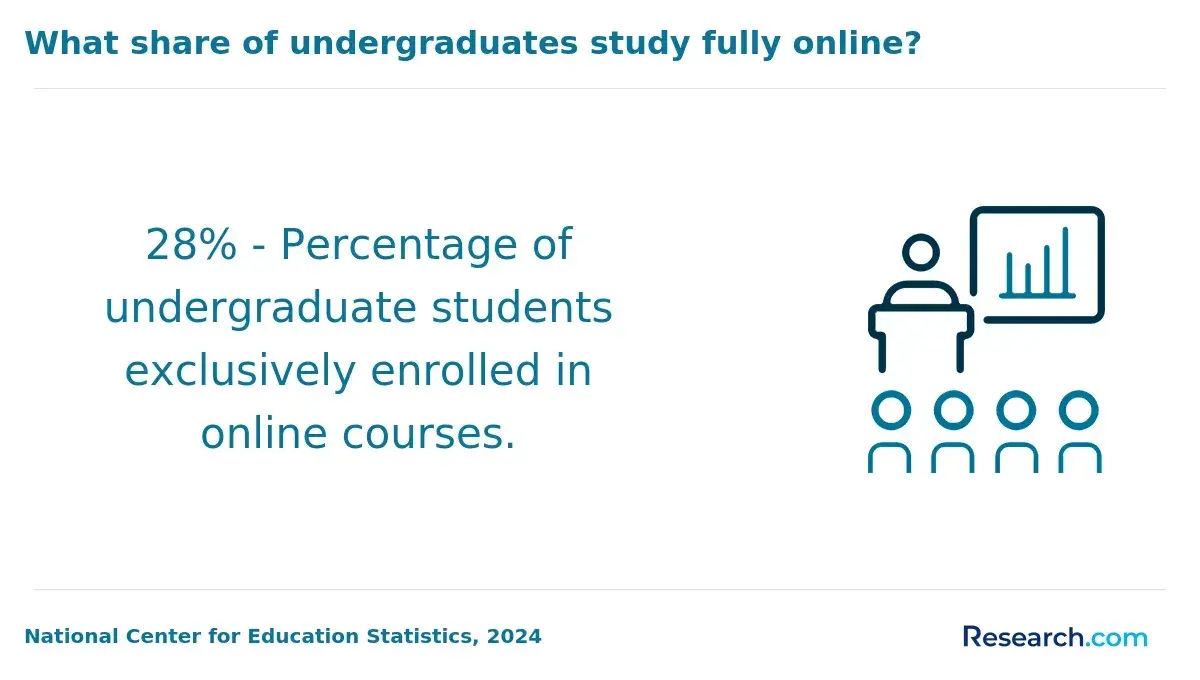
- Herzing University's part-time, full-time, and self-paced online formats offer variable pacing but require strong self-discipline; the 28% graduation rate highlights challenges students face in balancing flexible schedules with course completion demands.
- Support services exist to aid persistence, yet students must actively manage time and workload to navigate the less structured self-paced format effectively and maintain steady academic progress.
- The median alumni salary of $36,909 implies modest financial returns; prospective students should evaluate each learning format's time investment against career outcomes for a realistic return on educational investment.
What online learning formats does Herzing University offer?
Selecting an online learning format shapes how adult learners balance education with work and personal commitments. Herzing University offers part-time, full-time, and self-paced options, each catering to distinct time availability and learning preferences. Prospective students benefit from distinguishing these formats early, as the choice influences skill acquisition speed and employer perceptions of persistence and adaptability.
The full-time format suits those who can dedicate focused hours weekly, often attractive to recent graduates or individuals transitioning careers more rapidly. Part-time appeals to working professionals needing steady progress without sacrificing job responsibilities. Self-paced options empower highly disciplined learners or those with irregular schedules by granting maximum flexibility but demand strong self-motivation. The recent 38% rise in adult learners seeking flexibility highlights the value of formats that accommodate varied life constraints while enabling timely degree completion, aligning education closely with workforce demands.
For example, a healthcare technician balancing shift work may choose self-paced learning to study around erratic hours. Conversely, someone pursuing faster credentialing to meet employer needs might select full-time enrollment. Recognizing these formats' implications helps students optimize their pathway to meaningful credentials in a competitive labor market.
How does part-time study at Herzing University work?
Students balancing work, family, or other commitments frequently select part-time study for the greater flexibility it offers compared to full-time enrollment. Part-time study allows spreading coursework over a longer period, easing pressure but delaying program completion. This slower pace impacts tuition costs and financial planning, especially since Herzing University part-time online study options typically involve taking fewer credits per term. For example, a working parent may choose part-time enrollment to maintain steady progress without sacrificing job responsibilities or caregiving duties. Below are key aspects to understand about studying part time at Herzing University online.
- Adjusted Course Load per Term: Part-time students enroll in fewer credits each term, which reduces weekly study hours. This pacing supports students who cannot commit to full-time schedules but extends overall time to degree completion.
- Proportional Tuition Costs: Tuition reflects credit hours taken; while total tuition can reach approximately $28,414, part-time students pay incrementally per course. However, the drawn-out timeline can increase incidental costs and affect financial aid utilization.
- Financial Aid Accessibility: About 97% of Herzing students receive financial aid, though specific awards targeting part-time enrollees are unclear. Students should plan for possible funding gaps and longer financial commitment periods.
- Graduation Rate Considerations: The average graduation rate is 28%, signaling possible challenges in timely completion. Students must weigh whether part-time pacing aligns with their dedication to finishing within a reasonable timeframe.
- National Online Enrollment Trends: Roughly 43% of online students nationwide enroll part time, with many averaging over six years to graduate. This trend indicates common tradeoffs between flexibility and extended duration.
- Employer Perceptions: Employers may appreciate the commitment reflected in part-time study but often favor timely completion. Delays in finishing degrees may affect job market competitiveness.
- Program Relevance and Options: Herzing University's part-time online study options cover various fields, appealing to students seeking balance. Those considering accelerated paths might review the best 1-year PhD programs online for comparison.
What should you expect from full-time online study at Herzing University?
Students who opt for full-time online study at Herzing University accept a more demanding course load in exchange for a quicker degree completion. Unlike part-time enrollment, which spreads credits more thinly over time, full-time status tries to compress academic progress into about three years by taking 12 to 15 credit hours per semester. This pathway suits those who can dedicate significant time and energy, often with the goal of entering the workforce sooner or capitalizing on a shorter commitment to education. However, its intensity requires consistent discipline and time management that not all online learners find manageable alongside other responsibilities. Understanding how full-time study compares with lighter paced options helps students assess if this demanding format aligns with their personal and career plans. Below are key characteristics to consider.
- Accelerated Time to Degree: Full-time students typically complete their program in just under three years, which is faster than part-time students who take lighter loads and extend their timeline. This speed can benefit those seeking earlier workforce entry but raises the risk of burnout or difficulty balancing non-academic obligations.
- Higher Credit Load per Semester: Enrolling in 12 to 15 credit hours demands more weekly study hours and increases academic intensity. The benefit is progress efficiency, but it requires robust time management compared to part-time's flexibility.
- Increased Financial Commitment Upfront: The full-time tuition cost totals around $28,414, generally higher per semester than part-time but offers potential financial aid advantages. With 97% of Herzing students receiving support, full-time enrollment may unlock more substantial aid opportunities that ease immediate cost pressures.
- Graduation Rate Considerations: Herzing's average graduation rate stands at 28%, a reminder that full-time study's rigor may not suit every learner. Those choosing full-time must carefully weigh their academic readiness and support systems.
- Workforce Entry and Salary Impact: Graduating sooner can mean faster access to the median alumni salary of $36,909, appealing for career-focused students. Employers may value this accelerated timeline but expect consistent performance during study.
- Prevalence Among Online Students: Roughly 45% of Herzing's online population enrolls full-time, indicating significant demand despite the challenges. This statistic, reported by the National Student Clearinghouse Research Center, highlights the format's viability but also the commitment required.
- Practical Scheduling Realities: Full-time students must balance intensive coursework with other life demands, unlike part-time students who may better accommodate work or family. Evaluating one's ability to handle this load is essential before committing.
An example scenario is a working adult who chooses full-time online study to finish a healthcare degree within three years, enabling earlier employment in a competitive field. This student must prioritize coursework, possibly reducing work hours temporarily, to maintain progress. Alternatively, part-time study would allow steady advancement while maintaining full employment but delay degree completion and salary improvements. Those considering Herzing University full-time online study benefits should also explore options for online classes that may complement their schedule and learning needs.
Many prospective online students turn to self-paced programs when juggling work, family, or unpredictable schedules. This format offers freedom to progress without fixed deadlines, appealing to those needing maximum flexibility. However, such flexibility requires strong self-motivation and effective time management. Students uncertain about their ability to maintain steady momentum may struggle compared to peers in cohort-based programs. A 2024 study from the National Center for Education Statistics found 35% of online learners choose self-paced or competency-based formats, yet these students commonly experience longer completion times, highlighting a key trade-off between adaptability and timely graduation. Consider these factors before choosing Herzing University's self-paced option.
- Availability of Self-Paced Programs: Herzing University does provide self-paced online programs designed for learners seeking schedule control. This format contrasts with their structured part-time and full-time options, which follow set semester schedules and pacing.
- Graduation Rate Differences: The average graduation rate at Herzing is 28%, reflecting challenges typical of self-directed learners who must maintain consistent progress without external pacing.
- Financial Aid Implications: Nearly 97% of students receive financial aid, but aid eligibility often requires meeting progress timelines. Taking longer in self-paced programs risks losing financial support.
- Career Impact Considerations: Employers often value steady progression and timely degree completion, so the extended timelines associated with self-paced study may affect perceived workforce readiness.
- Time Management Demands: Success in self-paced formats depends heavily on personal discipline. Students balancing multiple responsibilities must assess whether they can sustain this independent momentum over months or years.
- Flexibility Versus Speed Trade-Off: Self-paced learners gain schedule control but generally experience longer completion times than cohort learners, influencing overall return on educational investment.
- Alignment with Employer Expectations: Some fields expect credentials earned within standard timeframes, so prospective students should weigh this before opting for a self-paced path at Herzing.
A Herzing University graduate remembered debating between a traditional online program and the self-paced option. "I needed a program that fit my erratic work shifts and family care duties," she said, "but I worried I'd fall behind without scheduled classes." She enrolled in the self-paced track but set personal deadlines weekly to avoid drifting off schedule. "It wasn't easy, especially when emergencies came up, but having that control was critical," she added. Reflecting back, she advised prospective students to honestly evaluate their self-motivation levels before choosing this route, noting that flexibility comes at the cost of consistent effort and potential financial aid risks if timelines extend too long.
Balancing education with work, family, or other responsibilities requires careful planning of academic schedules. At Herzing University, online course scheduling offers structured options that directly affect how students organize their time. This is essential because many employers expect consistent weekly commitments, so full-time schedules generally follow traditional semester calendars with regular assignment deadlines and sometimes synchronous sessions. This approach suits learners who can dedicate set hours weekly but limits flexibility for those with unpredictable demands.
Part-time and full-time online class options at Herzing University include semester-based starts that may accommodate both synchronous and asynchronous learning formats. Part-time pacing extends program duration but allows greater adaptability, letting students meet professional responsibilities without sacrificing progress. The self-paced option grants ultimate freedom to set one's timeline by completing coursework independently, relying heavily on self-discipline to avoid extended delays that could hinder timely qualification.
A 2024 study by the Online Learning Consortium showed that 74.3% of working adult students reported better satisfaction and retention with flexible, self-paced scheduling, reflecting growing demand for such models among nontraditional learners. This highlights why Herzing University's multiple scheduling tracks must be matched to students' discipline and career timing. For instance, a healthcare professional balancing shifts might prioritize self-paced courses, while a recent graduate entering the workforce may prefer the predictability of full-time semesters.
Prospective students can evaluate how Herzing University online course scheduling aligns with their needs by assessing their available weekly hours and motivation for self-management. Reviewing employers' expectations for graduation timelines and flexibility will further help. For those targeting specialized fields, including positions listed among online military friendly colleges, understanding these scheduling tradeoffs is critical to sustaining progress while balancing professional and personal demands.
No single online learning format at Herzing University stands out as universally best because the ideal choice hinges on individual circumstances. Work schedules, family demands, and learning preferences create complex tradeoffs regarding time, flexibility, and support. For some, the speed of full-time enrollment outweighs personal commitments; for others, balancing part-time study with employment creates a sustainable path forward. Meanwhile, self-paced options offer control over timing but require strong self-motivation. Below are key lifestyle factors to weigh when deciding which format fits your personal situation and goals.
- Work Schedule Flexibility: The ability to dedicate consistent hours to coursework is critical. Full-time study suits those with fewer job constraints, while part-time or self-paced options better accommodate irregular or demanding work hours. Evaluating weekly availability helps determine if a rigid class schedule or flexible pacing aligns with your professional commitments.
- Family and Caregiving Responsibilities: Managing dependents or household duties limits the time and mental energy available for studies. Part-time or self-paced formats can ease pressure by allowing gradual progress. Assessing your current support network and daily obligations clarifies which pace minimizes stress and maximizes focus.
- Learning Style and Self-Discipline: Learners who thrive on structure and direct engagement may find full-time or part-time formats with scheduled classes more effective. Those comfortable setting their own deadlines and working independently might prefer self-paced study. Honest evaluation of your motivation and ability to maintain progress without prompting is essential.
- Career Timing and Income Goals: Rapid completion through full-time study can hasten entry into higher-paying roles, impacting long-term earnings. According to a 2024 national report, nearly half of online students select flexible pacing to balance work-life demands, even if it delays economic benefits. Consider whether faster credentialing or steadier progress with income stability better suits your financial plans.
- Access to Instructor and Peer Interaction: Structured formats often provide richer opportunities for networking and immediate feedback, valuable for practical skill development. Self-paced learners might face isolation, potentially limiting engagement with mentors and cohorts. Reflect on how crucial collaborative learning and support are to your educational success.
- Technology Comfort and Resource Availability: Full utilization of online learning platforms requires stable internet and digital literacy. Some may find scheduled classes easier to navigate with clearer rhythm, while others excel with asynchronous content. Matching format choice to your tech capabilities and access ensures smoother progress.
- Long-Term Educational Commitment: The ability to sustain effort over extended periods affects completion likelihood. Part-time study spreads workload but can extend program duration, which might impact motivation. Assess personal stamina for prolonged learning versus intensive bursts to select a manageable approach.
For example, a single parent working full-time as a healthcare assistant found full-time enrollment too demanding alongside caregiving. They chose part-time study at Herzing University to balance coursework with family, knowing it meant a longer path but fewer missed obligations. This approach offered a realistic way to progress without risking burnout, highlighting how practical life factors override theoretical academic speed.
Enrollment status is critical for students balancing academic progress with financial and personal obligations. Choosing full-time or part-time enrollment shapes both the timeline to degree completion and the total cost of attendance. A faster path to graduation can reduce exposure to tuition increases and limit indirect costs, such as living expenses and delayed income. However, full-time study demands greater immediate financial outlay and workload intensity, which may not suit all students' life circumstances.
Full-time students at Herzing University typically pay higher tuition per semester but graduate more quickly, potentially cutting down overall costs despite larger upfront expenses. Part-time or self-paced learners distribute tuition over a longer period, keeping short-term payments lower but often extending total time enrolled. This longer enrollment can increase cumulative fees and delay entry into the workforce, where earnings could offset tuition debt. A recent Education Finance Research Institute study highlights that longer degree completion times can adversely impact the return on investment despite consistent tuition charges.
Consider a working adult managing family responsibilities. Part-time enrollment may allow steady income and manageable coursework, but extending studies over several years risks higher overall debt and delayed career opportunities. Conversely, a student able to commit to full-time study may face increased stress and financial strain in the short term but benefit from faster degree completion, quicker employment advancement, and less accrued debt. Employers often value timely degree completion, which can influence hiring and promotion decisions within competitive fields.
The trade-off between full-time and part-time enrollment pivots on immediate affordability against long-term financial health and career timing. Prospective students should assess their capacity to finance and manage full-time study against the flexibility needed for work or caregiving. Aligning enrollment status with personal resources and career plans ensures the decision at Herzing University maximizes educational value and mitigates unnecessary financial risk over time.
Online success at Herzing University requires more than just access to technology; it demands strategic learning habits that match each student's pace and lifestyle. Reliable hardware and software create the foundation, but self-management, digital proficiency, and proactive engagement determine whether a student can withstand the demands of part-time, full-time, or self-paced formats. National data shows that 78% of students comfortable with digital tools report higher satisfaction and progress, underscoring how critical tech readiness is for maintaining momentum and avoiding common pitfalls in online programs. For example, a working military spouse balancing family obligations and coursework benefits from mastering time management alongside using Brightspace efficiently. The following outline details the essential technology and learning skills students must develop to thrive in Herzing University online courses.
- Reliable Computer and Internet Access: Students need devices running current operating systems with stable internet to avoid disruptions. This setup allows smooth interaction with Brightspace, enabling timely submission of assignments and participation in discussions. Preparing this equipment before enrollment prevents technical delays.
- Brightspace Platform Proficiency: Comfort navigating Brightspace is crucial since it centralizes lectures, assignments, and grades. Familiarity reduces frustration and saves time, encouraging consistent engagement and better academic outcomes.
- Basic Software Skills: Competence with word processors and PDF readers supports managing coursework formats and submissions effectively. Early practice with these tools lessens technical barriers and empowers students to focus on content mastery.
- Self-Directed Learning Habits: Managing schedules and proactively seeking help shape success in flexible learning environments. Students who adapt routines to their format-part-time, full-time, or self-paced-are more likely to persist and complete their programs.
- Digital Literacy Fundamentals: Understanding common online communication norms and troubleshooting basic technical issues helps maintain study continuity. Institutions like Herzing offer orientation and tech support to build these vital skills.
- Critical Engagement with Course Materials: Active reading, note-taking, and participation in online discussions improve comprehension and retention. These skills bridge the distance of remote learning, replicating in-person interaction benefits.
- Adaptability to Changing Technologies: Employers value graduates who quickly learn new digital tools and environments. Maintaining curiosity and openness to updates contributes to long-term career resilience across workforce transitions.
Students aiming to fit education into complex lives, such as those exploring online degrees for military spouses, should critically assess both technology readiness and personal skills. This dual focus helps align their choices with program demands and future employment expectations.
Comparing online learning formats is essential before choosing a university because flexibility alone does not guarantee academic success or career outcomes. Prospective students should consider how scheduling, course structure, and pacing affect persistence and engagement. For example, a working adult with unpredictable hours might prefer Herzing University's part-time or self-paced options but should weigh the impact of less structured pacing on completion rates. Herzing University online learning format comparison reveals its tuition cost around $28,414 and cost of attendance at $26,687, which is competitive with many for-profit online schools though often higher than public alternatives.
Herzing University's formats offer schedule flexibility but suffer from a low graduation rate of 28%, below the national norm exceeding 40% for online degree completion. This gap signals that while its formats cater to diverse learner needs, they might lack the robust student support or structured pacing found in institutions with higher graduation rates. Admission is less competitive, which may increase accessibility but could also lead to lower readiness for rigorous content. These differences matter because learners who thrive under clear timelines and strong guidance might struggle more in Herzing's programs compared to other schools.
Students evaluating the flexibility of online programs at Herzing University versus other schools need to balance affordability with educational outcomes. The median alumni salary of $36,909 suggests moderate financial returns relative to tuition investment. A meaningful trade-off exists where greater format flexibility might reduce support and persistence, which some learners can manage, but others cannot. Careful consideration of personal learning style and discipline is vital. For example, a self-motivated military spouse might succeed in a self-paced environment, which explains why resources tailored to online universities for military spouses emphasize format flexibility but also highlight institutional support.
Ultimately, no single format fits all. Those requiring structure may find better value at institutions with higher graduation rates and selective admissions, while learners seeking schedule adaptability might accept trade-offs in completion likelihood and post-graduate outcomes at Herzing University.
Choosing an online learning format should transcend convenience to focus on how each option drives tangible career outcomes, including advancement, transitions, or graduate study preparation. Selecting the wrong pace or structure can prolong debt without improving employability. For example, someone aiming to shift from administrative roles into healthcare may prioritize full-time study to rapidly credential in a higher-paying specialization, while also balancing risk of burnout or incomplete coursework.
Full-time enrollment suits those seeking accelerated entry into technical or healthcare fields, supported by median alumni salaries above $50,000 in areas like Registered Nursing. Part-time pathways fit working professionals who need steady income while pursuing credentials, evident where Business Administration grads average around $46,000. Self-paced options offer unmatched flexibility but often limit access to employer connections and career counseling, which are linked to better salary gains, as a 2024 study of Herzing University noted full-time online students were 25% more likely to engage with career services than self-paced learners.
Each format carries trade-offs between speed, income stability, and institutional support. Full-time students may accelerate earning but face higher dropout risks amid compressed schedules. Part-time learners gain job retention but delay salary improvements. Self-paced learners acquire flexibility at the cost of reduced networking crucial for job placement. These dynamics intersect differently depending on industry, employer expectations, and individual bandwidth.
Prospective students should assess their current workload, employer support for education, and the urgency of credential completion. A nurse seeking promotion requiring certification might opt for full-time to minimize timing gaps, whereas someone balancing family and work might find part-time or self-paced formats more sustainable despite slower returns. Aligning format choice with concrete career milestones ensures education directly supports long-term professional growth rather than serving as a mere academic pursuit.
What Graduates Say About Herzing University Online Learning Formats
- Riley: "Choosing the part-time online format at Herzing University allowed me to navigate the demands of a full-time job and family life without feeling overwhelmed. The structured weekly deadlines helped me maintain consistent progress, and I appreciated how the program accommodated my schedule while still pushing me to stay engaged academically. Graduating gave me the credentials I needed to step into a management role in healthcare, proving the balance I struck was well worth it."
- Sierra: "Going full-time online was a deliberate choice to accelerate my education at Herzing University, even though it meant trimming back on extracurriculars and social time. The immersive schedule required a lot of discipline, especially juggling coursework with short-term consulting projects, but the continuous interaction with instructors kept me motivated. Finishing faster opened doors in the tech field sooner than I expected, underscoring how the intensive pace aligned well with my career ambitions."
- Ariana: "The self-paced online program at Herzing University suited my learning style perfectly since I could dive deep into challenging topics when time allowed and pause when work got hectic. I had to adapt my study habits often, but the flexibility meant I didn't sacrifice work commitments or family time. Although it took longer to graduate than with other formats, this approach helped me retain material better, and now in my career as a medical coder, I'm confident the thorough understanding I developed has made a noticeable difference."
Other Things You Should Know About Herzing University Degrees
Yes, the workload intensity differs significantly between these formats and affects work-life balance. Part-time study allows more flexibility, but it extends time to graduation, which can delay career advancement and increase overall education costs. Full-time study compresses the timeline but demands sustained focus, making it harder to maintain full employment or other commitments. Prospective students should realistically assess their current job demands and stress tolerance before choosing.
Students need a reliable computer, stable internet access, and a supported web browser to use Herzing University’s online learning platform. Many courses also require microphone and webcam access for proctored exams, virtual meetings, or recorded assignments, plus the Canvas learning system and school email access.
In 2027, Herzing University's online learning formats provide valuable flexibility for working professionals, allowing them to balance career commitments with academic pursuits. The part-time, full-time, and self-paced options make it easier to tailor education around job schedules, enhancing both personal and professional growth without sacrifices.
Students with fluctuating availability, such as shift workers or caregivers, often benefit from self-paced formats despite the increased need for self-discipline. This option accommodates irregular hours but demands consistent effort to avoid extended completion times. Alternatively, part-time study can offer a middle ground by providing some structured deadlines with fewer weekly hours than full-time. Matching one's daily realities with the program's demands is crucial to prevent burnout and dropout.
- Herzing Step 1 — Guild Education: School Resource Center https://schools.guildeducation.com/herzing-1
- What Are the Online Learning Technology Requirements https://www.lenovo.com/us/en/knowledgebase/what-are-the-online-learning-technology-requirements/
- Online College Review: Herzing University https://www.collegetransitions.com/blog/herzing-university-online-college-review/
- Herzing University's Online Degree Programs Ranked Among the Nation's Best by U.S. News & World Report https://www.prnewswire.com/news-releases/herzing-universitys-online-degree-programs-ranked-among-the-nations-best-by-us-news--world-report-302680723.html
- Herzing University Online Nursing Degrees - Better Nurse https://betternurse.org/herzing-university-online-nursing-degrees/
- Enrollment Agreement https://www.herzing.ca/professionaldevelopment/enrollment-agreement
- Herzing University Transfer Courses from Sophia | Sophia Learning https://herzing.sophia.org/
- Remote Jobs at Herzing University https://www.virtualvocations.com/company/remote-jobs-at-herzing-university-4595.html
- Herzing University | College Degrees, Courses & Education Online https://www.academicinfo.net/online-schools/herzing-university/
- Herzing University Online Tuition | CollegeData https://www.collegedata.com/college-search/Herzing-University-Online/money-matters