2027 How Much Does It Cost to Study Online at St. Thomas University?

Co-Founder and Chief Data Scientist
Choosing to study online at St. Thomas University raises key questions about financial commitment and academic fit. Many prospective students hesitate due to varying program costs and unclear admissions expectations. Online learners often balance employment and personal obligations, so understanding tuition alongside student culture helps set realistic goals.
A recent study highlighted that nearly 40% of online students consider cost the deciding factor, signaling the importance of transparent pricing in enrollment decisions. This article examines the range of online degree options at St. Thomas University, their associated costs, admissions criteria, and student experience. It aims to provide a clear, practical framework for assessing affordability and suitability before committing to the program.
Key Points About the Cost of Studying Online at St. Thomas University
- The total cost of attendance at St. Thomas University is $49,762, which includes fees, materials, and living expenses beyond tuition. This comprehensive figure impacts financing strategies and the accurate assessment of debt burden.
- Tuition alone totals $61,511, representing a significant financial commitment relative to many online programs. Prospective students must consider this when evaluating return on investment and comparative affordability.
- Students should analyze these costs against potential employer expectations and career trajectories, as the investment may influence professional opportunities and long-term economic outcomes.
What is the total cost of earning an online degree at St. Thomas University?
The reported total tuition cost of $61,511 for an online degree at St. Thomas University can obscure the true financial commitment, which includes mandatory expenses like books, supplies, and distance-learning fees. For example, a student budgeting $5,119 for materials should anticipate additional technology or access fees that may not be transparent upfront. Since most programs require around 120 credits, tuition per credit significantly shapes the final expense, making incremental increases impactful over the entire program.
A recent analysis from the National Center for Education Statistics highlights that tuition per credit for online programs is rising at about 3.5% annually. This trend suggests that each credit's cost will likely climb during the time a student completes their degree, affecting affordability and long-term budgeting. Students must weigh these escalating costs against potential financial aid and cost adjustments, which account for differences between the $61,511 tuition and the $49,762 total cost-of-attendance figure from the Federal Scorecard.
When evaluating affordability, prospective students should consider how these layered costs align with their career goals and earning potential post-graduation. The varying fees, credit requirements, and material expenses create tradeoffs in cost and value, meaning a direct comparison to other online programs requires examining these factors holistically. In practical terms, budgeting conservatively for extra fees beyond tuition offers more realistic financial planning that better supports completion and employment outcomes.
How do tuition rates vary across online programs at St. Thomas University?
Tuition cost differences across online programs at St. Thomas University reflect a clear hierarchy driven by program type and credit demands. Typically, technical and specialized programs such as business or health fields carry the highest tuition rates due to longer credit requirements and added fees for components like practicum experiences. Conversely, liberal arts and education degrees generally have lower total tuition because of fewer credits and simpler resource needs.
Online degree tuition variation at St. Thomas University relates closely to program length and instructional format. Programs that require more credits naturally increase total costs. In addition, specialized courses often have higher per-credit fees, supported by the 2024 National Center for Online Education study showing STEM-related programs charge 15-20% more per credit than humanities. This differential pricing signals how program complexity and market demand shape tuition structures here.
For example, a student pursuing an online business degree might pay significantly more than one enrolled in an education program, despite both being fully online. The addition of practicum or lab fees in certain fields also pushes costs upward, emphasizing the importance of careful budgeting and program selection.
Students comparing tuition rates across programs at St. Thomas University should consider total credits, fee structures, and career outcomes aligned with their goals. Exploring options like easy degrees that pay well may also help identify cost-effective pathways that balance affordability with practical employment prospects.
What additional fees increase the cost of studying online at St. Thomas University?
The true cost of studying online at St. Thomas University extends beyond tuition fees and includes various mandatory and indirect expenses that can substantially increase the total price. For example, a student budgeting solely for tuition may face unexpected costs from required course materials, technology fees, and exam-related charges, which can collectively add thousands of dollars.
Below are key additional fees that online students must consider when calculating their financial commitment.
- Books and Supplies: Students often spend an estimated $5,119 on textbooks, digital resources, and course materials needed for degree completion. These expenses are usually paid upfront or each term and are not typically included in advertised tuition rates, making them a significant hidden cost.
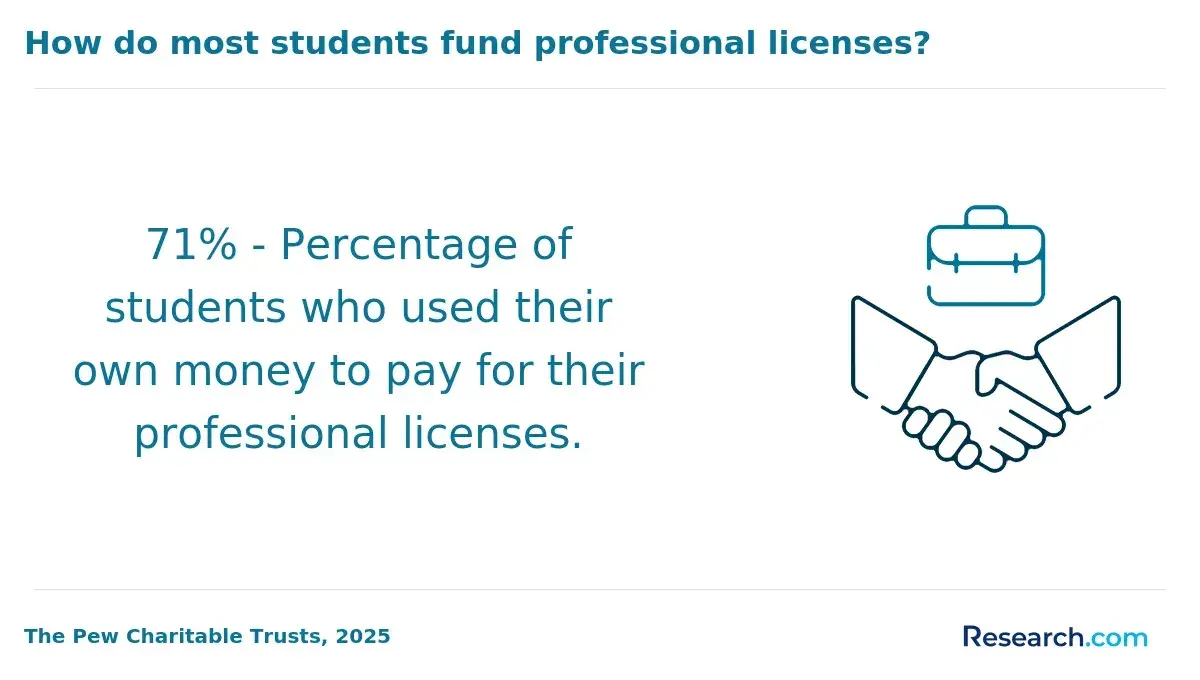
- Technology and Platform Fees: These fees cover access to learning management systems, virtual classrooms, and necessary software. A national study found that 68% of online students face technology fees increasing their costs by 12-15%. Such fees ensure updated, secure platforms but can vary widely by program.
- Proctoring and Assessment Fees: Online exams often require remote monitoring, and proctoring companies charge between $30 and $60 per exam session. Multiple courses can cause these fees to accumulate quickly, adding pressure on students balancing course loads and budgets.
- Program-Specific Lab or Software Charges: Some degrees, especially in science, technology, and business, require specialized software or virtual labs. Fees for these can range from $100 to several hundred dollars per course, depending on the tools needed for practical learning.
- Administrative and Enrollment Fees: Registration, transcript requests, and student service fees typically add several hundred dollars annually. These smaller charges may seem minor but collectively affect the overall expense throughout the academic journey.
Prospective students weighing additional fees for online students at St. Thomas University in Florida should factor these costs carefully. Considering the full financial picture is essential, particularly when evaluating program value relative to career outcomes. Those aiming for specific fields may consult the bachelor's degrees job outlook to assess whether the investment aligns with expected returns in the job market.
Are online programs at St. Thomas University more affordable than campus-based programs?
Online tuition at St. Thomas University typically runs around $600 per credit hour, which undercuts the on-campus in-state rate of $755 and out-of-state rate of $844. Online learners avoid mandatory fees such as housing, meal plans, facility, and parking fees, which for campus students add up to thousands annually. This structure creates an immediate cost advantage for online students when considering direct academic expenses alone.
The affordability of St. Thomas University's best online degrees can fluctuate based on program length, course load, and required resources. Some online programs may extend over a longer period than campus options, increasing total costs despite lower per-credit charges. Additionally, specific degree paths may require occasional campus visits or access to proprietary software, adding modest but relevant expenses to the online education budget.
Comparing the total cost of attendance, campus programs include housing and meal plans that often exceed $12,000 per year, while online students save these expenses entirely. However, a 2024 National Center for Education Statistics study found that longer completion times for certain online degrees may overlap or negate these savings. Financial aid availability remains comparable across delivery methods, so the cost-effectiveness depends heavily on how quickly a student progresses and personal financial considerations related to living arrangements.
Employers generally hold comparable regard for degrees earned online or on campus from St. Thomas University, focusing more on program reputation than format. However, campus students may benefit more from networking and experiential learning opportunities that offer long-term career value. Prospective students weighing St. Thomas University online tuition cost comparison must balance upfront financial savings with the impact of program duration and non-tuition factors on real affordability and overall educational investment.
How do financial aid and scholarships affect the cost of an online degree at St. Thomas University?
Financial aid and scholarships significantly reduce the net cost of an online degree at St. Thomas University, where 99% of students benefit from some form of assistance. The average undergraduate award of $23,028 softens the sticker price, but debt remains for many, with a median of $19,125 reported by graduates. This indicates that while aid lowers upfront costs, students often still rely on loans, impacting their financial flexibility after graduation.
For example, a working adult leveraging employer tuition assistance alongside institutional scholarships can minimize debt and more easily manage loan repayments, improving long-term financial outcomes. National trends show about 65% of online students use loans or grants, reflecting growing reliance on multiple aid layers. This makes understanding the variety of aid options at St. Thomas University critical.
With more online learners seeking cost relief amid rising education expenses, blending institutional and external resources shapes whether an online degree offers a good return on investment. Key financial aid and scholarship opportunities available at St. Thomas University include:
- Institutional Merit Scholarships: Awarded to students with strong academic records, these reduce tuition before other aid. Applying early enhances chances as funds are limited and competitive.
- Department-Specific Grants: Offered to students enrolled in certain programs, these grants address discipline-specific costs and lower net price for those eligible.
- Federal Pell Grants: Need-based federal grants that do not require repayment. Eligible students apply through FAFSA to offset tuition and fees.
- Employer Tuition Assistance: Many students use employer programs to cover partial or full tuition. Coordination with the school's financial aid office is essential to optimize benefits.
- Online Student Emergency Fund: Provides one-time financial help for unexpected expenses, allowing students to continue studies without dropping out due to short-term financial hardship.
- Transfer Student Scholarships: Designed for newcomers transferring credits, these awards encourage affordability during degree completion.
- Veterans and Military Benefits: Specialized funding and tuition rates for active-duty, reserves, and veterans help reduce costs for military-affiliated students pursuing online degrees.
A recent graduate shared, "When I started, I was hesitant about balancing work and tuition costs. Applying for a merit scholarship eased immediate financial pressure, but I still needed my employer's tuition assistance to fill the gap."
"The process was stressful at times because I had to coordinate deadlines across programs, but ultimately it kept my debt manageable and allowed me to finish without leaving my job. I recommend prospective students understand every aid option early, so they don't miss out like I almost did on a department grant that could have cut costs even further."
How does enrollment status affect online degree costs at St. Thomas University?
Enrollment status significantly influences the cost structure for students pursuing online degrees at St. Thomas University. Full-time students pay a flat tuition rate, capped regardless of taking up to a set credit limit, which provides predictable costs and can accelerate time to graduation. Part-time students are charged per credit, resulting in higher marginal costs and potentially extending both the expense and duration of study.
Accelerated enrollment options, if available, often combine full-time credit loads with compressed schedules but may require higher upfront financial commitment, affecting total tuition and fees. Tuition costs reported include $34,770 for a baseline full-time load, but additional fees vary depending on status-technology fees, for example, are assessed per semester for full-timers and per credit for part-timers.
This difference means part-time students face more variable costs. The impact on affordability becomes clearer when considering total tuition averaging about $61,511, with total attendance costs near $49,762 per federal data. The dynamic between part-time versus full-time enrollment costs at St. Thomas University demonstrates that credit load directly shapes financial outlays and academic pacing.
Enrollment status also affects eligibility for financial aid and scholarships. Nearly 99% of students receive some aid, yet many funding sources require full-time enrollment or minimum credit hours, limiting part-timers' access. Employer tuition assistance is another consideration, often favoring accelerated or full-time formats tied to quicker skill acquisition and job readiness. These distinctions can alter net costs substantially, influencing decisions about pacing and credential timing.
Prospective students should weigh how the impact of credit load on online degree pricing at St. Thomas University fits their personal and professional timelines. Balancing affordability with timely academic progress is crucial, especially as recent research notes growing part-time online enrollment trends tend to extend degree completion and increase cumulative expenses. Exploring options like quick certifications that pay well might provide supplementary pathways to career advancement while managing overall educational investment.
How much student debt do online graduates from St. Thomas University typically accumulate?
Online graduates from St. Thomas University generally accumulate a median student debt of $19,125, reflecting a moderate borrowing level compared to national averages. This debt represents a balance of federal and private loans, and it places their financial burden within a manageable range when considering income outcomes.
The earnings-to-debt ratio of 2.84 means these alumni typically earn nearly three times their loan balance annually, a factor that enhances the likelihood of timely repayment and suggests reasonable long-term financial stability. This ratio is critical because a 2024 study from the National Postsecondary Education Cooperative found that graduates with earnings at least twice their debt are significantly less likely to default within the first five years after graduation.
About 25% of online students at St. Thomas University graduate without any student debt, exceeding the roughly 20% national average of debt-free graduates. Those who do borrow often consider their debt relative to their chosen professions and starting salaries. Graduates in fields aligned with occupational demand tend to maintain lower default rates, currently below 8%, supporting a strong connection between employment outcomes and debt management.
Understanding that online degree holders often secure similar starting salaries to on-campus counterparts underlines that debt decisions reflect not only costs but potential return on investment shaped by career trajectory. For example, a graduate entering a stable healthcare administration role may view $19,125 in debt as an affordable investment when paired with a starting salary sufficient to cover monthly payments without significant lifestyle sacrifices.
Conversely, students aiming for less lucrative or unstable fields might find the same debt more burdensome, making careful career matching essential before borrowing. Realistic evaluation of debt relative to market conditions and income potential is key to avoiding unmanageable financial strain.
"When I finished my online program at St. Thomas University, I had about $20,000 in loans," recalled Maria, a healthcare information manager. "It was intimidating at first because I wasn't sure I'd land a job quickly enough to manage the payments. But once I secured a position in a local clinic within three months of graduating, the income covered both my living expenses and loan payments without forcing me to cut back on essentials."
"I stayed cautious about extra borrowing and prioritized repaying aggressively because I knew the debt was tied to a clear career path. That strategy made the financial side less stressful than I expected."
Which online programs at St. Thomas University offer the strongest return on investment?
The strongest return on investment among online programs at St. Thomas University is typically found in business-related fields that align with market demand and deliver competitive salary outcomes. For example, graduates of Business Administration, Management, and Operations report an average salary of $41,622 with an earnings-to-debt ratio of 2.84x, indicating they earn nearly three times their student debt.
In real-world terms, a student finishing this program can expect steady employment opportunities in management roles across industries that value leadership and operational skills. Below are key online degree programs at St. Thomas University known for offering high return on investment:
- Business Administration: Graduates often secure mid-level management roles with salaries reflecting consistent employer demand. The program's focus on practical skills supports tangible career growth and debt payoff.
- Management and Operations: This major fosters leadership capabilities vital to sectors like retail and services, producing reliable earnings relative to tuition costs and manageable time-to-completion.
- Information Technology Management: With digital transformation accelerating, this program targets growing tech leadership roles, helping graduates leverage increasing demand for IT governance.
- Health Services Administration: Rising healthcare systems require managers versed in compliance and efficiency, making this degree relevant for stable employment and income in the expanding sector.
- Accounting: Strong employer networks and clear career pathways contribute to competitive starting salaries and advancement within finance-related industries.
- Marketing and Sales: Practical expertise in market analytics and sales strategies appeals to businesses aiming to boost revenue, translating into consistent job prospects.
While detailed job placement data for St. Thomas University's online programs is limited, industry trends show a growing preference for degrees that balance focused curricula with practical employer needs. Students weighing options should consider such outcomes carefully along with tuition costs and personal goals.
For individuals needing clear guidance on credible options, degrees felons can get highlight how many of these programs provide accessible pathways into meaningful careers. Overall, the best online degree programs at St. Thomas University for career growth combine solid market relevance with earnings potential, making them prudent choices for students seeking a high return on their educational investment.
How do career outcomes influence the cost-benefit equation of an online degree at St. Thomas University?
Student debt accumulation for online graduates from St. Thomas University is directly influenced by the balance between tuition costs and realistic career outcomes. With median earnings at $54,272, the financial burden of program expenses must be considered against job placement rates that show most alumni securing employment within a year. These early employment successes help graduates begin repaying debt sooner, but the moderate salary level suggests caution for students borrowing at or near full cost without a clear career plan.
Differences across programs and skills gained play a crucial role in shaping long-term earning potential. Graduates with credentials aligned to high-demand industries often experience stronger employer interest and better salary growth. Yet, a slower mid-career income progression reported for online graduates versus traditional counterparts signals that online degree holders might face limitations without additional work experience or skill certifications. This dynamic affects return on investment and the likelihood of fully offsetting debt over time.
For example, a graduate in a technology-related field might leverage strong industry connections and growing employer demand for digital skills to achieve faster debt repayment. Conversely, those in fields with less direct alignment to market needs may struggle with stagnant wages, prolonged indebtedness, and financial mobility. These contrasts highlight why not all online programs at St. Thomas University provide equal economic value despite comparable costs.
Many prospective students weigh tuition and program expenses against other educational options, such as community colleges, certificates, or on-the-job training that may offer quicker, lower-cost income gains. The decision often hinges on whether the moderate median salary combined with a strong employment rate justifies borrowing that amount, especially given evolving employer preferences for skills-based credentials.
Strategic career planning and understanding industry trends are essential to evaluate if an online degree from St. Thomas University will realistically minimize debt impact and improve financial outcomes over alternative pathways.
How can students reduce the cost of an online degree at St. Thomas University without sacrificing quality?
Online graduates from St. Thomas University often face moderate student debt, but this can be strategically minimized through targeted cost-saving measures. For example, a working professional who transfers multiple credits and utilizes employer tuition reimbursement can reduce their out-of-pocket tuition expenses significantly, avoiding the typical debt burdens seen by full-pay students.
Below are practical cost-saving approaches that help maintain academic quality while reducing the total cost of an online degree.
- Maximize Transfer Credits: Leveraging previously earned credits reduces the number of courses paid for at St. Thomas University. This approach cuts tuition without compromising the degree's academic requirements, as foundational knowledge is demonstrated through prior coursework. According to federal education data, transfer students save an average of 25% on tuition costs, which translates to substantial debt reduction.
- Utilize Employer Tuition Reimbursement: Many students reduce debt by tapping into employer education benefits, averaging $4,500 per year. This financial support lowers direct spending while maintaining a full course load and steady progress toward graduation, ensuring no loss in learning quality or timeline.
- Apply for Departmental and External Scholarships: Besides limited institutional scholarships for online learners, targeted awards for distance education can offset high costs. Competitively applying for these funds reduces reliance on loans while keeping the student engaged in the full academic experience.
- Choose Accelerated or Competency-Based Programs: Enrolling full-time in accelerated tracks allows quicker degree completion, reducing tuition accrued over time and living expenses. Research shows such students graduate up to 20% faster without sacrificing academic rigor, shortening the period over which debt accumulates.
- Opt for Open Educational Resources and Digital Materials: Using free or low-cost online textbooks and library resources cuts expenses for course materials. These options provide equivalent content quality to traditional textbooks, making this a financially sound choice without impacting course outcomes.
- Plan Course Load Strategically: Balancing course loads to maintain full-time status when possible shortens the time to the degree. This approach lowers overall costs by decreasing the number of semesters attended, which in turn limits cumulative debt levels without degrading academic performance.
- Maintain Continuous Enrollment: Avoiding breaks in study helps preserve momentum and prevent extending tuition payments across unnecessary semesters. Consistent enrollment supports steady progress, which reduces costs linked to prolonged degree completion.
What Graduates Say About the Cost of Studying Online at St. Thomas University
- Owen: "Choosing to pursue my degree online at St. Thomas University was largely influenced by the transparency around tuition and fees, which allowed me to budget effectively. Though the cost was not the cheapest option available, the availability of financial aid and scholarships made it manageable without relying heavily on loans. Upon graduation, the degree's reputation opened doors in my industry, and I felt the investment was justified, especially given the flexibility that enabled me to keep working full-time throughout the program."
- Esteban: "My decision to enroll in St. Thomas University's online program involved weighing the tuition costs against the flexibility and accreditation offered. I initially hesitated due to potential debt, but was fortunate to use employer tuition assistance, which significantly reduced my out-of-pocket expenses. Graduating helped me pivot careers faster than anticipated, confirming that, despite the fees, the return on investment aligned well with my long-term financial goals and career trajectory."
- Mateo: "The overall affordability of St. Thomas University's online degree factored heavily into my enrollment choice, especially since I had to consider not just tuition but also additional fees. Their financial aid options provided some relief, but I remained cautious about accumulating debt, which influenced me to plan my coursework strategically over a longer period. After completing the program, the qualification helped me secure a better position, though I remain mindful of how ongoing costs might impact similar students' decisions in different financial situations."
Other Things You Should Know About St. Thomas University Degrees
St. Thomas University structures many of its online courses on a term basis rather than per credit hour, which means students often pay tuition for the full term regardless of how quickly they finish the coursework. This can result in higher costs if you take fewer classes per term or need to extend your study period due to work or personal commitments. If your schedule requires flexibility, it is more cost-effective to plan a full course load each term rather than spreading classes thinly over many terms, as prolonged enrollment increases cumulative tuition and fees.
While tuition covers instruction, students should anticipate expenses related to technology, such as required software licenses or specialized hardware for certain programs at St. Thomas University. These costs vary by field-for example, computing or design majors may need powerful computers or specific applications not included in tuition. Ignoring these requirements can lead to unexpected out-of-pocket spending, so prospective students should budget accordingly and confirm tech needs upfront to avoid surprises that inflate the overall cost.
Employer tuition reimbursement programs often have limits on how much they will pay and may exclude fees or materials associated with study at St. Thomas University. Many students find that while tuition may be partially or fully reimbursed, ancillary costs like textbooks and exam fees are usually out-of-pocket. It is advisable to clarify with your employer which expenses qualify for reimbursement and plan for any uncovered costs to avoid financial shortfalls during your studies.
In 2027, St. Thomas University's online tuition costs vary by program. Undergraduate programs typically range from $400 to $550 per credit hour, while graduate courses can range from $600 to $800 per credit hour. Additional fees might apply, so it's advisable to consult the university's official site for precise details.
References
- New $0 May Term at St. Thomas University Global Removes Cost Barrier to Starting College https://www.prnewswire.com/news-releases/new-0-may-term-at-st-thomas-university-global-removes-cost-barrier-to-starting-college-302740700.html
- St. Thomas University Affordable Online MBA | Florida https://www.bschools.org/profiles/st-thomas-university-online-mba
- Tuition & Aid - University of St.Thomas https://stthom.edu/tuition-aid/
- Florida TaxWatch Unveils Comprehensive ROI Assessment of St. Thomas University, Reports $1.5 Billion in Economic Impact https://www.floridataxwatch.org/florida-taxwatch-unveils-comprehensive-roi-assessment-of-st-thomas-university-reports-1-5-billion-in-economic-impact/
- University of St Thomas Education, Other | 77% Acceptance Rate, ROI 73/100 https://www.gradgpt.com/university-of-st-thomas/masters/education-other
- St. Thomas University Financial Information https://collegeiq.com/colleges/st-thomas-university-florida/financials
- Does College Pay Off? A Comprehensive Return On Investment Analysis - FREOPP https://freopp.org/whitepapers/does-college-pay-off-a-comprehensive-return-on-investment-analysis/
- FAQ https://sthomasuniversity.org/faq/
- How to Pay for College at St. Thomas | Managing Your Remaining Costs https://mastertube.com/video/how-to-pay-for-college-at-st-thomas-managing-your-remaining-costs
- Financial Aid https://catalog.stthom.edu/financial-aid