2027 Photography Degree Popularity by Gender, Region, and Degree Level

Co-Founder and Chief Data Scientist
A student exploring Photography programs may notice striking differences in enrollment patterns by gender across states, with women comprising nearly 60% of graduates in some regions but barely 40% in others as of 2024. Such variation shapes perceptions about program inclusivity and peer community, influencing where applicants feel welcome or competitive. Regional demand also affects access to specialized faculty and industry connections, while the growing preference for associate-level degrees in certain areas signals shifting workforce entry strategies.
Understanding these nuanced trends helps decode how degree popularity intersects with educational quality and employment prospects in Photography. This article will analyze Photography degree popularity by gender, region, and degree level to inform smarter educational and career decisions.
Key Things to Know About Photography Degree Popularity by Gender, Region, and Degree Level
- Female enrollment in photography programs reached 55% in 2024, shifting traditional gender norms but prompting programs to address tailored career support to mitigate persistent wage gaps in creative industries.
- Photography degree participation is significantly higher in urban coastal regions, reflecting better access to industry networks but introducing geographic bias that may limit rural students' practical opportunities.
- Bachelor's degrees dominate photography enrollment at 65%, indicating preference for comprehensive training but also higher costs and longer time commitments that may deter skill-focused, part-time learners.
- Key Things to Know About Photography Degree Popularity by Gender, Region, and Degree Level Key Things to Know About Photography Degree Popularity by Gender, Region, and Degree Level
- How Does Job Market Demand Influence Photography Degree Popularity? Market Demand and Degree Popularity
- How Does Online Photography Degree Enrollment Compare to Traditional Campus Programs? Online vs. Campus Enrollment
- What Degree Level Is Most Common Among Photography Students? Most Common Degree Levels
- How Do Enrollment Trends Differ Between Associate, Bachelor's, Master's, and Doctoral Photography Degrees? Enrollment Trends by Degree Level
- How Popular Is the Photography Degree Compared to Other College Majors? Degree Popularity vs. Other Majors
- Why Is the Photography Degree More Popular in Certain States and Regions? Regional Popularity Drivers
- What Demographic Groups Are Driving Growth in Photography Degree Programs? Growth by Demographic Groups
- What Is the Future Outlook for Photography Degree Enrollment by Gender, Region, and Degree Level? What Is the Future Outlook for Photography Degree Enrollment by Gender, Region, and Degree Level?
- How Have Photography Degree Enrollment Trends Changed Over the Past Decade? How Have Photography Degree Enrollment Trends Changed Over the Past Decade?
- Where Is the Photography Degree Most Popular Across the United States? Geographic Popularity Analysis
How Does Job Market Demand Influence Photography Degree Popularity?
Employer demand for photography skills is unevenly distributed across regions, heavily shaping degree popularity in localized markets rather than uniformly nationwide. Urban centers with concentrated creative economies-such as New York and Los Angeles-maintain steadier demand for commercial and digital photography expertise, prompting higher enrollment in programs tailored to these specialties.
This regional job growth impact on photography degree popularity creates distinct opportunities and challenges for students: those outside major creative hubs may find fewer direct job prospects despite completing similar credentials, influencing enrollment decisions and prompting some to seek an associate degree online for faster entry into freelance work or small business roles common in less saturated markets.
Gender dynamics in photography programs are also affected by employer preferences and evolving industry expectations, influencing overall participation rates across degree levels. Although male students have historically dominated enrollment, shifts toward valuing diverse and digitally skilled portfolios are attracting more female students, particularly in urban regions where media and entertainment sectors impose nuanced skill demands.
Additionally, labor market signals often drive differences in degree choice: associate degrees in photography appeal to those prioritizing swift workforce entry with practical, adaptable skills, while bachelor's degrees remain relevant for roles requiring refined artistic and technical training, despite slower job growth projections reported by the U.S. Bureau of Labor Statistics.
For prospective students weighing long-term relevance, understanding these regional, gendered, and credential-based patterns provides a clearer lens on how labor market realities shape practical educational outcomes.
How Does Online Photography Degree Enrollment Compare to Traditional Campus Programs?
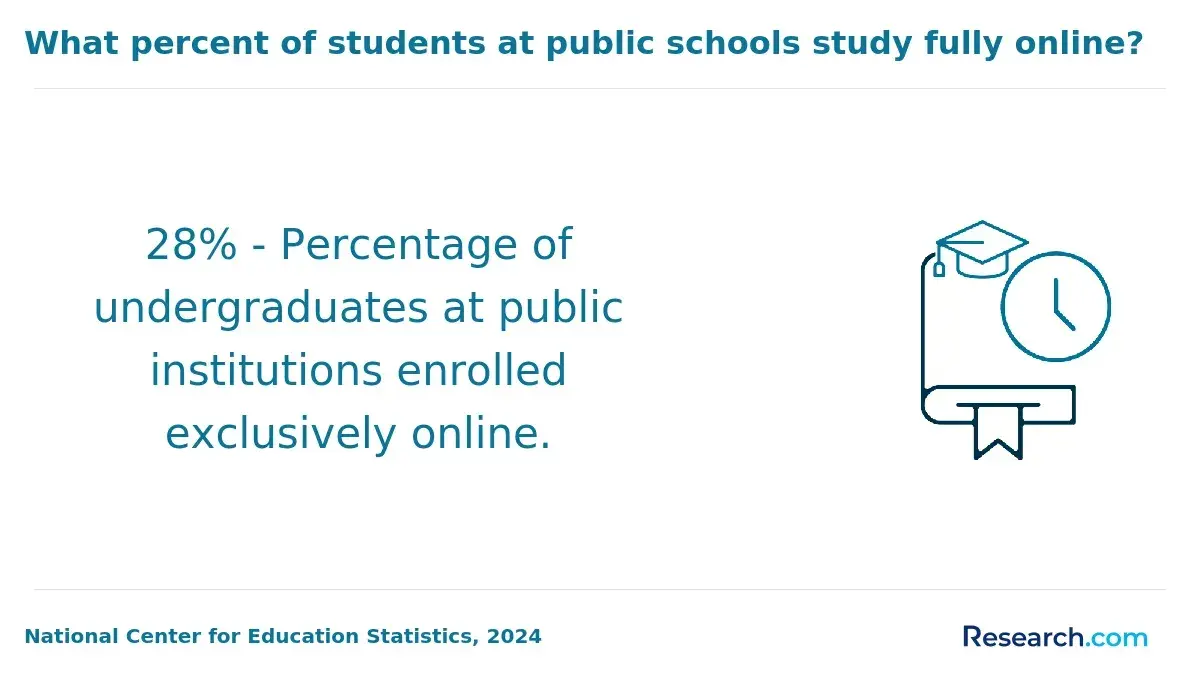
Online photography degree programs have grown markedly, especially among adult learners and professionals seeking schedule flexibility, driving a 35% enrollment increase over five years, according to 2024 NCES data. This contrasts with traditional campus programs that continue to attract primarily younger, full-time students living near schools.
These differing demographics reflect broader access patterns: online formats expand opportunities in rural and underserved regions where campus options are limited, while campus programs maintain stronger ties to hands-on training and networking, factors that can influence student success and career readiness.
The modality also shapes degree levels pursued, with associate degrees more common online due to their shorter duration and adaptability, whereas bachelor's and graduate photography degrees remain predominantly campus-based. Completion rates highlight another important tradeoff: about 68% of campus students finish on time, compared to 54% for online learners, potentially due to variations in mentorship, discipline demands, and access to specialized equipment.
As employers weigh portfolios and practical experience heavily, these factors suggest that prospective students must balance flexibility against the benefits of direct engagement available in traditional settings.
What Degree Level Is Most Common Among Photography Students?
Bachelor's degrees dominate photography education largely because they align closely with employer expectations for a blend of technical competence, portfolio depth, and theoretical understanding. According to data from the National Center for Education Statistics and the Integrated Postsecondary Education Data System in 2024, roughly 60% of photography degree recipients earn a bachelor's, underscoring the level's role as the primary gateway for entry into many photography-related careers.
This prevalence reflects both the professionalization of creative industries and the expanded access provided by online programs and transfer options from community colleges, which make the bachelor's path more attainable and market-relevant compared to other degree types.
Associate degrees, comprising about 30% of completions, typically serve students seeking quicker workforce entry or a pathway to four-year schools, but often come with limitations in upward career mobility and specialization. Master's and doctoral degrees remain comparatively rare, representing a niche focus for those pursuing advanced technical mastery, academic positions, or specialized artistic practice.
These higher degrees meet narrower professional needs and often require substantial investment without broad increases in employability outside academia or highly specialized sectors. For students balancing immediate employment goals against long-term specialization, understanding these distinctions can be crucial for selecting an educational level that reflects both career objectives and industry realities.
How Do Enrollment Trends Differ Between Associate, Bachelor's, Master's, and Doctoral Photography Degrees?
Enrollment in photography degree programs reflects distinct motivations tied to degree level, with associate degrees often catering to students seeking rapid entry into creative industries through practical skills. These programs, typically hosted by community colleges, have shown steady growth, underscoring their role in applied workforce preparation.
In contrast, bachelor's degrees command higher enrollment numbers, driven by a growing demand for broader digital literacy and creative expertise; notably, more female students now enroll, sometimes surpassing males, which influences regional patterns and program emphasis. This shift aligns with employer expectations for versatile candidates who combine technical competencies with critical thinking.
Master's degrees in photography, while attracting fewer students, indicate rising interest among those pursuing specialized skills or academic roles, particularly concentrated in metropolitan areas with established art schools. The approximate 7% annual rise in enrollment signals recognition of advanced training's importance for multimedia integration and research contributions, though these programs remain less accessible nationwide.
Doctoral studies, conversely, maintain minimal growth, reflecting their niche focus on theory and interdisciplinary research rather than broad professional applicability. Candidates pursuing doctorates tend to be more diverse and older, often drawn by scholarly ambitions rather than direct workforce entry, emphasizing distinct career trajectories within higher education and critical visual culture scholarship.
These enrollment patterns highlight tangible tradeoffs for prospective students evaluating photography programs, where associate degrees offer pragmatic quick-start pathways while bachelor's degrees provide comprehensive skill sets aligned with evolving workforce demands. For those considering focused expertise or academic careers, master's and doctoral degrees present more selective but strategically significant options.
When comparing degree level popularity for photography programs across regions, factors such as gender dynamics and urban concentration critically influence educational planning. Prospective students can benefit from consulting detailed resources like prestigious online universities to align their choices with both market realities and personal ambitions.
How Popular Is the Photography Degree Compared to Other College Majors?
The relatively low popularity of the photography degree compared to other college majors signals more than just niche appeal; it reflects distinct labor market dynamics and student priorities. With fewer than 5,000 undergraduate degrees awarded annually versus hundreds of thousands in fields like nursing or psychology, photography's specialized nature and limited growth prospects influence enrollment. This scarcity often affects program size, course availability, and the breadth of peer networks, which are factors prospective students should weigh against the availability of freelance and vocational pathways that do not require a formal degree.
Data from the National Center for Education Statistics for the 2023-2024 academic year reveal that photography consistently ranks outside the top 50 majors by enrollment, and degree completion rates hover around 60%, consistent with other arts programs. Geographic concentration plays a clear role: programs in creative hubs like California and New York are more robust, whereas rural areas show minimal degree attainment, constraining access and influencing local workforce alignment.
The predominance of bachelor's degrees over master's in the field further underscores the practical bent of photography education, as many graduates prioritize entry-level employment or entrepreneurship over advanced academic specialization.
Why Is the Photography Degree More Popular in Certain States and Regions?
Variations in photography degree popularity by state and region largely reflect the alignment between local industry concentration and educational offerings. States like California and New York maintain robust creative sectors that directly influence regional demand for photography degree programs, where industry presence not only drives higher enrollment but also fosters stronger employment pipelines. Students in these areas gain access to more internships, networking opportunities, and exposure to competitive job markets, shaping both program selection decisions and perceptions of degree value in tangible ways.
Educational access and demographic trends further reinforce these disparities. Regions with a dense network of universities offering specialized photography programs typically see higher participation rates, especially among younger, diverse populations that contribute to evolving curricular needs. Conversely, rural or economically challenged states may lack such infrastructure, limiting the practical appeal and reach of photography degrees.
Additionally, the variability in online program adoption across regions adds complexity for students balancing geographic constraints with educational aspirations. For those interested in expanding their career credentials, it's advisable to consider complementary educational paths, such as online MBA programs ranked, which can supplement creative skills with business acumen relevant to the media industry.
The regional concentration of creative employers also affects workforce outcomes for photography degree holders, where states with leading creative industries offer clearer transitions from study to employment but also feature more competitive labor markets. This dynamic necessitates students carefully weigh local cost-of-living and job availability when evaluating where to earn their degree or launch their careers.
Understanding these interconnected influences is vital for anyone navigating photography degree popularity by gender, region, and degree level with an eye toward sustaining long-term employability and professional growth.
What Demographic Groups Are Driving Growth in Photography Degree Programs?
The expanding enrollment of women in photography programs, now surpassing 60%, signals a transformative shift in both the education landscape and the creative labor market. This demographic change is driven not only by broader gender equity efforts but also by evolving industry demands where visual storytelling intersects with digital media technology. As programs adjust to increased female participation, curriculum design and peer dynamics may shift, affecting mentorship opportunities and professional networks crucial for post-graduation success.
Regional disparities highlight important economic and infrastructural determinants influencing student access and program growth. The Western and Southern U.S. show marked enrollment increases, fueled by strong local creative economies and institutional investments in emerging media technologies. In contrast, Northeast and Midwest enrollments remain steady but less dynamic, reflecting how economic conditions and educational resources shape the availability and appeal of photography education. For students, these patterns suggest that geographic location can materially impact exposure to industry connections and experiential learning.
Degree-level preference shifts also reveal the practical realities of student populations balancing education, work, and family responsibilities. The rise in associate degrees and certificates corresponds with an influx of adult learners seeking targeted skills for immediate employment rather than traditional four-year academic pathways.
This trend underscores the growing importance of flexible, career-focused credentials in photography, particularly facilitated by online and hybrid course delivery models that accommodate non-traditional students. Policymakers and educators should recognize these enrollment nuances to ensure program relevance and support sustained workforce alignment.
What Is the Future Outlook for Photography Degree Enrollment by Gender, Region, and Degree Level?
Enrollment in photography degree programs is shifting notably due to evolving student demographics and regional workforce dynamics, with female students now comprising nearly 55% of enrollments according to the National Center for Education Statistics. This changing gender balance results from targeted outreach and broader efforts to diversify what has been a traditionally male-dominated field, impacting program design and recruitment strategies.
Regional disparities persist, with coastal metropolitan areas in states like California and New York maintaining stronger growth due to concentrated creative industry hubs that demand photography skills, while the Midwest and rural areas show slower uptake, often reflecting limited local job markets and fewer educational offerings.
The level of degree pursued also influences enrollment trajectories and subsequent employability. Associate degrees remain accessible entry points that appeal to those seeking quick skill acquisition or career shifts, but bachelor's programs are forecasted to grow more robustly, aligning with employer preferences for candidates possessing comprehensive technical expertise and critical thinking abilities.
Meanwhile, master's degree enrollments stay stable but limited, typically pursued by students aiming for specialized roles in academia, visual arts leadership, or niche creative sectors. The rise of online education is a crucial factor expanding program reach across geographic boundaries, though prospective students must weigh this against the value of in-person mentorship and networking opportunities prevalent in well-established institutions.
These enrollment trends signal practical implications for academic planners and students: programs may shift resources to accommodate higher female participation and bachelor's level demand, while regional institutions face challenges in sustaining or expanding offerings amid uneven labor market signals. For graduates and workforce analysts, understanding these patterns clarifies how degree level, gender representation, and geographic location intersect to influence career opportunities and long-term outcomes in the photography domain.
How Have Photography Degree Enrollment Trends Changed Over the Past Decade?
Shifts in photography degree enrollment over the past decade reveal the nuanced realities of educational and workforce demands, rather than indicating a dramatic growth or decline. While total completions have seen only modest increases, particularly a 5% rise in bachelor's degrees, these figures mask evolving student motivations and market expectations.
Notably, the narrowing gender gap-with female students increasing their share to nearly 45% in 2024-reflects broader cultural and professional shifts that recognize photography as a more inclusive, viable career path across genders. Such demographic changes reshape how programs address student needs and prepare graduates for a competitive creative economy.
Regional enrollment remains concentrated in media industry hubs like California, New York, and Texas, but the rapid expansion of online and hybrid photography curricula has extended access beyond traditional centers. This geographic diversification responds directly to workforce development pressures, allowing students in less urbanized areas to gain relevant digital imaging and multimedia storytelling skills critical to today's industry.
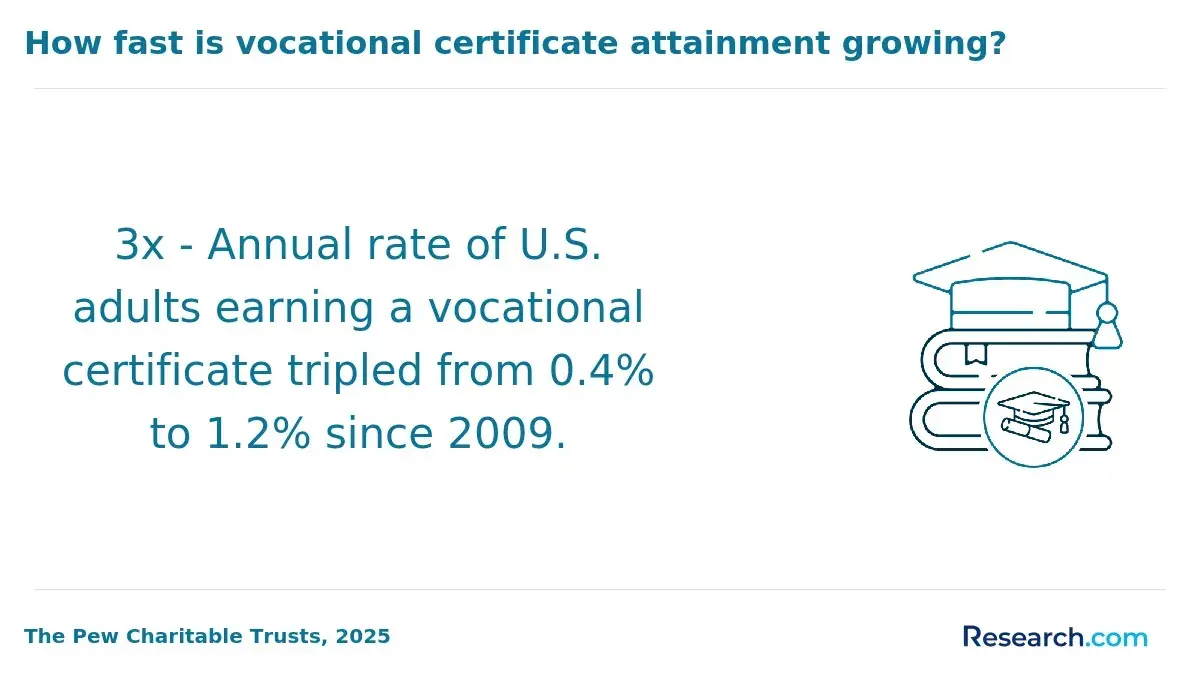
These enrollment trends in photography degree programs in the United States over the past decade emphasize the practical need for adaptable, interdisciplinary skills that align with evolving employer expectations and labor market realities. The increasing appeal of short-term certificate programs alongside steady degree enrollments indicates a segmentation in student objectives, where faster, skills-focused credentials meet immediate workforce entry demands.
Prospective and current students must weigh these pathways carefully, considering how degree level, gender participation, and regional availability intersect with long-term career trajectories. For those evaluating education options, understanding these dynamics alongside insights such as those found in best degrees for remote work can guide more informed decisions aligned with industry trends and personal circumstances.
Where Is the Photography Degree Most Popular Across the United States?
Photography degree popularity across the United States tends to concentrate in states with well-established creative industries and urban hubs offering professional demand that extends beyond academic settings. This regional clustering reflects the presence of industries like film, advertising, and digital media, which create tangible employment opportunities and networking advantages for graduates.
In states such as California and New York, where metropolitan economies center on media and fashion, institutional programs attract more students, reinforcing a localized ecosystem where practical skills meet market needs. Such concentration shapes student decisions, as access to internships, equipment, and professional communities directly influences the perceived value and ROI of pursuing a Photography degree in these areas.
Regional trends in Photography degree enrollment USA show that Midwestern and Southern states generally record fewer graduates, partly due to limited program availability and less expansive creative sectors. Exceptions appear in culturally vibrant cities with specialized visual arts institutions, which demonstrate how educational infrastructure and local economic conditions combine to affect degree popularity.
Furthermore, demographic factors like younger populations and urbanization trends elevate demand in metropolitan areas where creative expression intersects with career-oriented training. Those evaluating postsecondary options must also consider the disparity in resources and workforce integration, as well as alternatives such as the cost of computer science degree programs, which might present different economic and employment outcomes.
References:
- Photography Services Market Growth Analysis - Size and Forecast 2025-2029 | Technavio https://www.technavio.com/report/photography-services-market-industry-analysis
- Photography class enrollment falls | Yale Daily News https://yaledailynews.com/articles/photography-class-enrollment-falls
- Study Photography Abroad: Top Colleges, Countries, Careers https://www.aeccglobal.com/study-abroad/courses/photography
- What can you do with a Photography degree? https://www.falmouth.ac.uk/study/undergraduate/what-can-you-do-photography-degree
- Photography Degree https://universitycompare.com/guides/subject/photography-degree
- Photographic Careers https://www.century.edu/programs/photographic-careers/
- What Is The Future For Photographic Education? https://unitednationsofphotography.com/2023/02/02/what-is-the-future-for-photographic-education/
- Photography Jobs Outlook 2026: Is Studying Photography Still a Good Career Investment? https://www.baph.co.uk/blog/photography-jobs-outlook-2026--is-studying-photography-still-a-good-career-investment-
- Online Photography Classes, Photography Courses https://www.sessions.edu/online-classes/photography-courses/
- Graphic Design Occupational - Photography Concentration, A.S. Career/Tech - Vincennes University https://www.vinu.edu/major/graphic-design-occupational-photography-concentration-2702-asct.html
Other Things You Should Know About Photography
Gender disparities in photography degree enrollments often reflect broader industry and cultural dynamics rather than educational quality. Programs with balanced or higher female enrollment might indicate supportive environments that prioritize inclusivity, which can affect peer engagement and networking opportunities. Prospective students should consider how these gender compositions align with their personal preferences for classroom diversity and professional preparation, especially since industry sectors like commercial or fine art photography may have different gender representations that impact mentorship and job placement.
Regions with higher photography degree enrollments usually have stronger local creative industries and more robust internship and job placement networks. Choosing a program in a region with established media, advertising, or arts communities can provide critical hands-on experience and immediate access to professional opportunities. Conversely, studying in areas with less program popularity may limit practical exposure but could offer lower costs or quieter learning environments; students must weigh these factors against long-term career ambitions.
Bachelor's programs typically provide a comprehensive foundation with varied technical and conceptual skills, making graduates more competitive for diverse roles. Master's degrees tend to emphasize specialization, critical thinking, and portfolio refinement, beneficial for those targeting higher-level creative positions or academic roles. However, pursuing advanced degrees often involves greater time and financial investment without guaranteed salary premiums; applicants should prioritize degree levels that best match their career goals and readiness for intensive study.
High-enrollment programs often offer extensive resources, diverse course offerings, and broad networking, which can enhance learning but may lead to larger classes and less individualized attention. More selective or smaller programs might provide closer mentorship and more personalized critique, improving portfolio development and professional connections. Students must consider whether they value the scale and variety of a larger program or the focused, intimate education of a smaller one, as this choice directly impacts skill acquisition and career-launching support.