2027 How Employers Are Changing Hiring Criteria for Photography Graduates in the AI Era

Co-Founder and Chief Data Scientist
A prospective photography student, fresh from acceptance into a respected degree program, quickly discovers that mastering traditional skills alone may no longer guarantee a competitive edge in today's job market. As artificial intelligence reshapes creative industries, employers now seek candidates who combine artistic talent with technical proficiency and adaptability. According to the U. S. Bureau of Labor Statistics in 2024, over 70% of employers expect job applicants to demonstrate AI-related skills or familiarity with emerging digital tools, reflecting a significant shift in workforce demands.
This evolving landscape challenges photography graduates to rethink their career preparation beyond conventional curricula. Hiring managers increasingly prioritize AI literacy, creative problem-solving, and cross-disciplinary experience over pedigree alone. This article examines how employer expectations for photography graduates are changing, the rising importance of transferable and technical skills, and practical strategies for students to maintain relevance and excel in an AI-driven era.
Key Things to Know About the Changing Hiring Criteria for Photography Graduates in the AI Era
- Employers increasingly value proficiency in AI-driven editing tools; this shifts evaluation from purely creative skills to technical adaptability, demanding graduates integrate AI workflows into their portfolios for relevance.
- AI literacy complements transferable skills like visual storytelling and critical analysis; a 2024 LinkedIn survey found 68% of creative roles require basic AI competencies, signaling a blend of artistry and technology is essential.
- Graduates demonstrating strategic collaboration with AI-including ethical considerations and tool optimization-stand out, as firms prioritize nuanced understanding over simple automation in evolving photography markets.
- Key Things to Know About the Changing Hiring Criteria for Photography Graduates in the AI Era Key Things to Know About the Changing Hiring Criteria for Photography Graduates in the AI Era
- How Is AI Changing What Employers Look for in Photography Graduates? How Is AI Changing What Employers Look for in Photography Graduates?
- Which AI Skills Are Employers Expecting Photography Graduates to Have? AI Skills
- Which Human Skills Are Employers Looking for in Photography Graduates? Human Skills
- How Are AI Tools Changing Daily Work in Photography Careers? AI Workplace Tools
- How Are Employers Evaluating Photography Candidates Beyond Academic Credentials? Hiring Criteria
- How Are Photography Degree Programs Adapting to AI? AI Curriculum
- Which Industries Are Changing Hiring Expectations Most for Photography Graduates? AI and Industry Expectations
- How Is AI Changing Career Growth for Photography Professionals? AI and Career Growth
- How Should Photography Students Prepare for AI-Driven Hiring? Career Preparation
- How Should Students Choose a Photography Program for the AI Era? How Should Students Choose a Photography Program for the AI Era?
How Is AI Changing What Employers Look for in Photography Graduates?
Employers are increasingly prioritizing photography graduates who demonstrate the ability to collaborate effectively with AI technologies rather than merely mastering traditional technical skills. The integration of AI into image editing, content creation, and visual storytelling demands candidates who can navigate AI-driven tools while applying critical judgment to refine and adapt automated outputs. According to a 2024 analysis by the U.S. Bureau of Labor Statistics, proficiency with generative image models and automated retouching software is becoming a fundamental expectation, reshaping hiring criteria to favor versatility and adaptability over routine task execution.
This shift is reflected in the growing emphasis on AI skills employers want in photography graduates, along with a focus on ethical awareness and interdisciplinary competencies. For example, employers seek candidates who understand AI's copyright implications and can contribute to projects that blend technology with human creativity. Data from the Creative Workforce Alliance's 2024 survey highlights that over two-thirds of employers look for graduates comfortable navigating ethical concerns around AI use. In this evolving context, graduates with additional skills-such as coding for AI customization, data visualization, or digital marketing-stand out as they bring a multidimensional perspective that complements automation.
Ultimately, human capabilities remain central as AI enhances rather than replaces creative decision-making in photography. Students aiming to remain competitive should embrace opportunities to build AI fluency alongside their artistic practice, such as pursuing specialized programs like 1 year online masters programs designed to integrate these skills. This balanced approach prepares graduates to meet employer expectations shaped by technological progress while preserving the unique insights and storytelling abilities intrinsic to successful photography careers.
Which AI Skills Are Employers Expecting Photography Graduates to Have?
AI is fundamentally reshaping employer expectations for photography graduates by merging traditional artistic skills with technological fluency. Employers increasingly seek candidates who not only understand composition and lighting but can also leverage AI tools to accelerate workflows and improve output quality. Practical AI competencies are becoming critical differentiators, especially as wage growth stagnation, highlighted by data from the U.S. Bureau of Labor Statistics, pressures graduates to offer more specialized, innovative skills.
Integrating AI into photography practice demands adaptable professionals who can navigate evolving software and ethical challenges. The following AI skills represent the core competencies employers expect from new graduates entering this competitive landscape.
- AI-Powered Image Editing: Employers expect familiarity with software that uses machine learning to automate adjustments like lighting enhancement, color correction, and retouching. Graduates who can efficiently apply these tools reduce turnaround times while maintaining high visual standards, a key asset in commercial photography. Practice with leading AI-enhanced editing platforms during coursework or internships boosts readiness for real-world projects.
- Machine Learning Model Training: The ability to train or fine-tune AI models for tasks such as image recognition and classification is increasingly valuable. Photographers who grasp these concepts can automate tagging and sorting of extensive digital collections, a skill favored in media and advertising companies managing large visual databases. Engaging with open-source AI frameworks or guided workshops builds foundational understanding.
- AI-Integrated Digital Asset Management: Managing and retrieving vast image libraries with AI-assisted systems is vital as studios and agencies digitalize archives. Graduates proficient in these platforms enhance organizational efficiency and data-driven creative decision-making. Learning these tools through project-based experience strengthens this essential workplace capability.
- Ethical AI Use Awareness: Navigating AI's impact on image authenticity, bias, and copyright requires critical judgment. Employers prioritize graduates who understand these issues to maintain ethical standards and public trust. Coursework or seminars focused on AI ethics in creative industries develop this nuanced competence.
- Adaptability to AI Evolution: Photography roles are rapidly hybridizing with technology, making adaptability a prized skill. Employers seek candidates open to continuous learning and critical engagement with new AI advancements, rather than static expertise. Cultivating this mindset through online colleges and hands-on experimentation prepares graduates for sustained relevance.
Which Human Skills Are Employers Looking for in Photography Graduates?
As AI automates many standard functions in photography, such as image editing and routine processing, the distinctively human skills that machines struggle to replicate gain greater importance. Employers are shifting their focus toward candidates who can harness AI tools while also providing creative insight, nuanced judgment, and genuine interpersonal engagement. This trend reflects broader workforce data, including findings from the World Economic Forum's Future of Jobs Report 2024, which spotlights soft skills like emotional intelligence and adaptability as critical for emerging roles. Here are five essential human capabilities that increasingly define competitiveness for photography graduates in an AI-enhanced workplace.
- Creative Vision: Beyond technical proficiency, originality in concept development and storytelling differentiates photographers in a saturated market. AI can assist with execution but lacks the intuitive grasp of cultural context and emotional resonance needed to craft compelling narratives. Students should cultivate multidisciplinary experiences and critique their work through diverse perspectives to sharpen originality.
- Emotional Intelligence: The ability to read and respond to the feelings of clients and subjects fosters authentic interactions that AI cannot simulate. This skill supports teamwork and conflict resolution in collaborative projects that integrate photography with marketing and media production. Engaging in role-playing exercises and feedback-driven group work can build this competency.
- Adaptability to Technology: AI tools evolve rapidly, requiring photographers to continually learn and integrate new software and platforms. Demonstrating curiosity and a proactive approach to upskilling helps avoid obsolescence. Participating in workshops and following emerging trends prepares graduates for this dynamic landscape.
- Strategic Thinking: Knowing when and how to apply AI capabilities without diluting artistic integrity demands critical judgment. This strategic use of technology can enhance productivity while preserving unique creative contributions. Case studies and scenario-based training can help students refine these decision-making skills.
- Ethical Judgment: Working with AI raises questions about authenticity, data privacy, and authorship. Graduates must navigate these issues responsibly to maintain professional trust. Coursework addressing media ethics and real-world dilemmas encourages thoughtful ethical reasoning.
One photography graduate recalled the urgency of a client shoot where last-minute changes required quick adaptation amid new AI-enhanced editing requests. Initially uncertain about relying on automated tools, they chose to blend AI-generated background enhancements with handcrafted lighting adjustments, preserving the emotional impact of the image. This experience underscored how balancing technical innovation with human judgment and client communication can decisively influence project success and professional confidence.
How Are AI Tools Changing Daily Work in Photography Careers?
AI tools are redefining daily workflows for photography professionals by automating time-consuming processes like color correction, background removal, and sorting vast collections of images. According to recent data from the National Endowment for the Arts and 2024 industry reports, over 60% of photographers now routinely use AI-assisted editing software and smart image recognition systems. This shift allows photographers to reallocate efforts from repetitive, manual tasks toward more nuanced activities such as refining artistic concepts and tailoring compositions. For example, a photographer managing a commercial shoot might use AI to generate preliminary edits swiftly, then focus their expertise on creative adjustments that better reflect client vision.
Beyond boosting efficiency, AI reshapes job responsibilities by demanding a hybrid skill set that integrates traditional visual craftsmanship with proficiency in AI-driven platforms. Employers increasingly seek graduates who can supervise automated workflows while ensuring originality and ethical integrity in AI-generated content. Recent workplace technology surveys reveal a strong preference for candidates familiar with advanced photo editing suites and intelligent asset management tools that suggest creative modifications. This evolution means photography professionals must engage in continuous learning and adapt to increasingly strategic, collaborative roles where critical thinking and oversight of AI outputs are essential to maintain artistic quality and client trust.
How Are Employers Evaluating Photography Candidates Beyond Academic Credentials?
In evaluating photography candidates, employer expectations for photography graduates in the AI era now extend well beyond academic credentials. Recent research by the National Association of Colleges and Employers highlights a growing emphasis on practical experience, portfolios, internships, and real-world projects that demonstrate proficiency with both traditional photographic techniques and AI-powered editing tools. For instance, a candidate who showcases a digital portfolio incorporating AI-driven image enhancement or creative composition often stands out more than someone presenting only academic achievements. Employers increasingly seek evidence of adaptability, collaboration skills, and problem-solving ability-traits best assessed through behavioral interviews and cross-disciplinary project work rather than grades alone.
This shift towards more holistic hiring practices reflects the complex demands of integrating AI into creative workflows. Photographers who can effectively communicate and work alongside designers, marketers, and technologists bring measurable value to teams. According to a 2024 survey by the Creative Talent Network, 72% of hiring managers favor candidates demonstrating versatility in digital toolsets and continuous learning over purely degree-based qualifications. This means soft skills such as critical thinking and project management are essential, along with hands-on experience via freelance assignments or contributions to creative communities. The U.S. Bureau of Labor Statistics further confirms that diverse practical experiences and AI literacy weigh heavily in recruitment decisions for photography roles.
Ultimately, cultivating a dynamic portfolio enriched with AI-enhanced work and real-world collaborations can substantially improve career prospects. Students and recent grads looking to excel should prioritize gaining these valued skills alongside academic studies, perhaps even exploring specialized paths like a cheapest masters in data science to deepen their technical capabilities. Such preparation aligns with essential skills for photography candidates beyond degrees and equips them to thrive in a marketplace increasingly shaped by AI-driven innovation.
How Are Photography Degree Programs Adapting to AI?
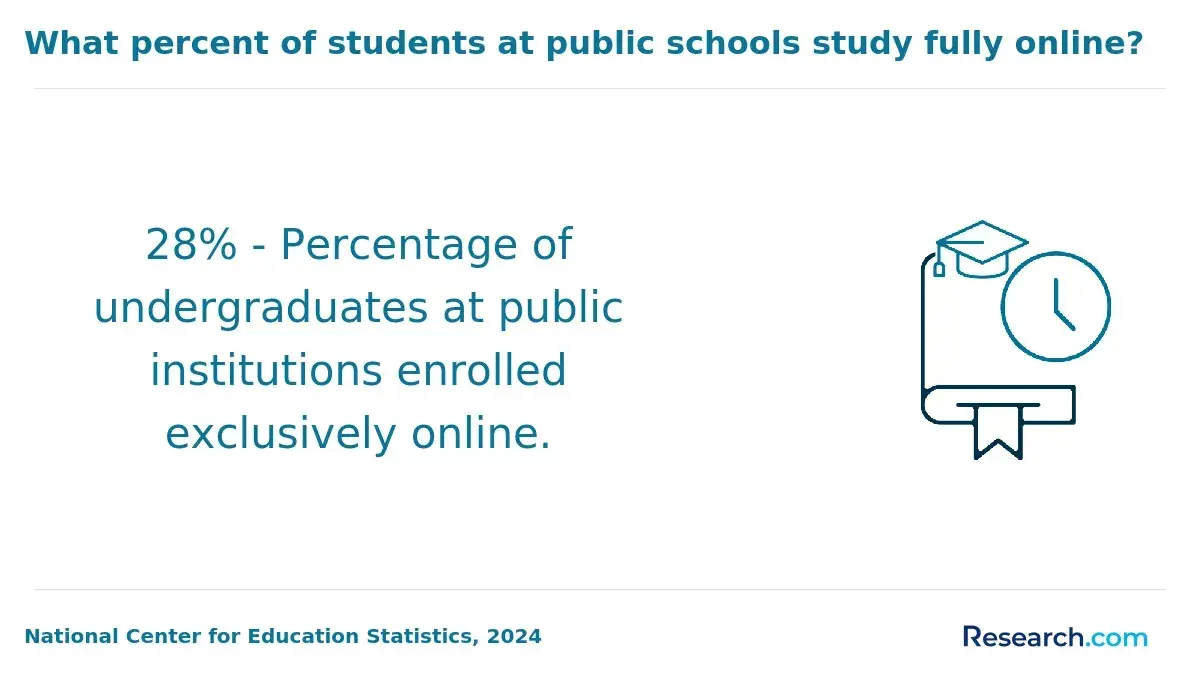
Photography degree programs are evolving to integrate AI into their core learning, reflecting shifting employer demands for hybrid creative and technical skills. According to the National Center for Education Statistics in 2024, over 60% of visual arts curricula now embed AI fundamentals, not just as supplementary tools but as essential competencies alongside traditional photographic methods. This includes teaching students to use AI for image editing, concept generation, and curation, positioning them to complement AI workflows rather than compete with automated processes.
For example, AI-driven algorithms can handle routine adjustments and suggest aesthetic improvements, freeing creatives to concentrate on artistic direction and conceptual depth. Programs are also updating their offerings by incorporating interdisciplinary coursework that blends coding, machine learning basics, and ethical scrutiny of AI's impact on image authenticity. The inclusion of industry partnerships and experiential learning initiatives ensures students gain practical exposure to AI technologies while fostering critical thinking about potential biases and misinformation concerns.
However, curriculum reforms often require balancing new technologies with foundational skills, resulting in less focus on traditional film techniques or manual darkroom work. Graduates who do not develop fluency in AI-enhanced practices risk falling behind in a job market increasingly valuing technical adaptability and digital literacy. Continuous learning, especially in AI applications related to creative decision-making, has become indispensable for photographers seeking resilience and relevance in an AI-transformed creative economy.
Which Industries Are Changing Hiring Expectations Most for Photography Graduates?
The speed at which artificial intelligence integrates into different industries varies widely, directly impacting hiring priorities for photography graduates. This uneven adoption means that employers in some sectors demand deep AI fluency and multi-disciplinary skills, while others remain focused on traditional technical expertise.
For example, a recent graduate interviewing across sectors quickly notices a sharp contrast: marketing firms prioritize candidates adept at using AI-driven editing and data analytics, whereas some retail employers emphasize practical experience with augmented reality in product displays. Recognizing these differences helps graduates strategically tailor their skills and applications for the sectors where AI is reshaping the profession most aggressively. Below are five industries evolving their hiring expectations in response to technological advances.
- Advertising and Marketing: AI tools have transformed campaign creation, requiring graduates to blend artistic talent with digital proficiency in AI-driven image manipulation and customer data interpretation. Reports show over 65% of firms in this field now adopt AI, pushing employers to favor candidates who can leverage these innovations to craft targeted visuals.
- Entertainment and Media: Streaming platforms and studios increasingly use AI for post-production enhancements like CGI and automated tagging. A Motion Picture Association study found that 72% of studios prioritize familiarity with AI tools, making it crucial for photography graduates to develop competencies in AI-infused content workflows.
- E-commerce and Retail: Virtual try-ons, AI-optimized product photography, and augmented reality demand graduates understand visual technologies that enhance consumer engagement. This sector's rapid tech adoption affects hiring managers' expectations for versatile digital skills to boost online sales conversion.
- Technology and Software Development: Companies developing AI-powered creative applications seek photography graduates who can provide user-centered insights and content expertise to refine visual AI tools. This crossover reflects growing opportunities where technical skills meet creative input in product innovation.
- Education and Training: Institutions incorporating AI-driven learning platforms require photography graduates who can create interactive, visually rich educational content. The evolving e-learning market favors hires skilled in digital media production combined with AI-based customization techniques.
A recent photography graduate faced a dilemma while deciding between a role in a traditional media company and a startup focused on augmented reality shopping experiences. Despite a strong foundation in classical photography, the graduate hesitated, realizing the startup demanded fluency in AI-powered imaging tools and knowledge of 3D visualization. After some reflection, the graduate pursued targeted online courses on AI editing software and digital asset management to bridge this gap. The decision highlighted a critical lesson: staying professionally flexible and responsive to technology-driven shifts is essential for success in today's job market for photography professionals.
How Is AI Changing Career Growth for Photography Professionals?
The adoption speed of artificial intelligence varies significantly across industries, leading to diverse shifts in employer expectations for Photography graduates. Some sectors integrate AI rapidly to enhance creative workflow and data analysis, while others adopt these technologies more cautiously due to traditional practices or regulatory constraints. This uneven pace shapes the demand for hybrid skill sets, combining artistic acumen with AI fluency, influencing how photography career growth opportunities in the AI era unfold across fields. Understanding these differing dynamics is essential for early-career professionals and recent graduates aiming to align their skill development with market needs.
Industries where hiring expectations for Photography professionals are evolving most rapidly include:
- Advertising and Marketing: This sector aggressively incorporates AI for automated image recognition, personalized content generation, and targeted campaign analytics. Employers expect photography candidates to skillfully leverage AI-driven editing and data management tools to create dynamic, customized visual content that resonates with segmented audiences.
- Media and Journalism: AI accelerates content curation and fact-checking processes, demanding photography graduates who can efficiently manage digital assets and utilize AI to enhance visual storytelling while maintaining ethical standards. The 2024 U.S. Bureau of Labor Statistics report emphasizes the growing importance of these hybrid competencies.
- Entertainment and Gaming: Integration of AI, virtual reality (VR), and augmented reality (AR) transforms content creation pipelines. Photographers with proficiency in AI-assisted imaging and 3D visualization technologies gain an edge, as they contribute to immersive experiences that define future audience engagement.
- Healthcare and Medical Imaging: Although more specialized, this industry increasingly uses AI for diagnostic imaging and patient documentation. Photography graduates combining technical skills with knowledge of AI platforms are valued for producing precise and compliant visual materials critical to patient care and research documentation.
- Real Estate and E-Commerce: Rapid AI adoption enhances automated editing, virtual staging, and personalized client presentations. Photography professionals adept in AI tools can significantly reduce turnaround times and improve customization, which are crucial for maintaining competitiveness in these data-driven markets.
Photography career growth opportunities in the AI era depend on graduates' ability to adapt to these evolving expectations. Continuous upgrading of AI skills and digital literacy is essential. Exploring MBA programs easy to get into focusing on technology management may also benefit professionals looking to bridge creative expertise with strategic business acumen.
How Should Photography Students Prepare for AI-Driven Hiring?
Preparing for AI-driven hiring in photography careers requires more than completing a traditional degree. Employers now expect candidates to bring a combination of creative talent, technical expertise, and an understanding of AI's impact on the creative process. Photography graduates must navigate evolving tools and industry standards, integrating AI skills with human-centered judgment. This involves proactive skill development beyond typical coursework, reflecting findings from the 2024 Future of Work Report and the U.S. Bureau of Labor Statistics on workforce adaptability. Below are practical strategies for students preparing for AI-driven photography careers.
- Develop AI Technical Proficiency: Master AI-driven image editing tools and generative adversarial networks (GANs) that enable innovative creative effects. Practical familiarity with machine learning platforms enhances photo curation and analytics, making candidates more attractive to employers who prioritize digital fluency.
- Build Interdisciplinary Knowledge: Gain foundational coding skills and understand AI ethics and algorithmic bias. This broader perspective equips students to make responsible creative decisions and adapt to technological shifts, key factors highlighted in recent workforce skill assessments.
- Engage with Real-World Projects: Seek internships or collaborations that emphasize AI tool use in professional settings. Hands-on experience demonstrates adaptability and application of AI-enhanced techniques, critical for standing out amid growing competition in creative industries.
- Network with AI-Savvy Professionals: Establish connections with practitioners specializing in AI-enhanced photography. These relationships provide insights into emerging trends and job openings, reinforcing the importance of staying current with technological developments.
- Pursue Accredited Learning Opportunities: Consider enrolling in programs such as an ALA-accredited program that integrate AI and technical skills with creative instruction. Structured education aligned with industry needs fosters continuous upskilling essential for careers that merge artistry with AI capabilities.
These focused approaches reflect critical skills photography graduates need for AI era integration, supporting a responsive and innovative career trajectory in a rapidly evolving job market.
How Should Students Choose a Photography Program for the AI Era?
Choosing a photography program today requires looking beyond traditional criteria like reputation or tuition. The rapid adoption of AI in visual arts education means students must assess how well programs integrate AI-driven tools and concepts that employers increasingly demand. According to the 2024 National Center for Education Statistics, nearly 70% of visual arts programs now include AI-related coursework, reflecting a shift in workforce expectations. Selecting a program that effectively prepares you for an AI-enabled career involves evaluating several critical dimensions. Consider these factors carefully:
- Curriculum Integration of AI: Programs should offer hands-on experience with AI technologies such as content-aware editing and generative adversarial networks. This practical exposure ensures graduates can navigate modern software and automated workflows used widely in professional studios.
- Balance of Artistic and Technical Skills: Look for degrees that combine foundational artistic training with technological adaptability, enabling students to remain creative while embracing evolving digital tools.
- Industry Collaboration and Resources: Schools partnering with tech companies or providing access to emerging AI tools better position students to adapt to real-world challenges and innovations.
- Interdisciplinary Training: Programs that include coding, data visualization, or digital media studies produce versatile graduates who meet employer demands for hybrid skill sets.
- Ethical AI Considerations: Critical thinking about AI ethics-such as bias, representation, and copyright-equips students to responsibly leverage AI in creative work and to understand the societal impact of these technologies.
References
- How to Set Up an AI Interview Process: A Practical Guide for Modern Hiring Teams | Interviewer.AI https://interviewer.ai/how-to-set-up-an-ai-interview-process-a-practical-guide-for-modern-hiring-teams/
- Perfect your people skills in photography https://www.canon-europe.com/pro/stories/people-skills-photography/
- Courses in AI in Photo Editing and Post-Processing in Ciudad de México, Mexico https://ia.university/academic-programs/ai-photo-editing-post-processing-ciudad-de-mexico-ia-ai/
- Artificial Intelligence (AI) transforming the photography profession - Spéos https://speos-photo.com/en/how-is-artificial-intelligence-ai-transforming-the-photography-profession/
- 10 jobs in photography that AI is coming for – and the 10 that are safest https://www.digitalcameraworld.com/tech/artificial-intelligence/10-jobs-in-photography-that-ai-is-coming-for-and-the-10-that-are-safest
- Why These Five Photography Jobs Are (Mostly) Safe From AI | Fstoppers https://fstoppers.com/artificial-intelligence/why-these-five-photography-jobs-are-mostly-safe-ai-713517
- The Impact of AI on Photography: 5 Jobs at Risk — FlashFilm Academy - Be Inspired. Be Creative. Be Profitable. https://flashfilmacademy.com/new-feed/the-impact-of-ai-on-photography-5-jobs-at-risk
- In a job market reshaped by AI, seniors confront new demands | Yale Daily News https://yaledailynews.com/articles/in-a-job-market-reshaped-by-ai-seniors-confront-new-demands
- Advisory Sessions: Hiring Trends in Photography and Navigating AI | Sessions College https://www.sessions.edu/campus-news/advisory-sessions-photography-hiring-trends/
- AI and Photography in 2026: How AI Is Changing Photography Careers https://www.diyphotography.net/ai-and-photography-in-2026-how-ai-is-changing-photography-careers/
Other Things You Should Know About Photography
Employers are divided on this point; some expect photography graduates to demonstrate familiarity with AI-assisted techniques, while others prioritize traditional creative mastery. Including AI-generated work can signal adaptability, but overwhelming a portfolio with it risks obscuring core photographic skills. Graduates should carefully balance showcasing AI fluency with authentic, skill-driven imagery to meet varied employer expectations effectively.
Many employers value practical experience more than theoretical knowledge because the ability to integrate AI tools into real projects demonstrates immediate workplace readiness. However, conceptual understanding remains important for problem-solving and ethical considerations. Graduates should prioritize gaining applied experience in using AI while supplementing it with critical thinking about its implications to stand out in hiring decisions.
Generally, employers place higher value on demonstrable project experience through internships or freelance work than on certifications alone. Real-world work exposes graduates to workflow challenges and client interactions that certifications rarely replicate. Prioritizing hands-on roles that combine photography and AI tool usage will notably improve hiring prospects over accumulating additional credentials without practical context.
Yes, emphasizing AI competencies at the cost of core photography skills can reduce a graduate's long-term versatility and creative depth. Foundational techniques remain critical, as they form the basis for effectively leveraging AI without losing artistic integrity. Graduates should view AI skills as complementary enhancements rather than replacements, ensuring their education maintains strong traditional photography proficiencies to satisfy diverse employer demands.