2027 Photography Salary Trends Report: Are Wages Keeping Up With Tuition and Inflation?

Co-Founder and Chief Data Scientist
Consider a prospective photography student weighing the decision to enroll in an art school with rising tuition fees. They face the challenge of determining whether the financial return from a degree will offset the increasing costs of higher education and the pervasive impact of inflation.
This calculation is complicated by fluctuating salary levels in the photography field, making it unclear if earnings will keep pace with expenses. Understanding the interplay between wages, tuition, and inflation becomes essential for anyone seeking to invest in this career path.
Salary growth, education costs, and inflation rarely move in unison, making short-term income figures insufficient for evaluating true value. A comprehensive approach must consider long-term earning potential relative to the total cost of education and changes in purchasing power.
This analysis offers prospective students, career changers, and recent graduates a clearer sense of the financial viability of a photography degree. The article examines salary trends alongside tuition costs, inflation, return on investment, affordability, and factors shaping the degree's long-term financial worth.
Key Things to Know About Photography Salary Trends
- Photography graduate salaries grew 5% in 2023, trailing inflation at 6.5%, signaling shrinking real income that challenges justifying rising tuition fees based on immediate wage gains.
- Long-term earning potential hinges on niche skills like commercial or technical photography, meaning generalist degrees often yield stagnant median incomes, emphasizing strategic specialization for future-proofing careers.
- Portfolio strength and industry connections significantly influence income growth, outweighing GPA or institutional prestige, highlighting networking as a critical investment beyond classroom learning.
- What Is the Current Salary Outlook for Photography Graduates? Salary Outlook
- Are Photography Salaries Keeping Up With Inflation? Inflation Impact
- How Do Tuition Costs Compare With Photography Salary Growth? Tuition vs Salary
- Does a Photography Degree Deliver a Positive Return on Investment? Degree ROI
- Which Industries Offer the Highest Salaries for Photography Graduates? Which Industries Offer the Highest Salaries for Photography Graduates?
- Which States and Cities Offer the Highest Pay for Photography Professionals? Which States and Cities Offer the Highest Pay for Photography Professionals?
- How Do Photography Salaries Grow Throughout a Career? Career Growth
- How Do Photography Salaries Compare With Similar Degrees? Salary Comparison
- How Is Employer Demand Affecting Photography Salary Trends? Employer Demand
- How Can Students Maximize Their Lifetime Earnings With a Photography Degree? Maximizing Earnings
What Is the Current Salary Outlook for Photography Graduates?
Salaries for photography graduates in 2024 present a nuanced picture shaped by industry trends and economic conditions. According to the U.S. Bureau of Labor Statistics, the median annual wage for photographers hovers around $45,000, a slight improvement compared to past years but still below many other professions.
Entry-level positions typically start lower, between $28,000 and $35,000, especially in larger cities where the cost of living pressures negotiation. Two recent graduates with identical degrees may see very different outcomes; one pursuing steady employment with a media company may earn a consistent salary near the median, while another relying on freelance projects faces fluctuating income, underscoring the variability inherent in photography careers.
Interpreting photography graduate salary trends 2024 requires looking beyond starting pay to long-term potential and evolving market demands. Growth sectors such as commercial digital content, brand-oriented imagery, and virtual reality-related work are increasingly lucrative for those who develop technical expertise and adapt to new tools.
However, rising tuition costs-growing about 4% annually-and inflation rates exceeding 3% undermine real wage gains, making it crucial for students to evaluate returns on investment carefully. For those weighing photography degrees, researching paths like the easiest master's degrees to complement technical skills may provide broader opportunities and improved salary trajectories over time.
Ultimately, average wages for photography degree holders vary widely depending on personal skills, portfolio strength, and market positioning. Freelance or contract-based work predominates but often requires supplemental income sources, while more stable roles demand advanced proficiency and networking.
Prospective students and recent graduates should consider these factors to set realistic expectations about salary prospects and focus on building versatile competencies aligned with future demand rather than relying solely on initial paychecks.
Are Photography Salaries Keeping Up With Inflation?
Photography salary growth has consistently lagged behind inflation, creating a gap that diminishes real earning power for professionals in the field. Data from the U.S. Bureau of Labor Statistics shows that while wages in photography-related occupations have grown around 2.1% annually, the Consumer Price Index has increased by approximately 3.4% per year.
This means that even as photographers see nominal pay raises, their actual purchasing power erodes, especially as key expenses like housing and healthcare rise faster than wages. For a recent photography graduate earning entry-level wages, a slight nominal salary increase might still leave them struggling to cover rent and loan payments, highlighting the difficulty of balancing creative ambitions with financial realities.
One telling example involves a new graduate who faces annual tuition debt repayments and increasing living costs but only a modest salary bump that fails to keep pace with inflation. This scenario illustrates the critical relationship between photography salary growth compared to inflation and the ability to manage ongoing expenses without financial strain.
Furthermore, the stagnation of wages relative to tuition costs adds a layer of complexity for those assessing the long-term return on investment for a Photography degree. Prospective students should weigh these economic factors thoughtfully, possibly considering options like the cheapest online master's degree in psychology as an alternative pathway that might offer more resilient earning potential, depending on their career goals and financial situation.
Ultimately, whether photography wages keep pace with tuition costs and overall inflation depends on several factors, including geographic location, niche expertise, and diversification of skills or income streams.
While some photographers may find success in specialized commercial or digital markets that command higher pay, the broader trend suggests systemic challenges for new entrants seeking stable financial footing. Balancing creative fulfillment with economic viability requires realistic expectations and strategic planning given the persistent gap between salary growth and inflationary pressures in the photography sector.
How Do Tuition Costs Compare With Photography Salary Growth?
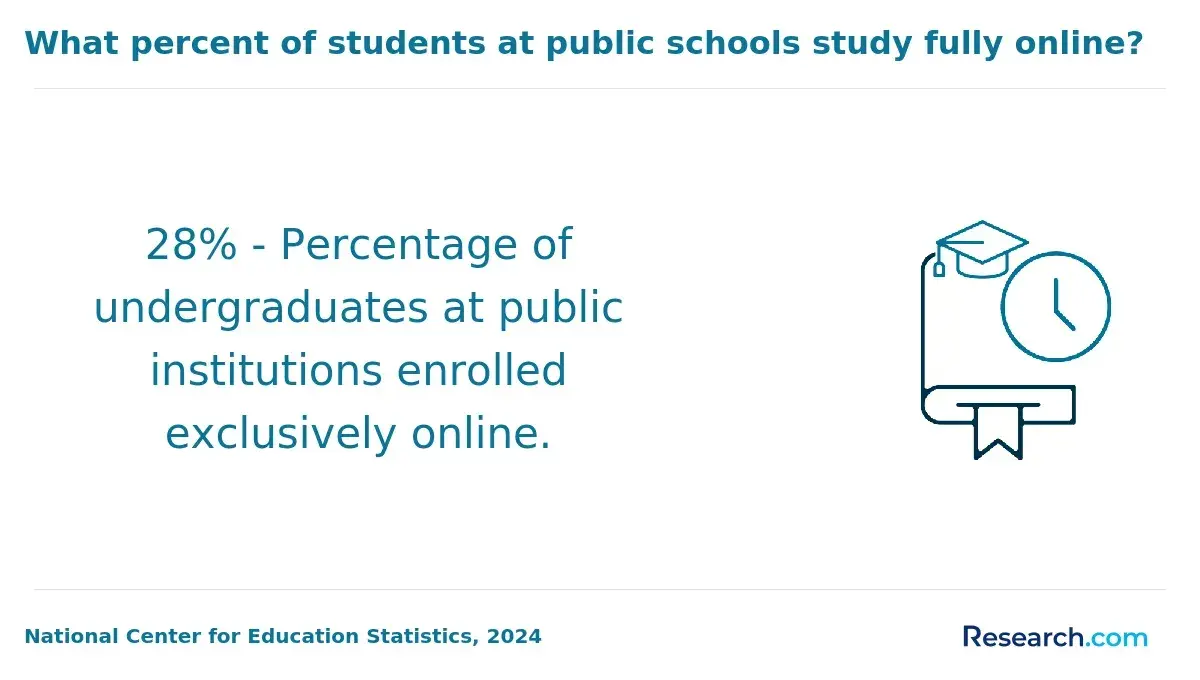
Evaluating the financial return of a Photography degree requires comparing tuition costs directly against salary progression, as isolated figures miss the nuanced reality. Average annual tuition at public four-year schools is approximately $10,500 for in-state students, while private institutions average about $38,000, based on the National Center for Education Statistics in 2024.
Entry-level salaries for Photography graduates typically fall between $30,000 and $40,000, with modest annual growth rates of 2% to 3%, according to the Bureau of Labor Statistics. This slow salary increase often fails to keep pace with rising tuition expenses and inflation, meaning students might shoulder growing debt burdens without proportional salary escalation, affecting their long-term financial stability.
Consider a graduate who accumulated $50,000 in tuition debt. Given the modest salary growth rates common in Photography careers, compounded loan repayments and living costs can quickly outstrip income gains, especially in competitive metropolitan markets.
Factors such as specialization within Photography, freelance income variability, and geographic location influence how tuition compares to earnings, making the relationship highly individual. While experienced photographers can exceed initial salary limits through entrepreneurial work, this variability also introduces income uncertainty, complicating straightforward assessments of education investment.
One Photography graduate recalls hesitating before committing to a private arts college because the tuition far exceeded public alternatives. Despite passion for a specific program, the anxiety over potential debt weighed heavily. After graduation, entry-level pay barely offset monthly loan payments, compelling a shift toward freelance gigs that offered unpredictable income but greater earning potential.
This experience underscored the importance of balancing tuition costs with realistic salary expectations and highlighted how single decisions about education financing can ripple through a photographer's early career years in unforeseen ways.
Does a Photography Degree Deliver a Positive Return on Investment?
Return on investment (ROI) in higher education measures the balance between the total cost of obtaining a photography degree-including tuition and related expenses-and the financial benefits realized through career earnings and growth over time. Entry-level salaries for photography graduates typically range from $30,000 to $45,000 annually, according to 2024 data from the National Center for Education Statistics and the Bureau of Labor Statistics.
Given that average annual tuition for photography programs can reach $25,000, the initial years after graduation may show a modest or even negative financial return when factoring in inflation, which recently averaged around 5%. This means new graduates often need to rely on longer-term career development rather than immediate salary gains to justify their investment.
Consider a recent graduate who pays $20,000 yearly for tuition and faces an entry-level salary of $35,000. After taxes and living expenses, their capacity to recoup educational costs quickly is limited, especially if inflation diminishes purchasing power.
However, longitudinal studies by the Federal Reserve suggest that graduates who actively engage in building specialized skills, such as digital photography proficiency and professional networking, often see improved income trajectories over several years. Success hinges on leveraging education beyond coursework, emphasizing portfolio development and adaptability to evolving industry demands.
Several factors affect whether a photography degree delivers a positive ROI: geographic location influences earning potential, as salaries vary widely; the sector in which one works impacts opportunities for advancement; and individual initiative in skill expansion plays a critical role.
Data from the National Association of Colleges and Employers highlights that graduates combining creative expertise with technical competence can achieve better employment outcomes. Ultimately, return on investment in photography education is not uniform and depends on how graduates navigate economic conditions, tuition costs, and ongoing professional growth.
Which Industries Offer the Highest Salaries for Photography Graduates?
The financial outlook for photography graduates varies significantly depending on the industry they enter. While enthusiasm and creativity are essential, the reality is that wage potential and long-term job security often hinge on specialized skills and sector demand.
For students considering their career trajectory, focusing on industries with strong employment demand and higher compensation is a strategic move. Data from the U.S. Bureau of Labor Statistics and recent industry surveys highlight the top paying sectors for photography degree holders in North America. Below is an analysis of key industries that generally provide the strongest earning potential for photography graduates.
- Advertising And Marketing: This sector offers some of the highest salaries due to the constant need for high-quality commercial photography driving brand engagement. Roles typically include product photography, campaign visuals, and digital content creation, requiring advanced technical skills and creative versatility.
- Film And Video Production: Photographers in this field often work as cinematographers or still photographers on movie and television projects, demanding expertise in complex equipment and collaborative workflows. Compensation tends to be above average, reflecting the industry's high budgets and technical requirements.
- Fashion Photography: Working with luxury brands and prestigious magazines, photographers in fashion earn premiums tied to brand value and exclusivity. The role demands a strong portfolio, networking skills, and the ability to capture innovative editorial and commercial imagery.
- Healthcare And Scientific Imaging: Specialized roles in medical and technical photography command competitive salaries due to the precision and expertise needed. These positions often involve medical institutions or research facilities, requiring knowledge of imaging technology and scientific protocols.
- Corporate And Industrial Photography: This less obvious sector includes industrial documentation, corporate events, and manufacturing processes, often paying well for technical proficiency and reliability. Photographers skilled in this area can leverage steady demand from large organizations.
- Freelance And Event Photography: Typically offering lower wages, freelance and event photography requires entrepreneurial skills and versatility but often faces income instability. Graduates relying primarily on this sector should weigh the tradeoffs against rising tuition and inflation costs, balancing passion with financial sustainability.
According to 2024 reports from the National Endowment for the Arts, sectors like advertising and film production rank among the highest-paying industries for photography-related occupations. For example, a graduate focusing on advertising might secure a role producing visuals for major brands, enjoying not only better pay but also growth opportunities as digital marketing expands.
Prospective students should assess these trends carefully, recognizing that targeted skills and industry selection strongly influence earning potential after graduation. Exploring additional educational resources such as ABA-approved online paralegal programs may broaden career options for those interested in legal visual documentation or interdisciplinary roles combining photography with other professional skills.
Which States and Cities Offer the Highest Pay for Photography Professionals?
The earning potential for photography professionals varies significantly depending on geographic location, influenced by local industry demands and cost of living. High salaries often cluster in states and metropolitan areas with thriving creative sectors, major media hubs, and technology companies, but these benefits come with tradeoffs.
For instance, while a city may offer above-average wages, inflated housing and expenses can reduce disposable income. Prospective students and recent graduates must weigh these factors carefully to determine if higher pay translates to better long-term financial outcomes. Below are key states and metro areas leading in photography compensation as of 2024, along with critical factors shaping their markets.
- California: California consistently ranks among the highest-paying states for photographers, driven by strong entertainment, advertising, and tech industries. Cities like Los Angeles and San Francisco offer abundant opportunities but come with steep living costs, particularly housing. Graduates must balance salary gains against these expenses to assess true income potential.
- New York: New York remains a top-paying region, bolstered by media conglomerates and fashion sectors that demand photography talent. The dense urban environment provides abundant freelance and full-time work but entails high rent and living costs, meaning nominal wages may not stretch far.
- Washington: The Seattle metro area offers some of the nation's highest hourly wages for photographers, stemming from a mix of technology firms and creative agencies. While pay is strong, rising real estate prices challenge affordability for early-career professionals.
- San Francisco-Oakland-Hayward, CA Metro: This area leads the nation in mean hourly wages exceeding $28, far above the national average of roughly $19. However, extreme housing costs and inflation significantly erode take-home pay, making this region a nuanced choice for new entrants weighing income versus expenses.
- New York-Newark-Jersey City, NY-NJ-PA Metro: This metro area offers competitive photographer wages influenced by extensive advertising, publishing, and media markets. Cost of living is similarly elevated, requiring careful financial planning to maintain quality of life despite higher salaries.
- Seattle-Tacoma-Bellevue, WA Metro: Robust demand from high-tech companies and digital agencies supports premium wages. Photographers moving here should consider both growing opportunity and housing market volatility when evaluating compensation advantages.
- Texas: While Texas offers lower average salaries than coastal regions, cities like Austin and Dallas feature expanding creative industries with relatively affordable living costs. This tradeoff can yield better net financial conditions for photographers especially during early career stages.
How Do Photography Salaries Grow Throughout a Career?
Early career photographers generally earn median wages between $30,000 and $40,000 annually, reflecting entry-level roles often tied to internships, freelancing, or short-term contracts.
As professionals reach their mid-career stage-typically after five to ten years of experience-annual earnings commonly rise to a range of $45,000 to $65,000. This increase often depends on developing specialized skills, such as commercial or editorial photography, and transitioning to more stable employment arrangements.
However, salary growth is seldom steady or guaranteed; many photographers find that technical certifications and keeping pace with digital editing technologies play critical roles in enhancing earning potential during this phase, according to data from the U.S. Bureau of Labor Statistics and industry reports from 2024.
For photographers with over 15 years in the field, incomes can reach $70,000 to $90,000 or more, particularly for those who establish reputations as studio owners or niche specialists in areas like wedding or advertising photography. However, salary ceilings exist without diversification into related fields such as teaching, digital content creation, or other income streams.
For example, two recent photography graduates with identical degrees might experience divergent salary trajectories: one who invests time in building a varied portfolio, acquires certifications, and pursues full-time agency work will likely out-earn another who remains in freelance gigs without expanding their skills or client base.
Factors such as skill adaptability, reputation, and market awareness strongly influence long-term financial outcomes, often more than formal credentials alone.
A graduate shared that after completing their degree, they hesitated to leave steady but low-paying freelance assignments, worried about losing income during gaps between jobs. Over time, they committed to gaining certifications and networking aggressively, which led to a mid-career role at a small agency.
While initially daunting, this shift allowed them to move from fluctuating earnings near $35,000 to a more reliable salary above $50,000 within a few years. Their experience underscores how intentional professional development and flexibility in career paths can significantly alter how photography salaries grow over time, despite early financial uncertainty.
How Do Photography Salaries Compare With Similar Degrees?
The earning potential of a photography degree often lags behind similar creative fields, making it vital for prospective students to weigh salary outcomes carefully against education costs. While many choose photography out of passion, the financial realities reveal clear disparities compared to related disciplines.
Entry-level wages for photography graduates generally fall below arts and design averages, challenging the assumption that creative degrees uniformly lead to competitive salaries. This context is essential when assessing whether a photography degree justifies its long-term investment amid rising tuition and inflation. Below are key comparisons illustrating how photography salary outcomes measure up to closely related fields.
- Graphic Design: Graduates with graphic design degrees tend to earn a median annual salary near $53,000, exceeding photography's approximate $45,000. Graphic designers often benefit from higher demand in marketing and digital media sectors, which support more stable wage growth relative to photography's project-based and freelance-heavy job market.
- Film and Video Editing: Median wages for film and video editors hover around $60,000. This field's higher salaries reflect specialized technical skills and growing streaming and content creation industries, offering more consistent full-time work than the variable engagements typical in commercial photography.
- Advertising and Marketing: Graduates in advertising and marketing often start closer to $50,000 or more, reflecting their role in revenue-driving business functions. Their better salary prospects underscore the business-driven nature of their careers versus the artistic focus of photography, which can limit initial earning potential without strong entrepreneurial capability.
- Commercial Photography Niche: High-achieving photographers specializing in commercial or industrial photography can exceed median wages, especially with strong portfolios and business acumen. However, this path involves greater financial risk and requires additional skills beyond creative talent, showing how niche specialization impacts earning potential.
Prospective students should consider these photography salary comparison with similar degrees carefully. Balancing passion and financial sustainability requires recognizing the trade-offs, including the potential need for supplementary business skills or alternate income streams.
For those evaluating arts degrees, understanding these differences is as critical as scrutinizing curricula or faculty reputations. Those interested in exploring how STEM fields fare in comparison might refer to resources like online electrical engineering career outcomes for broader economic context.
How Is Employer Demand Affecting Photography Salary Trends?
Employer demand significantly shapes salary trends in photography professions by influencing the competition for qualified candidates, hiring volume, and compensation strategies. When demand is strong, employers often compete by offering higher wages, especially in specialized sectors such as commercial or fashion photography, where additional skills like digital editing boost value.
For example, a recent graduate focusing solely on generalist photography might encounter limited wage growth in an oversupplied market, whereas another with niche skills aligned with high-demand multimedia roles might secure a position with faster salary advancement. According to the U.S. Bureau of Labor Statistics' 2024 Occupational Outlook, photography-related employment is projected to grow modestly, indicating steady but restrained pressure on wages.
Major factors shaping employer demand include technological evolution, such as the rise of social media platforms, which increases preference for versatile photographers adept in both traditional images and video content.
However, many regions face an oversupply of photography graduates relative to available jobs, which depresses wages for less specialized roles. This dynamic underscores how the job market affects photography graduate wages, often stagnating earnings despite rising tuition and inflation.
Prospective students may benefit from examining how aligning their skills with evolving employer needs enhances long-term earning potential. For a broader view of career dynamics and wage trends in related fields, consider exploring forensic career paths and salary.
How Can Students Maximize Their Lifetime Earnings With a Photography Degree?
Maximizing lifetime earnings with a photography degree requires more than technical skill; it demands a strategic approach that aligns with industry trends and economic realities. Recent findings from the U.S. Bureau of Labor Statistics and the National Endowment for the Arts emphasize that targeting sectors with sustained demand and leveraging business skills increase financial outcomes.
For example, a graduate adept in commercial digital photography who also manages freelance clients through solid marketing practices can significantly outperform peers focused solely on creative work. Below are key strategies informed by 2024 data that students and graduates should consider to enhance their long-term earning potential.
- Industry Specialization: Focus on high-demand fields like advertising, fashion, and corporate communications where pay scales are higher. Specializing in areas such as video content or commercial shoots aligns with market needs and often commands premium rates.
- Technical Proficiency: Develop skills in advanced tools like drone photography, photo editing software, and virtual reality integration. These competencies increase employability and can differentiate professionals in crowded markets.
- Business Acumen: Complement artistic talent with knowledge in marketing, project management, or entrepreneurship. This dual skill set enables graduates to negotiate better contracts and manage income streams effectively.
- Networking and Internships: Engage early with industry professionals and secure internships. These connections frequently lead to higher-paying roles and provide practical experience valued by employers.
- Income Diversification: Pursue freelancing, stock photography, and teaching to create multiple revenue streams. This approach reduces financial vulnerability in fluctuating markets.
- Continuous Learning: Invest in certifications and workshops beyond graduation. Keeping pace with emerging technologies enhances long-term career resilience and earning power.
- Digital Branding: Build a strong online presence through portfolios and social media marketing. Photographers leveraging digital platforms tend to command premium fees by reaching broader, engaged audiences.
References
- How Much Do Photographers Make? Typical Photographer Salary in 2026 https://www.adorama.com/alc/the-highest-paying-photography-jobs-and-how-you-can-land-one/
- Has pay kept up with inflation? - The Hamilton Project https://www.hamiltonproject.org/data/has-pay-kept-up-with-inflation/
- What can you do with a Photography degree? https://www.falmouth.ac.uk/study/undergraduate/what-can-you-do-photography-degree
- Does College Pay Off? A Comprehensive Return On Investment Analysis - FREOPP https://freopp.org/whitepapers/does-college-pay-off-a-comprehensive-return-on-investment-analysis/
- The price of college is rising faster than wages for people with degrees | USAFacts https://usafacts.org/articles/is-college-worth-it-the-price-of-college-is-rising-faster-than-wages-for-people-with-degrees/
- What Can You Do With a Photography Degree? https://pnca.willamette.edu/academics/bfa/photography/career-options
- 5 Photography Careers that Pay the Bills | All Art Schools https://www.allartschools.com/photography/photography-careers-that-pay/
- What careers can you do with a Photography degree? | University for the Creative Arts https://www.uca.ac.uk/blogs/careers-with-a-photography-degree/
- Photography Jobs Outlook 2026: Is Studying Photography Still a Good Career Investment? https://www.baph.co.uk/blog/photography-jobs-outlook-2026--is-studying-photography-still-a-good-career-investment-
- Is College Worth it? | Return on Investment Analysis of College Degree https://educationdata.org/college-degree-roi
Other Things You Should Know About Photography
Part-time and freelance photography jobs often pay more per project but lack consistent income and benefits, which complicates salary trend analysis. While these roles can boost short-term earnings, they rarely offer the stability or steady wage increases typical of full-time positions. Prospective photographers should weigh the flexibility and immediate pay of freelance work against long-term financial security and career growth opportunities that traditional employment might provide.
Internships frequently provide valuable hands-on experience and industry connections that can lead to higher initial salaries, sometimes outweighing the benefits of extended formal education.
However, comprehensive programs afford broader technical skills and portfolio development, essential for higher-level or specialized roles with better pay. Given rising tuition, students are advised to seek programs integrating robust internship components to balance educational depth with practical exposure, optimizing both costs and salary outcomes.
Specializing in niches like commercial, fashion, or scientific photography typically commands higher pay ceilings due to technical demands and client budgets. Generalists, while versatile, often face more competition and flatter wage growth since their skills are more commoditized. For long-term earning potential, focusing on a high-demand specialty aligned with market needs may prove more financially advantageous than maintaining a broad but less differentiated portfolio.
Pursuing advanced degrees usually delays entry into the workforce but can open doors to higher-tier creative roles, academic positions, or leadership, which pay more over time. Direct workforce entry accelerates income flow and real-world skill accumulation but risks caps on advancement without formal credentials.
Candidates should evaluate their career goals carefully: those aiming for rapid practical experience may choose early employment, while those targeting long-term salary growth should consider investing in further education despite upfront costs and delayed earnings.