2027 Photography Admissions Trends Report: Acceptance Rates, GPA Expectations, and Test Policy Changes

Co-Founder and Chief Data Scientist
The tightening of GPA benchmarks and more selective acceptance rates in photography programs reflect deeper shifts beyond academic rigor. As digital media expands and interdisciplinary skills become essential, institutions recalibrate criteria to balance demand with limited faculty resources and studio capacity. Simultaneously, reduced reliance on standardized tests signals a move toward holistic evaluations emphasizing portfolios and practical experience, aligning admissions with industry-relevant competencies.
These patterns also mirror workforce fluctuations, where emerging niches require different skill sets and timelines. Notably, an increasing proportion of nontraditional or older students suggests evolving career trajectories and expanding access, highlighting changing educational and professional pathways within photography's dynamic field.
Key Things to Know About Photography Admissions Trends
- Photography acceptance rates have tightened, with top programs averaging under 20%, reflecting heightened demand that forces applicants to weigh portfolio strength against academic credentials carefully.
- Median GPA expectations hover around 3.3, indicating that while artistic skill weighs heavily, consistent academic performance remains a critical filter impacting admissions and signaling candidate reliability.
- Test-optional policies, increasingly common since 2023, lower upfront access barriers but shift evaluative emphasis toward portfolios and interviews, raising costs and time investments for applicants refining those components.
- Key Things to Know About Photography Admissions Trends Key Things to Know About Photography Admissions Trends
- What Are the Current Acceptance Rates for Photography Degree Programs? Current Acceptance Rates
- What Is the Average GPA of Accepted Photography Students? GPA Requirement
- Are SAT or ACT Scores Still Required for Photography Degree Programs? SAT/ACT Requirement
- How Many Photography Programs Have Adopted Test-Optional Admissions Policies? Test-Optional Programs
- What Non-Academic Factors Do Photography Admissions Committees Consider? Non-Academic Factors
- Which Types of Schools Are the Most Selective for Photography Applicants? Most Selective Schools
- How Do Admissions Standards Differ Across States and Regions? Admission Standards by State
- How Do Admissions Requirements Compare Between Online and Campus Programs? Online vs On-Campus Admissions
- Is There a Relationship Between Admissions Standards and Student Success? Admission Standards & Student Success
- How Can Students Strengthen a Photography Program Application? Program Application Preparation
What Are the Current Acceptance Rates for Photography Degree Programs?
Recent data from the U.S. Department of Education College Scorecard and various institutional reports indicate that acceptance rates for photography degree programs span widely, typically ranging between 40% and 75%. More selective programs, especially at prominent universities or those with significant industry ties, report acceptance figures closer to 30% to 50%, reflecting constrained capacity related to studio space, faculty availability, and equipment.
Meanwhile, regional community colleges and some state schools tend to maintain higher acceptance rates, often above 70%, emphasizing accessibility and foundational skill development. These variations in photography degree program acceptance rates by region highlight how geographic and institutional differences shape admissions outcomes. Differences in acceptance rates largely stem from factors such as program reputation, institutional prestige, and resource limitations, alongside regional demand fluctuations.
Public, private, and online schools all navigate distinct enrollment pressures; for example, institutions with well-established creative arts departments often attract highly competitive applicant pools, which drives down acceptance rates. Conversely, less selective programs balance broader access against maintaining baseline admission standards. The shift toward portfolio-centric evaluations over standardized test scores has also altered applicant profiles and acceptance dynamics, concentrating on demonstrated creative ability rather than purely academic metrics.
This evolution influences how competitive admission statistics for photography schools relate to institutional selectivity and enrollment management. Understanding these acceptance patterns is crucial for students positioning themselves in a competitive market. Programs with moderate acceptance rates but strong connections to industry practices and alumni networks may provide more tangible employability benefits than highly selective but less practically oriented degrees.
Prospective students should consider these acceptance trends alongside program curricula and career alignment, especially as flexible options like online pathways expand to include cheapest online college alternatives. Ultimately, acceptance rates serve as one component within a broader strategy to evaluate photography degree programs' relevance and value in today's shifting admissions landscape.
What Is the Average GPA of Accepted Photography Students?
Recent admissions data from institutional reports and national education databases indicate that the average GPA for accepted Photography students in the US typically ranges between 2.8 and 3.5 on a 4.0 scale. This range reflects a balance between academic preparedness and the creative portfolio standards many programs enforce. Schools with integrated arts and design faculties often lean toward the upper end of this spectrum, with accepted GPAs closer to 3.4 or 3.7, while community colleges or less selective state universities may admit students with GPAs as low as 2.5, relying more heavily on portfolio strength and practical experience.
Several factors influence GPA expectations within Photography degree programs, including institutional selectivity, program demand, and variations in academic rigor across public, private, and online schools. Private arts schools or competitive public universities typically set higher GPA thresholds to manage applicant volume and maintain program quality, whereas more accessible institutions emphasize holistic reviews that weigh portfolios and interviews alongside grades.
Grading disparities and the heterogeneous structure of postsecondary art education further complicate direct GPA comparisons, meaning that admissions committees often contextualize GPA within individual applicants' academic environments. Transfer students should be particularly mindful that GPA expectations can tighten in selective programs with limited capacity. Understanding typical GPA requirements for Photography degree programs helps applicants and advisors calibrate preparation strategies and set realistic goals based on program competitiveness.
A GPA below the average range may not preclude admission but will usually necessitate a stand-out portfolio or other compelling credentials to offset academic qualifications. This dynamic highlights the nuanced role GPA plays as an admissions criterion, signaling both academic ability and readiness for rigorous creative study, while underscoring the importance of a well-rounded application. For students considering alternative pathways or transfer options, exploring resources like the cheapest online psychology bachelor degree listings can provide comparative insights into affordable program choices and flexibility.
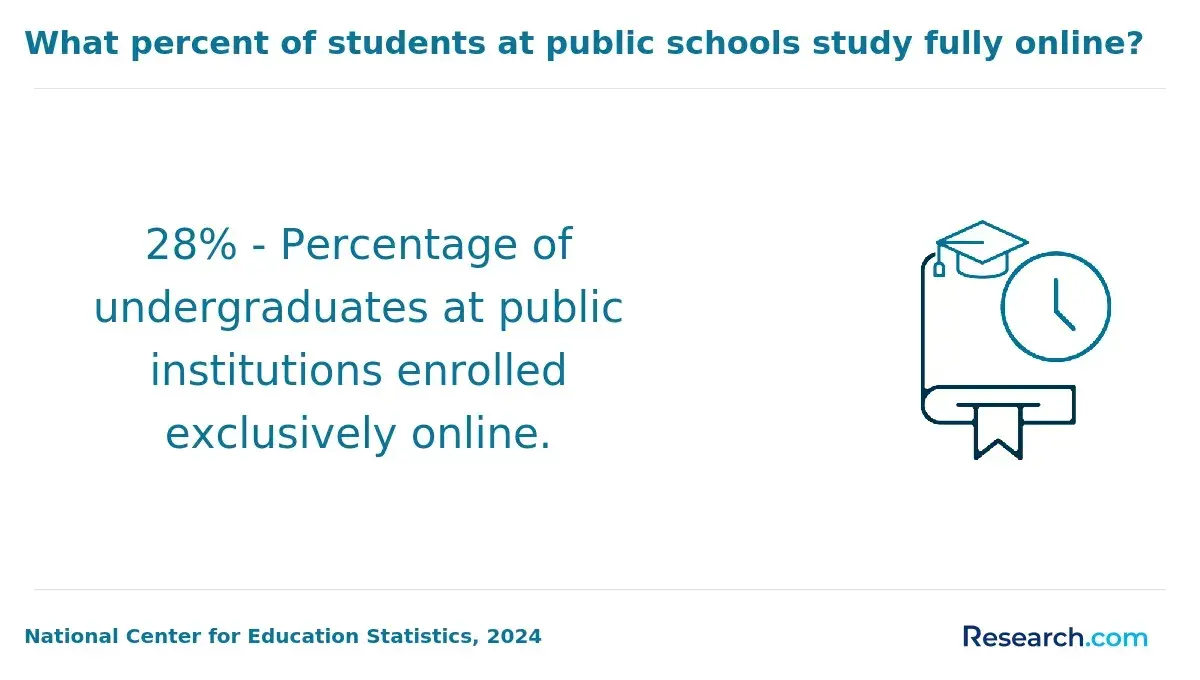
Are SAT or ACT Scores Still Required for Photography Degree Programs?
Recent data from sources including the National Center for Education Statistics, College Board, and ACT indicate a clear shift among photography degree programs away from requiring SAT or ACT scores for admissions in 2024 and beyond. An increasing number of institutions have adopted test-optional or test-blind policies, reflecting skepticism about standardized tests' relevance for assessing creativity and practical skills vital to success in photography fields.
While some highly selective or comprehensive arts programs maintain standardized testing as an optional or supplementary metric, most admissions decisions prioritize portfolios, GPA, and qualitative factors like recommendations. Transfer applicants typically face even less emphasis on test scores, as prior academic work and coursework completion provide more direct indicators of readiness.
Driving these policy changes are equity considerations aimed at broadening access for underrepresented or nontraditional applicants who may be disadvantaged by standardized exams. Institutions also balance test policy adjustments with efforts to sustain or enhance rankings and institutional profiles, leading to varied approaches between public, private, and highly selective programs.
The overall trend aligns more broadly with shifting admissions paradigms in creative disciplines, where demonstrated artistic ability and tangible academic progress increasingly overshadow standardized test performance. Consequently, applicants should carefully assess each program's specific requirements and understand that test scores frequently hold less weight than a compelling portfolio and consistent academic achievement.
How Many Photography Programs Have Adopted Test-Optional Admissions Policies?
As of 2024, roughly 60 to 70 percent of institutions offering photography degrees in the United States have adopted test-optional admissions policies, according to data from FairTest and the National Center for Education Statistics. This marks a significant shift from previous admissions norms where standardized testing was largely mandatory.
The change demonstrates an increasing number of programs reevaluating the role of SAT and ACT scores in assessing applicants' potential, especially in fields emphasizing artistic talent and creativity. Research summaries from the College Board also indicate this trend is particularly strong among public universities and smaller private art colleges, suggesting broad institutional realignment rather than isolated policy adjustments.
The move toward test-optional admissions in photography programs is primarily driven by growing concerns about equity and accessibility, which gained momentum during the pandemic when traditional testing became less feasible. Institutions aim to reduce reliance on metrics that may not adequately represent diverse student experiences or artistic capabilities.
This shift also responds to competitive pressures among colleges striving to attract a wider, more varied applicant pool by prioritizing portfolios, interviews, and holistic reviews over standardized scores. Moreover, evolving perceptions of standardized tests as limited predictors of success in creative disciplines have encouraged programs to innovate admissions criteria that better reflect relevant skills and potential.
What Non-Academic Factors Do Photography Admissions Committees Consider?
Photography admissions decisions frequently rely on a blend of academic achievements and nuanced non-academic factors that collectively reveal a candidate's broader suitability and potential within a program. Holistic review processes have become central to evaluating applicants beyond mere GPA or test scores, reflecting the complex demands of creative fields.
Recognizing qualities like originality, commitment, and practical experience allows committees to assemble cohorts likely to thrive artistically and professionally in competitive environments.
- Portfolio Quality: The portfolio remains the cornerstone of non-academic evaluation, serving as a direct reflection of technical skill, creative originality, and conceptual depth. Admissions committees scrutinize portfolios for evidence of a candidate's ability to engage thoughtfully with subject matter and experiment across different styles, emphasizing how artistic vision aligns with market differentiation beyond technical proficiency.
- Letters of Recommendation: These provide insight into the applicant's reliability, professionalism, and collaboration skills. Roughly 60% of photography programs consider recommendations essential for assessing interpersonal attributes and resilience, which complement academic performance by highlighting candidates' capacity to navigate the social and professional dynamics of both academic studios and real-world projects.
- Personal Statements: Effective personal statements contextualize the portfolio by articulating motivation, career intentions, and awareness of the field's challenges. Evaluators use these narratives to gauge whether an applicant possesses a sustainable artistic focus and realistic understanding of industry demands, often differentiating applicants who combine creative promise with pragmatic goals.
- Interviews and Artist Statements: These assessments provide direct evaluation of communication skills and conceptual clarity, traits increasingly valued given the collaborative nature of contemporary photographic work. Clear articulation in critiques and client interactions signals readiness for professional environments, reinforcing the candidate's overall fit beyond visual output alone.
- Practical Experience: Volunteer work, internships, and related engagements demonstrate applicants' initiative and adaptability-qualities critical in a field marked by competitive acceptance rates often below 40% at top-tier programs. Such experience can indicate persistence and a practical understanding of industry workflows, distinguishing candidates who integrate academic learning with real-world application.
- Extracurricular Activities for Photography Program Applications: While not universally required, participation in relevant extracurriculars signals engagement beyond academics and can reveal leadership, time management, and creative exploration. These activities often fill gaps left by grades alone, contributing to a fuller picture of candidate potential within a program's culture.
Students navigating admissions should also be aware of shifting test policies and GPA expectations that vary widely across programs, making the strategic presentation of non-academic strengths critical. Transfer applicants, in particular, benefit from emphasizing non-academic factors to offset potential shortcomings in prior academic records.
Academic advisors play a vital role in helping students develop strong personal statements and portfolios while identifying meaningful extracurricular and experiential opportunities. For those balancing interests or considering complementary fields, exploring options such as a finance degree online can provide additional career flexibility and financial acumen relevant to entrepreneurship or arts management.
Which Types of Schools Are the Most Selective for Photography Applicants?
Admissions competitiveness in photography degree programs varies notably across institution types due to differences in program capacity, applicant pools, and institutional priorities. Selectivity frequently reflects how schools balance limited resources with demand, alongside the reputation and specialized nature of their curricula. These factors collectively shape applicants' chances and signal varying levels of competition depending on the category of institution.
- Specialized Art and Design Schools: These institutions often represent the most selective tier, admitting less than 25% of applicants according to the 2024 National Center for Education Statistics. Their limited enrollment slots and portfolio-centric admissions process direct intense competition. The specialized training offered, along with strong industry linkages, contributes to high applicant volume and low acceptance rates.
- Public Universities with Fine Arts Departments: Typically more accessible than specialized art schools, these universities maintain moderate selectivity, with acceptance rates frequently between 40% and 60%. Their broader academic missions permit larger program capacities, and admissions decisions weigh GPA and artistic potential alongside more flexible policies regarding standardized tests and portfolios.
- Community Colleges and Broad-Based Institutions: Generally the least selective, these colleges admit most students meeting basic criteria, emphasizing inclusivity and foundational skill development. Their open access structures and less competitive applicant pools result in higher acceptance proportions, though they may lack the prestige or industry connections found at more selective schools.
- Private Universities with Arts Programs: Selectivity at private institutions often varies widely based on funding models, institutional reputation, and program size. Some may rival specialized art schools in competitiveness due to brand recognition, while others prioritize enrollment growth. These factors create a complex landscape where admissions difficulty is less predictable and often influenced by strategic institutional aims.
This stratification underscores how program demand, institutional mission, and resource constraints interplay to shape admissions selectivity across photography degree programs, illustrating why prospective applicants must carefully consider these dynamics when evaluating their educational pathways.
How Do Admissions Standards Differ Across States and Regions?
Admissions standards for photography degree programs display marked variation across U.S. states and regions, shaped largely by the structure and scale of local higher education systems. Data from 2024 sources such as the National Center for Education Statistics reveal that in densely populated states with extensive public university networks-like California and New York-selectivity tends to be higher, reflecting elevated GPA benchmarks often near 3.5 and rigorous portfolio requirements.
In contrast, smaller or less densely populated regions, particularly in the Midwest and South, maintain lower GPA thresholds and frequently adopt test-optional policies to broaden accessibility. These differences are not mere regional contrasts but align with institutional capacity to manage applicant volume and the strategic positioning of programs within their respective educational ecosystems.
Key factors contributing to these disparities include variation in public funding levels, differing workforce demand for creative talent, and the urban-rural divide affecting both enrollment pressure and institutional mission. States with strong cultural industries and media hubs typically see programs align admissions rigor with professional standards, emphasizing portfolio quality and internship potential, while less urbanized areas tolerate higher acceptance rates to sustain program viability.
Funding constraints in certain regions further influence the ability to maintain competitive admissions, leading to a balance between accessibility and selectivity shaped by resource availability and labor market needs. Thus, admissions policies reflect a complex interplay of state education priorities, demographic trends, and economic ecosystems rather than uniform academic thresholds.
How Do Admissions Requirements Compare Between Online and Campus Programs?
Admissions requirements for campus-based Photography programs remain relatively stringent compared to their online counterparts, reflecting institutional priorities and practical constraints as outlined in recent 2024 data from sources like the National Center for Education Statistics. Campus programs often mandate higher GPAs-typically between 3.0 and 3.5-and require in-person portfolio reviews that emphasize hands-on technical skill demonstration. Test-optional policies have become more common, but traditional assessments such as SAT/ACT or supplemental creative evaluations persist more frequently in campus settings.
In contrast, online Photography programs typically exhibit broader acceptance criteria, with GPAs allowed as low as 2.5 and portfolio submissions accepted digitally, accommodating greater flexibility for nontraditional students. These distinctions align with broader patterns seen when comparing acceptance rates for Photography degrees by delivery format. The divergence in admissions criteria reflects deeper operational and demographic factors. Online programs aim to expand accessibility and scalability, targeting working adults and transfer applicants who need flexible scheduling and fewer geographic restrictions.
Consequently, these programs adopt more variable GPA standards and waive certain standardized testing requirements to reduce barriers to enrollment. Campus-based offerings, bound by limited seating and resource-intensive studio instruction, maintain tighter admissions to preserve instructional quality and peer cohort consistency. Differences in academic support structures and opportunities for mentorship further influence these admissions strategies, as campus programs provide more supervised learning environments, while online formats rely on asynchronous feedback mechanisms.
These factors collectively shape enrollment patterns and reflect institutional approaches to managing program scale versus selectivity. Such contrasts in admissions standards have implications for student choice and employer perceptions. While many employers prioritize the quality of graduates' portfolios and experiential learning over program delivery mode, campus graduates may benefit from networking and direct mentorship opportunities, which can affect initial career trajectories.
Awareness of these dynamics helps prospective students, academic advisors, and researchers evaluate tradeoffs linked to program accessibility, rigor, and long-term outcomes when selecting between online or campus Photography pathways. Those interested in flexible degree options can also consider related fields, such as the easiest MBA online, that reflect similar enrollment flexibility and admissions philosophies.
Is There a Relationship Between Admissions Standards and Student Success?
Recent data from the National Center for Education Statistics (2024) indicates that Photography degree programs with more stringent admissions standards-typically higher GPA thresholds and rigorous portfolio evaluations-tend to exhibit improved student retention and graduation rates. Specifically, programs requiring a minimum GPA above 3.0 report retention rates approximately 15% higher than less selective counterparts.
This correlation points to stronger academic performance among admitted students; however, it reflects only one dimension of student success. The relationship between admissions standards and student outcomes in Photography cannot be fully understood without considering broader educational and institutional factors, including resource availability, student preparedness, and program-specific expectations.
Variations in student demographics, institutional support systems, and curricular design complicate the presumed link between selectivity and success. Programs with more flexible admissions but comprehensive mentoring, academic assistance, and career services can match or exceed outcomes of highly selective schools. Moreover, the growing adoption of test-optional policies shifts evaluation emphasis toward qualitative assessments like portfolio strength, which better capture creative potential but limit straightforward comparisons of academic readiness.
These complexities highlight how admissions policies intersect with academic resources to influence long-term student outcomes, underscoring that selectivity alone is not a definitive predictor. For prospective students navigating admissions decisions, understanding that admissions standards represent only one facet of educational quality is crucial. Long-term success in photography-related careers depends as much on access to mentorship, skill development, and real-world preparation as on initial selectivity.
Those weighing transfer options or program entry should consider how admissions criteria align with support structures and career pathways rather than relying solely on selectivity indicators. As with pathways to roles like a criminal profiler, admissions policies are part of a broader ecosystem shaping professional readiness and employability.
How Can Students Strengthen a Photography Program Application?
Successful photography program applications combine academic rigor, relevant experience, and clear alignment with program goals to demonstrate both readiness and long-term potential. Admissions committees evaluate candidates holistically, focusing on how each element complements others rather than simply meeting baseline criteria. This approach reflects recent 2024 educational research data underscoring portfolios as the pivotal factor, with academic performance and thoughtful contextualization shaping overall competitiveness.
- Thematic Portfolio Coherence: Admissions reviewers prioritize portfolios that display a consistent artistic voice and technical range, interpreting thematic coherence as evidence of mature creative thinking and genuine engagement. A focused portfolio differentiates applicants by revealing depth rather than superficial variety, which is especially valuable in selective settings.
- Integration of Digital and Interdisciplinary Work: Including projects that use digital tools or cross-disciplinary methods signals adaptability and forward-looking skill sets. Committees view such experimentation as indicative of students who can navigate evolving media landscapes, complementing technical abilities evidenced in other materials.
- Contextualized Artist Statements: Thoughtful statements that link work to social, cultural, or technical frameworks enhance an application by demonstrating critical reflection. This insight helps evaluators assess conceptual maturity, distinguishing candidates beyond technical proficiency alone.
- Strong Recommendations from Art Professionals: Endorsements from experts familiar with both practical skills and conceptual depth provide valuable third-party validation. They can reinforce the applicant's readiness and fit within the program's academic and creative culture, an element increasingly weighted in holistic reviews.
- Relevant Academic Coursework and GPA: Maintaining a GPA typically above 3.3 in areas such as visual arts, digital media, and critical theory signals preparedness for rigorous study. Recent data confirm that academic credentials remain a meaningful signal, especially for moderately selective programs, supporting the application's overall credibility.
References:
- Student Admissions Services | College for Arts and Technology https://collegeforartsandtech.com/admissions/
- Which Colleges Are Test Optional in 2025-2026? | Ivy Coach https://www.ivycoach.com/the-ivy-coach-blog/standardized-testing/test-optional-colleges-list/
- College applications open Friday. Here’s what to know. - The Washington Post https://www.washingtonpost.com/education/2025/07/31/college-applications-what-to-know/
- How to Choose the Right Photography Program https://nossi.edu/how-to-choose-the-right-photography-program/
- 10 Tips to Boost Your Digital Photography Skills https://www.pearlacademy.com/blog/film/tips-improve-digital-photography-skills
- How a Billings Photographer Paid Off Her Own Student Loans https://montanatalks.com/how-a-billings-photographer-paid-off-her-own-student-loans/
- Chapter 36: Say Cheese! Can Photography Influence Students' Well-Being, Learning Skills And Interpersonal Relationship? https://www.europeanproceedings.com/article/10.15405/epes.23056.36
- Image Arts: Photography Media Arts - BFA https://www.torontomu.ca/programs/undergraduate/photography-media-arts/
- SAT and ACT Policies and Score Ranges for Popular Colleges and Universities https://www.compassprep.com/college-profiles/
- More college applicants are opting to include SAT or ACT scores in their submissions https://www.npr.org/2026/05/04/nx-s1-5806634/more-college-applicants-are-opting-to-include-sat-or-act-scores-in-their-submissions
Other Things You Should Know About Photography
In photography admissions, a strong portfolio often carries more weight than a high GPA because it directly demonstrates creative skills and technical proficiency. However, consistently low GPAs may signal academic or time-management challenges that could impact success, especially in programs with rigorous coursework or integrated art history requirements. Applicants should prioritize developing a compelling portfolio while maintaining at least a solid C+ average to avoid raising red flags, as some programs enforce minimum GPA thresholds regardless of artistic talent.
While many photography programs have adopted test-optional policies, applicants must consider that omitting standardized test scores removes a quantitative metric that can balance subjective portfolio reviews. Students with lower GPAs may lose an opportunity to bolster their application with strong test results, potentially narrowing options in highly selective programs. For these students, investing extra effort into refining portfolios and securing strong recommendations becomes essential to compensate for the lack of a standardized academic benchmark.
Programs lowering GPA and testing barriers often admit students with wider academic preparation, which may increase variation in skill levels and readiness within cohorts. This diversity can enrich peer learning but may also lead to heavier demands on faculty to individualize instruction and offer remedial support. Prospective students should consider whether the program provides structured guidance or mentorship to navigate these challenges, as self-directed learning environments can pose risks to those needing more academic scaffolding.
Transfer applicants face a strategic choice: schools adhering to traditional GPA and test score cutoffs often maintain a clearer admissions rubric, which can benefit those with strong academic records but less polished portfolios. Conversely, programs using holistic evaluations may better appreciate diverse experiences but create more subjective admissions outcomes. Transfers should assess their own profile honestly-if their academic record is strong but portfolio needs refinement, traditional criteria schools may offer more predictable admission chances and structured coursework alignment.