2027 Online vs Campus Photography Outcomes Report: Graduation Rates, Cost, and Career Trade-Offs

Co-Founder and Chief Data Scientist
Balancing previously earned credits against varied transfer policies complicates the decision for working professionals choosing between online and campus photography programs. In 2024, only 58% of institutions accepted more than 75% of transfer credits for applied arts degrees, revealing a persistent barrier to accelerated degree completion. This trend underscores how subtle institutional restrictions can elongate time-to-graduate and increase educational expenses, disproportionately affecting non-traditional students with prior coursework. Additionally, campus programs often demand fixed schedules that conflict with employment, while online options may sacrifice hands-on mentorship valued by employers.
This article dissects graduation rates, overall costs, and career trade-offs to guide practical pathway choices for future photography graduates.
Key Things to Know About Online vs Campus Photography Outcomes
- Online photography programs show a 15% lower graduation rate than campus counterparts, signaling potential retention challenges that may extend time-to-completion and increase total education costs.
- Cost savings in tuition and commuting for online learners offset weaker hands-on portfolio development opportunities, affecting long-term employability where practical skills remain a hiring focus.
- Employers report a preference for campus graduates when assessing collaborative and studio experience, reflecting the workforce valuation of in-person networking that can influence early-career advancement.
- Key Things to Know About Online vs Campus Photography Outcomes Key Things to Know About Online vs Campus Photography Outcomes
- What Are the Biggest Differences Between Online and Campus Photography Program Outcomes? Online vs Campus Outcomes
- How Do Graduation Rates Compare Between Online and Campus Photography Programs? Comparing Graduation Rates
- Why Do Online and Campus Photography Students Have Different Completion Rates? Why Completion Rates Differ
- How Do Online and Campus Photography Programs Compare on Total Cost? Total Cost Comparison
- What Hidden Costs Should Students Expect in Online vs Campus Photography Programs? Hidden Program Costs
- How Does Financial Aid Affect the Cost of Online and Campus Photography Programs? Financial Aid Impact
- Do Online and Campus Photography Graduates Have Different Career Outcomes? Comparing Career Outcomes
- How Do Employers View Online vs Campus Photography Degrees? How Do Employers View Online vs Campus Photography Degrees?
- Which Photography Degree Format Offers Better Flexibility for Working Adults? Which Photography Degree Format Offers Better Flexibility for Working Adults?
- How Should Students Choose Between an Online and Campus Photography Program? Choosing Your Program Format
What Are the Biggest Differences Between Online and Campus Photography Program Outcomes?
Graduation rates between online and campus photography programs reveal a notable disparity that impacts both student outcomes and workforce readiness. Data from the National Center for Education Statistics shows campus-based programs averaging a 65% completion rate, whereas fully online options lag near 45%. This difference matters because extended or interrupted timelines increase student debt and reduce momentum in developing a competitive portfolio, a critical asset in photography careers. For working adults juggling multiple responsibilities, this gap underscores the challenge of persisting without the direct support networks and experiential learning inherent to campus environments, which foster peer collaboration and on-site critique opportunities that many employers value.
Prospective students weighing an online associates degree in photography should carefully consider how these trade-offs affect persistence, portfolio development, and post-graduation employment prospects.
How Do Graduation Rates Compare Between Online and Campus Photography Programs?
Raw graduation comparisons also mask nuances such as transfer credit usage and program design variability. Some online programs employ hybrid models or virtual labs that help narrow completion gaps, while open-enrollment online schools admit more students with diverse academic backgrounds, influencing outcome metrics. Moreover, cohort cohesion and structured advising are less consistent online, complicating persistence in artistic disciplines where iterative feedback is crucial. Prospective students must weigh how their personal circumstances—like the need for flexible pacing versus direct access to campus resources—align with these realities to forecast their likelihood of finishing on time or at all.
A photography student who initially considered an online program shared how graduation rate data made them pause. Balancing a part-time job and family, they worried the online format's self-driven pace might lead to delays without regular check-ins or cohort support. Visiting the campus option revealed a structured schedule and more frequent access to instructors, which seemed better suited to maintaining momentum despite commuting challenges. This careful comparison helped the student realize that graduation outcomes were tied not only to mode of delivery but also to the interaction between personal commitments and program support systems.
Why Do Online and Campus Photography Students Have Different Completion Rates?
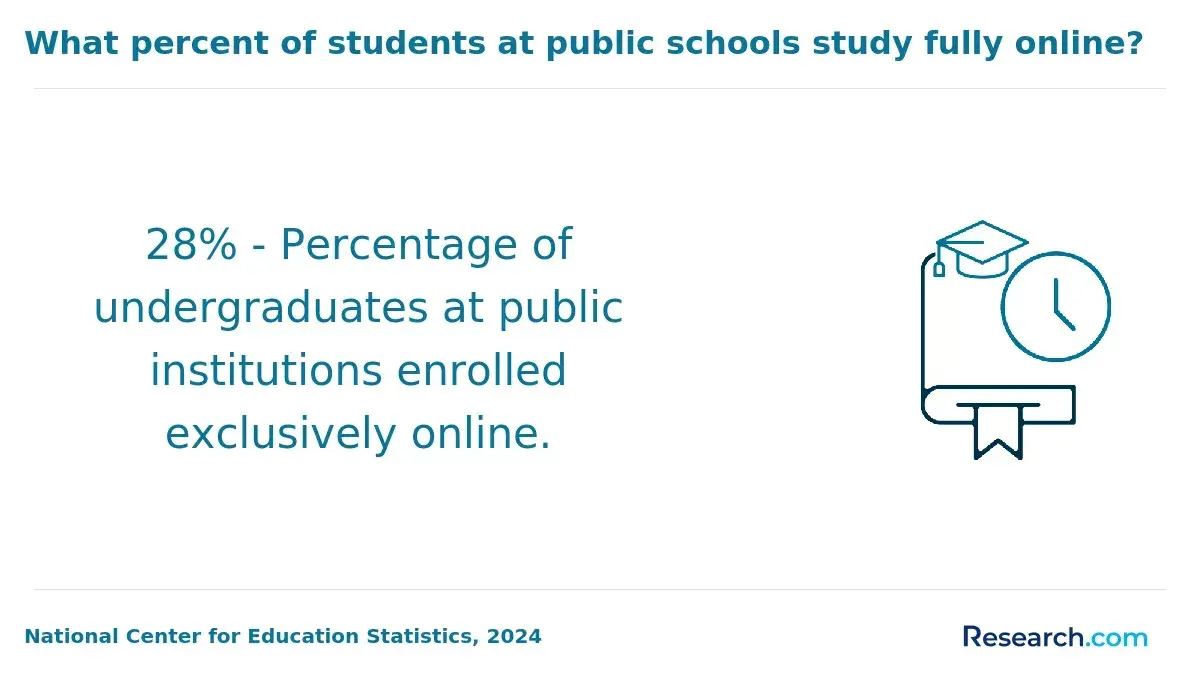
Differences in completion rates between online and campus photography students primarily stem from variations in enrollment patterns and support structures rather than instructional quality. Campus programs, where about 60% of students complete their degrees, benefit from cohort-based models and consistent faculty interaction that foster engagement and timely progression. Conversely, online photography learners often juggle work and family obligations, with nearly 70% attending part-time, which increases stop-out risks and delays degree completion.
The lack of immediate access to advising and hands-on resources typical of campus settings can further hinder online students. Photography's practical components—such as labs and critiques—are more effectively delivered in person, influencing motivation and skill development. Additionally, financial aid options and transfer credit evaluations tend to favor campus enrollees, imposing greater hurdles for online students who must navigate these challenges independently, often prolonging their time to graduation.
Graduation rate disparities therefore reflect complex demographic and design factors rather than simplistic assumptions about program rigor. Prospective photography students should consider how their scheduling stability, need for hands-on training, and access to structured advising impact their likelihood of consistent academic progress. Decisions between online and campus formats carry clear trade-offs affecting both timely completion and long-term career readiness in a field where demonstrated skill and portfolio development are critical.
How Do Online and Campus Photography Programs Compare on Total Cost?
Total cost differences between online and campus photography programs extend well beyond tuition, significantly influencing student budgeting and timeline decisions. While campus tuition at public institutions ranges roughly from $7,000 to $12,000 annually for in-state students, online programs may list lower rates between $6,000 and $9,000. However, campus learners typically incur additional expenses such as housing, meal plans, and commuting, which can add $8,000 to $12,000 yearly. In contrast, online students avoid many of these costs but face rising technology fees—increased around 15% since 2020—to support specialized software and digital platforms essential for completing photography coursework remotely.
The average total cost of attendance for campus versus online photography students shows nuanced trade-offs. Campus programs often embed lab access and equipment use in mandatory fees, whereas online students might purchase or ship their own hardware and software, creating variable out-of-pocket expenses. Financial aid patterns further complicate cost comparisons; campus-based students usually receive higher institutional grants, while online learners increasingly benefit from targeted scholarships and employer tuition assistance. These factors can impact how quickly a student completes their program and their subsequent debt load, with 2024 data indicating online graduates tend to carry slightly less debt due to shorter program lengths and lower living expenses.
Prospective students balancing these variables should also consider practical work continuity and total investment when selecting a program format and may find detailed guidance on features that tackle "How much does a doctorate in education cost?" helpful in navigating financial planning strategies.
What Hidden Costs Should Students Expect in Online vs Campus Photography Programs?
Hidden costs in online versus campus photography programs profoundly affect total expenses and shape student decision-making well beyond listed tuition. On-campus students often underestimate expenditures tied to commuting, housing, and parking, which can add at least 20% more annually, as reported by the National Center for Education Statistics in 2024.
These costs, combined with equipment rentals or travel for studio visits and exhibitions mandated by hands-on coursework, mean the logistical and financial burdens can escalate quickly, potentially limiting work hours and complicating budgeting for those balancing jobs or family. Conversely, online students face upfront investments in professional-grade cameras, editing software subscriptions, and capable hardware—often exceeding $1,000-plus recurring technology fees and costs associated with proctored assessments, which some programs require to maintain academic integrity.
This divergence in cost profiles influences program completion and career trajectory choices. Online offerings grant schedule flexibility but may prolong enrollment durations, elevating indirect costs such as debt servicing or lost wages. Meanwhile, on-campus students grapple with rigid timetables and non-academic expenses that can reduce their capacity to work or manage personal obligations.
Moreover, data from College Scorecard in 2024 reveals that online photography graduates in creative arts fields carry about 15% higher student debt loads, reflecting the compounded financial pressures linked to hidden fees and grant disparities. These nuances underscore that the apparent affordability of one format may be offset by less visible costs that affect both academic progress and postgraduate financial stability.
A recent graduate recalled hesitating between an online program with a lower sticker price and a nearby campus option. They initially favored online study but grew concerned after calculating expenses for Adobe Creative Cloud, specialized hardware upgrades, and mandatory proctoring fees, which were not clearly outlined upfront. Visiting the campus school also revealed substantial parking fees and occasional travel for portfolio exhibitions, complicating their budget.
Ultimately, balancing these factors with part-time work commitments led them to choose the campus route, feeling the structured environment and clearer cost expectations better matched their financial and professional goals despite higher visible costs.
How Does Financial Aid Affect the Cost of Online and Campus Photography Programs?
Financial aid availability significantly shapes the net cost comparison of online versus campus photography programs, but eligibility nuances often shift the advantage. Campus photography students typically access a wider array of institutional scholarships, assistantships, and employer tuition benefits reserved for full-time, on-campus enrollment, which can reduce net costs substantially. Conversely, online learners frequently encounter restrictions such as residency requirements or enrollment intensity caps that limit access to these aids, leading to comparatively higher out-of-pocket expenses despite often lower living and commuting costs.
Understanding the financial aid impact on online photography program costs requires weighing these eligibility factors alongside tuition structures and fees that differ between modalities. Online students tend to rely more heavily on loans since institutional grant aid covers about 25% of their tuition on average, versus 35% for campus counterparts. This funding gap, coupled with fewer work-study options and the potential for technology fees, forces careful debt planning and pacing decisions. Working adults in online programs might offset these costs through employer tuition reimbursement, although such benefits are often capped and contingent on continuous employment, further complicating affordability calculations.
Prospective students examining campus photography program financial aid eligibility and benefits should compare how aid packages align with personal circumstances and enrollment flexibility. The practical value of aid extends beyond sticker price, influencing borrowing needs, graduation timelines, and ultimately career outcomes. For those balancing employment, family, or geographic constraints, exploring options, including the best online paralegal programs, may offer insight into how aid structures can vary markedly across online professional degree pathways and shape long-term educational investment decisions.
Do Online and Campus Photography Graduates Have Different Career Outcomes?
Career outcomes for photography graduates reveal important nuances shaped less by delivery mode and more by program quality, accreditation, and experiential opportunities. While employment rates sit near 75% within six months for both online and campus graduates according to 2024 data from the National Center for Education Statistics, the real distinctions arise from access to internships and professional networking. Campus programs typically provide more structured fieldwork and direct employer exposure, which supports stronger initial positioning in the job market. This hands-on experience often translates into higher early earnings and better retention, as employers in this creative industry value demonstrated ability and established relationships.
Online photography programs, despite growing recognition and regional accreditation that usually masks format on transcripts, still contend with perceptual challenges among some local employers skeptical of practical training depth. These programs offer notable advantages in scheduling flexibility and reduced living costs, appealing to learners balancing work or distant residences.
However, they often have fewer in-person networking events and less frequent career advising, which can slow the pace of professional integration, especially in markets where personal connections influence hiring. Moreover, while licensure is less relevant in this field, certain specialized certifications requiring supervised experience tend to favor campus pathways with built-in internships, highlighting the importance of practical immersion for those aiming at credentials tied to portfolio and client reputations rather than formal licensing.
Prospective students should weigh these dynamics carefully: a campus program may better facilitate rapid progression through active internships and network-building critical in photography professions, whereas online paths might suit those requiring cost-effective learning and geographic flexibility but potentially at the expense of early career momentum. Understanding these trade-offs is essential since the choice affects not only immediate job prospects but also longer-term mobility and reputation development in a competitive creative labor market.
How Do Employers View Online vs Campus Photography Degrees?
Employer priorities in evaluating photography degrees focus heavily on program accreditation and institutional reputation rather than simply whether the degree was earned online or on campus. According to a 2024 SHRM report, 68% of hiring managers emphasize these quality markers over delivery format, underscoring the importance of selecting programs with recognized credentials and transparent curriculum rigor. For early-career candidates, employers often seek tangible evidence of skills through internships, studio access, and portfolio development—features more consistently offered by campus programs or online options with structured experiential components.
Industry norms and employer familiarity with online photography education influence hiring outcomes significantly. Campus graduates frequently benefit from visible mentorship and collaborative opportunities, which translate into stronger work samples and direct industry connections. Conversely, online programs that lack practical, project-based elements may face skepticism, especially for roles requiring client interaction and technical proficiency. The National Association of Colleges and Employers highlights that regional accreditation and clear transcript-level indicators of academic rigor remain fundamental to dispelling doubts about the equivalence of online degrees.
Long-term career advancement tends to depend more on demonstrated professional expertise and networking than degree format alone. Seasoned professionals with robust portfolios experience fewer format-related biases than entry-level applicants. Thus, prospective students must weigh trade-offs between flexibility, cost, and experiential opportunities when choosing between online and campus photography programs, ensuring their choice aligns with their immediate skill-building needs and employment goals.
Which Photography Degree Format Offers Better Flexibility for Working Adults?
Flexibility in photography degree programs varies significantly based on format, with online options offering greater scheduling control but also imposing certain constraints. Working adults often benefit from asynchronous coursework that reduces commute demands and allows study during irregular hours, a key advantage highlighted in online photography degree flexibility for working adults. However, this flexibility is frequently offset by mandatory synchronous activities such as labs or fieldwork, which require physical presence and can complicate scheduling for individuals without easy campus access. Campus programs, while less adaptable to shifting work or family commitments due to fixed class times and cohort sequencing, provide more structured environments that may aid in persistence and timely graduation.
The trade-off between flexibility and academic progress becomes clearer when examining program outcomes. The National Student Clearinghouse's 2024 data shows fully online photography students graduating at a lower rate (35% within six years) compared to campus students (48%), reflecting challenges in self-regulation and continuity that adults juggling employment or caregiving responsibilities face. Part-time pacing and stop-out policies are more common online, accommodating life disruptions but potentially increasing total cost exposure and prolonging time to degree. Conversely, campus settings often have less leniency, pressing students to adhere to cohort-based progressions that can better maintain momentum but reduce accommodations for unexpected workload changes.
For adult learners weighing campus vs online photography programs for adult learners, employer perspectives add another dimension. While online credentials gain recognition and some employers offer tuition assistance, many still prefer candidates with immersive campus experience for networking and hands-on skill development. Considering these factors alongside the practical realities of schedule inflexibility or technological access is crucial. Those interested in interdisciplinary options might explore related pathways, such as online features on "What can you do with a masters in forensic psychology?" to understand broader workforce applicability and credential value.
How Should Students Choose Between an Online and Campus Photography Program?
Graduation rates and career outcomes differ notably between online photography program graduation and campus photography program costs and student success rates, demanding careful evaluation before committing. Campus programs generally maintain higher completion rates—averaging around 55%, according to the U.S. Department of Education's 2024 data—largely due to structured environments and direct access to studios and hands-on mentorship, critical for portfolio development that employers value. However, these advantages often come with total costs ranging from $18,000 to $25,000 annually, factoring tuition, facilities, and housing, which can pose significant financial and scheduling challenges for working adults or those with caregiving responsibilities.
Online options can lower some financial barriers by eliminating relocation and commuting expenses, sometimes reducing annual costs below $12,000, but their graduation rates drop nearer 30%, reflecting higher risks of attrition and self-discipline demands. The limited hands-on interaction and indirect internship or networking opportunities may affect career mobility and employer perceptions in photography fields that prioritize demonstrated technical proficiency and real-world project experience.
Students facing unpredictable schedules or geographic constraints might still find online delivery essential, yet must weigh this flexibility against potential opportunity costs in hands-on practice and the sustained career services a campus program might offer. Prospective students should consider these trade-offs alongside program accreditation and workforce alignment, recognizing how format choice influences persistence and post-graduation readiness.
For those evaluating finer points of postsecondary credentials, comparing options such as a doctorate in data analytics online highlights the broader need for transparency on outcomes and career impact when selecting any specialized program. Aligning financial capacity, work-life balance, and employer expectations within this nuanced landscape is essential to making a sustainable, career-focused choice.
References
- Online vs in-person study: which one is right for you? https://www.ube.ac.uk/whats-happening/articles/online-vs-in-person-learning/
- How To Get Student Loans and Financial Aid for Photography School https://www.credible.com/student-loans/student-loans-for-photography-school
- Study Photography Abroad: Top Colleges, Countries, Careers https://www.aeccglobal.com/study-abroad/courses/photography
- College Vs. Online: Where's the Best Place to Learn Photography? https://www.thephoblographer.com/2020/11/03/college-vs-online-wheres-the-best-place-to-learn-photography/
- Photography School, Degree, and Career Guide | All Art Schools https://www.allartschools.com/photography/
- What Can You Do With a Photography Degree? https://pnca.willamette.edu/academics/bfa/photography/career-options
- The Hidden Costs of College: What Students Don’t Plan For – The Coach Space https://thecoachspace.com/blog/hidden-costs-of-college/
- How Employers View Online Degrees: Interviews with Nine Hiring Executives https://www.onlineeducation.com/features/how-employers-view-online-degrees
- The Photography Institute https://www.thephotographyinstitute.com/uk/en/course
- Would you do a photography degree later in life? — StreetSnappers Street Photography Workshops https://streetsnappers.com/street-photography-blog/a-photography-degree-later-in-life
Other Things You Should Know About Photography
Campus programs typically provide direct access to studios, professional cameras, and live critiques, which can accelerate skill acquisition in ways online formats struggle to emulate. While online programs often use virtual simulations or require students to source equipment independently, this can limit exposure to diverse tools and immediate feedback. For those prioritizing practical mastery and portfolio depth early on, campus options generally offer a more immersive environment, whereas online students might need to supplement their learning through external workshops or self-directed projects.
Photography careers heavily rely on professional relationships and informal connections forged during study. Campus students benefit from in-person interactions with peers, faculty, and visiting artists, which often lead to mentorships and job leads. Online students face greater challenges building these networks organically, as virtual forums and scheduled sessions rarely replicate spontaneous encounters. Those aiming to build robust industry ties should weigh the campus advantage heavily, or proactively engage in local arts communities alongside their online studies.
Online photography programs typically offer more flexible pacing, enabling students to balance studies with work or family responsibilities, but this can also demand higher self-discipline and time-management skills. Campus programs often have structured schedules that help maintain consistent progress but may be less accommodating to external commitments. Students less confident in their ability to self-regulate may find campus settings better for keeping on track, while self-motivated learners might prefer the flexibility of online formats despite the risk of procrastination.
Campus programs can integrate emerging techniques and equipment into curricula more rapidly due to direct faculty involvement and updated facilities, which is crucial in a fast-changing field like photography. Online programs might lag in this area or rely on recorded content, limiting exposure to cutting-edge tools and methods. Prospective students focused on careers requiring state-of-the-art skills-such as commercial, fashion, or technical photography-may find campus education more aligned with those professional demands, while online programs might better suit those targeting foundational knowledge or supplementing existing skills.