2027 Photography Student Debt Report: Borrowing, Monthly Payments, and Repayment Risk

Co-Founder and Chief Data Scientist
Photography programs often blend creative practice with technical skill, demanding substantial investment in specialized equipment and software. This elevates borrowing needs beyond tuition alone, differentiating student debt patterns from many other disciplines. Program length variability and the absence of standardized licensing further affect financing decisions, while internships and portfolio development add unpaid labor that influences earnings timelines.
According to the National Center for Education Statistics in 2024, nearly 45% of arts students graduate with debt, a figure that shapes repayment prospects given Photography's modest salary range. The age diversity among students reflects shifts in workforce entry and educational accessibility, hinting at evolving career trajectories within the field.
Key Things to Know About Photography Student Debt
- Photography student debt often results in higher monthly payments relative to earnings due to inconsistent freelance work, creating cash flow challenges that influence career sustainability and project choices.
- Employers in creative industries may prioritize portfolios over degrees, so heavy borrowing risks misaligning debt load with professional opportunity, highlighting a critical tradeoff between formal education and practical experience.
- Delays in repaying photography-related loans increase long-term costs and financial vulnerability, underscoring the importance of assessing timing and access to income streams before incurring debt.
- Key Things to Know About Photography Student Debt Key Things to Know About Photography Student Debt
- How Much Student Loan Debt Do Photography Graduates Typically Have at Graduation? Average Studen Loan Debt
- What Factors Have the Biggest Impact on Photography Student Loan Debt? Student Debt Key Factors
- What Is the Average Monthly Student Loan Payment for Photography Graduates? Average Monthly Payment
- How Do Repayment Rates Compare Between Public and Private Institutions? Public vs. Private Institution Repayment Rates
- Do Online Photography Graduates Have Different Repayment Outcomes Than Campus-Based Students? Online vs. On-Campus Student Loan Repayment
- Which Industries Provide the Best Financial Return Relative to Borrowing Costs? Which Industries Provide the Best Financial Return Relative to Borrowing Costs?
- Does Student Debt Affect Which Jobs Photography Graduates Accept? Does Student Debt Affect Which Jobs Photography Graduates Accept?
- What Factors Increase Student Loan Repayment Risk for Photography Graduates? Loan Repayment Risk Factors
- How Can Photography Students Reduce Student Loan Debt While Earning Their Degree? Tips to Reduce Student Debt
- How Should Prospective Students Evaluate Borrowing Risk Before Enrolling? Evaluating Student Debt Risk
How Much Student Loan Debt Do Photography Graduates Typically Have at Graduation?
Photography student loan debt averages at graduation generally fall between $25,000 and $40,000 according to recent 2024 data from credible sources like the National Center for Education Statistics and the U.S. Department of Education. This range aligns with debt levels seen in other creative arts programs but varies significantly depending on factors such as institution type and geographic location. Borrowing amounts often reflect the cost-intensive nature of photography education, which includes expenses for equipment, studio access, and software licenses that can push overall costs higher. Such financial burdens translate into notable differences in student loan balances at the time of degree completion.
Variations in debt arise primarily from distinctions between public versus private institutions, where private college tuition tends to result in greater loan amounts. State residency status impacts affordability as in-state students usually benefit from lower fees than out-of-state or international peers, influencing how much debt graduates carry. Scholarship availability and grant support can also reduce reliance on loans, while part-time enrollment may lengthen program duration but potentially spread out borrowing needs. These structural differences shape the distribution of borrowing among Photography graduates, emphasizing the need for prospective students to consider their unique enrollment and financial aid circumstances carefully when estimating costs.
High debt levels among Photography graduates complicate post-graduation financial stability, especially given that entry-level roles in the field often offer modest salaries, leading to repayment challenges. Income-based repayment plans and supplemental income strategies can mitigate this stress, but the risk of underemployment remains a key concern, making the tradeoff between debt and realistic earnings crucial to evaluate. Understanding the long-term consequences of borrowing is essential for navigating early career decisions and managing the financial implications of a Photography degree, alongside exploring alternatives such as online MSW programs affordable for supplemental career pathways.
What Factors Have the Biggest Impact on Photography Student Loan Debt?
Student loan debt levels in photography programs result from a complex interplay of institutional pricing, student financial circumstances, and borrowing behavior rather than a single determinant. These factors combine to produce significant variation in how much debt individuals accumulate. Understanding this dynamic requires examining how program structure, aid availability, and cost of living interact to shape borrowing decisions and repayment risks.
- Institution Type and Tuition Pricing: Private for-profit colleges and specialized art institutions often charge substantially higher tuition than public universities or community colleges. This institutional pricing system inherently escalates borrowing needs, especially since photography programs tend to be concentrated in such schools known for premium fees. Higher sticker prices are rarely offset by proportionally greater grants, meaning students attending these institutions usually face larger loan amounts.
- Program Length and Degree Level: Photography students pursuing a Bachelor of Fine Arts (BFA) accrue higher debt than those in shorter associate or certificate programs. Extended enrollment translates into multiple tuition payments plus supplementary living expenses, which increase total borrowing. The longer commitment also magnifies exposure to interest accrual and complicates timely repayment, as the earnings potential may not proportionally grow with the debt burden.
- Geographic Location and Cost of Living: Institutions situated in metropolitan or high-cost areas drive up the overall debt students need to finance housing, food, and transport beyond tuition alone. Even with identical tuition, students in expensive urban centers incur larger living budgets, directly inflating loan balances. This factor interacts closely with program length, as sustained residency in such areas amplifies borrowing over time.
- Limited Financial Aid Availability: Competitive funding landscapes for arts programs mean fewer robust need-based scholarships or grants are accessible to photography students. The relative scarcity of non-repayable aid encourages greater reliance on loans, pushing student debt higher. In addition, arts students often exhaust federal loan limits early due to these funding gaps, leading some to pursue costlier private loans that heighten repayment challenges.
- Borrowing Behavior and Earnings Outlook: Many photography students borrow close to maximum federal limits or supplement with private debt, influenced by median starting salaries that remain modest compared to national averages. The U.S. Bureau of Labor Statistics reports a median wage near $34,000 for photographers, which constrains borrowers' capacity to reduce principal swiftly. This reality prompts cautious borrowing strategies for some, while others risk long-term financial stress by accumulating debt disproportionate to expected income.
On average, the Project on Student Debt indicates arts and design majors finish school with approximately $32,000 in student loans, 10-15% above the national average. This statistic underscores how interplay between institutional pricing, program format, living costs, and financial aid deficits contributes to higher borrowing in the photography field. Students and advisors should weigh these structural debt drivers alongside educational goals carefully when navigating the costs and outcomes of photography education.
Prospective students seeking alternatives that might affect borrowing should consider exploring top online universities, which sometimes offer programs with different cost structures or flexible enrollment patterns that can reduce debt exposure over time.
What Is the Average Monthly Student Loan Payment for Photography Graduates?
Recent analyses from sources including the U.S. Department of Education's National Postsecondary Student Aid Study and 2024 Federal Reserve data reveal that photography graduates generally face monthly student loan payments ranging between $180 and $320. This reflects typical loan balances of $15,000 to $35,000 amortized over a standard 10-year repayment term. While the tuition for photography programs tends to be moderate relative to fields like business or STEM, loan payments still represent a notable financial commitment given the industry's overall salary trends. These figures capture an average scope but mask considerable variability based on repayment choices and income levels.
Monthly payment differences are largely shaped by the total debt incurred, repayment plan type, and fluctuations in earnings common among photography professionals. Graduates with higher loan balances or those attending out-of-state or private institutions can expect payments closer to the upper range, especially under fixed 10-year plans. Conversely, the income volatility inherent in freelance or contract-based photography work often leads borrowers to pursue income-driven repayment options, which lower monthly amounts but lengthen the repayment horizon and increase total interest paid. Since starting salaries in photography are frequently modest, loan payments-even at the median-can demand a significant portion of available income, underscoring the importance of strategic financial planning aligned with career realities.
One graduate described uncertainty during the admissions process, noting how rolling deadlines and varied response times from programs complicated their preparation. They hesitated to commit due to concerns over loan sizes and potential repayment burdens but felt urgency as some programs filled quickly. Ultimately, their decision balanced waiting for clearer financial aid information against losing access to preferred options, illustrating how timing and financial clarity profoundly shape enrollment choices in photography education.
How Do Repayment Rates Compare Between Public and Private Institutions?
Graduates holding photography degrees from public universities display notably higher loan repayment rates within five years compared to those from private institutions, with recent data from the U.S. Department of Education's College Scorecard showing around 62% of public school alumni maintaining current or fully repaid loans versus roughly 54% among private school counterparts. This trend reflects differences in how debt burden interacts with the typical earnings trajectory of photography graduates, where timely repayment aligns closely with manageable monthly loan obligations and income stability. Such repayment outcomes are not merely a function of institutional type but reveal underlying economic factors shaping graduates' financial resilience during the early career phase.
The divergence in repayment rates largely stems from disparities in tuition pricing and the consequent borrowing behavior of students. Public universities generally charge lower tuition, resulting in smaller average loan balances-approximately $18,000 for photography graduates-compared to about $27,000 among those from private institutions, according to Federal Reserve data. These elevated debt loads at private schools increase the monthly repayment pressures relative to entry-level photographer salaries, which tend to be constrained by industry supply and demand dynamics rather than institutional prestige. Consequently, graduates from private programs face heightened risks of delinquency or default, underscoring how borrowing amounts disproportionate to earning potential become a critical factor in repayment challenges.
These repayment patterns carry broader implications for students' financial mobility and the perceived value of photography programs. Persistent repayment difficulties contribute to long-term financial stress and can impede wealth accumulation, while also influencing employer and policymaker perspectives on program affordability and accountability. Understanding how institutional cost structures, borrowing levels, and labor market realities converge to produce distinct repayment trajectories helps prospective students better assess the fiscal tradeoffs inherent in their educational choices, emphasizing the importance of aligning debt with realistic earnings expectations in the photography field.
Do Online Photography Graduates Have Different Repayment Outcomes Than Campus-Based Students?
Recent comprehensive data reveals that student loan repayment rates tend to be higher among graduates of public institutions compared to those from private universities in photography degree programs. According to the Institute for College Access and Success, approximately 65% of public university photography graduates maintain consistent loan payments three years after entering repayment, while the rate among private institution graduates falls closer to 54%. These figures reflect broader trends documented in government and industry reports, which highlight systematic differences in borrowing and repayment behaviors linked to institutional sector. Such disparities illustrate how campus-based photography student loan outcomes are influenced not merely by program quality but by institutional factors that shape financial trajectories post-graduation.
The divergence in repayment rates largely stems from distinct structural characteristics between public and private schools. Public institutions generally offer more affordable tuition and higher levels of financial aid, resulting in lower average debt burdens for photography graduates. This lower borrowing requirement, combined with stronger employer recognition of public university credentials, bolsters earning potential and thereby loan repayment capacity. Conversely, graduates from many private programs often face higher tuition costs and correspondingly greater debt, which can outpace earnings in creative fields, creating prolonged repayment challenges. Moreover, differences in student demographics, debt-to-income ratios, and access to career services amplify these repayment performance gaps, underscoring the complex interplay between institutional value and financial outcomes within photography education.
These repayment patterns carry significant implications for financial stability and long-term career planning in photography. Graduates from public programs may experience reduced repayment stress and greater mobility for investment in professional growth, while those from private institutions risk enduring extended debt repayment periods that curtail financial flexibility. Consequently, understanding these repayment dynamics is essential for evaluating program value beyond surface-level factors and for fostering institutional accountability around student debt risks in photography fields. For students weighing program options, particularly those considering online alternatives, it is important to account for how institutional financing structures impact practical debt management outcomes over time, especially as seen in distinct cohort repayment outcomes for online photography graduate repayment differences. Resources such as the detailed analysis of the online master degree landscape provide further context for assessing these tradeoffs while planning educational investments.
Which Industries Provide the Best Financial Return Relative to Borrowing Costs?
Financial returns for photography graduates vary considerably depending on the industry, reflecting differences in earning potential, labor market demand, and typical borrowing amounts during their education. Successful debt management hinges not just on initial salary but also on career progression speed and income stability within these fields. Evaluating return on investment requires understanding how these factors interact to either ease or hinder loan repayment obligations over time.
- Commercial Advertising: This sector often offers strong starting salaries for photography graduates, typically between $45,000 and $55,000 annually, providing a solid base relative to typical borrowing levels. The steady demand for visual content in advertising facilitates quicker career advancement and more reliable income, reducing loan repayment stress compared to freelance paths.
- Digital Media Production: Engaging in content creation and multimedia storytelling leverages both creative and technical competencies, translating to more consistent employment and upward salary mobility. Graduates in this industry generally face less income volatility and find their debt-to-income ratios more manageable within the first five years post-graduation.
- Marketing Agencies: With a strong emphasis on integrated campaigns, these firms value photography skills that support brand building and digital outreach. The sector's growth and structured hiring often mean faster salary increases, helping graduates offset borrowing costs sooner than peers in less formalized roles.
- Video Production: This adjacent field benefits from expanding demand for visual storytelling across platforms. Photography graduates who develop complementary video skills encounter broader job prospects and higher median earnings, which improve their capacity to meet monthly student loan obligations.
- Freelance and Fine Art Photography: While offering creative freedom, these paths typically involve irregular income and slower earnings growth, which can strain debt repayment. Many graduates in this segment face heightened financial risk partly due to lower starting wages frequently falling below $30,000 and less predictable client demand.
According to 2024 data from the U.S. Bureau of Labor Statistics and the National Center for Education Statistics, monthly loan payments consume under 12% of gross income for graduates in the stronger-return sectors, underscoring the importance of industry selection in managing long-term student debt burden for photography degree holders.
Does Student Debt Affect Which Jobs Photography Graduates Accept?
Photography graduates carrying substantial student debt often prioritize jobs that provide immediate and reliable income, given the necessity of meeting monthly loan payments which can easily exceed $300. This financial obligation frequently shifts decision-making toward positions with steady paychecks rather than roles more closely aligned with photography but offering variable or lower earnings, such as internships or freelance gigs. According to a 2024 report from the National Center for Education Statistics, over 60% of art and design graduates-including photographers-carry an average debt load near $32,000, which strongly influences their capacity to take financial risks in early career stages. Consequently, the tension between servicing debt and pursuing passion reduces flexibility in job acceptance and may delay the accumulation of field-specific experience critical to long-term career growth.
Beyond immediate salary concerns, student debt also shapes broader career behaviors and opportunities among Photography graduates in nuanced ways. Those with higher debt burdens tend to select jobs outside their specialization more frequently, favoring retail or administrative roles that offer predictable income streams, while graduates with lighter debt levels may sustain entry into creative sectors longer. Geographic mobility is also constrained, as loan repayment needs discourage relocation to markets with fewer guaranteed opportunities or less financial stability. Moreover, the prospect of long-term debt repayment influences strategic career planning, often sidelining entrepreneurial ventures or portfolio development in favor of positions providing employer benefits or subsidized debt programs. This dynamic was highlighted by the Brookings Institution in early 2024, which found nearly 45% of arts-related graduates prioritize salary over alignment with their field, underscoring how financial constraints reshape employment pathways within photography.
One photography graduate recounted the challenge of navigating admissions and early career decisions amid debt concerns. Having deferred applying to programs due to uncertainty about funding, the student waited through a rolling admissions cycle then faced pressure to quickly accept an offer after a late acceptance notification. The delay reduced time available for financial planning, compelling the graduate to prioritize affordability and potential income over program prestige or creative specialization. This experience revealed how debt considerations intertwine tightly with timing and preparation, affecting not only job acceptance but also academic and career pathway decisions in photography.
What Factors Increase Student Loan Repayment Risk for Photography Graduates?
Student loan repayment risk for photography graduates emerges from a complex interplay of debt levels, income volatility, and labor market conditions rather than a single factor. Repayment challenges are largely shaped by the balance between borrowing amounts and the stability of post-graduation earnings. Since photography programs vary widely in format and costs, the impact of program format and school type on photography student debt repayment risk is significant and must be weighed carefully alongside economic realities.
- High Debt-to-Income Ratios: According to the 2024 National Postsecondary Student Aid Study, median student loan debt for photography graduates nears $30,000 while median annual incomes hover around $32,000. This narrow margin amplifies financial strain, making even moderate debt burdens difficult to manage given limited salary growth opportunities within a competitive market.
- Income and Employment Instability: Photography careers often involve freelance, seasonal, or part-time work, resulting in unpredictable cash flow. This irregular income hinders consistent loan repayments and pushes many graduates toward income-driven repayment plans, extending debt duration and increasing total interest paid.
- Market Saturation and Wage Pressure: The influx of graduates relative to stable job availability saturates the photography field, suppressing wages and limiting advancement. Fewer employer-sponsored benefits, including loan repayment assistance, leave graduates financially exposed and heighten repayment risk.
- Geographic and Cost of Living Disparities: Graduates residing in high-cost metropolitan areas face elevated monthly expenses that can outpace earnings, compounding repayment difficulties and stressing household budgets.
- Program Format and Institutional Costs: Variations in program delivery, including online versus traditional formats, affect overall debt accumulation. Research comparing different degrees, such as those found within the easiest MBA programs space, illustrates how format impacts affordability and repayment risk, a dynamic increasingly relevant to photography students evaluating their financial commitments.
Understanding these intertwined factors can help prospective and current photography students make informed borrowing decisions, manage repayment prospects realistically, and recognize when income or career instability will necessitate proactive financial strategies.
How Can Photography Students Reduce Student Loan Debt While Earning Their Degree?
Reducing student loan debt while earning a photography degree requires proactive planning combining financial awareness, academic efficiency, and strategic use of institutional resources. These efforts must address tuition costs, borrowing limits, and managing cash flow to prevent debt from escalating. Student decisions about enrollment format, financial aid optimization, and employment opportunities during study critically impact cumulative borrowing and long-term repayment burdens.
- Part-Time or Hybrid Enrollment: Choosing part-time or hybrid course options can significantly reduce tuition costs and allow students to work concurrently, decreasing dependency on loans. According to the National Center for Education Statistics (2024), students working over 20 hours weekly and maintaining part-time status borrow about 15% less than full-time peers without employment.
- Leveraging Employer Tuition Assistance and Work-Study: Connecting with employers offering tuition assistance or participating in federal work-study programs provides direct income or tuition offsets. These pathways reduce the need for loans by substituting costs with earned funds that do not require repayment.
- Starting at Lower-Cost Institutions: Enrolling initially at community colleges or state schools for general education credits before transferring to specialized photography programs limits tuition debt accumulation. This academic pathway requires careful planning to ensure credit transferability but can cut borrowing by a significant margin.
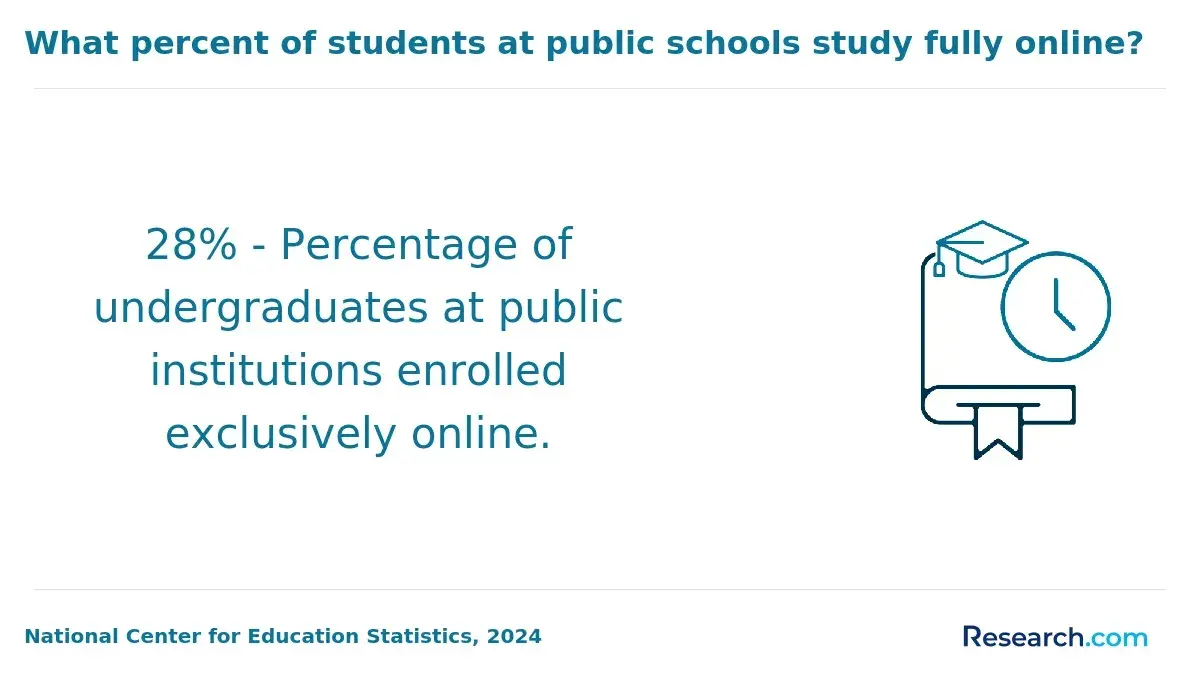
- Maximizing Grants and Scholarships: Actively pursuing grants and scholarships targeted at arts and photography majors is essential since only around 28% of these students fully utilize available grant funds, indicating substantial untapped financial aid potential to lower loan amounts.
- Minimizing Equipment and Supply Costs: Photography students can reduce external expenses by renting or purchasing used gear instead of new equipment, which prevents adding non-tuition debt that contributes to total borrowing.
- Early Loan Repayment Planning: Employing income-driven repayment plans during school periods can limit monthly loan payments and avoid excessive debt growth during career entry, especially given the variable freelance income many photography graduates experience.
Students pursuing a 2 year criminal justice degree online may find parallel strategies useful, particularly regarding part-time enrollment and work-study integration, demonstrating the broader relevance of these approaches across disciplines.
These strategies represent practical, experience-informed approaches to how can photography students reduce student loan debt while earning their degree without sacrificing educational quality or career readiness.
How Should Prospective Students Evaluate Borrowing Risk Before Enrolling?
Evaluating borrowing risk before enrolling in a Photography degree program is crucial to understanding long-term financial commitments. Prospective students must weigh total expected debt against realistic post-graduation earnings to avoid unmanageable repayment burdens. This assessment requires a disciplined approach that connects institutional costs, borrowing needs, and employment outcomes in an integrated framework.
- Total Debt Projection: Accurately estimating cumulative debt-including tuition, fees, and living expenses-beyond advertised prices enables a clearer view of financial exposure. This comprehensive figure forms the basis for evaluating future repayment challenges.
- Post-Graduation Earnings Potential: Analyzing median salaries for recent fine arts graduates, which range between $30,000 and $40,000 according to 2024 U.S. Department of Education data, highlights the realistic income from which loan payments must be serviced.
- Repayment Capacity Analysis: Applying conservative estimates to monthly loan payments-targeting no more than 10-15% of gross monthly income-helps gauge affordability and reduces the risk of default or financial stress.
- Institution-Specific Outcomes: Researching employment rates and salary data from individual Photography programs aligns debt expectations with actual graduate performance rather than broad sector averages.
- Market Competitiveness and Job Stability: Understanding the freelance-driven nature of Photography careers and an 8.7% default rate among arts graduates reported by the Federal Reserve highlights the volatility and repayment risk embedded in typical career trajectories.
- Alternative Financing Options: Evaluating scholarships, part-time work, or income-share agreements can mitigate borrowing needs and create more sustainable financial plans.
- Repayment Flexibility and Long-Term Planning: Factoring in income-driven repayment plans or loan forgiveness programs offers additional strategies to manage debt beyond initial borrowing decisions.
References
- New treatment of student loans in the public sector finances and national accounts https://www.ons.gov.uk/economy/governmentpublicsectorandtaxes/publicsectorfinance/articles/newtreatmentofstudentloansinthepublicsectorfinancesandnationalaccounts/2018-12-17
- 10 Key Facts about Student Debt in the United States https://www.pgpf.org/article/10-key-facts-about-student-debt-in-the-united-states/
- Average Student Loan Debt After College: 2026 | SoFi https://www.sofi.com/learn/content/average-student-debt-after-college/
- What is the typical debt load for graduates of four-year public universities - APLU https://www.aplu.org/our-work/4-policy-and-advocacy/publicuvalues/student-debt/
- Does College Pay Off? A Comprehensive Return On Investment Analysis - FREOPP https://freopp.org/whitepapers/does-college-pay-off-a-comprehensive-return-on-investment-analysis/
- The Impact of Student Debt on the Low-Wage Workforce https://workrisenetwork.org/working-knowledge/impact-student-debt-low-wage-workforce
- The University Courses With The Highest Return On Investment - Here Student Living https://herestudents.com/the-university-courses-with-the-highest-return-on-investment/
- 5 things to consider before taking out a student loan https://theconversation.com/5-things-to-consider-before-taking-out-a-student-loan-121724
- Covering Student Loan Forgiveness: 5 Tips From Danielle Douglas-Gabriel - ewa.org https://ewa.org/how-to-cover-the-story/covering-student-loan-forgiveness-5-tips-from-danielle-douglas-gabriel
- Student Loan Debt Statistics [2026]: Average + Total Debt https://educationdata.org/student-loan-debt-statistics
Other Things You Should Know About Photography
Yes, students should strongly consider programs integrating business, marketing, and client management training alongside technical photography skills. Graduates who can effectively market their services and manage freelance or small business finances often secure more consistent income streams, reducing repayment risk. Programs focusing solely on creative or technical skills may leave students less prepared for the financial realities of a freelance-driven industry, increasing vulnerability to irregular cash flow and potential loan default.
Longer programs with heavy credit requirements typically result in higher cumulative borrowing, which translates into larger monthly payments and extended repayment periods. Students in programs emphasizing internships or co-op experiences, while potentially lengthening time-to-degree, may gain employable skills and industry connections that improve job prospects and repayment ability. However, if internships are unpaid or limited, the extended enrollment can increase debt without immediate income benefits, making repayment more burdensome.
Photography students working part-time during their studies should aim to borrow only what is necessary to cover tuition and essential expenses, avoiding additional debt for discretionary costs. Excess borrowing can create repayment obligations disproportionate to early-career earnings, especially given the unpredictable freelance nature of photography jobs. Prioritizing manageable borrowing aligned with realistic post-graduation income projections reduces default risk and facilitates steadier repayment.
The decision depends on the individual's career goals and local market conditions. Immediate employment may provide quicker cash flow to start student loan repayment but could limit access to higher-paying roles requiring specialized skills. Conversely, targeted certifications or graduate studies can enhance earning potential but often increase debt and delay repayment start. Photography students should weigh the incremental income gains against added borrowing costs, prioritizing pathways that balance enhanced employability with manageable loan repayment.