2027 Photography ROI by Institution Type: Public vs Private vs Nonprofit Online Programs

Co-Founder and Chief Data Scientist
Consider a prospective photography student torn between a public university's online program, a private college's course, and a nonprofit institution's offering-all appearing similar in curriculum but with starkly different tuition fees and graduation rates. The 2024 National Student Clearinghouse report reveals that public online programs graduate 18% more students within six years than private for-profits, highlighting completion as a critical factor in assessing ROI.
Yet, private and nonprofit paths may provide stronger institutional support or industry connections that influence career trajectories beyond just graduation. This article dissects these nuances, enabling informed comparisons of the real return on investment across institution types for photography students.
Key Things to Know About Photography ROI by Institution Type
- Public institutions typically offer lower total costs with higher graduation rates in photography programs, reducing student debt risks but often with tradeoffs in specialized faculty access compared to private alternatives.
- Private nonprofit programs may carry higher debt exposure yet often benefit from stronger employer networks, enhancing niche career advancement potential for graduates prioritizing industry connections.
- Online nonprofit photography courses provide flexible pacing crucial for working adults, though longer completion times can affect timely ROI realization, reflecting broader trends in adult learner persistence from 2024 data.
- What Does ROI Mean for a Photography Program and How Is It Measured? Understanding Photography Program ROI
- How Do Public, Private, and Nonprofit Online Photography Programs Differ in Overall Value? Value by Institution Type
- How Do Tuition Costs Affect the ROI of a Photography Program Across Institution Types? Tuition Costs and ROI
- How Do Graduation Rates Influence Photography Program ROI? Graduation Rates Impact ROI
- What Role Do Career Outcomes Play in the ROI of a Photography Degree? Career Outcomes and ROI
- How Does Student Debt Impact the Long-Term ROI of a Photography Program? Debt vs. Long-Term ROI
- How Do Flexibility and Adult Learner Support Affect Photography Program Value? Flexibility and Program Value
- How Do Accreditation and Institutional Reputation Influence Photography ROI? How Do Accreditation and Institutional Reputation Influence Photography ROI?
- How Does Time-to-Degree Affect the ROI of Public, Private, and Nonprofit Photography Programs? How Does Time-to-Degree Affect the ROI of Public, Private, and Nonprofit Photography Programs?
- How Can You Choose the Best Photography Program Based on Your ROI Goals? Choosing Programs by ROI
What Does ROI Mean for a Photography Program and How Is It Measured?
ROI for a photography program hinges on a nuanced assessment of cost against tangible educational and career outcomes rather than surface-level price tags. For example, a working adult weighing enrollment in a public online program with lower tuition but a 62% six-year completion rate might face higher opportunity costs due to prolonged time-to-degree compared to a private nonprofit offering a more flexible, accelerated pace and stronger learner support, despite its higher sticker price.
This tradeoff impacts debt accumulation, income delays, and the speed of portfolio development, all of which shape the true ROI. Students should analyze these factors alongside institution reputation and graduation rates, recognizing that a lower-cost option does not necessarily yield the strongest long-term value.
Decisions on photography program return on investment calculation methods must also integrate post-graduation career outcomes and debt burden in ways aligned with individual goals and local market conditions. Graduates from nonprofit online programs show median salary growth superior to public institution counterparts five years after graduation, indicating potential for greater earnings progression despite upfront costs.
However, some learners focused on portfolio-building or industry networking may prefer programs emphasizing these supports even if immediate salary boosts are modest. Those navigating transfer credits or planning advanced study might also find value in reliable pathways or online PhD programs for working professionals, which influence long-term career trajectories distinctly.
Ultimately, measuring the financial value of online photography education involves balancing educational quality, learner support, and time-related opportunity costs-which vary widely by institution type-with realistic career expectations.
A thorough ROI assessment acknowledges that different student circumstances-such as working while studying or aiming for rapid credentialing-shift what counts as value. This layered approach enables cost-conscious adult learners and career changers to weigh affordability against the educational experience and career growth potential, offering a more actionable framework than simplistic tuition-to-salary ratios.
How Do Public, Private, and Nonprofit Online Photography Programs Differ in Overall Value?
Tuition differences between public, private, and nonprofit online photography programs significantly affect overall affordability and debt outcomes. Public institutions often provide lower sticker prices and greater flexibility, appealing to working adults needing asynchronous options and smoother credit transfers, which can expedite degree completion and reduce time-to-employment.
Conversely, private and nonprofit programs tend to invest more heavily in specialized faculty, technology, and personalized career services, factors that many employers in creative sectors weigh heavily. A 2024 survey by the Council for Higher Education Accreditation found that 65% of employers favored graduates from these institutions for specialized roles.
This dynamic leads to a tradeoff where public programs reduce upfront debt burdens yet private and nonprofit graduates may benefit from higher starting salaries and more robust portfolio development relevant to competitive art markets.
Student support also varies in ways that impact persistence and graduate outcomes. Nonprofit programs are often distinguished by intensive advising and career counseling, which correlate with better graduation rates and employment success according to recent Lumina Foundation data.
In contrast, public programs leverage scale to offer flexible scheduling and credit transfer pathways but sometimes struggle with broad student-to-advisor ratios. These factors shape long-term return on investment differently for students depending on their financial tolerance, professional goals, and need for institutional reputation within creative industries.
For learners balancing current employment and family responsibilities, the affordability and modular structure of public offerings can outweigh the potentially higher prestige tied to nonprofit or private counterparts.
One prospective photography student faced uncertainty weighing options from a community college-affiliated public program against a nonprofit online school with specialized faculty. Concerned about accumulating debt, the student initially leaned toward the more affordable public route. However, they hesitated over lesser individualized support and fewer portfolio opportunities critical for their intended metropolitan arts career.
After reviewing graduation data and employer feedback, they ultimately chose the nonprofit program despite the higher cost, recognizing that better career counseling and access to industry partnerships aligned more closely with their goal of specialized professional placement. This choice reflected a nuanced valuation beyond sticker price, emphasizing long-term career ROI balanced against manageable debt risk.
How Do Tuition Costs Affect the ROI of a Photography Program Across Institution Types?
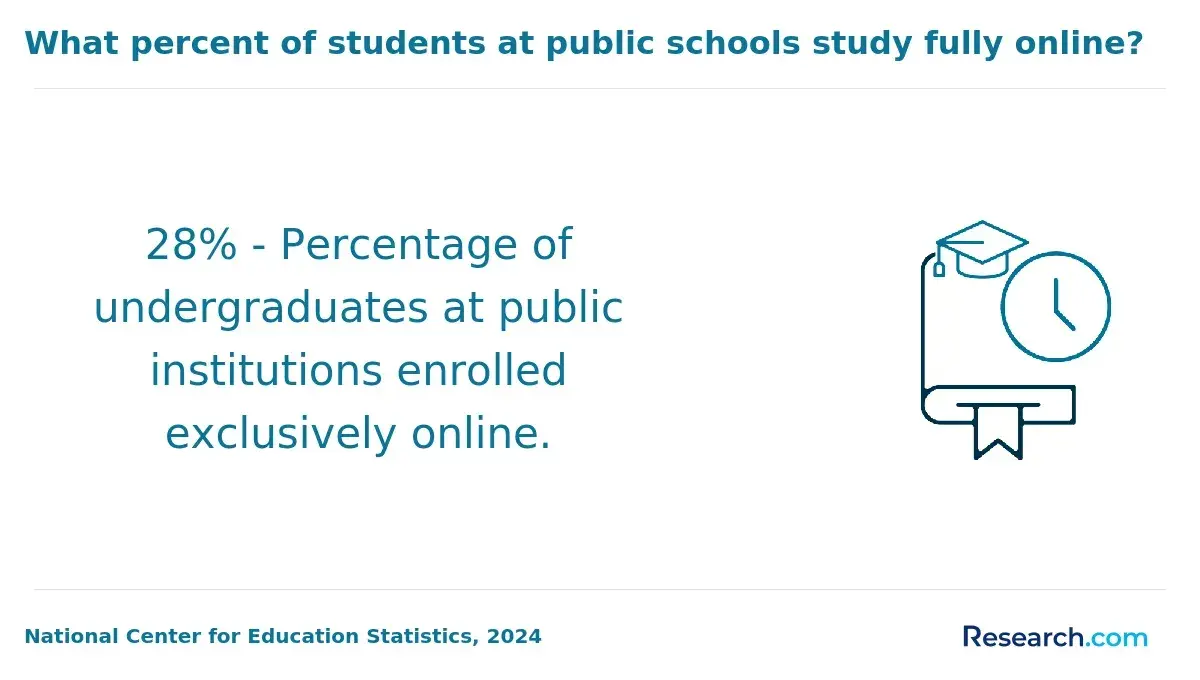
Lower tuition at public online Photography programs can significantly reduce upfront financial burden, but this cost advantage does not necessarily yield the best return on investment. While public programs often charge 40-60% less in-state tuition than private nonprofit counterparts, according to 2024 NCES data, the quality of student support, graduation rates, and networking opportunities available in private nonprofits can accelerate completion and improve career outcomes.
For example, a working adult choosing a private nonprofit program with stronger faculty expertise and alumni networks may face higher sticker prices but potentially gain faster entry into stable freelance or staff roles, offsetting greater initial debt through enhanced job placement.
Financial aid patterns further complicate this analysis, as many private nonprofits offer targeted scholarships that narrow the net price gap with public institutions, whereas public programs may provide less flexible aid, increasing the risk of heavier borrowing.
Higher graduation rates reported in private nonprofit Photography programs, often 10-15 percentage points above public alternatives as noted by the Education Trust, reduce time-to-degree and associated costs, a critical factor for career changers balancing income and study demands.
Ultimately, the tuition-ROI relationship requires weighing direct costs against program-specific outcomes, support infrastructure, and individual learner circumstances rather than assuming lower price equals better value in the long run.
How Do Graduation Rates Influence Photography Program ROI?
Graduation rates have a direct impact on the return on investment (ROI) for photography programs, yet their influence differs notably between public, private, and nonprofit online institutions. Public schools typically show six-year graduation rates of 45-55%, while private and nonprofit online programs often fall in the 30-50% range, reflecting varied student populations and institutional support models.
For a working adult balancing family and job duties, lower graduation rates in nonprofit online programs may indicate challenges completing on time, increasing overall educational costs and delaying workforce entry despite program flexibility. This dynamic highlights the necessity of factoring in time-to-degree and persistence when comparing photography online program completion statistics influence on ROI.
While graduation rates are a useful proxy for institutional effectiveness, they don't fully capture factors like credit transfer policies, academic support quality, or mid-program retention, all of which affect long-term career outcomes. Public programs often benefit from greater state oversight, translating into more robust financial aid and student success services, which can enhance debt management and employment prospects.
Cost-conscious learners should weigh a strong career support system against raw graduation numbers, understanding that moderate completion rates paired with effective job placement resources may offer superior ROI in certain contexts. For those seeking affordable credentials, researching the cheapest CACREP-accredited programs online can provide additional insights into program value beyond completion metrics.
What Role Do Career Outcomes Play in the ROI of a Photography Degree?
Career outcomes critically shape the return on investment in photography degrees by directly influencing graduates' financial and professional trajectories. Public institutions generally report more consistent employment within six months post-graduation, benefiting from established relationships with regional employers and stronger job placement support, as highlighted in a 2024 JobsEQ analysis.
Conversely, private and nonprofit online programs often emphasize niche skill sets and portfolio development, which can serve freelancers well but may not guarantee stable income or broad market recognition, complicating the cost-to-value calculation for many students.
Those weighing tuition costs against potential earnings frequently face tradeoffs involving program flexibility, specialization, and the likelihood of immediate job placement, factors that can substantially affect debt repayment timelines and long-term career sustainability.
Employer perceptions add another layer to this evaluation: public programs tend to carry reputational weight that supports smoother entry into traditional creative roles, while private and nonprofit offerings may attract entrepreneurial-minded learners who prioritize adaptability over conventional metrics of success.
Graduates' ability to leverage internships, industry-aligned curricula, and career services plays a substantial role in securing positions that justify the upfront investment of time and money. For students balancing affordability with practical career relevance, understanding these distinctions helps clarify how effectively a program converts educational effort into meaningful employment, rather than viewing ROI solely through tuition fees or starting salaries.
One recent graduate of an online photography program shared that, initially, the uncertain value of the degree in her regional job market made her hesitant to incur debt. She found that while immediate salary increases were modest, the enhanced portfolio and network connections developed through her coursework led to internal promotion opportunities at her employer over two years.
She remarked that measuring the degree's worth only by short-term income missed the broader benefit of sustained role expansion and growing professional credibility, illustrating how nuanced career outcomes influence the holistic ROI calculation beyond simple cost-benefit analyses.
How Does Student Debt Impact the Long-Term ROI of a Photography Program?
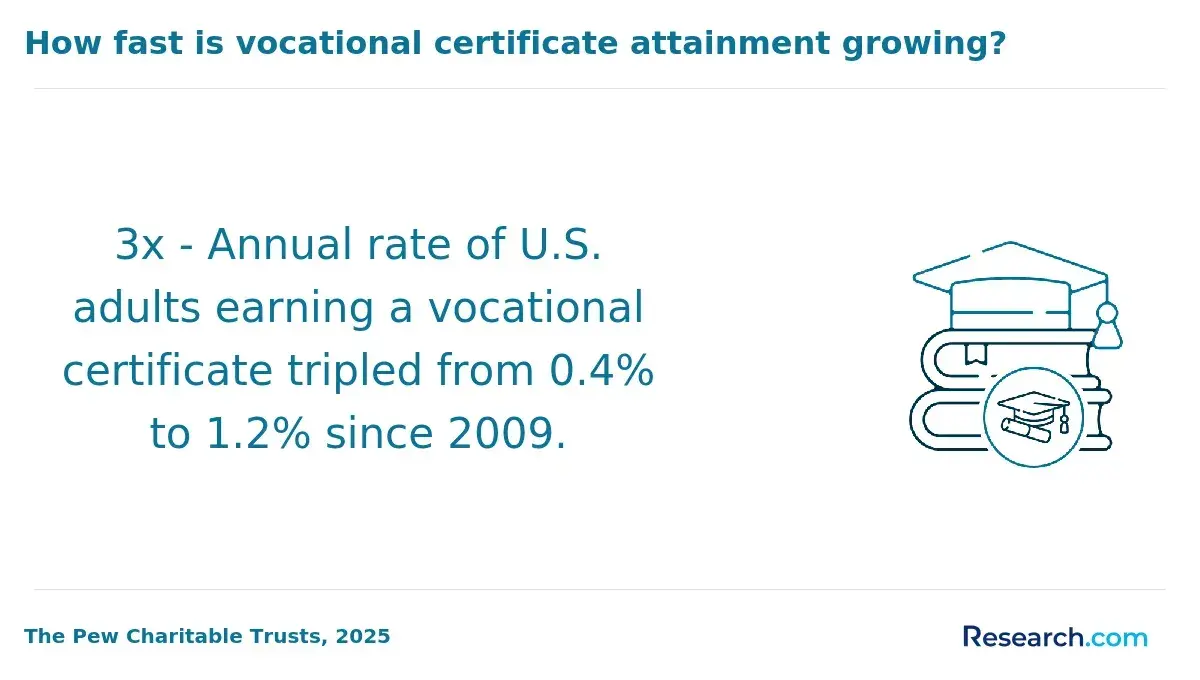
Student loan debt distinctly influences the long-term return on investment (ROI) for photography programs, especially when comparing public, private, and nonprofit online institutions. Higher borrowing amounts typical of private institutions, driven by elevated tuition and limited financial aid, often lead to heavier monthly repayment obligations that can restrict financial flexibility after graduation.
By contrast, public programs usually present lower debt burdens due to more affordable tuition and stronger public aid, which aligns better with the modest starting salaries many photography graduates face. This dynamic makes careful assessment of borrowing needs and graduation outcomes essential, as failure to complete a program or delayed employment can amplify the negative financial impact despite potentially lower initial costs.
Students assessing how student loan debt affects photography career returns must also weigh the unpredictability of career paths characterized by freelance work and portfolio building, which often generate inconsistent income streams. Graduates carrying debt above $30,000, common among private institution attendees, face a significantly higher risk of delinquency in repayment, complicating the perceived value of their degree over time.
Those considering nonprofit online options find variable financial aid and support, creating a more complex borrowing landscape. Evaluating program quality, flexibility, and overall career prospects alongside debt is critical; for adult learners and career changers especially, these factors determine whether debt translates into sustainable returns. Resources like AACSB-accredited online MBA programs illustrate how accreditation and program reputation can factor into these calculations.
How Do Flexibility and Adult Learner Support Affect Photography Program Value?
Flexibility in scheduling and robust adult learner support critically shape the return on investment for photography programs, especially for those balancing education with work or family demands. Public institutions often lead with asynchronous courses and part-time options, which lower opportunity costs and improve degree completion but may offer less personalized advising or career services.
In contrast, private programs frequently provide closer faculty engagement and mentorship access, enhancing portfolio development-an essential factor for employer readiness-though this often comes at a higher upfront tuition and less flexible pacing.
Support structures such as targeted academic advising, transfer credit assistance, and career counseling directly impact persistence and timely graduation; data from the Council for Adult and Experiential Learning indicate a 15% boost in retention when these services are tailored to adult learners.
Nonprofit programs tend to strike a middle ground, offering moderate tuition with structured support, yet they can vary in availability of military accommodations or technological resources, which matters for specific student populations.
Ultimately, the best investment balances practical scheduling, ongoing guidance, and affordability in ways aligned with individual circumstances, recognizing that tradeoffs between cost, flexibility, and educational quality profoundly affect long-term career mobility and debt burden.
How Do Accreditation and Institutional Reputation Influence Photography ROI?
The value of an online photography program is heavily influenced by accreditation and institutional reputation. Regional accreditation often plays a critical role in shaping credit transfer options, graduate school acceptance, and employer trust.
For example, graduates from regionally accredited programs report significantly better career outcomes-about 25% higher positive results within two years-compared to those from nationally accredited or unaccredited schools, according to the National Center for Education Statistics.
This distinction directly impacts the financial return on investment, especially when weighed against tuition costs and potential student debt, highlighting a clear tradeoff between program cost and credential portability.
Employer perception, particularly in creative industries, tends to balance portfolio quality with institutional credibility. Hiring managers frequently recognize degrees from reputable private and nonprofit institutions as indications of rigorous academic preparation, which can provide advantages in competitive job markets and networking opportunities, as found in a 2024 survey by the Council for Higher Education Employer Partnerships.
Meanwhile, public online programs, typically more affordable and regionally accredited, offer substantial ROI for cost-conscious students by combining academic legitimacy with practical transfer pathways and local employer connections, despite lacking national prestige.
Prospective students should thus evaluate how accreditation status and reputation intersect with career objectives, financial realities, and the specific expectations of employers in the visual arts sector to make strategic decisions about their photography education.
How Does Time-to-Degree Affect the ROI of Public, Private, and Nonprofit Photography Programs?
Time-to-degree variations among public, private, and nonprofit photography programs create tangible differences in educational costs and career trajectories that impact ROI more directly than commonly acknowledged. Private programs average about 4.8 years, longer than public (4.3 years) and nonprofit (4.5 years) schools, increasing tuition exposure and delaying workforce entry.
For working adults juggling family and employment, extended timelines often reflect part-time enrollment or interrupted study, which can reduce opportunity costs but also postpone earning potential and professional experience accumulation. A student transferring credits into a nonprofit program might benefit from flexibility yet still face completion delays that affect long-term financial outcomes.
Comparing graduation timelines in public private and nonprofit photography schools highlights how completion rates and program design influence ROI beyond raw duration.
Private institutions often report higher graduation rates near 65%, outpacing public and nonprofit rates around 55-58%, which suggests better support infrastructures that can compensate for longer degrees. While accelerated pathways at public schools shorten time-to-degree, the associated financial and personal pressures may undermine persistence, potentially reducing actual completion benefits.
Ultimately, informed students must weigh these factors, balancing affordability, program flexibility, and completion likelihood. Job market preferences often favor skill relevance and portfolio quality over mere speed of graduation, which can benefit candidates from nonprofit programs despite longer academic timelines. Cost-conscious learners evaluating options may also explore options like the cheapest online master's in finance for broader financial planning strategies.
How Can You Choose the Best Photography Program Based on Your ROI Goals?
Evaluating the best photography program for ROI requires weighing individual priorities more than institutional classification. Public online programs generally offer lower tuition and reduced debt burdens, which benefits those prioritizing quick degree completion with minimal borrowing. However, their average graduation rates around 45-55% can extend time-to-degree, increasing overall costs.
Private institutions often provide stronger learner support, networking, and reputational advantages that may enhance employability, but these typically come with significantly higher tuition and average debt levels 30-40% above public schools, impacting long-term financial returns.
Nonprofit online programs frequently balance affordability and flexible scheduling, allowing working adults to maintain income while studying, a critical factor influencing ROI. Institutional accreditation and career services also affect outcomes, as many employers in creative fields weigh school reputation alongside portfolios.
Considering personal circumstances such as ongoing employment, family obligations, and career goals is essential since these factors influence how one values program flexibility, graduation timelines, and debt capacity. Those comparing best photography programs for ROI must integrate these variables pragmatically rather than defaulting to conventional prestige.
Prospective students should also examine post-graduate employment trends and income potential, overt priorities for those targeting high paying careers for introverts within photography and related fields. A nuanced assessment of tuition costs, financial aid generosity, support services, and institutional reputation remains critical to aligning educational investments with realistic career return expectations in the competitive digital media landscape.
References
- College Certificate vs Online Photography School | Cameraderie https://cameraderie.org/threads/college-certificate-vs-online-photography-school.56322/
- Is College Worth It? - Public Policy Institute of California https://www.ppic.org/publication/is-college-worth-it/
- 7 Key Differences Between Nonprofit and For-profit Organizations https://online.norwich.edu/online/about/resource-library/7-key-differences-between-nonprofit-and-profit-organizations
- The Challenge of Measuring ROI and What Higher Education Can Do About It. https://www.careerleadershipcollective.com/post/the-challenge-of-measuring-roi-and-what-higher-education-can-do-about-it
- ROI: Return on Imagery | Free Guide by Christopher Bailey https://christopherbailey.co.uk/roi/
- Adult Postsecondary Learners: Reviewing the Data and Evidence https://www.jff.org/idea/adult-learners/
- What role does a degree play in the field of photography? https://www.lcca.ac.uk/blog/education/what-role-does-a-degree-play-in-the-field-of-photography/
- What Can You Do With a Photography Degree? https://pnca.willamette.edu/academics/bfa/photography/career-options
- New report shows long-term economic impacts of holding student loans, especially for first generation students and students of color https://heller.brandeis.edu/news/items/releases/2019/iasp-stalling-dreams-debt.html
- How to Choose the Right Photography Program https://nossi.edu/how-to-choose-the-right-photography-program/
Other Things You Should Know About Photography
Public institutions often emphasize technical proficiency and established industry software, which aligns well with entry-level job requirements in commercial photography.
Private programs may offer more specialized or niche coursework, such as fine art photography or experimental techniques, but this can sometimes come at the expense of widely marketable skills. For students prioritizing immediate employability, public programs may provide a clearer pathway, whereas private programs might better suit those targeting specific creative careers or graduate study.
Nonprofit programs generally strike a balance, offering moderate tuition with a focus on comprehensive curriculum that blends technical skills and artistic development. However, the variation among nonprofits is wide, so prospective students should examine how each program connects with local or national photography markets. For cost-conscious learners who want solid career preparation without the pricing premiums of private schools, nonprofits are often the most pragmatic choice.
Private online photography programs sometimes expect a heavier workload with quicker turnaround on projects, reflecting their smaller cohort sizes and personalized instruction models.
Public and nonprofit programs may offer more flexible pacing, which can benefit working adults balancing jobs or family commitments. Those juggling multiple responsibilities should carefully assess program workload expectations to ensure their schedule aligns with academic demands and realistic completion timelines.
Public institutions typically have more established articulation agreements and standardized credit transfer policies, which can streamline the recognition of previous coursework and reduce total time to degree.
Private and nonprofit programs may be more selective or limited in accepting transfer credits, potentially increasing cost and duration. Transfer students aiming to leverage existing credits efficiently should consider public online programs first, especially to minimize financial and time investment.