2027 Photography Affordability by State: Where Students Pay the Most and Least

Co-Founder and Chief Data Scientist
Choosing between an in-state program charging $15,000 annually and an out-of-state alternative exceeding $35,000 can dramatically influence a photography student's debt and career flexibility. A 2024 National Center for Education Statistics report found that average tuition for arts-focused degrees varies by over 120% across states, underscoring stark financial inequalities. These disparities often force students to weigh upfront savings against long-term borrowing risks and hidden living costs.
Amid tighter credit markets, high debts constrain early career choices and mobility. This article examines state-by-state photography affordability, guiding students to discern where earning a degree offers the most economic feasibility and manageable debt burden.
Key Things to Know About Photography Affordability by State
- States with lower published tuition often have higher living costs, shifting the affordability balance; this tradeoff means students must weigh total expenses beyond sticker price, affecting real cost calculations.
- Employers frequently value internships and portfolio strength over degree origin, so in states with limited direct art funding, students might prioritize programs offering stronger hands-on experience rather than cheapest tuition.
- Recent 2024 data shows growing out-of-state tuition disparities driving some students to online courses, but cost savings may delay networking opportunities crucial for local industry entry, influencing long-term career timelines.
- Key Things to Know About Photography Affordability by State Key Things to Know About Photography Affordability by State
- Which States Have the Most Affordable Photography Degree Programs? Most Affordable State Programs
- Which States Have the Highest Photography Degree Costs? Highest State Tuition Costs
- How Much Does a Photography Degree Cost by State? Degree Costs by State
- Why Does Photography Affordability Vary So Much Between States? State Affordability Variations
- How Do In-State and Out-of-State Tuition Rates Affect Photography Affordability? In-State vs. Out-of-State Rates
- How Does the Cost of Living Impact Overall Photography Affordability by State? Living Costs and Affordability
- Which States Offer the Best Value for a Photography Degree? Best Value State Degrees
- What Financial Aid and Scholarship Opportunities Can Reduce Photography Costs? What Financial Aid and Scholarship Opportunities Can Reduce Photography Costs?
- Are Online Photography Degree Programs More Affordable Than On-Campus Options? Are Online Photography Degree Programs More Affordable Than On-Campus Options?
- Is a Photography Degree Worth the Cost Based on Career Outcomes and ROI? Degree ROI and Outcomes
Which States Have the Most Affordable Photography Degree Programs?
The states that consistently offer the most affordable photography degree programs tend to have public university systems with deliberate pricing strategies driven by robust state funding and residency policies that favor in-state students. For example, Wyoming's investment in higher education allows for average annual in-state tuition rates near $5,800 at four-year public institutions, a substantial difference compared to states where similar programs can exceed $15,000 yearly. This pricing structure affects real-world decisions for many budget-conscious students, who must weigh the benefits of lower tuition against factors like program specialization and local cost of living. Choosing a photography program in one of these states often means less reliance on debt, as recent data shows graduates from affordable state programs accumulating 15-30% lower student loan debt than the national average.
Many students also find that states offering lower tuition costs often provide broader access to financial aid and career-focused program options, which further reduce net expenses and improve educational return on investment. States such as New Mexico and North Carolina combine lower tuition with extensive public institution networks that support technology-driven and practical training in photography. Additionally, the availability of online programs in these regions can eliminate relocation costs and provide greater flexibility in managing living expenses, factors that heavily influence degree completion timelines and overall educational affordability.
Those comparing photography degrees by state should consider how residency policies and local economic conditions interact, as these variables significantly shape enrollment choices and long-term career implications. Students curious about alternative fast-paced academic pathways may also find value exploring the shortest EdD program online as a point of comparison in program duration and cost efficiency.
Which States Have the Highest Photography Degree Costs?
Higher photography degree costs frequently reflect the intersection of state funding models, institutional makeup, and local economic factors rather than mere tuition sticker prices. States with significant urban centers and elevated living costs, such as California and New York, sustain higher overall expenses because public subsidies are limited and a large share of programs are housed in private institutions driven by market pricing. For students, this means that even if tuition appears manageable, associated costs like housing, equipment fees, and studio access can sharply increase total outlays, making in-state residency status and financial aid availability critical components in affordability calculations. According to the National Center for Education Statistics in 2024, annual tuition at some public universities in these states can surpass $13,000, with private colleges often charging more than twice that, influencing how prospective students weigh value versus cost.
Decisions about where to pursue a photography degree must account for these regional financial dynamics alongside career prospects, as the cost-benefit analysis changes dramatically when factoring in metropolitan living expenses and state-specific tuition policies. Students from out of state may face steep premiums above in-state rates, prompting consideration of online alternatives or programs in states with more robust public investment. However, those lower-cost options can involve tradeoffs in access to industry networks and specialized resources critical to practical training. Ultimately, the choice involves balancing immediate financial burden against long-term employability and skill acquisition, with state-level economic and institutional factors shaping the calculus beyond simple price tags.
A student from the Midwest recalled scrutinizing programs in both their home state and more expensive coastal options, noting frustration when out-of-state tuition rates doubled the cost even before factoring in higher living expenses. They hesitated over enrolling in a prestigious New York program due to uncertain financial aid packages and the steep cost of studio rentals not included in tuition. Choosing an in-state program with slightly fewer facilities but significantly lower overall expenses emerged as a cautious, pragmatic decision driven by budget limits and the desire to avoid debt that might outweigh early career earning potential.
How Much Does a Photography Degree Cost by State?
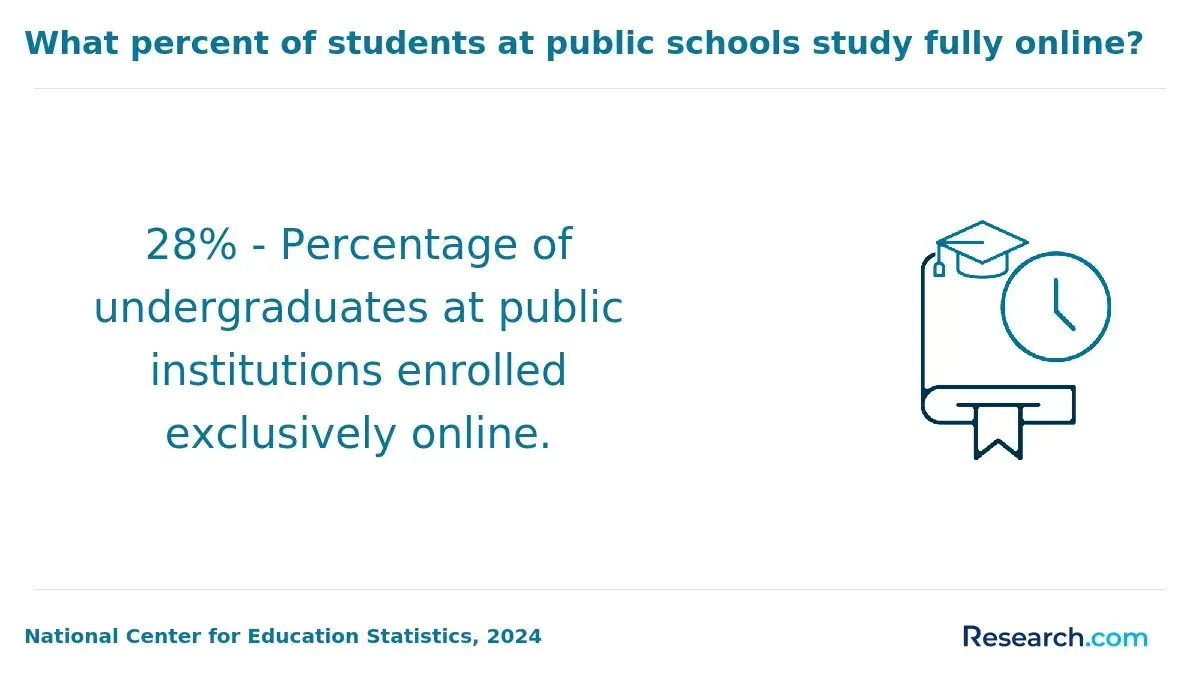
State-level disparities in photography degree costs significantly influence student choices, especially when balancing quality with financial constraints. Public universities in lower-cost states like Oklahoma or Arkansas commonly charge between $6,000 and $7,500 annually for in-state tuition, whereas states with large, urban economies such as California may demand over $15,000, not including living expenses that can push total costs beyond $35,000 per year. These differences are critical when considering how out-of-state tuition can triple expenses at public institutions, compelling many to either establish residency or explore cost-saving alternatives like online programs to reduce debt and financial risk.
The private versus public divide further complicates cost planning, as private institutions typically have less geographic cost variation but maintain a steep tuition range of $30,000 to $40,000 regardless of location. This intensifies the borrowing burden for students without access to substantial aid, as state-funded grants and scholarships vary widely and often determine net affordability more than sticker prices. For those aiming to minimize long-term debt, states with robust public funding and financial aid infrastructure provide tangible advantage, underscoring the need to weigh both tuition rates and available state-level financial support in degree planning strategies.
Financial aid policies, cost of living, and residency rules intertwine to shape practical enrollment decisions, often prompting students from high-cost states to consider relocating or selecting in-state institutions where intensive funding efforts exist. This dynamic also highlights why prospective photography students must incorporate the total economic environment-including housing and transportation-into their calculations rather than focusing solely on stated tuition fees. According to 2024 data from the National Center for Education Statistics, these multifaceted cost factors ultimately affect not just accessibility but also career trajectory by influencing debt levels and time-to-completion in photography programs.
Why Does Photography Affordability Vary So Much Between States?
State funding models and institutional mixes fundamentally shape photography degree cost differences by state, with substantial consequences for affordability. For example, Wyoming's commitment to robust public college appropriations results in lower resident tuition rates compared to states with constrained budgets that pass more costs to students. Additionally, states with a higher concentration of private institutions often see steeper tuition prices due to reduced government subsidies and broader pricing autonomy, complicating comparison for budget-conscious learners aiming to maximize program value within financial limits.
Cost of living drives further regional variation, as institutions in urban centers or high-expense states adjust tuition and fees to offset living costs, even though these locales might offer stronger local job markets for graduates. Financial aid availability, particularly state-sponsored scholarships targeting arts disciplines, also influences where students choose to enroll or transfer, affecting enrollment patterns and tuition scaling in photography programs. Prospective students should weigh these geographic and funding tradeoffs carefully, considering how residency policies and program accessibility impact long-term educational planning and career outcomes within the competitive landscape for photography professionals.
According to 2024 National Center for Education Statistics data, more than 40% of public higher education funding remains dependent on state appropriations-a decisive factor for tuition pricing in photography programs. For those evaluating options, comparing programs on cost alongside quality indicators and available aid is essential, including exploring accredited online colleges that can offer flexible and affordable alternatives. This layered approach helps prospective students navigate affordability challenges grounded in these nuanced economic and policy realities.
How Do In-State and Out-of-State Tuition Rates Affect Photography Affordability?
The disparity between in-state and out-of-state tuition rates profoundly influences decisions about where to pursue a Photography degree, shaping both the total cost and financial feasibility of completing the program. Public institutions often offer substantially reduced tuition for residents-a 2024 National Center for Education Statistics report highlights an average annual in-state tuition of roughly $10,940 versus $27,560 for nonresidents at comparable universities. This gap can steer applicants toward remaining in their home state or delaying enrollment until residency reclassification is possible, though the process and timelines for establishing residency vary significantly by state and may not align with academic plans. Additionally, reciprocity agreements like the Western Undergraduate Exchange can lessen out-of-state charges regionally, but their limited reach requires careful analysis of eligibility and program availability.
For students unable to secure in-state rates, private colleges or out-of-state options may carry higher tuition but could offer specialized Photography curricula or stronger career networks, complicating the value equation beyond sticker price alone. Online programs also emerge as cost stabilizers, frequently charging flat rates regardless of residency, which can make them an attractive alternative for learners facing prohibitive nonresident fees. However, employers and industry hiring patterns may still favor candidates with degree credentials from regionally recognized schools, so geographic and financial strategies should be calibrated with long-term employability in mind rather than purely immediate cost savings. Access to state-specific financial aid and grants often tilts the balance further in favor of in-state options, reinforcing that tuition cost disparities interact closely with broader fiscal and enrollment policies.
A Photography student from a border state shared that despite qualifying for a tuition reduction under a regional reciprocity pact, unexpected administrative delays meant they initially paid full out-of-state tuition. This financial burden caused them to reconsider transferring to a neighboring in-state public college after the first year. They expressed frustration that the complex residency classifications and inconsistent application of reciprocity benefits created uncertainty, leaving them to question whether the higher initial cost was justifiable given the comparable program offerings nearby.
How Does the Cost of Living Impact Overall Photography Affordability by State?
Differences in cost of living decisively shape how affordable earning a photography degree is across U.S. states, with housing expenses overwhelmingly influencing financial burdens. For example, a student in New York City faces median rents exceeding $1,900 monthly, which can overshadow tuition savings compared to states like Ohio or Indiana, where rents are typically under $900. This gap forces many prospective students to weigh whether relocation or commuting makes sense, as the added strain from housing and transportation costs may outpace tuition advantages. The regional cost of living impact on photography education expenses is often underestimated but crucial for budgeting, debt planning, and even completion timelines.
Transportation costs add complexity, especially in urban hubs with extensive transit networks versus car-dependent rural areas, influencing not only daily expenses but also time management and job flexibility post-graduation. Other factors such as food, healthcare, and utilities contribute to the total cost but vary less dramatically. Given these realities, students often assess whether pursuing a degree in states with moderate tuition but elevated living costs justifies the potential long-term wage opportunities within creative industries. Those seeking flexibility might explore alternatives such as online programs or related fields-for instance, examining a sports management degree online offers insights into balancing specialized education and geographic financial constraints.
Ultimately, how cost of living affects photography degree affordability by state must shape enrollment decisions, financial aid strategies, and practical preparation to mitigate cumulative expenses. Students in high-cost regions face higher exposure to debt and may need to prioritize work-study or part-time enrollment. Meanwhile, others might find that their local economic context provides better value, offsetting tuition with lower everyday costs. Understanding these layered tradeoffs is essential for informed educational planning within the creative economy's financial and labor market landscape.
Which States Offer the Best Value for a Photography Degree?
Evaluating the value of a photography degree across states hinges on understanding how in-state tuition policies, financial aid availability, and regional economies intersect to affect total cost and employment prospects. For example, California's higher tuition is partly offset by extensive financial aid opportunities and strong creative industry hubs, which boost job placement and salary outcomes despite elevated living expenses in cities like Los Angeles. In contrast, states like Texas combine moderate tuition-averaging around $10,000 annually for public programs-with a comparatively low cost of living, providing significant budgetary relief without drastically compromising post-graduation job prospects in expanding media sectors.
Nevertheless, the least expensive path is not always the most advantageous. North Carolina exemplifies this with its balanced annual tuition near $9,000 and an above-average graduation rate of about 60%, alongside growing creative economies in Raleigh and Charlotte that support career integration. This blend of outcomes and affordability can reduce student debt burdens more effectively than simply choosing the lowest sticker price. Students who can qualify for residency-based tuition benefits or weigh relocation tradeoffs may find that these factors, coupled with local employment climates, ultimately define the stronger long-term investment rather than initial cost alone.
What Financial Aid and Scholarship Opportunities Can Reduce Photography Costs?
The affordability of a Photography degree is heavily shaped by a combination of federal aid, state grant programs, and institutional scholarships, each influenced by residency status and specific eligibility criteria. Federal Pell Grants serve as a foundational resource for low- and moderate-income students because they do not require repayment and offer broad accessibility across states. However, differences in state-level grant availability create wide variation; for instance, students in California or New York benefit from more substantial state funding compared to those in states with limited education budgets, which can push reliance onto institutional or private scholarships. A practical consequence is that out-of-state or part-time students may find it challenging to access equivalent aid, affecting the real net cost of Attendance and requiring careful planning around residency and enrollment status.
Institutional merit-based scholarships and need-based aid further complicate financial planning due to their dependence on academic performance, portfolio quality, and continuous enrollment, often excluding nontraditional students. Additionally, the presence of tuition reciprocity agreements between neighboring states offers cost reductions for some, especially in border regions, emphasizing the geographic impact on affordability. Employer-sponsored education benefits, although unevenly distributed, can supplement grants and scholarships for working students, offsetting loan dependency but requiring alignment with employer policies and timing. Nationally, approximately 85% of arts students, including Photography majors, utilize some form of financial assistance-a critical factor because student loan debt risk intensifies given the variable income stability post-graduation and the challenge of stacking aid without triggering renewal restrictions or eligibility loss.
Are Online Photography Degree Programs More Affordable Than On-Campus Options?
Online photography degree affordability varies substantially depending on tuition policies, residency status, and additional fees. While average tuition for online undergraduate programs may be 15-25% lower than on-campus equivalents at public institutions, this cost advantage often narrows when factoring in state residency tuition benefits available only to in-state on-campus students. Many online programs charge uniform out-of-state rates, which diminishes savings for residents who would otherwise qualify for reduced in-state fees. These institutional funding structures and residency rules critically affect the cost comparison of online and in-state photography programs, requiring careful evaluation by prospective students based on their location and financial aid eligibility.
Beyond tuition, online learners face distinct expenses like technology investments, specialized software, and equipment essential for photography practice, which can add hundreds annually. Conversely, online study often permits maintaining full-time employment, mitigating opportunity costs linked to lost wages. However, on-campus programs frequently include immersive studio access and networking opportunities that may positively influence employability and career outcomes, important considerations for those weighing the true value of each pathway. Budget-conscious students examining photography degree affordability online versus on-campus should also consider institutional aid availability and program flexibility, as well as the impact of hands-on instruction on long-term earnings and skill development.
Students balancing cost and career goals may draw insights from other fields, such as clinical psychology online masters, where similar tradeoffs between affordability, residency-based tuition, and program delivery influence financial and educational decisions. Given these complexities, prospects should assess both direct and indirect costs alongside program quality to determine the optimal route for their personal circumstances rather than assuming online photography degrees are uniformly more affordable.
Is a Photography Degree Worth the Cost Based on Career Outcomes and ROI?
Differences in tuition affordability across states significantly shape the financial calculus of pursuing a photography degree, making state context critical when evaluating return on investment for photography graduates by state. For instance, students enrolling in lower-cost Southern or Midwestern programs often face less debt and faster paths to financial stability than peers attending costly Northeastern or Western institutions. This cost variation combined with relatively flat workforce growth means students must weigh opportunity costs and debt burden carefully, alongside the variable employment prospects tied to local creative industry strength. Graduation rates below 50% at some programs further complicate ROI by increasing financial risk without guaranteed credential attainment.
Beyond sticker price, prospective photography majors should consider program quality, geographic mobility, and career alignment when assessing photography degree cost vs career earnings in the United States. Employers emphasize portfolio quality, practical skills, and networking over credentials alone, implying that non-monetary returns-such as digital media proficiency and freelance experience-carry significant weight. This reality particularly affects those considering graduate studies or alternative credential routes. For budget-conscious learners and families, exploring flexible options like online schools for military spouses may also provide cost-efficient pathways to acquire relevant skills without sacrificing affordability or career relevance.
References
- Mapped: The Cost of Living Across America https://www.visualcapitalist.com/mapped-the-annual-cost-of-living-in-every-u-s-state/
- Does College Pay Off? A Comprehensive Return On Investment Analysis - FREOPP https://freopp.org/whitepapers/does-college-pay-off-a-comprehensive-return-on-investment-analysis/
- Photography Jobs Outlook 2026: Is Studying Photography Still a Good Career Investment? https://www.baph.co.uk/blog/photography-jobs-outlook-2026--is-studying-photography-still-a-good-career-investment-
- Best photography schools by state + 2025-2026 tuition – All Bachelor Degrees https://allbachelordegrees.com/degrees/best-photography-colleges-by-state-2025-2026-tuition/
- Photography Scholarships | ScholarshipOwl https://scholarshipowl.com/blog/find-scholarships/photography-scholarships/
- Study Photography in the USA | Study in the USA https://www.studyusa.com/en/field-of-study/605/photography
- Here Are The 21 Best Photography Schools In The World https://www.format.com/magazine/resources/photography/photography-schools
- Top 5 reasons to study a photography degree online https://www.falmouth.ac.uk/news/top-5-reasons-study-photography-degree-online
- Should you Study Photography at College or are There Better Options Now? https://digital-photography-school.com/should-you-study-photography-at-college-or-are-there-better-options-now/
- Is a Photography Degree Worth It? | Sessions College https://www.sessions.edu/notes-on-design/is-a-photography-degree-worth-it/
Other Things You Should Know About Photography
States with more robust internship markets in photography can reduce the overall financial burden by providing paid or low-cost work experiences that offset tuition costs and living expenses. Students in states with limited local industry presence may need to invest more in travel or unpaid internships, effectively increasing their degree's true cost. Prioritizing programs in states with active creative industries can enhance hands-on learning while offering practical financial relief through compensated opportunities.
Yes, because longer programs with heavier workloads can increase indirect costs like lost income and living expenses, even if tuition is lower. A shorter or more intensive program in a costlier state might actually be more affordable overall by enabling faster entry into the workforce. Students should analyze both tuition and program duration to understand the total time and financial investment, recognizing that state-based affordability extends beyond sticker price.
Employers in some states may prioritize technical skill certifications or extensive portfolios over formal degrees, reducing the value of lower-cost programs that lack rigorous experiential components. Conversely, states with competitive job markets often favor graduates from accredited photography programs with comprehensive curricula, which may come at higher tuition rates. Students must balance cost savings against potential difficulties in achieving local employability if a cheaper program fails to meet employer standards.
While affordability is crucial for many students, it should not overshadow considerations like program quality, local industry connections, and alumni outcomes within the state. Choosing the cheapest program without regard to these factors can limit skill development and networking, hindering career growth. A smarter approach is to use affordability as one filter alongside program reputation and job placement success to make a balanced decision that supports sustainable career advancement.