2027 Photography Degree Oversupply or Undersupply? Student Volume vs Employer Demand

Co-Founder and Chief Data Scientist
Choosing to pursue a photography degree today involves weighing whether the volume of graduates aligns with actual employer demand. In 2024, U. S. institutions produced approximately 4,500 bachelor's degrees in photography-related fields, while job openings for professional photographers grew by less than 1%, signaling potential oversupply in many regions.
This imbalance can diminish degree value and intensify competition, especially where employers prioritize digital and commercial skills over traditional credentials. Geographic clustering of jobs further complicates outcomes, often forcing graduates to relocate or face underemployment. This article compares photography student volume with employer demand, job growth, industry needs, regional hiring conditions, and skill gaps to clarify the field's sustainable opportunities or rising competition.
Key Things to Know About Photography Graduate Supply and Employer Demand
- Photography graduate numbers continue rising 5% annually through 2024, outpacing entry-level job openings and intensifying competition, signaling a tradeoff between education investment and realistic hiring prospects.
- Employers increasingly prefer specialized skills like digital imaging and post-production, causing a credential mismatch that penalizes broadly trained graduates in favor of niche expertise, reshaping workforce demand.
- Geographic demand clusters in urban creative hubs create access barriers for graduates from lower-cost regional programs, affecting timely employment and potentially lengthening job search durations.
- Is There an Oversupply or Undersupply of Photography Graduates? Graduate Oversupply or Shortage
- How is Photography Degree Enrollment Changing? Degree Enrollment Trends
- How Many Photography Graduates Enter the Workforce Each Year? Annual Graduate Workforce Entry
- Does Job Growth Support the Rising Supply of Photography Graduates? Job Growth Versus Supply
- How Competitive is the Entry-Level Market for Photography Graduates? Entry-Level Market Competition
- Which Industries Have the Greatest Demand for Photography Graduates? Top Hiring Industries
- Where are Photography Graduates Most in Demand? Top Geographic Demand
- Which Photography Specializations and Degree Levels Face the Strongest Demand? Which Photography Specializations and Degree Levels Face the Strongest Demand?
- Are Employer Skill Gaps Affecting Demand for Photography Graduates? Are Employer Skill Gaps Affecting Demand for Photography Graduates?
- What is the Future Supply-and-Demand Outlook for Photography Graduates? Future Supply-Demand Outlook
Is There an Oversupply or Undersupply of Photography Graduates?
The current landscape of photography graduate supply and demand reveals a nuanced imbalance rather than a straightforward surplus or shortage. While overall degree completions in photography have remained steady with modest growth, employer demand measured by job openings is expanding at a slower pace, as shown by Bureau of Labor Statistics projections indicating roughly 4% growth in photographer employment over a decade.
This discrepancy results in a competitive entry-level environment where bachelor's degree holders often face saturation, especially in regions with limited industry presence. However, this oversupply at the national level masks significant variation by specialization and geography.
Strong demand persists in sectors emphasizing digital editing and multimedia content creation, where technical specialization narrows competition and employers struggle to fill roles requiring advanced skills. Geographic clusters with dense media industries continue to report localized undersupply, contrasting sharply with oversaturated rural or less economically diverse areas.
This regional photography degree employment trends dynamic means students and graduates must weigh the tradeoff between broader degree volume and the strategic value of targeting high-demand niches or metropolitan labor markets. For those pursuing advanced or niche certifications, opportunities may align more closely with employer needs despite the general volume of graduates entering the field.
Effective navigation of the field also requires recognizing employer preferences that extend beyond formal credentials to versatile portfolios and business competence, emphasizing experience and adaptability. Consequently, purely comparing graduate numbers to job openings can distort decision-making, as many graduates without these differentiators face increased competition.
Prospective students should carefully consider this balance and the implications for long-term employability, including evaluating specialized options such as a cheapest doctorate degree online if seeking to stand out in evolving photographic disciplines.
How is Photography Degree Enrollment Changing?
Photography degree enrollment has shifted unevenly across credential levels and delivery modes, producing mixed signals for graduate supply and employer demand alignment. Recent data from the National Center for Education Statistics indicate degree programs face steady declines, which could reduce oversaturation at the sub-baccalaureate level, while some four-year programs show modest enrollment growth driven by interest in digital media fields.
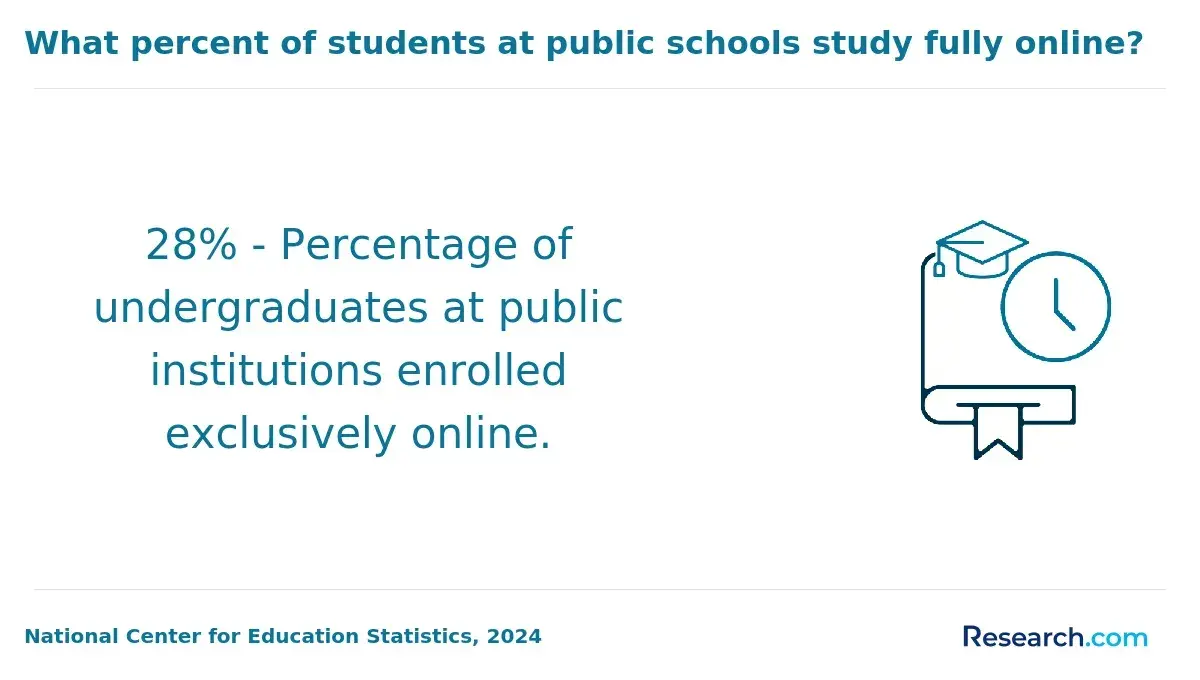
The rise of hybrid and fully online options-whose enrollment nearly doubled since 2021 according to state higher education agencies-has expanded access but introduces tradeoffs around hands-on skill development, which remains critical for many employers prioritizing practical experience over credentials alone.
Demographic shifts compound this complexity, with fewer traditional-age students enrolling alongside increased participation from adult learners and underrepresented minorities, subtly altering cohort composition and potentially affecting workforce diversity.
These enrollment patterns do not uniformly translate into regional labor market realities; certain metropolitan areas with concentrated creative industries report localized surges in photography graduates that heighten competition despite national declines.
Misinterpreting stable or rising enrollment in some programs as a sign of persistent oversupply risks causing students to overlook more nuanced factors like program quality, portfolio strength, and evolving employer expectations in creative sectors.
A current photography student recalls their cohort size shrinking noticeably over recent years as the program restructured to emphasize hybrid instruction. While some peers worried decreased enrollment hinted at weaker job prospects, others saw it as reducing local competition. The expanded online course options made scheduling more flexible but left some students uncertain whether the change would adequately prepare them for hands-on roles that employers still demand.
This mix of declining traditional student numbers and growing adult learner representation left the student cautiously optimistic but mindful that enrollment shifts alone don't resolve the balance between graduate quantity and market opportunity.
How Many Photography Graduates Enter the Workforce Each Year?
Annual counts of photography graduates provide an incomplete picture when assessing alignment with labor market demand. Data from the National Center for Education Statistics and the Integrated Postsecondary Education Data System indicate that roughly 1,200 to 1,500 students complete associate and bachelor's degrees in photography or closely related visual arts fields each year, with bachelor's degrees comprising the majority.
However, this aggregate figure masks important distinctions such as degree level, specialization focus, and the timing of workforce entry, as not all graduates immediately seek roles labeled explicitly as photography jobs. For example, some graduates delay entry into the sector or pivot to adjacent creative fields, complicating direct supply-demand assessments based purely on graduation numbers.
Comparing graduate output to job openings reveals a nuanced labor market shaped by regional concentration and fluctuating hiring needs. Though hundreds of graduates enter the pipeline annually, the availability of full-time, stable roles is limited, as many positions are project-based or freelance, and employers increasingly prioritize portfolios, digital proficiency, and real-world experience alongside academic credentials.
Moreover, many photography-related jobs are concentrated in urban media hubs, creating geographic disparities in opportunities. This reflects a broader tension where supply measures from federal and state workforce datasets must be interpreted alongside employer expectations and evolving job types to avoid overstating workforce saturation or shortage.
Failing to incorporate these operational realities risks misconceptions that influence student and institutional decisions, such as assuming a surplus leads inevitably to unemployment or that all graduates compete directly for the same vacancies. Instead, understanding that only about 60-70% of graduates typically secure photography-related employment within 12 to 18 months post-graduation highlights the importance of adaptable skill sets and varied career pathways.
For educators and policymakers, this means prioritizing experiential learning and clearer career transition resources to match evolving employer demands beyond raw graduation counts.
Employer Confidence in Online vs. In-Person Degree Skills, Global 2024

Does Job Growth Support the Rising Supply of Photography Graduates?
The steady increase in photography degree graduates is outpacing employer demand, creating an imbalance that complicates job prospects for new entrants. Although employment growth for photographers is projected at about 6% through 2032 according to the U.S. Bureau of Labor Statistics, this rate aligns only with average overall job growth and fails to absorb the roughly 15% rise in degree completions reported by the National Center for Education Statistics.
Many graduates, particularly those seeking entry-level roles, face fierce competition as a significant share of annual openings stem from retirements rather than new job creation, limiting fresh opportunities for inexperienced candidates.
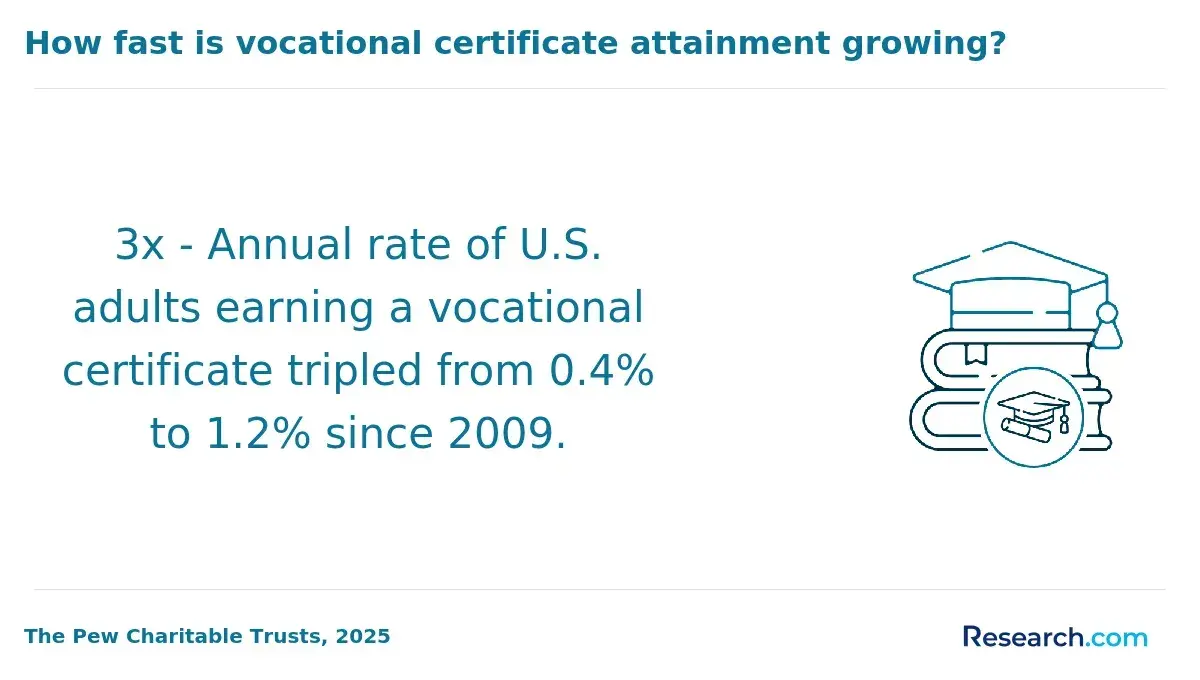
This dynamic intensifies when considering regional hiring trends for photography degree holders, where localized markets and the freelance nature of the work affect consistent employment. Practical experience, technical versatility, and portfolio strength often outweigh formal credentials, leading many graduates to pursue related creative or freelance work instead of traditional photographer roles.
Those specializing in commercial, wedding, or digital photography must also navigate geographic variations in demand, where some areas might offer better prospects than others. Students should weigh these factors alongside ongoing skill development and networking when evaluating whether to commit to a photography degree or consider alternatives, including exploring the easiest online MSW program if broader workforce options are a priority.
How Competitive is the Entry-Level Market for Photography Graduates?
Entry-level positions for photography graduates in 2024 remain intensely competitive, reflecting a combination of factors rather than a simple oversupply of degree holders. Industry demand has not kept pace with the growing number of graduates, but increased employer expectations for applied skills and relevant experience also heighten barriers to entry.
According to data from the U.S. Bureau of Labor Statistics, job openings for photographers have only seen modest growth, while the pool of qualified candidates continues to expand. Graduates typically face difficult choices between seeking internships, freelance gigs, or unrelated jobs to build the portfolios and digital media competencies employers now require. Here are key elements shaping this competitive landscape:
- Applicant Volume:The ratio of graduates to available positions remains high, with many candidates competing for a limited number of entry-level roles. Graduates should assess regional job density and sector-specific demand to tailor their search.
- Experience Expectations:Employers increasingly prioritize portfolios, internships, and real-world projects over academic credentials alone. This trend forces new graduates to pursue supplemental hands-on opportunities.
- Industry Demand Variability:While traditional commercial photography roles are relatively static, sectors like digital media and advertising may offer more openings. Understanding these nuances can direct graduates toward growth areas.
- Geographic Concentration:Urban centers house more opportunities but also attract larger applicant pools, creating fierce local competition that can discourage less mobile graduates.
- Specialization Importance:Skilled niches such as event, product, or social media photography can offer better prospects but require focused training and portfolio development.
- Remote Work Influence:With the rise of remote freelance projects, geographical barriers blur, expanding competition nationally and internationally.
- Demonstrated Digital Skills:Proficiency in editing software and digital workflows increasingly separates successful candidates from those relying on traditional photography training alone.
One recent graduate shared how the job market felt saturated when applying to urban agency roles, despite numerous applications and interviews. After several setbacks, they shifted focus to smaller markets and specialized freelance assignments, finding fewer candidates competing for these openings.
This strategic pivot, while slower to yield stable employment, underscored the importance of adaptability and targeted skill-building in overcoming entry-level bottlenecks within photography professions.
Which Industries Have the Greatest Demand for Photography Graduates?
Demand for photography graduates is concentrated primarily in sectors where visual content drives strategic communication and consumer engagement. Employers in these areas value not only technical photography skills but also competencies in digital editing, storytelling, and multimedia integration.
When evaluating the photography graduate job market by industry sectors, prospective candidates should weigh job volume against competitive intensity, skill requirements, and career development prospects. For example, a graduate targeting advertising might face intense competition but access higher starting salaries and clear advancement tracks, whereas those entering event photography may find steadier freelance options with less upward mobility.
Key industries currently generating the strongest employer demand include:
- Advertising and Public Relations: These sectors rely heavily on visual narratives to shape brand identity, creating continuous demand for photographers skilled in campaign photography and digital content production. Entry-level roles often involve shoot assistance and social content creation, while advanced positions require strategic visual planning and cross-media coordination.
- Digital Media and Social Platforms: The shift toward online content has expanded opportunities for photographers adept in fast-paced environments and multimedia storytelling. Employers prioritize candidates with graphic design and videography skills alongside traditional photography expertise to produce engaging, platform-specific content.
- E-commerce and Product Marketing: Online retail's growth drives demand for high-quality product imagery that influences buyer behavior. Photography graduates with knowledge of lighting, post-production editing software, and visual merchandising principles often secure roles focused on enhancing conversion through compelling visuals.
- Independent Filmmaking and Event Photography: Although these sectors offer more limited full-time employment, they provide steady freelance and contract work opportunities. Success relies on networking, diverse portfolios, and adaptability in capturing dynamic, real-time moments.
- Healthcare and Scientific Research: This niche requires specialized photographic documentation and technical knowledge beyond a basic photography degree. Industry demand is sporadic and highly dependent on cross-disciplinary credentials, often merging photography with medical or scientific expertise.
Photography graduates should consider expanding skills in graphics, videography, and digital marketing to improve employability across these sectors. For students assessing degree options with practical workforce alignment, evaluating higher education alternatives, including an online master's degree in mental health counseling, may offer complementary career pathways or alternative strategies.
Where are Photography Graduates Most in Demand?
National employment statistics for photography graduates mask significant regional disparities driven by local industry density, cost structures, and workforce pipelines. Metropolitan areas with entrenched media, advertising, and digital content hubs generate the bulk of demand; however, these same markets frequently see a high concentration of qualified candidates, which intensifies competition.
For example, a graduate targeting New York City might face many openings but also contend with elevated living expenses and a saturated applicant pool, diminishing net opportunity despite headline job volume.
Conversely, emerging markets such as Austin or Dallas in Texas present growing creative economies with relatively fewer photography graduates but expanding media production clusters, leading to more balanced employer-to-applicant ratios.
These regions often offer more accessible cost of living and lower competition, though specialized roles may be fewer and remote work arrangements less common. The disparity between large coastal cities and smaller or rural areas underscores the importance of geographic mobility and skill diversification, as employers increasingly seek candidates versed in complementary multimedia disciplines alongside traditional photography.
Data from the U.S. Bureau of Labor Statistics and Lightcast indicate that while states like California and New York maintain historic dominance due to entertainment and tech industry presence, graduates focusing solely on classical photography skills without additional proficiencies may face limited prospects even in these hotspots.
Decisions on where to seek employment should weigh not only the density of job postings but also local credential expectations, industry specialization, and economic factors, ensuring graduates pursue markets aligned with both their skillset and realistic living considerations rather than relying on aggregate demand figures alone.
Which Photography Specializations and Degree Levels Face the Strongest Demand?
Labor market data reveal that employer demand in photography is not evenly spread across all specializations or degree levels. Instead, demand concentrates heavily in areas tightly linked to commercial uses, digital proficiency, and cross-disciplinary skills. For instance, a graduate with a bachelor's focused on advertising photography and digital editing tools generally finds a more robust hiring environment than one with a generalist or fine arts photography background.
This differentiation reflects practical employer priorities, where specialized technical skills and portfolio-driven evidence of capability outweigh broader academic credentials. According to Lightcast's 2024 workforce data, digital and commercial photography roles stand out with stronger recruitment activity, underscoring this trend. Below are key specialization and degree-level combinations where demand is notably concentrated:
- Commercial Photography Bachelor's: Employers seek graduates proficient in advertising, product, and event photography, driven by e-commerce and branding growth. Essential skills include digital editing, lighting setups, and client collaboration.
- Technical Photography Certification: Fields like scientific imaging and forensic photography demand specialized certifications or graduate-level training, targeting niche roles with steady but limited openings.
- Digital Content Specialist: Candidates blending photography with graphic design or multimedia hold an advantage, as many employers prioritize cross-disciplinary fluency for marketing and content production.
- Associate Degree Generalist Roles: Entry-level positions frequently accept associate degrees, particularly for supporting photography functions, but often require substantial internship or freelance experience to compete effectively.
- Master's Degree for Academic or Leadership Roles: Higher degrees rarely confer immediate hiring benefits for standard photography jobs but provide an edge in education, research, or media management positions.
- Event Photography Diploma Holders: Despite high market saturation, freelance wedding and event photographers face intense competition, leading many to supplement skills with marketing or business knowledge to sustain income.
Are Employer Skill Gaps Affecting Demand for Photography Graduates?
Demand for photography graduates is less a function of a strict shortage of candidates and more a reflection of a skills gap that influences employer selection. While the volume of graduates remains steady, employers often struggle to fill positions requiring advanced digital proficiencies, such as expertise in Adobe Creative Suite, video production, and content strategy.
These technical and applied skills must be paired with portfolio breadth and professional experience, creating a hiring landscape where those lacking hybrid competencies or certifications find limited opportunities despite the apparent graduate supply.
For example, a company seeking a multimedia content creator with photography skills may bypass traditional photography graduates without additional digital marketing or motion graphics experience, exacerbating perceived oversupply in certain job markets.
The photography graduate skills mismatch in the United States further amplifies this dynamic, as programs that emphasize classic techniques without integrating current industry workflows often leave students underprepared for employer expectations. The consequence is a labor market where demand appears soft or distorted when unfilled roles persist alongside reported graduate abundance.
This misalignment can increase competition not only within photography-related roles but also across adjacent creative fields such as digital media or marketing. Prospective students must therefore weigh program curricula, internship opportunities, and targeted skill acquisition carefully to enhance employability and avoid being outpaced by candidates who better align with evolving commercial needs.
Current degree holders and educators should consider that successful entry and long-term resilience in photography-related professions increasingly depend on interdisciplinary adaptability. Developing competencies in client project management, SEO awareness, and cross-platform media integration can differentiate candidates.
Candidates exploring complementary paths may also benefit from investigating what MBA programs can I get into, which can provide strategic business skills relevant for creative entrepreneurship or managerial roles. Aligning education with these multifaceted demands is crucial to addressing the underlying employer skill gaps in the photography industry.
What is the Future Supply-and-Demand Outlook for Photography Graduates?
Targeted job searches generally yield better results than high-volume, unfocused applications because employers in photography-related fields prioritize candidates whose skills closely align with specific entry-level roles. For instance, a graduate focusing on "digital content creator" or "commercial photography assistant" positions in urban markets with robust creative sectors can more effectively match employer requirements than one indiscriminately applying to all photography jobs nationwide.
Tailoring resumes to incorporate industry-specific terminology and demonstrating proficiency through portfolios or relevant projects helps bridge the skills gap that many employers highlight, especially as demand trends for entry-level photography jobs nationwide increasingly emphasize multimedia integration and social media marketing alongside classical techniques.
Photography graduates should prioritize industries and geographic locations where employment growth is more consistent and competitive dynamics favor candidates with diversified skill sets. Understanding regional disparities in the future supply of photography graduates in the United States enables applicants to allocate effort toward employers who value hybrid roles combining photography, video, and digital marketing expertise.
Timing applications to coincide with peak hiring cycles, cultivating professional networks, and presenting clear evidence of digital fluency and adaptability improve interview conversion rates but do not guarantee employment in a market where steady graduate numbers maintain intense competition for full-time roles. Navigating this landscape requires strategic, data-informed decision-making rather than broad application tactics.
Additionally, students interested in expanding their qualifications should consider interdisciplinary pathways like ALA MLIS programs, which may complement photography skills with information management expertise, diversifying career options.
Awareness of these alternatives and the realities of an evolving labor market equips graduates to make pragmatic choices about how to invest time and resources in their career development amid moderate job growth tempered by automation and technological change.
References
- Busting the myth: There are no jobs in photography? | Photography Studies College https://www.psc.edu.au/blog/busting-the-myth
- What Employers Actually Want From Graduates https://bodyswaps.co/resources/blog/what-employers-actually-want-from-graduates
- Are College Graduates Unprepared As Photographers? https://fstoppers.com/business/are-college-graduates-unprepared-photographers-5308
- Arts and Design Alumni Employment and Perspectives on Their Work and⦠https://snaaparts.org/findings/reports/arts-and-design-alumni-employment-and-perspectives-on-their-work-and-careers
- The Death of The Photo School – The United Nations of Photography https://unitednationsofphotography.com/2024/06/18/the-death-of-the-photo-school/
- Industries & Fields - Vault https://vault.com/industries/photography/industry-outlook
- What Can You Do With a Photography Degree? https://pnca.willamette.edu/academics/bfa/photography/career-options
- 65% 20% – Where are the women photo graduates going? https://www.digitalcameraworld.com/photography/commercial-photography/65-percent-of-photography-graduates-are-female-but-only-20-percent-of-pros-are-is-it-lack-of-ability-or-something-more-sinister
- 6 Post-Graduation Jobs for Photography Majors | Nation Photo Lab https://www.nationsphotolab.com/blogs/photography-business-and-brand/post-graduation-jobs-for-photography-majors
- What's the Outlook for Photographer Jobs? | All Art Schools https://www.allartschools.com/photography/outlook-photography-jobs/
Other Things You Should Know About Photography
In photography, formal education often delivers structured skill development, critical feedback, and access to specialized equipment, which self-teaching may lack. However, many employers prioritize portfolio quality and practical experience over credentials alone. Prospective students should consider whether a degree program offers rigorous, industry-aligned training and networking opportunities that justify its cost and time compared to building a strong portfolio independently.
Programs emphasizing technical proficiency and studio work tend to align better with employer demands in commercial, corporate, and editorial sectors where workflow efficiency and consistent output are critical.
Conversely, conceptual or artistic-focused curricula may prepare graduates for niche fields like fine art photography but face narrower job markets. Students should choose a program that matches their career goals and the practical expectations of their desired segment of the photography profession.
Networking and internships are often decisive in bridging the gap between graduate volume and job placement rates. Programs offering strong industry connections and embedded internships provide candidates with valuable real-world experience, references, and professional visibility. Without these elements, graduates may struggle more to convert academic credentials into stable employment, even if technical skills are adequate.
Shorter programs offer the advantage of quicker entry into the workforce and lower debt, which can be sensible in markets with uncertain demand. However, four-year degrees typically provide broader skill sets, critical thinking, and the adaptability that employers value for long-term career advancement. For students uncertain about committing to a full degree, starting with a certificate and later expanding credentials can be a pragmatic strategy to balance risk and preparedness.