2027 What Can You Do with an Entertainment Business Master's Degree? Careers, Salaries & Growth

Co-Founder and Chief Data Scientist
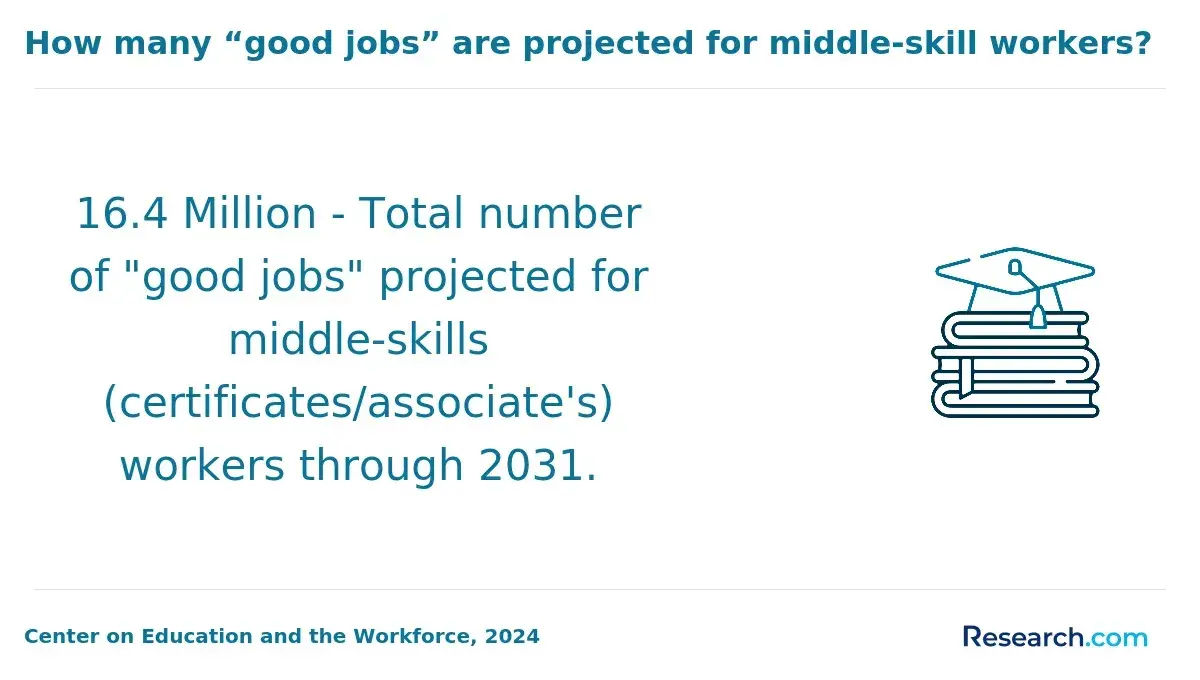
Choosing an entertainment business master’s degree is mainly a return-on-investment decision: will the credential help you move into better roles, build industry contacts, and justify the cost in a field where hiring can be competitive? Media and entertainment management employment is projected to grow 9% from 2022 to 2032, faster than the average for all occupations, but only 35% of graduates find relevant roles within six months. That gap makes program choice, work experience, location, and networking especially important.
This guide explains what applicants need to know before enrolling: admissions standards, GPA expectations, financing options, program length, career paths, salary ranges, certifications, hiring industries, job outlook, and the skills employers look for. Use it to compare programs realistically, avoid weak-fit options, and decide whether an entertainment business master’s degree supports your career goals and financial plans.
Key Things to Know About What You Can Do with a Entertainment Business Master's Degree
- Entertainment business master's programs typically require a bachelor's degree and combine coursework in management, law, and marketing, available in both online and on-campus formats with variable lengths and costs.
- Graduates can expect entry-level salaries around $55,000, with mid-career averages exceeding $85,000, reflecting diverse roles in media, production, and marketing sectors.
- Industry growth projections of 6-8% over the next decade indicate solid long-term earning potential, with higher salaries linked to experience, geographic location, and additional certifications.
What Are the Admission Requirements for a Entertainment Business Master's Program?
Admission to an entertainment business master’s program usually depends on a mix of academic preparation, professional readiness, and clear career intent. Schools want evidence that you can handle graduate-level business coursework while understanding the creative, financial, legal, and operational realities of entertainment markets.
Requirements vary by institution, but most applicants should prepare the following materials before applying:
- Bachelor’s degree: Most programs require a bachelor’s degree from an accredited institution. Common backgrounds include business, communications, media studies, arts management, marketing, film, music business, or related fields. Applicants from other majors may still qualify if they show relevant experience or complete prerequisite coursework.
- Academic record: A minimum GPA of 3.0 on a 4.0 scale is common, although some programs review applicants with slightly lower GPAs if the rest of the application is strong.
- Professional or industry experience: Work in entertainment, media, events, marketing, production, talent management, finance, or a related field can strengthen an application. Experience is especially valuable for programs built around case studies, internships, capstone projects, or executive-style coursework.
- GRE or GMAT scores: Some schools still accept or request GRE or GMAT scores, but many have made them optional or offer waivers. Applicants should check each program’s policy rather than assuming tests are required.
- Letters of recommendation: Programs typically ask for two to three letters from professors, supervisors, or industry professionals who can speak to your judgment, work ethic, communication skills, and leadership potential.
- Statement of purpose: A strong statement should connect your experience, target roles, and reasons for choosing entertainment business. Avoid vague claims about passion alone; admissions committees look for a realistic understanding of the industry.
- Writing sample or portfolio: Some programs request evidence of analytical writing, creative business work, marketing campaigns, production planning, or media-related projects.
- Specialization prerequisites: Digital media, entertainment marketing, or analytics tracks may prefer coursework or experience in technology, marketing, statistics, or content strategy.
- English proficiency: International applicants usually need TOEFL or IELTS scores unless they qualify for an institutional waiver.
Applicants who lack a traditional business background should show how they have built business literacy through work, certificates, undergraduate electives, or related programs. For example, students still exploring broader business foundations may compare business degrees online before committing to a specialized graduate route.
Students interested in shorter graduate timelines can also review 1 year masters programs, but an accelerated format is best for applicants who already have strong time-management skills and a clear career plan.
What Is the Minimum GPA Requirement for a Entertainment Business Master's Program?
The minimum GPA requirement for many entertainment business master’s programs falls between 2.75 and 3.0 on a 4.0 scale. A 3.0 minimum is common, but GPA is rarely the only factor. Schools often use holistic admissions, especially for applicants with meaningful entertainment, media, marketing, production, or management experience.
Applicants should treat the stated GPA as a screening benchmark, not a guarantee of admission. Selective private institutions and highly competitive programs may expect stronger academic records, while some public universities or professionally focused programs may be more flexible when applicants show evidence of career readiness.
- If your GPA is 3.0 or higher: Focus on differentiating your application through a targeted statement of purpose, strong recommendations, relevant work samples, and a clear explanation of your career direction.
- If your GPA is between 2.75 and 3.0: Look for programs that explicitly allow holistic review. Use your essay to explain academic growth, professional achievements, and readiness for graduate-level work.
- If your GPA is below the listed minimum: Contact admissions before applying. Some programs may consider additional coursework, professional experience, GRE or GMAT scores, or a conditional admission pathway.
- If you are changing fields: Highlight transferable skills such as budgeting, client management, marketing analytics, contract coordination, project management, or leadership.
Employment in arts and entertainment is projected to grow by about 8% from 2022 to 2032, but the market remains competitive. A stronger application should show both academic readiness and practical fit. Students comparing flexible online academic options may also examine easiest degree to get online resources, while still prioritizing accreditation, curriculum quality, and career alignment.
How Much Does a Entertainment Business Master's Degree Cost and How Can You Finance It?
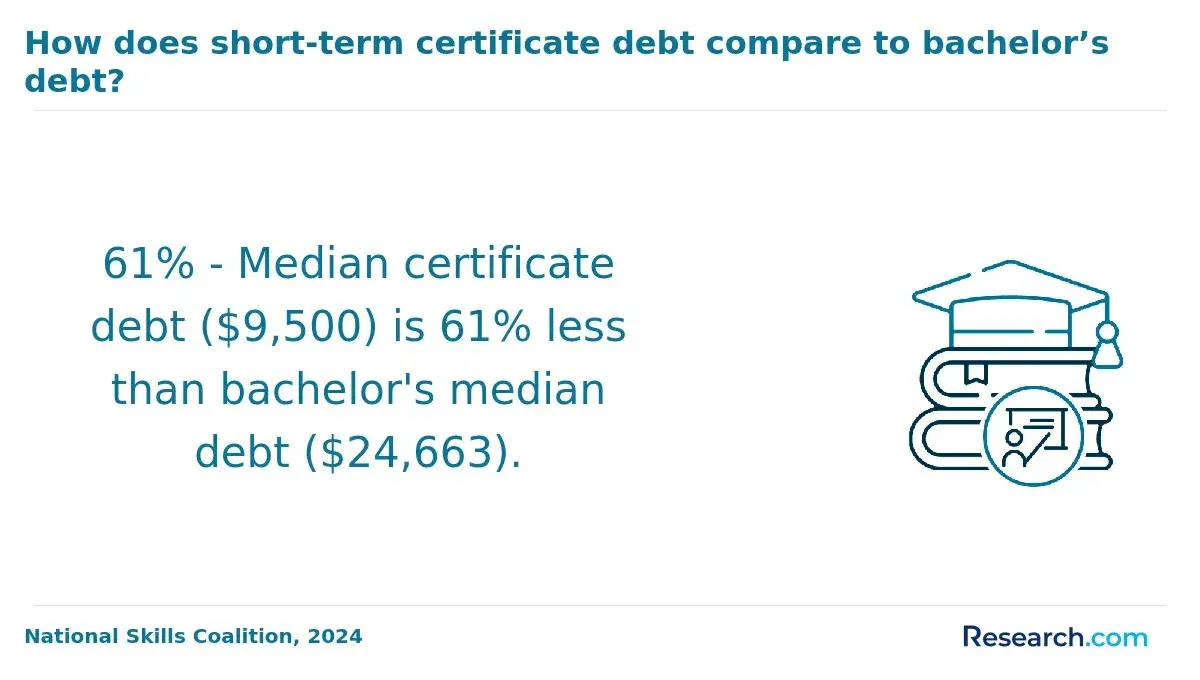
The cost of an entertainment business master’s degree depends heavily on institution type, residency status, delivery format, location, and whether you study full time or part time. Public universities typically charge $15,000 to $25,000 annually for residents, while private institutions can charge $30,000 to $40,000 or more. Online programs may reduce relocation and commuting costs and can make it easier to keep working while enrolled.
When comparing programs, look beyond tuition. A realistic budget should include fees, books, software, travel, housing, internship-related expenses, networking events, and the income you may give up if you reduce work hours.
- Tuition and fees: Compare total program cost, not just cost per credit. Some programs include technology, portfolio, or graduation fees that affect the final amount.
- Living expenses: Programs in major entertainment markets may improve networking access but can increase housing and transportation costs.
- Online versus campus-based study: Online programs may be more flexible for working professionals, while campus programs may offer stronger local networking, studio access, or internship pipelines.
- Scholarships and fellowships: Apply early for institutional scholarships, department awards, diversity scholarships, and industry-related fellowships. Funding deadlines often arrive before admission deadlines.
- Graduate assistantships: Assistantships may reduce tuition or provide a stipend in exchange for teaching, research, administrative, or production-related support.
- Employer tuition reimbursement: If you work in media, marketing, events, or a related business role, ask whether your employer offers tuition assistance and whether you must remain employed for a set period afterward.
- Federal student loans: Federal loans can help finance graduate study, but borrowing should be tied to a clear repayment plan and realistic salary expectations.
- Part-time enrollment: Studying part time can extend the timeline but may reduce debt by allowing you to keep income while completing the degree.
To evaluate ROI, compare the total cost of attendance with the salary range for your target role, the likelihood of entering that role, and the value of the program’s network. A program with strong internships and employer ties may be worth more than a cheaper program with limited industry access, but only if those opportunities match your career goals.
One graduate described financing as a planning challenge rather than a single decision: “Balancing work while studying online helped me avoid large debts.” They noted that fellowships covered much of the tuition and that early research made the degree more manageable. Their experience points to a practical lesson: apply for aid early, ask specific questions about assistantships, and build a budget before enrolling.
How Long Does It Take to Earn a Entertainment Business Master's Degree?
Most full-time entertainment business master’s programs take 1.5 to 2 years to complete. Part-time and online formats usually take 3-4 years, depending on course load, internship requirements, transfer credits, and whether the program includes a thesis, capstone, or practicum.
The right timeline depends on your current job, finances, experience level, and urgency to change roles. A faster program can help you reenter the job market sooner, but it may leave less time for internships, networking, and portfolio building. A slower format can be better for working professionals who need income and want to apply coursework immediately on the job.
- Full-time programs: Usually best for students who can pause or reduce work, relocate if needed, and commit to internships or campus-based opportunities.
- Part-time programs: Often better for working professionals who want to keep earning income while building credentials gradually.
- Online programs: Useful for students outside major entertainment hubs or those balancing work, family, and study. Check whether online students receive equal access to career services and networking events.
- Accelerated pathways: Some universities offer accelerated or combined bachelor’s/master’s options that shorten the overall timeline by overlapping coursework or applying eligible credits.
- Transfer credits: Prior graduate coursework may reduce time to completion, but policies differ by school and course relevance.
- Thesis tracks: A thesis may add several months because of research, approval, writing, and revision requirements. It can be useful for students considering academic, research, or policy-oriented work.
- Non-thesis or capstone tracks: These often focus on applied business projects, consulting work, or strategic plans and may fit students targeting industry roles.
- Internships and practicums: Required fieldwork can extend the schedule if placements are seasonal, competitive, or limited to certain markets.
Students comparing cost, pace, and online delivery across fields may find it helpful to review affordability models such as cheapest online engineering degree programs, then apply the same comparison logic to entertainment business: total cost, schedule flexibility, employer connections, and completion timeline.
What Career Paths Are Available with a Entertainment Business Master's Degree?
An entertainment business master’s degree can lead to roles in film, television, music, streaming, gaming, live events, digital media, talent representation, marketing, finance, and arts administration. The degree is most useful when paired with industry experience, a strong network, and a portfolio of applied work.
Graduates rarely move directly into senior leadership without prior experience. More commonly, the degree helps them qualify for business-side roles, accelerate promotion, or shift from creative or operational work into management.
- Marketing and audience development: Graduates may work as marketing specialists, campaign managers, audience analysts, or entertainment marketing strategists. These roles focus on promotion, brand positioning, audience research, and digital engagement.
- Production and operations: Production coordinators, production managers, and project managers help keep film, television, live event, or digital content projects on budget and on schedule.
- Talent and artist management: Talent managers and artist managers support career planning, contract coordination, booking, branding, and long-term professional strategy for performers or creators.
- Finance and business affairs: Business analysts, financial coordinators, production accountants, and financial directors handle budgets, forecasts, revenue models, licensing costs, and deal evaluation.
- Content strategy and distribution: Graduates may work with studios, streaming platforms, or media companies on acquisition, programming, licensing, release strategy, or international distribution.
- Arts administration and nonprofit leadership: Museums, cultural organizations, festivals, and public arts agencies hire graduates for programming, fundraising, operations, and community engagement roles.
- Executive leadership: With significant experience, professionals may move into senior roles such as director of business development, chief content officer, studio executive, or division leader.
- Academic and research pathways: Graduates interested in teaching or research may continue into doctoral study or work in media policy, entertainment management research, or higher education.
- Adjacent industries: Advertising agencies, digital media firms, sports entertainment companies, event management businesses, and brand partnerships teams often value similar skills.
One graduate explained that the degree helped them translate interest in entertainment into practical business skills: “Navigating the entertainment sector was overwhelming at first, but the comprehensive curriculum gave me confidence. Learning practical marketing and finance skills meant I didn’t have to start from scratch.” That experience reflects a key benefit of the degree: it can provide structure and credibility, but students still need internships, networking, and targeted job search strategies to compete effectively.
What Is the Average Salary for Entertainment Business Master's Degree Holders?
Salaries for entertainment business master’s degree holders vary widely by role, experience, employer type, market size, and performance incentives. A graduate degree may improve access to management and strategy roles, but it does not guarantee a high salary immediately after graduation.
- Entry-level salaries: Recent graduates typically earn between $50,000 and $70,000 annually, depending on role, employer size, location, and prior experience. Major markets such as Los Angeles and New York may pay more, but they also carry higher living costs.
- Mid-career earnings: With five to ten years of experience, salaries often rise to $80,000 to $120,000, especially for professionals managing budgets, teams, campaigns, partnerships, or business strategy.
- Senior-level compensation: Senior professionals and executives can earn salaries exceeding $150,000, particularly at large studios, global media companies, major live entertainment firms, or high-revenue private employers.
- Bonuses and incentives: Compensation may include bonuses, equity, commissions, profit participation, or performance-based pay, depending on the role and organization.
- Employer differences: Private sector roles often provide higher cash compensation and incentives. Public sector and nonprofit roles may offer lower base salaries but can provide stable benefits and mission-driven work.
- Location differences: Coastal entertainment hubs often pay more than smaller markets, though competition and living expenses are also higher.
- Master’s degree premium: Holding a master’s degree in entertainment business is associated with a 10% to 20% salary increase over bachelor’s degree holders, particularly for managerial and strategic roles.
When evaluating salary outcomes, ask programs for role-specific graduate placement data rather than broad averages. The most useful figures show job title, employer type, location, time to employment, and whether graduates were already working in the industry before enrolling.
What Professional Certifications Complement a Entertainment Business Master's Degree?
Professional certifications can strengthen an entertainment business master’s degree when they match a specific career target. They are most valuable when they verify skills employers already need, such as project management, entertainment finance, digital marketing, or leadership. Certifications should not be used as a substitute for experience, but they can help graduates compete for specialized roles.
- Certified Entertainment Industry Financial Professional (CEIFP): Offered by The Entertainment Industry Financial Professionals Association (EIFPA), this certification is designed for professionals with experience in entertainment finance or business management. Candidates must pass an exam focused on industry-specific financial practices and renew every three years with continuing education. It is most relevant for budgeting, financial analysis, production accounting, and business management roles in studios, agencies, or production companies.
- Project Management Professional (PMP): Administered by the Project Management Institute (PMI), the PMP is useful for professionals managing productions, events, campaigns, technology launches, or cross-functional media projects. Eligibility requires 36 months of project management experience and 35 hours of education. The exam covers initiation, planning, execution, and closing, and renewal is required every three years. PMI reports salary boosts of 20% or more, though individual outcomes depend on role, industry, and experience.
- Certified Digital Marketing Professional: Offered by the Digital Marketing Institute, this credential can help graduates pursuing entertainment marketing, audience development, social media strategy, or content promotion. It requires no prior experience and uses a multiple-choice exam. Certification is valid for three years before renewal. Skills in SEO, social media, analytics, and content marketing are especially relevant for streaming, music, film, live events, and creator-driven businesses.
The best timing depends on the credential. PMP is often more useful after you have enough project leadership experience to meet eligibility and apply the framework at work. CEIFP is strongest for professionals already moving into entertainment finance. Digital marketing certification can be valuable earlier, especially for students seeking internships or entry-level marketing roles.
Students interested in longer-term leadership preparation may also compare an online phd leadership program, particularly if they plan to move toward executive, consulting, academic, or organizational strategy roles.
What Are the Top Industries Hiring Entertainment Business Master's Degree Graduates?
The strongest hiring opportunities for entertainment business master’s graduates are in industries that need professionals who can connect creative work with revenue, audiences, distribution, rights, partnerships, and operations. Students should choose internships, electives, and networking activities based on the sector they want to enter.
- Film and television: Studios, production companies, distributors, and independent producers hire graduates for production management, distribution strategy, marketing, development support, and business affairs. Knowledge of intellectual property law, contracts, budgeting, and digital rights management is valuable.
- Streaming and digital media: Streaming platforms and online media companies need professionals in content acquisition, audience analytics, licensing, programming strategy, and subscriber growth. Data literacy and understanding of digital distribution are especially important.
- Music and talent management: Record labels, artist management firms, agencies, touring companies, and music publishers hire for artist development, marketing, royalties, licensing, partnerships, and tour support.
- Live entertainment and events: Concert promoters, venues, festivals, sports entertainment organizations, and event companies hire event coordinators, sponsorship managers, talent buyers, venue managers, and operations leaders. Contract negotiation and project leadership matter in this sector.
- Gaming and interactive entertainment: Gaming companies and interactive media firms may hire for business strategy, licensing, partnerships, marketing, esports operations, and community growth.
- Advertising, branding, and experiential marketing: Agencies and brand partnership teams value entertainment business graduates who understand audiences, creators, sponsorships, campaigns, and cross-platform promotion.
- Government and nonprofit arts organizations: Public agencies, cultural institutions, and nonprofits hire for arts administration, programming, grants, fundraising, compliance, and community engagement.
According to U.S. Bureau of Labor Statistics data, employment in media and communications is projected to grow 7% between 2022 and 2032. To compete for these openings, students should pursue internships in their preferred sector, build industry-specific portfolios, attend conferences or professional events, and take coursework in contract law, media finance, analytics, and emerging technology.
What Are the Highest-Paying Jobs for Entertainment Business Master's Degree Holders?
The highest-paying entertainment business roles usually require more than a graduate degree. They typically demand years of industry experience, strong relationships, financial judgment, negotiation skill, and a record of successful projects or revenue growth. A master’s degree can support advancement, but senior compensation is usually tied to performance and responsibility.
- Senior Entertainment Executive: Senior leaders such as studio heads or division presidents can command median salaries above $200,000. They guide company strategy, oversee major content or business units, lead negotiations, and make high-stakes financial decisions. These roles usually require over a decade of leadership experience, plus knowledge of finance, entertainment law, and market strategy.
- Film and Television Producer: Producers manage development, financing, production, staffing, schedules, budgets, and distribution relationships. They earn around $120,000 on average. Success depends on fundraising, budgeting, contract negotiation, creative judgment, and the ability to coordinate teams under pressure.
- Entertainment Marketing Director: Marketing directors earn approximately $110,000 and lead campaigns for films, television, music, games, live events, or digital content. Employers value branding expertise, consumer behavior analytics, media buying knowledge, digital strategy, and campaign measurement.
- Talent Agent or Manager: Talent agents and managers earn incomes ranging from $90,000 to $150,000. They represent performers, creators, or artists; negotiate opportunities; coordinate branding; and guide long-term career development. Licensing requirements, negotiation skills, and deep industry networks are critical.
- Media Rights Manager: Media rights managers often earn upwards of $100,000. They handle licensing agreements, intellectual property issues, content distribution rights, and revenue opportunities across domestic and global markets. Legal literacy and attention to contract details are essential.
Additional qualifications, such as professional certifications in entertainment law, MBAs with relevant specializations, or doctoral degrees, can improve access to senior roles when paired with experience. Location also matters: established hubs such as Los Angeles and New York often offer higher salaries, while emerging markets may provide faster growth opportunities with lower initial pay.
What Is the Job Outlook and Employment Growth for Entertainment Business Professionals?
The job outlook for entertainment business professionals is positive but uneven. Employment growth projections slightly surpass the national average of 5% for all occupations through 2032, and demand is supported by digital media expansion, live entertainment, streaming, global content distribution, and brand partnerships. However, competition remains strong because many candidates are attracted to entertainment careers.
- Growing demand in key roles: Marketing managers, producers, public relations specialists, content strategists, and project leaders are expected to see steady demand as companies compete for audiences across platforms.
- Digital media expansion: Streaming services, social platforms, gaming, and virtual reality increase the need for professionals who understand content monetization, audience engagement, licensing, and analytics.
- Consumer spending and live entertainment: Demand for concerts, festivals, sports entertainment, and experiential events supports roles in event operations, sponsorship, venue management, and talent coordination.
- Automation effects: Automation may reduce some repetitive administrative tasks, but it can increase demand for workers who can interpret data, manage strategy, and coordinate complex creative-business decisions.
- Globalization: International distribution and cross-border partnerships create opportunities for professionals with global market awareness, cross-cultural communication skills, and knowledge of content licensing.
- Regulatory and policy shifts: Changes in intellectual property law, labor rules, data privacy, and global trade agreements can affect hiring needs and job stability.
Students who want stronger analytical preparation may also compare online data science programs, since data-driven decision-making is increasingly useful in audience analysis, marketing strategy, streaming performance, and content investment.
What Skills and Competencies Does a Entertainment Business Master's Program Develop?
An entertainment business master’s program should develop both business fundamentals and industry-specific judgment. The strongest programs connect coursework to real entertainment problems: financing a production, launching a campaign, negotiating rights, analyzing audiences, managing teams, and evaluating new distribution models.
- Financial analysis: Students learn to read budgets, evaluate revenue models, assess project feasibility, and understand how financing decisions affect creative and business outcomes.
- Market research and analytics: Coursework often develops skills in audience research, competitive analysis, consumer behavior, campaign measurement, and data-supported decision-making.
- Intellectual property and rights management: Graduates need a working understanding of contracts, licensing, royalties, rights windows, and ownership issues across film, television, music, gaming, and digital media.
- Marketing and brand strategy: Programs build skills in promotion, positioning, social media, content marketing, partnership strategy, and audience engagement.
- Project and production management: Students learn to coordinate timelines, budgets, stakeholders, vendors, talent, and deliverables under changing conditions.
- Leadership and communication: Entertainment work requires clear communication among creative, legal, financial, technical, and executive teams. Programs often emphasize presentation skills, negotiation, conflict management, and team leadership.
- Critical thinking: Graduates should be able to evaluate incomplete information, compare strategic options, manage risk, and make practical recommendations.
- Industry software and tools: Depending on the program, students may use budgeting tools, analytics platforms, project management software, marketing dashboards, or media planning systems.
- Experiential learning: Internships, simulations, consulting projects, group work, and capstones help students turn classroom concepts into employer-ready evidence of skill.
When comparing programs, ask how each competency is assessed. A course title alone is not enough. Strong programs require applied projects, case analysis, presentations, employer engagement, or portfolio work that can be shown during a job search.
What Graduates Say About Their Entertainment Business Master's Degree
-
: "
Applying to an online entertainment business master’s program felt overwhelming at first, but I was determined to make it work. I spent a lot of time researching accredited institutions to ensure my degree would hold value in the industry. Relying on official academic catalogs and federal education resources helped me understand the requirements thoroughly, making the entire process smoother and much less stressful. — Janet
"
-
: "
Navigating the landscape of entertainment business master’s programs was a complex journey that taught me patience and persistence. I appreciated having access to detailed academic catalogs that clarified course structures and credit necessities. Ultimately, that attention to formal accreditation standards gave me confidence my degree would open doors in this competitive field. — Kyro
"
-
: "
From the moment I started applying to entertainment business master’s degrees, I knew verifying accreditation was crucial to protect my investment. Consulting multiple federal education sources reassured me about program quality and legitimacy. Reflecting on this experience, I’m proud I took the professional approach to educate myself before committing, which paid off in the end. — Cherry
"
Other Things You Should Know About Entertainment Business Degrees
In 2027, graduates with a master's degree in entertainment business can expect an initial average salary ranging from $60,000 to $90,000. With experience, professionals in senior roles, such as producers or managers, may see their salaries exceed $150,000, depending on their location and industry connections.
Essential skills include strategic management, negotiation, marketing, and digital media proficiency. Mastering these skills prepares students to navigate the dynamic entertainment industry. Universities may also prioritize courses in finance and project management to enhance graduates' career prospects in 2027.
Look for institutional accreditation from a U.S. Department of Education-recognized agency, plus business accreditation such as AACSB, ACBSP, or IACBE if the degree is housed in a business school. Accreditation affects financial aid eligibility, credit transfer, and employer recognition.
Applicants typically need a bachelor's degree in a related field and relevant work experience. Some programs may require standardized test scores like the GRE or GMAT. Each institution may also have specific application deadlines and criteria to consider.
References
- Master of Arts in Entertainment Industry Management (EIM) https://tsengcollege.csun.edu/programs/EIM/tuition-and-fees
- MBA Pay By Industry & School https://poetsandquants.com/2023/11/06/mba-pay-by-industry-and-school/11/
- The Value of an MBA in the Entertainment Industry https://vault.com/blogs/job-search/the-value-of-an-mba-in-the-entertainment-industry
- 2025 media and entertainment outlook https://www.deloitte.com/us/en/insights/industry/technology/technology-media-telecom-outlooks/2025-media-entertainment-outlook.html
- MBA Salary: How Much Can You Earn After Graduation? | Walbrook https://www.walbrook.ac.uk/subjects/mba/mba-degree-salary-how-much-can-you-earn/
- Business and Management of Entertainment | UCLA Extension https://www.uclaextension.edu/entertainment/film-tv/certificate/business-and-management-entertainment
- Entertainment Business Master's Degree https://www.fullsail.edu/degrees/entertainment-business-master
- Special Executive Masters Program In Media and Entertainment | Metropolitan School of Business & Management UK https://msbm.org.uk/tripura/programme/special-executive-masters-program-in-media-and-entertainment
- World's Largest platform as University Common Application https://www.planstudyabroad.uniagents.com/course-details.php
- FAQs: Entertainment Business Master's Degree - The Hub https://hub.fullsail.edu/articles/faqs-entertainment-business-masters-degree