2027 Applied Science Degree Popularity by Gender, Region, and Degree Level

Co-Founder and Chief Data Scientist
Consider a student comparing programs who notices that enrollment in applied science degrees in the Midwest rose by 15% between 2022 and 2024 while southern states faced a 7% decline. This variation raises questions about regional demand and whether program reputations differ by location. Gender representation adds complexity: women now make up 42% of enrollees nationally, a shift that influences peer dynamics and diversity-driven hiring practices. Meanwhile, the surge in bachelor's completions versus stable associate degree numbers signals changing workforce expectations. Interpreting these trends affects access, networking, and long-term employability.
This article analyzes applied science degree popularity across gender, region, and degree level to clarify these patterns and inform educational and career decision-making.
Key Things to Know About Applied Science Degree Popularity by Gender, Region, and Degree Level
- Gender disparities remain notable, with women comprising only 28% of applied science undergraduates in 2024, suggesting persistent barriers that may limit workforce diversity and innovation potential in technical sectors.
- Enrollment is concentrated in urban regions accounting for 75% of applied science degrees awarded, reflecting unequal access that affects rural talent pipelines and exacerbates regional workforce imbalances.
- Graduate-level programs saw a 12% enrollment decline due to rising costs and time commitments, posing tradeoffs professionals must weigh between advanced specialization and immediate workforce entry.
- Key Things to Know About Applied Science Degree Popularity by Gender, Region, and Degree Level Key Things to Know About Applied Science Degree Popularity by Gender, Region, and Degree Level
- How Does Job Market Demand Influence Applied Science Degree Popularity? Market Demand and Degree Popularity
- How Does Online Applied Science Degree Enrollment Compare to Traditional Campus Programs? Online vs. Campus Enrollment
- What Degree Level Is Most Common Among Applied Science Students? Most Common Degree Levels
- How Do Enrollment Trends Differ Between Associate, Bachelor's, Master's, and Doctoral Applied Science Degrees? Enrollment Trends by Degree Level
- How Popular Is the Applied Science Degree Compared to Other College Majors? Degree Popularity vs. Other Majors
- Why Is the Applied Science Degree More Popular in Certain States and Regions? Regional Popularity Drivers
- What Demographic Groups Are Driving Growth in Applied Science Degree Programs? Growth by Demographic Groups
- What Is the Future Outlook for Applied Science Degree Enrollment by Gender, Region, and Degree Level? What Is the Future Outlook for Applied Science Degree Enrollment by Gender, Region, and Degree Level?
- How Have Applied Science Degree Enrollment Trends Changed Over the Past Decade? How Have Applied Science Degree Enrollment Trends Changed Over the Past Decade?
- Where Is the Applied Science Degree Most Popular Across the United States? Geographic Popularity Analysis
How Does Job Market Demand Influence Applied Science Degree Popularity?
Job market demand critically shapes applied science degree popularity across gender, region, and degree level, but enrollment patterns reflect more than just raw hiring projections. For instance, rapidly expanding fields like healthcare technology demonstrate increasing demand across healthcare systems, which attracts higher enrollment among women compared to traditionally male-dominated engineering pathways. However, licensing requirements and advanced credentialing in some applied science subfields can deter immediate entry-level enrollment despite strong occupational growth, illustrating that workforce needs intertwine with educational barriers and professional trajectories.
Regional employment trends affecting applied science degree popularity further complicate enrollment dynamics. States with concentrated technology manufacturing or renewable energy sectors, such as California and Texas, often see elevated program participation aligned with local industry clusters, while regions with fewer present or emerging industries lag in applied science enrollments. This geographic variability also influences decisions about degree level, with more students pursuing graduate education in regions where employer demand favors advanced skills or specialization. Prospective students strategizing their educational investments may consider these factors alongside options like an online MSW to navigate regional differences and sector-specific labor markets effectively.
How Does Online Applied Science Degree Enrollment Compare to Traditional Campus Programs?
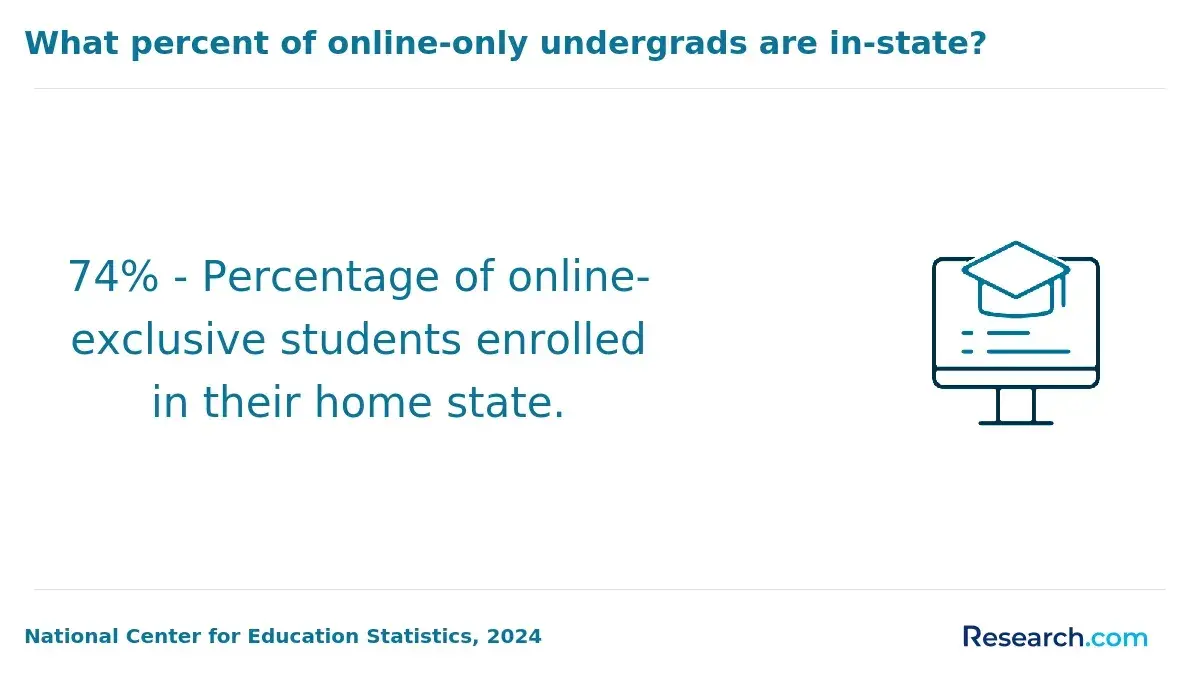
Online applied science degree programs have drawn a disproportionately larger share of adult learners, particularly those 25 and older balancing education with jobs and family responsibilities, while campus-based programs continue to attract younger students fresh from high school. This distinction shapes enrollment patterns, as asynchronous and modular online formats better suit nontraditional students, whereas on-campus options remain favored for their hands-on lab access and social immersion. Regional disparities also influence modality preference; students in rural or underserved areas increasingly rely on online offerings to overcome geographic barriers, a trend most pronounced in the Midwest and South, though fields requiring extensive in-person training still limit fully remote participation. According to the National Center for Education Statistics 2024 data, approximately 40% of new enrollments in applied science fields are now online or hybrid, marking a notable rise from prior estimates near 25%, underscoring the sector's evolving accessibility and demographic reach.
Such modality-driven enrollment shifts carry practical implications for prospective students weighing flexibility against the benefits of face-to-face interaction. While online programs expand access and accommodate diverse schedules, they often demand heightened self-motivation and may lack immediate faculty engagement and physical resources favored in traditional settings. Completion rates reflect these tradeoffs; research from the Online Learning Consortium in 2024 notes slightly lower graduation outcomes for online applied science students-around 58%-relative to 65% for campus attendees, though employment success post-graduation appears comparable when curricula incorporate industry credentials and experiential components. These dynamics highlight the importance of aligning program format with personal learning styles, career objectives, and life circumstances rather than defaulting to perceived popularity or convenience.
One student recounts deciding between a local campus program and a growing online applied science option amid limited nearby institutions offering desired specializations. Juggling a full-time job and family care, they initially doubted an online degree's value compared to traditional study, concerned about missing peer interaction and direct mentorship. However, the flexibility of asynchronous coursework ultimately proved critical, enabling steady progress without geographic relocation. Despite early skepticism, they found the online program's industry-aligned modules and occasional synchronous sessions fostered a sufficient blend of autonomy and support, reaffirming that modality choice extends beyond enrollment figures to nuanced personal and professional fit.
What Degree Level Is Most Common Among Applied Science Students?
Bachelor's degrees dominate the landscape of applied science education, accounting for roughly 62% of new enrollments according to 2024 data from the National Center for Education Statistics. This preference reflects labor market realities where employers regularly set bachelor's attainment as a baseline for technical roles that balance theoretical knowledge and practical skills. The accessibility of online and hybrid bachelor's programs also broadens who can pursue this level of education, further boosting its prevalence compared to associate or graduate degrees.
Associate degrees remain a viable pathway for certain demographics, particularly those seeking faster entry into the workforce or direct technical roles within industries like manufacturing and health technologies. However, these credentials often function as interim steps rather than final destinations, with many students transitioning to four-year programs to expand their career horizons. Meanwhile, graduate studies make up a relatively small segment, with master's and doctoral enrollments reflecting specialization demands rather than mass entry points. This distribution underscores a fundamental tradeoff: bachelor's degrees serve as the critical gateway to stable career opportunities, while advanced degrees target niche expertise or leadership roles that fewer students pursue.
For applied science students weighing their educational trajectory, these enrollment patterns highlight the practical implications of degree choice. Opting for an associate program may accelerate workforce entry but can limit upward mobility without subsequent credentialing. Conversely, investing the extra time for a bachelor's degree aligns more closely with widespread employer expectations and long-term adaptability. Graduate programs, though smaller in scale, cater mostly to those with specific professional goals that require deep specialization or research focus, which shapes both institutional offerings and student decisions in this field.
How Do Enrollment Trends Differ Between Associate, Bachelor's, Master's, and Doctoral Applied Science Degrees?
Enrollment patterns in applied science degrees reflect distinct workforce and educational functions at each level, influencing both student selection and career outcomes. Associate degree programs, growing modestly by about 3% annually according to the National Center for Education Statistics (2024), tend to attract non-traditional and part-time learners focused on rapid entry into technical jobs, emphasizing immediate employability over academic depth. In contrast, bachelor's degrees serve as the primary credential for a diverse group of students, including increased representation of women and minorities, offering a comprehensive foundation that balances theory and practice for mid-level roles and serves as a prerequisite for advanced studies.
Master's and doctoral enrollments reveal regional and demographic trends tied to specialization and research demand, particularly noticeable in urban and coastal areas with strong institutional support. Master's programs experience faster growth-approximately 5% annually-as students pursue niche expertise and leadership qualifications in fields like engineering technology and environmental sciences. Doctoral studies remain limited yet vital for innovation and academic careers, with enrollment concentrated among males and in research-intensive regions, underscoring barriers to entry and the selective nature of these paths. Prospective students navigating applied science degree enrollment by degree level must weigh these patterns carefully, considering not only program availability but also how demographic shifts and geographic factors impact opportunities for specialization and workforce integration. For applied science students comparing options, resources such as the cheapest online business degree listings can inform cost-effective planning amid these complex educational trajectories.
How Popular Is the Applied Science Degree Compared to Other College Majors?
The relative popularity of the applied science degree highlights its role as a specialized but strategically valuable pathway rather than a broadly pursued major like business or health professions. Representing about 4% of bachelor's degree completions in the 2023-2024 academic year, applied science programs attract students focused on practical, interdisciplinary skill sets that align closely with specific regional industries. Unlike more generalized STEM or liberal arts fields, the concentration around Midwest and Western states reflects workforce demands in manufacturing, agriculture, and technology sectors, which can enhance job placement prospects but may also limit transferability and peer network size in more diverse markets.
Gender imbalance remains a notable characteristic within applied science enrollment, with men comprising roughly 65% of graduates according to 2024 data from IPEDS. This disparity echoes broader STEM trends and signals ongoing challenges in recruitment and retention of women. Meanwhile, graduate-level programs are experiencing moderate growth, driven by employer expectations for combined technical and managerial competencies. For prospective students, these factors should shape decisions around program availability, specialization opportunities, and alignment with long-term career goals rather than enrollment volume alone.
One former applied science graduate recalls initially questioning the major's visibility after joining a small cohort compared to the large business school classes on campus. Academic advisors cautioned that while it wasn't among the most popular fields, the degree's practical focus and growing niche recognition in regional industries provided distinct advantages for employment. The student's hesitation about choosing a less common major was tempered by observing peers securing positions in specialized sectors and witnessing incremental expansions of the program in subsequent years, which offered some reassurance about future relevance and support.
Why Is the Applied Science Degree More Popular in Certain States and Regions?
The concentration of industries such as technology, manufacturing, and healthcare in states like California, Texas, and Florida directly shapes applied science degree popularity by state, aligning academic offerings with tangible local employer demand. These regional clusters produce a more competitive and interconnected environment for students, influencing both program selection and career path decisions. For example, the Pacific Northwest's biotech firms drive tailored curricula that equip graduates with specific technical skills, enhancing employability in those labor markets. This creates disparities where program availability and perceived value vary notably between states, impacting student networking opportunities and long-term career outcomes.
Regional demand for applied science graduates is further shaped by demographic trends and access to quality education, with younger populations and higher postsecondary participation fostering greater enrollment in certain areas. However, uneven adoption of online education and resource limitations in rural or underfunded regions restrict growth and perpetuate gaps in degree popularity and workforce integration. State policies prioritizing STEM funding and workforce development actively influence these dynamics, supporting enhanced pathways that connect students to local industries. Prospective students and current degree holders must weigh these factors carefully-balancing the immediate availability of relevant programs against the broader network and job market implications. Those considering advanced study might also compare options like a masters in organizational leadership to complement technical expertise and expand career flexibility.
What Demographic Groups Are Driving Growth in Applied Science Degree Programs?
Shifts in applied science degree enrollment increasingly reflect workforce realities where adult learners aged 25 and older pursue targeted upskilling to meet technical and practical demands in healthcare, technology, and manufacturing sectors. Rising female participation at associate and bachelor's levels signals the impact of diversity initiatives, yet persistent male dominance in specialized tracks points to ongoing occupational sorting that shapes both program cultures and labor market access. The predominance of growth among ethnic minorities such as Hispanic and Native American students further highlights applied science as a strategic choice tied to regional economic conditions and job accessibility rather than purely academic interest.
Geographic patterns reveal that states experiencing industrial growth, notably in the Sun Belt and Midwest, drive demand for applied science credentials, emphasizing localized workforce alignment rather than national uniformity. The expansion of online learning platforms has been critical in enabling working adults, including first-generation and rural students, to overcome traditional barriers related to time, location, and caregiving responsibilities, although this also reshapes peer dynamics and support networks within programs. Collectively, these trends suggest that program development must balance diverse educational needs and practical employment outcomes, with educators and policymakers adapting curricula and services not just for quantity but for meaningful long-term career relevancy.
What Is the Future Outlook for Applied Science Degree Enrollment by Gender, Region, and Degree Level?
Enrollment in applied science degree programs is poised for moderate expansion shaped by shifting demographic and regional factors rather than uniform growth. Women's participation is notably increasing, now making up about 40% of enrollments according to the 2024 Integrated Postsecondary Education Data System, reflecting targeted recruitment and the diversification of applied science roles beyond traditional sectors. This trend not only signals greater gender balance but also pressures institutions to adapt support services and curricula to meet the needs of a more diverse student body with varying career objectives.
Regionally, enrollment projections diverge sharply, with the Western and Southern United States expecting stronger growth driven by expanding technology clusters and younger populations entering higher education, while parts of the Northeast face stagnation or decline due to demographic aging. These regional disparities influence program availability and labor market alignment, meaning students' geographic location will increasingly affect access to programs with strong employer connections. Moreover, on-campus and online associate degree programs retain robust demand because they align closely with immediate workforce needs, especially in fields like healthcare technology, whereas bachelor's and graduate programs attract more part-time learners balancing work and study, facilitated by the rise of online and flexible learning models.
This evolving landscape requires students, graduates, and workforce planners to weigh how gender representation, geographic residence, and degree level impact long-term career trajectories. Policymakers and education leaders must focus on equitable access and regional responsiveness to ensure programs remain relevant and that credential value matches employer expectations. Practical decisions on program selection should consider not only current labor market supply but also how demographic trends and institutional adaptations will shape future opportunities across applied science disciplines.
How Have Applied Science Degree Enrollment Trends Changed Over the Past Decade?
Long-term shifts in applied science degree enrollment reflect changing workforce demands and demographic dynamics that influence educational choices and program viability. Over the past decade, enrollment growth has been uneven across regions, with the South and West experiencing the strongest increases as expanding technical industries and community college investments foster more accessible and flexible pathways. This regional variation in applied science degree enrollment trends by region also aligns with rising adoption of online and hybrid formats, which accommodate non-traditional students balancing employment and family commitments, thereby affecting program availability and student demand.
Gender composition within applied science programs has moved toward greater balance, with female enrollment rising from roughly one-third to nearly 40% of students, reinforcing efforts to diversify STEM-related fields. Meanwhile, degree completions reveal a clear preference for shorter, career-focused associate degrees over bachelor's, which have grown more modestly due to employer emphasis on practical skills over advanced academic credentials in many applied sectors. These changes in applied science degree popularity over past decade shape perceptions of degree relevance and influence decisions about whether to pursue associate-level credentials or invest more time into a bachelor's degree, depending on labor market conditions and individual career goals.
Prospective students should weigh such shifts against potential market saturation in certain applied science subfields and regional labor fluctuations that may affect earnings and job steadiness. Evaluating educational pathways with an understanding of these practical tradeoffs is crucial, whether comparing traditional classroom formats, online options like online photography degrees, or hybrid models. Awareness of these nuanced enrollment trends helps current students, graduates, and workforce analysts contextualize applied science education's evolving role within technical career landscapes.
Where Is the Applied Science Degree Most Popular Across the United States?
Applied science degree popularity clusters in regions where industry demand intersects with educational infrastructure, rather than being uniformly distributed across the United States. States with strong manufacturing bases or expanding healthcare and energy sectors often report higher enrollment, reflecting employer-driven needs for specialized technical skillsets. This spatial concentration affects student opportunities by shaping program availability and local industry connections, which can influence networking, internship access, and ultimately, job placement after graduation. For prospective students, analyzing these patterns is critical since the perceived value of an applied science degree can vary significantly based on regional economic context and workforce alignment.
Midwestern and Southern states exemplify this dynamic, with areas like Michigan and North Carolina benefiting from a dense network of technical colleges and partnerships with local employers that tailor curricula to practical demands. Such regions not only support degree attainment but also foster career pathways closely linked to dominant industries, aligning with the broader trends of applied science degree popularity in US regions. Conversely, states lacking this industrial and educational ecosystem often see lower enrollment and fewer programs, potentially limiting access for students. Those weighing educational choices should also consider emerging sectors and evolving roles, such as what does an AI trainer do, to align training with labor market shifts.
References
- Most Popular College Degrees By Gender https://www.collegeatlas.org/top-degrees-by-gender.html
- Did the decade-long enrollment decline turn around? https://bryanalexander.org/enrollment/did-the-decade-long-enrollment-decline-turn-around/
- How Changing College Majors Are Reshaping the Future Workforce — The Burning Glass Institute https://www.burningglassinstitute.org/bginsights/how-changing-college-majors-are-reshaping-the-future-workforce
- What European universities of applied sciences can learn from each other https://blog.eera-ecer.de/european-universities-of-applied-sciences/
- STEM Statistics: Higher Education https://ngcproject.org/resources/stem-statistics-higher-education
- Types of College Degrees https://www.act.org/content/act/en/students-and-parents/high-school-success/what-to-do-after-high-school/college-degrees.html
- What the World Wants to Study: The most popular degrees in each country - University of the Potomac https://potomac.edu/the-most-popular-degrees-in-us-and-worldwide/
- Applied Sciences Degree Meets Job Market Demands – Alumni Satisfied with Career Progression https://www.novia.fi/en/news/news/applied-sciences-degree-meets-job-market-demands-alumni-satisfied-with-career-progression
- Major changes: Gender shifts in undergraduate studies over time https://aibm.org/research/major-changes-gender-shifts-in-undergraduate-studies-over-time/
- 53 Best Applied Sciences courses In the USA 2026 https://www.hotcoursesabroad.com/study/training-degrees/us-usa/applied-sciences-courses/loc/211/cgory/ra.14-4/sin/ct/programs.html
Other Things You Should Know About Applied Science
Gender disparities in applied science programs often reflect broader industry trends that can affect networking opportunities and workplace culture post-graduation. For example, fields with lower female enrollment may present challenges such as less peer mentorship and potential biases, which impact learning and professional integration. Prospective students should weigh whether they prefer environments with stronger gender representation to enhance support or are prepared to navigate potential isolation, considering how this might affect their academic experience and career trajectory.
Regional differences significantly influence program specialization and industry alignment, impacting curriculum relevance and internship availability. Areas with high enrollment in applied science often have stronger industry ties, offering practical exposure and tailored skill development. Choosing a program in a region with lower degree popularity may limit these applied experiences and networking, so students should prioritize programs that align with their career goals even if located outside their preferred region.
An undergraduate degree typically focuses on broad foundational skills and practical entry-level competencies, while graduate programs emphasize specialization and research, demanding greater time and academic intensity. Students must consider their readiness for advanced study against potential gains in expertise and job prospects. For those in fields where experience weighs heavily, gaining work exposure before committing to graduate study might offer better long-term returns than immediate continuation.
Employers often expect bachelor's degree holders to contribute practical skills directly, while master's or doctoral graduates are anticipated to handle complex problem-solving, leadership, or research roles. Misalignment between degree level and employer expectations can lead to underemployment or slower career progression. It is advisable for students to match their degree ambitions with clear understanding of targeted employer needs and the scope of responsibilities they aim to assume post-graduation.