2027 Applied Science Degree Outlook Through 2030: Enrollment, Salary, and Hiring Projections

Co-Founder and Chief Data Scientist
A prospective student weighing an applied science degree faces complex choices beyond headline figures. Although projected enrollment growth recently surpassed 5% nationally, this rise often concentrates in saturated regions, intensifying competition for graduate roles in some specialties while others face employer shortages. Simultaneously, wage growth varies widely by industry and geography, challenging assumptions that rising salaries signal broad opportunity. Hiring projections estimate about 7% job increase through 2030 but mask credential inflation and evolving skills demands, complicating credential value assessment. This article examines applied science enrollment, salary patterns, hiring projections, industry demand, geographic opportunity, and emerging workforce changes through 2030 to help readers make better-informed education and career decisions.
Key Things to Know About the Applied Science Degree Outlook Through 2030
- Enrollment in applied science programs grew 8% annually since 2024, reflecting strong market interest but creating a tradeoff as graduate oversupply now pressures entry-level job competition.
- Employers increasingly prefer candidates with hands-on experience and AI fluency, signaling a shift where applied science degrees alone may not suffice without interdisciplinary skill development.
- Rising tuition and program demand lengthen time-to-degree, impacting affordability and timely workforce entry, thereby influencing career trajectory and return on investment assessments.
- Key Things to Know About the Applied Science Degree Outlook Through 2030 Key Things to Know About the Applied Science Degree Outlook Through 2030
- How is Applied Science Degree Enrollment Expected to Change Through 2030? Enrollment Trends Through 2030
- How Many Applied Science Graduates Will Enter the Workforce by 2030? Graduate Workforce Entry Projections
- What Are the Hiring Projections for Applied Science Graduates Through 2030? Hiring Projections Through 2030
- Which Applied Science Careers Will Experience the Most Job Growth? Fastest-Growing Career Paths
- What Is the Salary Outlook for Applied Science Graduates Through 2030? Salary Outlook Through 2030
- Which Industries Will Hire the Most Applied Science Graduates by 2030? Top Hiring Industries
- Where Will Demand for Applied Science Graduates Be Strongest? Strongest Geographic Demand
- Which Applied Science Specializations Will Be Most in Demand by 2030? Which Applied Science Specializations Will Be Most in Demand by 2030?
- How Will AI and Technology Affect Applied Science Careers Through 2030? How Will AI and Technology Affect Applied Science Careers Through 2030?
- Is a Applied Science Degree Worth Pursuing Based on 2030 Projections? Degree Value Through 2030
How is Applied Science Degree Enrollment Expected to Change Through 2030?
Projected changes in applied science student enrollment by region reflect a complex interplay of labor-market demand, demographic shifts, and program accessibility that will moderate growth through 2030. Regions with expanding healthcare sectors and technology-driven industries tend to see stronger enrollment increases, as employer demand for candidates who combine practical skills with applied knowledge rises. For example, students pursuing diagnostic medical technology or applied health studies may benefit from targeted program expansions and more competitive admission, whereas engineering technology fields may face slower growth due to competition from traditional engineering degrees and certificate pathways. Enrollment trends are therefore not uniform, and prospective students must weigh regional job market dynamics against program availability and potential class sizes when selecting their focus.
Online program expansion and flexible formats increasingly influence enrollment decisions, addressing the needs of working adults and underrepresented groups while also adjusting to tuition pressures and institutional capacity limits. However, the gradual slowdown in college-age population growth could constrain the size of the applicant pool, prompting some programs to tighten admission criteria or reduce specialization options to maintain graduate outcomes aligned with employer expectations. This balancing act carries consequences for the supply of applied science graduates, where oversaturation risks could emerge in certain fields while others may face shortages, especially in health-related disciplines with rising demand across healthcare systems. Those evaluating pathways such as the cheapest nurse practitioner programs should consider how enrollment shifts affect both educational experience and long-term employability in their chosen region.
How Many Applied Science Graduates Will Enter the Workforce by 2030?
Graduate numbers alone do not directly translate into workforce absorption for applied science degrees, as multiple factors mediate labor market entry. Enrollment growth seen in community colleges and technical programs is counterbalanced by many graduates pursuing further education, working part-time, or entering other sectors, delaying or diversifying their employment pathways. Recent data from the National Center for Education Statistics highlights an expected 15% expansion in applied science degree conferrals by 2030, yet Bureau of Labor Statistics figures suggest only about 85% of these graduates secure positions connected to their training within two years. This discrepancy signals that while high graduation volumes expand the talent pool, individual outcomes depend heavily on supplemental certifications, regional industry demand, and timing of job search efforts.
The practical, skills-focused nature of applied science credentials meets immediate employer needs but may limit advancement without ongoing professional development, placing pressure on graduates to anticipate evolving labor requirements. For instance, a recent wave of manufacturing technology and information systems roles call for adaptable skill sets alongside formal degrees. Consequently, students balancing quick credential completion with strategic upskilling generally see better workforce integration than those relying solely on degree attainment. Workforce entry is further influenced by demographic shifts and part-time study patterns, affecting when and how graduates compete for jobs amid an increasingly saturated market forecast to add around 300,000 to 340,000 applied science workers annually by 2030.
One recent graduate shared that despite completing an applied science program on schedule, intense competition in local healthcare support roles led to a delayed job offer. They noted recruiters increasingly favor candidates who supplement their degrees with relevant certifications or practical internships, reflecting employers' growing selectivity amid rising graduate volumes. While optimistic about eventual placement, the graduate described weighing part-time continuing education as a calculated strategy to bridge credential gaps and stand out in a progressively crowded field, underscoring the need for both patience and proactive career planning through the decade's labor transitions.
What Are the Hiring Projections for Applied Science Graduates Through 2030?
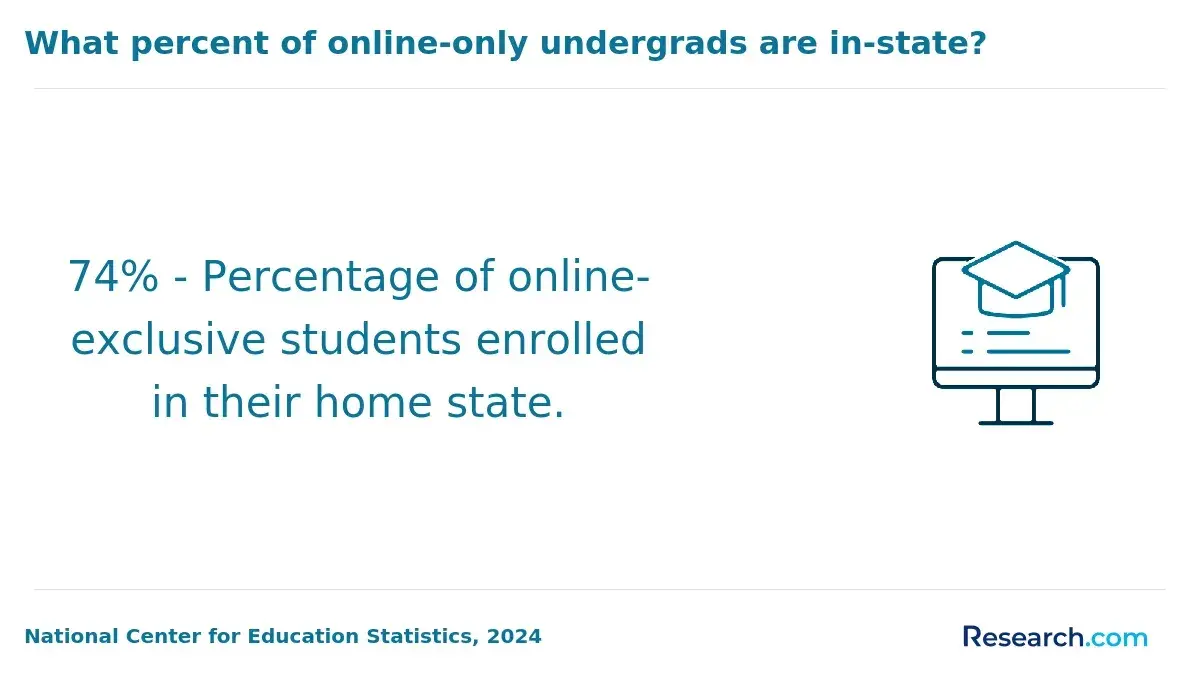
Employer demand for applied science graduates through 2030 is expected to remain moderate but uneven, with growth largely dependent on industry-specific expansions and workforce replacement needs rather than broad-based increases in new roles. According to 2024 Bureau of Labor Statistics data, many occupations in applied science fields are projected to grow between 5% and 8%, which hovers near the average for all occupations. However, this overall growth masks significant variation by specialization and location, meaning a graduate focused on environmental technology in a manufacturing hub may see markedly different prospects from one pursuing a general technician role in a less concentrated labor market.
Realistic hiring outcomes will depend heavily on practical experience and adaptability to rapidly evolving technical requirements. Many employers now prioritize candidates with internships, co-op experience, and cross-disciplinary digital skills, reflecting a need for ongoing upskilling beyond initial credentials. For example, graduates without deliberate specialization or geographic mobility may face stiff competition and slower salary progression, as median wages in applied science typically lag behind fields like engineering and computer science. The implication for students is that relying solely on national projections without factoring in industry dynamics or regional demand patterns risks overstating accessible opportunities in this diverse labor sector.
Which Applied Science Careers Will Experience the Most Job Growth?
Applied science careers showing the most robust growth through 2030 reflect shifts driven by technological innovation and evolving regulatory priorities, particularly in environmental technology and renewable energy sectors. For instance, environmental engineers benefit from heightened climate change mitigation efforts, creating demand for professionals who combine scientific expertise with practical problem-solving skills. However, despite rapid percentage growth in niche roles like wind turbine technicians, total job volume remains modest compared to larger fields such as biomedical engineering, where integrating applied science with healthcare innovation yields more substantial employment opportunities but often requires advanced degrees and specialized training.
Students weighing these options should consider entry barriers and long-term adaptability; roles such as solar energy technicians offer lower education thresholds and quicker workforce entry, yet may face regional variability in demand. Conversely, biomedical and computational science roles tend to necessitate graduate-level education but align with accelerating investment in health technology and data analytics. Such distinctions underscore the importance of matching educational pathways to realistic regional labor markets and personal circumstances rather than relying solely on national projected growth figures. For those exploring less traditional entry points, programs like nursing programs that don't require TEAS test exemplify alternative credentials relevant within applied science-related healthcare fields.
Applied science careers with the highest job growth in the United States increasingly emphasize fields linked to sustainability, biotechnology, and information science, reflecting both regulatory shifts and industry digitization across North America. Yet, prospective students and professionals must remain vigilant about labor market nuances, credential value, and evolving employer expectations to sustain career viability beyond initial hiring surges.
What Is the Salary Outlook for Applied Science Graduates Through 2030?
Salary projections for applied science graduates through 2030 require careful interpretation alongside factors such as inflation rates, evolving labor market demand, credential inflation, and shifts in occupational roles. While median wages are generally expected to rise, particularly in technical fields, this growth is uneven and highly sensitive to specialization, geographic location, and ongoing skill acquisition. Graduates' ability to adapt to industry changes and pursue additional certifications will strongly influence pay trajectories. The following key factors illustrate how salaries for applied science professionals are likely to evolve in this dynamic landscape.
- Sector-Specific Demand: Fields like biotechnology, data analytics, and environmental science frequently offer above-average wage growth due to persistent innovation and urgent technical needs, while traditional roles may experience slower increases.
- Regional Variability: Compensation is markedly influenced by local cost of living and industry clusters, with urban or tech hubs typically providing premium salaries compared to rural or less-industrialized areas.
- Experience and Advancement: Applied science graduates who translate early practical work into management or specialized technical roles can expect a 25%-40% salary increase within a decade of employment, according to Payscale data.
- Credential Inflation: Employers increasingly prioritize candidates with certifications and advanced training, which can differentiate applicants and justify higher starting wages.
- Skill Maintenance Pressure: Graduates in fast-evolving sectors must frequently update competencies to avoid wage stagnation, as outdated skills quickly lose market value.
- Economic and Industry Cycles: Broader economic conditions and sector-specific shifts impact hiring volume and salary offers, especially in fields sensitive to regulatory or funding changes.
- Employer Expectations: Beyond technical knowledge, adaptability, critical thinking, and problem-solving abilities are becoming essential criteria that can influence compensation levels.
One recent applied science graduate faced a common dilemma when evaluating job offers. Despite securing an entry-level laboratory technologist position, the starting wage was near $48,000-below the national median due to the company's suburban location and limited budget. When attempting to negotiate, the hiring manager cited tight margins and regional salary norms. The graduate pragmatically accepted the offer but planned to pursue additional certifications and seek roles in nearby metropolitan areas to accelerate wage growth, illustrating the strategic trade-offs new entrants must consider in this field.
Which Industries Will Hire the Most Applied Science Graduates by 2030?
Projected industry hiring through 2030 will be driven by sectors where technological innovation, regulatory shifts, and service demands intersect with workforce replacement needs. Applied science graduates aiming for sustained employability should focus on fields adapting rapidly to digital transformation and climate imperatives. Regional demand will remain uneven, with stronger growth in areas investing heavily in infrastructure and sustainable technologies. For example, a graduate specializing in environmental engineering may find opportunities expanding in states pursuing aggressive renewable legislation while facing competition in more saturated markets. Below are the top hiring sectors for applied science degree holders by 2030, reflecting practical realities and skill requirements.
- Healthcare Technology: Expansion of data analytics, biomedical devices, and health informatics fuels demand. Graduates with biotechnology or healthcare systems engineering experience will find roles in hospital innovation teams and medical R&D, needing proficiency in both regulatory compliance and digital tools.
- Renewable Energy: Driven by government initiatives targeting climate goals, sectors like solar and wind require applied science expertise in materials science and energy systems. Entry-level roles involve project implementation, while advanced positions emphasize R&D and environmental impact analysis.
- Advanced Manufacturing: Automation, robotics, and additive manufacturing are transforming production. Success favors graduates combining engineering theory with hands-on problem-solving aptitudes relevant to smart factory environments and process optimization.
- Information Technology: IT and telecommunications growth, integrating IoT and AI, rely on applied scientists skilled in software development, cybersecurity, and data management. Cross-disciplinary knowledge enhances prospects in network infrastructure and emerging technologies.
- Infrastructure Development: Public and private investment in infrastructure modernization increases demand for applied science professionals versed in civil, environmental, and systems engineering, especially those with experience in sustainable materials and project management.
- Environmental Engineering: Heightened focus on sustainability and regulatory compliance increases hiring for applied scientists capable of managing pollution control, water resources, and ecological impact assessments with strong analytical and technical skills.
Addressing regional demand for applied science professionals in growing industries requires adaptable competencies and experiential learning. Pursuing credentials aligned with industry-specific demands can enhance employability. For students considering diverse pathways, exploring options such as online DNP programs without clinicals may offer alternative approaches to integrating applied science expertise into career planning.
Where Will Demand for Applied Science Graduates Be Strongest?
Demand for applied science graduates is heavily influenced by regional industry clusters and public investment patterns, making employment prospects highly variable across locations through 2030. For example, healthcare expansion in states such as California and Massachusetts generates concentrated openings for graduates with expertise in bioinformatics and health data analytics, but these opportunities come with intense competition and often higher living costs. Conversely, the Midwest's manufacturing hubs, which are investing in automation and sustainable materials, present roles that blend engineering with practical production skills, often balancing lower cost of living against narrower specialization requirements and less applicant volume.
Technology-driven sectors, particularly in urban centers like Seattle and Austin, offer strong demand for applied science skills in cybersecurity and data science, yet prospective entrants must navigate fast-moving environments where interdisciplinary agility is crucial and remote work policies may influence local hiring patterns. Renewable energy growth in states committed to clean energy policies such as Colorado and Washington underscores the importance of emerging skills in systems integration and environmental assessment but poses challenges due to geographic dispersion of employers and variability in credential expectations. Understanding these nuanced market dynamics is essential, as national averages often obscure distinct tradeoffs in job volume, candidate competition, and cost-of-living implications tied to specific metropolitan or regional economies.
Which Applied Science Specializations Will Be Most in Demand by 2030?
Specialization choices within applied science degrees have significant implications for employability, salary potential, and career adaptability through 2030. Candidates must evaluate not only projected growth rates but also the technical complexity and evolving employer expectations of each field. For instance, a student weighing data science against advanced manufacturing should consider that data analytics roles, while rapidly expanding, demand continuous upskilling in AI and machine learning tools, whereas manufacturing roles may hinge more on system integration and IoT expertise with a strong operational focus. According to recent analyses by the U.S. Bureau of Labor Statistics and Lightcast, some fields show accelerated growth due to systemic shifts in technology and regulation, though regional market variations and credential levels still influence outcomes substantially. The following list highlights applied science specializations forecasted to attract the strongest employer interest, helping prospective students and current professionals align education choices with realistic, data-driven workforce demands.
- Data Science and Analytics:Projected to grow by 31% by 2030, this specialization is driven by big data applications in sectors like healthcare and finance. Success depends on proficiency in statistical modeling, programming languages, and business intelligence tools, alongside domain expertise.
- Cybersecurity:With a 28% demand increase anticipated, cybersecurity roles emphasize risk management, threat mitigation, and compliance knowledge. Rising cyber threats and tighter regulations sustain growth, favoring candidates with certifications and hands-on experience in security frameworks.
- Automation, Robotics, and Advanced Manufacturing:Growth of roughly 22% is linked to Industry 4.0 adoption, emphasizing skills in systems integration, process optimization, and IoT technologies. This area favors engineering tech graduates with practical troubleshooting and interdisciplinary collaboration abilities.
- Environmental Science and Sustainable Technology:Expected to expand near 19%, fueled by climate policies and green initiatives. Graduates with knowledge of regulatory compliance, environmental impact assessment, and emerging sustainable technologies will be better positioned.
- Biomedical Technology and Materials Science:Moderate yet consistent growth aligns with healthcare innovations and novel material applications. Employers seek candidates familiar with biomedical instrumentation, material properties, and cross-functional research collaboration.
How Will AI and Technology Affect Applied Science Careers Through 2030?
Artificial intelligence and automation are poised more to augment and redefine applied science responsibilities than to simply automate them away. Routine, entry-level tasks in sectors such as manufacturing and environmental monitoring are increasingly automated, reducing demand for less specialized roles. This shift heightens the importance of skills related to AI system design, data analytics, and cybersecurity, alongside cross-disciplinary communication abilities that bridge technical and operational teams. Graduates lacking adaptation to these emergent competencies risk facing wage stagnation and fewer career advancement opportunities amid technology-driven hiring trends for applied science graduates in the United States.
As hiring projections indicate a polarization within the workforce, roles emphasizing judgment, creativity, ethical oversight, and human-machine interaction will see growth, while more repetitive positions transform or contract. Students and professionals should critically assess educational programs for integration of AI tools and digital platforms alongside foundational applied science coursework. Continuous learning and targeted credential updating become necessary to remain competitive. For those in healthcare, for example, pursuing pathways such as FNP to acute care certification offers a model of strategic specialization that parallels demands seen in applied science fields.
The applied science career impact of AI and automation through 2030 will unfold unevenly across industries and specializations, requiring nuanced decision-making about skill acquisition and career focus. Employers prioritize candidates capable of translating complex data into actionable insights and maintaining AI-driven systems over those focused solely on traditional technical tasks. This environment underscores a practical tradeoff: investing time in applied projects and certifications related to emerging technologies versus relying on static skill sets constrained by technological obsolescence.
Is a Applied Science Degree Worth Pursuing Based on 2030 Projections?
Applied science degrees present a nuanced career growth outlook through 2030, shaped by sector-specific demand, employer expectations, and evolving labor markets. While median salaries typically range from $55,000 to $70,000 depending on specialization, outcomes vary widely by industry and geography. Students pursuing roles in engineering technology or health sciences may find steady hiring demand, but those seeking rapid salary escalation should weigh the tradeoff between practical skill acquisition and theoretical innovation. The value of applied science degree in job market 2030 rests partly on the candidate's ability to maintain technical relevancy amid rapid technological shifts and cross-disciplinary demands.
Enrollment trends show stabilization rather than growth, suggesting some subfields may face saturation and increased competition. Employers prioritize graduates with practical problem-solving abilities and adaptability to emerging tools, emphasizing continuous skills updating. Prospective students must strategically consider tuition costs, career flexibility, and credentials' alignment with workforce needs; for some, exploring easy admission online MPH programs may offer alternative paths in growing applied science areas like healthcare. Overall, an applied science degree can provide a sound investment for those focused on applied sectors and lifelong learning but demands informed decision-making regarding specialization and market conditions.
References:
- How will Artificial Intelligence Affect Jobs 2025-2030 | Nexford University https://www.nexford.edu/insights/how-will-ai-affect-jobs
- AI Skills for Life and Work: Labour market and skills projections https://www.gov.uk/government/publications/ai-skills-for-life-and-work-labour-market-and-skills-projections/ai-skills-for-life-and-work-labour-market-and-skills-projections
- Applied AI: The Next Frontier for Academic Programs - Gray DI https://www.graydi.us/blog/gray-insights/applied-artificial-intelligence-the-next-frontier-for-academic-programs
- Learn more about a guide to in-demand specializations 2030 https://studyfans.com/en/blogs/789
- Applied Sciences Degree Meets Job Market Demands – Alumni Satisfied with Career Progression https://www.novia.fi/en/news/news/applied-sciences-degree-meets-job-market-demands-alumni-satisfied-with-career-progression
- Artificial intelligence and the future of work: Disruptions and opportunities https://unric.org/en/ai-and-the-future-of-work-disruptions-and-opportunitie/
- 10 Best Degrees for the Future 2030: Fulfill Your Dream Goal https://degreeola.com/best-degrees-for-the-future-2030/
- Most In-Demand Careers in Europe by 2030 - Apply Eurolink https://applyeurolink.org/en/most-in-demand-careers-in-europe-by-2030-35-en/
- The Most In-Demand Degrees for Tomorrow's Job Market: Building a Career in the AI-Driven Economy https://iirfranking.com/blog/artificial-intelligence/the-most-in-demand-degrees-for-tomorrows-job-market-building-a-career-in-the-ai-driven-economy
- Impact Bachelor of Science Tomorrow University https://www.tomorrow.university/impact-bachelor-of-science
Other Things You Should Know About Applied Science
Applied science degrees often require a strong commitment to both theoretical coursework and practical laboratory or fieldwork, which can be demanding alongside other responsibilities. Students targeting careers in fast-evolving technical roles should prioritize programs with integrated hands-on experience and interdisciplinary project work, as employers increasingly value applied skills over theoretical knowledge alone. Those less certain about specialization or unable to commit to intensive schedules might consider alternative credentialing or part-time pathways, but should be aware these routes may limit access to top-tier roles and slow early career advancement.
Opportunities for applied science graduates vary widely depending on regional economic bases, industry presence, and investment in research or technology. Graduates targeting higher salaries should realistically account for relocation or remote work flexibility, as metropolitan areas or tech hubs typically offer superior compensation and more dynamic hiring markets. Staying in lower-demand regions may result in slower salary growth and fewer advancement opportunities, especially in niche applied science roles that require ongoing skill updating and proximity to innovation clusters.
Employers increasingly expect applied science professionals to engage in lifelong learning to keep pace with rapid technological change, which affects the long-term utility of any given degree. Graduates should assess programs that emphasize not just initial expertise but also provide frameworks or partnerships for ongoing training and certification. Failure to prioritize continuous skill development can lead to diminished employability or salary stagnation within five to ten years post-graduation, especially in industries like biotechnology or environmental sciences where innovation cycles are fast.
While specialization can fast-track entry into niche, often higher-paid positions, it may also narrow future job flexibility if industry demand shifts or specific technical skills become obsolete. For students without a clear, stable career target, investing early in broader interdisciplinary competencies-such as data analysis, project management, and communication-improves adaptability across sectors. Prioritizing a combination of depth and breadth enables graduates to navigate labor market volatility better and mitigate risks associated with rapid technological changes impacting applied science occupations.