2027 Applied Science Degree Completion Time Report: How Long Students Actually Take to Graduate

Co-Founder and Chief Data Scientist
Completion timelines for applied science degrees rarely unfold as the static schedules outlined in academic catalogs. Students often navigate complex challenges such as balancing part-time employment, managing hands-on lab or fieldwork requirements, and adapting to evolving curriculum demands that differ across disciplines. Recent data from the National Center for Education Statistics (2024) indicate a surge in non-traditional enrollments, including increased transfer activity and extended breaks, directly affecting average graduation times. These realities compel a closer look at how real-world conditions reshape degree trajectories beyond nominal credit-hour counts. This article examines actual completion patterns, key influencing factors, and insights vital for realistic educational planning in applied science fields.
Key Things To Know About Applied Science Degree Completion Time
- Knowing your graduation timeline allows you to strategically prepare for hands-on, highly specialized careers like laboratory technologist, environmental technician, or chemical technician. This foresight helps you line up required internships, local lab placements, or clinical rotations to transition smoothly into the workforce the moment you graduate.
- Pinpointing your program length clarifies when you will access the steady earning potential of the field, where applied science graduates earn average salaries ranging from $55,000 to $90,000 annually depending on their technical specialization. This allows you to plan your financial milestones and target sectors like manufacturing, biotechnology, or health information management with a clear timeline in mind.
- Having a firm grasp on your completion time makes it easier to leverage an online format, which is ideal for balancing intensive lab simulations and theoretical coursework with active, hands-on employment. This flexible structure ensures you can continue earning an income in a technical assistant role while pacing your modules to graduate as quickly as possible.
- What Is the Average Graduation Time for Applied Science Students? Average Graduation Timeline
- What Factors Have the Biggest Impact on Graduation Speed? Graduation Timeline Factors
- How Does Full-Time Versus Part-Time Enrollment Affect Graduation Timelines? Full-Time vs. Part-Time Graduation Timeline
- Do Online Applied Science Students Graduate Faster Than Campus-Based Students? Online Applied Science Students vs Campus-Based Students
- How Many Months or Years Can Transfer Credits Save? Transfer Credits
- Do Accelerated Applied Science Programs Significantly Reduce Completion Time? Accelerated Program Timeline
- Which Applied Science Program Requirements Most Often Extend Graduation Timelines? Factors Extending Graduation Timeline
- Does Taking Longer to Graduate Increase the Cost of a Applied Science Degree? Impact on Program Cost
- Does Graduating Faster Improve Career Prospects? Impact on Career Prospects
- Which Scheduling Mistakes Commonly Delay Graduation? Mistakes to Avoid
What Is the Average Graduation Time for Applied Science Students?
Students seeking an applied science degree typically aim to complete their studies within about four years when enrolled full-time, reflecting the common timeframe seen in technical and scientific bachelor's programs. However, many factors extend this timeline. Part-time enrollment, common among working adults balancing employment and family commitments, often leads to graduation periods stretching to five or six years or more. The typical duration to graduate from applied science programs therefore varies significantly based on student status and institutional flexibility, with transfer students frequently experiencing delays due to credit transfer complications and additional coursework requirements.
Variability in graduation timelines is largely driven by program design and academic demands. Applied science curricula emphasize hands-on components such as labs, internships, and cooperative education, which require sequential completion and restrict acceleration options. Programs adapting to evolving industry standards may revise course requirements midstream, further influencing time to degree. Additionally, delivery format-whether traditional on-campus or online-along with the availability of targeted institutional advising and flexible scheduling, can either expedite or prolong the path to graduation. Many employers in applied science fields value practical experience as much as formal credentials, encouraging students to integrate work-based learning even if it lengthens completion time. For those interested in interdisciplinary pathways, exploring options like MSW online programs may also impact overall educational timelines.
What Factors Have the Biggest Impact on Graduation Speed?
Graduation speed for applied science degrees is shaped by a complex mix of academic design, enrollment choices, institutional practices, and external life demands. No single variable drives completion time; rather, it is the interplay among these factors that determines how quickly students finish their programs. Developing a clear view of these influences supports making strategic decisions about enrollment status, course sequencing, and program format, which directly affect timelines. Understanding these dynamics is crucial given the varied student profiles and program structures typical of applied science education.
- Enrollment Status and Course Load: Full-time enrollment generally accelerates graduation, with full-time students finishing in 4 to 5 years according to the National Center for Education Statistics (NCES) 2024 data, while part-time students often take 6 years or more. Many working adults must balance employment and study, leading to reduced course loads and extended timelines, demonstrating how enrollment decisions intersect with financial and time constraints.
- Program Delivery Format and Scheduling Flexibility: The structure and flexibility of course offerings significantly influence progression speed. Programs with fixed sequential courses or limited class availability each semester impose bottlenecks that slow completion. Conversely, programs offering accelerated options or flexible formats enable students to move through requirements more rapidly, underscoring the effect of program delivery format on graduation speed in applied science programs.
- Transfer Credits and Prior Learning Recognition: Students with transferable credits or recognized prior learning can shorten their path by bypassing redundant coursework. However, inconsistent credit acceptance policies among institutions often delay progress, especially when additional prerequisites are required. This factor reveals how institutional policies and student backgrounds interact to impact timelines practically.
- Financial and Work Obligations: The necessity to maintain employment during study often compels students to take lighter course loads, extending degree completion. Research from the Lumina Foundation highlights that students working over 20 hours per week are 30% less likely to graduate within standard timeframes. Thus, financial pressures are a critical external constraint influencing academic pacing.
- Personal Circumstances and Life Events: Family responsibilities, health issues, and other personal challenges create unpredictable delays that academic planning alone cannot mitigate. These real-world factors contribute to the diversity of graduation timelines seen even among students enrolled in identical applied science programs.
Students and advisors should incorporate these insights when considering enrollment strategies and program choices. For those balancing work and study, it is also worth exploring specialized pathways such as CACREP accredited online counseling programs that may offer greater scheduling flexibility and recognition of prior learning. These factors collectively shape not only how quickly applied science degrees are completed but also how sustainable student workload and progress can be managed in realistic career and life contexts.
How Does Full-Time Versus Part-Time Enrollment Affect Graduation Timelines?
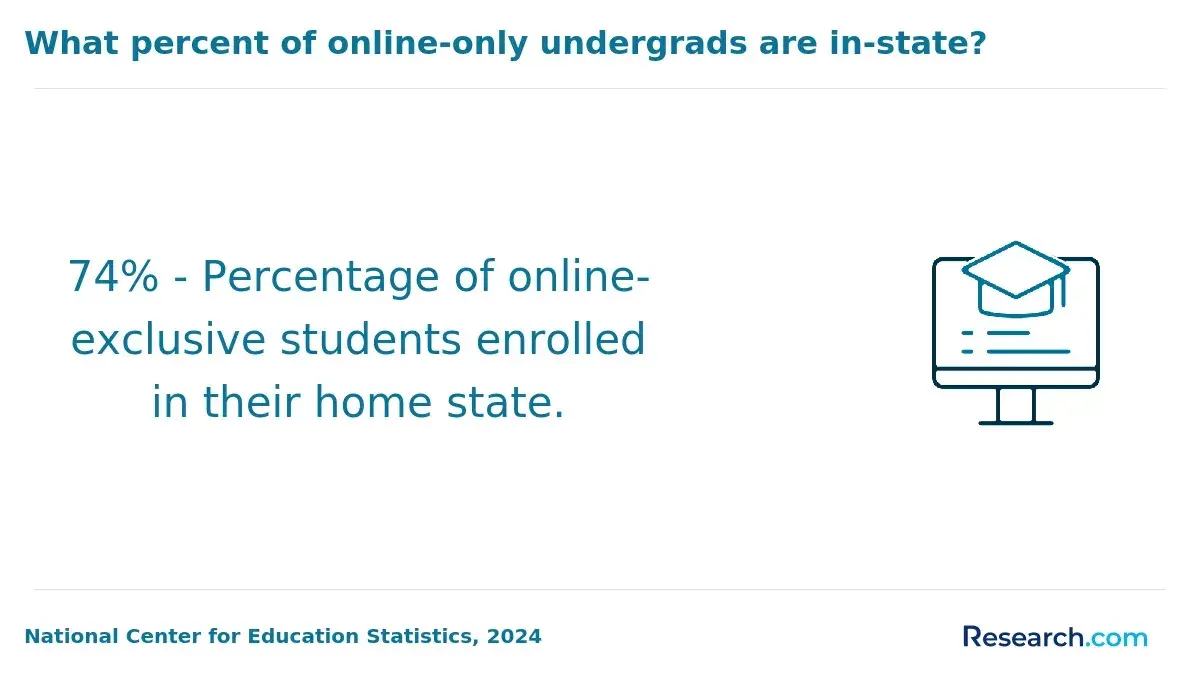
Enrollment status markedly affects the length of time it takes to finish an Applied Science degree, with full-time students generally completing programs within the traditional four-year window. Full-time study, defined by taking 12 to 15 credit hours each term, sustains continuous academic momentum and aligns with standard curriculum pacing. In contrast, part-time enrollment-often fewer than 12 credits per semester-commonly extends degree completion by 50% or more, pushing timelines beyond five years as demonstrated by recent data from the National Center for Education Statistics (2024). This divergence reflects not only course load but the way programs structure prerequisites and capstone projects that require sequential completion without long breaks.
The interaction between credit load, course sequencing, and external commitments underlies these timeline differences more than enrollment status alone. Many applied science curricula rely on tightly coordinated course sequences that are less flexible in part-time formats, creating bottlenecks when essential courses aren't offered every term. Additionally, working adults and those with family responsibilities must often prioritize employment and caregiving over academics, which restricts credit accumulation and can disrupt continuous progression. Institutional delivery models that offer summer or accelerated courses can mitigate delays, but such options are unevenly available, increasing variability in completion times for part-time students.
These enrollment decisions carry implications well beyond immediate academic pacing. Full-time students may face reduced income opportunities during their studies but benefit from faster entry into technical roles where timely graduation signals discipline and readiness to employers. Part-time learners gain necessary flexibility to balance financial and personal obligations but often incur higher overall tuition costs due to extended enrollment, delaying both credential attainment and subsequent earnings growth. Understanding these practical tradeoffs is critical for applied science students crafting plans that reconcile workload demands, financial realities, and the timing pressures inherent to entering competitive technical fields.
Do Online Applied Science Students Graduate Faster Than Campus-Based Students?
There is a common assumption that online applied science students might complete their degrees faster than those attending campus-based programs due to the inherent flexibility of online learning. However, data from the National Center for Education Statistics in 2024 reveals a more nuanced reality where the median time to graduation for online students is slightly longer-about 4.3 years-compared to 4.0 years for their on-campus peers. This difference largely reflects the diverse circumstances of students choosing each format rather than a straightforward advantage of one modality over the other. While online delivery removes geographic and scheduling barriers, it introduces challenges related to self-discipline and pacing that can influence overall completion times.
The pace at which students graduate depends heavily on factors such as enrollment status, course sequencing, and the structure of the program. Many online applied science learners balance education with part-time work or family obligations, which often reduces their course load and extends time to degree. On-campus programs typically follow more rigid, cohort-based schedules that encourage continuous progress, accompanied by immediate access to faculty support and extracurricular resources that can help keep students on track. Additionally, internship or clinical requirements integrated into campus curricula may contribute to timely degree completion, though they can also create scheduling pressures absent from some online formats. The self-paced nature of many online courses, while convenient, demands effective time management skills that not all students develop quickly, influencing their graduation timeline.
Choosing between online and campus-based programs also affects long-term planning beyond the degree itself, particularly in how students manage the discipline required to succeed and the timing of workforce entry. Online modalities require more autonomous scheduling, which can be a benefit for experienced adult learners but a challenge for less self-directed students. Delays in graduation may impact early career opportunities and earnings trajectories, even as online education can open doors for those who would otherwise be unable to attend traditional programs. Understanding these tradeoffs can help prospective applied science students align their modality choice with personal circumstances and career goals rather than expecting uniform acceleration through online options.
One applied science graduate recalled feeling uncertain during the rolling admissions process for an online program. They submitted their application early but hesitated to finalize their course plan, watching other cohort members receive enrollment dates before them. The back-and-forth communication with admissions introduced unexpected delays, prompting them to consider a campus-based program with set deadlines instead. Ultimately, they committed to the online path but acknowledged the stress this uncertainty caused, observing that such timing issues could extend the time before starting coursework and, by extension, graduation. This experience highlighted that program admissions procedures and preparation also play a critical role in completion pace, not just the learning format itself.
How Many Months or Years Can Transfer Credits Save?
Transfer credits can significantly reduce the total time required to complete an applied science degree, with savings typically ranging from several months to more than a year. This reduction is primarily contingent on the volume of credits transferred and how well those credits align with the receiving program's curriculum. Recent data from the National Center for Education Statistics highlights that students with transfer credits generally finish their degrees faster than those without, emphasizing the practical impact these credits have on degree completion time. However, the actual duration saved varies considerably, influenced by how these credits substitute foundational and general education courses, allowing students to focus on advanced applied science coursework sooner.
Key factors determining the extent of time saved include accreditation compatibility between institutions, course equivalency reviews, residency requirements mandating a minimum number of credits completed at the awarding institution, and institutional policies capping the maximum transferable credits. Discrepancies in accreditation and differences in curriculum content often limit how many credits are accepted, which directly affects progression timelines. Furthermore, some programs enforce strict residency rules to ensure students gain sufficient hands-on training in specialized applied science skills, which can reduce the transfer credit impact. Such policies, combined with the need to align transferred credits with specific applied science degree requirements, explain why transfer credit outcomes differ widely among students.
Understanding the practical limits of transfer credits is crucial for effective academic planning and cost management. Time saved through credit transfer can allow students to enter the workforce earlier, but sequencing remaining coursework can become more complex, especially if essential advanced classes are only offered at certain intervals. Prospective students should carefully analyze credit transfer policies, program structures, and the relevance of prior coursework to avoid unexpected delays. Those evaluating options might also consider flexible course offerings or alternative pathways, such as online real estate classes, to complement their applied science studies while optimizing time to degree completion.
Do Accelerated Applied Science Programs Significantly Reduce Completion Time?
Accelerated applied science programs aim to reduce the traditional duration of degree completion by compressing curricula or increasing the intensity of study periods. These programs commonly allow students to take more credits per term or attend courses during summer sessions, theoretically enabling earlier graduation. However, the design and academic structure vary widely, with many programs maintaining core completion requirements and pacing that cannot be dramatically altered without compromising educational quality. The intended time savings reflect not just fewer calendar months but tighter sequencing of coursework and often a heavier concentrated workload.
Whether accelerated applied science degrees actually shorten completion time depends largely on specific factors such as the ability to handle increased credit loads, availability of prerequisite courses when needed, and institutional policies on requirements like internships, labs, or capstone projects. Even where course offerings are continuous year-round, bottlenecks appear if sequencing forces students to wait on key courses or if experiential components remain fixed in length. Moreover, transferring prior credits or testing out of subjects can materially reduce time, but these options are not universally accessible. The net effect is that some students see meaningful acceleration, while others experience minimal time reduction despite heavier semester demands.
Trade-offs inherent in accelerated paths include intensified schedules that reduce flexibility for work or personal commitments and may pressure students' capacity to engage deeply with practical learning experiences. Employers in applied science fields often emphasize applied competence and hands-on practice, which accelerated pacing can sometimes compromise if it restricts opportunities for internships or project-based learning. Thus, the decision to pursue an accelerated format should weigh expected time savings against potential impacts on learning quality, workload sustainability, and professional readiness.
One graduate recalled applying to an accelerated program during rolling admissions and initially hesitating because they wanted to secure possible transfer credits before committing. The uncertainty about how quickly they would gain admissions clearance complicated their timing, as waiting too long risked delaying the start date beyond the intended accelerated timeframe. After carefully coordinating with advisors and submitting documentation on short notice, they managed to enroll but noted that if any process had slowed further, the anticipated degree acceleration would have been practically negated. This experience highlights how administrative timing and preparation can be as critical as curriculum design in realizing true degree acceleration.
Which Applied Science Program Requirements Most Often Extend Graduation Timelines?
Graduation timelines in applied science programs often extend not simply due to credit totals but because of particular curriculum components embedded to ensure depth and professional readiness. These requirements, rooted in quality assurance and workforce alignment, impose structured sequencing and time commitments that constrain pacing flexibility. Students encounter bottlenecks when balancing these obligations alongside external responsibilities or institutional policies, which vary by program and delivery mode.
- Extensive Laboratory and Capstone Projects: These experiential components demand significant hours beyond traditional class time to develop practical skills critical for job readiness. Their fixed schedules and resource limitations often prevent simultaneous enrollment with other courses, resulting in staggered completion and longer degree timelines.
- Prerequisite Foundational Coursework: Applied science fields frequently require mastery in advanced mathematics, physics, or chemistry before progressing to core content. Students entering with gaps in these areas may face remedial semesters, delaying advancement and lengthening total time to degree. Data from Lightcast's 2024 workforce report highlights that nearly 38% of students extend their studies due to such academic preparations.
- Mandatory Internship or Cooperative Education Placements: These industry-aligned practicums enhance employment prospects but typically involve unpaid or part-time arrangements that cannot be compressed into full-time semesters. Scheduling internships often requires reducing course loads or enrolling in additional terms to comply with completion requirements.
- Certification and Licensing Exam Preparation: Certain applied science tracks integrate preparatory courses and testing for industry credentials, which are not always synchronized with standard academic calendars. This misalignment necessitates extra semesters for some students to fulfill these obligations, particularly in regulated areas such as environmental science or engineering technician roles.
- Part-Time Enrollment Due to External Commitments: A substantial portion of applied science undergraduates-approximately 44% according to the U.S. Bureau of Labor Statistics-work over 20 hours weekly. Maintaining employment often compels part-time study, inherently extending graduation timelines even when academic progress is steady.
These factors interact differently depending on institutional policies, cohort structures, and transfer credit recognition, but collectively they explain why graduation "on time" in applied science degrees reflects more than just completing required credit hours.
Does Taking Longer to Graduate Increase the Cost of a Applied Science Degree?
Taking longer to graduate from an applied science degree program often leads to increased total tuition and associated expenses, especially when students are billed per term or credit hour. Many programs require students to pay mandatory fees and purchase updated textbooks for each enrolled semester, so extended enrollment can accumulate substantial extra costs. Financial aid and scholarships frequently have time restrictions, meaning that students who exceed expected completion timelines may lose eligibility and turn to higher-interest loans or out-of-pocket payments. This dynamic intensifies the financial impact of longer study periods, compounding direct educational expenditures with the opportunity cost of delayed workforce entry and reduced early career earnings, a critical consideration given the competitive salaries often reported in applied science fields. Such financial interplay underscores why understanding the financial impact of extended graduation timelines in Applied Science programs is essential for student planning.
However, not all scenarios of prolonged study result in significantly higher costs. Flat-rate tuition models or part-time enrollment options can mitigate additional charges by capping fees regardless of the number of courses taken each term. Employer tuition assistance and flexible program policies that accommodate varied pacing without financial penalties also alter the economic equation. Decisions about course loads and enrollment intensity influence both the timing and magnitude of expenses, affecting how quickly costs accumulate. For many working adults and transfer students, these nuances shape whether the extended timeline substantially inflates total degree costs or merely reflects a manageable investment aligned with personal circumstances. Prospective students evaluating options might also consider specialized pathways such as a human services degree online, which may offer more streamlined cost and time efficiencies within the broader applied science discipline.
Does Graduating Faster Improve Career Prospects?
Graduating faster from an applied science degree can advance entry into the workforce, allowing students to begin job searches and gain professional experience sooner. This timing may offer advantages in aligning with immediate labor market needs, particularly in dynamic technical fields. However, employers rarely consider speed of completion in isolation, focusing more on a candidate's demonstrated abilities and readiness. While completing a degree earlier can position someone advantageously in terms of time to graduate with an applied science degree and career benefits, it does not inherently signal higher competence or better job fit.
The impact of faster applied science degree completion on job opportunities depends heavily on factors beyond just graduation speed. Internships, co-op placements, portfolio projects, and relevant certifications frequently carry more weight in hiring decisions than accelerated timelines. Depth of skill mastery and professional networks developed throughout the program often determine whether earlier graduation translates into stronger employment outcomes. Meeting rapidly evolving industry demands also influences this balance, as students who complete degrees swiftly but without substantial applied experience may face limitations in competitiveness compared to peers with more robust experiential learning.
Deciding to speed through an applied science program entails trade-offs between finishing quickly and engaging deeply in applied learning and networking opportunities. Extended timelines can sometimes reflect deliberate strategies to build resilience, accommodate work or family commitments, or participate in enriching practical experiences that cultivate long-term career growth. For those exploring options like the fastest way to get a cybersecurity degree online, understanding these dynamics is critical to balancing graduation time with future employability and professional development.
Which Scheduling Mistakes Commonly Delay Graduation?
Graduation delays in applied science programs often stem not from academic difficulty alone but from avoidable enrollment and scheduling mistakes that hinder steady progress. These issues span degree levels and program formats, complicating adherence to structured course sequences and credit requirements. Understanding these common pitfalls helps students maintain momentum and better navigate institutional progression policies.
- Poor Course Sequencing: Enrolling in prerequisite or core courses out of order is a frequent error that forces retakes or long waits for course availability. Applied science curricula rely heavily on sequential knowledge building, so mistimed enrollment disrupts both academic and experiential learning timelines, as reinforced by a 2024 National Center for Education Statistics report attributing nearly 40% of delays to this problem.
- Underestimating Credit Load: Opting for light semester loads to balance work or personal demands can stretch degree completion significantly. This approach dilutes momentum and often conflicts with credit accumulation minimums mandated by many programs, making consistent progression difficult without intentional planning.
- Neglecting Experiential Components: Internships, labs, and practicums are integral in applied science degrees and often have limited scheduling windows. Delays in securing these or postponing related courses can push back final graduation dates and reduce hands-on readiness valued by employers.
- Inconsistent Enrollment Patterns: Taking semesters off or attending part-time without coordinated reentry plans interrupts the rhythm of coursework sequencing. Institutional policies generally require continuous progress for timely completion, so unplanned breaks introduce bottlenecks that prolong total time to degree.
- Ignoring Academic Advisement: Forgoing early and ongoing guidance limits awareness of program roadmaps and progression requirements. This absence of strategic planning undermines students' ability to anticipate scheduling constraints and prerequisite sequences inherent in applied science curricula.
Addressing these enrollment strategy errors requires proactive scheduling aligned with program frameworks. Applied science students who integrate academic advisement and realistic workload assessments mitigate bottlenecks that otherwise extend graduation timelines and impact labor market entry.
References
- Online Degree Programs https://www.fitnyc.edu/academics/online-learning/degrees.php
- Bachelor of Applied Science 100% Online Degree https://www.etsu.edu/online/undergraduate-degrees/applied-science.php
- Bachelor of Applied Science at Northwest Online https://online.nwmissouri.edu/programs/undergraduate/bachelor-of-applied-science/
- What is an Online Associate of Applied Science Degree? https://online.gmc.edu/online-applied-science-degree/
- Applied Arts & Sciences BAAS Degree Online, University of Texas Tyler https://www.uttyler.edu/academics/colleges-schools/arts-sciences/baas/index.php
- Bachelor of Applied Science https://www.boisestate.edu/online/bachelor-of-applied-science/
- Changing or leaving your course https://www.ucas.com/money-and-student-life/student-life/starting-university-or-college/changing-or-leaving-your-course
- Do College Credits Ever Expire? | National University https://www.nu.edu/blog/do-college-credits-ever-expire-what-you-need-to-know-before-transferring/
- 1-Year Online Programs | 1-Year Online Programs https://www.bpcc.edu/accelerated
- Associate of Applied Science https://tallo.com/careers/skills/associate-of-applied-science/
Other Things You Should Know About Applied Science
According to the 2026 Applied Science Degree Completion Time Report, it takes students an average of 4.5 years to graduate. This duration considers both practical training and theoretical coursework that are integral components of the curriculum.
Maintaining a steady credit load tends to shorten graduation time but can increase stress and reduce the ability to respond to unforeseen life or work challenges. Conversely, a flexible schedule slows degree completion but allows students to balance employment and education more sustainably. For working adults, prioritizing flexibility over speed often leads to better long-term success both academically and professionally.
Employers in applied science fields often expect graduates to possess both technical expertise and relevant experience, which can encourage students to extend their studies to gain credentials or certifications beyond the core degree. This pursuit lengthens timelines but improves job prospects and salary potential. Students should weigh short-term graduation speed against the tangible career advantages employers associate with comprehensive qualifications.
Transfer credits do reduce required coursework, but differences in curriculum alignment and institutional policies can introduce delays due to repeated or supplemental classes. Without careful planning, transfer students might face extended advising processes or course availability issues, erasing expected time gains. It's advisable to prioritize programs with clear transfer pathways and robust support to effectively capitalize on transferred credits without prolonging graduation.