2027 Applied Science Tuition Inflation Report: How Fast Are Program Costs Rising?

Co-Founder and Chief Data Scientist
Tuition inflation within applied science programs reflects unique demands that differentiate it from other academic fields. Growing reliance on advanced laboratory equipment, specialized technology infrastructure, and stringent accreditation criteria significantly raises operational costs. Additionally, the necessity for faculty with niche expertise to meet evolving licensing and workforce standards intensifies financial pressures on institutions.
According to the National Center for Education Statistics (2024), enrollment in applied science undergraduate programs has increased by 8%, fueling intensified resource allocation and program expansion efforts. The age distribution, marked by increasing enrollments of mid-career students, indicates shifting workforce needs and underscores growing emphasis on lifelong learning within the discipline.
Key Things to Know About Applied Science Tuition Inflation
- The 7% annual rise in applied science tuition outpaces general college inflation, forcing students to weigh increased debt against a niche skill premium industry demand may not sustain long-term.
- Employers increasingly prioritize practical experience over formal credentials, diminishing tuition inflation's value and pressuring students to reconsider costly theoretical-heavy coursework versus apprenticeships.
- Rising costs delay degree completion for many, tightening time-to-employment windows and exacerbating opportunity costs during a critical career-launch period in applied science fields.
- Key Things to Know About Applied Science Tuition Inflation Key Things to Know About Applied Science Tuition Inflation
- How Much Has Applied Science Tuition Increased Over the Past Decade? How Much Has Applied Science Tuition Increased Over the Past Decade?
- How Does Applied Science Tuition Inflation Compare to Overall Inflation? How Does Applied Science Tuition Inflation Compare to Overall Inflation?
- Which Types of Schools Have Experienced the Fastest Applied Science Tuition Growth? Tuition Growth by School Type
- What Factors Are Driving Rising Costs in Applied Science Degree Programs? Tuition Cost Drivers
- How Does Applied Science Tuition Growth Vary by State and Region? Tuition Growth by State
- Are Online Applied Science Programs Becoming More Affordable Than Campus-Based Programs? Online Program Affordability
- How Have Financial Aid and Scholarships Changed as Applied Science Tuition Has Increased? Impact on Financial Aid and Scholarships
- How Does Rising Applied Science Tuition Affect Student Debt After Graduation? Impact on Student Debt
- Do Higher-Cost Applied Science Programs Deliver Better Career Outcomes or Earnings? Impact on Career Outcomes
- What Do Current Tuition Trends Suggest About the Future Cost of a Applied Science Degree? What Do Current Tuition Trends Suggest About the Future Cost of a Applied Science Degree?
How Much Has Applied Science Tuition Increased Over the Past Decade?
Over the past decade, tuition costs for applied science programs in the US have risen roughly 35% to 40% in nominal terms, outpacing general inflation as shown by data from the National Center for Education Statistics and the U.S. Department of Education College Scorecard through 2024. This increase reflects a decade-long trend in applied science program costs in the US that exceeds typical higher education pricing growth. While the percentage rise quantifies the change, it also underscores financial pressures on students pursuing these degrees, especially as costs escalate more sharply than those in many other fields. This pattern influences how learners evaluate the affordability and long-term value of investing in applied science education.
Several factors drive this tuition inflation, including the need for cutting-edge facilities and technology integral to maintaining program relevance and competitiveness. Applied science degrees often demand ongoing investment in specialized equipment and faculty with technical expertise, which raises institutional spending priorities. Shifts in enrollment and reductions in state funding have also amplified dependence on tuition revenue, while employers increasingly emphasize certifications and skills that programs must integrate, further inflating costs. These dynamics illustrate why tuition rises are not merely tied to standard economic inflation but are linked to complex internal and external pressures unique to applied science education.
The rising tuition burdens have practical implications for student borrowing, educational choices, and anticipated returns on investment. Many prospective students balance financial constraints with growing wage expectations and labor market demands, prompting some to explore alternative pathways like short-term credentials or accelerated bachelor degree programs that offer more flexible cost structures and quicker workforce entry. Such tradeoffs emphasize the need for strategic planning in applied science program selection, weighing tuition growth against employment outcomes and personal circumstances to ensure sustainable career progression and financial stability.
How Does Applied Science Tuition Inflation Compare to Overall Inflation?
Tuition inflation for applied science programs has consistently exceeded overall consumer inflation rates, with recent figures indicating annual increases of around 3% to 5%, compared to roughly 2% to 3% for the broader consumer price index as reported by the U.S. Bureau of Labor Statistics. This trend reflects the specific cost pressures faced by applied science education distinct from general economic inflation. Data from the National Center for Education Statistics and the College Board confirm that applied science tuition fees rise faster than average inflation, highlighting a divergence that varies somewhat by region but maintains a broadly upward trajectory. Such regional trends in applied science program cost increases amplify affordability challenges for those pursuing technical training in fields with growing labor market demand.
The structural reasons behind this tuition inflation gap extend beyond typical economic drivers. Declining public subsidies and state funding force institutions to compensate by raising tuition, especially for specialized applied science programs requiring sophisticated lab equipment and cutting-edge technology investments. Administrative cost growth and expanded student support services also contribute to operational expenses passed onto students. Unlike broader inflation, these education-specific cost factors exhibit compounded effects over time due to the hands-on nature of applied science instruction and the need to maintain competitive program offerings aligned with rapidly evolving workforce requirements.
This widening gap between applied science tuition and overall inflation intensifies affordability pressures, prompting many students to increase borrowing or consider shorter qualifications with lower costs. These financial stresses influence program selection, as prospective learners weigh the return on investment amid rising tuition without commensurate income growth during study periods. A disproportionate tuition rise within applied science sectors impacts educational access and career pathways, underscoring the importance of strategic decision-making from prospective students and families seeking a balance between technical skill acquisition and manageable financial commitments. Those exploring options might also consider alternatives such as easiest associate degrees that align with workforce demands while moderating expenses.
Which Types of Schools Have Experienced the Fastest Applied Science Tuition Growth?
Tuition growth rates for applied science degree programs vary notably by institutional type, shaped by divergent funding mechanisms, enrollment dynamics, and program delivery models. Recognizing these distinctions is key to interpreting cost trends and assessing the long-term affordability and value of applied science education. Institutional strategies addressing resource demands, competitive positioning, and regulatory environments further influence how tuition inflation manifests across sectors.
- Private For-Profit Institutions: These schools have recorded the steepest tuition increases, averaging about 6% annually according to 2024 data from the National Center for Education Statistics. Their reliance on tuition as a primary revenue source combined with aggressive program expansion and less access to public subsidies drives rapid price inflation in applied science offerings.
- Public Universities: Typically exhibiting more moderate tuition growth of around 3-4%, public universities benefit from state appropriations that temper reliance on tuition hikes. However, increasing operational costs and demand for specialized applied science programs cause steady upward pressure on prices despite this support.
- Private Nonprofit Universities: These institutions show varied tuition growth influenced by their endowment size and fundraising success. Many invest heavily in research-intensive applied science curricula, which require costly equipment and faculty, leading to moderate but consistent price escalation.
- Research-Intensive Universities: Emphasizing advanced applied science specializations entails substantial expenditures on technology and faculty expertise. These factors contribute to higher tuition growth relative to regional colleges, reflecting the resource intensity needed to maintain competitive research and program quality.
- Regional Colleges and Technical Schools: Often more focused on workforce-aligned credentials with limited research activities, these schools tend to experience slower tuition growth. Their close ties to local industries and emphasis on cost-effective program delivery help constrain tuition inflation.
- Online Universities: Growth in enrollment and infrastructure investment drives tuition increases, though pricing structures may vary widely. The scalability of online programs can moderate cost pressures, but quality assurance and technology upgrades still contribute to tuition inflation trends.
What Factors Are Driving Rising Costs in Applied Science Degree Programs?
Cost increases in applied science degree programs stem from a complex interplay of institutional funding shifts and economic pressures rather than any single factor. Unlike other academic areas, these programs require sustained investment in cutting-edge technology and specialized facilities, driving up operational expenses. At the same time, intensified competition for faculty with industry expertise inflates salary and benefit obligations, which now claim a dominant share of total educational spending as indicated by the 2024 National Center for Education Statistics report. This combination of rapidly evolving program demands and elevated human capital costs creates a structural cost base that steadily pressures tuition upward, especially as institutional budgets face tightening constraints.
Declining state appropriations have forced many public universities to increase their dependence on tuition revenue, heightening the financial burden on students pursuing applied sciences. Concurrently, administrative bloat expands support services like career placement and internship coordination, which, while enhancing employability outcomes, add layers of overhead costs. Investments in digital infrastructure and learning technologies are also critical but contribute significant one-time and ongoing expenditures. These cost drivers, layered atop existing regulatory compliance and accreditation requirements, result in a multifaceted and escalating price structure. The persistent tension between market demands for sophisticated skills and the economic reality of resource allocation reinforces why tuition in applied science programs continues to outpace broader higher education inflation.
One graduate recalled their experience navigating the rolling admissions process for an applied science program, highlighting how timing influenced their financial decision. Offers came in sporadically, and waiting to secure all funding and technical prerequisites delayed enrollment plans. Feeling uncertain about whether to accept a partial offer early or hold out for a full package at another institution introduced stress and financial risk. This hesitation underscored how intricate funding strategies and institutional scheduling profoundly affect student affordability and the practical timing of degree completion.
How Does Applied Science Tuition Growth Vary by State and Region?
Tuition growth for applied science programs varies widely by state and region due to differences in public funding mechanisms, institutional types, and local economic conditions. States with robust research universities and private institutions tend to show higher increases in program costs, driven by investments in advanced laboratories and technology infrastructure crucial for hands-on training. Conversely, regions relying more on public universities with stable state appropriations often experience slower tuition inflation, reflecting efforts to maintain affordability amidst competing budget priorities. These disparities underscore the complexity behind state-by-state increases in applied science program costs rather than simple geographic trends alone.
Key drivers of this variation include the level of state appropriations and the inherent funding gaps public universities face, which often compel institutions to shift costs to students through tuition hikes. Regions with higher living costs, such as the Northeast and parts of the West Coast, generally see faster tuition growth, partially due to operational expenses and labor market demand. States with burgeoning tech and healthcare industries exert upward pressure on applied science program pricing by prioritizing cutting-edge curricula that align with regional workforce needs. In addition, the concentration of research-intensive universities influences tuition growth-these institutions typically recharge higher fees to support specialized programs and facilities, impacting affordability for students in those areas.
These tuition growth patterns affect student mobility and affordability, with prospective learners weighing higher costs against potential returns from access to specialized resources and industry connections. Regions with slower tuition inflation may offer more affordable entry points but can limit experiential opportunities important for employability in competitive fields. This dynamic particularly impacts the long-term return on investment for applied science students, who must consider not just sticker price but regional program quality and alignment with job markets. Those assessing pathways such as certificate programs that pay well will find that understanding these regional economic and institutional influences is critical when planning educational funding strategies and career trajectories.
Are Online Applied Science Programs Becoming More Affordable Than Campus-Based Programs?
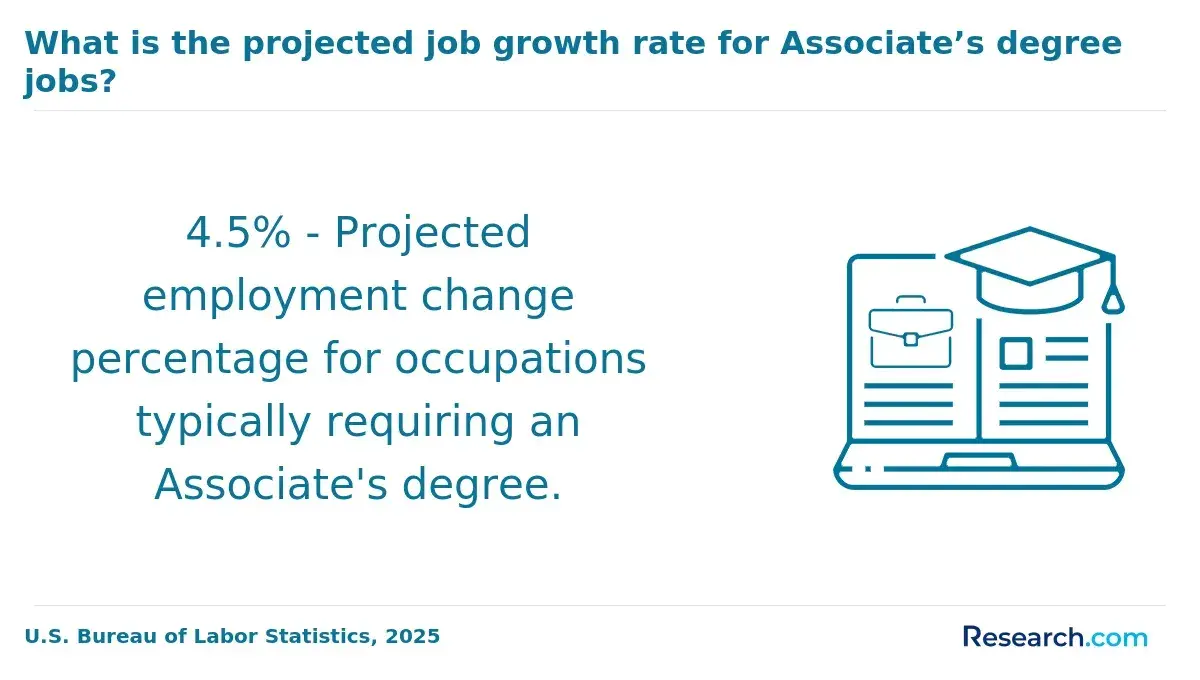
Tuition patterns for online applied science programs increasingly diverge from their campus-based counterparts, reflecting evolving institutional pricing strategies and resource allocation. Data from the National Center for Education Statistics in 2024 shows that published tuition and fees for fully online applied science degrees are roughly 15% lower on average compared to traditional campus programs. This affordability gap, however, is not uniform; it depends heavily on factors like institution type, geographic region, and program specificity. Pricing models for online formats often emphasize scalability and flexible access, while campus programs maintain cost structures tied to physical infrastructure and on-site services, resulting in distinct financial frameworks rather than a simple cost differential.
The primary cost efficiencies in online applied science education stem from diminished reliance on costly campus facilities, such as classrooms, laboratories, and maintenance, which are significant budget drivers for traditional programs. Nevertheless, these savings are partly offset by the need for robust digital platforms, ongoing investments in instructional design tailored to virtual environments, and expanded student support services that address remote learner needs. Additionally, faculty workload models may shift, with some institutions allocating resources differently between synchronous teaching, course development, and asynchronous engagement. Thus, while the structural cost base favors online delivery from an overhead perspective, investments in technology infrastructure and quality assurance represent substantial expenditures shaping long-term affordability trends.
A graduate of an online applied science program shared how the timing of her application influenced her financial planning. She hesitated initially, concerned about out-of-pocket expenses and scholarship availability, but the program's rolling admissions process meant she couldn't wait too long without risking a lost spot. After carefully comparing early acceptance offers with projected total costs-factoring in technology fees and materials she hadn't anticipated-she ultimately chose the online route for its predictable tuition and flexible schedule. Her experience underscored how subtle differences in institutional policies and cost transparency can critically impact both access and budgeting decisions in today's digital learning landscape.
How Have Financial Aid and Scholarships Changed as Applied Science Tuition Has Increased?
Rising tuition costs in applied science programs have prompted adjustments in financial aid and scholarship frameworks, but these changes have not fully matched the pace of increasing expenses. Institutions have increasingly relied on a mix of grant aid, loans, and work-study to mitigate sticker prices, while expanding merit-based scholarships aimed at attracting high-performing applicants. However, the overall growth in aid dollars often falls short of offsetting tuition hikes driven by specialized equipment and resource needs typical in applied science fields. Institutions also tend to prioritize funding that targets workforce alignment, such as scholarships linked to in-demand sectors like engineering technologies and healthcare applied science, which reflects a shift toward outcome-focused aid strategies rather than broadly accessible support.
Key factors influencing these changes include competitive enrollment pressures, evolving federal and state financial aid policies, and institutional pricing approaches that utilize tuition discounting selectively. While federal and state grants have increased modestly, their growth generally lags behind tuition inflation, particularly in applied science programs requiring costly hands-on training. As a result, schools emphasize merit-based aid to incentivize achievement and align awards with labor market demand, which can inadvertently widen disparities for lower-income students lacking preparatory resources. This strategic sorting of aid resources underscores a move away from universal need-based assistance toward targeted scholarships intended to maximize institutional yield and perceived return on investment.
These financial aid trends have complex implications for net cost and student debt outcomes in applied science education. Though hybrid financial aid packages can reduce upfront expenses, they often increase borrowing and long-term liabilities, raising affordability concerns. Meanwhile, constrained availability of emergency and short-term supports further strains retention for financially vulnerable students. The resulting aid landscape requires prospective students to carefully evaluate not only the dollar amount of scholarships but also their conditions, renewability, and alignment with career pathways to navigate affordability risks effectively amid persistent tuition escalation in applied science disciplines.
How Does Rising Applied Science Tuition Affect Student Debt After Graduation?
Rising tuition costs for applied science programs significantly elevate student borrowing levels, deepening financial obligations after graduation. As tuition growth outpaces wage increases, students often rely more heavily on loans to bridge the gap between education expenses and available resources. This escalation in borrowing not only raises initial loan balances but also extends the period during which interest accrues, compounding long-term repayment burdens. The effect is particularly pronounced in specialized areas with longer program durations or higher credit requirements, where debt accumulates faster and starts to weigh on early-career financial stability. Understanding how rising applied science tuition impacts student loan debt levels is critical for analyzing post-graduation financial health and advising prospective students on managing costs versus expected income.
Several factors contribute to the widening disparity between tuition and financial aid that drives deeper debt levels across applied science degree holders. Public and private institutions differ markedly in pricing structures and aid availability, often leaving private program enrollees with fewer subsidized options and greater reliance on higher-interest private loans. Income variability post-graduation plays an important role as well; despite overall strong demand and employability in many applied science fields, entry-level salaries may not consistently keep pace with debt increments. This divergence can prolong repayment timelines and limit financial flexibility, highlighting the necessity for students to evaluate earnings potential relative to expected debt. Many federal and state policies address this with income-driven repayment plans or loan forgiveness programs, but these measures may not reach all segments equivalently or completely alleviate repayment stress.
The rising débt burden influences student decision-making, often causing program selection to hinge on anticipated return on investment rather than strictly vocational interest. Graduates may postpone savings goals, home ownership, or other investments due to heightened repayment priorities. Additionally, adult learners, who often face more acute financing challenges compared to traditional students, might find fewer institutional supports, thereby amplifying debt stress. Prospective and current students in applied science programs must consider these financial implications carefully and weigh alternatives, including exploring varying career trajectories or developing skills aligned withdegrees for work from home jobs, to better align educational costs with long-term affordability and economic opportunity.
Do Higher-Cost Applied Science Programs Deliver Better Career Outcomes or Earnings?
The question of whether higher-cost applied science programs deliver better career outcomes or earnings cannot be answered by tuition price alone. While some data indicate that graduates from more expensive institutions may experience a roughly 10-15% higher starting salary, as reported by the 2024 U.S. Department of Education's Postsecondary Employment Outcomes, this premium often diminishes over time. The applied science tuition impact on earnings potential varies widely depending on factors beyond sticker price, meaning that cost is an imperfect proxy for career success or long-term financial gain.
Institutional reputation, program resources, and regional industry connections significantly influence employment outcomes above and beyond program cost. Programs situated in regions with strong industry demand or those offering specialized tracks aligned with high-growth sectors provide better career alignment and practical skills sought by employers. Robust internship pipelines, employer partnerships, and active alumni networks contribute to higher job placement rates and accelerate early-career salary growth. These contextual elements frequently outweigh nominal tuition differences, emphasizing that applied science program cost should be considered alongside program content and labor market relevance.
Prospective students should adopt a nuanced approach to evaluating applied science programs by balancing tuition rates with demonstrated return on investment metrics, such as job placement rates and salary trajectories. Loan debt from high-cost programs poses a risk if salary gains are modest, highlighting the importance of examining accreditation, skill development, and direct industry integration. Exploring educational pathways broadly, including options like an online MBA accepting transfer credits, can offer flexible, cost-effective strategies to enhance career prospects without overextending financial commitments.
What Do Current Tuition Trends Suggest About the Future Cost of a Applied Science Degree?
Recent tuition trends indicate that the cost of an Applied Science degree is set to rise steadily, surpassing general inflation levels. Data from the National Center for Education Statistics in 2024 shows undergraduate tuition and fees increasing by around 3.5% annually over the past five years. This consistent growth suggests that future costs will likely continue upward as institutions adjust prices not merely for inflation but to cover expanding operational expenses. For prospective students, this means that the sticker price of an Applied Science program will reflect both historical cost escalation and prevailing economic pressures.
Key factors driving these tuition increases include reduced public funding for higher education, heightened demand for specialized skills in fields like healthcare and technology, and substantial investments in online learning platforms and lab infrastructure. Institutions aim to maintain program quality and relevance by updating curricula and enhancing student services, which adds to cost pressures. Additionally, the complexity of delivering hybrid or technologically augmented instruction requires ongoing resource allocation, further embedding upward cost trends beyond traditional tuition models.
These dynamics complicate affordability for many students, especially traditional college-age enrollees who often cannot offset costs through employment. Increased reliance on loans and financial aid becomes more likely, influencing enrollment decisions and program selections. Adult learners may experience more flexible cost-management options but still face rising per-credit rates. Understanding these drivers helps students anticipate long-term financial commitments and assess the return on investment of Applied Science degrees as tuition forecasts reflect institutional adjustments rather than simple economic inflation.
References
- Perpetual Growth | HESA https://higheredstrategy.com/perpetual-growth/
- UNRAVELING THE TRUE DRIVERS OF RISING COLLEGE TUITION AND POLICY PATHWAYS https://ijeber.com/unraveling-the-true-drivers-of-rising-college-tuition-and-policy-pathways/
- The Changing Landscape of Tuition and Enrollment in American Public Higher Education https://www.rsfjournal.org/content/2/1/42
- Impact Bachelor of Science Tomorrow University https://www.tomorrow.university/impact-bachelor-of-science
- Tracking College Tuition Growth https://www.richmondfed.org/publications/research/economic_brief/2024/eb_24-23
- Recent Trends in the Cost of College Show the Continued Importance of Federal and State Investment - Center for American Progress https://www.americanprogress.org/article/recent-trends-in-the-cost-of-college-show-the-continued-importance-of-federal-and-state-investment/
- Analysis: the future of universities of applied sciences https://www.cursor.tue.nl/en/nieuws/2022/september/week-2/analysis-the-future-of-universities-of-applied-sciences
- How much do in-state students pay in tuition and fees to attend four-year public universities? - APLU https://www.aplu.org/our-work/4-policy-and-advocacy/publicuvalues/college-costs/
- What European universities of applied sciences can learn from each other https://blog.eera-ecer.de/european-universities-of-applied-sciences/
- Why College Is Too Expensive — And How Competition Can Fix It - FREOPP https://freopp.org/whitepapers/why-college-is-too-expensive-and-how-competition-can-fix-it/
Other Things You Should Know About Applied Science
Rising tuition in applied science programs often correlates with increased investment in labs, technology, and faculty expertise, which can intensify the program workload and raise academic rigor. Students must evaluate whether the higher cost aligns with the depth and relevance of the curriculum, as more demanding programs may offer stronger hands-on experience valued by employers. Prioritizing programs that balance cost with demonstrably enhanced learning environments can improve employability despite steeper tuition fees.
As tuition climbs, employers' expectations for graduates' skills and practical readiness typically rise in tandem. Higher program costs often reflect efforts to integrate cutting-edge tools and certifications into coursework, but not all tuition increases translate into market-relevant competencies. Students should critically assess if pricey programs deliver directly applicable skills or if more affordable alternatives provide comparable workforce preparation without unnecessary financial strain.
Lower-cost programs may limit access to certain advanced equipment or specialized training, potentially slowing initial career advancement in fields where technical expertise is crucial. However, if these programs focus on core competencies and fundamental problem-solving skills, graduates can often compensate through on-the-job learning or later certifications. In many cases, prioritizing affordable programs with strong employer networks can yield comparable long-term outcomes when balanced against the financial burden of tuition inflation.