2027 Applied Science Admissions Trends Report: Acceptance Rates, GPA Expectations, and Test Policy Changes

Co-Founder and Chief Data Scientist
Demand for applied science programs increasingly reflects shifts in workforce specialization and evolving regulatory standards. As industries emphasize practical skills aligned with emerging technologies, admissions metrics such as acceptance rates, GPA expectations, and testing policies respond to capacity constraints and heightened prerequisites.
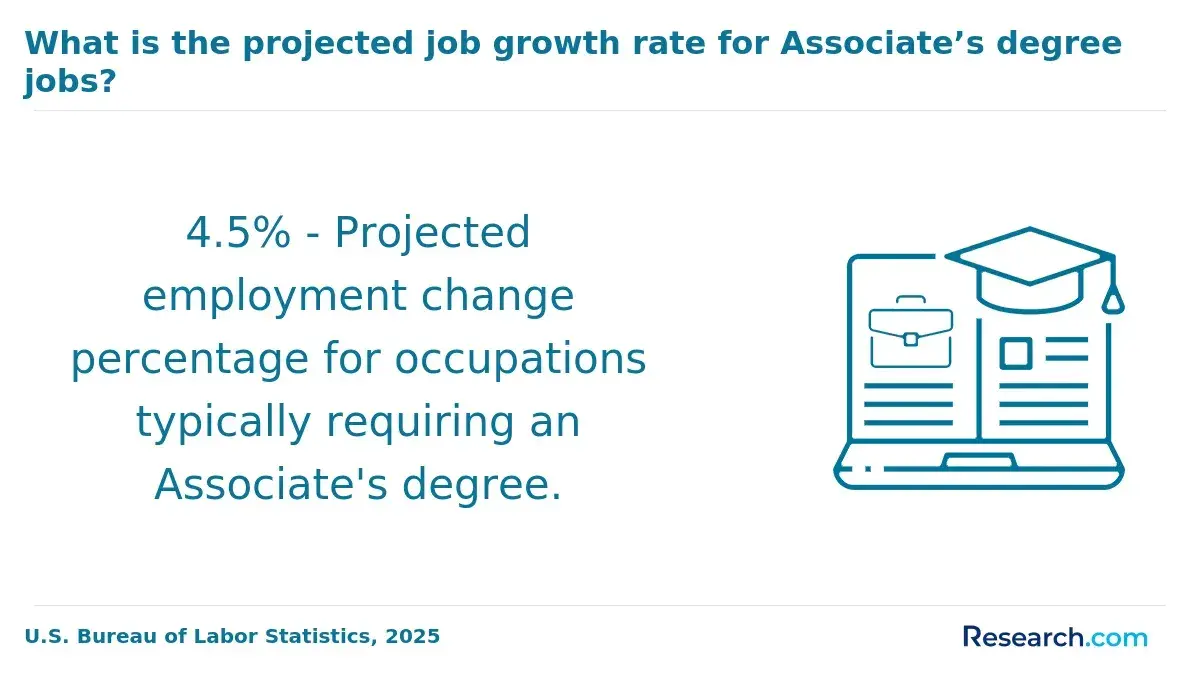
Accreditation bodies often drive stricter requirements to ensure graduates meet licensure and competency benchmarks, influencing institutional selectivity. Recent data from the National Center for Education Statistics in 2024 indicates a rise in older student enrollment, signaling growing demand for career transitions and lifelong learning. These patterns offer insight into how applied science education adapts to skill shortages and changing labor market needs within its fields.
Key Things to Know About Applied Science Admissions Trends
- Acceptance rates for applied science programs have tightened, with many selective institutions now averaging below 35%, indicating increased competition that necessitates strategic application timing and enhanced credentials.
- Minimum GPA thresholds have risen, often above 3.3, reflecting employer demand for candidates with proven academic rigor; this emphasizes the practical tradeoff between program accessibility and workforce readiness.
- Test-optional policies expanded in 2024 lower upfront access costs but shift evaluative weight onto other factors, complicating admissions forecasting and requiring applicants to differentiate through experience or portfolios.
- Key Things to Know About Applied Science Admissions Trends Key Things to Know About Applied Science Admissions Trends
- What Are the Current Acceptance Rates for Applied Science Degree Programs? Current Acceptance Rates
- What Is the Average GPA of Accepted Applied Science Students? GPA Requirement
- Are SAT or ACT Scores Still Required for Applied Science Degree Programs? SAT/ACT Requirement
- How Many Applied Science Programs Have Adopted Test-Optional Admissions Policies? Test-Optional Programs
- What Non-Academic Factors Do Applied Science Admissions Committees Consider? Non-Academic Factors
- Which Types of Schools Are the Most Selective for Applied Science Applicants? Most Selective Schools
- How Do Admissions Standards Differ Across States and Regions? Admission Standards by State
- How Do Admissions Requirements Compare Between Online and Campus Programs? Online vs On-Campus Admissions
- Is There a Relationship Between Admissions Standards and Student Success? Admission Standards & Student Success
- How Can Students Strengthen a Applied Science Program Application? Program Application Preparation
What Are the Current Acceptance Rates for Applied Science Degree Programs?
Recent data from the U.S. Department of Education's College Scorecard and the National Center for Education Statistics (NCES) indicate that acceptance rates for applied science degree programs differ notably across institutions, typically ranging between 40% and 70%. Programs with acceptance rates near 30% to 40% are generally concentrated in competitive universities located in metropolitan areas with robust industry connections, especially in sectors such as information technology and health sciences.
These more selective programs often require applicants to demonstrate proficiency in mathematics, laboratory skills, and maintain GPAs around 3.0 or higher, aligning with evolving admission standards as many schools adjust to changing standardized testing policies. At the other end, community colleges and technical institutes that emphasize accessibility and workforce readiness report acceptance rates well above 70%, prioritizing enrollment capacity over selectivity, as reflected in recent regional applied science degree program acceptance rates by region.
Several factors contribute to this variation in acceptance rates, including institutional prestige, program demand, and capacity constraints. Private and public universities with established research programs tend to maintain tighter admissions due to limited spots and evaluation of academic preparedness, while online programs and less selective institutions expand access to accommodate workforce needs and transfer applicants seeking practical education paths.
Regional economic demands further shape acceptance trends, with areas experiencing labor shortages in technical fields offering expanded opportunities despite higher average GPA and acceptance trends in applied science admissions. Prospective students should consider these dynamics carefully, balancing aspirations for competitive programs against the practical value found in more accessible offerings. Understanding fluctuations in acceptance rates is essential for applicants positioning themselves strategically across programs, as selectivity often correlates with enhanced internship access and employer recognition but does not singularly determine career outcomes.
Employers in applied sciences frequently prioritize hands-on experience and relevant certifications alongside institutional reputation, diminishing concerns over acceptance rates alone. For students exploring flexible or accelerated pathways, including cheap doctorate degree online options, these insights can help navigate program selection in ways aligned with both academic strengths and evolving workforce requirements.
What Is the Average GPA of Accepted Applied Science Students?
Recent admissions data from institutional reports and U.S. Department of Education datasets indicate that the average GPA of accepted applied science students generally falls between 3.2 and 3.7 on a 4.0 scale. More selective applied science degree programs tend to admit students with average GPAs above 3.5, reflecting heightened academic preparedness. Conversely, less selective or community college pathways often have averages closer to 3.2-3.4, revealing a broader range of admitted applicants. These figures represent a key admissions benchmark, helping to calibrate academic readiness expectations for prospective students.
GPA expectations within applied science programs fluctuate due to several factors: institutional selectivity, variations in grading standards, and program demand. Public universities, private institutions, and online platforms may apply different thresholds depending on competitive pressures and program capacity. For example, programs emphasizing technical proficiency or heavy STEM coursework might weigh math and science GPAs more heavily.
This variability underscores why average GPA requirements should be interpreted alongside additional admissions criteria rather than as standalone gates. GPA thresholds influence applicant behavior, with many students aiming above minimums to maintain competitiveness, especially when transfer applications are involved. A growing share of programs have adopted holistic admissions or test-optional policies, which can broaden GPA ranges but elevate the importance of demonstrating rigorous coursework and hands-on experience.
Applicants considering fields related to computing or engineering principles should also recognize that stronger performance in specific prerequisite courses often matures into critical determinants of admission success. These dynamics highlight the evolving role of GPA as an academic signal amid shifting admissions landscapes and employer expectations for applied science graduates, including those exploring opportunities through online mental health counseling programs (CACREP-accredited).
Are SAT or ACT Scores Still Required for Applied Science Degree Programs?
As of 2024, a majority of institutions offering applied science degree programs have adopted test-optional or test-blind admissions policies, reflecting updated guidance from sources like the College Board and data collected from university admissions offices. Approximately 60% of these programs no longer require SAT or ACT scores or consider them a secondary factor rather than a decisive element in admissions decisions. This shift is particularly pronounced in public universities and less selective programs, where applicants' GPA, course rigor, and demonstrable technical skills carry more weight than standardized test results.
However, some highly competitive or graduate-track applied science programs still value test scores as a screening measure, maintaining a degree of selectivity based on these traditional metrics. The move away from mandatory standardized testing is driven by several intersecting factors, including equity considerations, as schools seek to reduce access barriers disproportionately affecting under-resourced students. Institutions also weigh the limited predictive validity of SAT and ACT scores for success in hands-on, technical fields where practical experience and coursework mastery are more indicative of long-term outcomes.
Public, private, and flagship research universities display varying levels of reliance on test scores, frequently balancing efforts to enhance diversity with reputational and ranking concerns. Overall, the evolving admissions landscape reflects a strategic recalibration favoring holistic review processes that prioritize demonstrated achievement in STEM-aligned coursework and relevant experiential learning. A student applying to an applied science program recalled hesitating over whether to submit SAT scores amid a rolling admissions cycle.
Having taken the test late due to scheduling delays, they worried their score wouldn't arrive on time or make a meaningful difference given the school's test-optional stance. In the end, the student submitted their scores out of precaution but focused their application narrative on their advanced coursework and internship involvement, attributes they felt more confident represented their readiness. The uncertainty around test requirements prompted a careful balancing act between meeting potential expectations and prioritizing stronger elements of their academic profile.
How Many Applied Science Programs Have Adopted Test-Optional Admissions Policies?
Recent data from FairTest and the National Center for Education Statistics indicate that between 60% and 70% of applied science degree programs at four-year institutions have moved to test-optional admissions policies as of 2024. This shift is particularly pronounced at large public universities, where the majority of applied science faculties now do not require standardized test scores. Private institutions maintain a more cautious stance, with roughly half adopting these policies, while community colleges typically emphasize open access and often forgo standardized testing altogether.
College Board research further highlights that these programs increasingly prioritize high school GPA and the rigor of coursework, reflecting a deeper evaluation of academic preparation beyond standardized metrics. The expanding adoption of test-optional policies stems from multifaceted pressures including equity-driven concerns about the predictive fairness of tests like the SAT and ACT. Pandemic-driven flexibility accelerated reconsideration of admissions criteria, prompting many programs to recalibrate the weight given to tests amid fluctuating availability and preparation disparities.
Institutional competition also plays a role, as schools seek to attract a broader, more diverse applicant pool by lowering barriers perceived as exclusionary. Changes in applicant behavior, with students often favoring programs with test-optional options, reinforce these trends and shape holistic review practices emphasizing sustained academic performance and relevant experiences. Test-optional policies influence application flow and admissions dynamics by typically increasing both the quantity and diversity of applicants, though they can complicate selectivity assessments and require admissions teams to refine evaluative frameworks.
Prospective students must adapt their strategies, recognizing that demonstrated academic consistency and contextual achievements now weigh more heavily than test scores alone. These policy shifts suggest a lasting transformation in admissions philosophy across applied science fields, signaling greater institutional responsiveness to concerns about fairness, access, and the evolving role of standardized testing in credential evaluation.
What Non-Academic Factors Do Applied Science Admissions Committees Consider?
Admissions committees in applied science programs increasingly adopt holistic review processes that weigh both academic credentials and non-academic factors to gauge an applicant's comprehensive potential. This approach aims to identify candidates whose abilities extend beyond GPA and test scores, reflecting skills and experiences critical to success in applied science fields. Such nuanced evaluation helps programs cultivate cohorts with diverse strengths and practical readiness aligned with industry demands.
- Relevant Work or Internship Experience: Committees prioritize documented hands-on experience like lab work, technical internships, or industry projects. This experience signals practical competence and familiarity with real-world environments, often serving as a decisive factor when academic metrics alone do not differentiate candidates. A 2024 National Science Foundation study found that approximately 60% of admitted applicants to competitive programs had such experience, underscoring its weighted significance.
- Problem-Solving and Creativity: Admissions officers evaluate these through personal statements, portfolios, or project proposals, assessing how applicants approach complex challenges and innovate. This qualitative insight is vital because it captures cognitive flexibility and originality - traits foundational to advancing applied science disciplines but difficult to quantify via standard tests.
- Letters of Recommendation: Trusted faculty and industry professionals provide contextual judgments about candidates' work ethic, teamwork, and adaptability. A survey by the Council of Graduate Schools in 2024 indicated that 78% of admissions officers viewed letters as particularly influential in distinguishing applicants with comparable academic profiles, highlighting their role in appraising intangible qualities.
- Soft Skills Assessment: Communication, leadership, and resilience are increasingly integral to selection rubrics. Admissions committees seek evidence of these through extracurricular activities, volunteer involvement, or leadership roles, recognizing that employers in applied science sectors demand these competencies for sustainable workforce success and collaborative innovation.
- Diversity and Inclusivity of Experience: Programs emphasize candidates who contribute varied perspectives or who have overcome meaningful obstacles. This focus enriches cohort dynamics and aligns with workforce realities, as reflected in a 2024 analysis by the American Society for Engineering Education, enhancing both educational and professional learning environments.
Given these criteria, understanding the importance of extracurricular activities for applied science program acceptance becomes critical. Such experiences often showcase a candidate's soft skills and leadership potential, complementing technical qualifications and reinforcing admission prospects. Prospective students and advisors must weigh these factors alongside academic achievements for well-rounded application strategies.
For those considering advanced education pathways that integrate leadership and organizational competencies relevant to applied science contexts, exploring the best organizational leadership master's programs online can provide additional strategic value in navigating evolving workforce demands.
Which Types of Schools Are the Most Selective for Applied Science Applicants?
Admissions competitiveness in applied science degree programs varies notably across institution types, influenced by factors such as program reputation, funding availability, and applicant demand. Highly selective schools often balance limited capacity with growing interest driven by industry relevance, creating bottlenecks in acceptance rates.
Understanding how institutional characteristics and regional workforce needs shape these dynamics is critical for applicants evaluating their realistic chances.
- Research-Intensive Universities: These institutions frequently have the lowest acceptance rates for applied science programs, often below 20%, due to their strong emphasis on rigorous academics, cutting-edge research, and comprehensive facilities. High application volumes combined with limited slots concentrated in specialized labs and faculty mentorship drive selectivity. Their reputation for producing research-driven graduates attracts competitive applicants nationally and internationally, increasing admissions pressure beyond what general institutional prestige alone would suggest.
- Specialized Technical Institutes: Selectivity here is shaped by focused program offerings and close industry integration. While some technical institutes maintain rigorous entry standards influenced by employer partnerships and access to certifications, others moderate selectivity to ensure workforce pipeline needs. These institutions often enroll fewer students but maintain admission profiles balancing practical experience and academic readiness, situating them between research universities and open-enrollment schools in competitiveness.
- Public Flagship Universities With Applied Science Colleges: These schools typically manage large applicant pools but have program capacities constrained by resource allocation and accreditation norms. Acceptance rates often range between 8% and 18% in applied science majors due to regional demand and reputation for producing graduates with relevant skills. Their public funding structures juxtaposed with high demand create a competitive landscape distinct from both private research institutions and community colleges.
- Community Colleges and Open-Enrollment Technical Schools: Characterized by access-oriented admissions, these institutions generally exhibit acceptance rates above 70%. Their selectivity is minimal as they focus on broad workforce entry pathways and practical skill development. However, the tradeoff includes variability in employer recognition and differing success rates for transfers into four-year applied science programs.
How Do Admissions Standards Differ Across States and Regions?
Admissions standards for applied science degree programs vary notably across U.S. states and regions, influenced by diverse educational ecosystems and socioeconomic contexts. According to 2024 data from the National Center for Education Statistics and state university systems, northeastern states typically enforce higher GPA thresholds and more rigorous academic prerequisites, reflecting concentrated research activity and competitive institutional environments. In contrast, many southern and midwestern states adopt more inclusive criteria, often admitting students with lower GPAs to address workforce shortages and promote regional economic development.
Western states exhibit a mixed approach, with some large public university systems maintaining selective admissions and others prioritizing open access through transfer pathways or community college collaborations. These disparities stem from multiple drivers, including variations in state funding models, regional labor demands, and population density. States with dense urban centers and robust tech sectors usually impose stricter academic standards to align with employer expectations for advanced skills, while less populated or rural states often adopt flexible policies to widen access and support regional workforce needs.
Institutional priorities also shape admission rigor; universities that emphasize research and innovation tend to maintain competitive selectivity, whereas institutions focused on broad community engagement or upskilling may relax criteria. Additionally, differences in testing policies and transfer articulation agreements further influence how accessible applied science programs are across geographic areas.
How Do Admissions Requirements Compare Between Online and Campus Programs?
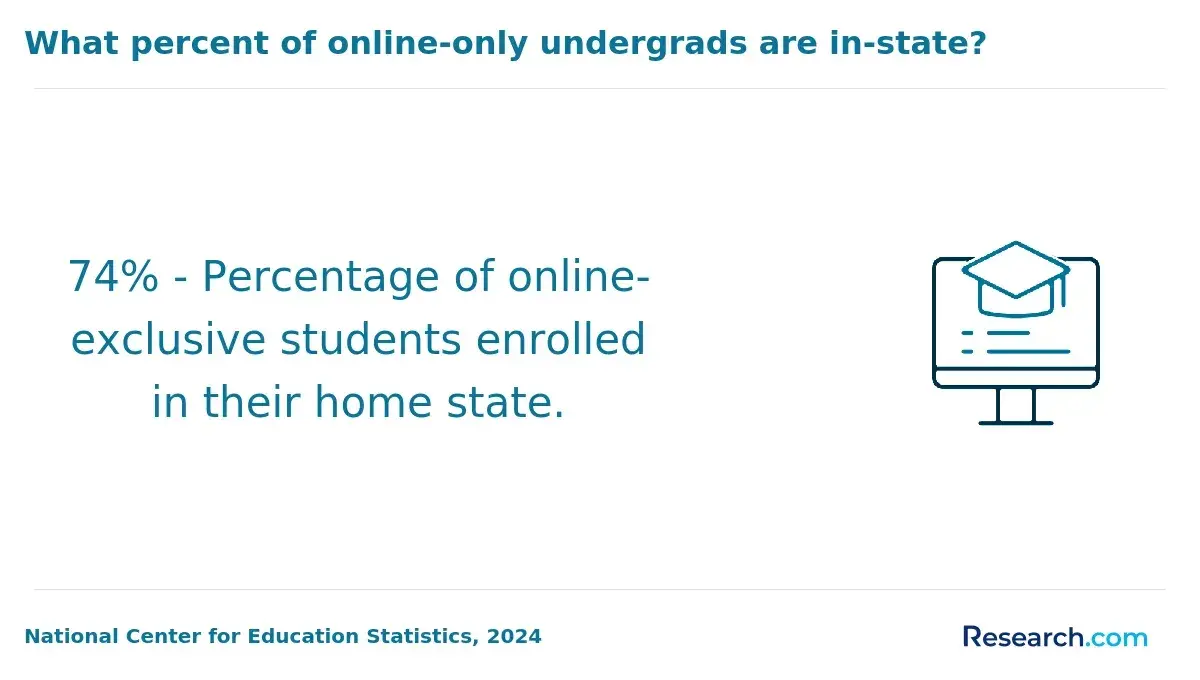
Admissions requirements for online versus campus applied science programs demonstrate meaningful variation shaped by institutional priorities and student profiles, as highlighted by 2024 higher education data. Campus programs typically maintain higher GPA expectations, often ranging from 3.4 to 3.6, with many still requiring standardized test scores such as the SAT or ACT, especially for first-time freshmen. In contrast, online applied science degrees frequently adopt more flexible admissions criteria, where GPA thresholds may dip as low as 2.8 to 3.3 and standardized testing requirements are increasingly waived.
These distinctions reflect not only differing selectivity but also evolving approaches to accommodating diverse applicant pools and enrollment demand in each delivery model. The key drivers behind these admissions contrasts include accessibility imperatives and demographic targeting. Online programs often serve working adults or non-traditional students balancing education with employment, which incentivizes more adaptable entry requirements and less reliance on conventional testing.
Campus programs, meanwhile, emphasize hands-on laboratory and cohort engagement experiences that align with traditional academic support frameworks and employer expectations for consistent academic achievement. Enrollment scalability also influences policy, as online offerings must handle broader demand without sacrificing academic standards, while campus programs manage more constrained seat availability tied to physical resources and faculty oversight. These differing admissions practices impact student choice and perceptions of program rigor in applied science fields.
Flexibility in online admissions can expand access, but some employers and workforce analysts emphasize that hands-on, experiential training available in traditional campus settings remains highly valued for long-term career trajectories. Prospective students weighing these factors benefit from resources like online photography degrees and others that illustrate how program format relates to educational pathways, helping inform decisions shaped by comparative acceptance rates for online and campus applied science degrees.
Is There a Relationship Between Admissions Standards and Student Success?
Recent data suggest a complex relationship between admissions standards and student success in applied science degree programs, with evidence indicating that higher GPA thresholds and stricter test requirements often align with improved academic performance, particularly in early coursework. A 2024 report from the National Center for Higher Education Management Systems found programs enforcing minimum GPAs above 3.0 experienced a 15% higher first-year retention rate, illustrating some correlation between selectivity and success in applied science degrees.
However, this impact tends to plateau beyond certain thresholds, showing that admissions criteria alone are not definitive predictors of longer-term academic or career outcomes. Multiple factors obscure a direct relationship between admissions rigor and student achievement, including variations in student demographics, resource availability, and institutional support systems like tutoring or mentoring. Differences in program design, such as hands-on learning emphasis, and graduation requirements also shape success measures, often more than initial academic selectivity.
Furthermore, many applied science programs adopting test-optional policies report unchanged or improved completion rates, highlighting that admissions criteria must be evaluated alongside the broader educational context and student preparation. This nuanced understanding of the impact of admissions criteria on applied science student outcomes reflects growing recognition of diverse pathways to meaningful achievement. For prospective students and advisors, it is critical to recognize that admissions selectivity does not singularly predict educational quality or employability, especially as employers increasingly prioritize demonstrable skills, internships, and adaptability.
A narrow focus on GPA or standardized tests may overlook crucial dimensions of student potential and career readiness. Those exploring applied science fields should also consider alternative routes, including interdisciplinary options and professional credentials such as an accredited online masters degree in human resource management, which reflect evolving workforce demands and diverse educational outcomes.
How Can Students Strengthen a Applied Science Program Application?
Strong applied science program applications are shaped by more than minimum academic criteria; they demonstrate genuine readiness and alignment with program objectives. Admissions committees increasingly value a blend of solid academic performance, practical experience, and indicators of sustained commitment. These elements offer a multidimensional view of an applicant's potential beyond raw scores, reflecting the field's evolving expectations for adaptability and problem-solving.
- Demonstrated Academic Preparedness: A GPA above 3.5 in relevant science and math coursework serves as a critical baseline signal for admissions. It evidences cognitive ability to handle technical curricula and supports applicants in competitive pools where quantitative rigor is heavily weighted.
- Applied Experience Through Internships or Research: Engagement in hands-on projects conveys practical skills and real-world problem-solving, which admissions committees interpret as readiness for the program's applied nature. This experience often differentiates applicants by showing immediate workplace relevance, boosting perceived employability.
- Interdisciplinary Project Participation: Documented collaboration across disciplines signals adaptability and teamwork-qualities highly prized in today's workforce. Admissions reviewers see this as evidence of broader critical thinking and the ability to integrate knowledge beyond narrow specializations.
- Strategic Standardized Testing: Although many programs have relaxed testing requirements, submitting strong scores can enhance an applicant's profile by confirming technical aptitude, especially in holistic review contexts where test results remain a comparative tool.
- Targeted Extracurricular Leadership: Sustained involvement in STEM or related activities demonstrates motivation and leadership, framing applicants as proactive and engaged individuals rather than passive learners. Letters of recommendation reinforcing these traits further solidify applicant credibility within selective admissions frameworks.
References:
- The Future of Student Success: Institutions must adapt, not students - National Association for College Admission Counseling (NACAC) https://www.nacacnet.org/the-future-of-student-success-institutions-must-adapt-not-students/
- Admission requirements | VIVES https://www.vives.be/en/study/admission-requirements-full-degrees
- Most Common Majors at Highly Selective Colleges and at All 4-Year Colleges https://talk.collegeconfidential.com/t/most-common-majors-at-highly-selective-colleges-and-at-all-4-year-colleges/3660516
- Test-Optional Colleges 2026 https://www.applerouth.com/blog/what-does-test-optional-mean
- College Admissions Update: The Shift Back to SAT/ACT Requirements - Carnegie Prep https://www.carnegieprep.com/college-admissions/college-admissions-testing-policy-updates/
- Application https://ssp.org/application/
- What Does Test-Optional Mean? Understanding the College Application Process - Honest Game https://honestgame.com/blog/what-does-test-optional-mean/
- Admission Requirements - The Hague Pathway College https://www.thehaguepathway.nl/admissions/requirements/
- Admission to Science https://www.ualberta.ca/en/science/programs/bachelor-of-science/admission-to-science/index.html
- Student Loan Debt by Major [2026]: Highest + Lowest Average Debt https://educationdata.org/student-loan-debt-by-major
Other Things You Should Know About Applied Science
Removing standardized testing as a requirement shifts the focus heavily onto GPA and coursework rigor. This can advantage students from schools with more challenging STEM curricula but creates ambiguity for applicants from less-resourced schools or non-traditional backgrounds. Admissions committees may compensate by emphasizing quantitative subject grades or portfolios, but this increases variability in evaluating academic readiness, which can complicate advising and application strategy for students who excel in different ways.
In most applied science programs, GPA remains a primary filter due to the technical foundation it demonstrates, so improving GPA is crucial. However, extracurriculars and industry internships significantly bolster practical skills and employer readiness-especially where admissions trends favor holistic review in the absence of test scores. Ideally, students should allocate effort predominantly to maintaining a strong GPA while seeking at least one substantive practical experience to balance academic excellence with real-world application skills.
Rising GPA expectations pressure students to commit extensive time to coursework at the expense of stress management and cognitive diversity. This can diminish opportunities for creative problem-solving and collaborative learning, competencies highly valued by employers in applied science fields. Students and advisors need to weigh the benefits of pushing for marginal GPA gains against potential burnout and recommend balanced approaches that integrate practical experience and wellness strategies alongside academic rigor.
Admissions trends prioritizing quantitative academic indicators without corresponding adjustments to practical skill development risk producing graduates who are technically proficient but less adaptable in dynamic work environments. Programs that balance GPA requirements with opportunities for project-based learning or internships tend to better prepare students for interdisciplinary problem-solving roles. Applicants should consider how program structures respond to these shifts, favoring those that integrate admissions selectivity with tangible workforce preparation to maximize employability.