2027 Applied Science ROI by Institution Type: Public vs Private vs Nonprofit Online Programs

Co-Founder and Chief Data Scientist
A prospective applied science student faces a choice between three online programs that look nearly identical in curriculum but reveal stark differences upon closer examination. Public institutions often offer lower tuition yet may have longer time-to-degree spans, increasing indirect costs.
Private programs typically charge higher fees but sometimes provide stronger career services and higher graduation rates. Nonprofit online schools vary widely, with some struggling to match graduates' debt loads to employment outcomes. According to a 2024 National Student Clearinghouse report, students at private nonprofits graduate at a 15% higher rate than those in public institutions, signaling potential ROI differences tied to institutional support and completion efficiency.
Choosing poorly could mean years of debt without commensurate career advancement or earnings progression. This article will dissect ROI by institution type-public, private, and nonprofit-to help prospective applied science students weigh costs, outcomes, and long-term value effectively.
Key Things to Know About Applied Science ROI by Institution Type
- Public online applied science programs generally offer lower tuition but often have longer average completion times, increasing indirect costs; this tradeoff can limit ROI for working adults balancing time-sensitive career goals.
- Private institutions' stronger employer networks and brand recognition can enhance career advancement potential, though higher debt exposure offsets gains, underscoring the need to weigh borrowing capacity against anticipated labor market benefits.
- Nonprofit online applied science degrees often provide robust learner support and flexible scheduling, improving graduation rates by up to 15%,* which matters for adult learners seeking timely credentialing without escalating costs.
- What Does ROI Mean for a Applied Science Program and How Is It Measured? Understanding Applied Science Program ROI
- How Do Public, Private, and Nonprofit Online Applied Science Programs Differ in Overall Value? Value by Institution Type
- How Do Tuition Costs Affect the ROI of a Applied Science Program Across Institution Types? Tuition Costs and ROI
- How Do Graduation Rates Influence Applied Science Program ROI? Graduation Rates Impact ROI
- What Role Do Career Outcomes Play in the ROI of a Applied Science Degree? Career Outcomes and ROI
- How Does Student Debt Impact the Long-Term ROI of a Applied Science Program? Debt vs. Long-Term ROI
- How Do Flexibility and Adult Learner Support Affect Applied Science Program Value? Flexibility and Program Value
- How Do Accreditation and Institutional Reputation Influence Applied Science ROI? How Do Accreditation and Institutional Reputation Influence Applied Science ROI?
- How Does Time-to-Degree Affect the ROI of Public, Private, and Nonprofit Applied Science Programs? How Does Time-to-Degree Affect the ROI of Public, Private, and Nonprofit Applied Science Programs?
- How Can You Choose the Best Applied Science Program Based on Your ROI Goals? Choosing Programs by ROI
What Does ROI Mean for a Applied Science Program and How Is It Measured?
Evaluating ROI for an applied science program requires balancing the full scope of educational costs against tangible outcomes that affect long-term career viability. For example, a public online institution may offer lower tuition rates and higher graduation rates compared to private counterparts, which can reduce both debt burden and time-to-degree-critical factors that influence net financial return.
Decision-makers must assess how institutional reputation and support services impact completion because a less expensive program with low retention might yield poorer outcomes than a pricier but better-supported alternative. This reflects how applied science program roi metrics extend beyond sticker price to include opportunity costs and institutional effectiveness.
Measuring return on investment in applied science education demands consideration of varied student goals and personal circumstances, as financial impacts differ depending on employment prospects and program alignment with industry needs. A private nonprofit program might demand higher upfront costs yet offer stronger employer connections or practicum opportunities that enhance job placement rates and salary growth, offsetting initial debt over time.
Conversely, students prioritizing minimal debt may favor lower-cost options but should recognize that a superficially cheaper path does not always equate to the strongest long-term value. Prospective students aiming to optimize their investment can also benefit from reviewing resources about the cheapest EdD programs online, which provide useful context on cost-effective options across different settings.
How Do Public, Private, and Nonprofit Online Applied Science Programs Differ in Overall Value?
Choosing between public, private, and nonprofit online applied science programs hinges on balancing cost, educational quality, and career outcomes rather than relying on institutional prestige alone. Nonprofit programs tend to lead in graduation rates-about 52% according to the National Center for Education Statistics in 2024-indicating stronger student support and engagement, which often translates into better post-graduation employment prospects.
Conversely, public programs, while generally more affordable and accessible with lower tuition, may compromise on individualized attention due to larger class sizes, potentially affecting degree completion. Private institutions can offer tailored curricula but often come with higher debt burdens-averaging over $38,000 in student loans-without guaranteed salary premiums, adding a significant financial risk for students weighing long-term value.
The reputation of nonprofit and well-established public universities tends to carry more weight with employers, often improving workforce entry opportunities. Flexibility, critical for working adults, varies, with some public programs lagging in asynchronous offerings compared to private and nonprofit competitors.
For a prospective student, these dynamics create complex tradeoffs: investing in a nonprofit program could bolster completion and employment chances but often requires a willingness to navigate potentially higher costs upfront, while public programs offer a more economical path with acceptable outcomes for those prioritizing immediate affordability.
One adult learner recalled grappling with the decision after comparing three online applied science options. The public institution's low tuition was tempting, but concerns over less personalized support and slower graduation loomed large. The private program, although promising flexible schedules and smaller classes, came with debt estimates far exceeding their budget, causing hesitation about future financial strain.
Ultimately, the learner chose a nonprofit online program offering robust career services and a manageable cost structure, appreciating its higher completion rates and employer recognition despite paying slightly more upfront. This choice reflected a careful weighing of debt risk against educational returns, tailored to their professional goals and financial limits.
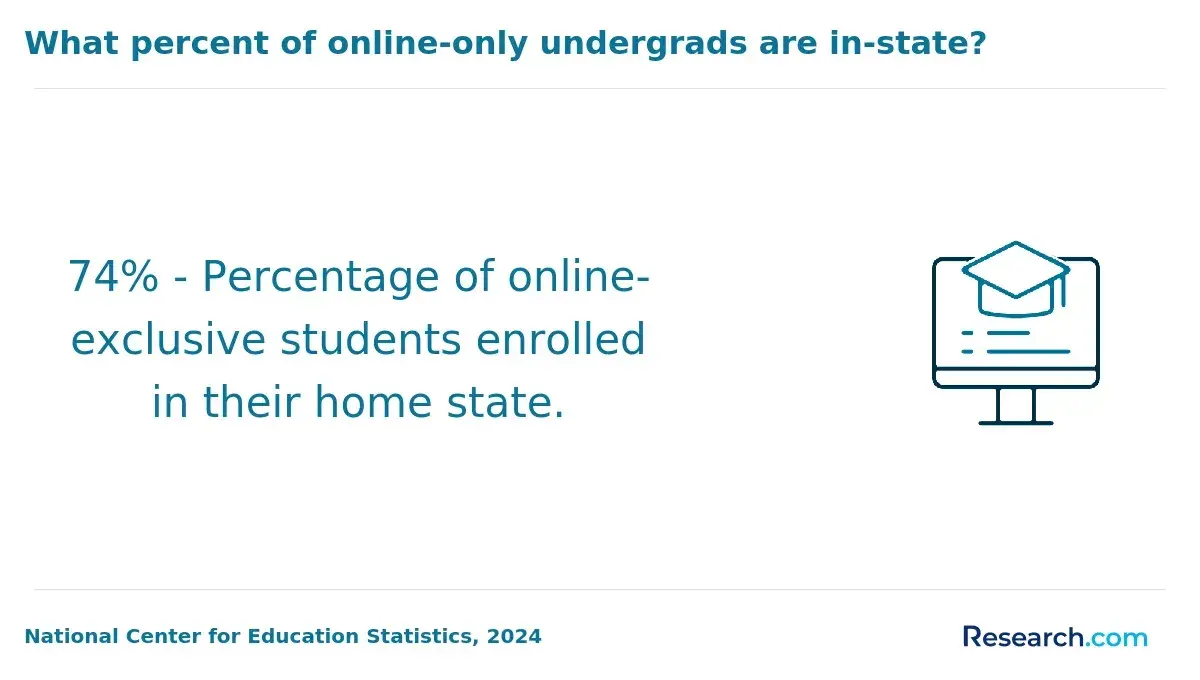
How Do Tuition Costs Affect the ROI of a Applied Science Program Across Institution Types?
Tuition differences between public, private, and nonprofit online applied science programs significantly shape the financial outcomes graduates can expect, but lower sticker prices do not always guarantee a stronger return on investment. Public institutions often benefit from state funding, resulting in net costs that can be 40% to 60% lower than private nonprofit options according to 2024 data from the National Center for Education Statistics.
This reduction in upfront expenses generally translates to less student debt and quicker pathways to financial stability, which suits learners prioritizing debt minimization and faster workforce entry. However, some private nonprofit programs may justify higher tuition by providing extensive career services, flexible scheduling, and stronger employer connections that can lead to greater post-graduation earnings-advantages that might offset the increased borrowing required upfront.
For many working adults and transfer students, the tradeoff between cost and support structures plays a critical role in determining ROI. Programs with robust advising and higher completion rates reduce the risk of accumulating debt without finishing, which is especially vital for nontraditional learners balancing education with other obligations.
While nonprofit institutions often fall between public and private nonprofits on cost, their focused career placement efforts may accelerate employment outcomes, enhancing ROI despite moderate tuition.
Yet, a higher price tag can lead to heavier debt burdens; data from the Institute for College Access & Success highlights that graduates of private nonprofit online applied science programs carry average debts over $30,000, compared to roughly $20,000 for public school graduates, underscoring the long-term financial strain that must be justified by measurable career gains.
Ultimately, adult learners and career changers must assess how tuition interacts with program quality, completion likelihood, and employer relevance rather than assuming the cheapest or most expensive path defines value. A public online program could offer affordable credentials for those focused on minimizing debt, while a pricier private nonprofit might benefit those targeting specific high-demand roles with network advantages.
Evaluating how institutional differences affect not only out-of-pocket cost but also time to degree, learner support, and employment leverage is essential for informed decisions around the ROI of applied science education.
How Do Graduation Rates Influence Applied Science Program ROI?
Graduation rates provide a tangible measure of institutional effectiveness but should be interpreted cautiously as a proxy for applied science program return on investment. For example, a 2024 report from the National Student Clearinghouse Research Center shows public online programs average a 45% six-year graduation rate, whereas private nonprofit programs hover near 55%.
While higher completion rates may reduce total time-to-degree and limit further tuition and debt, many adult learners balance coursework with employment, extending their timelines without necessarily undermining program value. This dynamic is especially relevant when comparing public, private, and nonprofit online programs, where differences in student support services and flexibility significantly influence persistence and economic outcomes.
The impact of graduation rates on applied science program return on investment is further complicated by the diverse profiles of online students. Nontraditional learners often benefit from tailored advising and career resources, particularly at private nonprofit institutions, which may not immediately reflect in graduation percentages but matter for long-term employability and debt management.
Therefore, while completion rates serve as a useful indicator for assessing program transparency and academic support, they do not capture all economic and career benefits. Cost-conscious students should incorporate these nuances alongside program affordability, flexibility, and alignment with workforce demands, especially when evaluating accredited online degree programs in applied science fields.
What Role Do Career Outcomes Play in the ROI of a Applied Science Degree?
Employment and job placement rates directly shape the return on investment of online applied science degrees, with public institutions often leading in early employment outcomes. The U.S. Department of Education's 2024 data shows that about 85% of graduates from public online programs secure jobs within six months, compared to roughly 80% from private counterparts.
This gap reflects broader differences in how career services and industry connections function across institution types, where nonprofit programs sometimes leverage closer ties with specific sectors to enhance skill alignment and job relevance. For cost-conscious learners, these distinctions critically influence the balance between program price, debt incurred, and how quickly their education translates into income and career momentum.
Beyond immediate employment, the long-term value of an applied science degree depends on employer recognition and advancement potential, which vary by program emphasis and industry engagement. Students focused on technical skills and certifications often see faster ROI through roles demanding practical expertise, while those targeting research or graduate studies might prioritize programs with stronger academic rigor even at higher expense.
Regional labor market demands and varying employer expectations mean graduates must weigh how effectively a program's outcomes align with their personal career trajectories, considering not just tuition costs but also time-to-degree and professional networking opportunities as part of overall investment returns.
A recent graduate who chose a nonprofit online applied science program reflected on the value of their degree after completion. Initially uncertain whether the credential would carry weight beyond wage gains, they noted how employer recognition gradually grew as colleagues acknowledged the specialized skills gained.
Internal promotions didn't materialize immediately, but the expanded responsibilities performed post-graduation and access to industry contacts provided reassurance that the degree's value was unfolding in less tangible but vital ways.
This nuanced payoff underscores that for many working professionals, ROI extends beyond salary figures to encompass career adaptability and sustained employability in evolving job markets.
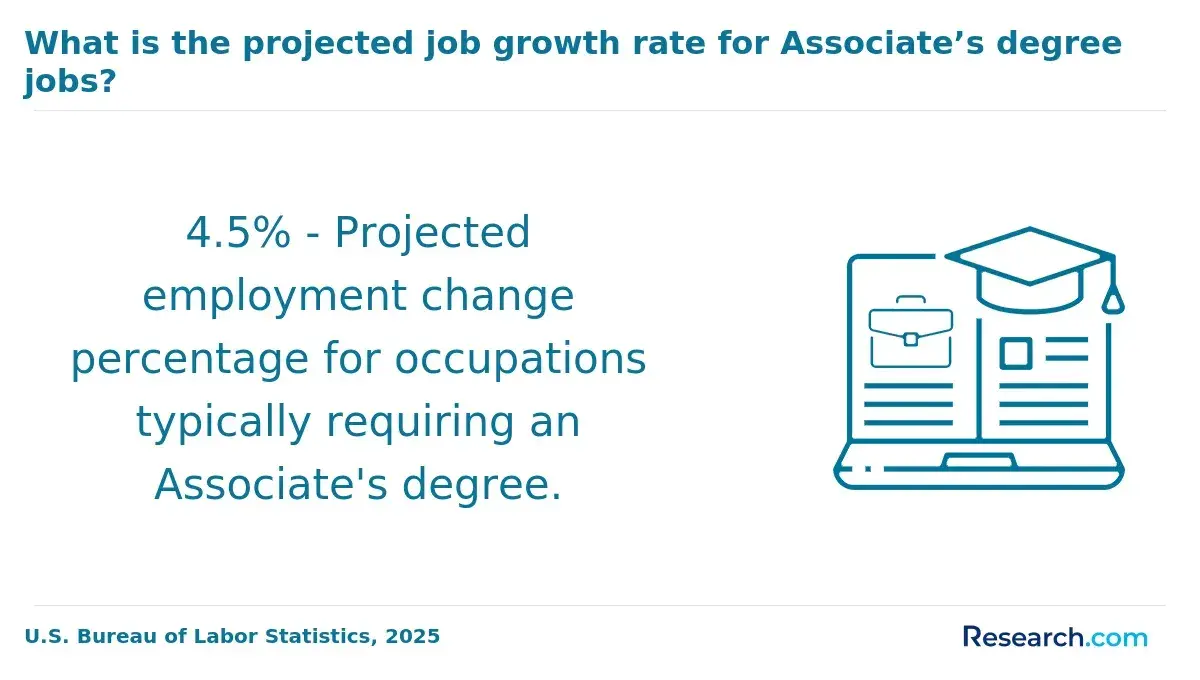
How Does Student Debt Impact the Long-Term ROI of a Applied Science Program?
Student debt plays a pivotal role in shaping the long-term return on investment (ROI) of an applied science program, particularly when comparing public, private, and nonprofit online institutions. Borrowing more heavily in private programs with higher tuition can strain repayment capacity, reducing net financial gains despite potentially smaller class sizes or curricula specialization.
For instance, a graduate from a private online applied science program may face a monthly loan payment that outpaces earnings early in their career, limiting discretionary income and delaying wealth accumulation. These practical repayment dynamics directly influence career flexibility and financial stability, underscoring why cost-conscious learners must critically weigh debt against expected employment outcomes when assessing program value.
The impact of student loan repayment on ROI for applied science graduates extends beyond sticker price; public online programs often provide lower tuition and better access to state-based aid, resulting in approximately 25% less average debt.
Nonprofit institutions typically fall between these extremes, and ROI outcomes hinge largely on program reputation and scholarship availability.
Nonetheless, failure to complete the program or prolonged repayment periods can exacerbate debt burdens, regardless of institution type. Adult learners and working professionals evaluating a degree in cryptocurrency or other applied sciences must consider graduation rates, labor market alignment, and default risks alongside borrowing strategies to optimize long-term financial returns.
How Do Flexibility and Adult Learner Support Affect Applied Science Program Value?
Program flexibility and targeted adult learner support shape the real return on investment for public, private, and nonprofit online applied science programs by directly affecting persistence and completion metrics. For working adults balancing jobs and family, asynchronous coursework and part-time enrollment options can reduce opportunity costs and help maintain steady progress, but they may limit synchronous faculty interaction, which some employers value for skill validation.
Adult learners often face unique hurdles such as transfer credit recognition and accommodating military service, making accessible academic advising and veteran-specific services crucial for minimizing delays and avoiding excess debt, as evidenced by recent findings from the National Center for Education Statistics showing 68% of adult online students prioritize scheduling flexibility.
Nonprofit institutions generally emphasize comprehensive support through personalized counseling and career services, which correlate with higher retention and graduation rates, enhancing program value despite often higher tuition. Public schools typically offer more affordable tuition and broader access but may have less capacity for individualized support, influencing time-to-degree and potentially raising indirect costs.
Private online schools vary widely, with some emphasizing networking potential while others offer limited learner resources, complicating ROI considerations for cost-conscious students. Ultimately, decision-making hinges on weighing whether a program's flexibility justifies potential tradeoffs in faculty engagement and support intensity, as these factors significantly influence employability outcomes and long-term debt burden for adult learners navigating diverse life circumstances.
How Do Accreditation and Institutional Reputation Influence Applied Science ROI?
Accreditation and institutional reputation significantly shape the return on investment (ROI) for applied science programs. Graduates from regionally accredited institutions typically face fewer barriers in employment and graduate school admissions.
Data from the National Center for Education Statistics highlights a 15-20% higher job placement rate for these students within their fields compared to those from nationally accredited or non-accredited programs.
For example, a working professional weighing a private online program with national accreditation against a public university offering regional accreditation must consider potential employer skepticism and limited credit recognition that could extend time-to-degree and increase debt burden.
Institutional reputation goes beyond accreditation, affecting how hiring managers perceive graduates' readiness and the value of their credentials, particularly in competitive applied science fields. Public institutions often have established reputations bolstered by regulatory oversight and broader alumni networks, while some private and nonprofit schools compensate with innovative curricula or specialized faculty, though inconsistent outcomes can impact ROI.
Students balancing tuition costs, program flexibility, and institutional prestige should scrutinize graduation rates, student support services, and licensure pathways, since these factors correlate strongly with smoother workforce entry and long-term earnings potential.
Employers remain cautious about purely online credentials without accompanying established program names, underscoring that ROI depends on a nuanced interplay of accreditation, reputation, and alignment with practical career goals.
How Does Time-to-Degree Affect the ROI of Public, Private, and Nonprofit Applied Science Programs?
The time-to-degree critically shapes the ROI of public, private, and nonprofit online applied science programs. Public programs typically extend beyond five years, reflecting part-time enrollment and flexible pacing suited for working adults with family responsibilities. For instance, a student juggling part-time work may opt for a public online program's longer timeline to maintain steady income but pay more tuition cumulatively.
In contrast, private nonprofit programs often emphasize accelerated pathways averaging 4.3 years, potentially reducing debt and enabling earlier workforce entry, though this pace can constrain the ability to balance work and study, sometimes resulting in higher stress or lower completion rates.
These dynamics underline how completion time interplays with financial and personal tradeoffs in real-world decision-making.
Transfer credits further complicate this equation. Public institutions generally accept more transfer credits, allowing students who started at community colleges to shorten time-to-degree and lower costs.
Conversely, private nonprofits often enforce stricter transfer policies but compensate with cohort-based support that can improve on-time graduation outcomes. The comparative ROI analysis of nonprofit applied science online degree completion time reveals that faster graduation does not automatically translate into higher value without factoring in scheduling flexibility and long-term career trajectories.
Adult learners must consider how pace, credit policies, and completion likelihood align with their unique professional and personal situation. Evaluating these elements alongside affordability and enrollment intensity is essential, especially when reviewing options like online interdisciplinary studies admissions and costs, which may offer insights into program affordability and transfer opportunities.
How Can You Choose the Best Applied Science Program Based on Your ROI Goals?
The highest return on investment in an applied science online program depends largely on individual priorities rather than institution type alone. Public programs generally offer lower tuition, resulting in less student debt, but they often have lower completion rates, which can delay workforce entry and reduce overall ROI.
Conversely, nonprofit online programs frequently provide greater flexibility and stronger learner support, reflected in a roughly 15% higher on-time graduation rate according to the 2024 Online Learning Consortium study, a critical factor for working professionals balancing employment and family obligations.
Choosing the best applied science program for career ROI requires weighing these tradeoffs alongside financial aid availability and institutional reputation. Nonprofit and private schools may have higher sticker prices yet offer targeted scholarships and industry connections that enhance long-term salary prospects, while public schools typically minimize upfront costs.
Students should also consider accreditation and employer preferences, as some industries prioritize graduates from institutions known for rigorous research and alumni networks over simply lower debt burdens.
For cost-conscious learners and those assessing applied science online program ROI comparison, realistic time-to-degree expectations and support services matter greatly. Programs aligned with personal career goals and schedules, such as a 2-year criminal justice degree online, illustrate how flexibility and completion speed can shape both cost and employability outcomes.
Ultimately, ROI is not solely a financial calculation but a nuanced decision balancing affordability, educational quality, and practical career impact.
References
- The institutional role of business school accreditation agencies: a systematic literature review https://portal.amelica.org/ameli/journal/154/154737005/html/
- Seattle Public and Private K-12 and College Admissions Coach https://www.schoolingdoula.com/blog/financial-matters-understanding-college-roi
- Is College Worth it? | Return on Investment Analysis of College Degree https://educationdata.org/college-degree-roi
- College is still worth it, even with student debt, but we can do better | Brookings https://www.brookings.edu/articles/college-is-still-worth-it-even-with-student-debt-but-we-can-do-better/
- Flexible Programs Assist Adult Learners to Thrive - The EvoLLLution https://evolllution.com/opinions/flexible-programs-assist-adult-learners-to-thrive
- Key Figures on Cost, Student Debt, & ROI at Public Universities - APLU https://www.aplu.org/our-work/4-policy-and-advocacy/publicuvalues/key-figures-on-cost-student-debt-amp-roi-of-public-universities/
- The Debt Paradox How Student Loans Simultaneously Enhance Earnings and Constrain Life Choices among College Graduates https://www.scirp.org/journal/paperinformation
- The Economics of Accreditation: Costs, Benefits, ROI - Course Accreditation https://course-accreditation.com/blog/the-economics-of-accreditation-costs-benefits-roi/
- The Rise of the Lifelong Learning Model | Insight Into Academia https://insightintoacademia.com/the-lifelong-learning-model/
- Public vs. Private University: What’s the Difference? | Tiffin University https://www.tiffin.edu/news/public-vs-private-university-whats-the-difference/
Other Things You Should Know About Applied Science
Employers often value degrees from nonprofit and public institutions more highly due to their established reputations and long-standing accreditation, which can translate to stronger hiring prospects, especially in technical applied science fields.
Private online programs may be viewed with more scrutiny if their brand or industry connections are less recognized, potentially requiring graduates to demonstrate skills and experience beyond the degree. For working professionals weighing their options, prioritizing programs with clear employer partnerships or demonstrable applied learning outcomes can improve ROI by facilitating smoother transitions into or promotions within the workforce.
Curriculum alignment tends to vary more widely in private programs, with some offering highly specialized or cutting-edge applied science courses that meet niche industry needs, while others may lag behind current technological advances.
Public and nonprofit programs generally emphasize broader, foundational knowledge aligned with established certifications and regulatory requirements. Students focused on rapidly evolving sectors should evaluate course content updates and industry advisory board involvement, as these factors critically affect their ability to apply skills immediately and maximize ROI in competitive job markets.
Nonprofit and public online applied science programs often maintain rigorous academic standards, reflecting their mission to provide comprehensive education, which can lengthen time to degree but better prepare graduates for complex roles.
Many private programs market accelerated timelines with compressed workloads, which might appeal to adult learners but risk sacrificing depth and long-term skill retention. For students managing full-time jobs, understanding these tradeoffs is essential: a faster path may save time upfront but could lead to a weaker grasp of concepts, ultimately impacting career growth and the practical value of the degree.
Program flexibility is vital for adult students, and private online institutions often offer greater scheduling adaptability and modular course designs. However, this flexibility can come at a cost if the program's perceived rigor or employer recognition is weaker, potentially limiting long-term advancement.
Public and nonprofit programs, while sometimes less flexible, tend to offer more robust alumni networks and recognized credentials, factors that aid sustained career growth. Prospective students should prioritize flexibility only if it does not compromise engagement with critical applied science competencies and industry credibility, ensuring the degree supports future upskilling and mobility.