2027 Applied Science Affordability by State: Where Students Pay the Most and Least

Co-Founder and Chief Data Scientist
Choosing between two applied science programs often means confronting starkly different tuition fees and hidden costs. For example, a student weighing an in-state option at $9,000 annually against an out-of-state program charging $25,000 must factor in not just sticker price but living expenses and potential debt. A 2024 study found that states with higher average tuition rates also frequently have elevated student borrowing rates, indicating affordability gaps that push students into greater debt burdens.
These cost disparities shape enrollment patterns and long-term financial outcomes, influencing which programs are realistically attainable. This article analyzes applied science affordability by state to highlight where students face the greatest and least financial barriers to enrollment.
Key Things to Know About Applied Science Affordability by State
- States with lower published tuition often have higher overall costs when factoring in living expenses and fees, meaning prospective applied science students must weigh total cost of attendance beyond base tuition.
- In-state pricing advantages can influence workforce alignment as local employers prefer graduates familiar with regional industry standards, making residency status a key factor in program value and employability.
- Recent 2024 data reveal increased state funding volatility affecting scholarship availability, requiring students to consider timing and financial aid fluctuations impacting net affordability for applied science degrees.
- Key Things to Know About Applied Science Affordability by State Key Things to Know About Applied Science Affordability by State
- Which States Have the Most Affordable Applied Science Degree Programs? Most Affordable State Programs
- Which States Have the Highest Applied Science Degree Costs? Highest State Tuition Costs
- How Much Does a Applied Science Degree Cost by State? Degree Costs by State
- Why Does Applied Science Affordability Vary So Much Between States? State Affordability Variations
- How Do In-State and Out-of-State Tuition Rates Affect Applied Science Affordability? In-State vs. Out-of-State Rates
- How Does the Cost of Living Impact Overall Applied Science Affordability by State? Living Costs and Affordability
- Which States Offer the Best Value for a Applied Science Degree? Best Value State Degrees
- What Financial Aid and Scholarship Opportunities Can Reduce Applied Science Costs? What Financial Aid and Scholarship Opportunities Can Reduce Applied Science Costs?
- Are Online Applied Science Degree Programs More Affordable Than On-Campus Options? Are Online Applied Science Degree Programs More Affordable Than On-Campus Options?
- Is a Applied Science Degree Worth the Cost Based on Career Outcomes and ROI? Degree ROI and Outcomes
Which States Have the Most Affordable Applied Science Degree Programs?
State-level differences in tuition and public funding fundamentally shape the affordability of applied science degree programs, often making a decisive impact on where budget-conscious students choose to enroll. States that maintain robust funding for public higher education, coupled with clear resident tuition advantages, consistently lower financial barriers compared to national averages. For instance, Wyoming's average in-state tuition near $5,000 contrasts sharply with the national average of $10,500, a gap largely driven by the state's prioritization of direct subsidies and lower living costs. This dynamic means that students weighing the choice between staying in-state or attending out-of-state programs must consider not only sticker price but also how regional cost of living and financial aid policies influence total expenses and debt burden.
Variability in educational infrastructure and residency policies also plays a crucial role in practical affordability assessments for applied science degrees. New Mexico's strategic emphasis on workforce-aligned financial aid-combining merit-based scholarships and need-based grants-illustrates how state collaboration with educational institutions can mitigate tuition pressures. This approach particularly benefits students who prioritize immediate employability in sectors like manufacturing or environmental technology.
Meanwhile, North Dakota's efforts to retain graduates through in-state work incentives underscores how affordability intertwines with long-term career planning and retention of technical talent. Ultimately, these state-specific affordability profiles significantly affect enrollment decisions, degree completion strategies, and the long-term value of an applied science credential, especially for those comparing with alternative options like online AI degree programs that may offer different cost structures and flexibility.
Which States Have the Highest Applied Science Degree Costs?
States with the highest applied science degree costs typically reflect broader economic and policy-driven dynamics rather than arbitrary pricing. Elevated living expenses in metropolitan hubs like San Francisco or Boston increase not only tuition fees but also housing and related student costs, pushing total attendance well beyond the sticker price. Declining public funding in these states intensifies reliance on tuition revenue, particularly where research-intensive private institutions dominate the landscape. For students, this often means weighing the tradeoff between attending a costly but prestigious program and opting for more affordable regional alternatives that might offer fewer resources but limit debt exposure.
Residency rules heavily influence perceived affordability, as out-of-state students frequently face sharply higher tuition without the cushion of local aid or in-state rates, which constrains mobility for budget-conscious learners. Furthermore, fewer low-cost community college pathways offering applied science programs in high-cost states narrow access, compelling many to consider online education or interstate enrollment despite potential compromises in hands-on training and local employer networks. According to the 2024 Integrated Postsecondary Education Data System, annual in-state tuition for applied science degrees in California exceeds $12,000, a figure well above the national average, illustrating how geographic and institutional factors intersect to shape financial decisions.
A former applied science student recalls the challenge of deciding between an in-state public institution with moderate tuition and a prestigious out-of-state university specializing in the student's chosen field. The out-of-state option doubled the tuition without including living expenses, prompting the student to extensively research scholarships and online hybrid options. Despite the allure of a higher-ranked program, the student ultimately chose the local public college due to affordable residency status and access to nearby internships, acknowledging the uneasy balance between perceived program quality and manageable debt. This experience highlights how nuanced cost considerations and financial aid realities weigh heavily on the practical value assessment of applied science degrees across state lines.
How Much Does a Applied Science Degree Cost by State?
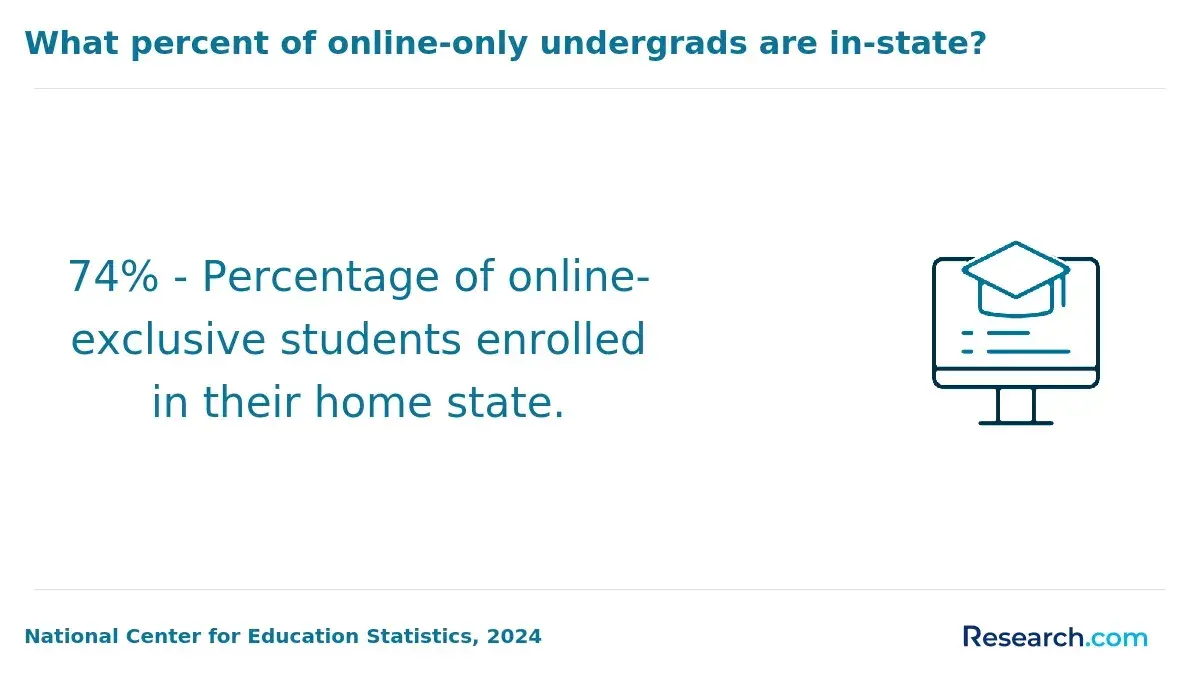
State-level disparities in the cost of earning an Applied Science degree reflect more than just sticker price differences; they carry tangible consequences for student planning and career timing. For instance, states like California and New York impose in-state tuition typically ranging from $15,000 to $18,000 annually at public institutions, while out-of-state students often face rates exceeding $30,000, a financial gap that may compel prospective students to weigh the value of relocation or remote learning options. Conversely, Midwestern and Southern states frequently offer public tuition closer to $6,000-$10,000 for residents, though private institutions within these regions maintain a higher baseline cost, often partially offset by state-specific scholarships and grant opportunities that directly influence net expenses and borrowing needs.
These cost differences are tightly linked to how states allocate funding to public universities and the affordability impact of regional economic conditions, such as housing and living expenses, which can significantly alter the total cost of attendance beyond tuition alone. Students must consider the tradeoffs between paying higher tuition in states with robust economic ecosystems and job markets versus potential savings in lower-cost regions where program offerings and employer networks may be less dense. According to the National Center for Education Statistics and the College Board data updated for 2024, evaluating tuition alongside residency policies and financial aid accessibility remains critical for managing debt levels and maintaining practical timelines to degree completion.
In practice, budget-conscious learners should assess both the immediate tuition costs and the longer-term implications of program availability and regional employment demand before committing to majors in college. Choosing a state with lower in-state tuition but limited access to specialized Applied Science programs or employer tuition reimbursement can constrict career pathways despite initial savings. Hence, prospective students benefit from integrating cost analysis with program strength, funding policies, and expected return on investment to navigate enrollment decisions that align with both financial capacity and workforce realities.
Why Does Applied Science Affordability Vary So Much Between States?
Differences in state funding allocations and institutional profiles heavily influence state-by-state variations in applied science degree cost differences by state. For instance, Wyoming and New Mexico's higher public funding per student enables lower resident tuition, contrasting sharply with states hosting more private institutions, where tuition tends to be higher due to limited state subsidies. These disparities often affect student decisions, pushing budget-conscious learners toward states with stronger public support or prompting enrollment in online programs to mitigate out-of-state fees and high living expenses.
Cost-of-living variations further complicate affordability comparisons, as higher expenses in states such as California and New York raise overall attendance costs despite moderate tuition. Additionally, many states with robust student aid programs targeting applied science degrees help lower net costs, influencing enrollment patterns and long-term education planning. This is critical for students weighing tradeoffs between program quality, location, and price-an increasingly common scenario for those exploring easy online associate degrees options or regional alternatives.
Workforce demand and institutional investment also impact tuition pricing, with states experiencing greater applied science graduate needs often channeling funds into specialized equipment and faculty, which may elevate tuition but improve employability. These dynamics highlight the complex interplay of funding policies, institutional mix, and regional economic factors shaping affordability, making comparative cost analysis essential for prospective students aiming to balance practical outcomes against financial constraints.
How Do In-State and Out-of-State Tuition Rates Affect Applied Science Affordability?
Tuition rates based on residency significantly shape the financial feasibility of pursuing an applied science degree, especially within public institutions where in-state students often pay less than half of the tuition charged to out-of-state peers. According to 2024 data from the National Center for Education Statistics, average annual in-state tuition for public applied science programs hovers around $10,000, contrasting sharply with nearly $27,000 for out-of-state students. This steep gap alters not only upfront costs but also long-term financial planning, often compelling students to weigh relocation or residency reclassification strategies against the potential debt burden. Furthermore, regional reciprocity agreements like the Western Undergraduate Exchange can ease these disparities, though their limited scope means many out-of-state learners face consistently higher prices.
Online applied science programs sometimes circumvent residency differentials by offering flat tuition rates, yet this option introduces tradeoffs regarding networking and employer engagement commonly tied to in-person study. Private institutions uniformly charge high tuition regardless of residency, complicating comparisons but underscoring that state residency benefits primarily influence public school affordability. Beyond sticker prices, financial aid eligibility-frequently tied to residency-plays a critical role in net cost differences, with merit aid occasionally leveling the field for non-residents. These intertwined factors create a complex landscape where residency classification, institutional selection, and enrollment timing have tangible impacts on both the economic and educational outcomes for applied science students.
One applied science student, relocating across state lines for better job prospects, hesitated upon discovering they would pay out-of-state tuition nearly triple the local rate. Despite the institution's strong program reputation, the unexpected cost forced a reconsideration of alternatives, including applying for residency status and exploring regional exchange programs. While initial frustration emerged from the opaque rules governing residency qualification, the student eventually viewed the situation as a challenge to weigh financial sacrifices against career gains, realizing this calculus was pivotal in their educational decision and fiscal sustainability during training.
How Does the Cost of Living Impact Overall Applied Science Affordability by State?
The interplay of housing, transportation, food, and healthcare costs significantly shapes the true financial burden of pursuing an applied science degree, often overshadowing tuition itself. For example, a student in a high-cost state like New York may face housing expenses several times higher than peers in Arkansas, forcing difficult tradeoffs such as part-time enrollment or increased reliance on loans. Regional variations in wages and inflation also elevate grocery and medical costs in some areas, compounding overall living expenses and influencing debt exposure and academic progression.
Transportation and utility costs further complicate budgeting decisions for students weighing cost of living differences and applied science affordability by state. Dependence on personal vehicles in suburban or rural environments can inflate daily expenses compared to urban areas with public transit, affecting not only immediate finances but also the feasibility of commuting or relocating. Additionally, students considering online versus in-person program delivery should factor in regional internet and utility rates, which vary notably between coastal and inland states and impact the viability of remote learning.
These layered cost components mean that students evaluating where to pursue an applied science degree must account for comprehensive living expenses beyond tuition when planning finances and identifying financial aid needs. Such detailed consideration supports informed choices that balance educational quality with sustainable budgeting to reduce interruptions and optimize workforce readiness. For more nuanced comparisons, prospective students may find resources highlighting the best data science masters programs helpful to gauge affordability in context of practical expenses.
Which States Offer the Best Value for a Applied Science Degree?
When evaluating the value of pursuing an applied science degree across states, it is critical to look beyond sticker tuition prices and incorporate completion rates, financial aid breadth, and local labor market demand into the analysis. For example, North Carolina's public universities offer relatively low in-state tuition around $9,000 and above-average degree completion near 65%, which together reduce both upfront and long-term costs by minimizing extra semesters and maximizing access to state-funded grants. Conversely, a state with lower tuition but below-average graduation and limited aid programs can prolong time-to-degree and increase debt, ultimately diminishing net value for budget-conscious students.
Students should weigh how state residency rules impact tuition eligibility, especially if relocation or online study options are under consideration. Texas illustrates this with slightly higher tuition costs offset by growing employment opportunities in manufacturing and healthcare technology, plus targeted scholarships for STEM and applied science fields that improve net affordability for qualified students. Wisconsin combines moderate tuition with strong institutional partnerships linking education to industry, facilitating internships that enhance early career earnings-an important factor for return on investment beyond just tuition figures. Thus, the "cheapest" state is not necessarily the most cost-effective when factoring in degree completion likelihood, financial aid accessibility, and post-graduation demand.
What Financial Aid and Scholarship Opportunities Can Reduce Applied Science Costs?
Financial aid markedly shapes the true cost of earning an Applied Science degree, but its impact varies widely by state, residency status, and institutional policies. Federal Pell Grants remain the primary need-based support, covering up to $7,395 annually in 2024, yet these grants rarely eliminate tuition expenses entirely, especially in states with higher costs or limited supplemental aid. For students in states like California or Texas, robust state-funded grant programs combined with institutional scholarships can significantly reduce out-of-pocket expenses, but eligibility often hinges on residency and continuous enrollment, making long-term planning essential. Conversely, students in states with minimal grant support may face higher net prices that influence decisions to delay or leave programs, affecting completion rates and workforce entry timing.
Employer tuition benefits and partnerships introduce additional layers of aid, but they often come with post-graduation employment commitments that may restrict career mobility. Moreover, merit-based scholarships and departmental awards, while valuable, are competitively awarded and subject to annual renewal criteria, which can add financial uncertainty. Emerging tuition reciprocity agreements allow some out-of-state students to access in-state rates, yet navigating these requires awareness of residency definitions and application deadlines. According to the National Center for Education Statistics, nearly 85% of undergraduates obtain some form of financial aid, but disparities in aid stacking policies and application timing produce markedly different affordability outcomes depending on geographic and institutional context.
Therefore, students comparing Applied Science programs must weigh not only sticker prices but also the strategic interaction of federal, state, institutional, and employer aid within their residency, enrollment status, and post-graduation plans. Understanding these complexities is crucial to managing debt levels and aligning educational investments with realistic career trajectories in a tight labor market.
Are Online Applied Science Degree Programs More Affordable Than On-Campus Options?
The affordability of online applied science degree programs compared to traditional on-campus options depends significantly on state policies, residency rules, and the program's design. While tuition tends to be 15% to 30% lower online according to a 2024 NCES report, many institutions charge out-of-state fees that diminish these savings for nonresident students. Furthermore, the elimination of housing and commuting expenses can yield substantial cost advantages for online learners, particularly those living in high-cost urban areas, yet this must be balanced against additional technology costs that some students face, such as hardware upgrades and reliable internet access. These factors combine to make affordability comparisons complex and highly individualized rather than universally favorable to one modality.
Cost disparities become sharper when considering the cost comparison of on-campus and online applied science programs by state, especially due to varying institutional aid policies and residency criteria that often exclude remote learners from in-state tuition benefits. Financial aid packages typically resemble those for traditional students at the federal level, but online degree candidates frequently receive fewer institution-specific scholarships, impacting overall out-of-pocket costs. Additionally, because some applied science fields require hands-on training or lab work, students might face hybrid schedules, increasing travel and lodging expenses that detract from anticipated online savings. Prospective students need to evaluate these tradeoffs carefully to decide where and how pursuing an applied science degree is most financially sustainable.
Employer acceptance and long-term career implications also influence the practical value of an online applied science education. Although many employers recognize degrees earned remotely from accredited programs, technical fields often emphasize in-person experience that complements theoretical knowledge, which can affect job readiness and wage potential. Budget-conscious learners should integrate these employment realities into their analysis and consider resources about the best degrees for work from home jobs to align their educational choices with evolving labor market demands.
Is a Applied Science Degree Worth the Cost Based on Career Outcomes and ROI?
The financial value of an applied science degree varies significantly by state due to differences in tuition rates, local labor market demand, and graduation outcomes. For example, pursuing this degree in states like Wyoming or New Mexico, where tuition affordability is higher and industry demand aligns, often results in a stronger applied science degree return on investment in the United States compared to more expensive regions. However, students must weigh these savings against opportunity costs like time spent in school and potential debt, as the average loan balances for applied science students fluctuate widely, impacting net take-home income after graduation.
Career outcomes and salary potential for applied science graduates by state reveal another layer of complexity-states with higher completion rates such as Massachusetts and California tend to produce graduates who achieve better employment matches and salary growth, highlighting that the quality and duration of program completion matter as much as tuition cost. Employment projections suggest stable demand in fields commonly requiring applied science credentials, but geographic mobility may be necessary to maximize earnings and career pathways over time. Students should consider not only state-specific tuition but also local job market conditions and possibilities for further certification or graduate education to fully realize the benefits of their degree.
Exploring education options, students might also compare applied science degrees with other accelerated programs, including some of the fastest online MBA programs, to assess which offers a balance of time, cost, and career results aligned with their goals.
References
- How to Finance Your Online Studies – Part 1 | Tomorrow University https://www.tomorrow.university/blog/financing-options-for-prospective-tomorrow-university-students
- Average Cost of College [2025]: Yearly Tuition + Expenses https://educationdata.org/average-cost-of-college
- Tuition & Fees https://www.centralia.edu/funding/cost/tuition.aspx
- How much do in-state students pay in tuition and fees to attend four-year public universities? - APLU https://www.aplu.org/our-work/4-policy-and-advocacy/publicuvalues/college-costs/
- How the Cost of Living Compares Across All 50 States—and What Factors Drive Such Wide Gaps https://finance.yahoo.com/economy/articles/cost-living-compares-across-50-110500273.html
- States of Affordability: A series on where and why US households struggle to make ends meet | Brookings https://www.brookings.edu/articles/states-of-affordability-a-series-on-where-and-why-us-households-struggle-to-make-ends-meet/
- Home - State University of Applied Sciences in Przemyśl https://international.pansp.pl/
- STATE UNIVERSITY OF APPLIED SCIENCES | Study in Raciborz! https://en.akademiarac.edu.pl/
- How the Post-Pandemic Price Surge Reshaped Affordability in America https://www.commonsenseinstituteus.org/oregon/research/jobs-and-our-economy/the-inflation-hangover-how-the-post-pandemic-price-surge-reshaped-affordability-in-america
- Study finds US does not have housing shortage, but shortage of affordable housing | EurekAlert! https://www.eurekalert.org/news-releases/1048517
Other Things You Should Know About Applied Science
State funding differences often mean that lower tuition rates in some states correspond with more limited resources, outdated equipment, or fewer faculty with industry experience in applied science programs. Conversely, states with higher tuition may provide stronger hands-on training, smaller class sizes, and better connections to local employers. Students prioritizing practical skills and industry readiness should weigh lower costs against potentially less rigorous program delivery, as affordability alone doesn't guarantee equivalent educational quality or employer recognition.
Even if a degree program in one state is affordable, it may be less valuable if the local job market offers limited opportunities in applied science fields. Graduates often get better returns on investment by attending schools where regional employers actively recruit applied science talent. Thus, prioritizing states with a strong industry presence aligned with program focus can justify paying more upfront by enhancing job prospects and reducing relocation costs post-graduation.
Some states require longer credit hours or additional certifications for applied science degrees, indirectly increasing costs through extended tuition payments and living expenses. Additionally, extended programs often demand greater time commitment, which impacts students who depend on part-time work or face family obligations. Budget-conscious students should compare not only per-credit tuition but also program structure and duration to accurately assess total financial and personal investment.
Choosing the cheapest program may mean sacrificing access to specialized tracks or up-to-date technologies essential for certain applied science careers. While affordability is crucial, students targeting niche fields should prioritize programs with recognized specializations and industry accreditation, even at higher costs. Balancing initial cost savings against long-term career relevance and hiring expectations is key-paying more for targeted expertise often leads to better employment outcomes than simply opting for the lowest-priced general program.