2027 Applied Science Skills Gap Analysis: What Employers Want vs What Degree Programs Teach

Co-Founder and Chief Data Scientist
Imagine a recent applied science graduate eager to start a career but facing repeated rejections due to skills that employers find lacking. Despite completing a degree, this individual struggles with gaps in practical knowledge, advanced technical abilities, or workplace readiness. These challenges create uncertainty and stall early career momentum, especially as job markets demand competencies not fully covered in many programs.
At the same time, prospective students must weigh how well applied science degree curricula prepare them for real-world roles. Institutions often emphasize theory and foundational principles, but employers prioritize problem-solving, teamwork, and technology fluency. This article analyzes the gap between what applied science programs teach and what employers actually want, offering insights to help readers align their skills and education with workforce expectations.
Key Things to Know About Applied Science Skills Gap
- Degree programs often emphasize theoretical knowledge, yet employers prioritize applied technical proficiency; this mismatch extends onboarding times and necessitates supplemental training.
- Graduates must develop advanced problem-solving, digital literacy, and cross-disciplinary communication skills, as 67% of employers report gaps in these areas impacting productivity.
- Engaging in internships and project-based learning before graduation enhances workplace adaptability, reducing early-career skill deficits and aligning competencies with evolving industry standards.
- Key Things to Know About Applied Science Skills Gap Key Things to Know About Applied Science Skills Gap
- What Skills Do Employers Expect From Applied Science Graduates? Employer Expectations
- What Do Applied Science Degree Programs Typically Teach? Program Curriculum
- Where Is the Biggest Skills Gap Between Applied Science Programs and Employers? Biggest Skills Gap
- Which Technical Skills Are Most Important for Applied Science Careers? Technical Skills
- Which Workplace Skills Matter Beyond Technical Knowledge? Workplace Skills
- How Do Internships and Real-World Experience Improve Career Readiness? Career Experience
- How Can Students Close the Applied Science Skills Gap Before Graduating? Closing Skills Gap
- How Is the Applied Science Job Market Changing Employer Skill Requirements? How Is the Applied Science Job Market Changing Employer Skill Requirements?
- How Do Different Applied Science Programs Compare in Career Preparation? How Do Different Applied Science Programs Compare in Career Preparation?
- How Should Students Choose a Applied Science Program That Builds Career-Ready Skills? Choosing a Program
What Skills Do Employers Expect From Applied Science Graduates?
Employers seeking graduates from applied science programs in 2024 increasingly look beyond core technical knowledge to a multifaceted skill set that merges domain expertise with practical workplace abilities. Data from LinkedIn and Lightcast emphasize strong demand for technical prowess in areas like data analysis and programming, particularly Python and R. At the same time, a higher percentage of recruiters highlight the necessity of soft skills and interdisciplinary understanding, reflecting the varied challenges in sectors embracing automation and digital transformation. Applied science graduates who can bridge technical complexity and business or industry contexts tend to perform better in job markets, reinforcing the need for well-rounded capabilities.
Below are the essential applied science skills employers seek, drawn from 2024 labor market trends and employer surveys.
- Technical Proficiency: Expertise in data analysis, programming languages such as Python and R, and familiarity with emerging technologies like AI and machine learning are critical. These skills typically develop through coursework and targeted project experience and directly support innovation in technical roles.
- Strong Communication: The ability to clearly explain complex scientific concepts to non-experts is essential. Applied science graduates often refine this through presentations and collaborative assignments, enabling effective teamwork and client interactions.
- Interdisciplinary Knowledge: Integrating scientific principles with business or regulatory frameworks is highly valued. This skill helps graduates navigate sectors like healthcare or manufacturing, where project outcomes depend on both technical accuracy and compliance.
- Adaptability and Critical Thinking: Employers favor candidates who can quickly adjust to new tools and evolving project demands. These skills grow through real-world problem-solving scenarios and support continuous learning amid fast-paced technological change.
- Project Management: Applied science professionals who understand how to plan, execute, and oversee projects increase team efficiency. Developing this through internships or applied research ensures deliverables align with organizational goals and timelines.
- Cybersecurity and Cloud Competency: As organizations expand digital initiatives, knowledge of cybersecurity fundamentals and cloud computing platforms enhances job readiness. Certifications or hands-on training boost this expertise beyond core degree programs.
- Collaborative Teamwork: Working effectively within multidisciplinary teams is fundamental. Graduates often enhance this through group projects and internships, which simulate workplace dynamics requiring cooperation and shared problem-solving.
Reflecting a shift in employer priorities, LinkedIn's 2024 Workforce Report states that soft skills such as communication combined with technical abilities provide applied science graduates a measurable hiring advantage. Students exploring career pathways should consider programs integrating internships, leadership development, and certifications in cloud or security domains to close gaps between current education and in-demand workplace skills for applied science graduates. For individuals balancing study and work, exploring reputable online MSW programs may offer flexible models to build such competencies alongside formal education.
What Do Applied Science Degree Programs Typically Teach?
Applied science degree programs, regardless of delivery format, predominantly emphasize a blend of foundational theories and practical skills designed to prepare students for diverse technical roles. The curriculum overview typically reflects a structured progression from essential scientific principles to hands-on laboratory and field techniques. While online and hybrid formats often provide flexible access to core content, campus-based programs may offer enhanced opportunities for immersive experiential learning. Yet, all commonly face pressures to evolve as industry demands shift towards interdisciplinary fluency and digital competency. The following list outlines the major areas most applied science degree programs cover.
- Core scientific principles: Students learn fundamental concepts from mathematics, physics, and chemistry, forming the theoretical backbone essential for understanding scientific phenomena. This knowledge enables graduates to adapt their analytic skills across various technical contexts, crucial for evolving workplace demands.
- Laboratory techniques and safety: Applied science curricula emphasize proficiency in standard and specialized laboratory methods, promoting accuracy and regulatory compliance. Practical mastery of these protocols supports immediate job readiness, especially in roles requiring experimental rigour.
- Data analysis and technical communication: Programs integrate training in data collection, quantitative analysis, and the clear presentation of results. Effective communication ensures graduates can translate complex information for stakeholder decision-making, bridging technical and non-technical audiences.
- Problem-solving and critical thinking: A focus on experimental design and troubleshooting equips students to identify and address real-world technical challenges. This competency is particularly important given that less than 40% of graduates report feeling fully prepared for adaptive project management, according to a 2024 workforce survey.
- Introduction to engineering concepts: Many degree paths incorporate basic engineering principles to foster understanding of system design and functionality. This interdisciplinary element enhances versatility, aligning graduates' skills with broader applied science roles.
- Digital literacy and software proficiency: Recognizing the increased reliance on data science and digital tools, curricula now increasingly include training in relevant software and computational methods. Mastery in this area is becoming indispensable for workplace integration and innovation.
- Regulatory standards and ethical considerations: Students are introduced to compliance frameworks and professional ethics, preparing them to navigate legal and safety requirements integral to applied science occupations. This knowledge supports responsible practice and helps mitigate organizational risks.
Students whose learning emphasizes these areas tend to be better equipped for the evolving demands of STEM-related workplaces. Prospective learners should consider how program delivery formats-online, hybrid, or on-campus-align with their abilities to engage deeply with both theoretical content and skill-building experiences. Supplementing formal education by exploring reputable cooperative education programs or the best affordable online colleges can further improve both completion rates and career outcomes.
Where Is the Biggest Skills Gap Between Applied Science Programs and Employers?
The gap between what applied science degree programs teach and what employers need is most noticeable in areas beyond technical theory. The National Association of Colleges and Employers (NACE) found that 65% of employers believe new graduates lack hands-on experience with real-world project management and working across different teams. Applied science curricula often prioritize foundational concepts over dynamic, workplace problem solving. Students who want to improve their job readiness should focus on gaining experience that demonstrates adaptability and collaboration. Key skills gaps include:
- Practical project management: Many graduates enter the workforce without managing projects from start to finish in real settings. This leaves them unprepared for coordinating timelines, priorities, and deliverables under pressure. Internships and cooperative education programs that simulate or involve actual project work can help students build this critical experience.
- Interdisciplinary collaboration: Employers expect applied science graduates to navigate cross-functional teams and integrate diverse technical perspectives. Degree programs often lack sufficient emphasis on communication and teamwork across disciplines. Participating in group projects with peers from business, design, or engineering fields can cultivate these essential collaboration skills.
- Emerging technology proficiency: Rapid advancements in AI, automation, and data analytics outpace many program curricula. Graduates may understand theory but struggle to apply modern tools effectively in industries like manufacturing or healthcare tech. Students should seek certifications or workshops focused on current technologies to gain a competitive edge.
- Soft skills development: Communication, adaptability, and critical thinking remain underestimated in many applied science courses, despite employer demand. Practical exposure to diverse work environments and feedback on interpersonal skills can bridge this gap and improve workplace integration.
One applied science graduate shared that after landing an entry-level role at a sustainable manufacturing firm, they quickly realized their academic background did not prepare them for the interdisciplinary teamwork required. Initially hesitant to voice concerns, they sought mentorship and volunteered for cross-departmental initiatives. This hands-on exposure sharpened their ability to translate technical details into actionable plans, easing the transition from campus theory to team-driven execution. Their story underscores how supplementing classroom learning with adaptive, real-world practice is crucial to meeting employer expectations in applied science careers.
Which Technical Skills Are Most Important for Applied Science Careers?
Technical skills serve as the bridge between theoretical knowledge and practical application in professional settings, especially within applied science careers. These competencies shift over time as industries evolve, new technologies emerge, and employer expectations adapt to changing workflows. Graduates who master the right technical skills improve their ability to contribute meaningfully from day one and maintain relevance throughout their careers. In fact, a 2024 report from the National Science Board highlights that over 70% of employers emphasize data analysis and programming skills as critical for applied science roles. Key technical proficiencies include the following:
- Data Analysis and Programming: Mastery of programming languages like Python, R, and MATLAB equips graduates to manipulate complex datasets and build reproducible experiments, a competency central to decision-making in scientific research and industry. Coursework combined with internships often provides critical hands-on experience that supports long-term adaptability.
- Laboratory Techniques: Practical skills involving instrumentation and experimental protocols remain indispensable, particularly in biotechnology and materials science. These abilities are frequently developed through lab-intensive courses and research projects, ensuring readiness to operate sophisticated equipment safely and effectively.
- Simulation and Modeling Software: Familiarity with software tools for statistical analysis, modeling, and simulation enhances problem-solving capabilities in applied contexts. Programs like MATLAB, COMSOL, or specialized statistical suites are typically integrated into advanced classes, helping students translate theoretical constructs into actionable insights.
- Machine Learning and Automation: Emerging areas such as AI integration and automated data processing are increasingly becoming standard in applied science workflows. Early exposure through specialized electives or certification programs positions candidates to meet growing employer demand for these cutting-edge skills.
- Quantitative Reasoning: The ability to interpret numerical data rigorously and apply quantitative methods underpins valuable insights across disciplines. Although sometimes underrepresented in traditional programs, this core skill is often honed through project-based learning and cross-disciplinary collaboration.
- Interdisciplinary Engineering Knowledge: Understanding fundamental engineering principles complements applied science expertise by broadening problem-solving approaches and fostering innovation. This competency often arises from combined coursework in both science and engineering domains.
- Technical Communication: Conveying complex scientific information clearly to diverse stakeholders is critical in collaborative environments. Developing this skill through presentations, reports, and teamwork enhances professional effectiveness and career growth.
Which Workplace Skills Matter Beyond Technical Knowledge?
Technical expertise inherited from an applied science degree represents only part of what employers seek in candidates. Career success hinges on demonstrating essential soft skills for applied science professionals that bridge the gap between theoretical knowledge and practical workplace demands. Critical workplace competencies beyond technical expertise help graduates adapt to evolving projects, communicate effectively across disciplines, and contribute meaningfully to organizational goals. For example, a recent applied science graduate may know how to operate specialized equipment but might struggle without clear communication skills when leading a cross-functional team under tight deadlines. The following skills consistently emerge as priorities among employers.
- Effective Communication: Employers value the ability to translate complex technical concepts into clear language accessible to diverse stakeholders. Applied science students can enhance this skill through presentation assignments and interdisciplinary collaboration, which fosters clarity and persuasion essential for project buy-in and leadership.
- Critical Thinking: Problem-solving that integrates both technical acumen and practical judgment distinguishes top performers. Case studies and real-world projects present opportunities for students to refine analysis and decision-making that anticipate challenges beyond textbook scenarios.
- Team Collaboration: The modern workplace relies on teamwork across various functions. Applied science programs emphasizing group projects and peer review help students develop interpersonal skills and adaptability to different working styles, enabling productive cross-functional collaboration.
- Adaptability and Learning Agility: Rapid technological advances demand ongoing skill updates. Graduates who demonstrate intellectual curiosity and resilience are better positioned for sustainable careers, especially when they engage in continuous learning through workshops, certifications, or self-directed study.
- Project Management: Managing timelines, resources, and stakeholder expectations often differentiates successful professionals. Coursework that includes planning and execution phases strengthens graduates' ability to deliver results in complex applied science environments.
- Leadership Potential: While not mandatory early on, leadership aptitude signals readiness for increased responsibility. Applied science students can cultivate this skill by taking initiative in team settings or through mentorship opportunities, which help translate technical knowledge into strategic influence.
- Interpersonal Skills: Building relationships and navigating workplace dynamics contribute significantly to employability. Experiential learning and internships provide vital contexts where students practice empathy, negotiation, and conflict resolution.
According to 2024 data from the U.S. Bureau of Labor Statistics and the National Association of Colleges and Employers, approximately two-thirds of applied science employers report a critical demand for durable skills that complement core technical training. This gap highlights the importance of a balanced curriculum integrating experiential learning, communication training, and multidisciplinary approaches. Prospective students should also note that credential programs such as certified bookkeeper offerings may provide valuable examples of how combining technical certification with workplace skills expands career opportunities.
How Do Internships and Real-World Experience Improve Career Readiness?
Classroom instruction in applied science often falls short of fully preparing students for the complexities of professional environments. Academic settings emphasize theoretical frameworks, which can leave gaps in developing the practical judgment and adaptive problem-solving skills employers prioritize. Engaging in internships and real-world experiences allows students to translate classroom knowledge into actionable skills, improving their confidence and readiness to meet workplace challenges. For example, a student applying engineering principles during a cooperative education placement gains firsthand insight into how project constraints and team dynamics influence technical decisions, a learning opportunity rarely replicated through lectures alone.
Internships and other forms of experiential learning also enhance technical proficiency alongside professional communication and workplace etiquette. These experiences help students understand industry-specific expectations, navigate networking opportunities, and refine career preferences through direct exposure. However, the quality and availability of such opportunities can vary widely depending on the program and sector, requiring students to be proactive in seeking placements that align with their goals. According to the National Association of Colleges and Employers 2024 report, students who complete at least one internship have a 23% higher likelihood of securing employment within six months post-graduation, highlighting the tangible benefits of experiential learning when integrated effectively.
To optimize the advantages of internships, students should pursue these experiences early in their academic journey, engage deeply in applied projects, and cultivate professional relationships that extend beyond the placement. Reflecting critically on real-world tasks and linking them back to academic learning fosters continuous skill development and clearer career planning. While internships significantly improve workforce readiness, they are most impactful when combined with strong academic performance and intentional career management, enabling students to make informed decisions and transition smoothly into their chosen fields.
How Can Students Close the Applied Science Skills Gap Before Graduating?
Students don't need to wait until graduation to bolster their career readiness; integrating workplace skills alongside academic studies significantly enhances employment prospects. Building practical experience before finishing an applied science degree helps bridge the recurring disconnect between what is taught and what employers demand. Engaging with real-world challenges refines technical expertise and cultivates essential soft skills, ultimately positioning graduates more competitively. The National Center for Education Statistics reported in 2024 that students involved in internships found relevant jobs 20% faster than those who did not. Below are actionable strategies students can adopt to close the skills gap early on.
- Targeted Internships: Pursue internships that closely align with your intended field to gain meaningful exposure to industry standards. Quality matters more than quantity; a well-structured internship develops both technical and interpersonal skills critical for career success.
- Undergraduate Research: Engage deeply with research projects to strengthen analytical thinking and problem-solving aptitude. Active participation demonstrates initiative and enhances understanding of applied concepts beyond textbook theory.
- Project-Based Learning: Seek opportunities to collaborate on complex, practical assignments. This approach simulates workplace environments where adaptability and independent judgment are prized.
- Relevant Certifications: Obtain certifications recognized by employers to validate specialized skills. Prioritize credentials that offer tangible value over elective or trending certificates to avoid wasted time and expense.
- Soft Skills Development: Deliberately practice communication, teamwork, and time management through student organizations or group projects. These transferable skills often distinguish candidates in technical fields.
- Portfolio Building: Compile evidence of hands-on work, such as presentations, reports, or prototypes, to showcase your capabilities to future employers. A tangible record of accomplishments signals readiness and commitment.
- Seek Mentorship: Connect with faculty or industry professionals who can provide guidance on navigating career paths and refining skills. Mentorship can reveal practical insights unobtainable from coursework alone.
A recent graduate recalled how uncertainty about which internships would yield meaningful experience prompted their initial hesitation. After connecting with a professor, they secured a summer position at a local engineering firm directly related to their focus area. This experience exposed them to real client issues and collaborative problem-solving that academic projects had never fully simulated. The graduate later credited this internship as transforming their confidence and practical understanding, ultimately easing the transition into a full-time role. Their story underscores the importance of strategic choices and proactive engagement during the degree.
How Is the Applied Science Job Market Changing Employer Skill Requirements?
Technological innovation, automation, and artificial intelligence are driving notable shifts in the applied science job market skill changes, reshaping employer priorities. Industries increasingly require professionals who integrate these advances into their technical roles, with an emphasis on data analytics, machine learning, and digital automation. For instance, a materials scientist might now be expected not only to understand chemical properties but also to analyze large data sets using AI tools to optimize production processes. According to the World Economic Forum, the demand for such hybrid technical-digital skills has surged, reflecting broader Industry 4.0 adoption.
These evolving employer requirements in applied science careers extend beyond technical prowess to include soft skills like adaptability, critical thinking, and effective interdisciplinary communication. Labor market data from Lightcast highlights that hands-on experience-through internships, co-op programs, or applied projects-is often favored over purely theoretical knowledge. This practical exposure helps bridge the gap identified by LinkedIn reports between academic preparation and workplace expectations, where curricula may lag behind emerging technology trends. Continuous learning and industry certifications thus become essential for graduates to remain competitive and minimize onboarding time.
Students aiming to align with these evolving employer expectations should balance foundational coursework with real-world experience and ongoing skill development. Engaging in internships, applied research, and earning certifications complements academic degrees, building the agility demanded in applied science roles. Additionally, professional networking and lifelong learning platforms support adaptation to changing tools and standards. For those seeking a focused academic path, exploring the fastest masters degree online can offer accelerated access to relevant skills and qualifications.
How Do Different Applied Science Programs Compare in Career Preparation?
Career readiness in applied science depends on more than just the degree title; the structure and experiential components within programs significantly influence graduate outcomes. A degree emphasizing theoretical knowledge alone may leave students less prepared for real-world demands found in technology-driven workplaces. Meanwhile, programs integrating hands-on experience, internships, and interdisciplinary approaches often better meet employer expectations. For instance, engineering technology graduates who complete mandatory internships typically demonstrate greater job readiness versus peers from programs lacking such opportunities. Here are key factors to compare when assessing the comparison of applied science degree programs for career readiness:
- Experiential Learning: The inclusion of labs, internships, and cooperative education is crucial because it bridges theory with practical application. Programs vary widely, so students should evaluate the availability and quality of such experiences when measuring workforce preparation.
- Industry Partnerships: Strong ties with employers lead to higher employment rates shortly after graduation. According to the National Center for Education Statistics (NCES, 2024), graduates from programs with robust industry collaborations have increased job placement within six months, highlighting the value of aligned curricula and networking opportunities.
- Curriculum Relevance: Programs that incorporate emerging technologies and interdisciplinary training better equip students for evolving workplace demands. Comparisons should consider how well curricula reflect current industry standards and certifications.
- Career Adaptability: Highly specialized programs may accelerate immediate employment but could limit flexibility if graduates later seek to shift roles or industries. Prospective students should weigh their long-term goals against program focus.
In evaluating the effectiveness of applied science education in workforce preparation, students might also explore fields such as library science where applied training can vary widely; for example, deciding is a library science degree worth it depends on how well the program's practical components match career ambitions.
How Should Students Choose a Applied Science Program That Builds Career-Ready Skills?
Choosing between online, hybrid, and campus formats for an applied science degree has lasting implications beyond immediate convenience. Each format shapes skill development, networking, and career outcomes differently, influencing workforce readiness and adaptability. For example, a working parent pursuing an online applied science degree may gain flexibility but might miss out on hands-on collaboration opportunities typical in campus settings. Consider these long-term factors when selecting a format.
- Skill Development Depth: Campus programs often provide more direct access to labs and in-person projects, benefiting students needing technical immersion. Online courses prioritize theoretical knowledge but may integrate digital simulations. Hybrid formats blend both, supporting diverse learning preferences.
- Networking Opportunities: On-campus students usually build stronger alumni and employer connections, critical for mentorship and job placement. Online learners can access virtual networks but may require extra effort to create meaningful contacts.
- Career Services Access: Campus formats offer immediate access to career counseling and job fairs, while hybrid students may receive mixed benefits. Online students often depend on digital platforms, which vary in effectiveness.
- Soft Skills Growth: Campus environments encourage teamwork and communication through face-to-face interaction. Hybrid models provide some interaction, whereas fully online paths might need supplemental activities to develop these competencies.
- Adaptability to Technology: Online learners gain digital literacy skills vital for modern workplaces. Campus learners often receive technology training in context. Hybrid programs help balance these strengths.
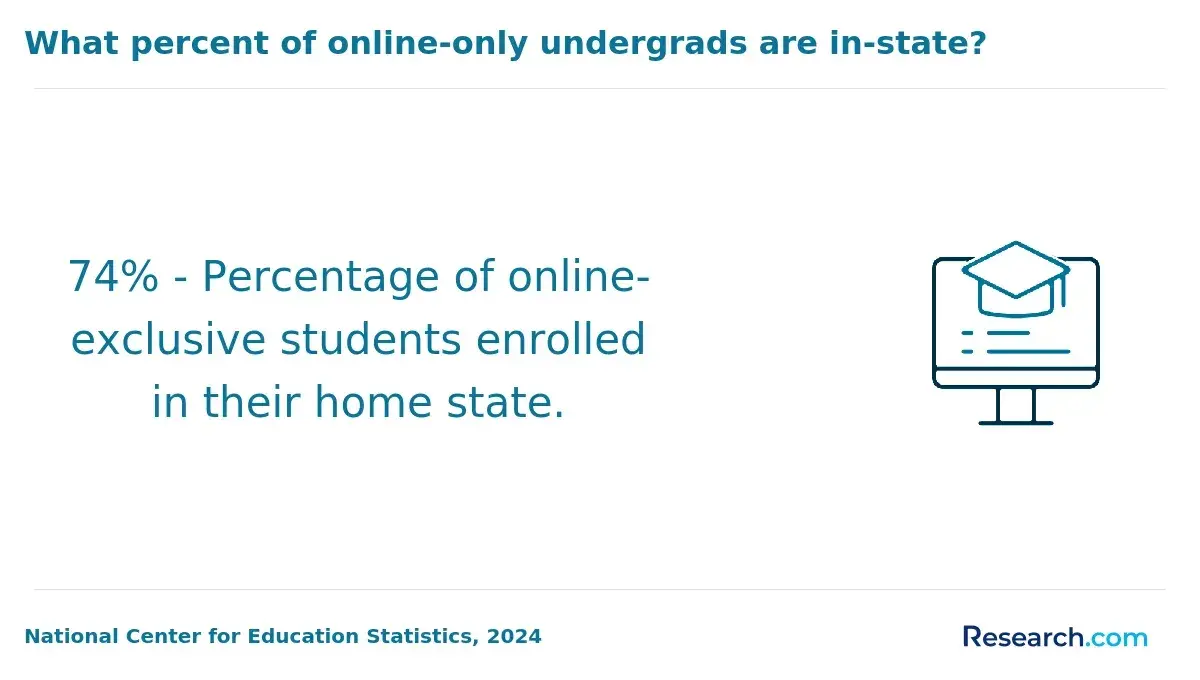
- Completion and Persistence Rates: According to the National Center for Education Statistics (2024), campus programs generally report higher completion rates, but motivated online and hybrid students can match these outcomes with strong self-discipline and support.
- Work-Life Balance: Online formats offer maximum flexibility for students balancing jobs or family, essential for adult learners. Hybrid options provide structured yet adaptable schedules, while campus programs demand consistent physical presence, potentially limiting flexibility.
References
- Why More Jobseekers Are Choosing Applied Science Over Traditional Degrees https://www.onrec.com/news/why-more-jobseekers-are-choosing-applied-science-over-traditional-degrees
- Job perception and expectations scale: Insights from Engineering students https://www.jotse.org/index.php/jotse/article/view/4054/1045
- Importance of Soft Skills in the Workplace | What Employers Value https://www.ue-amsterdam.com/blog/the-importance-of-soft-skills-in-todays-workplace-what-employers-really-value
- Short-Term Internship https://careers.cern/programmes/short-term-internship/
- How do You Reduce Skills Gaps? https://www.didask.com/en/post/comment-reduire-skill-gap
- What Are Soft Skills And Why Are They Important? - SACAP https://www.sacap.edu.za/blog/applied-psychology/what-are-soft-skills-why-are-they-important/
- Why Employers Care More About Tech Skills Than Your Degree in 2026 https://www.scholaro.com/db/News/tech-skills-vs-degree-2026-340
- What Skills Do Employers Look For? https://www.myunichoices.com/what-skills-do-employers-looks-for/
- Internship as Research and Research as Career Readiness: Blurring the Lines - Center for Engaged Learning https://www.centerforengagedlearning.org/internship-as-research-and-research-as-career-readiness-blurring-the-lines/
- Skills of the Future – What Skills Will Matter in the Job Market? | Antal.pl https://antal.pl/en/insights/article/skills-of-the-future-what-skills-will-matter-in-the-job-market
Other Things You Should Know About Applied Science
Employers consistently emphasize the value of practical proficiency alongside theoretical understanding, yet many programs remain heavily weighted toward theory. This imbalance can leave graduates underprepared for hands-on challenges in the workplace, particularly in fast-evolving technical environments. Students prioritizing programs with integrated labs, project-based learning, and industry partnerships tend to close this gap more effectively, ensuring they enter the job market with applicable skills rather than only conceptual knowledge.
Choosing between specialization and breadth depends on the targeted industry and career goals. Highly technical roles often require deep expertise that specialized tracks provide, but broader interdisciplinary programs develop adaptability and problem-solving skills valued in dynamic workplaces. For most students, prioritizing a flexible program with opportunities for focused electives strikes a practical balance, enabling them to meet current employer demands while remaining versatile for future shifts.
Rigid program workloads that emphasize heavy technical coursework frequently leave limited time for cultivating communication, teamwork, and leadership skills. Since employers regard these soft skills as critical for career advancement, students should critically assess whether their degree includes group projects, presentations, or extracurricular activities integrated into the curriculum. Prioritizing programs that embed these elements meaningfully helps graduates emerge more work-ready in holistic terms, not just technically proficient.
Newer programs might offer updated curricula aligned with emerging industry trends, potentially providing a competitive edge in evolving fields. However, established programs typically have stronger employer networks, proven outcomes, and alumni success records. Students face a tradeoff: opt for innovation and potential agility but risk uncertain employability pathways, or choose stability with possible curricular lag. A careful evaluation of graduate placement statistics and employer involvement can guide pragmatically between these options.