2027 Radiology Technician Degree Programs With No GRE or GMAT Requirements
Audited and Verified:
Our Editorial and Data Verification Process
Research.com uses government datasets, official education statistics and primary institutional information to support its career and degree guides. Our review process checks factual accuracy, occupational definitions, source dates and the requirements associated with the credentials discussed.
How This Article Was Fact-Checked
Our editorial team verifies salary estimates, employment projections, education requirements and program information against original data providers and official organizations. Salary figures are checked against the relevant occupational definitions and reporting periods. Information about licensure, accreditation and required in-person training is reviewed separately.
Fact-checked and verified on:

Co-Founder and Chief Data Scientist
Prospective students often hesitate to apply for radiology technician degree programs due to the stress of standardized tests like the GRE or GMAT. This barrier can limit access, especially for working adults and career changers. Studies show that 45% of radiology technician program applicants are discouraged by these requirements, affecting diversity and enrollment rates.
As demand for skilled radiology technicians grows-projected to increase by 7% over the next decade-removing these tests can improve admission accessibility. This article explores degree programs in radiology technology that waive GRE or GMAT requirements, offering options to advance without added testing hurdles.
Key Benefits of Radiology Technician Degree Programs with No GRE or GMAT Requirements
- Programs without GRE or GMAT requirements improve access for nontraditional and working students, increasing diversity in the radiology technician workforce, which is projected to grow 9% through 2031 according to BLS data.
- Eliminating these exams reduces application costs and processing times, allowing candidates to apply faster and with less financial burden, vital for those balancing employment and education.
- Admissions focus more on academic records, relevant experience, and interpersonal skills, promoting holistic evaluation aligned with industry needs and enhancing candidate suitability for evolving healthcare roles.
What does "No GRE or GMAT required" mean for a radiology technician degree?
More radiology technician programs are eliminating the GRE and GMAT requirements to simplify admissions and broaden access. About 60% of healthcare-related graduate programs in the U.S. no longer require these standardized tests, reflecting a shift toward more inclusive evaluation methods. This trend can increase application rates and help attract diverse candidates without compromising academic standards.
The removal of GRE or GMAT requirements influences radiology technician degree programs in several key ways:
- Accessibility: Candidates from varied academic and professional backgrounds can apply without the barrier of standardized test scores, making programs more inclusive.
- Holistic Admissions: Admissions focus shifts toward undergraduate GPA, relevant coursework, work experience, and personal statements, providing a broader view of an applicant's capabilities.
- Academic Preparedness: Even without test scores, programs emphasize strong academic history and practical skills to ensure readiness for clinical success.
- Competitive Consideration: Some programs may still review submitted GRE or GMAT results to differentiate among highly competitive applicants.
- Opportunity Expansion: This model supports applicants who might thrive better through practical experience than standardized testing, aligning with evolving healthcare education practices.
Prospective students looking into radiologic technologist degrees with no GMAT needed or radiology technician programs without GRE requirements will find a more flexible but rigorous admissions process. For those interested in related healthcare education options, resources like RN to BSN no clinicals highlight similar accessibility trends in nursing programs.
What types of radiology technician programs have no GRE or GMAT requirements?
The requirement for GRE or GMAT scores in radiology technician programs varies significantly based on each program's format, target student population, and admissions philosophy. Programs that focus more on hands-on skills or clinical experience tend to waive these standardized test requirements to better accommodate diverse applicants. Here are common types of radiology technician programs that typically do not require GRE or GMAT scores:
- Certificate Programs: These short, skills-focused courses concentrate on technical proficiency and practical training. They often prioritize demonstrated ability over standardized test scores, making them accessible to students who prefer hands-on learning.
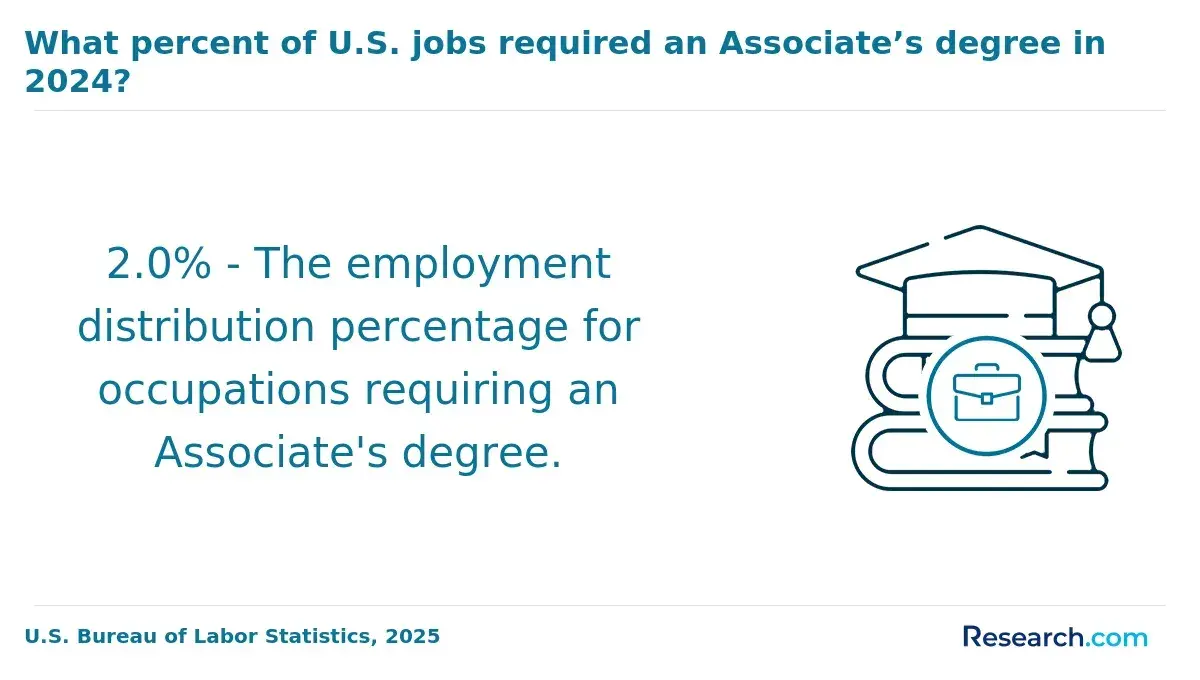
- Associate Degree Programs: Offered primarily by community colleges, these degrees target local or working students looking for affordable options. Their admissions often focus on accessibility and may waive GRE or GMAT requirements to reduce barriers.
- Online and Hybrid Programs: Designed for adult learners and professionals needing flexibility, these programs emphasize prior work experience and practical skills. They commonly waive standardized test requirements to attract a broader range of applicants.
- Entry-Level Programs: Aimed at recent high school graduates, these programs rely heavily on high school transcripts rather than graduate-level tests, streamlining admissions for younger students.
Many of these options align with the growing trend of radiology technician programs without GRE requirements, offering practical pathways that accommodate different backgrounds. For prospective students exploring no GMAT radiology technician degree options, understanding these variations is key to finding the right fit.
Additionally, interested individuals may find resources related to medical billing and coding financial aid helpful in managing education costs connected to allied health fields.
What do schools look at instead of the GRE or GMAT for radiology technician admissions?
Many radiology technician degree programs have waived GRE or GMAT score requirements to improve accessibility and attract a broader range of candidates. Over 60% of healthcare-related programs now use holistic admissions methods, lessening dependence on standardized tests. This shift supports greater diversity and accommodates students who may excel in practical and experiential areas.
Admissions committees emphasize several key areas to evaluate applicants without standardized test scores:
- Academic Transcripts: Schools closely examine GPA and relevant science or math coursework to ensure foundational knowledge essential for radiology technician training.
- Healthcare Experience: Volunteer or work experience in clinical settings helps demonstrate practical exposure and a commitment to patient care, which are vital for success in healthcare roles.
- Letters of Recommendation: Evaluators seek insights into applicants' work ethic, technical skills, and interpersonal abilities provided by educators or healthcare professionals familiar with the candidate.
- Personal Statement: Essays allow applicants to express motivation, career goals, and understanding of the radiology field, revealing genuine interest and communication skills.
- Interviews: Some programs use interviews to assess professionalism, problem-solving skills, and interpersonal qualities crucial for clinical success.
These criteria align well with the practical demands of radiology technician roles and are part of a broader trend toward alternative application requirements for radiology technician programs. Prospective students aiming to enhance their chances may also benefit from exploring related fields, such as nursing schools with high acceptance rates, to understand different pathways that emphasize holistic evaluation.
Some radiology technician programs waive GRE or GMAT requirements to improve access for candidates whose skills might not be reflected by standardized test scores. Admissions teams place greater emphasis on relevant experience and academic background over standardized exams. Below are common groups often eligible for these waivers.
- High Academic Achievers: Applicants with strong undergraduate GPAs, particularly in science or health-related disciplines, may receive waivers since their academic record demonstrates their preparedness without needing test scores.
- Certified Professionals: Individuals holding certifications such as Certified Radiologic Technologist or EMT credentials can bypass testing due to their validated practical knowledge and skills.
- Healthcare Experience: Those already working in medical imaging, patient care, or similar fields often qualify as their hands-on experience reduces reliance on standardized exams.
- Advanced Degree Holders: Candidates with bachelor's or master's degrees in relevant areas are frequently exempt from testing since their education implies required competencies.
- Military Veterans: Veterans with healthcare training acquire waivers recognizing their disciplined training and service in demanding environments.
When I spoke with a graduate of an online radiology technician program that did not require GRE or GMAT scores, he described relief and reduced stress during admissions. He shared that, having worked in healthcare for years, the waiver allowed him to focus on assembling application materials highlighting his skills rather than preparing for standardized tests.
"It felt validating to have my experience recognized instead of jumping through unnecessary hoops," he said, emphasizing the positive impact on his confidence as he transitioned back into education.
Applicants often question whether radiology technician degree programs that waive GRE or GMAT requirements maintain comparable academic standards to those that require these exams. This skepticism stems from the belief that standardized tests gauge student preparedness for rigorous study. Below are several points highlighting how course expectations compare between these program types:
- Curriculum Alignment: Programs without GRE or GMAT mandates generally follow the same structured curriculum as test-required ones, covering foundational radiologic technology principles and essential skills to prepare students for professional roles.
- Learning Outcomes: Both program types demand similar competencies, such as mastery in imaging technology and patient care, ensuring graduates meet industry benchmarks regardless of admissions testing.
- Faculty Oversight: Experienced instructors supervise all students through equally challenging coursework and hands-on clinical training, maintaining strong academic oversight across the board.
- Assessment Methods: Instead of relying solely on standardized testing, these programs utilize practical exams, written tests, and clinical performance evaluations to assess student knowledge and proficiency.
- Admissions Focus: Programs that do not require GRE or GMAT often emphasize academic history, relevant healthcare experience, and interview performance to identify committed and capable candidates.
These factors demonstrate that eliminating standardized test requirements does not mean lowering academic rigor but reflects a wider approach to evaluating student potential and readiness.
Some students worry that radiology technician programs without GRE or GMAT requirements might lack academic rigor or legitimacy. However, accreditation is based on educational quality and outcomes, not on whether admissions tests are required.
Accrediting bodies such as the Joint Review Committee on Education in Radiologic Technology (JRCERT) assess programs on curriculum strength, faculty expertise, and clinical training rather than standardized test scores. An increasing number of accredited radiology technician programs are adopting test-optional policies to broaden access without compromising standards.
Accreditation for no-GRE or no-GMAT radiology technician programs still involves meeting strict institutional and program-level criteria. Approval is granted by recognized agencies that ensure programs comply with established professional and educational benchmarks essential for certification and employment.
Prospective students should confirm accreditation status through official accrediting organizations or the educational institution's resources to ensure the program's credibility. Doing so helps safeguard academic quality and validates that the program supports successful career preparation.
Standardized testing fees can pose a notable expense for students applying to radiology technician programs, with average registration costs around $205 for the GRE and $275 for the GMAT. Adding preparation materials or courses often increases these upfront financial demands. Considering these costs, it's important to explore the main factors determining if waiving these exams actually cuts down the total degree expenses.
- Testing and Preparation Savings: Skipping the GRE or GMAT eliminates exam fees and the need for costly prep resources, reducing initial out-of-pocket expenses that can strain many applicants.
- Application Efficiency: Programs not requiring these tests often offer faster admission decisions, enabling students to start sooner and avoid potential income loss or extra living costs during waiting periods.
- Tuition Differences: Some institutions may adjust tuition based on admission criteria, so waiving tests doesn't automatically translate to lower overall costs depending on the program's pricing policies.
- Financial Aid Access: Waiving standardized exams generally should not hinder scholarship or loan eligibility, but prospective students should verify this as policies vary.
- Indirect Costs: Delays in enrollment or extended course load from certain programs might offset savings from skipping exams, impacting overall affordability.
One graduate from a radiology technician program without GRE or GMAT requirements shared her perspective when asked about cost impact. She explained that not preparing for standardized tests relieved a lot of stress and financial pressure upfront, which made the application process feel more attainable.
"I didn't have to juggle expensive prep classes or worry about test day anxiety," she recalled. However, she noted that while initial expenses were lower, she still carefully budgeted for tuition and living costs, as those remained substantial.
The quicker admissions timeline helped her start working sooner, which she credits with easing financial strain. Overall, she viewed the policy as a positive step that removed a barrier without compromising the program's rigor or her career prospects.
Time to graduation is a critical factor for prospective radiology technician students, as many aim to complete their programs efficiently while balancing other commitments. The average completion time for these programs generally ranges from 18 months to 2 years, depending on full-time or part-time enrollment, with retention rates influencing timely progression.
Understanding the impact of no GRE or GMAT requirements on radiology technician graduation timelines involves considering various academic and programmatic factors. Below are key influences that shape graduation timelines in programs without these standardized test prerequisites:
- Admissions Readiness: Removing GRE or GMAT tests shifts the focus to prior academic performance and prerequisite coursework. This can better predict student success and minimize delays related to admissions competitiveness, helping keep students on track.
- Course Sequencing: Flexible course schedules or accelerated pathways enable students to progress more quickly. Programs designed for efficient course sequencing encourage timely completion even without standardized test barriers.
- Academic Support Structures: Tutoring, mentoring, and advising support students in overcoming academic challenges. Robust support services are especially important in no-GRE or GMAT programs to maintain retention and reduce graduation delays.
- Student Demographics: Many radiology technician students are working professionals or part-time enrollees, meaning external commitments can affect their pace. Admissions policies that eliminate testing hurdles may improve accessibility but timelines still vary based on individual circumstances.
- Program Format: Online or hybrid program options offer greater scheduling flexibility, often allowing students to accelerate or better fit studies into their lives. Those considering these options may also explore programs with the cheapest online healthcare administration degree as a parallel pathway for broad healthcare education.
Prospective students often question whether employers value a radiology technician degree program based on its GRE or GMAT admission requirements. This concern is understandable as many wonder if skipping these tests impacts job prospects. Recent surveys reveal that over 70% of employers prioritize practical skills and certification over standardized test scores, reflecting a broader shift toward competency-based hiring.
Here are key aspects of how employers view radiology technician programs without GRE or GMAT requirements:
- Clinical Experience: Employers focus heavily on hands-on clinical skills gained through accredited programs rather than on GRE or GMAT test results. Practical proficiency demonstrates readiness more clearly than standardized scores.
- Professional Certification: Many radiology technician positions require certification from the American Registry of Radiologic Technologists (ARRT), which is a direct indicator of competence and often outweighs any admission testing criteria.
- Program Reputation: The accreditation and respect a program holds in the healthcare community matter more to employers than whether GRE or GMAT tests were mandatory for admission.
- Diversity and Accessibility: Employers acknowledge that removing GRE/GMAT barriers can increase program accessibility and workforce diversity, which benefits long-term industry development.
The impact of no GMAT requirement on Radiology Technician job prospects tends to be minimal when practical skills and certification are present. For students exploring advanced education pathways, options like the cheapest BSN to DNP programs also reflect evolving trends in test-optional admissions that emphasize experience and credentials over standardized exams.
Many prospective students wonder if choosing a radiology technician degree program that does not require the GRE affects their potential earnings compared to those with GRE mandates. Labor data shows starting salaries for graduates from both test-optional and GRE-required programs typically range between $55,000 and $65,000 annually, with similar salary growth observed over five years.
Several key factors influence these salary trends:
- Program Reputation: Graduates from well-regarded schools often earn more due to stronger employer recognition and networking opportunities.
- Work Experience: Clinical hours and internships provide practical skills that enhance employability and can lead to higher wages.
- Skill Development: Obtaining additional certifications or specializing within radiology can significantly boost earning potential.
- Industry Demand: Areas with greater healthcare needs, especially urban centers, often offer more competitive salaries.
- Regional Variations: Differences in living costs across states influence pay scales, with higher salaries common in more expensive regions.
What Graduates Say About Their Radiology Technician Degree Program with No GRE or GMAT Requirements
- Maia: "Choosing a radiology technician program without the GRE or GMAT requirement was a game-changer for me. The average cost was very affordable, allowing me to focus more on learning than worrying about hefty tuition fees. Graduating from this program not only opened doors quickly but also gave me confidence in my practical skills, which employers truly value."
- Logan: "After researching many options, I found that radiology technician degrees without GRE or GMAT demands were the perfect fit for my situation. The cost was reasonable compared to other healthcare programs, which made returning to school less stressful financially. Completing this program has enhanced my career prospects significantly, proving that traditional entrance exams aren't the only path to success."
- Eli: "Opting for a radiology technician degree that waived GRE and GMAT tests allowed me to streamline my education path efficiently. Given the program's cost-effectiveness and solid reputation, it was a wise investment in my future. Since graduating, I've experienced meaningful professional growth and greater job stability in a competitive healthcare environment."
Other Things You Should Know About Radiology Technician Degrees
Most programs require a completed immunization record, TB test results, CPR certification, and a recent criminal background check before clinical placement. Many also ask for proof of hepatitis B vaccination and a drug screen. These requirements are set by the program and clinical affiliates, not GRE or GMAT policies.
Yes. Some accredited radiography programs offer part-time or evening tracks without GRE or GMAT requirements, but they still require about 1,800 to 2,000 clinical hours before graduation. Applicants usually need a high school diploma, prerequisite science courses, and immunization or background-check clearance.
- 15 Institutions offering Medical Radiography Courses In the USA https://www.hotcoursesabroad.com/study/training-degrees/us-usa/medical-radiography-courses/loc/211/cgory/pe.12-4/sin/ct/programs.html
- Study Radiography Abroad: Top Universities, Fees, & Careers https://www.aeccglobal.com/study-abroad/courses/radiography
- Educational Outlook for Becoming a Radiologist - Peterson's https://www.petersons.com/blog/educational-outlook-for-becoming-a-radiologist/
- Top 10 Online Radiology Tech Programs 2025 https://nurse.org/healthcare/radiology-technician-programs/
- Required Courses https://www.elcamino.edu/academics/divisions/health-care/radiologic-technology/required-courses.php
- Radiologic Technology Program Admission Requirements and Processes https://www.guthrie.org/radiologic-technology/radiologic-technology-program-admission-requirements-and-processes
- Radiologic Technology (BS) | KPSAHS Programs https://kpsahs.edu/academics/all-programs/radiologic-technology-bs
- How to become a radiologic technologist | NWHSU https://www.nwhealth.edu/blog/how-to-become-a-radiologic-technologist/
- Online Radiology Tech Programs: Finding the Right School https://www.edumed.org/online-schools/radiology-tech-programs/
- Radiologic Technology Admission Criteria | Hunter Business School https://hunterbusinessschool.edu/programs-offered/radiologic-technology-program/radiologic-technology-admission-criteria/