
2027 Common Courses You’ll Take for Your RN Degree Programs

Co-Founder and Chief Data Scientist
Choosing nursing courses is not just a matter of filling a degree plan. The classes you take determine whether you are prepared for clinical judgment, safe medication administration, patient communication, licensure exams, and the realities of bedside or community-based care. Prospective registered nurses often ask the same practical question: what subjects do you need to become a nurse, and how do those subjects change from an associate degree to a bachelor’s or master’s program?
This guide explains the core courses commonly found in an RN degree curriculum, how they connect to clinical practice, and what students should look for before enrolling. It is designed for first-time college students, LPNs considering advancement, career changers, paramedics exploring bridge programs, and nurses comparing online, accelerated, or advanced pathways.
The registered nursing field is projected to grow by 5% from 2024 to 2034, according to BLS data cited for 2026. That outlook is tied largely to replacement needs as nurses retire, change roles, or leave the profession. For students, that means nursing can offer a stable path, but only if the program provides strong academic preparation, supervised clinical experience, and eligibility for licensure.
- Foundational science courses for nursing students
- Nursing fundamentals and beginning clinical skills
- Pharmacology and medication safety
- Medical-surgical nursing and adult care
- Mental health and psychiatric nursing
- Maternal, newborn, and pediatric nursing
- Community and public health nursing courses
- Electives that strengthen nursing practice
- How online RN programs support different learning needs
- When an ADN to MSN bridge program may make sense
- How accelerated LPN programs can affect nursing advancement
- Specialized nursing certificates and focused credentials
- Bridge options for non-traditional nursing students
- Why licensure exam preparation matters
- Career development and job placement support
- How allied health training can support nursing goals
- Whether self-paced learning works for nursing students
- How cost affects nursing education decisions
- How online nursing programs handle clinical experience
Quick Answer: What Courses Do You Take to Become a Registered Nurse?
RN programs usually include anatomy and physiology, microbiology, nursing fundamentals, pharmacology, health assessment, medical-surgical nursing, psychiatric nursing, maternal and child health, community health, ethics, evidence-based practice, and supervised clinical rotations. These subjects appear in associate, bachelor’s, and many advanced nursing pathways, although the depth, leadership content, research expectations, and clinical focus vary by degree level.
Students comparing campus-based and online nursing degree programs should verify three things first: accreditation, clinical placement requirements, and whether the program meets the licensure rules in the state where they plan to practice.
| Course Area | What Students Learn | Why It Matters in Practice |
| Foundational sciences | Body systems, microorganisms, infection, and disease processes | Helps nurses understand symptoms, lab results, and patient risks |
| Nursing fundamentals | Basic patient care, safety, documentation, communication, and vital signs | Builds the core skills used in nearly every clinical setting |
| Pharmacology | Drug classes, dosage concepts, side effects, and patient education | Supports safe medication administration and monitoring |
| Medical-surgical nursing | Care for adults with acute and chronic conditions | Prepares students for common hospital and clinical responsibilities |
| Specialty nursing areas | Mental health, maternal-child care, pediatrics, public health, and aging | Introduces students to populations and settings beyond general adult care |
| Professional courses | Leadership, ethics, informatics, evidence-based practice, and cultural competence | Strengthens decision-making, teamwork, and readiness for modern healthcare systems |
How Nursing Courses Change by Degree Level
The same core subjects appear across many nursing pathways, but the expectations are different. An ADN typically emphasizes direct entry into registered nursing practice. A BSN adds more leadership, research, public health, and systems-based content. An MSN assumes prior nursing knowledge and moves into advanced practice, administration, education, or specialized clinical leadership.
Education level can also affect career options and pay. Recent data from 2024 placed the median annual salary for nurses with a Bachelor of Science in Nursing at approximately $80,000, while nurses with a Master of Science in Nursing had a median annual salary of about $100,000. Salary differences vary by role, location, employer, certification, and experience, so students should avoid treating any figure as a guaranteed outcome. Similar caution applies when comparing healthcare roles such as phlebotomy careers, psychiatric nurse practitioner careers, or advanced provider tracks such as physician assistant versus nurse practitioner pathways.
| Pathway | Typical Academic Focus | Best Fit | Decision Point |
| Associate’s Degree in Nursing (ADN) | Foundational science, direct patient care, nursing fundamentals, and clinical readiness | Students seeking a registered nursing pathway with an entry-level focus | Ask whether credits can transfer later into a BSN program |
| Bachelor of Science in Nursing (BSN) | Clinical nursing plus research, leadership, community health, informatics, and broader healthcare systems | Students who want stronger long-term mobility and a wider academic foundation | Compare clinical placements, graduation support, and employer partnerships |
| Master of Science in Nursing (MSN) | Advanced nursing theory, leadership, specialty practice, administration, education, or advanced clinical preparation | Licensed nurses pursuing advanced roles or leadership responsibilities | Confirm prerequisites, practicum expectations, and state authorization |
An LPN route can be a separate starting point for students who want a practical nursing credential before advancing. Some online LPN programs include hybrid coursework, but students should examine clinical requirements carefully because nursing cannot be completed through theory-only study. Nurses interested in management may eventually consider an MSN in nursing administration rather than an advanced clinical practice track.
Accreditation should be non-negotiable. In the United States, students should confirm whether the nursing program is accredited by The Commission on Collegiate Nursing Education (CCNE) or the Accreditation Commission for Education in Nursing (ACEN). Accreditation can affect licensure eligibility, transfer credit, graduate school admission, employer recognition, and access to certain financial aid pathways.
Foundational Science Nursing Courses for 2027
Before students learn complex nursing interventions, they need to understand how the body works, how illness develops, and how infection spreads. Foundational science courses are often among the most demanding early requirements because they support nearly every later nursing subject.
Anatomy and Physiology
Anatomy and physiology introduce students to the structure and function of the human body. Course topics usually include the cardiovascular, respiratory, nervous, endocrine, gastrointestinal, renal, immune, and musculoskeletal systems. In nursing practice, this knowledge helps students connect a patient’s symptoms with possible underlying problems, understand physician orders, interpret changes in condition, and recognize when a situation may be urgent.
Microbiology
Microbiology focuses on bacteria, viruses, fungi, parasites, immune responses, and the principles of infection prevention. Nurses use this knowledge when applying isolation precautions, teaching patients about infection control, recognizing possible healthcare-associated infections, and understanding why certain patients are more vulnerable to complications.
Nursing Fundamentals
Nursing fundamentals courses move students from general science into the professional habits of nursing. These classes introduce the standards, communication skills, safety procedures, and basic hands-on competencies used across clinical settings.
Introduction to Nursing
An introductory nursing course explains what nurses do, how the profession developed, and how nurses fit within interprofessional healthcare teams. Students usually study professional boundaries, ethical duties, legal responsibilities, patient rights, documentation expectations, and the difference between task completion and clinical judgment.
Fundamentals of Nursing Practice
Fundamentals of nursing practice teaches students how to perform essential patient care safely. Common topics include vital signs, hygiene, mobility, infection control, wound care, medication basics, nutrition, patient education, communication, and documentation. The goal is not only to learn procedures but also to understand when, why, and how those procedures should be used.
These skills apply in hospitals, clinics, home health, long-term care, schools, mental health agencies, private practices, and community organizations. Students who are unsure about their preferred setting should pay close attention in this course because it reveals the daily responsibilities that make nursing different from many other healthcare careers.
Pharmacology
Pharmacology is one of the most important safety-focused subjects in nursing education. Nurses do not simply hand out medications. They verify orders, calculate or confirm doses, monitor side effects, recognize adverse reactions, teach patients how to take medications correctly, and communicate concerns to prescribers.
Basic Pharmacology
Basic pharmacology introduces drug classifications, mechanisms of action, contraindications, common adverse effects, routes of administration, and medication safety principles. Students also practice dosage calculations and learn how age, weight, organ function, pregnancy, and comorbidities can affect medication response.
Pharmacotherapeutics
Pharmacotherapeutics connects medication knowledge to actual disease management. Students learn how drug therapy is used for specific conditions and how nurses evaluate whether treatment is working. This course also strengthens patient teaching, especially for patients managing chronic conditions or multiple prescriptions.
Medical-Surgical Nursing
Medical-surgical nursing is a major component of RN education because it prepares students to care for adults with common acute and chronic health problems. It is also a practical test of whether students can combine assessment, pathophysiology, pharmacology, communication, and clinical prioritization.
Employer expectations continue to influence nursing education. A survey by the American Association of Colleges of Nursing reported that employers are increasingly favoring new nurses with bachelor's degrees. Entry-level BSN program enrollment increased by 4.9% in 2024, with total enrollment reaching 267,889 students, marking the second consecutive year of growth in these programs. Students choosing between ADN and BSN pathways should consider not only admission speed and cost but also local employer preferences.
Adult Health Nursing
Adult health nursing covers conditions affecting adult patients, including cardiovascular, respiratory, gastrointestinal, endocrine, renal, neurological, and musculoskeletal disorders. Students practice assessment, care planning, patient education, discharge planning, and coordination with physicians, therapists, pharmacists, social workers, and other members of the care team.
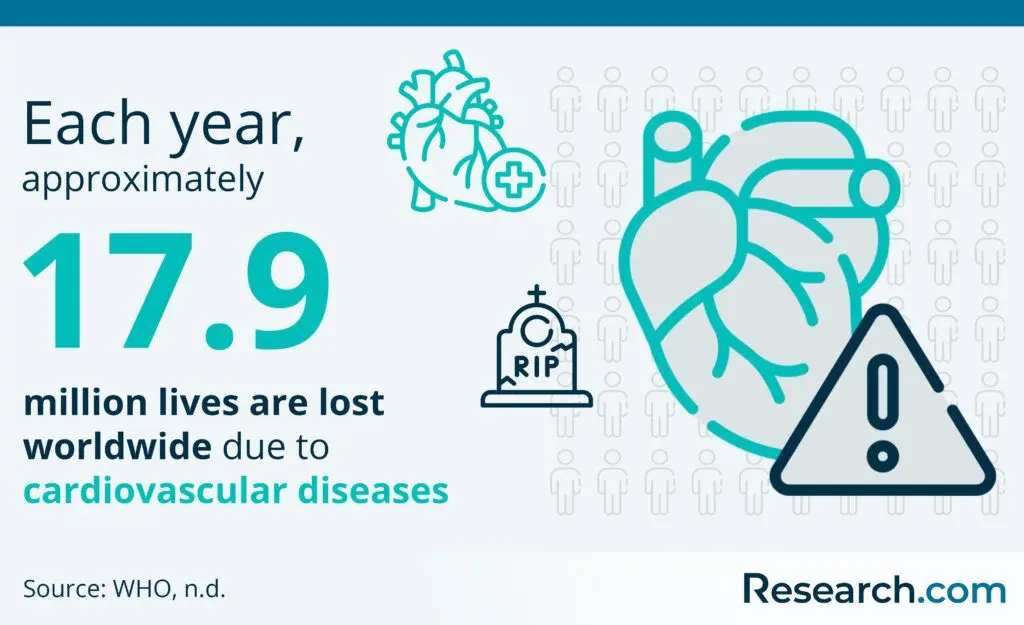
Cardiovascular care is one example of why this course matters. Cardiovascular diseases are a major global health problem, and the World Health Organization reports that approximately 17.9 million lives are lost worldwide each year due to cardiovascular diseases. Nurses contribute by monitoring symptoms, supporting medication adherence, teaching lifestyle changes, and responding quickly when a patient’s condition worsens.
Surgical Nursing
Surgical nursing teaches students how to care for patients before, during, and after procedures. Topics often include surgical asepsis, preoperative assessment, postoperative monitoring, pain control, wound care, mobility, complications, and patient education. Students also learn how nurses collaborate with operating room teams and related professionals, including those performing surgical technologist job duties.
Mental Health and Psychiatric Nursing
Mental health content is essential because nurses encounter patients with anxiety, depression, substance use disorders, psychosis, trauma histories, cognitive changes, and crisis needs in nearly every healthcare setting. Mental health nursing courses teach students to respond with safety, structure, empathy, and therapeutic communication.
Introduction to Mental Health Nursing
An introductory mental health nursing course explains major psychiatric conditions, psychosocial assessment, therapeutic communication, crisis response, stigma, safety planning, and the nurse’s role in psychiatric and general medical settings. This area is especially relevant given that 23.4 percent of U.S. adults experienced any mental illness in 2024, approximately 61.5 million people.
Psychiatric Nursing Interventions
Psychiatric nursing interventions focus on care planning for patients experiencing mental health conditions. Students learn how medications, psychotherapy, group interventions, de-escalation strategies, community resources, and interprofessional collaboration support recovery. The course also emphasizes risk assessment, boundaries, and patient dignity.
Maternal and Child Health Nursing
Maternal and child health courses prepare students to care for patients during pregnancy, birth, postpartum recovery, infancy, childhood, and adolescence. These courses require students to adjust assessment and communication based on developmental stage, family dynamics, and risk factors.
Obstetric Nursing
Obstetric nursing covers prenatal care, labor and delivery, fetal monitoring concepts, postpartum recovery, newborn assessment, breastfeeding support, complications, and patient education. Students interested in this specialty should compare programs carefully and review what a school for labor and delivery nurse typically includes in its curriculum and clinical experiences.
Pediatric Nursing
Pediatric nursing focuses on infants, children, and adolescents. Students study growth and development, immunization concepts, pediatric assessment, common childhood illnesses, family-centered care, communication with children, and safety issues. Because children are not simply smaller adults, pediatric courses emphasize age-appropriate care and careful observation.
Community Health Nursing Courses
Community health nursing shifts the focus from one patient at a time to families, groups, neighborhoods, and populations. Students learn how social factors, environment, access to care, education, and prevention influence health outcomes.
Public Health Nursing
Public health nursing overlaps with topics commonly taught in online bachelors in public health programs, but nursing students apply those ideas through a clinical care lens. Coursework often includes health promotion, disease prevention, epidemiology basics, community assessment, vulnerable populations, immunization efforts, and health education. The current number of employed public health nurses in the United States exceeds 16,183, according to Zippia data cited in the original source list.
Gerontological Nursing
Gerontological nursing prepares students to care for older adults. Topics usually include age-related physiological changes, medication risks, mobility, cognition, chronic disease management, falls, caregiver support, end-of-life considerations, and respect for autonomy. This course is important because older adults often have complex needs that require careful coordination and patient-centered communication.
Key Elective Courses Useful to Nursing
Electives and upper-level professional courses can help students build a stronger foundation for specialized practice, leadership, graduate study, or non-bedside roles. Availability varies by school, so students should compare course catalogs instead of assuming every program offers the same options.
Health Assessment
Health assessment teaches students how to gather a complete picture of a patient’s condition. Students practice interviewing, physical examination, psychosocial assessment, documentation, and recognition of abnormal findings. Strong assessment skills help nurses identify changes early and communicate clearly with the healthcare team.
Evidence-Based Practice
Evidence-based practice trains nurses to use research, clinical expertise, and patient preferences when making care decisions. Students learn how to read research, judge the quality of evidence, apply findings to practice, and evaluate outcomes. This course is especially useful for BSN and graduate students who may later participate in quality improvement or policy work.
Leadership and Management in Nursing
Leadership and management courses introduce staffing, delegation, conflict resolution, communication, healthcare systems, quality improvement, and organizational behavior. These subjects matter even for new nurses because clinical work depends on teamwork, prioritization, and safe coordination of care.
Healthcare Informatics
Healthcare informatics covers electronic health records, clinical documentation systems, data use, privacy, healthcare analytics, and the use of technology and information systems in healthcare delivery. As healthcare becomes more digital, nurses need to understand both the benefits and risks of technology, including data leaks, social engineering, identity theft, and other cyber threats.
Cultural Competence in Nursing
Cultural competence courses help students understand how language, religion, family structure, race, ethnicity, disability, socioeconomic status, and health beliefs can affect care. The goal is not to memorize stereotypes but to practice respectful assessment, avoid assumptions, and build trust with patients from different backgrounds.
Ethics in Nursing
Ethics courses examine confidentiality, informed consent, patient autonomy, end-of-life decisions, professional boundaries, resource allocation, and advocacy. Nurses often face difficult choices under pressure, so ethical reasoning is a practical clinical skill rather than an abstract topic.
How Online RN Programs Cater to Different Learning Styles
Online and hybrid RN programs can work well for disciplined students, but they are not easier versions of nursing school. Strong programs combine structured online coursework with simulations, faculty feedback, skills practice, and in-person clinical requirements. Students who are changing careers should compare whether an online RN program for non-nurses provides enough support for science prerequisites, clinical placement, and licensure preparation.
| Learning Preference | Helpful Online Program Feature | What to Check Before Enrolling |
| Visual learning | Recorded demonstrations, diagrams, anatomy tools, and clinical videos | Whether visual materials are tied to graded skills and faculty feedback |
| Auditory learning | Recorded lectures, discussion sessions, and audio review tools | Whether live interaction with instructors is available when topics are difficult |
| Hands-on learning | Simulation labs, skills intensives, virtual cases, and clinical rotations | Where in-person labs and clinical placements occur |
| Collaborative learning | Group case studies, discussion boards, peer review, and team projects | Whether collaboration is meaningful or only a participation requirement |
Is an ADN to MSN Bridge Program the Key to Advanced Nursing Leadership?
An ADN to MSN bridge program can be useful for registered nurses who already have clinical experience and want to move toward advanced practice, education, administration, or leadership without completing a separate traditional BSN first. These programs typically build on previous nursing coursework while adding graduate-level theory, research, leadership, and specialty preparation.
This path is not right for every nurse. It requires strong academic readiness, time for advanced coursework, and a clear career goal. Students should compare prerequisites, practicum requirements, state authorization, certification alignment, and employer expectations before choosing an RN to MSN online nurse practitioner pathway or another bridge format.
How do accelerated LPN programs impact career advancement in nursing?
Accelerated LPN programs may appeal to students who want to enter practical nursing more quickly, especially if they already have healthcare experience or a strong academic background. The main advantage is speed, but a shorter schedule can also mean a heavier workload and less time to recover from weak science or study skills.
- Earlier workforce entry: A compressed curriculum can help students become eligible for practical nursing roles sooner than a longer traditional format, assuming all program and licensure requirements are met.
- Experience before advancing: LPN work can provide patient care exposure that may support later LPN-to-RN or bridge program applications.
- Potential cost control: A shorter program may reduce some expenses, but students should calculate total tuition, fees, books, supplies, transportation, clinical costs, and lost work time.
- Higher intensity: Accelerated formats are not ideal for students who need extensive academic remediation or cannot commit to a demanding schedule.
What Are the Benefits of Specialized Certificate Programs in Nursing?
Specialized certificates can help nurses focus on a defined clinical area, refresh advanced skills, or meet eligibility requirements for a new role. They are most useful when they align with a specific credential, employer need, or practice goal. For example, a nurse who already holds a graduate degree may consider a 1 year post master's FNP online option if it matches their licensure plans, clinical interests, and state requirements.
Before enrolling, nurses should confirm whether the certificate is accredited or offered by an appropriately accredited institution, whether it includes the required clinical hours, and whether graduates are eligible for the credential or role they are pursuing.
Bridging Pathways for Non-Traditional Nursing Students
Nursing attracts students who do not follow a traditional first-time college route. Paramedics, military medics, medical assistants, respiratory care workers, and other healthcare professionals may already understand patient interaction, urgent care environments, documentation, and teamwork. Bridge programs can recognize some of that background while still requiring nursing-specific theory and clinical preparation.
Paramedic-to-RN options are one example. These programs may reduce repetition by building on emergency care knowledge, but they still require students to master nursing assessment, care planning, pharmacology, professional standards, and broader patient populations. Students comparing the best paramedic to RN bridge program online should verify clinical placement support, transfer credit policies, state board approval, and NCLEX preparation resources.
A bridge program can save time when the student’s prior training truly overlaps with nursing requirements. It can be a poor fit when a program promises speed but provides weak academic support, unclear clinical arrangements, or limited transparency about licensure eligibility.
How Does Licensure Exam Preparation Impact Nursing Career Development?
Licensure exam preparation is a central part of nursing education because graduation alone is not enough to practice as a nurse. Students must meet state requirements and pass the appropriate licensing exam. Strong programs prepare students gradually through clinical judgment exercises, case-based testing, simulation, remediation, practice exams, and faculty coaching.
Students considering an affordable licensed practical nurse online program should look beyond price and ask how the school supports exam readiness. Low cost is valuable only if the program also offers quality instruction, supervised practice, and a credible path to licensure.
How Do Nursing Programs Support Career Development and Job Placement?
Career support can make a real difference, especially for students entering healthcare for the first time. Useful services may include resume review, interview preparation, clinical site connections, job fairs, alumni networking, faculty references, mentorship, and guidance on specialty pathways.
Prospective students should ask for program outcomes, but they should also interpret those outcomes carefully. Job placement rates, employer partnerships, and alumni examples are helpful only when the school explains how the numbers are calculated. Students exploring advanced practice options may also compare easiest NP online programs, but “easy” should never be the main criterion. Clinical quality, accreditation, exam preparation, and state eligibility matter more.
How Can Allied Health Programs Complement Your Nursing Career?
Allied health training can strengthen a nursing pathway when it fills a specific skill gap. Pharmacy technology, for example, can deepen a student’s familiarity with medication names, dispensing systems, dosage forms, and interprofessional communication. That knowledge can support later pharmacology learning, although it does not replace nursing coursework or licensure requirements.
Students who want medication-focused preparation before or alongside nursing may compare the best pharmacy technician online course options and decide whether the added credential supports their goals, schedule, and budget.
Can Self-Paced Learning Enhance Your Nursing Education?
Self-paced learning can help students review difficult content, move more efficiently through familiar material, and balance school with work or family responsibilities. It can be especially useful for prerequisites, review modules, exam preparation, and continuing education.
However, nursing students should be cautious about fully self-paced formats for core clinical preparation. Nursing requires deadlines, faculty evaluation, supervised practice, and clinical accountability. Students interested in flexible study models can review self paced online college options while confirming that any nursing-related program still meets clinical and licensure requirements.
How Do Financial Considerations Influence Your Nursing Education?
Cost should be evaluated as a total investment, not just advertised tuition. Nursing students may need to pay for prerequisites, lab fees, uniforms, background checks, drug screening, immunizations, equipment, books, exam fees, transportation, childcare, and reduced work hours during clinical terms.
Students considering practical nursing should review the cost of LPN program options and compare them against longer RN pathways, bridge opportunities, transfer potential, and expected career mobility. The cheapest program is not always the best value if credits do not transfer, clinical placements are weak, or licensure outcomes are unclear.
| Cost Factor | Why It Matters | Question to Ask |
| Tuition and fees | Advertised tuition may not include all required charges | What is the full program cost from enrollment to graduation? |
| Clinical expenses | Travel, uniforms, health requirements, and scheduling can add costs | Where are clinical sites, and how often must students attend in person? |
| Transfer credits | Accepted credits can reduce time and cost | Which prior courses will be accepted, and will they apply to nursing requirements? |
| Financial aid eligibility | Accreditation and enrollment status can affect aid options | Is the program eligible for the type of aid I plan to use? |
| Licensure alignment | A low-cost program has limited value if it does not support licensing goals | Does this program meet requirements in the state where I want to practice? |
How Do Online Nursing Programs Integrate Hands-On Clinical Experience?
Online nursing programs typically deliver lectures, readings, discussions, quizzes, and some simulations through digital platforms, but clinical learning must still occur through supervised practice. Strong programs arrange or approve clinical placements, provide skills lab expectations, use simulation to build decision-making, and evaluate whether students can apply theory safely.
Students pursuing advanced credentials should be especially careful. Programs such as affordable DNP programs may include leadership, evidence-based practice, systems improvement, and advanced clinical or practicum components. Applicants should ask how placements are approved, who supervises practicum hours, and whether the program is authorized for students in their state.
Common Mistakes to Avoid When Choosing Nursing Courses or Programs
- Choosing a program before checking accreditation: Always verify CCNE or ACEN accreditation when applicable, along with state board approval.
- Looking only at tuition: Compare total cost, clinical travel, supplies, exam fees, transfer policies, and time away from work.
- Assuming online means fully remote: Nursing programs usually require in-person labs, simulations, practicums, or clinical rotations.
- Ignoring licensure rules: A program may be legitimate but still not meet requirements in every state.
- Relying only on rankings or speed: Fast and highly ranked programs still need strong faculty support, clinical quality, and exam preparation.
- Underestimating science prerequisites: Anatomy, physiology, microbiology, and pharmacology are not side courses; they are the foundation for safe nursing judgment.
- Assuming salary outcomes are guaranteed: Pay varies by role, employer, location, education, experience, certifications, and shift differentials.
Questions to Ask Before Enrolling in a Nursing Program
- Is the program accredited by CCNE or ACEN, and is it approved for nursing licensure in my state?
- Where will I complete labs, simulations, and clinical rotations?
- Does the school assign clinical placements, or am I responsible for finding them?
- What support is available for anatomy, physiology, microbiology, pharmacology, and dosage calculations?
- How does the program prepare students for licensure exams?
- What are the total estimated costs, including fees, supplies, travel, and exam expenses?
- Can previous college credits, LPN coursework, paramedic training, or healthcare experience reduce my program length?
- What are the program’s graduation, licensure pass, and job placement outcomes, and how are those outcomes calculated?
- How accessible are faculty members when students struggle?
- What pathways are available if I want to continue from ADN to BSN, BSN to MSN, or MSN to doctoral study?
Building a Strong Foundation for Nursing Practice
Nursing courses are designed to build clinical judgment step by step. Foundational sciences explain how the body works. Fundamentals teach safe care habits. Pharmacology develops medication safety. Medical-surgical nursing brings multiple subjects together in adult care. Mental health, maternal-child, pediatric, community health, leadership, informatics, ethics, and evidence-based practice prepare students for the broader responsibilities of modern nursing.
The best program is not automatically the fastest, cheapest, or most convenient. It is the one that fits your background, meets licensure requirements, provides credible clinical experience, supports exam preparation, and leaves room for future advancement.
Key Insights
- Core nursing courses are consistent across RN pathways: Most programs include anatomy and physiology, microbiology, nursing fundamentals, pharmacology, medical-surgical nursing, psychiatric nursing, maternal-child care, community health, and clinical practice.
- Degree level changes the depth of study: ADN programs focus on entry-level RN preparation, BSN programs add broader leadership and systems content, and MSN programs move into advanced or specialized nursing roles.
- Accreditation is essential: CCNE or ACEN accreditation can affect licensure eligibility, transfer options, graduate study, employer recognition, and financial aid access.
- Online nursing still requires hands-on experience: Digital coursework may be flexible, but nursing students must complete supervised labs, simulations, practicums, or clinical rotations.
- Labor market stability does not eliminate the need for careful planning: Registered nursing is projected to grow by 5% from 2024 to 2034, but outcomes depend on program quality, licensure, location, experience, and specialization.
- Cost comparisons should include more than tuition: Clinical travel, supplies, fees, prerequisites, exam costs, and lost work time can change the true price of a nursing pathway.
- The right courses prepare you for more than exams: Strong nursing education develops judgment, communication, safety habits, cultural competence, ethical reasoning, and the ability to work under pressure.
References:
- Cardiovascular diseases. (n.d.). World Health Organization. https://www.who.int/health-topics/cardiovascular-diseases#tab=tab_1
- Mental Health By the Numbers | NAMI: National Alliance on Mental Illness. (n.d.). https://www.nami.org/mhstats
- Nursing Fact Sheet. (n.d.). https://www.aacnnursing.org/news-data/fact-sheets/nursing-fact-sheet
- Public Health Nurse Demographics and Statistics [2025]: Number Of Public Health Nurses In The US. https://www.zippia.com/public-health-nurse-jobs/demographics/
- Registered Nurses: Occupational Outlook Handbook: U.S. Bureau of Labor Statistics. https://www.bls.gov/ooh/healthcare/registered-nurses.htm#tab-6
Other Things You Should Know About RN Degree Programs
In 2027, pharmacology courses for nursing students typically cover the mechanisms of action, therapeutic uses, side effects, contraindications, and drug interactions of major drug classes. These courses emphasize the importance of safe medication administration and monitoring patient responses to enhance treatment outcomes.
Yes, many RN degree courses transfer to BSN programs if they come from a regionally accredited school and the nursing curriculum is approved by the state board of nursing. Anatomy, microbiology, and general education credits often transfer, but the receiving program sets the final evaluation.
Prerequisites for RN program courses often include completion of high school chemistry and biology, along with college-level anatomy and physiology. Some programs may also require math proficiency and a minimum GPA for entry into specific nursing courses.
Maternal and Child Health Nursing courses cover Obstetric Nursing, which focuses on care during pregnancy, childbirth, and the postpartum period, and Pediatric Nursing, which explores the care of infants, children, and adolescents, including growth and development milestones, common pediatric illnesses, and preventive care.
Community Health Nursing courses benefit nursing students by teaching them about population-based healthcare, health promotion, and disease prevention. Students learn to assess community needs, implement health education programs, and collaborate with community organizations to improve public health.
Clinical skills courses necessary for 2027 RN degree programs include Clinical Nursing Practice and Advanced Health Assessment. These courses focus on developing hands-on skills, patient interaction, and applying theoretical knowledge in real-world healthcare settings, essential for practical nursing competence.


