
2027 Can You Get a Human Resources Bachelor's Degree After 30?

Co-Founder and Chief Data Scientist
Balancing family obligations, full-time work, and the desire to earn a human resources bachelor's degree after 30 can feel daunting. Adult learners often face questions about time commitment and relevance in a shifting job market.
Yet, over 40% of human resources bachelor's students are now aged 30 or older, reflecting a growing trend of mature learners pursuing this credential to boost career opportunities.
This article explores the realities of pursuing a human resources degree as an adult—examining enrollment trends, program flexibility, financing, and employer perceptions—to help readers navigate this path with confidence and clear expectations.
Key Things to Know About Getting a Human Resources Bachelor's Degree After 30
- Admission typically requires a high school diploma or equivalent; many programs value professional experience and offer credit for prior learning to accelerate completion.
- Financial aid options like employer tuition reimbursement and federal grants assist adult learners balancing tuition costs with family and work responsibilities.
- Graduates over 30 often see a strong long-term earnings boost; HR roles offer stable demand, with average salaries increasing by 15% after degree completion.
Can You Really Get a Human Resources Bachelor's Degree After 30?
Enrollment of adult learners aged 25 and older in bachelor's degree programs has steadily increased over the past decade, according to the National Center for Education Statistics (NCES).
This includes a significant number pursuing a human resources bachelor's degree after 30 without prior college experience—highlighting a growing recognition that education later in life is both achievable and valuable.
Many schools now offer redesigned programs tailored to adults, providing flexible scheduling and formats that align with busy personal and professional lives.
Millions of adults earning a human resources degree after age 30 demonstrate that age is no barrier to completing a degree, though balancing school with other responsibilities requires planning.
This overview addresses key factors affecting adult learners—from program types and time-to-completion to financial strategies and career outcomes—to help you make an informed decision about your educational path.
- Enrollment Trends: NCES data reflect increasing participation of adult learners in bachelor's programs, showing that continuing education late in life is more accepted and accessible than ever.
- Program Flexibility: Many institutions provide online, hybrid, and evening courses designed for working adults, enabling students to juggle family, work, and study commitments effectively.
- Financial Considerations: Tuition and expenses can be concerns for returning students; however, scholarships, employer tuition assistance, and federal aid are frequently available to reduce financial burdens.
- Career Impact: A human resources bachelor's degree opens doors to new career opportunities and advancement, making it a worthy investment for career changers and growth seekers.
- Support Systems: Colleges often offer academic advising, tutoring, veteran resources, and other support services essential to adult learners' success.
Those considering a career shift may also want to explore what certifications can I get online to complement their degree and enhance employability.
Why Are More Adults Over 30 Pursuing a Human Resources Bachelor's Degree?
Recent data drawn from the Lumina Foundation and the National Center for Education Statistics reveal a marked rise in adults over 30 pursuing bachelor's degrees in fields related to human resources. This reflects a significant workforce trend where mid-career individuals seek to enhance their credentials for improved job security and career advancement.
Such adult learners pursuing human resources degree programs encounter an educational environment increasingly designed to meet their unique needs.
- Career Transitions: Many adults over 30 intentionally shift careers, viewing human resources as a flexible field offering growth and stability across sectors.
- Employer Tuition Benefits: Expanded employer-sponsored tuition assistance programs make returning to school financially viable without sacrificing current income.
- Layoffs and Workforce Shifts: Post-pandemic labor market changes have prompted some workers to reskill or pivot into human resources, which has grown in demand due to shifting workplace practices.
- Increased Online Program Availability: The proliferation of accredited online human resources bachelor's programs enables adults managing family and work obligations to study with greater flexibility.
- Wage Premiums: Obtaining a bachelor's degree in human resources typically results in salary increases, providing a strong financial incentive for career changers.
The field's responsiveness to evolving workforce priorities—like diversity initiatives and remote work policies—has enhanced its accessibility, further supported by institutions offering credit for prior learning and accelerated degree options.
This growing infrastructure validates the interest of adults returning to school for a human resources bachelor's degree, aligning educational pathways with both market demands and personal circumstances.
For those exploring related educational routes, programs such as the marriage and family therapist degree also illustrate the expanding possibilities for adult learners seeking flexible, affordable credentials.
What Are the Most Common Challenges Adults Over 30 Face When Pursuing a Human Resources Degree?
Adults over 30 pursuing a human resources bachelor's degree often encounter several key obstacles identified by research from groups like the Bill & Melinda Gates Foundation and Complete College America. These barriers contribute to increased stop-out rates and delayed graduations, but each can be addressed with targeted strategies.
- Time Constraints: Managing full-time employment alongside family and academic responsibilities creates a demanding schedule. This often slows academic progress, though options such as flexible course schedules and online classes can offer relief.
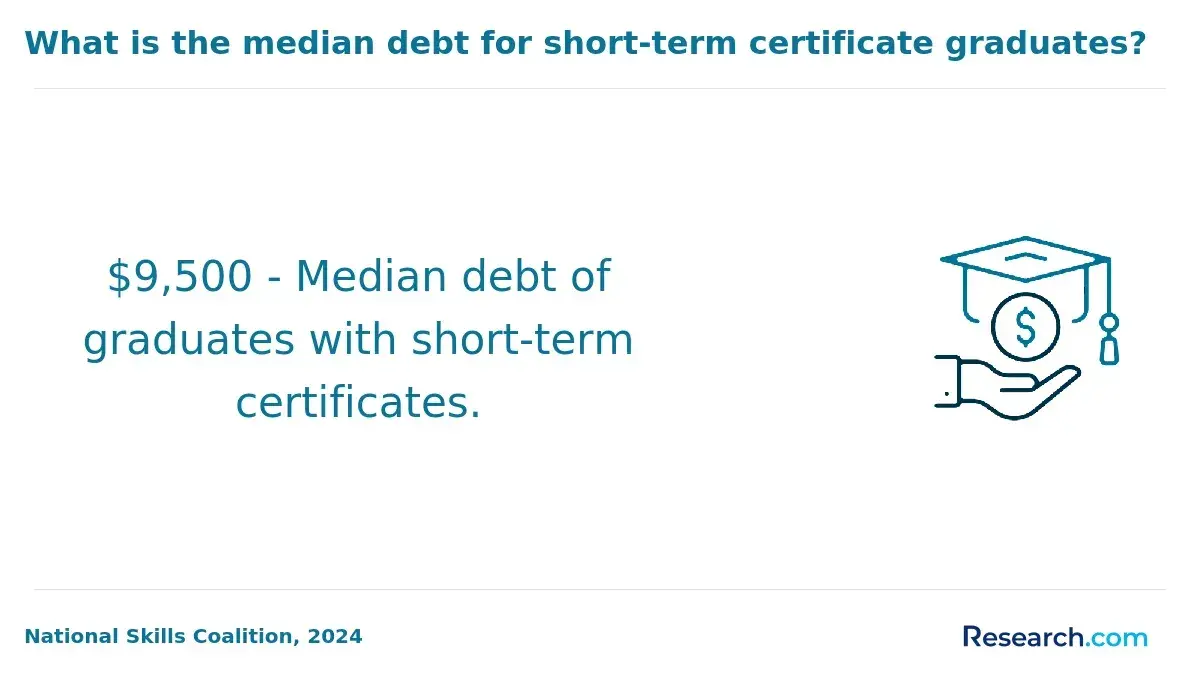
- Financial Pressures: Adult learners typically carry the full burden of tuition and living expenses without relying on parental support. Exploring financial aid, employer tuition reimbursements, or installment payment plans can mitigate this stress.
- Technology Gaps: Some adults may struggle with digital learning platforms integral to modern human resources programs. Early development of basic tech skills helps lessen frustration and boost participation.
- Imposter Syndrome: Doubts about fitting in with younger peers or academic ability are common. Recognizing these feelings as widespread can empower individuals to seek support and focus on their unique experiences and strengths.
- Academic Bureaucracy: Complex enrollment processes, credit transfers, and degree requirements often cause confusion and delays. Dedicated advisors and services aimed at adult learners can simplify navigation and reduce stress.
A professional who began pursuing a human resources degree after 30 described feeling overwhelmed by juggling work deadlines and family demands but found that once he utilized evening online courses, his schedule became manageable.
He also mentioned initial frustration adapting to learning management systems, saying, "It felt like starting from scratch with technology." Despite moments when he questioned his fit among younger classmates, he eventually gained confidence by focusing on his real-world experience.
He appreciated personalized advising services that helped him navigate credit transfers and graduation requirements efficiently, which made the path feel less uncertain. His journey underscores that challenges can be overcome with persistence and the right supports in place.
Adult learners seeking flexible human resources degree options for learners over 30 can choose from several tailored program formats that support balancing education with work and family commitments.
- Fully Online: Offering ultimate flexibility, these programs enable students to study remotely on personalized schedules. Institutions like WGU leverage robust platforms emphasizing competency-based learning, ideal for adults who prefer self-paced progress.
- Hybrid: This format mixes online coursework with limited on-campus sessions to provide some face-to-face interaction and networking opportunities without full-time campus attendance.
- Evening and Weekend On-Campus: Designed for working professionals, these programs schedule classes outside typical work hours, allowing structured learning while requiring physical presence, which may affect commuting and personal time.
- Competency-Based Education (CBE): Recognizing prior knowledge and skills, CBE lets students advance by demonstrating mastery rather than following a fixed timetable. This option suits career changers and military veterans aiming to shorten time-to-completion and reduce costs.
- Accelerated Cohort Models: These fast-paced, cohort-based programs foster peer support and accountability, appealing to motivated adults focused on quick degree attainment with consistent time investment.
Among the best adult-friendly human resources bachelor's degree programs, schools like Arizona State Online and SNHU have built strong infrastructures tailored to adult learners. Prospective students should assess their lifestyle, learning preferences, and career timeline to select the most suitable format.
For those considering financial plans, exploring how much does a doctorate in education cost may also provide helpful insights into affordability strategies.
Adult learners pursuing a human resources bachelor's degree often experience varied timelines dependent on past education, course load, and program format. According to the National Center for Education Statistics, adults typically need six years part-time versus four years full-time to finish undergraduate degrees.
However, leveraging prior learning assessments (PLA), CLEP tests, and recognized military credits can significantly accelerate progress by reducing general education requirements.
Those entering programs with transferable credits may complete degrees in as little as two to three years part-time, while accelerated programs designed for adults offer condensed coursework enabling completion in about three years full-time.
Without prior credit, students balancing work and family should anticipate a timeline closer to the standard duration, adjusted for part-time enrollment. Flexible scheduling options—like evening, weekend, and online classes—help accommodate diverse responsibilities.
- Prior Credit Advantages: Transferring college or military credits can shorten degree completion by multiple semesters, easing the path to graduation.
- Enrollment Impact: Full-time study averages four years, but part-time attendance may extend study duration to six or more years.
- Accelerated Programs: Tailored for working adults, these formats offer faster completion by condensing curriculum into shorter terms.
- Flexible Formats: Online and evening classes provide crucial options for learners juggling jobs and family demands.
- Enrollment Trends: Nearly 40% of students over 30 attend part-time, highlighting the need for adaptable degree pathways.
A professional who earned a human resources degree after 30 reflected on her journey, emphasizing the challenge of balancing a full-time job and family commitments.
She shared that applying military credit transfers and opting for online evening classes were vital in managing her workload and shortening her timeline. "It wasn't easy, but having the flexibility to study when I could and knowing my prior experience counted made it feel achievable," she recalled.
Her story underscores the importance of personalized planning and utilizing available credit options to navigate degree completion successfully.
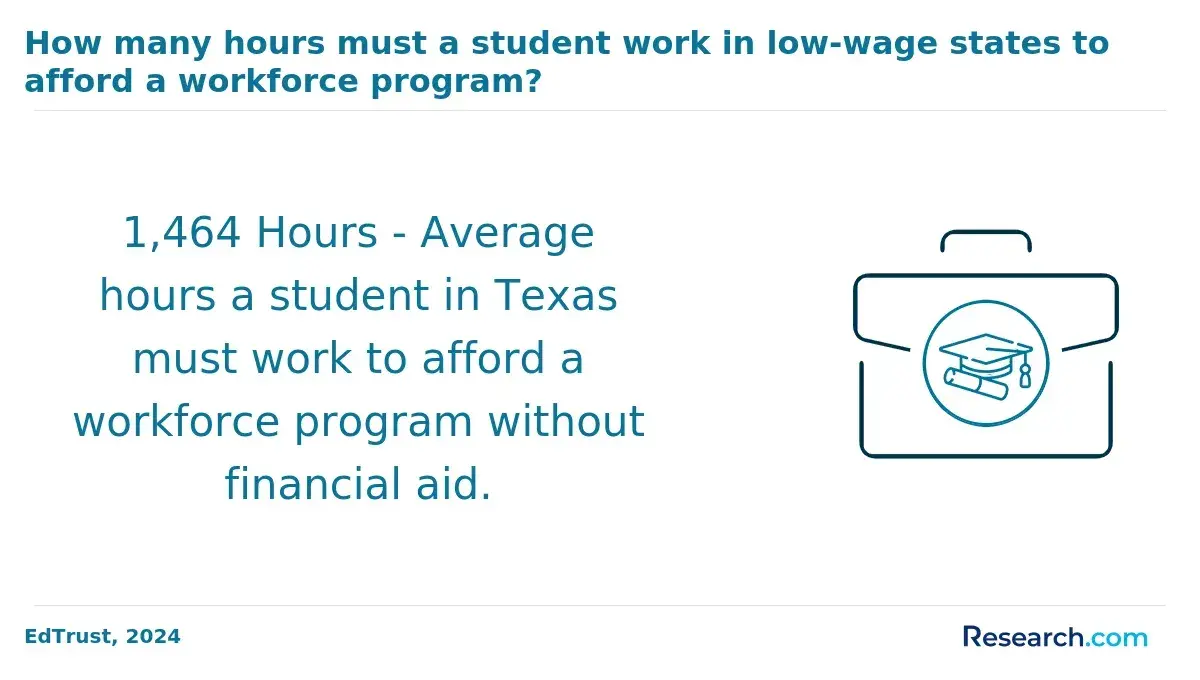
Adults over 30 seeking a bachelor's degree in Human Resources have multiple financial avenues to explore beyond common assumptions about aid being reserved for younger students.
According to the Federal Student Aid office, eligibility for federal aid, including Pell Grants and both subsidized and unsubsidized loans, is based on financial need and FAFSA completion—not age—enabling adult learners to access these benefits confidently.
- Federal Financial Aid: Pell Grants offer need-based support that does not require repayment. Subsidized loans accrue interest only after graduation, providing more manageable repayment terms, while unsubsidized loans begin accruing interest right away but help cover funding gaps.
- Employer Tuition Assistance Programs: Many companies encourage employee development by reimbursing tuition costs or providing direct assistance. Working adult students should check if their employer participates in such programs, which can significantly lower education expenses.
- State Adult Learner Grants: Various states award grants tailored for adult students completing degrees, often requiring residency and enrollment in public institutions. These supplements can enhance federal aid packages.
- Human Resources-Specific Scholarships: Scholarships from professional organizations like the Society for Human Resource Management (SHRM) support students committed to human resources careers and help mitigate financial burdens.
- Income-Share Agreements (ISAs): Some colleges collaborate with ISA providers that allow students to pay tuition by sharing a percentage of future income, offering an alternative to conventional debt.
Tuition costs differ widely—online programs often provide lower tuition and added flexibility, while public schools generally charge less than private institutions. Comparing these variables is crucial for selecting an affordable yet quality human resources degree pathway.
Before resorting to loans, adult learners should prioritize submitting FAFSA early, reviewing employer benefits, seeking scholarships, and exploring state grants to reduce reliance on debt.
Recent National Center for Education Statistics data shows adult learners now comprise nearly 40% of postsecondary students, emphasizing their growing presence and increasing support in higher education.
Employers generally value a bachelor's degree in human resources from a regionally accredited institution-whether earned before or after age 30-because the credential signifies necessary expertise and commitment.
Data from the Society for Human Resource Management (SHRM) shows that hiring managers focus more on relevant skills, credentials, and professional maturity than on the graduate's age or time taken to complete the degree.
- Credential Value: Many HR roles, especially in corporate, government, and healthcare sectors, require a bachelor's degree as a baseline. This diploma acts as a formal validation of knowledge essential to these fields.
- Age Perception: Adult learners are often preferred hires due to their workplace experience, perseverance, and mature perspective. Returning to school after 30 signals motivation and resilience attractive to employers.
- Industry Standards: Specialized areas of human resources like employee relations, talent management, and compliance enforce strict degree requirements. The timing of degree completion does not reduce its legitimacy or the access it provides to career opportunities.
- Resume Impact: Employers and credential verifiers see only the degree and awarding institution on transcripts and diplomas-age or duration of study is not disclosed, keeping the focus on educational achievement.
- Recent Trend: According to LinkedIn Workforce Insights, over 40% of human resources professionals earned their bachelor's degrees after age 30, underlining increased acceptance of adult education pathways.
Adult learners pursuing a human resources bachelor's degree after 30 can often convert prior professional experience into academic credit, significantly accelerating degree completion. Several established mechanisms support this credit conversion-key among them are:
- Prior Learning Assessment (PLA): Evaluates work experience, military service, training, and informal learning for credit awards. Students submit portfolios demonstrating competencies, reviewed by faculty to match course requirements. Many institutions grant 15 to 30 credits through PLA, shortening time in class.
- Portfolio Evaluation: Combines job descriptions, performance reviews, and reflective essays to evidence mastery of human resources topics like conflict resolution or benefits administration. This method aligns practical skills with academic standards.
- CLEP and DSST Exams: Standardized tests that measure college-level knowledge gained outside the classroom. Passing scores can provide course equivalency, sometimes offering up to 30 credits toward degree requirements.
- ACE-Recommended Credit: Professional certifications such as SHRM-CP or PHR are often eligible for direct transfer credit, recognized by the American Council on Education, counting toward bachelor's degree progression.
The Council for Adult and Experiential Learning (CAEL) finds that students using such PLA pathways typically earn between 20 and 30 credits, effectively reducing their overall degree timeline.
Schools like Excelsior College, Thomas Edison State University, and Southern New Hampshire University have robust PLA programs tailored for human resources adult learners.
Admissions offices reviewing non-traditional applicants emphasize the relevance and recency of prior work experience.
Adult human resources students strengthen their applications by clearly connecting their professional achievements to academic competencies through detailed resumes, recommendation letters, and personal statements that frame work experience as experiential learning rather than educational gaps.
Years of practical experience in or near human resources serve as a valuable asset, making degree completion more efficient and fitting education into busy lives. Career changers, military veterans, and parents returning to the workforce will find these pathways especially beneficial.
For those exploring options, detailed information about accelerated programs is available through resources such as the human services online degree listings, which highlight efficient pathways suited for working adults.
Adult learners pursuing a human resources bachelor's degree often encounter admission requirements tailored to their diverse academic and professional backgrounds. Many institutions recognize that applicants over 30 bring valuable work and life experience, offering flexibility compared to traditional programs focused strictly on academic records.
- GPA Requirements: Most programs expect a minimum cumulative GPA between 2.0 and 2.5 on any prior college coursework. However, some schools waive strict GPA expectations for adult students with substantial professional experience or military service, reflecting the broader evaluation criteria used for human resources bachelor's degree admission requirements for adult learners.
- Standardized Test Waivers: Applicants over 25 commonly receive waivers for standardized tests like the SAT or ACT. This approach emphasizes real-world accomplishments over exam scores, easing the pathway for adult candidates with relevant experience.
- Letters of Recommendation: Programs usually request one or two letters highlighting the applicant's leadership, work ethic, or potential in human resources. These are often from employers, supervisors, or community leaders rather than academic references, aligning with the practical focus many adult learners bring.
- Personal Statements: A well-crafted statement articulating motivation for pursuing human resources and connecting past experiences to academic goals is typically required. This helps programs assess commitment and readiness beyond just transcripts.
- Residency and Transfer Credits: Many schools accept transfer credits from previous college courses or military training. Residency policies usually demand a minimum number of credits completed at the enrolling institution before awarding the degree, speeding time-to-completion for transfer and veteran students.
- Open or Rolling Admissions: Institutions serving adult learners often utilize open or rolling admissions rather than strict deadlines. This flexible approach accommodates work and family commitments, offering more accessible entry points for those 30 and older compared to selective traditional undergraduate systems.
- Addressing Low GPA: Applicants with lower GPAs may qualify for academic renewal or grade forgiveness policies that exclude poor grades from GPA calculations. Conditional admission or probationary tracks allow demonstration of academic capability before full acceptance—key for those needing a second chance in a human resources program.
Prospective students should honestly assess their credentials, including GPA expectations for adult students in human resources programs, to find programs that align with their academic profiles and career goals.
For additional guidance on affordable pathways, consider exploring options like the cheapest master in data science, which offers insights into cost-effective degree completion strategies relevant across disciplines.
Many adults over 30 pursuing a human resources bachelor's degree face challenges balancing caregiving duties, full-time jobs, and financial pressures. Research from the Institute for Women's Policy Research and the Pell Institute highlights how these factors often delay or interrupt degree progress.
Those who graduate successfully often rely on structured time management methods—such as blocking study periods during early mornings or late evenings and maintaining consistent routines—to fit education around life's demands.
Workplace flexibility is crucial; employers offering adjustable schedules or remote options help students manage job and school responsibilities. Family support, especially from spouses, also lowers the strain of caregiving and household tasks, making academic focus more attainable.
Additionally, campus childcare services and emergency financial aid programs provide essential resources that sustain enrollment and help prevent dropout.
Prospective adult learners should review their personal support networks before starting their program. Establishing early communication with their institution's adult learner services office is important to access tailored resources, accommodations, and guidance-creating a more manageable path toward degree completion.
- Time Management Strategies: Consistent study schedules and flexible timing enable students to balance academic and personal obligations effectively.
- Employer Flexibility: Work arrangements that accommodate school demands assist adult learners in maintaining their job and studies simultaneously.
- Family Support: Spousal and relative assistance eases caregiving responsibilities during the program.
- Campus Resources: Access to childcare and emergency financial aid minimizes obstacles and supports continuous enrollment.
- Planning and Communication: Assessing support systems and engaging with adult learner services ensures proper academic accommodations and resources.
Research from the National Student Clearinghouse and Complete College America shows that intensive academic advising significantly boosts completion rates for adult learners pursuing human resources degrees. Institutions that prioritize support tailored to over-30 students greatly enhance retention and graduation outcomes.
- Dedicated Adult Learner Advisors: Advisors who specialize in non-traditional students provide personalized academic planning and help manage credit transfers, speeding up degree completion for those balancing multiple commitments.
- Prior Learning Assessment Offices: These offices evaluate professional or military experience to award credit, minimizing required coursework and lowering tuition costs.
- Evening and Weekend Tutoring: Flexible tutoring hours accommodate working adults and parents, making academic support accessible outside of standard schedules.
- Virtual Library Access: Reliable online research tools are essential for distance or hybrid students to complete assignments without campus visits.
- Career Services for Career Changers: Targeted counseling, resume workshops, networking events, and interview prep assist adult learners shifting into human resources roles.
- Peer Networks for Non-Traditional Students: Social groups and learning communities reduce isolation and foster collaboration, both of which contribute to sustained academic persistence.
When evaluating programs, ask specifically about these support structures. Their presence is strongly linked to adult student success and faster graduation, making them vital criteria for your college choice.
What Graduates Say About Getting a Human Resources Bachelor's Degree After 30
- Danny: "Enrolling in the Human resources bachelor's degree program after 30 was a game-changer for me-I appreciated the range of financial support options that made returning to school manageable. The program's solid accreditation reassured me that my investment was worthwhile, ultimately opening doors to fulfilling career opportunities. I'm grateful for how the curriculum balanced theory and practical skills, helping me transition smoothly into a professional HR role."
- Jamir: "Looking back, the most valuable aspect of my Human resources degree was the program's accreditation and the extensive financial aid available-it made advancing my education less stressful and more accessible. I found the community supportive, which was important as I balanced studies with family responsibilities. Graduating over 30 gave me confidence in my career direction and led to tangible professional growth I hadn't anticipated."
- Ethan: "Completing the Human resources bachelor's program after 30 was a reflective experience that reshaped my career path. The financial support options allowed me to focus fully on learning without constant worry, while the well-recognized accreditation enhanced my resume substantially. Since graduating, I've embarked on a rewarding HR career that combines my life experience with fresh knowledge-something I couldn't have achieved without this program."
Other Things You Should Know About Human Resources Degrees
In 2027, many universities and colleges offer scholarships specifically tailored for adult learners over 30. Additionally, federal financial aid and grants remain accessible, making it feasible for older students to pursue a human resources bachelor's degree without financial strain.
Yes, many institutions offer accelerated human resources bachelor's programs that cater to adults over 30 by allowing them to complete their degree faster. Additionally, credit-for-experience options recognize prior work or military experience, reducing the number of required courses. These programs provide flexibility, helping working adults balance education with other commitments.
Most programs require a high school diploma or equivalent, and some may ask for work experience or prior college credits. Check with specific institutions for additional requirements like minimum GPA or standardized test scores for 2027 admissions.
Yes, part-time study options are available for those over 30 pursuing a bachelor's degree in human resources. Many universities offer flexible scheduling, including evening and weekend classes, to accommodate working adults. Check with individual schools for specific part-time program structures.
- Is Earning an Undergraduate Degree in HR the Best Way to Prepare for an HR Career? https://www.shrm.org/topics-tools/news/hr-magazine/earning-undergraduate-degree-hr-best-way-to-prepare-hr-career
- Will my lack of a degree hold me back in HR? https://community.cipd.co.uk/discussion-forums/careers-clinic/f/hr-qualifications-and-studying/17426/will-my-lack-of-a-degree-hold-me-back-in-hr
- How BBA Graduates Build Careers in Human Resource Management? https://www.ue-amsterdam.com/blog/how-can-bba-graduates-build-careers-in-human-resource-management
- What Can You Do With a Human Resources Degree? https://www.snhu.edu/about-us/newsroom/business/what-can-i-do-with-an-hr-degree
- 30 Best Online Master’s Degrees In Human Resources - GradSchoolHub.com https://www.gradschoolhub.com/best/online-masters-degrees-in-human-resources/
- Degrees for Human Resources: A Guide to Starting or Switching Your Career https://www.aihr.com/blog/degrees-for-human-resources/
- What are Human Resources Degree Requirements and the Core Courses in a Bachelor's Program? - Human Resources Degrees https://www.humanresourcesmba.net/faq/what-are-the-core-courses-in-a-bachelors-in-human-resources-program/
- What to do after a Bachelor's degree in HR https://www.ipag.edu/en/blog/what-do-after-bachelors-degree-hr
- Top 21 HR Challenges in 2025 | NetSuite https://www.netsuite.com/portal/resource/articles/human-resources/hr-challenges.shtml
- 1:027 General Education Requir... v.2 https://apsu.policytech.com/dotNet/documents/


