
2027 Associate to Bachelor's in Human Resources: Transfer Pathways Explained

Co-Founder and Chief Data Scientist
The human resources industry faces a unique challenge in aligning practical workforce management skills with evolving strategic demands. Many professionals entering this field start with associate degrees that emphasize foundational knowledge but often find difficulties navigating the complexities required at the bachelor's level. This gap can hinder career advancement and limit opportunities to take on leadership roles where a deeper understanding of organizational behavior, labor laws, and talent development is essential.
According to recent data, approximately 47% of students transferring from an associate to a bachelor's program in human resources report obstacles related to credit transferability and curriculum alignment. These hurdles contribute to extended degree completion times and increased educational costs. This article will explore the critical transfer pathways, identify common barriers, and provide strategies to streamline the transition for students aiming to advance their qualifications in human resources management.
Key Points About Transferring from an Associate to Bachelor's in Human Resources
- Transfer pathways often offer flexible schedules and online options, enabling working professionals to continue employment while advancing their human resources education.
- Many programs accelerate skill acquisition by recognizing prior credits, reducing time to bachelor's completion by up to 50%, supporting faster career progression.
- Lower tuition costs are common in transfer-friendly institutions, with savings averaging 30% compared to starting a bachelor's without transfer credits.
Why should you consider an associate to bachelor's in Human Resources transfer pathway?
The associate to bachelor's in human resources transfer pathway offers a strategic blend of affordability and academic readiness that prepares students for advanced roles. Statistics show that bachelor's degree holders in human resources earn approximately 15% more on average and have higher employment rates than those with only an associate degree.
The cost and time investment for human resources degree transfer in 2024 remains manageable, making this option attractive. Key benefits include:
- Broader Career Opportunities: A bachelor's degree opens doors to management and consulting positions that are generally inaccessible with only an associate degree, expanding professional potential.
- Certification Preparation: Many professional HR certifications require bachelor's-level education, ensuring graduates are eligible for credentials that boost career credibility and advancement.
- Advanced Skill Development: Transfer programs develop essential skills such as communication, data analysis, and conflict resolution, which are critical for leadership roles in human resources.
- Academic and Financial Balance: Students can often leverage credits from associate programs to reduce both the time and money spent earning a bachelor's degree, combining cost-effectiveness with quality education.
Students interested in further growth might also explore related opportunities, such as enrolling in MSW online programs for broader social work credentials, which can complement a career in human resources.
What are the academic requirements to transfer from an associate to bachelor's in Human Resources?
While specific criteria often vary by institution, successful transfer into a bachelor's in human resources program from an associate program generally hinges on demonstrated academic consistency and the completion of foundational prerequisites. Below are some key academic requirements typically expected from transfer students.
- Minimum GPA: Most institutions require a cumulative GPA between 2.5 and 3.0 from prior college coursework. This ensures students have proven the academic readiness necessary to handle the rigors of a bachelor's degree in human resources.
- Prerequisite Coursework: Completion of foundational courses such as business principles, management, communication, and occasionally psychology or sociology is essential. These subjects create a strong base to understand core human resources concepts and practices.
- Transferable Credits: A minimum of 30 to 60 semester credits is commonly required for admission to a bachelor's program. Students must verify that their associate degree credits align well with the bachelor's curriculum to avoid credit loss.
- Grade Minimums in Core Classes: Some programs mandate a grade of C or better in human resources-related subjects. This policy helps ensure applicants have mastered crucial knowledge before progressing to advanced coursework.
Students planning their transfer in 2024 should concentrate on maintaining the necessary GPA, completing all academic prerequisites, and confirming credit transferability early. Effective academic advising can facilitate this process and minimize surprises during admission. For those interested in further education pathways after completing a bachelor's degree, exploring executive MBA programs online may provide additional career advancement opportunities within the field.
The academic prerequisites for transferring to bachelor's in human resources in 2024 emphasize both foundational knowledge and consistent academic performance, key pillars for a smooth transition from an associate to bachelor's program.
What documents do you need for a Human Resources transfer application?
Preparing key documents early is essential to facilitate a smooth credit evaluation when transferring from an associate to a bachelor's degree in human resources. Gathering the right materials ahead of time helps prevent delays and supports accurate credit assessment.
The following list outlines critical documents often required for transfer applications.
- Official College Transcripts: These are the primary records detailing your completed coursework at previous institutions. Institutions use them to determine how many credits can transfer toward your bachelor's degree requirements.
- High School Transcripts: Some programs request this if your college credits fall below a certain threshold. These transcripts provide additional academic context for admissions and transfer credit decisions.
- Application Form and Fees: Completing the transfer application accurately and submitting any required fees is mandatory to initiate the review process. Missing or incorrect forms can stall your evaluation.
- Resume Highlighting Experience: While not always required, a concise resume showcasing internships or relevant work in human resources can strengthen your application and reflect your practical background.
- Letters or Statements: Certain programs ask for letters of recommendation or personal statements. These documents offer insight into your professional goals and commitment to human resources study.
Many human resources programs recognize professional expertise, allowing students transferring from an associate degree to avoid repeating basic coursework they have already mastered. This approach can reduce time to degree by up to one year and save as much as 30% in tuition costs.
Below are common categories of credit acquisition for students leveraging transfer credit for prior work experience in human resources.
- Documented Work History: Detailed records of job roles and responsibilities can demonstrate mastery of key concepts, helping students earn credits aligned with foundational or elective courses.
- Professional Certifications: Credentials such as SHRM or HRCI certifications validate knowledge and experience, often translating directly into academic credit within degree programs.
- Employer Recommendations: Letters from supervisors or HR professionals can attest to a student's skills and competence, supporting their eligibility for credit by prior learning assessments.
- Portfolio Review: Compiling evidence like project reports, training materials, or performance evaluations showcases competencies in human resources, enabling faculty to assess and award credits accordingly.
These methods help in recognizing professional experience in human resources degree programs and bridge the gap between practical experience and academic requirements. Interested students can also explore options like criminal justice degree online cost programs that use similar credit evaluation processes.
Choosing a transfer pathway from an associate to a bachelor's degree in human resources is a strategic way to lower overall education expenses without sacrificing quality. Public two-year colleges typically charge about $3,500 annually, compared to approximately $10,000 at four-year public universities, offering potential savings of nearly 50%. These financial benefits go beyond tuition, as students often encounter reduced fees and shorter durations paying for costly upper-division classes. This approach effectively minimizes the total cost and can lead to less reliance on student loans, making it a financially prudent option for completing a human resources degree.
One student who followed this pathway shared that navigating credit transfers and course selections was initially daunting, but "the savings made it worth the effort." He recalled spending extra time meeting with advisors to ensure all associate credits would apply, which brought "a bit of stress," yet ultimately helped avoid unnecessary classes and expenses. Reflecting on the experience, he noted, "The financial relief gave me peace of mind and allowed me to focus more on my studies."
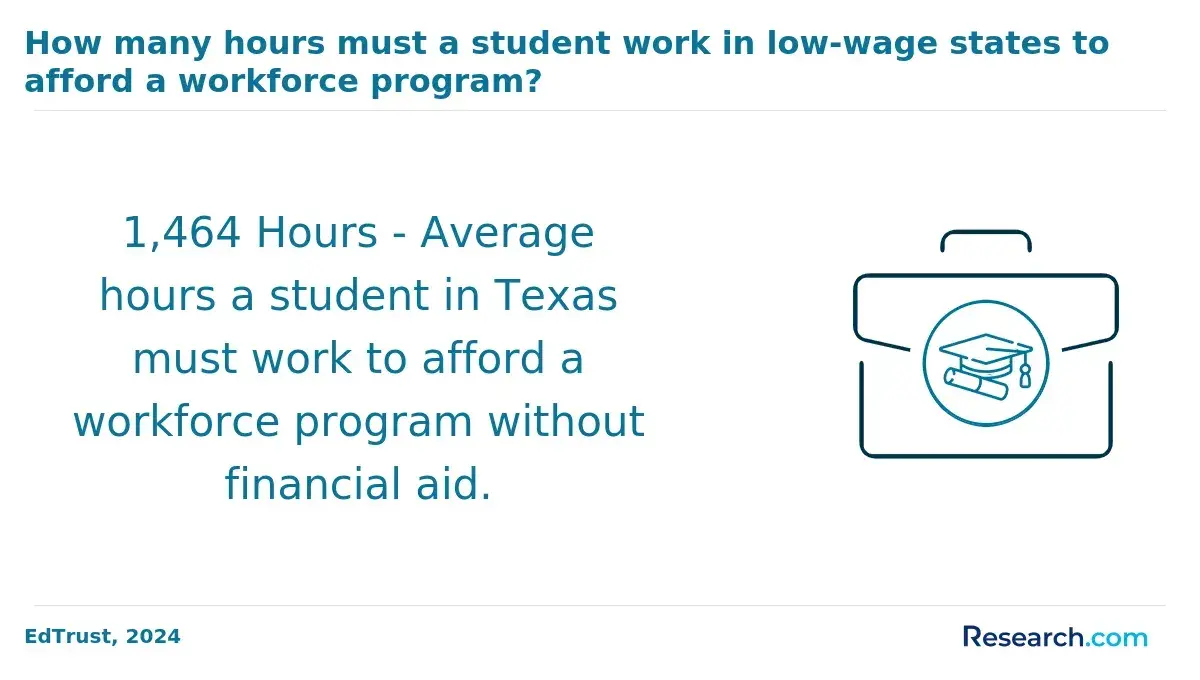
Many colleges and professional organizations provide targeted financial support to encourage students transitioning from an associate degree to a bachelor's program in human resources. A recent 2023 survey found that around 65% of students transferring into business-related fields receive scholarships or grants, typically valued between $2,000 and $5,000 annually.
Below are some common types of funding available for these students.
- Institutional Transfer Scholarships: These awards are offered by colleges to students moving from an associate degree to a bachelor's program, often requiring a minimum GPA and the transfer of about 60 credits. They help lower tuition expenses for students who meet academic standards and maintain good standing.
- State-Funded Grants: Primarily aimed at in-state residents, these grants support students enrolled in accredited bachelor's programs like human resources. Eligibility typically hinges on residency status, satisfactory academic progress, and enrollment in a program aligned with workforce needs.
- Professional Organization Scholarships: Scholarships from groups focused on labor relations, workforce development, or human resources reward students who demonstrate leadership, community service, or dedication to the HR profession. These awards foster growth within the field by supporting promising future practitioners.
Many professionals pursuing a bachelor's degree in human resources can significantly reduce their tuition costs by leveraging employer-sponsored tuition reimbursement programs designed to support degree advancement. Recent data from the Society for Human Resource Management (SHRM) indicates that around 60% of U.S. employers offer some form of educational assistance to employees.
Below are key factors to know when considering employer tuition reimbursement for transfer students.
- Employment Tenure: Employers generally require a minimum length of employment, often six months to one year, before employees become eligible for tuition reimbursement benefits. This ensures commitment and alignment with company goals.
- Annual Benefit Caps: Many reimbursement plans limit payouts annually, commonly up to the federal tax-free maximum of $5,250 per year. This cap typically influences how employers allocate funds, particularly for degree completion students.
- Academic Performance: Maintaining a minimum GPA, frequently 2.5 or higher, is a standard requirement to continue receiving tuition assistance. This encourages academic success aligned with professional development.
- Program Relevance: Coursework usually must relate directly to the employee's current role or career path within the company. Education assistance programs aim to enhance job-related skills and organizational performance.
- Transfer Credit Coverage: Companies with degree completion initiatives often reimburse only remaining credits needed to finish a bachelor's degree, rather than covering all prior coursework from the associate degree.
Accreditation serves as a key quality assurance mechanism, ensuring that an associate degree in human resources meets the rigorous academic standards necessary for successful transfer to a bachelor's program. According to the Society for Human Resource Management (SHRM), over 70% of HR bachelor's programs consider accreditation status essential when reviewing transfer credit requirements for human resources degrees in 2024, highlighting its importance for credit mobility and professional licensure.
Institutional accreditation evaluates the overall quality of the educational institution, providing a broad endorsement of academic standards. In contrast, programmatic accreditation focuses specifically on the human resources curriculum, verifying that it aligns with industry standards and equips students with relevant skills. Students should confirm that both types of accreditation are in place to ensure that their credits will transfer smoothly and their degree retains professional value.
Choosing an associate degree from regionally or nationally accredited schools reduces the risk of losing credits when moving to a four-year university. Staying within these accredited pathways protects your investment and maintains the long-term worth of your degree. For those exploring advanced degrees, a useful resource for affordable options is the cheapest masters in counseling online, which can complement an HR career.
Transitioning from an associate degree to a bachelor's degree in human resources significantly expands career options, enabling graduates to pursue leadership and specialized positions. According to the U.S. Bureau of Labor Statistics, employment for human resources managers is expected to grow by 7% between 2022 and 2032, reflecting ongoing demand for skilled professionals in this field.
Below are several key roles accessible with a bachelor's degree in human resources.
- HR Manager: This position involves overseeing recruitment processes, employee relations, and ensuring compliance with labor laws. A bachelor's degree provides the strategic and organizational skills necessary to manage complex workplace dynamics effectively.
- Talent Acquisition Specialist: Focused on sourcing and onboarding qualified candidates, this role benefits from a deep understanding of recruitment strategies and workforce planning taught in four-year programs.
- Compensation Analyst: Designing competitive pay structures and benefits packages requires analytical expertise and knowledge of labor market trends, both of which are emphasized at the bachelor's level.
- Training and Development Manager: Responsible for creating programs that enhance employee skills, this role demands competencies in instructional design and organizational development gained through advanced study.
While the path from an associate to a bachelor's degree in Human Resources is generally streamlined, administrative oversights and academic misalignments can cause unexpected delays or credit loss. On average, students lose about 20-30% of their earned credits during transfer, highlighting the need for careful planning to minimize lost time and expenses.
To help students navigate common challenges, consider these key pitfalls to avoid:
- Credit Loss: Differences in curriculum and accreditation often result in significant credit loss, causing students to retake courses or extend their studies. Understanding which credits transfer before enrolling can prevent costly surprises.
- Curriculum Misalignment: Human Resources degree requirements vary, and coursework from an associate program may not align with the bachelor's program's theoretical or specialized focus. This can lead to remedial classes or prerequisite work that delays graduation.
- Changing Majors: Switching focus within Human Resources or from related fields can add semesters and reduce transferable credits. Early clarification of degree objectives is essential to maintain academic progress.
- Administrative Delays: Navigating credit evaluations, transcript submissions, and admission deadlines is complex. Missing deadlines may postpone enrollment and lead to credit forfeiture.
- Poor Planning: Lack of communication between institutions or advisors can create gaps in understanding requirements. Consulting specialists knowledgeable about human resources transfer pathways ensures better alignment and smoother credit acceptance.
Key admission requirements for human resources transfer students in 2024 emphasize proactive credit evaluation and structured advising. For those considering advanced education to enhance their career, identifying the best masters degree to get is a strategic next step after completing a bachelor's in Human Resources.
What Graduates Say About Transferring from an Associate to Bachelor's in Human Resources
- Danny: "Choosing to transfer from an associate to a bachelor's in human resources program was a strategic move for me to enhance my career prospects. The affordability of the transfer pathway made it accessible without overwhelming my finances. This journey has truly expanded my knowledge and opened doors to roles I once thought were out of reach."
- Jamir: "Reflecting on my decision to pursue the associate to bachelor's transfer pathway in human resources, the supportive academic environment was a key factor. The manageable cost, combined with quality instruction, made the transition feel worthwhile. Completing this degree transformed how I approach workplace dynamics and leadership in my current position."
- Ethan: "Professionally, advancing through the human resources transfer pathway was a game-changer. I was drawn by the clear pathway from my associate degree to a bachelor's, which allowed me to build on my existing credits efficiently. The impact on my confidence and ability to contribute strategically within HR has been significant and deeply rewarding."
Other Things You Should Know About Human Resources Degrees
Yes. Most bachelor’s programs in human resources require official transcripts from every accredited college or university attended, usually sent directly by the issuing school. Missing transcripts can delay evaluation of transfer credits, admission decisions, and the start of upper-division HR coursework.
Students who transfer with an associate degree generally need about two more years to complete a bachelor's in human resources. The exact timeline depends on the number of transferable credits and the specific curriculum of the bachelor's program. Some programs offer accelerated or flexible scheduling options to help students finish more quickly.
Many accredited online courses completed as part of an associate degree are eligible for transfer to a bachelor's in human resources program. The receiving institution typically evaluates whether the courses meet their curriculum standards and accreditation requirements. It is important to verify this with the bachelor's institution before enrolling.
- Transferring Credits into an HR Bachelor's Program https://bachelors.humanresourcesdegree.io/transferring-credits-into-an-hr-bachelors-program/
- How to Transfer Credits Between Human Services Programs https://www.allpsychologyschools.com/blog/your-guide-to-transferring-credits-to-a-human-services-program/
- Effective Associate Onboarding Strategies in Human Resource - Course Sidekick https://www.coursesidekick.com/health-science/29324000
- Experience Tailored to HR.docx - Experience Tailored to HR 1. Teaching Experience: o Designed and implemented programs that - College Sidekick https://www.collegesidekick.com/study-docs/24654980
- 20 Best Associate’s Degrees Leading to a Bachelor’s in Human Resources - Human Resources Degrees https://www.humanresourcesmba.net/best/associates-degrees-future-bachelors-human-resources/
- Human Resources Scholarships | Undergraduate and Graduate Scholarships in HR Management https://www.humanresourcesedu.org/human-resources-scholarships/
- Is an Associate's Degree in Human Resources Management Worth It? | Bryan University Online© https://bryanuniversity.edu/faq/is-an-associates-degree-in-human-resources-management-worth-it/
- bachelor of science in business human resource management https://checkout.columbiacollege.edu/uploaded-files/ifF2oi/8FE155/bachelor-of-science__in__business_human-resource__management.pdf
- Why Choose an Associate Degree in Human Resources? https://www.allbusinessschools.com/human-resources/associate-degree/
- The Pathways To A Career in Human Resources: Degree Options Decoded https://www.thehrdigest.com/the-pathways-to-a-career-in-human-resources-degree-options-decoded/


